

Revolutionize the energy economy with advanced lithium-ion battery technology—lower costs, reduce heat, and accelerate sustainable development.
 Explore all product lines
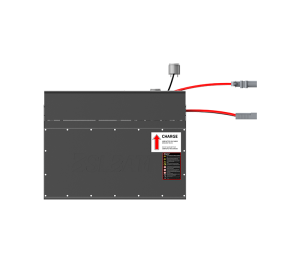
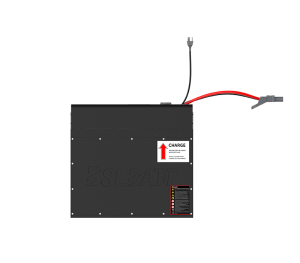
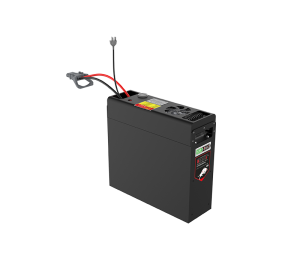
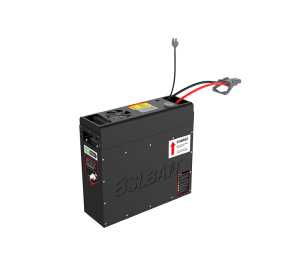
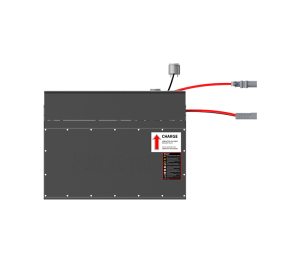
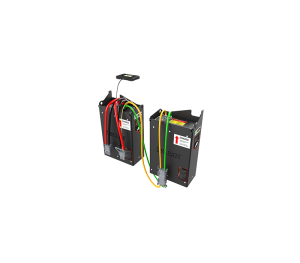
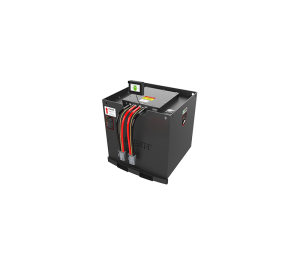
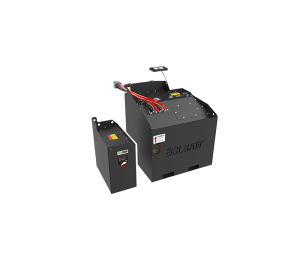
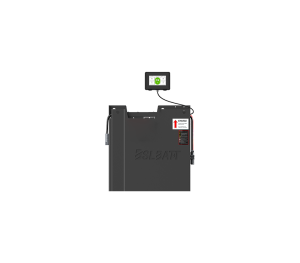
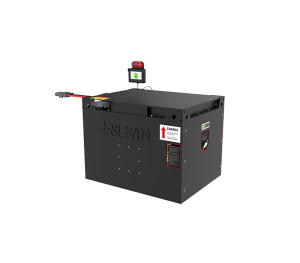
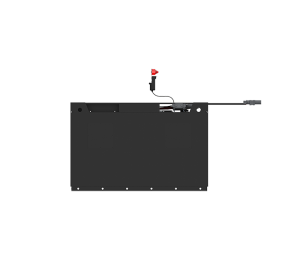
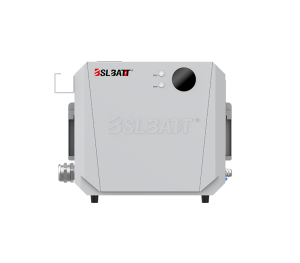
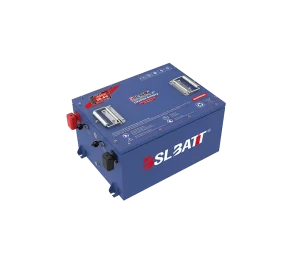
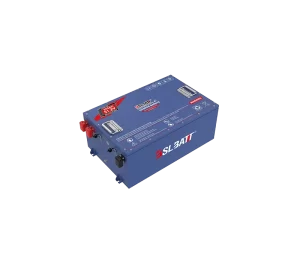
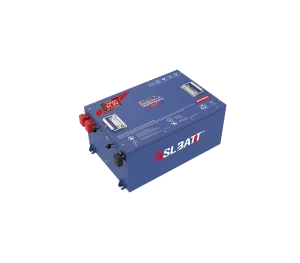
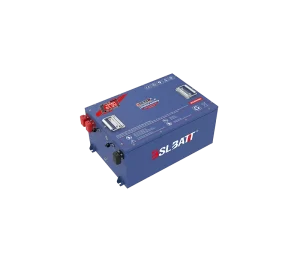
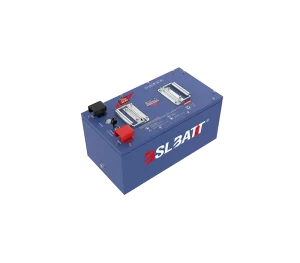
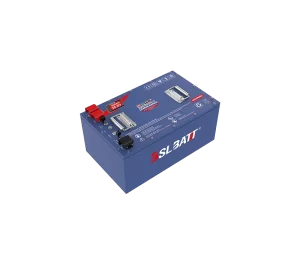
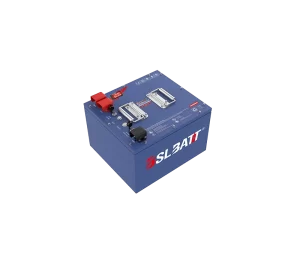
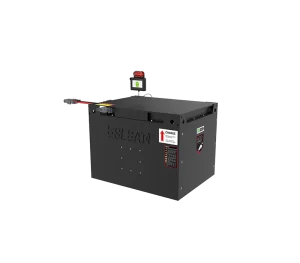








- Specialty Forklift Manufacturers and BSLBATT Lithium Battery Solutions
- The first lithium forklift battery that is UL 2580 certified and ISO9001 certified in the industry is BSLBATT® Battery – Industrial
- Automated Lithium Battery Assembly Line | BSLBATT Smart Factory
- Time to Retire Lead-Acid: Why Your Warehouse Needs Lithium-Ion Power
- Lithium Forklift Battery Maintenance Guide 2026
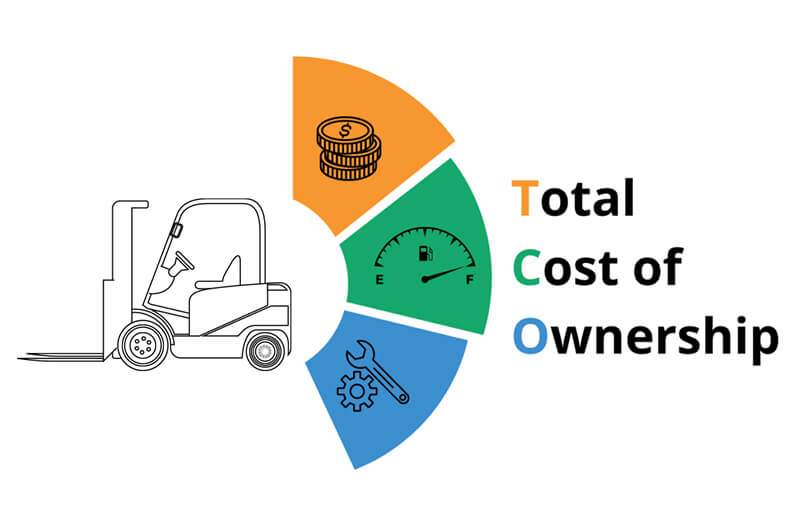
- Industrial Lithium Batteries: Initial Price vs. Long-Term Costs
Construction Equipment
Excavator & Heavy Equipment Batteries: Why 80V Lithium Is Replacing Lead-Acid
Table of contents
- Two different jobs for the same phrase
- Where lead-acid struggles on a construction site
- What "80V" actually means
- Lead-acid vs lithium for excavators and heavy equipment
- Backhoes, loaders and the rest of the fleet
- What the pack has to survive
- Charging on a job site
- Lifetime cost, not sticker price
- How to size an 80V excavator battery
- What BSLBATT offers for electric construction equipment
- Talk to an engineer
Two different jobs for the same phrase
Search “excavator batteries” and you’ll get two kinds of results mixed together.
Starter batteries. A diesel excavator or backhoe has a 12V battery, or two in series for 24V, that does one thing: crank the engine and run the lights and electronics. Lead-acid is still normal here, and nothing in this article changes that.
Traction batteries. An electric excavator has no engine. The battery pack drives the traction motor and the electric motor that spins the hydraulic pump. It carries the entire working load for hours at a time. This is the pack that is moving from lead-acid to lithium, and it’s what the rest of this guide is about. You can see the packs BSLBATT builds for these machines on its electric excavator battery page.
If you maintain a diesel fleet and just need a starter battery, you can stop here. If you’re looking at electric or converted machines, keep reading.
Where lead-acid struggles on a construction site
Lead-acid was the default for electric industrial trucks for decades, so it was the obvious first choice for electric construction machines. Heavy equipment is a harsher environment than a warehouse floor, though, and the weak points show up quickly.
Voltage sag. As a lead-acid pack discharges, its voltage drops steadily. In an excavator, that means the pump and drive motor see less power late in the shift. Operators feel it as slower boom and swing response in the last hours of the day. A LiFePO4 pack keeps a flat discharge curve, so the machine works the same at 20% charge as it did at 90%.
Usable capacity. To get a reasonable lifespan from lead-acid you generally can’t take it much below 50% state of charge. So a pack with a given nameplate capacity gives you roughly half of it in daily use. Lithium can be cycled much deeper without the same penalty.
Charging time. Lead-acid needs long, slow charges, then a cool-down. That usually means a dedicated charging area and a second battery or a second machine to cover the gap. Lithium accepts charge at much higher rates, and it doesn’t mind partial top-ups. BSLBATT’s own comparison puts lithium charging at up to four times faster than lead-acid.
Maintenance. Flooded lead-acid needs watering, terminal cleaning and equalizing charges. On a site with dust, mud and rotating crews, that work gets skipped, and the battery pays for it.
Cycle life. A typical lead-acid traction battery is good for somewhere between 500 and 1,500 cycles depending on how hard it’s treated. LiFePO4 packs are rated in the thousands. We’ll come back to the numbers below.
What “80V” actually means
Lead-acid cells are roughly 2V nominal, so an 80V lead-acid pack is 40 cells in series. LiFePO4 cells are 3.2V nominal, so the lithium equivalent is 25 cells in series, giving 80V nominal. That’s the number you’ll see on most so-called 80V lithium packs.
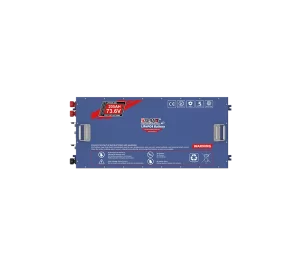
Why does platform voltage matter? Because current equals power divided by voltage. Take BSLBATT’s 80V 460Ah mini excavator battery: the 80V platform delivers heavy digging loads at lower current, which means thinner cables, less heat in the connectors, and less energy wasted before it reaches the hydraulics — and the flat discharge curve keeps bucket force and swing response consistent from the first cut to the last.
Lead-acid vs lithium for excavators and heavy equipment
| Factor | Lead-Acid Traction Battery | LiFePO4 Lithium Battery |
|---|---|---|
| Voltage under load | Drops steadily through the shift | Stays nearly flat until the end |
| Practical depth of discharge | About 50% for a reasonable life | 80% or more |
| Cycle life | Roughly 500 to 1,500 cycles | More than 3,500 cycles (BSLBATT pack spec) |
| Charging | Slow, needs cool-down, usually a dedicated area | Fast, partial charges are fine |
| Opportunity charging | Shortens battery life | Designed for it |
| Routine maintenance | Watering, cleaning, equalizing | None |
| Weight | Heavy | Lighter for the same usable energy |
| Upfront price | Lower | Higher |
| Cost over life | Higher, because of replacements and labor | Lower in most heavy-use fleets |
Backhoes, loaders and the rest of the fleet
Excavators get the attention, but the same logic applies across construction equipment batteries in general. Electric backhoe loaders, wheel loaders, site dumpers, concrete mixers, rollers and telehandlers all pull large, uneven loads from the pack and spend their days in dust and vibration.
A backhoe battery question usually comes in one of two forms. If the machine is diesel, you need a starter battery and a standard 12V part will do. If it’s an electric or hybrid backhoe, or a conversion, you need a traction pack, and the same sizing rules as the excavator apply.
One thing worth checking on any retrofit: weight. Lead-acid packs are heavy, and on some machines that mass is doing a job as counterweight. A lighter lithium pack can change the balance of the machine, so confirm with the OEM whether ballast needs to be added.
What the pack has to survive
A battery that works on a test bench can still fail in a quarry. These are the details that matter for outdoor heavy equipment.
- Ingress protection. BSLBATT’s brochure lists IP65-rated electrical components, which keep out dust and water jets. Some packs ship as IP54 with IP65 as an option (the mini excavator pack is one), so confirm the rating for your model.
- Vibration. The modules use laser-welded aluminum bus bars and aluminum alloy and steel frames, built to an automotive-grade shockproof standard.
- Temperature. The rated operating range is -20°C to 60°C. For colder sites, an optional heating system lets the pack charge and discharge in extreme weather.
- Fire safety. An optional built-in fire extinguishing system is available for sites where it’s a requirement.
- Monitoring. The BMS reports voltage, current and temperature over CAN, and the BSL cloud platform lets a fleet manager check battery data remotely, with optional GPS tracking.
Charging on a job site
Site charging is where lithium changes the daily routine most. Because a LiFePO4 pack handles partial charges without damage, operators can plug in during a coffee break, lunch or a shift change instead of waiting for a full recharge overnight. BSLBATT’s brochure shows a three-shift pattern where the pack gets topped up at every break and never gets close to empty.
For sites with no easy grid connection, there are a few options:
- DC fast charging from a dedicated charger.
- Mobile container charging, a containerized DC charger that moves with the job.
- Tow charging, a trailer-mounted unit that follows the machine.
Pick the one that matches how often the machine moves and how long it sits idle. As a reference point, BSLBATT lists a charge time of under two hours for its 80V 460Ah mini excavator pack on a 80V 200A charger. Before you buy a charger, check it against the pack on the charger matching page.
Lifetime cost, not sticker price
A lithium pack costs more upfront. That’s the part of the comparison nobody disputes. The useful question is cost per cycle of usable energy:
Cost per cycle = pack price ÷ (rated cycles × usable kWh per cycle)
Run that formula for both options with your own quotes. Then add the things the formula doesn’t catch: replacement labor, a second battery or charging room for lead-acid, watering time, and the hours the machine sat waiting to charge. For machines that work every day, those extras usually decide the comparison. BSLBATT’s page on initial price vs long-term cost goes deeper on the cost side.
How to size an 80V excavator battery
- Confirm the voltage. Read the machine’s nameplate or manual. Don’t assume 80V.
- Work out the energy you need. Estimate average power draw over a shift, then multiply by hours. Add a margin for peak loads and cold weather. BSLBATT’s lithium battery calculator is there if you want a second estimate.
- Check the physical space. Length, width, height and mounting points all have to match the battery compartment.
- Match the communication. The pack’s BMS needs to talk to the machine’s controller, usually over CAN.
- Plan the charging. Decide where, when and how the machine will charge before choosing capacity.
- Read the warranty terms. Check both years and operating hours. The brochure for BSLBATT’s construction packs states 8 years or 12,000 hours, and the warranty center has the full terms.
What BSLBATT offers for electric construction equipment
BSLBATT builds LiFePO4 packs using EVE and REPT cells, in capacities from 15Ah to 840Ah and voltages up to 1,000V. Packs are designed for up to 12 years of service and carry the 8-year, 12,000-hour warranty mentioned above. BSLBATT deliveries to more than 113 countries and says it is the first company in China to obtain UL 2580 certification.
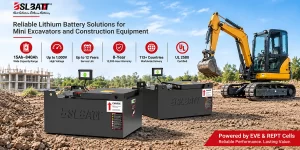
Because construction machines vary so much, most packs are customized to the machine instead of sold off a shelf. If you have a specific excavator, loader or backhoe in mind, send the model and nameplate details and the engineering team can propose a pack. You can see the full range on our construction equipment battery page, read about the lithium battery solutions for construction equipment, or go through the technical guides on electric construction equipment batteries and lithium batteries for construction equipment.
Talk to an engineer
If you’re replacing the battery in an electric excavator, backhoe or other heavy equipment, send us the machine model, nameplate voltage and daily duty cycle. We’ll come back with a pack proposal and charging recommendation. Contact BSLBATT.




Related Product Recommendations
-
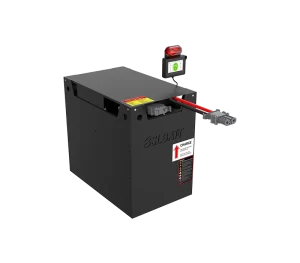
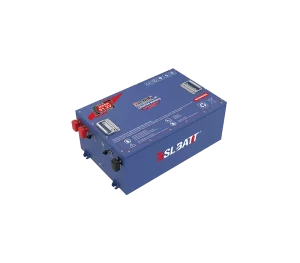
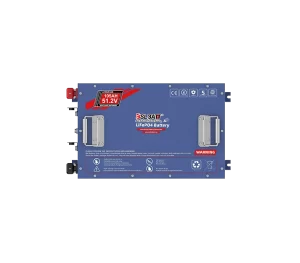
51.2V 410AH Lithium Battery For Mini Excavator
51.2V 410Ah Mini Excavator Lithium Battery — All-Day Power for Compact Jobsites
Learn More -
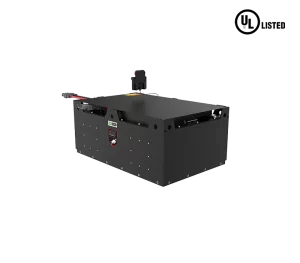
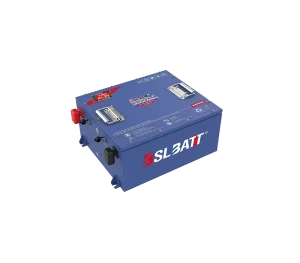
80V 460AH Lithium Battery for Mini Excavators
80V Excavator Battery 460Ah LiFePO4 Pack for Mini Excavators
Learn More -
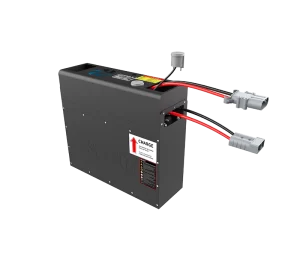
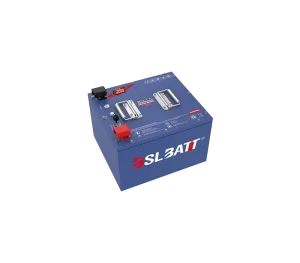
25.6V 230AH Lithium Battery For Platforms & Cranes
24V 230Ah Lithium Battery Powered Construction Equipment
Learn More -
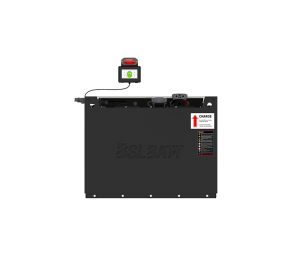
96V 690AH
Heavy Equipment Battery 83.2V 690Ah Port Grade Lithium | BSLBATT
Learn More