Revolutionize the energy economy with advanced lithium-ion battery technology—lower costs, reduce heat, and accelerate sustainable development.
 Explore all product lines
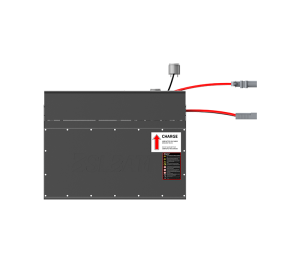
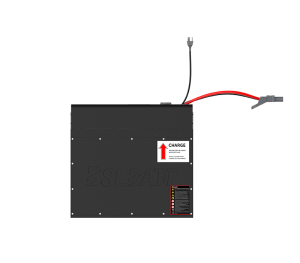
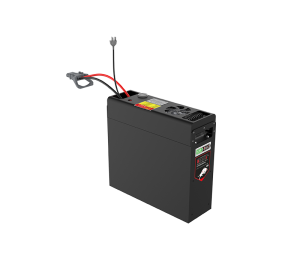
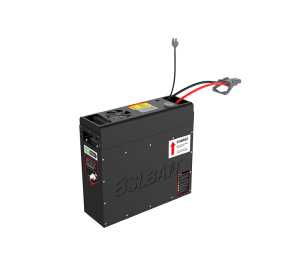
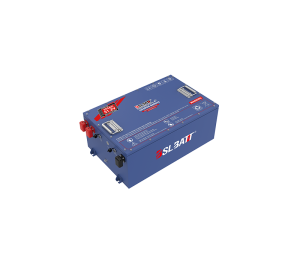
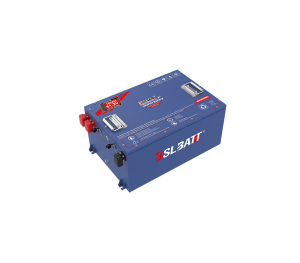
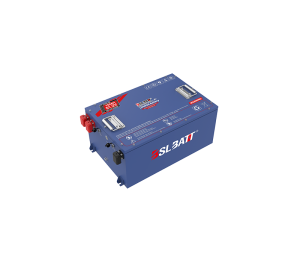
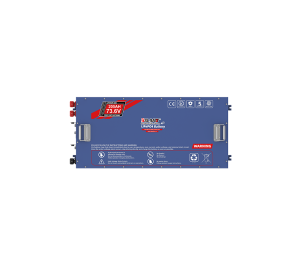
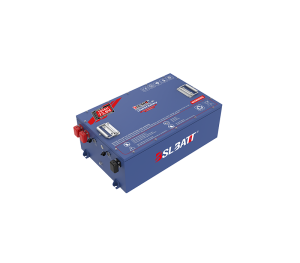
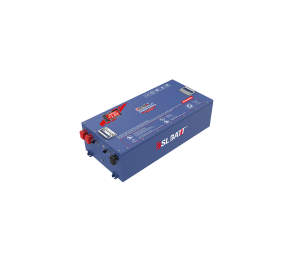
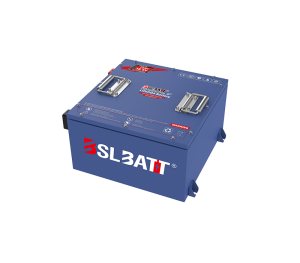
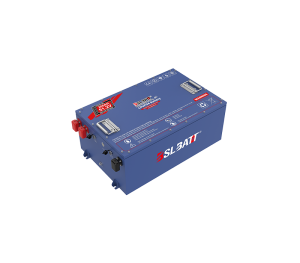
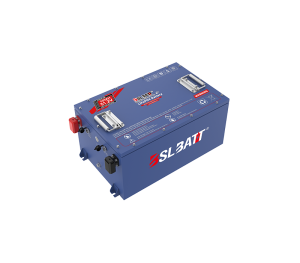
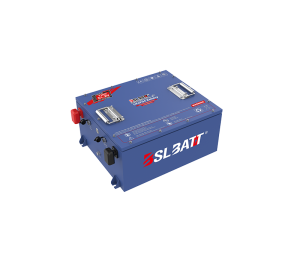
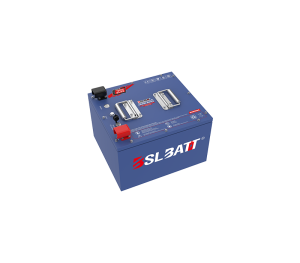
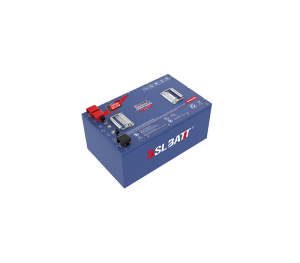
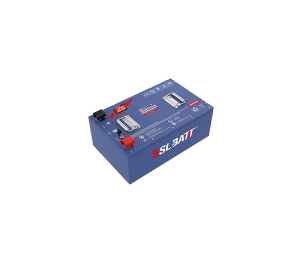
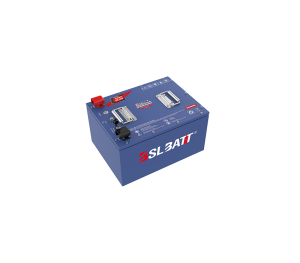
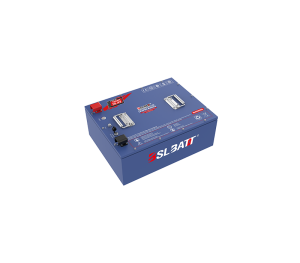
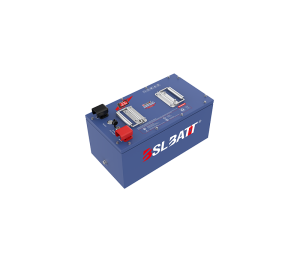
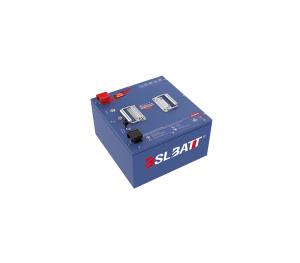
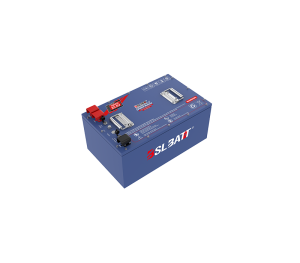
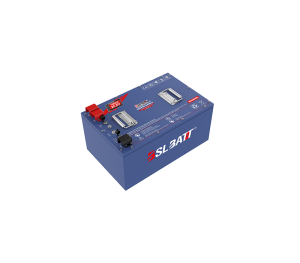
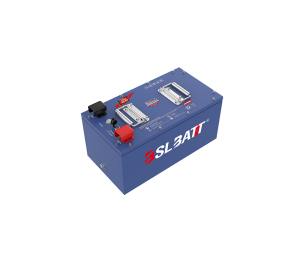


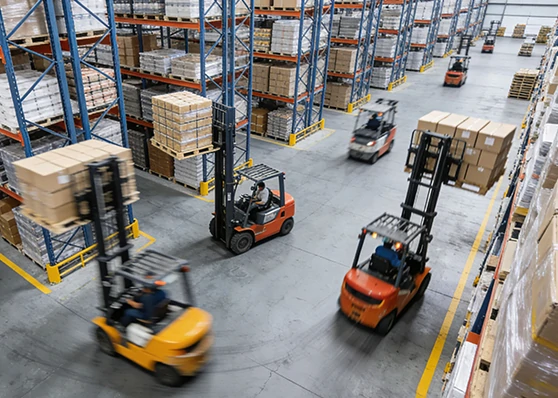
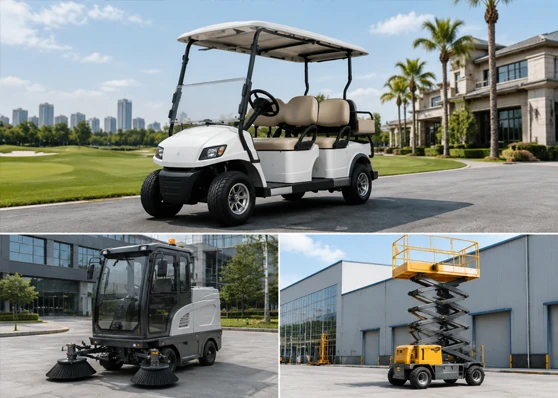

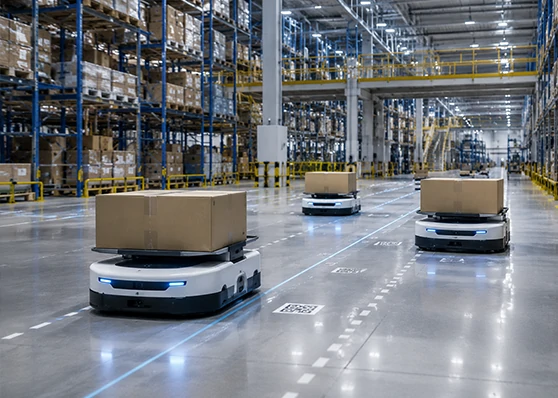
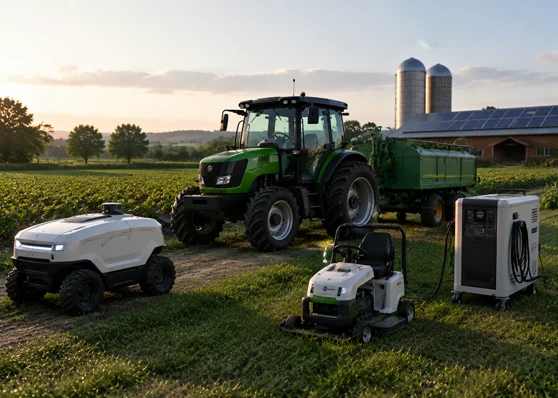




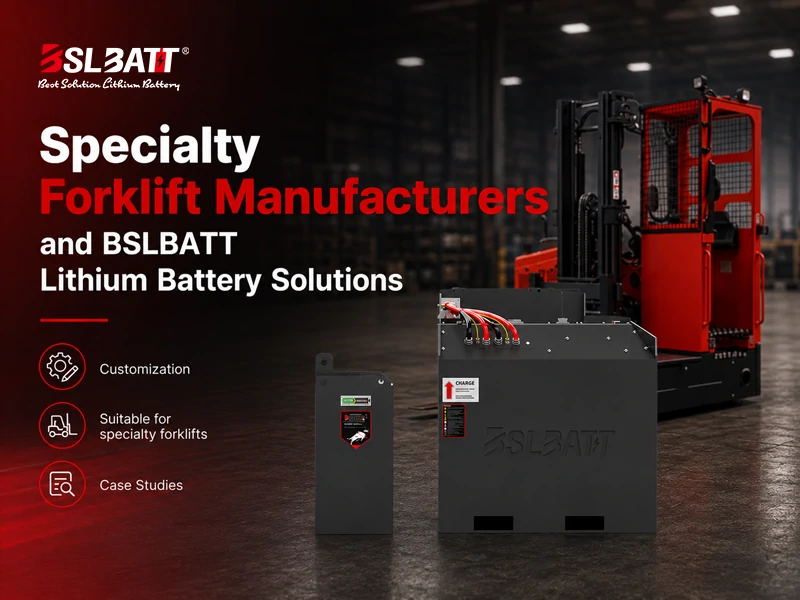
- Specialty Forklift Manufacturers and BSLBATT Lithium Battery Solutions
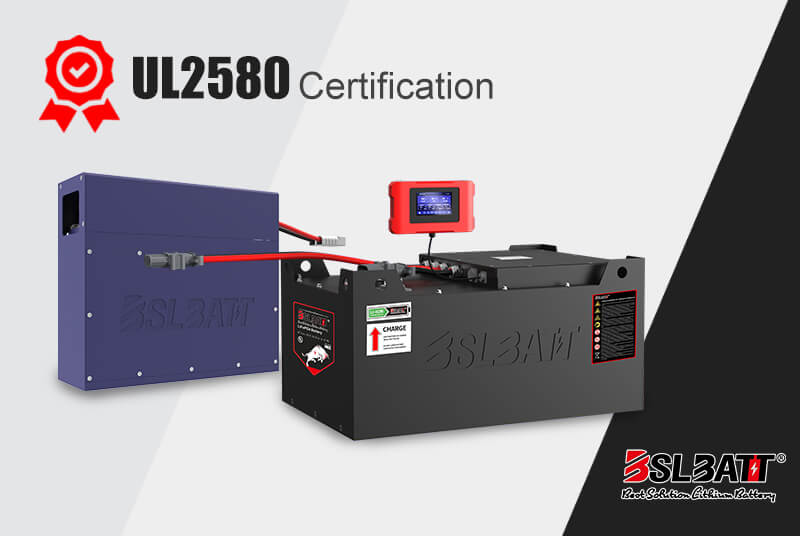
- The first lithium forklift battery that is UL 2580 certified and ISO9001 certified in the industry is BSLBATT® Battery – Industrial
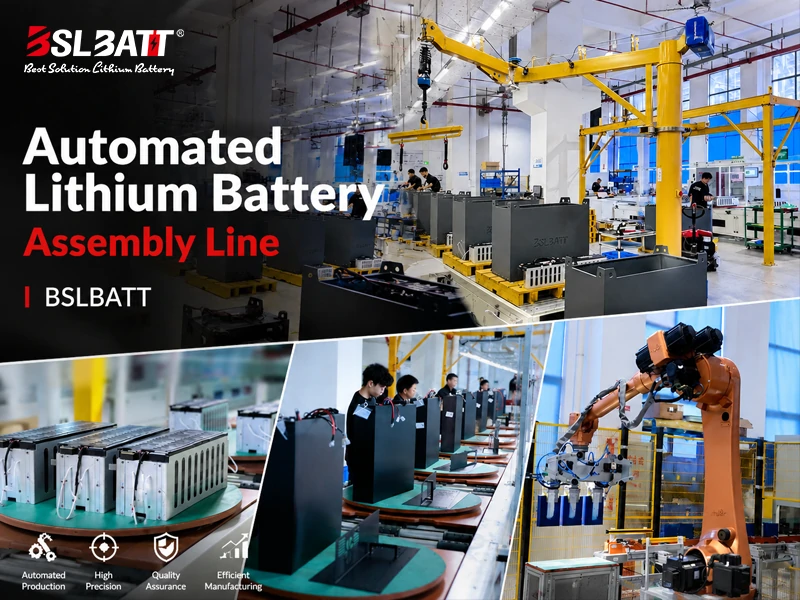
- Automated Lithium Battery Assembly Line | BSLBATT Smart Factory
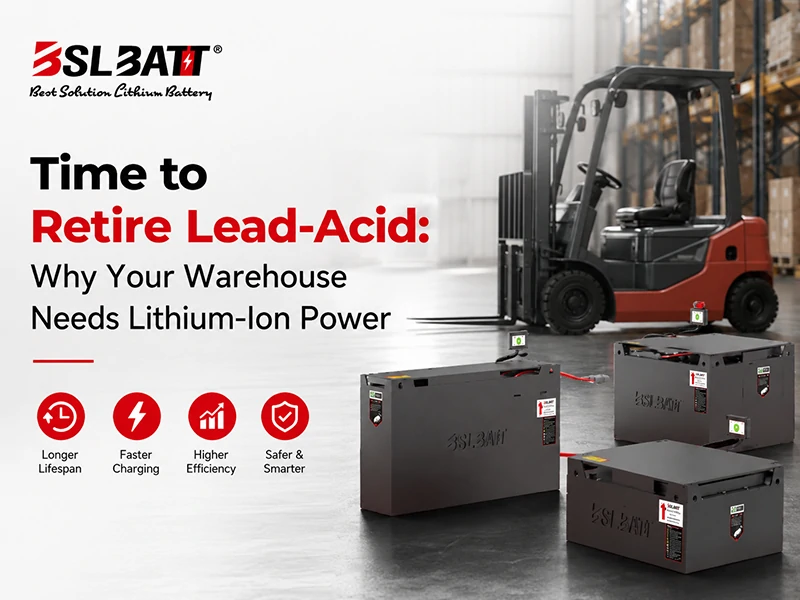
- Time to Retire Lead-Acid: Why Your Warehouse Needs Lithium-Ion Power
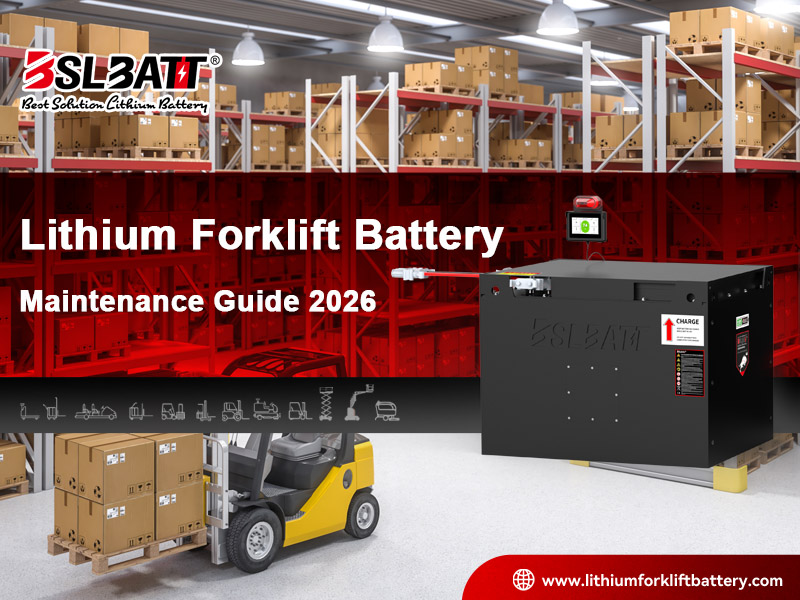
- Lithium Forklift Battery Maintenance Guide 2026
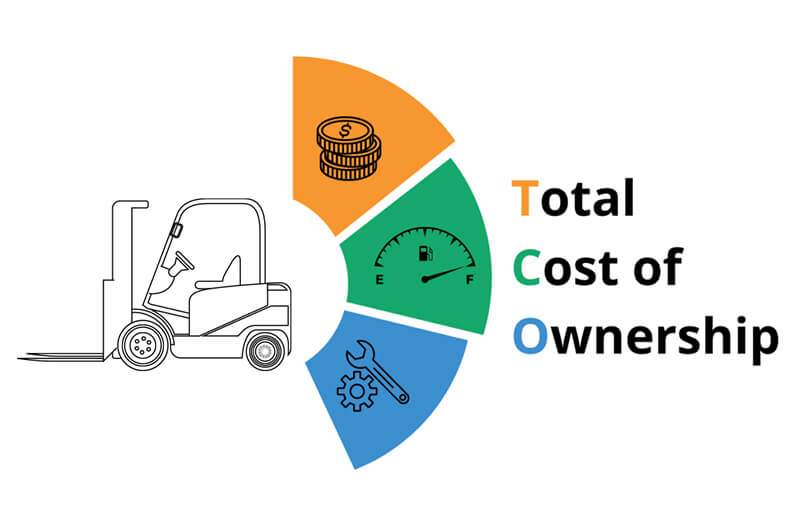
- Industrial Lithium Batteries: Initial Price vs. Long-Term Costs
Construction Equipment
Electric Construction Equipment Batteries: Powering Excavators, Loaders & Aerial Platforms
Table of contents
- Why Construction Sites Are Switching to Lithium
- Match the Battery to the Machine
- Excavators & Loaders: burst current first
- Aerial Work Platforms: voltage stability first
- Concrete Mixers & Dumpers: continuous energy and washdown
- The Four Specs That Actually Decide Battery Life on Site
- 1. Peak discharge current and its duration
- 2. IP rating and real washdown tolerance
- 3. Vibration and shock rating
- 4. Temperature range — and whether heating is included
- Charging Where There Is No Grid
- Fleet Telemetry: the Underestimated Payback
- Buyer's Checklist: Eight Questions Before You Order
- 1. What is the peak discharge current, and for how many seconds? Not the continuous rating — the burst rating.
- Frequently Asked Questions
- Are lithium batteries safe for use on construction sites?
- Can construction equipment lithium batteries be charged in cold weather?
- How long does a construction equipment lithium battery last?
- Do lithium batteries work in existing machines, or only new electric models?
- Is a higher IP rating always worth the extra cost?
- Spec the Right Pack for Your Fleet
Choose a construction equipment lithium battery by matching the machine’s voltage platform, its peak current demand, and its daily duty cycle. Excavators and loaders need high burst current and shock resistance. Aerial platforms need flat voltage for safe lifting. All three need sealed enclosures for site dust and washdown.
Why Construction Sites Are Switching to Lithium
Construction electrification was held back for years by one problem: lead-acid could not survive the job site. Vibration cracked plates, dust contaminated terminals, and the voltage sag under a hydraulic load made lifting slow and unpredictable. Lithium iron phosphate (LiFePO4) changed that equation, and it is now the default chemistry for electric excavators, wheel loaders, and aerial work platforms.
Three pressures are driving the switch. Emissions rules in urban low-emission zones and indoor fit-out work make diesel increasingly expensive to run. Noise limits on night urban projects favour electric drivetrains. And total cost of ownership now favours lithium once you count the labour that lead-acid demands: watering, terminal cleaning, equalisation charges, and battery swaps.
| Factor | Diesel | Lead-acid | LiFePO4 lithium |
|---|---|---|---|
| On-site emissions | High — NOx, PM, CO2 | Zero at point of use | Zero at point of use |
| Noise | High | Low | Lowest |
| Voltage under load | Stable (engine governed) | Sags as pack drains | Flat discharge curve |
| Peak burst current | High | Moderate, sags on demand | High, sustained |
| Vibration tolerance | Engine-grade | Poor — plate shedding | Automotive-grade structures |
| Routine maintenance | Engine service | Watering, cleaning, equalising | None |
| Mid-shift refuelling | Fast | Battery swap or 8 h charge | Opportunity charge in breaks |
| Indoor / enclosed use | Ventilation required | Ventilation required | Suitable with correct spec |
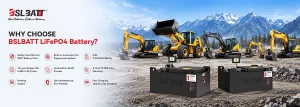
Match the Battery to the Machine
Construction equipment is not one use case. A 2.7 kWh scissor lift pack and a 33 kWh excavator pack share a chemistry and almost nothing else. Start by classifying the machine by what its duty cycle actually demands.
Excavators & Loaders: burst current first
Digging and break-in cycles are spike loads. The pump draws a hard peak for a few seconds, drops back, then spikes again — thousands of times a shift. Spec the pack on peak discharge current and its duration, not just amp-hours. A battery rated for 168 A continuous with a 300 A ten-second peak behaves very differently on an excavator than one with a 250 A peak, even at the same nominal capacity.
Vibration is the second constraint. Demolition and rock work transmit continuous shock into the pack. Look for automotive-grade cell bracing, a welded steel enclosure rather than a light alloy tray, and a BMS mounted on vibration-isolated hardware.
Aerial Work Platforms: voltage stability first
For scissor lifts and boom lifts, the priority flips. Operators working at height need predictable, repeatable platform movement, which means the pack must hold voltage flat all the way down. Lead-acid lifts slow down as the battery drains — noticeable, and unsettling at 12 metres. A LiFePO4 pack maintains lift and drive speed until the end of the charge.
Capacity is sized against lift cycles per shift rather than travel distance. A compact 24 V 105 Ah pack (2.68 kWh) suits a single-operator scissor lift on intermittent duty; a 24 V 168 Ah pack (4.30 kWh) suits large scissor and boom lifts running continuous vertical cycles. Both support opportunity charging during breaks, so a midday top-up does not consume cycle life.
Concrete Mixers & Dumpers: continuous energy and washdown
Mixing drums rotate continuously for hours — a sustained drain, not a spiky one. Here total energy and thermal management dominate. The pack must dissipate heat over a long run without derating, and it must survive daily high-pressure washing. Mortar is abrasive and alkaline; an inadequately sealed enclosure will fail long before the cells do.
| Machine | Duty profile | Priority spec | Typical BSLBATT configuration |
|---|---|---|---|
| Scissor lift / vertical mast | Intermittent lift cycles, short travel | Flat voltage, compact size | B-LFP24-105AWP |
| Boom lift / large scissor | Continuous vertical cycles | Capacity, lift speed consistency | B-LFP24-168AWP |
| Mini / mid excavator | Spike load, high vibration | Peak discharge current, shock resistance | B-LFP48-460MH |
| Wheel loader | Repeated high-torque dig and travel | Sustained current, thermal design | B-LFP48-460MH |
| Concrete mixer | Continuous rotation, washdown | Energy, IP sealing | B-LFP80-560MH |
| Dumper / site hauler | Long-haul, heavy load | Energy, wide temperature range | B-LFP48-560MH |
The Four Specs That Actually Decide Battery Life on Site
Datasheets list a dozen parameters. Four of them determine whether a construction pack lasts three years or ten.
1. Peak discharge current and its duration
Ask for the peak figure and the window it applies to. “300 A” means little without “for 10 seconds”. Hydraulic pumps and travel motors draw in bursts; a pack sized only on continuous current will trip on over-current protection during normal digging.
2. IP rating and real washdown tolerance
Construction packs are hosed down, not wiped down. IP65 protects against low-pressure water jets and dust ingress; IP67 adds temporary immersion. For mixers and machines that sit in mud, treat the higher rating as the requirement rather than the upgrade. Confirm whether the rating is standard or a customisation option on the exact model you are buying — some heavy-duty packs ship at IP54 with IP65 as an option.
3. Vibration and shock rating
The single most common cause of premature failure in mobile construction packs is mechanical, not electrochemical: loosened terminals, cracked busbars, fatigued cell connections. Specify automotive-grade cell bracing and a reinforced steel case. If a supplier cannot state a vibration standard the pack is qualified to, that is a meaningful gap.
4. Temperature range — and whether heating is included
Site conditions run from frozen winter ground to direct summer heat. A usable spec separates discharge range from charge range: a pack may discharge down to −20 °C but only accept charge above 0 °C. If you operate in cold climates, the self-heating function is what lets the pack accept charge on a frozen morning — confirm it is included on your model rather than assumed.
| Spec | Why it matters on site | What to verify |
|---|---|---|
| Peak discharge current | Hydraulic spikes trip under-specced packs | Amps and duration (e.g. 300 A / 10 s) |
| IP rating | Pressure washing, mud, dust | Standard rating on your exact model, not “up to” |
| Vibration qualification | Leading cause of premature field failure | Stated standard; steel case; braced cells |
| Charge vs discharge temp | Cold mornings block charging | Both ranges, plus self-heating availability |
| Cycle life | Drives replacement cost | Cycles at a stated depth of discharge |
| Communication protocol | Integration with machine controller | CANbus / RS485 compatibility with your OEM |
Charging Where There Is No Grid
Early-stage sites often have no usable mains supply. This is the practical blocker for construction electrification more often than battery capability is, and it has three workable answers:
- DC fast charging — cuts charge time dramatically versus lead-acid, so a machine can top up during a shift change rather than overnight.
- Mobile containerised DC charging — a containerised unit acts as a site microgrid, delivering high-power DC to machines scattered across a large plot.
- Tow charging — a trailer-mounted unit recovers a stranded machine or provides emergency top-up anywhere on site, without moving the machine.
Whichever you use, verify charger compatibility before delivery. Voltage platform, connector type, and the BMS handshake protocol all have to match, or the machine will sit idle waiting for a part. See our charger matching guide for the compatibility checks.
Fleet Telemetry: the Underestimated Payback
Electrification makes every pack a data source. With GPRS or GPS connectivity, a site manager can see state of charge, operating current, and state of health for every machine from a web or mobile portal. The practical paybacks are unglamorous but real:
- Remote diagnostics — alerts fire before a pack becomes a breakdown, so maintenance is scheduled rather than reactive.
- Utilisation data — knowing which machines are actually worked lets rental fleets reallocate rather than buy.
- Local data backup — storing a rolling window of operational data on-board means diagnostics survive a connectivity gap on remote sites.
Buyer’s Checklist: Eight Questions Before You Order
1. What is the peak discharge current, and for how many seconds? Not the continuous rating — the burst rating.
2. What IP rating ships as standard on this exact model? “Up to IP67” is not an IP67 pack.
3. What vibration standard is the pack qualified to? Ask for the standard, not a description.
4. What are the separate charge and discharge temperature limits? And is self-heating included if you need cold-morning charging?
5. At what depth of discharge is the cycle life quoted? 4,500 cycles at 80% DOD is not comparable to a figure with no DOD stated.
6. Does the BMS speak CANbus or RS485, and is it compatible with your machine’s controller? Confirm with your OEM before order.
7. What is the warranty term, and what does it cover in field use? Get the exclusions in writing — especially for vibration and washdown damage.
8. How will the pack be charged on a site with no grid connection? Fast charge, containerised, or tow — decide before delivery, not after.
Frequently Asked Questions
Are lithium batteries safe for use on construction sites?
LiFePO4 is the most thermally stable mainstream lithium chemistry and is highly resistant to thermal runaway. For construction duty, safety comes from the system around the cells: an intelligent BMS monitoring cell voltage, current, and temperature, a sealed enclosure, and — on heavy-duty high-load equipment — an integrated fire suppression system. Verify all three are present rather than relying on chemistry alone.
Can construction equipment lithium batteries be charged in cold weather?
Discharge and charge limits differ. A pack may discharge down to −20 °C but only accept charge above 0 °C, which means a frozen machine cannot simply be plugged in. Self-heating packs solve this by warming the cells before charging begins. If you work in cold climates, confirm the heating function is included on your specific model.
How long does a construction equipment lithium battery last?
Cycle life should always be quoted at a stated depth of discharge — a figure without a DOD condition is not comparable. BSLBATT construction-grade LiFePO4 packs are specified with a cycle life measured at 80% DOD, alongside a multi-year design life. Actual service life depends most on duty severity, vibration exposure, and whether opportunity charging is used correctly.
Do lithium batteries work in existing machines, or only new electric models?
Both, but the requirements differ. Retrofitting requires matching the existing voltage platform, physical envelope, connector type, and communication protocol — and in some cases adding counterweight to preserve stability. New electric machines are designed around the pack. Retrofit projects should start with a compatibility review rather than a capacity calculation.
Is a higher IP rating always worth the extra cost?
For machines that are pressure-washed daily — mixers, dumpers, anything working in mud — yes; sealing failure will end the pack’s life before the cells do. For indoor equipment on clean sites, IP65 is usually sufficient. Match the rating to the actual cleaning method, not to a specification sheet habit.
Spec the Right Pack for Your Fleet
Every construction duty cycle is different. Share your machine type, voltage platform, shift pattern, and site conditions, and our engineering team will size the pack and confirm charger and protocol compatibility before you order.
Request a construction battery consultation →
Explore lithium battery solutions for construction equipment and our aerial work platform battery range.



Related Product Recommendations
-

51.2V 410AH Lithium Battery For Mini Excavator
51.2V 410Ah Mini Excavator Lithium Battery — All-Day Power for Compact Jobsites
Learn More -
96V 920AH
Lithium Forklift Battery Pack for Sale 83.2V 920Ah | BSLBATT
Learn More -
96V 820AH
LiFePO4 Forklift Battery 83.2V 820Ah IP69 | BSLBATT
Learn More -
83.2V 560AH
Forklift Battery Lithium Ion 83.2V 560Ah IP69 | BSLBATT
Learn More