Revolutionize the energy economy with advanced lithium-ion battery technology—lower costs, reduce heat, and accelerate sustainable development.
 Explore all product lines
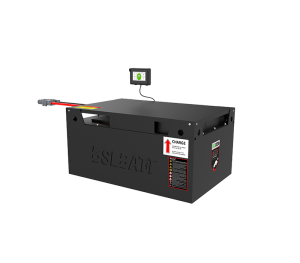
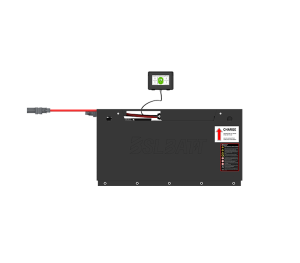
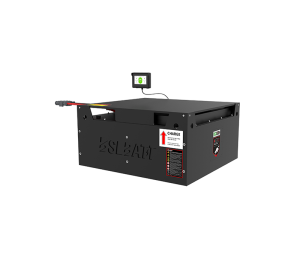
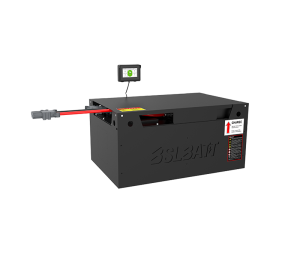
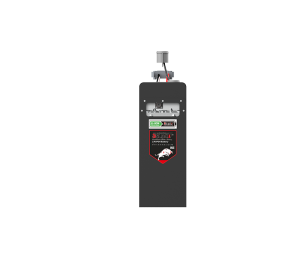
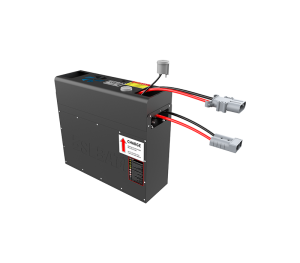
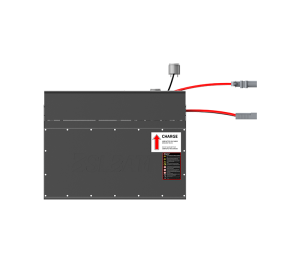
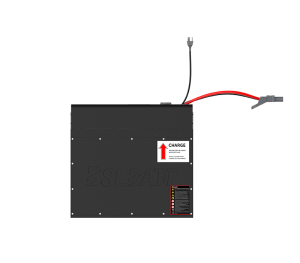
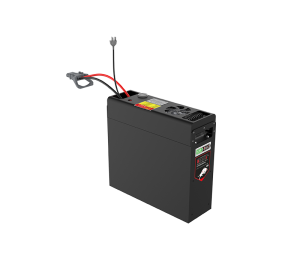
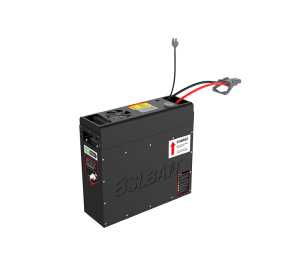
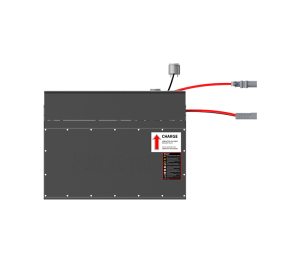
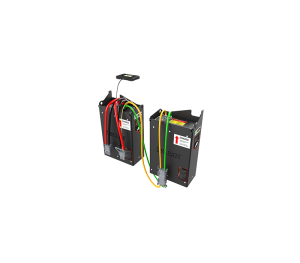
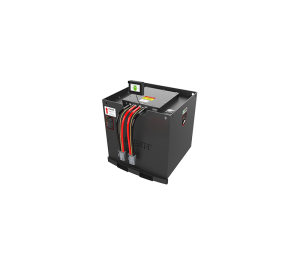
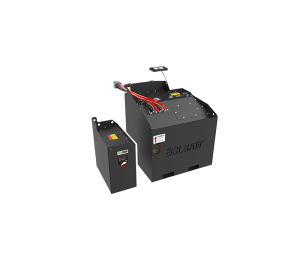
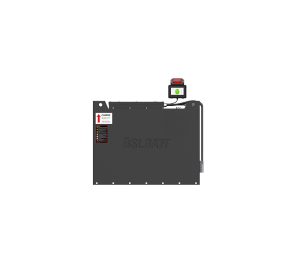
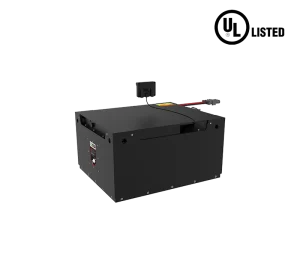
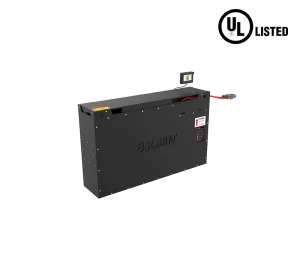
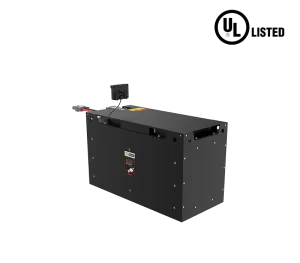
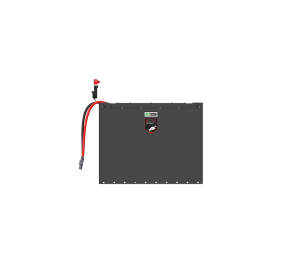
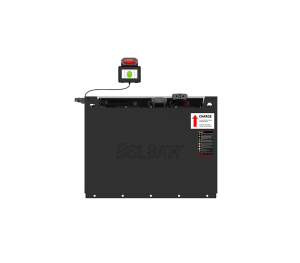
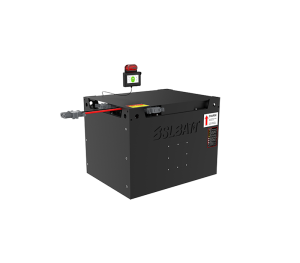
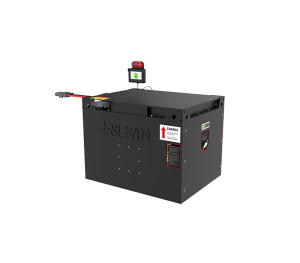
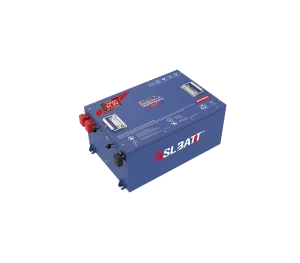
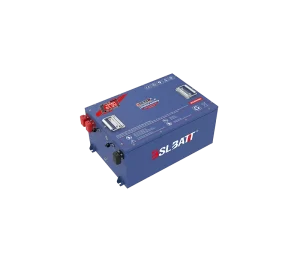
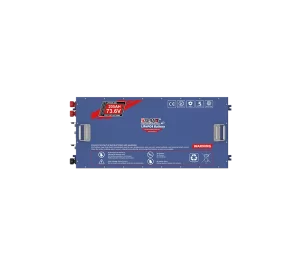
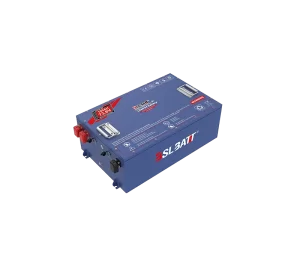
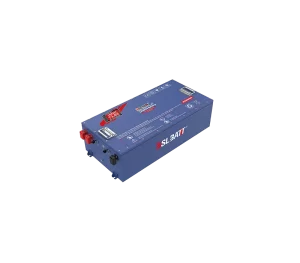
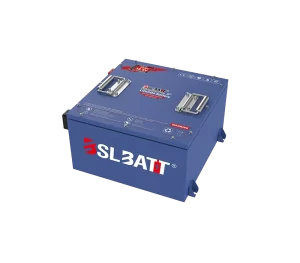
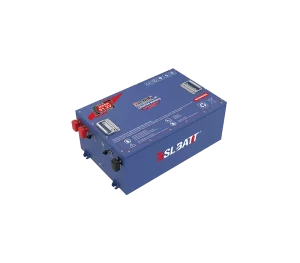
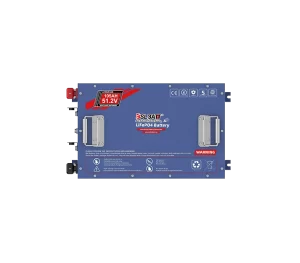
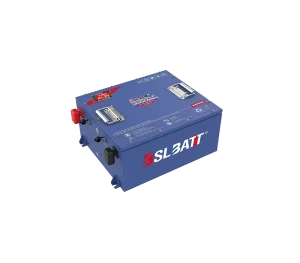
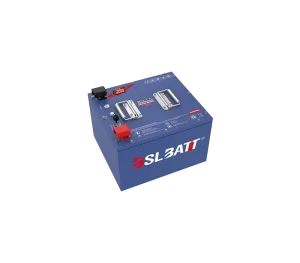
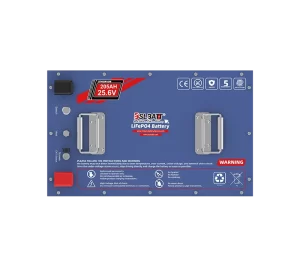
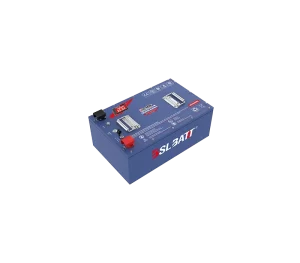
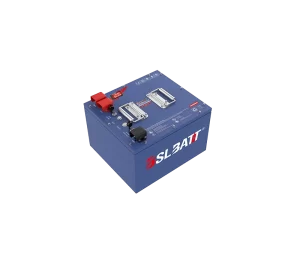
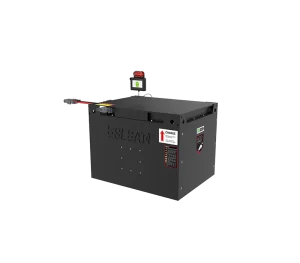
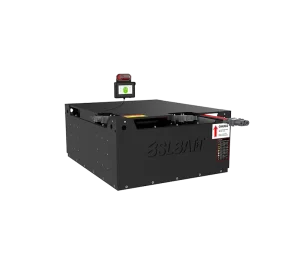
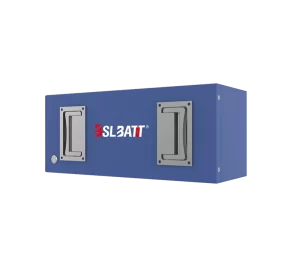
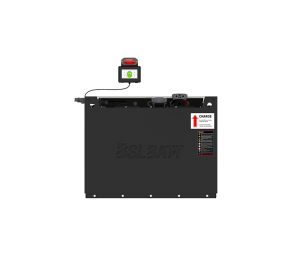
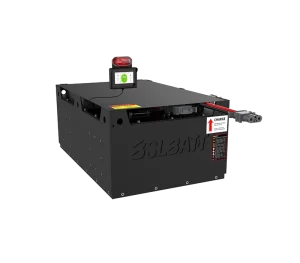
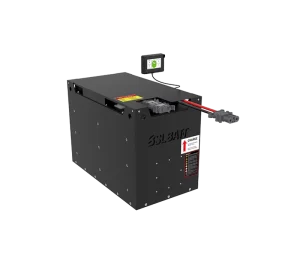
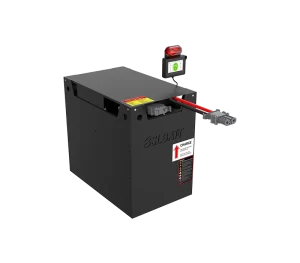






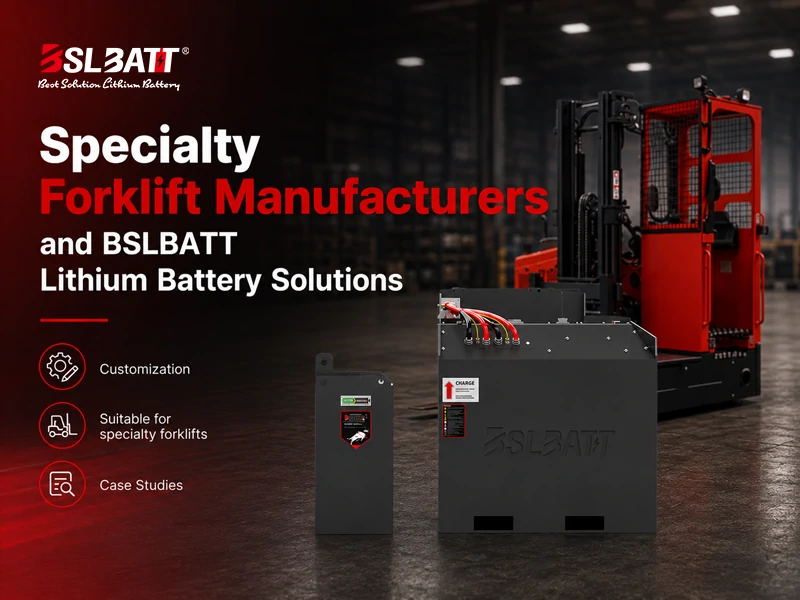
- Specialty Forklift Manufacturers and BSLBATT Lithium Battery Solutions
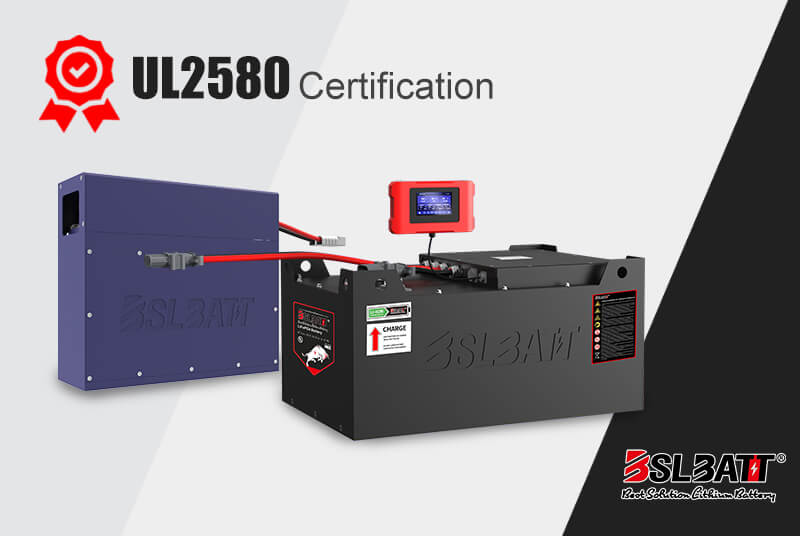
- The first lithium forklift battery that is UL 2580 certified and ISO9001 certified in the industry is BSLBATT® Battery – Industrial
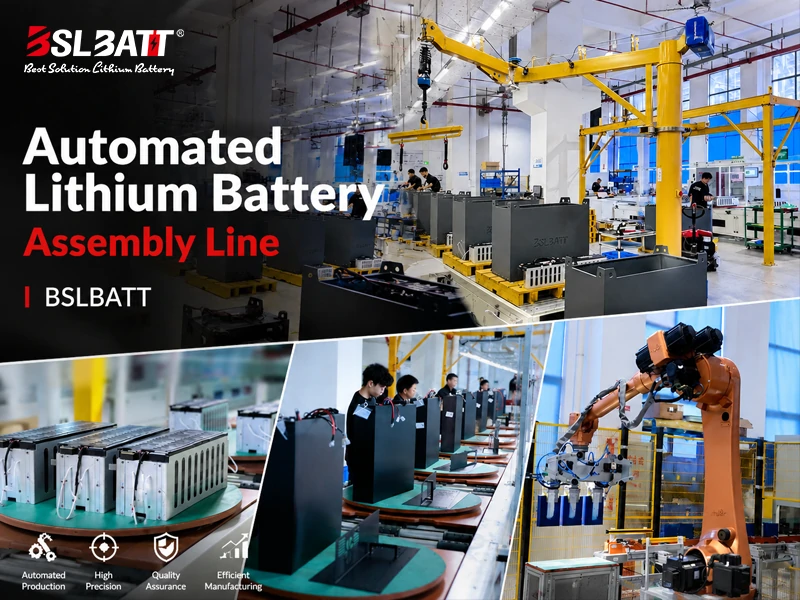
- Automated Lithium Battery Assembly Line | BSLBATT Smart Factory
- Time to Retire Lead-Acid: Why Your Warehouse Needs Lithium-Ion Power
- Lithium Forklift Battery Maintenance Guide 2026
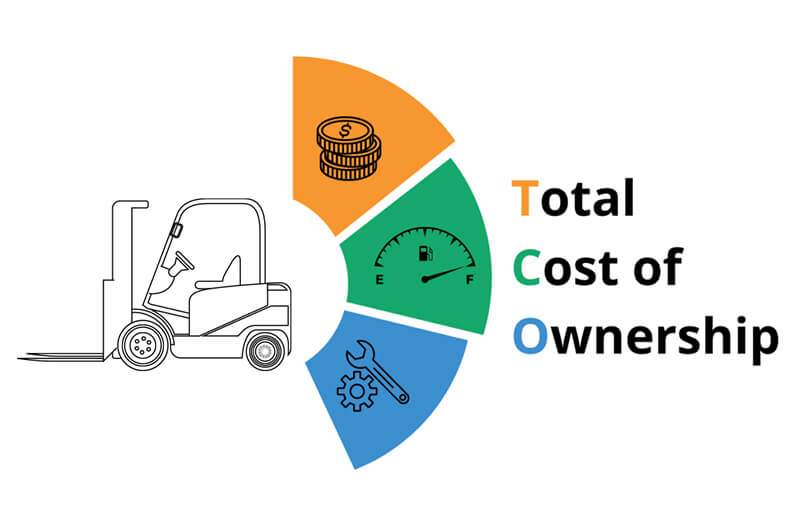
- Industrial Lithium Batteries: Initial Price vs. Long-Term Costs
GSE
GSE Battery Types Compared: Lead-Acid vs AGM vs Lithium for Ground Support
Table of contents
- First, which "airport battery" do you mean?
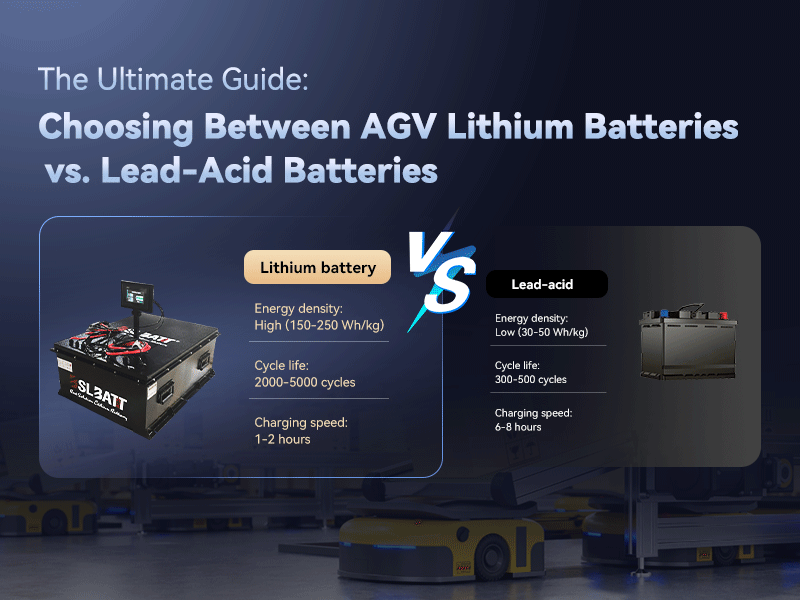
- The three GSE battery types at a glance
- Flooded lead-acid: cheap to buy, costly to run
- AGM: cleaner, but not built for daily deep cycling
- LiFePO4 lithium: built for the way ramps actually work
- One thing people forget: tugs need weight
- Voltage and capacity on real GSE
- The cost comparison that actually matters
- How to choose a ground support equipment battery manufacturer
- Talk to an engineer
- FAQ

First, which “airport battery” do you mean?
Three different things get called an airport battery, and they aren’t interchangeable.
- GSE traction battery. The pack that moves a ground vehicle: tugs, tractors, loaders, pushbacks. This is what the article compares.
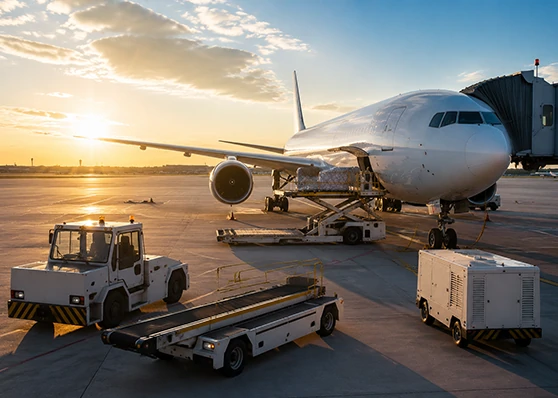
- Ground power unit battery. A ground power unit (GPU) feeds a parked aircraft, normally 28.5V DC or 115V AC at 400 Hz. Diesel GPUs are still common, but battery-based units are replacing them at gates where noise and fumes are a problem. Their packs are sized for energy and inverter load, not for towing torque.
- Aviation battery types. The batteries inside the aircraft itself, which are lead-acid, nickel-cadmium or lithium-ion depending on the airframe. They follow aircraft certification rules and have nothing to do with the vehicles on the apron.
The three GSE battery types at a glance
| Factor | Flooded Lead-Acid | AGM (Sealed Lead-Acid) | LiFePO4 Lithium |
|---|---|---|---|
| Upfront price | Lowest | Higher than flooded | Highest |
| Cycle life in daily deep use | Roughly 1,000 to 1,500 | Often lower than flooded | More than 3,500 (BSLBATT pack spec) |
| Usable depth of discharge | About 50% | About 50% | 80% or more |
| Charging | 8 hours or more, plus cool-down | Slow, sensitive to overcharge | Under 2 hours on BSLBATT’s GSE packs, partial charges fine |
| Opportunity charging | Shortens life | Poor fit | Designed for it |
| Watering and cleaning | Yes | No | No |
| Off-gassing | Hydrogen, needs ventilated room | Low, but not zero | None in normal use |
| Voltage under load | Sags as it drains | Sags as it drains | Stays nearly flat |
| Weight | Heavy | Heavy | Lighter for the same usable energy |
| Best fit | Single-shift, low-use vehicles | Light duty, standby, auxiliary loads | Multi-shift tugs, loaders and pushbacks |
The lead-acid figures are typical ranges for traction use and vary with how the battery is charged and how deep it’s cycled. Treat them as a starting point and ask for the datasheet of the exact model you’re considering.
Flooded lead-acid: cheap to buy, costly to run
Flooded lead-acid is what most older GSE fleets were built around. The battery is inexpensive and the technology is understood by every mechanic on the ramp. The problems come from how it has to be handled.
A flooded pack needs regular watering, terminal cleaning and equalizing charges. It gives off hydrogen while charging, so it needs a ventilated charging area. And it runs on the classic 8-8-8 pattern: about eight hours working, eight hours charging and eight hours cooling. That’s fine for a vehicle used one shift a day. For anything running around the clock, you end up buying and swapping spare packs, and every swap is labor, a forklift movement and a chance of an accident.
Voltage sag is the other issue. As the pack drains, the voltage drops, and a tug pulling a full train of carts feels it as lost pulling power late in the shift.
AGM: cleaner, but not built for daily deep cycling
AGM batteries are sealed, so there’s no watering and far less risk of acid spills. That’s attractive around aircraft, fuel trucks and terminal floors. They also handle vibration reasonably well.
The trade-off is that AGM is usually a poorer match for the kind of daily deep discharge a GSE traction pack sees. It’s more sensitive to overcharging and to heat, it charges slowly, and in heavy cycling it often wears out sooner than a good flooded battery. It costs more than flooded, and you still have the weight and the voltage sag. AGM earns its place in lower-duty roles: standby power, auxiliary systems and vehicles that move a few times a day rather than all day.
LiFePO4 lithium: built for the way ramps actually work
A turnaround doesn’t follow an 8-8-8 schedule. Equipment gets used in bursts between flights, with gaps of 10 or 20 minutes in which it could be plugged in. Lithium is the only one of the three that is designed to take advantage of that.
- Opportunity charging. A LiFePO4 pack accepts partial charges without being damaged, so a tug can top up during a crew break or a gate gap and keep working.
- Flat voltage. Power stays consistent from the first departure to the last arrival.
- No routine maintenance. No watering, no equalizing, no acid, no dedicated battery room.
- Long cycle life. BSLBATT’s GSE packs are rated for more than 3,500 cycles, which is several times what a lead-acid traction battery typically delivers.
- Monitoring. A BMS reports state of charge, temperature and cell health, and cloud tools let a fleet manager see the whole fleet at once.
The downsides are real too. Lithium costs more upfront. Charging in freezing temperatures needs care, so check the pack’s charge temperature limits and whether a heating option is available. And a lighter pack changes the weight of the vehicle, which matters for the next point.
One thing people forget: tugs need weight
A baggage tug or pushback tractor gets part of its traction from its own mass, and the battery is a big share of it. Lead-acid packs have often doubled as ballast. When you replace one with a lighter lithium pack, you may need to add counterweight to keep traction and stability. A good supplier will ask for the vehicle’s model and compartment dimensions and propose a case with the right weight, not just the right voltage.
Voltage and capacity on real GSE
Most electric GSE runs at 48V, 72V or 80V, with the larger tugs and pushbacks at the high end. The right figure is whatever the vehicle’s motor controller was designed for, so check the nameplate before you order. For reference, here are three BSLBATT packs in this space:
| Vehicle | Pack | Notes |
|---|---|---|
| Luggage tug | 48V 460Ah lithium battery | 51.2V nominal |
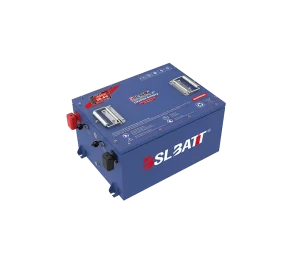
| Baggage tug (heavy duty) | 80V 300Ah lithium battery | 83.2V nominal, 24.96 kWh, about 555 kg, IP65, more than 3,500 cycles, charge time under 2 hours |
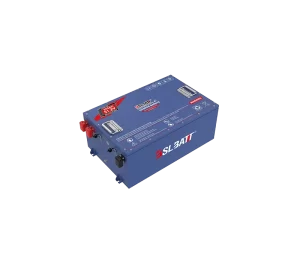
| Pushback tractor | 80V 560Ah lithium battery | 80V nominal |
The full range is on the airport ground support equipment page. Before you buy a charger, check it against the pack on the charger matching page.
The cost comparison that actually matters
Sticker price is the wrong number. What you want is cost per usable cycle:
Cost per usable cycle = pack price ÷ (rated cycles × usable kWh per cycle)
Here’s an illustration with made-up round numbers, so you can see how it works. Suppose a lithium pack costs 2.5 times a flooded one, lasts 3 times as many cycles, and gives you 1.6 times the usable energy per cycle because you can discharge it deeper. Against a flooded baseline of 1.0, the lithium figure is 2.5 ÷ (3 × 1.6), or about 0.52. Half the cost per usable cycle, before you count anything else.
Then add what the formula can’t see: spare packs, the battery room, swap labor, watering time, ventilation, and the minutes a vehicle sat waiting for a charge. For a fleet that runs more than one shift, those usually decide it. BSLBATT’s page on initial price vs long-term cost goes deeper, and the lithium battery calculator can give you a second estimate.
How to choose a ground support equipment battery manufacturer
Once you’ve settled on a chemistry, the supplier matters as much as the battery. These are the questions worth asking.
- Which safety certifications do the packs hold? Look for UL 2580 for traction batteries, UN38.3 for transport and CE or IEC marks for your market. BSLBATT says it was the first company in China to obtain UL 2580 certification, and lists UL, UN38.3, CE and IEC on its GSE packs. More detail is in its GSE battery certifications article.
- Where do the cells come from? Ask for the cell brand and grade, not just “Grade A.”
- Will the BMS talk to your vehicle? The pack needs to communicate with the controller, usually over CAN or RS485.
- What’s the ingress protection rating? Ramps mean rain, de-icing fluid, dust and fuel residue. IP65 is a sensible minimum for open-apron work.
- Does the case fit, and is there a counterweight plan? Dimensions, connectors and ballast should be confirmed against your vehicle model before an order, not after.
- What does the warranty cover? Check both years and operating hours, and who services the pack in your region.
- Can they show references? Ask for installations on equipment like yours. BSLBATT has a case study on high-voltage GSE batteries, and a comparison of global GSE lithium battery manufacturers if you want to see how suppliers stack up.
Talk to an engineer
If you’re deciding between lead-acid, AGM and lithium for a ramp fleet, send us the vehicle model, nameplate voltage and how many shifts it runs. We’ll come back with a pack proposal and a charging plan. Contact BSLBATT.
FAQ

Related Product Recommendations
-

80V 560AH
80V 560Ah Lithium Battery for Airport Pushback Tractor
Learn More -
80V 410AH
80V 410Ah Lithium Ion Battery for Airport Luggage Machine | BSLBATT
Learn More -
83.2V 300AH
80 Volt Lithium Ion Battery for Baggage Tug | BSLBATT
Learn More -
51.2V 230AH Lithium Battery for GSE
Belt Loader Battery 48V 230Ah Lithium Battery
Learn More