Start With the Four Measurements, Not the Brand
Brand matters for fitment tables, but the battery does not care what logo is on the tiller. Every walkie pallet truck battery swap comes down to the same four checks.
- Voltage. Count the cells or read the label. Eight 2V cells or one 24V block means 24 volts. Some riders and heavier walkies run 36V or 48V; order the wrong system and nothing works.
- Compartment dimensions. Length, width and height of the tray, measured at the narrowest point including hold-downs. A pack 10 mm too tall will not close the cover.
- Terminals. DIN, Anderson SB-style connector, or bare lugs. Photograph the existing connection before ordering.
- Charger output. Read the charger plate. It sets both the charge profile and how fast the new pack can recover.
Forty minutes with a tape measure and a phone camera prevents the most common return reason: a pack that fits the spec sheet but not the truck.
Quick Reference: 24V Lithium vs Lead-Acid for Walkies
| Factor | Flooded lead-acid | LiFePO4 (lithium) |
|---|
| Typical pack weight (24V) | Roughly 500-700 lb for a common walkie tray | Under 100 lb for a comparable-capacity pack |
| Cycle life | About 1,000 cycles | Over 3,500 cycles at 80% depth of discharge |
| Full charge time | 6-8 hours | About 2 hours with a matched lithium charger |
| Charging pattern | Scheduled full charges, equalization | Opportunity charging in breaks |
| Watering and venting | Weekly watering, ventilated bay | None required, sealed |
| Weight change on truck | Neutral | Several hundred pounds lighter; verify traction and braking feel |
The weight row is not cosmetic. A walkie’s drive wheel grips by the weight over it, and braking distances assume a certain total mass. Lighter is not automatically better; it is a question for whoever maintains the trucks.
Brand-by-Brand Replacement Notes
Model years and trim levels vary by market. The notes below cover what stays consistent; the four measurements remain the final authority.
Crown Electric Pallet Jack Battery Replacement
Crown walkies such as the WP series use a 24V system with a compartment built around a standardized tray. Two things trip up replacements. First, older units with an on-board charger often need the charger setting switched to the new chemistry; lithium profiles differ from wet-cell curves. Second, Crown’s battery retention hardware varies by model year, so measure inside the hold-down brackets, not the tray walls. For crown electric pallet jack battery replacement, the safest order of operations is: measure the tray, photograph the connector, then compare the pack dimensions against the spec sheet rather than trusting the model number alone.
Toyota Pallet Jack Battery
Toyota walkie pallet trucks run 24V with tray dimensions that changed across generations, so a Toyota pallet jack battery ordered by model year alone sometimes arrives wrong. Check the serial plate for the battery compartment code if one is stamped, and measure anyway. Electric brake models are sensitive to pack weight on the drive end; if you switch from lead-acid to lithium, expect a different feel on ramps and confirm with your service technician before putting the truck back into a multi-shift rotation.
Big Joe Pallet Jack Battery
Big Joe built its reputation on compact walkies, and a big joe pallet jack battery follows the same 24V pattern with tighter trays than most competitors. The compartment leaves little clearance, so height matters more than on other brands; a pack a few centimeters too tall blocks the cover. Many Big Joe units are paired with compact on-board or wall-mounted chargers of limited current. If you move to lithium, verify the charger can be replaced or reprofiled, because the small stock charger may not deliver a lithium-appropriate current curve.
Raymond Pallet Jack Battery
Raymond walkies, including the 8210-class machines common in North American distribution centers, run 24V. A raymond pallet jack battery is usually accessed through a front-rolling compartment, which makes replacement physically easier than on some trucks: the tray slides out rather than lifting out. Use that access to check the connector condition before ordering. Corroded or heat-discolored connectors get replaced along with the battery; reusing a tired connector on a fresh pack is a false economy.
Why Chemistry Choice Matters More Than Brand
Once the four measurements match, the real decision is lead-acid versus lithium. The invoice favors lead-acid; everything after the invoice favors lithium. Charging efficiency alone separates them: flooded lead-acid wastes roughly a quarter of the energy you pay for during charging, around 75% efficiency, while lithium runs near 96% according to published TCO comparisons. A walkie charged daily for years accumulates that difference quietly on the power bill.
The bigger operational difference is opportunity charging. A lead-acid walkie needs complete, scheduled charges because partial charging accelerates sulfation. A lithium pack tolerates being topped up in a 15-minute break, which removes the battery-change or charge-scheduling step from the shift entirely. For single-shift operations, that difference shows up as fewer trucks standing idle. For multi-shift operations, it can mean one battery per truck instead of two or three.
Replacement Day: the Actual Swap
The physical swap takes under an hour on most walkies if the access pattern is understood before starting. The sequence that works:
- Power down and remove the key. On trucks with an on-board charger, disconnect its AC input first; some units back-feed the battery compartment with the charger powered.
- Open the compartment per the brand’s pattern. Raymond’s front-rolling tray and Crown’s lift-out configuration differ, but all of them assume the hold-down hardware comes off before the pack moves.
- Photograph the wiring before touching it. Two cables, polarity marked, connector at one end. Five minutes of photos settles any dispute later.
- Move the old pack. A flooded lead-acid 24V tray can weigh 500 lb or more; use a pallet jack or a hoist, not backs. Tilt slowly and keep the tray level to avoid acid spillage on flooded units.
- Set the new pack, reconnect polarity first and connector last, secure the hold-downs, and close the cover.
- Test before releasing to the floor: a short travel test, a lift-cycle test, and a charger plug-in to confirm the system recognizes the pack.
Flooded packs leaving the building need proper disposal. Lead-acid batteries carry a recycling value, and most suppliers apply a core charge that the old pack’s return offsets. Lithium packs are different: they ship and recycle under separate rules, and the supplier’s return terms should be part of the original quote.
Planning a Fleet-Wide Battery Replacement
One truck is a maintenance decision; a dozen is a procurement project. Three things separate the fleets that do this cleanly from the ones that end up with mixed chemistries and confused operators.
- Batch by voltage and tray size first. Most fleets run two or three tray standards across all trucks. Grouping the swap by identical compartment means one pack specification, one charger configuration, and one spare.
- Standardize the charger decision across the fleet. Mixed lithium and lead-acid chargers on the same floor invite the wrong plug into the wrong unit. If the plan is lithium, convert by charger bay or by shift area, not randomly.
- Keep one old pack per tray standard as a bridge. Lead times on lithium packs run weeks, not days. A rebuilt lead-acid unit keeps a truck earning while the new packs arrive, then moves to the scrap pile with the rest.
Budget note for the planning meeting: a lithium conversion changes the charging infrastructure line item, not just the battery line item. Fleets that plan chargers and packs together avoid the second purchase order that fleets which forgot the chargers always end up writing.
Charger Rules for a Replacement Pack
- A lithium pack needs a lithium-profile charger. A wet-cell charger holds absorption voltage for hours, which stresses a lithium battery management system.
- Match current to capacity. As a rule of thumb, a 24V 100A charger recovers a 100Ah pack in about an hour of bulk charging; a 24V 50A unit takes around two. Check the charger plate against the pack spec before pairing; a 24V 100A unit with CAN communication is one example of a matched charger.
- If the truck has an on-board charger, confirm it can be disabled or reprofiled. Some brands wire the truck to assume the on-board unit is the only charger.
- Opportunity charging works for lithium, not for flooded lead-acid. Planning the new pack around break-time top-ups changes shift design more than any spec on the label.
What a 24V 100Ah Lithium Pack Actually Weighs and Does
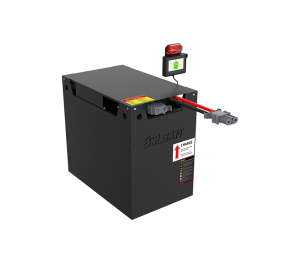
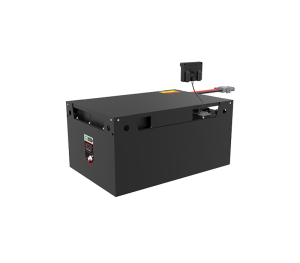
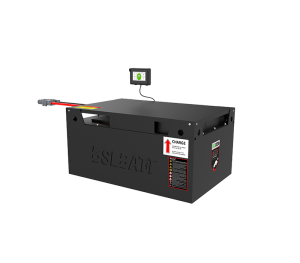
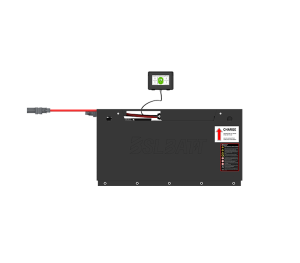
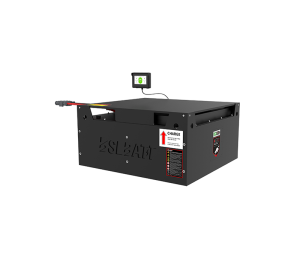
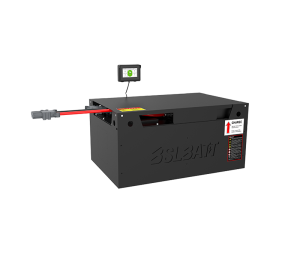
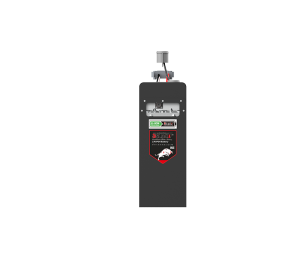
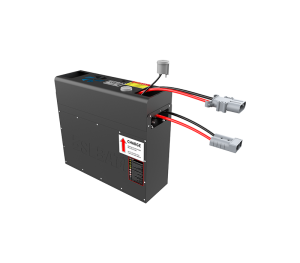
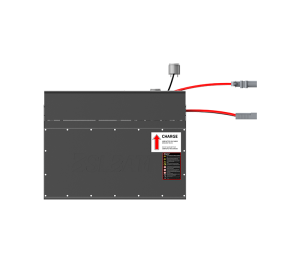
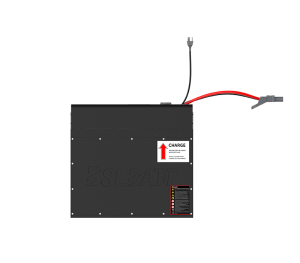
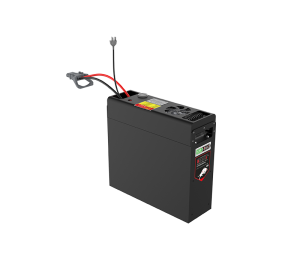
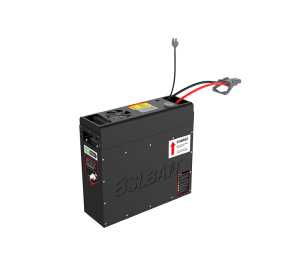
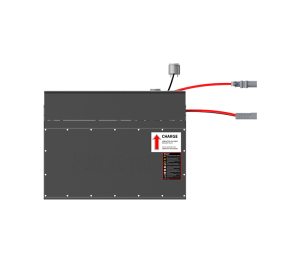
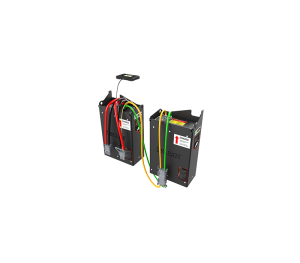
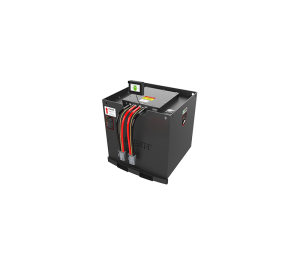
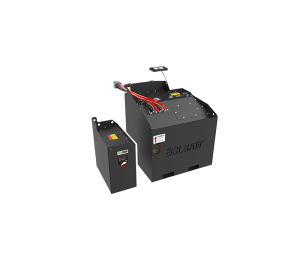
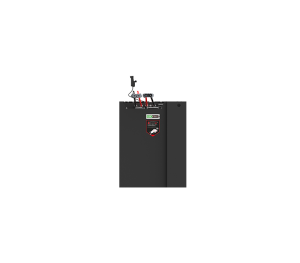
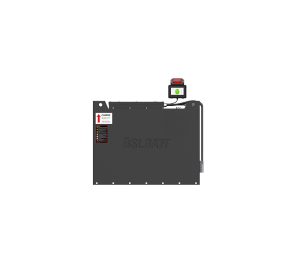
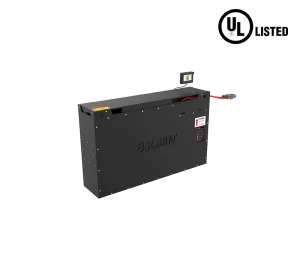
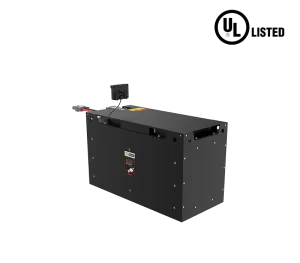
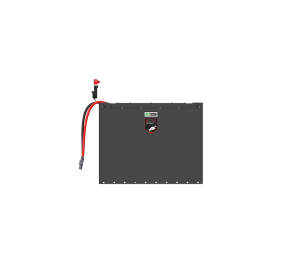
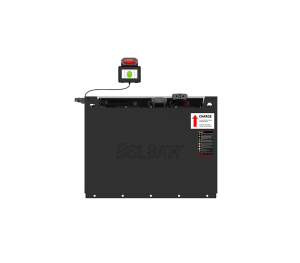
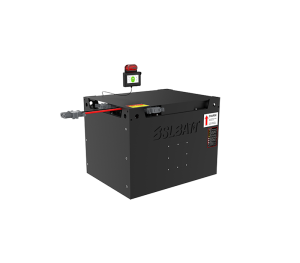
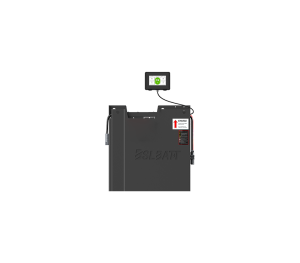
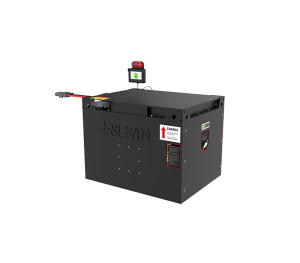
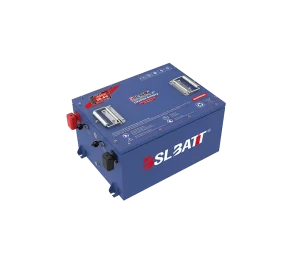
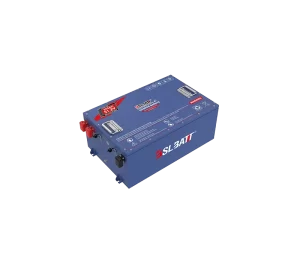
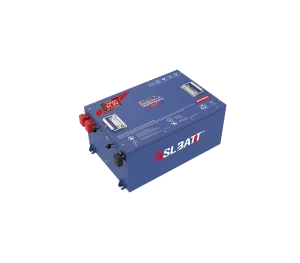
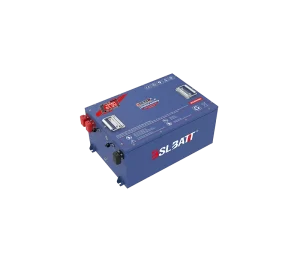
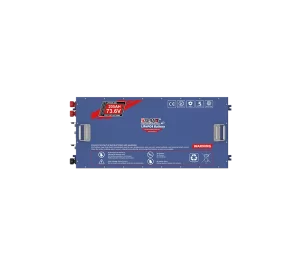
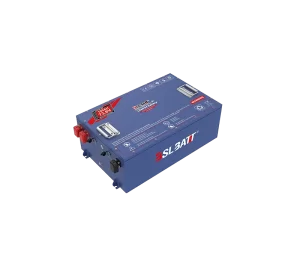
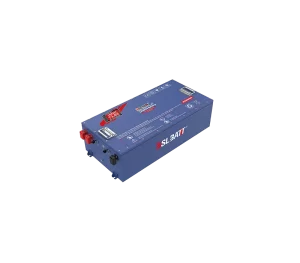
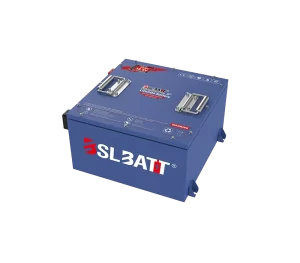
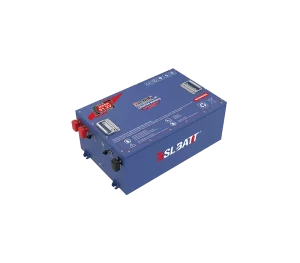
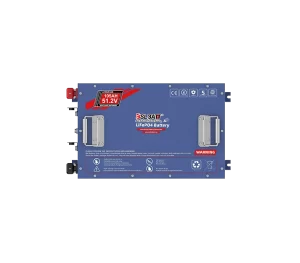
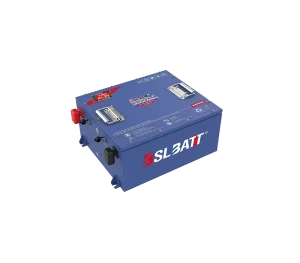
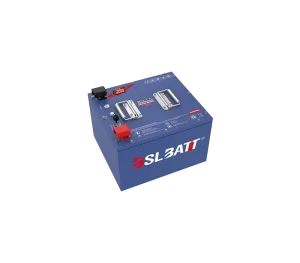
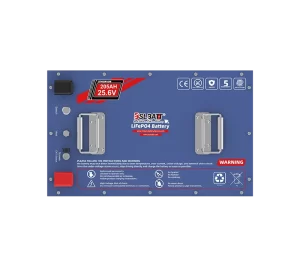
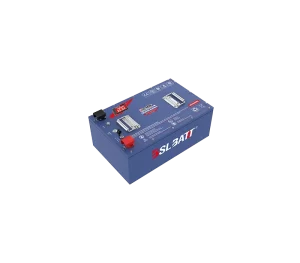
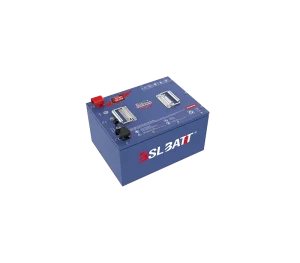
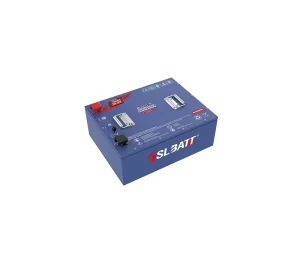
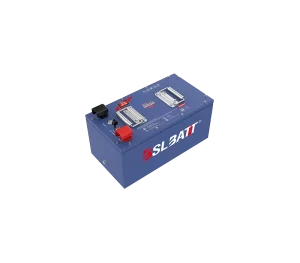
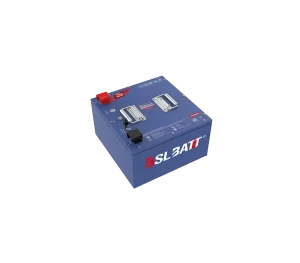
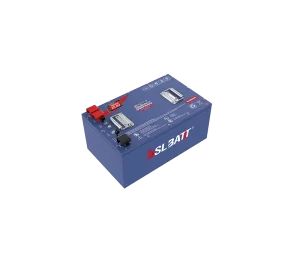
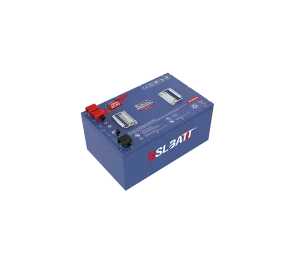
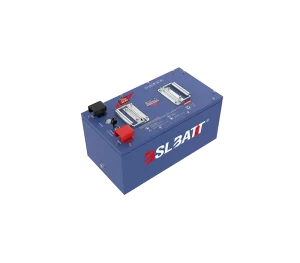
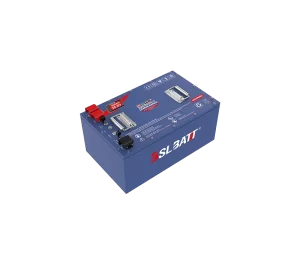
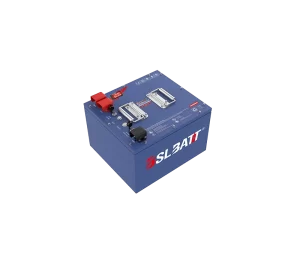
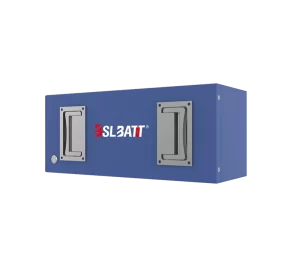
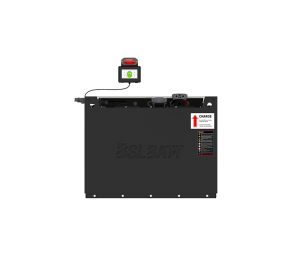
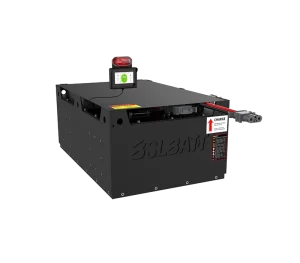
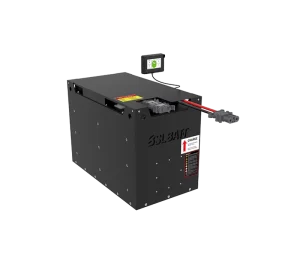
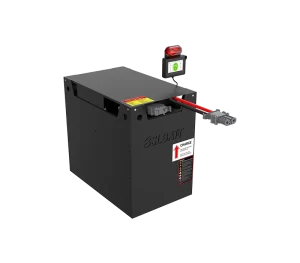
Concrete numbers help the decision. A 24V 100Ah LiFePO4 pack delivers about 2.56 kWh in roughly 42 kg, about 93 lb, and is rated for more than 3,500 cycles at 80% depth of discharge. Against a lead-acid tray delivering the same usable energy at about 1,000 cycles, that is three replacement purchases versus one over the same service years, before counting watering labor or charging-room ventilation. These figures follow BSLBATT’s published pack data for its 24V material-handling line; confirm current numbers against the datasheet at quotation time.
Capacity sizing follows the duty cycle. A single-shift walkie moving light loads rarely needs more than 100Ah. Two shifts, heavier loads, or long travel legs push the requirement toward 150-200Ah. Oversizing wastes compartment space; undersizing shows up as a pack that cannot finish a shift by month three.
Buying Checklist Before You Order
- System voltage confirmed by cell count or label, not by memory.
- Tray dimensions measured including hold-down hardware.
- Connector type photographed: DIN, Anderson-style, or lugs.
- Charger plate photographed: voltage, current, chemistry setting.
- Capacity chosen against shift pattern: 100Ah class for single-shift, 150-200Ah class for two shifts.
- Chemistry decision recorded with the reason: invoice today versus energy, labor and cycles over years.
- Weight-sensitive trucks flagged: ask your technician about traction and braking feel if dropping several hundred pounds of pack mass.
- Warranty terms compared across quotes, including what voids them.
Not sure which side of the chemistry decision your fleet sits on? Compare the upgrade case first in the material handling battery line, then request a quote with the measurements from this checklist attached.
Frequently Asked Questions


 Explore all product lines