

Revolutionize the energy economy with advanced lithium-ion battery technology—lower costs, reduce heat, and accelerate sustainable development.
 Explore all product lines
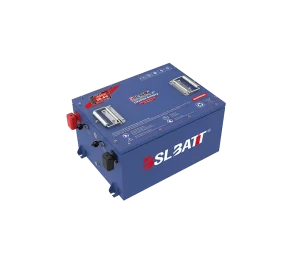
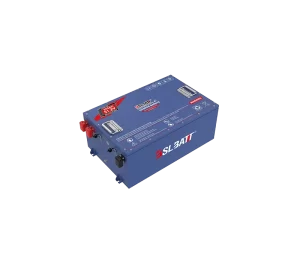
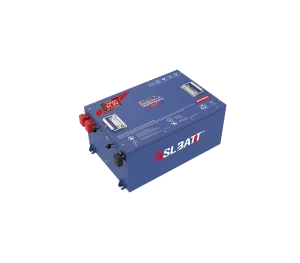
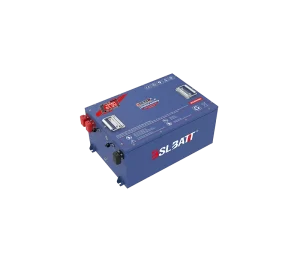
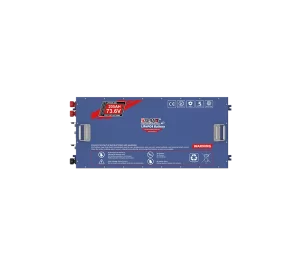
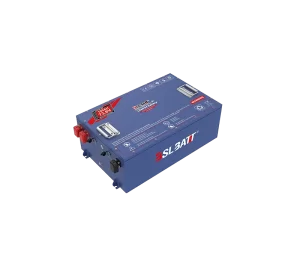
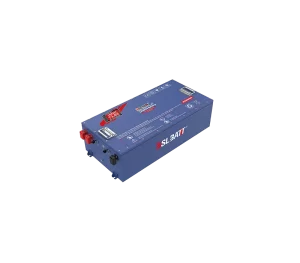
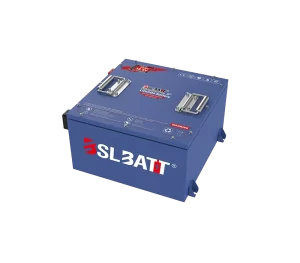
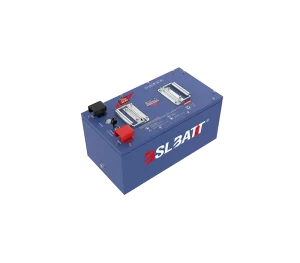
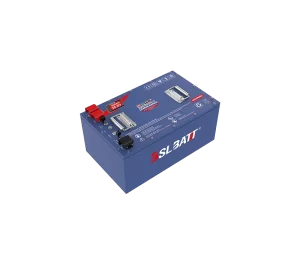
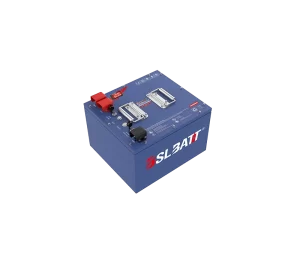
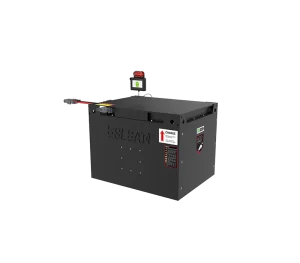
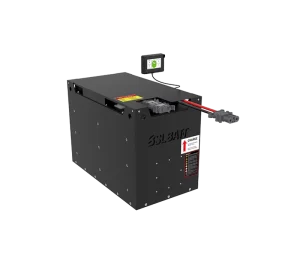
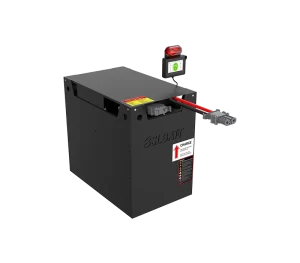


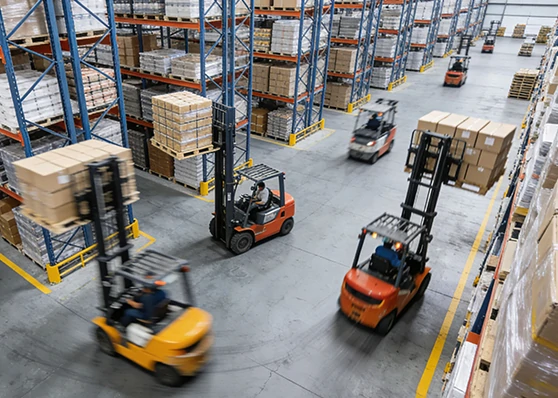
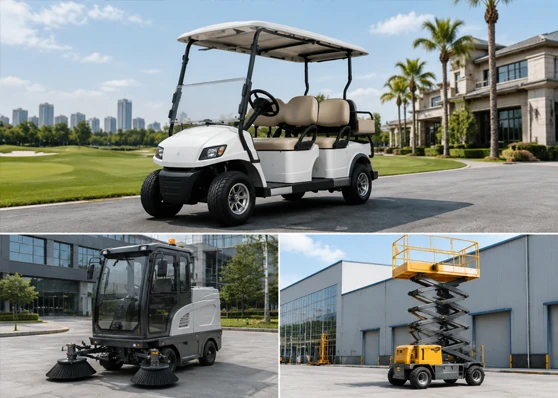




- Specialty Forklift Manufacturers and BSLBATT Lithium Battery Solutions
- The first lithium forklift battery that is UL 2580 certified and ISO9001 certified in the industry is BSLBATT® Battery – Industrial
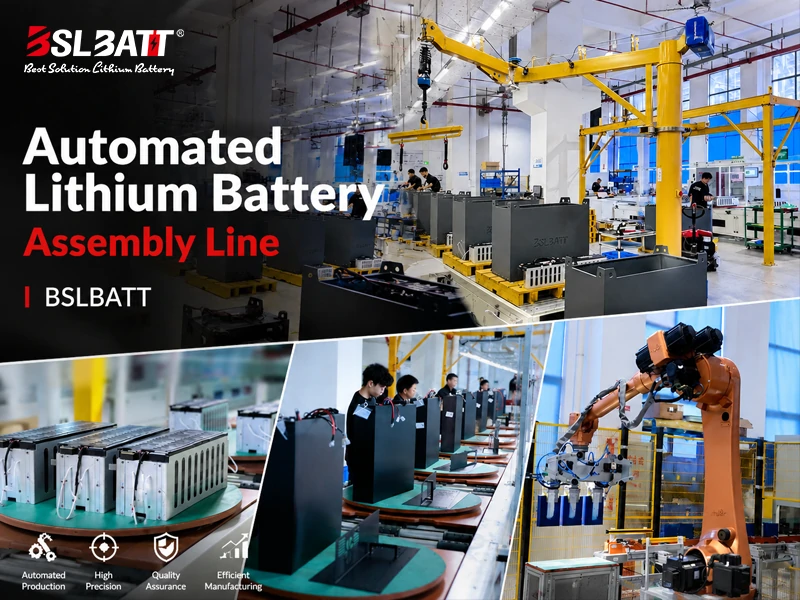
- Automated Lithium Battery Assembly Line | BSLBATT Smart Factory
- Time to Retire Lead-Acid: Why Your Warehouse Needs Lithium-Ion Power
- Lithium Forklift Battery Maintenance Guide 2026
- Industrial Lithium Batteries: Initial Price vs. Long-Term Costs
Golf Carts
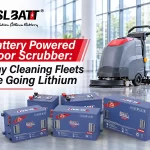
Battery Powered Floor Scrubber: Why Cleaning Fleets Are Going Lithium

What a battery powered floor scrubber is
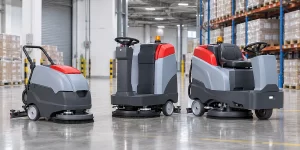
You’ll see the same machine called a battery floor scrubber, a battery auto scrubber or a scrubber-dryer. They come in three main formats:
- Walk-behind. Compact machines for shops, corridors and small facilities. Most run on 24V.
- Stand-on. A step-up format that saves operator fatigue on larger floors.
- Ride-on. Large machines for warehouses, airports, hospitals and supermarkets. Many run on 36V.
The battery sets how long the machine can work between charges, how heavy it is and how much attention it needs. For a commercial floor cleaner, it’s also one of the main running costs.
Where lead-acid costs cleaning fleets time
Lead-acid is cheap to buy and everyone understands it. The problems come from how it has to be managed day to day.
Charging takes the whole night. A lead-acid battery wants a long, slow charge and a cool-down. Kärcher lists a charge time of about 12 hours for its B 40 W walk-behind and about 7 hours for a B 150 R ride-on with a 240Ah gel battery. BSLBATT’s brochure puts a typical lead-acid charge at 8 to 10 hours, against about 2 hours for lithium.
Watering and cleaning. Flooded batteries need topping up with distilled water and their terminals kept clean. On a busy night shift, that job is the first to get skipped.
Ventilation. Flooded batteries give off hydrogen while charging, so they need a ventilated charging area.
Spare sets for multi-shift sites. If a machine runs more than one shift, you either buy a second battery and swap it, or you accept downtime. Swapping heavy batteries by hand is also a handling and injury risk.
Fading power. Lead-acid voltage sags as the battery drains, so brushes and drive slow down late in the shift.
Limited life. A lead-acid traction battery in daily use typically lasts roughly 500 to 1,500 cycles, depending on how it’s treated.
What lithium changes
- Opportunity charging. A LiFePO4 pack accepts partial charges without damage. Plug in during a break or a shift change and keep going.
- Steady power. Voltage stays nearly flat until the pack is nearly empty, so the machine cleans the same at the end of the shift as at the start.
- No watering, no acid. The pack is sealed and needs no routine maintenance.
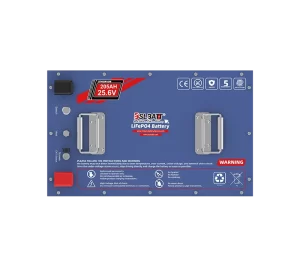
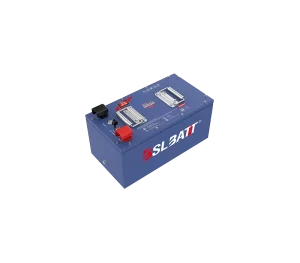
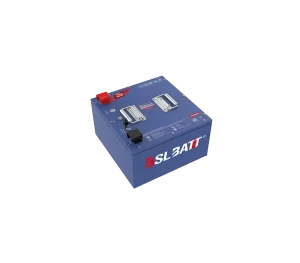
- Less weight to handle. BSLBATT’s 36V 150Ah pack stores 5.76 kWh and weighs 48.5 kg.
- Longer life. BSLBATT rates its floor cleaning packs at 4,000 cycles or more at 80% depth of discharge, with a 5-year or 10,000-hour warranty.
- Better visibility. An SOC display shows charge and faults, and Bluetooth monitoring is available.
It’s worth noticing that the machine makers are moving the same way. Tennant offers lithium-ion options of 240Ah and 320Ah on its T16 ride-on, and Nilfisk offers its own modular lithium option on the SC2000. When the OEMs are selling lithium, it’s no longer an experiment.
A simple fleet example
Here’s how the numbers work, using made-up round figures so you can swap in your own.
Take a 36V ride-on with the BSLBATT 5.76 kWh pack. At 80% depth of discharge you can use about 4.6 kWh. If the machine averages 1.5 kW while cleaning, that’s roughly three hours of runtime. Runtime is just usable kWh divided by average kW.
Now add charging. BSLBATT lists a 36V charger with an average current of 33A, which delivers about 1.3 kW. One hour on that charger adds about 1.3 kWh, or a little under an hour of extra cleaning at the same draw. A lunch break and a shift change can therefore stretch one pack across a long working day without a swap.
The point isn’t the exact figure. It’s that lithium turns idle minutes into runtime, and lead-acid can’t.
Where lithium makes sense, and where it doesn’t
A strong fit:
- Machines that run two or three shifts, such as in hospitals, airports, retail chains and logistics sites
- Sites with no charging room, or where staff are tired of watering and swapping batteries
- Cold environments such as food storage, where lead-acid power drops off
- Fleets that already spend real money on spare batteries
A weaker fit:
- Machines that run a couple of hours a day and charge overnight with no problem
- Old machines close to retirement
- Sites where the on-board charger is locked to lead-acid profiles and the machine can’t be changed, or where a service contract restricts battery choice
If your machine fits the second list, lead-acid can still be the cheapest option overall. The cost question below helps you decide.
What it costs, honestly
A lithium pack costs more upfront. The better comparison is cost per usable cycle:
Cost per usable cycle = pack price ÷ (rated cycles × usable kWh per cycle)
Then add what the formula can’t see: the spare battery you no longer buy, the watering time you no longer spend, the charging room you no longer need and the hours the machine spent waiting on a charger. BSLBATT’s page on initial price vs long-term cost goes through the long-term side, and the lithium battery calculator can give a second estimate. For a wider comparison, see the lithium vs lead-acid guide.
What to check before you switch
- Voltage, capacity and compartment size. Match your machine’s data plate. Our floor scrubber battery replacement chart lists specs for Tennant, Nilfisk and Kärcher machines.
- The charger. A lithium pack needs a lithium-compatible charger. BSLBATT says its packs work with leading SPE and Delta-Q chargers, so some machines can keep the one they have. Check the pairing on the charger matching page.
- The battery meter. Many scrubbers estimate charge from voltage, which reads oddly on lithium. Ask how the machine will show charge.
- Weight and balance. A lighter pack can change how the machine sits.
- Cold charging. BSLBATT’s floor cleaning packs charge between 0°C and 55°C, so charging in an unheated space needs a plan.
- Your service contract. If a dealer services the fleet, ask before you swap. BSLBATT’s warranty center lists its own terms.
BSLBATT’s full range for cleaning machines is on its floor cleaning machine battery page, and its low-speed vehicle solutions page covers the wider range.
Talk to an engineer
If you manage a cleaning fleet and want to know whether lithium makes sense for it, send us your machine models, shifts per day and charging setup. We’ll come back with a pack proposal and a charger recommendation. Contact BSLBATT.
FAQ


Related Product Recommendations
-

38.4V 105AH Lithium Battery for FM
36V 100Ah Lithium Battery for Floor Sweepers | BSLBATT
Learn More -
38.4V 150AH Lithium Battery for FM
36V Batteries for Floor Scrubber 150Ah | BSLBATT
Learn More -
25.6V 105AH Lithium Battery for FM
24V Floor Machine Batteries for Industrial Sweepers | BSLBATT
Learn More -
25.6V 72AH Lithium Battery for FM
Floor Cleaning Battery for Industrial Sweepers | BSLBATT
Learn More -
38.4V 72AH Lithium Battery for FM
Lithium Floor Sweeper Battery 36V 72Ah | BSLBATT
Learn More
-
25.6V 205AH Lithium Battery for FM
24V Floor Cleaning Machine Battery 205Ah | BSLBATT
Learn More -
38.4V 150AH Lithium Battery for FM
36V Batteries for Floor Scrubber 150Ah | BSLBATT
Learn More -
25.6V 72AH Lithium Battery for FM
Floor Cleaning Battery for Industrial Sweepers | BSLBATT
Learn More -
38.4V 105AH Lithium Battery for FM
36V 100Ah Lithium Battery for Floor Sweepers | BSLBATT
Learn More