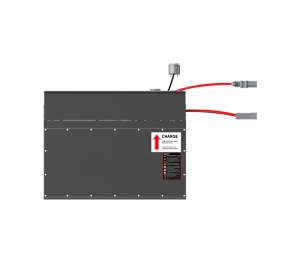
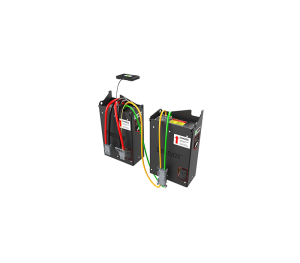
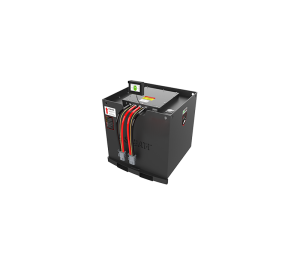
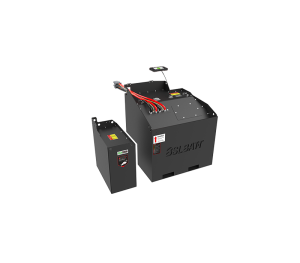
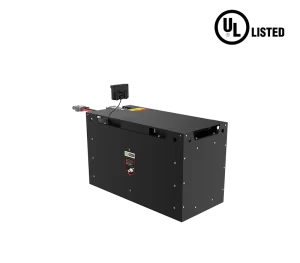
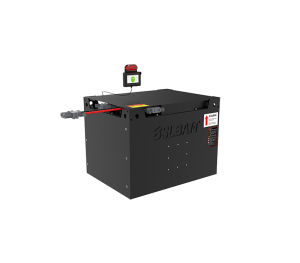
Forklift lithium battery cost is almost always higher than lead-acid at the point of purchase — typically 1.5 to 2.5 times more for a comparable voltage and capacity. That’s the easy part to compare. What determines whether lithium is actually the better financial choice is what happens over the following three to five years: electricity use, maintenance, labor, battery zreplacements, and downtime. Depending on how many hours a forklift runs, what electricity and labor cost locally, and how long the battery is expected to last, lithium can end up with a lower total cost of ownership than lead-acid — or it can end up costing more overall. There isn’t a single universal answer. There is a calculation, and it’s one every fleet can run with its own numbers.
Quick Answer: Is Lithium Cheaper Than Lead-Acid?
- Lithium-ion forklift batteries usually cost more to purchase than lead-acid batteries of similar capacity.
- Lead-acid batteries generally require more routine maintenance, including watering and equalization charging. See our lithium forklift battery maintenance guide for a detailed look at maintenance requirements.
- Fleets with high daily utilization may need two or three lead-acid batteries to cover the equipment’s working life.
- Lithium batteries support opportunity charging during breaks, which can reduce or eliminate battery swapping.
- TCO matters more as utilization rises — a lightly used forklift and a near-continuous one face very different economics.
- The actual savings, if any, depend on battery price, electricity rate, labor cost, utilization, and how long the equipment is kept.
How Much Does a Forklift Battery Cost?
A lead-acid forklift battery typically costs less upfront than a lithium-ion battery of equivalent voltage and capacity. That gap is the number most quotes lead with, and it’s the reason lead-acid still looks like the cheaper option on a purchase order. It’s also only one line in a much longer cost sheet — electricity, maintenance, labor, and replacement batteries don’t show up on that first invoice, but they accumulate over the life of the equipment.
What Is Forklift Battery TCO?
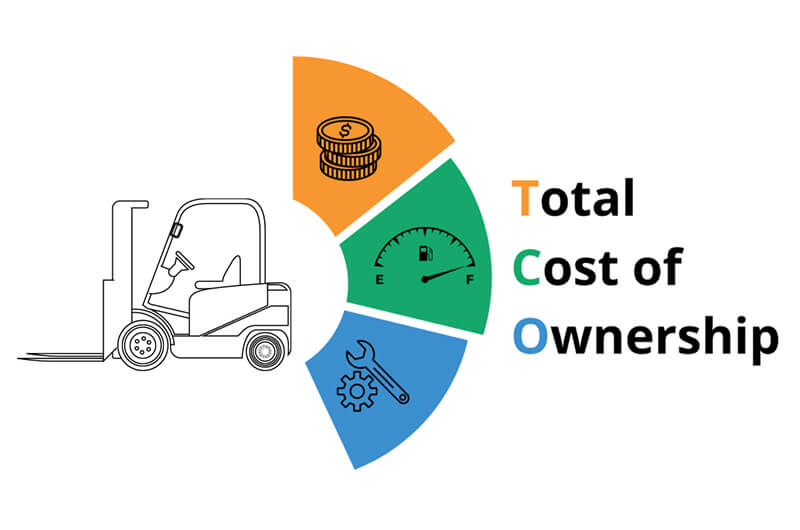
Forklift battery total cost of ownership is the sum of every cost tied to a battery from purchase through end of life: the initial price, electricity, maintenance, replacement batteries, labor, and downtime. TCO exists because purchase price and lifetime cost frequently rank batteries in a different order. A battery that costs less to buy can still cost more to own, once watering schedules, swap-related downtime, and a second or third replacement are added in.
What Goes Into Forklift Battery TCO?
Initial battery cost. The purchase price of the battery itself, before any operating costs are added.
Energy cost. Lead-acid batteries typically charge at 70–85% efficiency, losing the rest as heat. Lithium-ion batteries commonly reach 90–98%. Across thousands of charge cycles, that difference shows up on the electricity bill.
Maintenance cost. Watering, terminal cleaning, and equalization charging keep a lead-acid battery healthy and take scheduled labor time. Lithium batteries are sealed and don’t need this routine.
Replacement cost. Every battery has a finite service life. If the ownership period runs longer than that life, one or more replacement batteries need to be budgeted in — not assumed away.
Labor cost. Watering, swapping, and moving batteries to and from a charging area all take staff time, particularly across multiple shifts.
Downtime cost. A forklift waiting for a swap, or a battery cooling down after use, isn’t moving product. This cost is harder to quantify than electricity, but it’s real.
Infrastructure cost. Lead-acid fleets typically need a ventilated charging room, spill containment, and space for spare batteries. Lithium batteries can often charge where the forklift is parked, which can reduce this requirement. Infrastructure cost varies too much by site to generalize, but it belongs in a full comparison.
The purchase price of a forklift battery is only one part of its lifetime cost.
Forklift Battery TCO Calculator
Compare the 3-Year and 5-Year Cost of Lead-Acid vs. Lithium-Ion Forklift Batteries
The calculator works through four short steps: fleet information, lead-acid battery inputs, lithium-ion battery inputs, and a side-by-side comparison. Figures update as soon as they're entered — nothing needs to be submitted or recalculated manually.
Default values are illustrative estimates. Replace them with your actual battery quotation, electricity rate, labor cost and operating data for a more accurate result.
How the Forklift TCO Calculator Works
The calculator totals six cost categories for each battery type, across both a 3-year and a 5-year period: initial purchase price, electricity, maintenance, replacement, labor, and downtime.
Electricity cost is derived from daily energy use, charging efficiency, and the electricity rate entered, then extended across the ownership period. Maintenance, labor, and downtime are treated as annual figures and scaled by the number of years compared. Replacement cost is not simply the purchase price multiplied by years owned — the calculator checks the battery's expected life against the ownership period and only adds a replacement battery when the math actually calls for one. A battery rated for four years, kept for five, needs a replacement partway through. A battery rated for ten years, kept for five, doesn't.
These categories are combined because none of them, alone, gives a complete answer. A battery with a low purchase price and high ongoing labor and downtime costs can end up more expensive than one with a higher price and lower running costs — which is the comparison a purchase price by itself can't show.
The calculator provides an estimate rather than a supplier quotation. Actual TCO varies by forklift model, battery capacity, operating hours, electricity rates, labor costs, charging practices and battery lifespan.
3-Year Lead-Acid vs. Lithium Cost Comparison
Illustrative example. Fleet of 5 forklifts, 2 shifts per day, 300 operating days per year, 3-year ownership period.
| Cost Category |
Lead-Acid |
Lithium-Ion |
| Initial Battery Cost |
$22,500 |
$47,500 |
| Energy Cost |
$47,250 |
$31,832 |
| Maintenance |
$6,750 |
$1,200 |
| Replacement |
$0 |
$0 |
| Labor |
$27,000 |
$3,000 |
| Downtime |
$9,000 |
$1,500 |
| Total 3-Year TCO |
$112,500 |
$85,032 |
Neither battery in this scenario reaches the end of its rated life within three years, so no replacements are needed on either side. The gap between the two totals comes from the categories that accrue every operating day — energy, labor, and downtime — where lead-acid's higher rate of loss and heavier swap and watering routine add up faster than lithium's.
5-Year Lead-Acid vs. Lithium TCO
Illustrative example. Same fleet, same usage pattern, extended to 5 years of ownership.
| Cost Category |
Lead-Acid |
Lithium-Ion |
| Initial Battery Cost |
$22,500 |
$47,500 |
| Energy Cost |
$78,750 |
$53,053 |
| Maintenance |
$11,250 |
$2,000 |
| Replacement |
$22,500 |
$0 |
| Labor |
$45,000 |
$5,000 |
| Downtime |
$15,000 |
$2,500 |
| Total 5-Year TCO |
$195,000 |
$110,053 |
Two additional years change the calculation in a specific way. The lead-acid batteries in this example reach the end of their rated life partway through year five and need replacing; the lithium batteries, rated for a longer service life, don't. Replacement cost moves from zero to the largest single swing in the table. This is illustrative, not a guarantee — a fleet with a longer-lived lead-acid battery, or a shorter ownership period, would see a smaller gap.
Why Multi-Shift Fleets Change the Economics
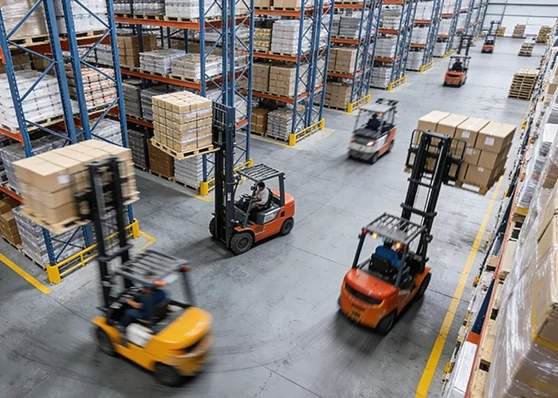
1-shift operations. A forklift running a single 8-hour shift usually has time for a full overnight charge regardless of chemistry. Lead-acid can typically keep up without a second battery, and the case for lithium rests more on avoided maintenance and labor than on avoided downtime.
2-shift operations. At around 16 hours a day, one lead-acid battery is often not enough — charging plus the required cool-down period cut into the operating window. Many 2-shift lead-acid fleets carry a spare battery per truck and swap mid-shift. Lithium's ability to accept a partial charge during a break frequently removes the need for that spare.
3-shift operations. Near-continuous use is where lead-acid's charge-and-cool-down cycle becomes hardest to work around. Covering 20-plus hours a day with lead-acid commonly means two or three batteries per truck and a swap rotation. Lithium's opportunity charging — topping up during any pause, not just a full overnight cycle — is what makes near-continuous operation practical without an oversized battery fleet.
The more intensively a forklift is used, the more important battery TCO becomes. Utilization is the variable that decides which chemistry's cost structure wins.
The Hidden Costs of Lead-Acid Forklift Batteries
Watering isn't optional. It keeps the battery from failing early, and it happens on a fixed schedule regardless of how busy the warehouse is that week. Battery swapping means a forklift and an operator both stop working for the length of the swap. The charging room adds costs beyond the electricity bill — ventilation to clear hydrogen gas, spill containment, cooling, and floor space that could otherwise hold inventory. Spare batteries sitting in rotation are capital tied up and not earning anything most of the time.
None of this appears on a purchase quotation. All of it shows up eventually — in maintenance logs, staffing schedules, and the square footage a facility sets aside for charging.
When Does Lead-Acid Still Make Financial Sense?
Lead-acid can still be the lower-cost option, particularly where utilization is light: a single shift well under a full charge cycle, modest annual operating hours, inexpensive or already-allocated labor, charging infrastructure that's already built and paid for, or a short ownership period that doesn't leave time for lithium's higher purchase price to be offset by lower operating costs. A fleet turning over forklifts every two years on light single-shift duty may never reach the point where lithium's savings outweigh its premium.
When Does Lithium Become More Cost-Effective?
Lithium tends to become more cost-effective as utilization and complexity increase: 2- or 3-shift operations, high annual operating hours, frequent battery swapping under the current setup, expensive downtime, high local labor costs, limited warehouse space for charging infrastructure, cold storage environments where lead-acid capacity and charging behavior are affected by temperature, and operations where equipment availability is a hard requirement rather than a preference.
How Long Does a Lithium Forklift Battery Last?
Lithium-ion forklift batteries are commonly rated for a substantially longer service life than lead-acid batteries under equivalent use — often several thousand more charge cycles. Actual lifespan still depends on usage intensity, charging habits, and the operating environment, so the figure on a spec sheet is a starting point, not a guarantee.
How Many Lead-Acid Batteries Does a Forklift Need Over 5 Years?
It depends on utilization and battery life. A lead-acid battery rated for roughly four years of service, used in a fleet kept for five years, typically needs one replacement partway through. A lower-utilization fleet with a longer-lived battery might need none. Multi-shift fleets that also carry a spare battery per truck for swapping are managing a larger battery count than the ownership-period math alone would suggest — which is a separate, additional cost.
How to Calculate Your Own Forklift Battery TCO
TCO = Initial Cost + Energy + Maintenance + Replacement + Labor + Downtime.
Initial cost is the purchase price. Energy is the electricity used to recharge the battery across its operating life, factoring in charging losses. Maintenance covers watering, cleaning, and inspection labor. Replacement accounts for any additional batteries needed if the ownership period outlasts the battery's rated life. Labor covers time spent swapping, watering, and handling batteries. Downtime covers the operating hours lost to charging, cooling, or swapping.
The example tables above use assumptions that won't match every operation's electricity rate, labor cost, or battery pricing. For a faster estimate, use the Forklift Battery TCO Calculator above with your own fleet's numbers.
What to Look for in a Lithium Forklift Battery
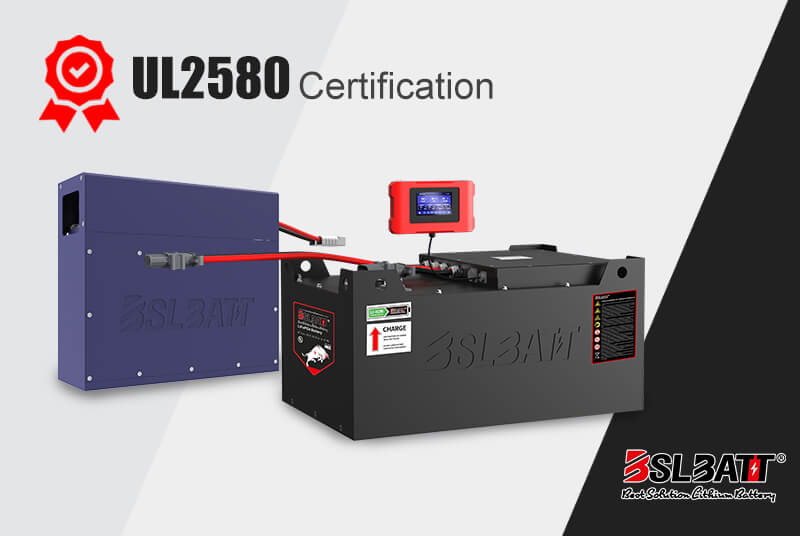
If the TCO math favors lithium for a given fleet, the next question is what separates one lithium battery from another. A few specifications matter more than the marketing copy around them: usable energy relative to rated capacity, the charging performance the battery management system (BMS) actually delivers, thermal management in hot or cold environments, safety certifications and IP rating for the operating environment, warranty terms, serviceability, and whether the battery communicates properly with the forklift's existing controller. Compatibility across a mixed fleet of forklift brands and models is worth checking before quoting a project, not after.
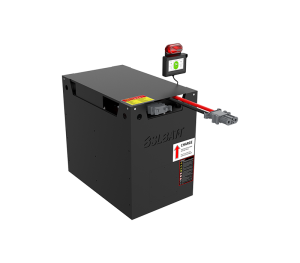
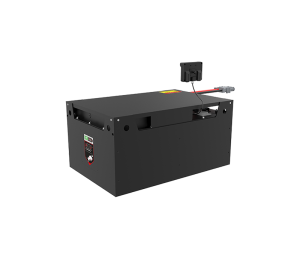
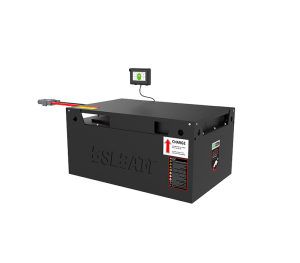
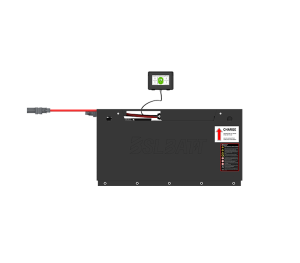
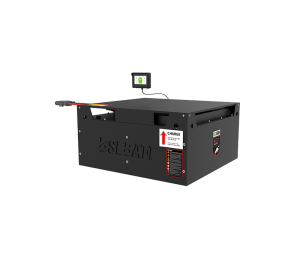
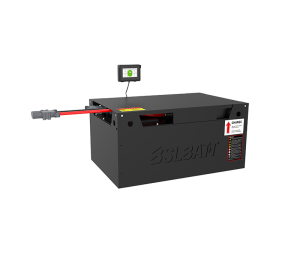
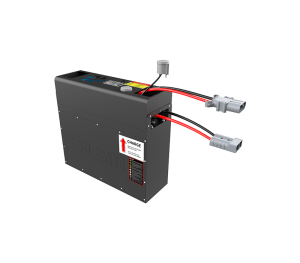
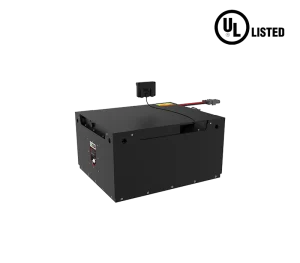
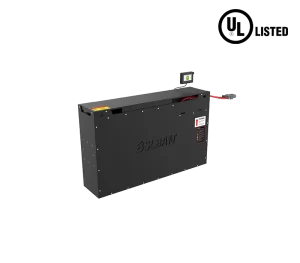
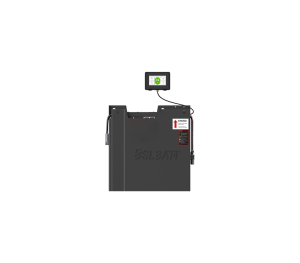
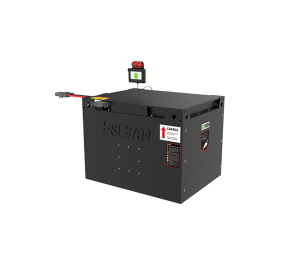
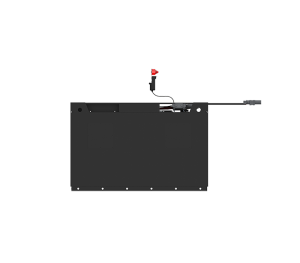
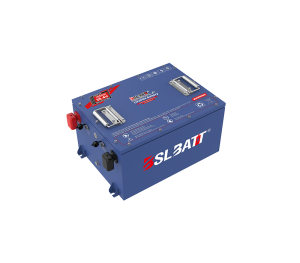
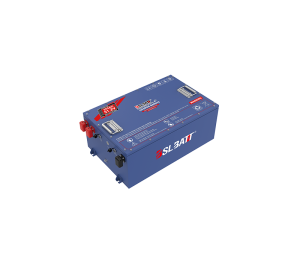
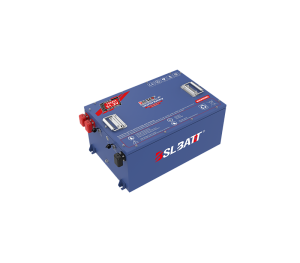
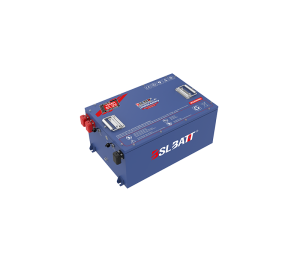
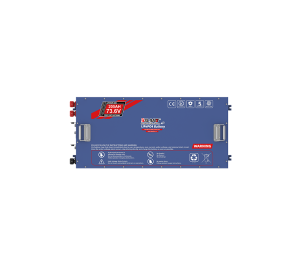
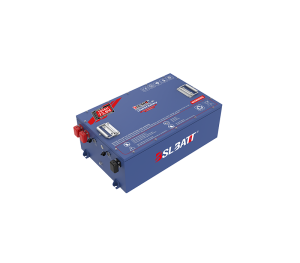
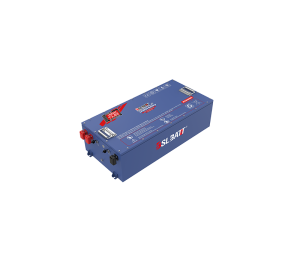
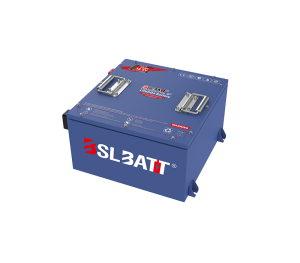
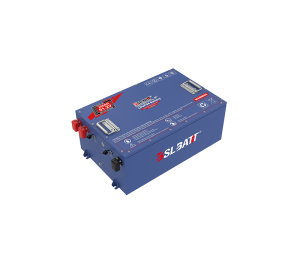
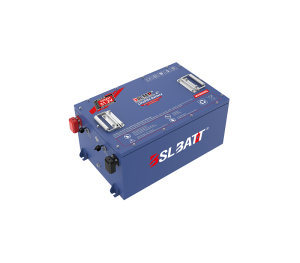
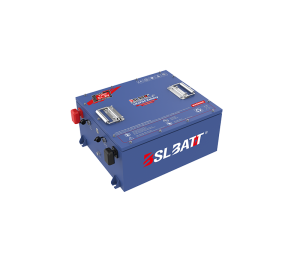
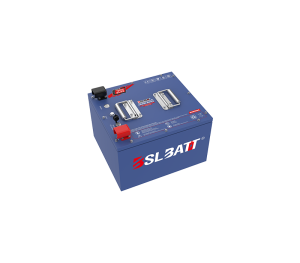
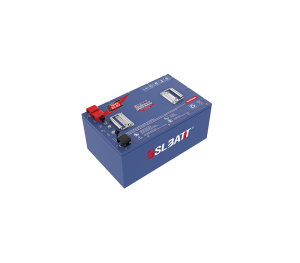
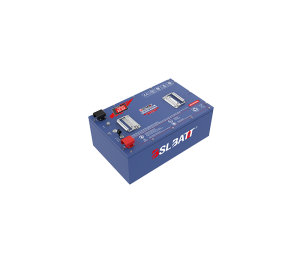
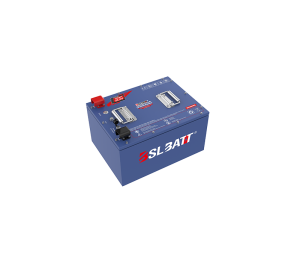
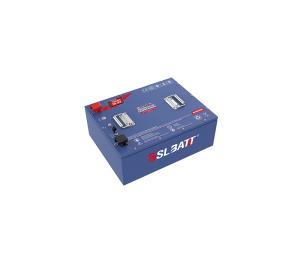
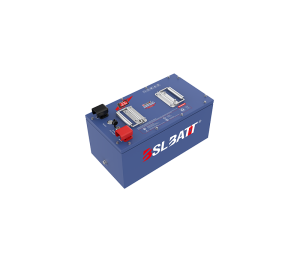
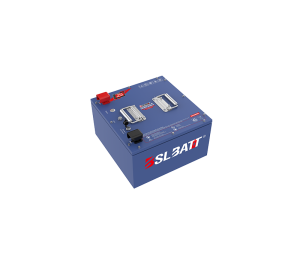
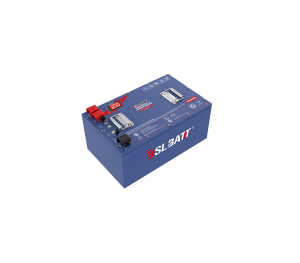
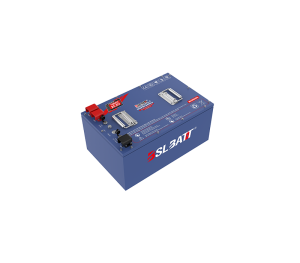
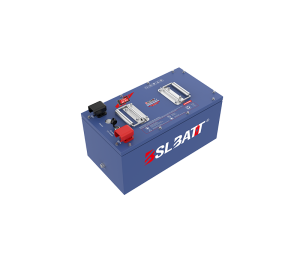
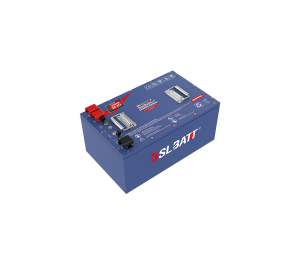
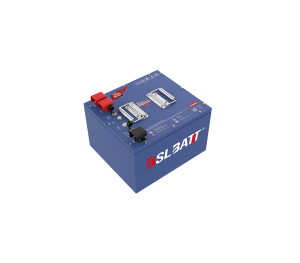
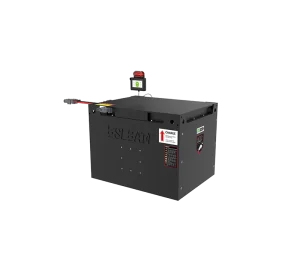
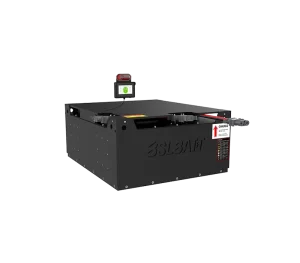
BSLBATT provides lithium-ion battery solutions for forklifts and industrial vehicles, with configurable voltage, capacity and battery configurations for different operating requirements.
FAQ
How much does a lithium forklift battery cost?
Lithium forklift battery prices vary by voltage, capacity, and configuration, but they typically cost more upfront than a comparable lead-acid battery — often in the range of 1.5x to 2.5x. Exact pricing depends on the truck's power requirements and the supplier's specification.
Is a lithium forklift battery cheaper than lead-acid?
Not at the point of purchase. Over a 3–5 year ownership period, lithium can have a lower total cost for high-utilization, multi-shift fleets, because it typically reduces energy loss, maintenance, labor, and replacement batteries. Lower-utilization fleets may still find lead-acid less expensive overall.
What is forklift battery TCO?
Forklift battery total cost of ownership is the sum of every cost tied to a battery across its service life — purchase price, electricity, maintenance, replacement, labor, and downtime — rather than just the price on the invoice.
How much does a forklift battery cost over 5 years?
Five-year cost depends on purchase price, electricity rate, maintenance, labor, downtime, and whether a replacement battery is needed within that period. There's no single industry-wide figure; it needs to be calculated per fleet using each operation's own numbers.
How long does a lithium forklift battery last?
Lithium-ion batteries commonly last significantly longer than lead-acid batteries under equivalent use, often rated for several thousand more lithium battery cycle life. Actual lifespan depends on usage patterns, charging habits, and the operating environment.
How long does it take for a lithium forklift battery to pay back?
Payback period depends on the size of the upfront price difference and the annual operating savings lithium delivers. In high-utilization, multi-shift operations, payback is often reached within one to three years. Lower-utilization fleets take longer, or may not reach payback within a typical ownership period.
Are lithium forklift batteries worth the higher upfront cost?
For fleets with high daily utilization, multiple shifts, or high labor and downtime costs, the operating savings from lithium frequently outweigh the higher purchase price within a few years. For light, single-shift use, the upfront premium may not be recovered before the equipment is replaced.
Are lithium batteries better for multi-shift forklifts?
Generally yes. Lithium's ability to opportunity-charge during breaks avoids the battery swapping that multi-shift lead-acid operations typically require, which tends to reduce both labor cost and downtime as shift count increases.
Conclusion
The purchase price is easy to see. The labor cost is not. Neither is the electricity bill, the watering schedule, or the forklift standing idle during a swap. Forklift lithium battery cost will almost always be higher than lead-acid on the first invoice — what happens over the following three to five years is a separate calculation, and it comes out differently depending on utilization, electricity rates, labor costs, and how long the equipment is kept.
Planning to compare lithium and lead-acid for your forklift fleet? Start with your actual operating data, run the TCO calculation, and compare the long-term cost before choosing a battery solution.
Explore BSLBATT Lithium Forklift Batteries


 Explore all product lines