Revolutionize the energy economy with advanced lithium-ion battery technology—lower costs, reduce heat, and accelerate sustainable development.
 Explore all product lines
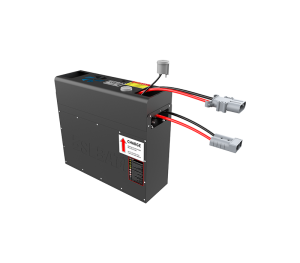
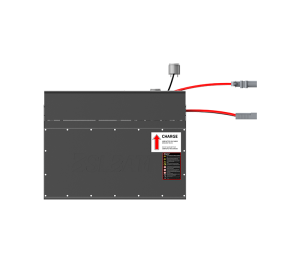
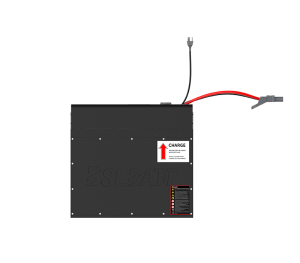
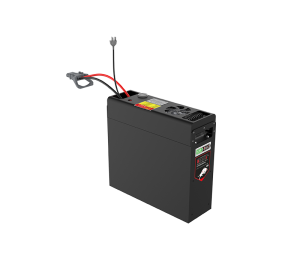
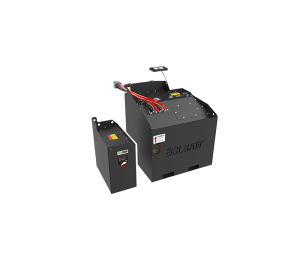
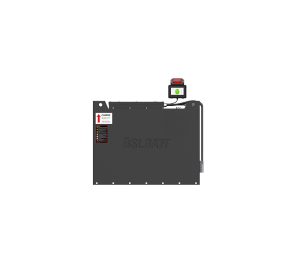
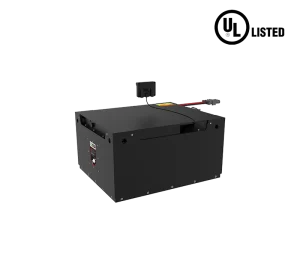
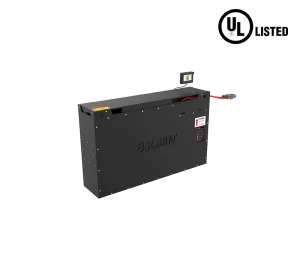
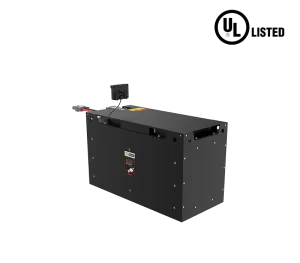
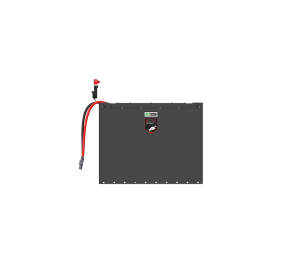
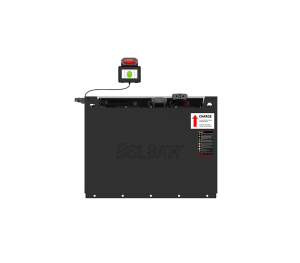
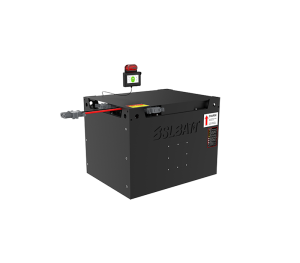
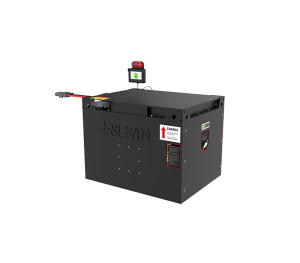
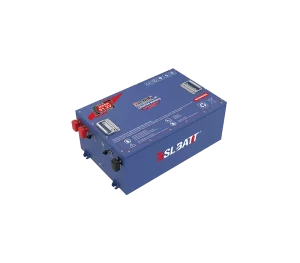
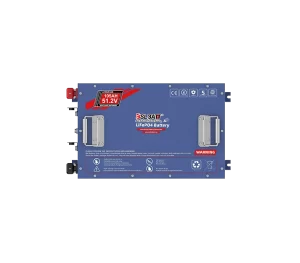
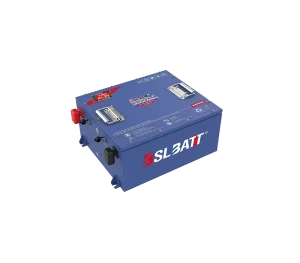
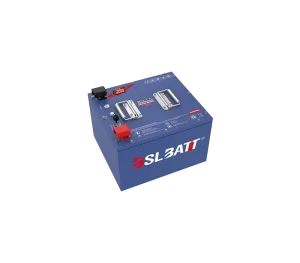








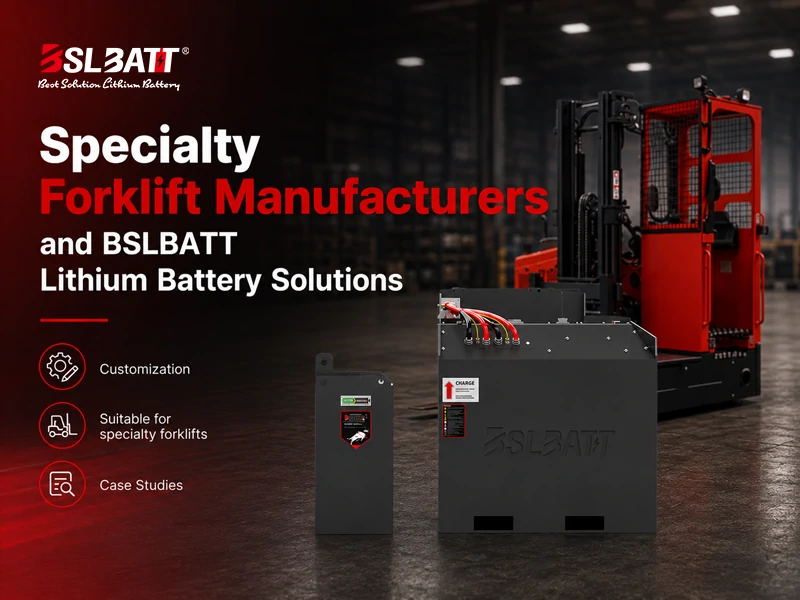
- Specialty Forklift Manufacturers and BSLBATT Lithium Battery Solutions
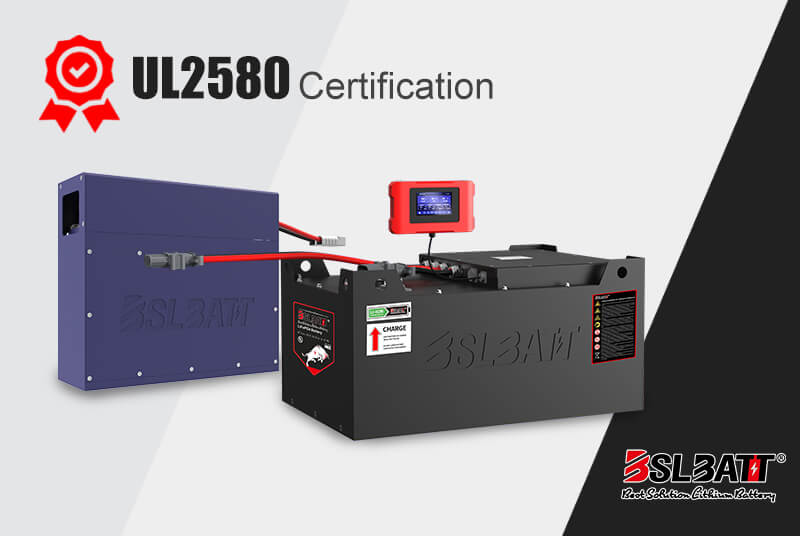
- The first lithium forklift battery that is UL 2580 certified and ISO9001 certified in the industry is BSLBATT® Battery – Industrial
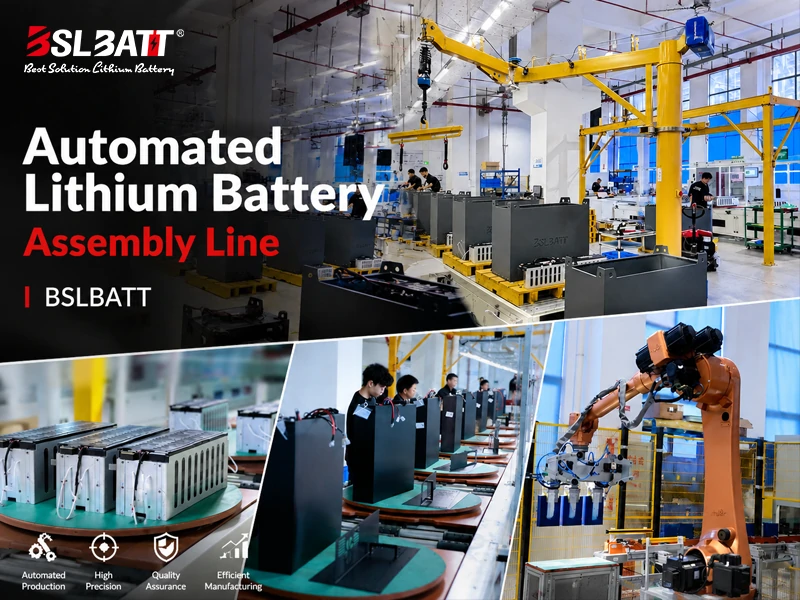
- Automated Lithium Battery Assembly Line | BSLBATT Smart Factory
- Time to Retire Lead-Acid: Why Your Warehouse Needs Lithium-Ion Power
- Lithium Forklift Battery Maintenance Guide 2026
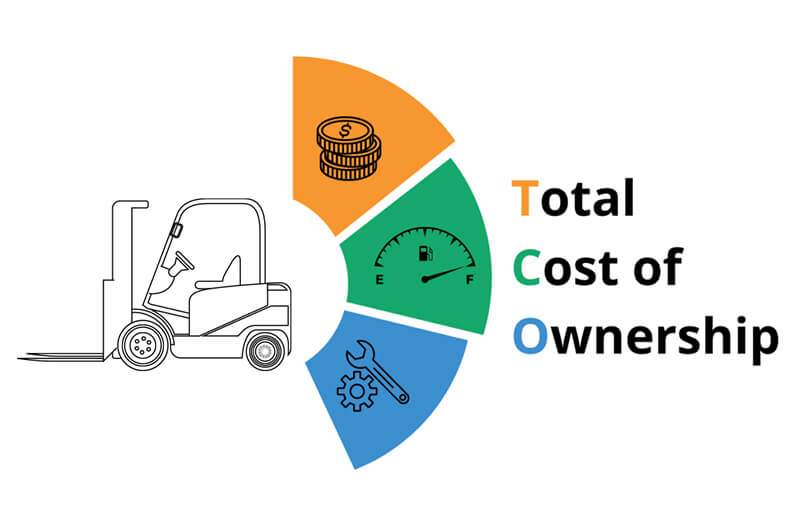
- Industrial Lithium Batteries: Initial Price vs. Long-Term Costs
Forklifts
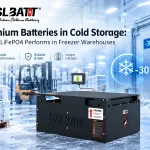
Lithium Batteries in Cold Storage: How LiFePO4 Performs in Freezer Warehouses
Table of contents

- What Cold Does to a Battery, Chemically
- Lead-Acid vs LiFePO4 in the Cold: Side by Side
- How the Self-Heating Function Works
- What to Expect at −20°C: Capacity Retention
- Condensation: The Problem Nobody Puts on the Spec Sheet
- Charging Strategy Inside a Freezer Operation
- Cold Storage Battery Spec Checklist
- Frequently Asked Questions
- Can you leave a lithium forklift battery in a freezer overnight?
- Why can't lithium batteries charge below 0°C?
- How much capacity does a lithium battery lose at −20°C?
- Is LiFePO4 better than lead-acid for cold storage?
- Do self-heating batteries waste a lot of energy?
- What IP rating does a cold storage forklift battery need?
- Can the charger also be installed inside the freezer?
LiFePO4 works in freezer warehouses when the pack is built for cold: a self-heating loop that warms cells before charging, an enclosure rated to -30°C, and condensation control. Without heating, any lithium pack delivers only 60-80% of rated capacity at -20°C.
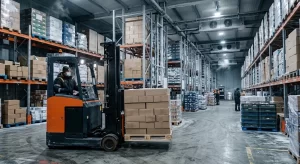
Frozen food, pharmaceutical cold chain, and 3PL cold stores all run the same playbook: trucks live inside the freezer, operators rotate out every couple of hours, and the battery never leaves the building. That operating pattern decides what “good” means for a battery down there. This guide covers what cold actually does to both chemistries, how a self-heating lithium pack works, what to expect at −20°C, and the spec questions to ask before you buy.
What Cold Does to a Battery, Chemically
Battery capacity is a chemical reaction, and reaction speed drops with temperature. Below roughly 0°C, the electrolyte in a lithium cell gets more viscous, ionic transport slows, and the cell’s internal resistance rises. Two consequences follow:
- Usable capacity shrinks. The energy is still in the cell, but it comes out slower and the BMS may cut off early as voltages sag under load. At −20°C, an ordinary lithium pack without heating delivers roughly 60–80% of its rated capacity, which means a truck rated for 8 hours may need charging after 5 or 6.
- Charging becomes the real constraint. Charging a lithium cell below 0°C forces metallic lithium to plate onto the anode instead of intercalating into it. Plating is permanent: it eats cycle life and, in the worst case, creates dendrites that can pierce the separator. This is why the rule “do not charge below 0°C” exists, and why a freezer battery needs a way to warm itself up before it accepts charge.
Lead-acid suffers from the same slowdown, plus a few problems lithium doesn’t have. Its capacity also drops sharply in the cold, its charging efficiency is already low (~75% versus ~96% for lithium at room temperature, per our TCO analysis), and it needs watering and equalization — maintenance that gets done less often when the person doing it is working in −20°C. A flooded lead-acid battery left on a cold floor overnight can even freeze if its state of charge is low enough, since a fully discharged electrolyte is close to plain water.
Lead-Acid vs LiFePO4 in the Cold: Side by Side
| Factor | Flooded lead-acid | LiFePO4 with self-heating |
|---|---|---|
| Capacity at −20°C | Typically drops to 50–70% of rating; recovers only when warm | 60–80% without heating; near nominal once the self-heating loop brings cells to operating temperature |
| Charging in the cold | Accepts charge slowly below 0°C; needs longer equalization | BMS blocks charge below 0°C, self-heats first, then charges at full rate |
| Where charging happens | Dedicated, ventilated battery room outside the freezer (hydrogen venting) — trucks drive out with a hot-swap | Opportunity charging in the freezer or at the dock, no swap needed |
| Maintenance | Watering, acid checks, terminal cleaning — worse in cold stores | None; sealed pack, no watering |
| Condensation handling | Exposed terminals and vent caps; condensation is an ongoing short-circuit and corrosion risk | Sealed enclosure with pressure-equalizing “nano-breathing” vent that prevents internal condensation |
| Cycle life | ~1,000 cycles, often fewer with deep cold cycling | >3,500 cycles at room temperature per our datasheets (cold-duty figures: confirm with engineering for your duty cycle) |
The structural difference is the swap. A lead-acid fleet in a cold store needs one battery per truck plus a spare set charging in a ventilated room, and someone pulls a 1-ton battery swap two or three times per shift. A lithium pack stays in the truck and drinks opportunity charge during breaks — the same 15–30 minute top-ups described in our material handling solutions. In a freezer, that means fewer door openings, fewer trucks crossing the thermal line, and no second battery set to buy.
How the Self-Heating Function Works
Self-heating is the feature that makes lithium viable in a freezer, and it is worth understanding before comparing vendors. A well-designed pack does the following:
- The BMS watches cell temperature continuously. When a charge request comes in and cells read below the safe threshold (typically 0°C), charging is refused — this is a protective lock, not a fault.
- Heating elements warm the cells from inside the pack. Two build approaches exist: heating plates mounted between or under cells (more even, higher cost) and heating films attached to cell surfaces (faster response, less uniform). Both draw a small amount of energy from the pack itself.
- Charging unlocks once cells reach the safe window. Typical warm-up from −20°C takes on the order of tens of minutes rather than hours, and the truck can often discharge normally while warming.
- Intelligent temperature control scales heating power to the actual temperature delta, so the pack is not burning energy to overshoot the target.
BSLBATT’s cold storage configuration pairs this self-heating loop with a pack rated for −30°C environments, so the battery can be specified to stay inside the freezer permanently instead of commuting between temperature zones. The energy spent heating is not waste: a warm pack charges faster, delivers its rated capacity, and avoids the anode plating that quietly destroys cold-charged cells.
Warm-up time and heating energy draw vary by pack size and ambient temperature — verify against the datasheet of the model you’re buying before publishing any specific figure.
What to Expect at −20°C: Capacity Retention
Here is the honest version of the numbers.
- Without heating (any LiFePO4 pack): roughly 60–80% of rated capacity is available at −20°C, and charge acceptance is limited. This is physics, not a brand difference.
- With a self-heating pack: once the cells reach operating temperature, the pack behaves like it’s at room temperature — the capacity you lose to cold, you lose during the warm-up, not during the shift. BSLBATT’s cold storage line is specified to hold close-to-nominal performance in −30°C duty with the heating loop active.
- Exact retention percentages by model and discharge rate: these come from cold-chamber testing and belong on the datasheet. Ask your supplier for the −20°C discharge curve at your real current draw — a percentage without a test condition is marketing.
Specific capacity-retention figures for BSLBATT self-heating models at −20°C and −30°C are pending engineering confirmation and will be added to this article once verified. Do not quote a number here before it’s on the datasheet.
Condensation: The Problem Nobody Puts on the Spec Sheet
Every cold store battery lives through temperature swings. A truck rolls out of the −20°C freezer into a +18°C dock, and moisture condenses on every surface — including inside the battery if air can move through it. Condensation on live terminals means leakage current, corrosion, and in the worst case a short circuit across the pack.
Two design details handle this:
- Sealed enclosure with pressure equalization. The pack must breathe air pressure (as the temperature changes, the air inside expands and contracts) without breathing moisture. BSLBATT’s nano-breathing technology uses a membrane vent that equalizes pressure while blocking water ingress, preventing condensation from forming inside the pack.
- IP rating matched to washdown and humidity. For cold storage with condensation and defrost cycles, IP65 is the practical floor; confirm the rating of the specific model.
If you’re evaluating any lithium pack for freezer duty, ask specifically: “How does this pack handle pressure equalization across a 40°C swing?” A vendor who hasn’t thought about it will talk about IP ratings alone — which cover water jets, not the slow moisture migration that cold stores cause.
Charging Strategy Inside a Freezer Operation
The charging rule for lithium is absolute: never charge below 0°C without preheating. Beyond that, freezer operations have three workable patterns:
- Opportunity charge at the dock door. The truck exits the freezer between tasks anyway; plug in for 15–30 minutes there. The pack’s self-heating covers the transition, and the truck returns to the cold fully charged. This is the pattern most cold stores land on.
- Charge inside the freezer. Possible with a −30°C-rated self-heating pack and a charger specified for the ambient. Saves door openings; requires the charger and battery to communicate — see our charger matching guide for why the CAN handshake matters.
- Remove-and-charge (lead-acid pattern). Kept only where the fleet already owns swap infrastructure. Even then, the lithium pack should be charged after it warms, not straight off the cold floor.
One more freezer-specific habit: don’t park a deeply discharged pack in the freezer overnight. Charge it (after warm-up) or store it at partial state of charge. Storage at low SOC in low temperature is the fastest way to shorten any battery’s life.
Cold Storage Battery Spec Checklist
Before you sign for a cold storage forklift battery, get written answers to these:
| Question | What good looks like | |
|---|---|---|
| 1 | Minimum ambient rating? | −30°C enclosure rating for freezer fleets; −20°C minimum for chill zones (0–8°C) |
| 2 | Self-heating included, and is it automatic? | BMS-initiated preheat before charge, no operator action required |
| 3 | Charge lock below 0°C? | Hard block with automatic release after preheat — not a warning |
| 4 | Condensation management? | Pressure-equalizing membrane vent + sealed enclosure; ask how it passed cold-humidity testing |
| 5 | −20°C discharge curve at your current? | Tested curve at your real draw, not a single headline percentage |
| 6 | IP rating of the actual model? | IP65 or better for condensation zones |
| 7 | Charger coordination? | CAN handshake between charger and BMS, matched by the same supplier |
| 8 | Warranty terms for cold-duty use? | BSLBATT backs its industrial line with an 8-year / 12,000-hour warranty — confirm cold storage operation is covered in the terms, not excluded as an extreme environment |
Our battery technology page covers the cell, BMS, and monitoring platform behind these features, and our UL 2580 certification guide explains which safety verifications matter for enclosed, low-temperature installations.
Frequently Asked Questions
Can you leave a lithium forklift battery in a freezer overnight?
Yes, if the pack is rated for the ambient temperature and holds a reasonable state of charge. BSLBATT’s cold storage packs are rated to −30°C and designed to remain in the freezer between shifts. Avoid leaving any pack deeply discharged in deep cold, and don’t charge it while the cells are below 0°C without preheating.
Why can’t lithium batteries charge below 0°C?
Below freezing, lithium ions deposit as metal on the anode instead of entering it — a process called lithium plating. Plating permanently reduces capacity and can grow dendrites that puncture the separator and cause internal shorts. This is why a proper pack’s BMS blocks charging until its self-heating brings the cells above 0°C.
How much capacity does a lithium battery lose at −20°C?
Without heating, expect roughly 60–80% of rated capacity at −20°C. With a self-heating system active, the cells operate at normal temperature, so the pack delivers close to its nominal capacity for the shift; exact figures depend on the model and discharge rate and should come from the datasheet.
Is LiFePO4 better than lead-acid for cold storage?
For most freezer operations, yes. Both chemistries lose capacity in the cold, but LiFePO4 accepts opportunity charging (no battery swaps, no second battery set), needs zero watering, and with self-heating can live in the freezer permanently. Lead-acid adds a ventilated charging room, hot-swap labor, and maintenance work that is miserable to do at −20°C.
Do self-heating batteries waste a lot of energy?
The heating draw is small relative to the pack’s capacity and is only spent during warm-up and severe cold. Compare it against what it buys back: rated capacity instead of 60–80%, full-rate charging instead of a blocked or degraded charge, and protection against plating damage that would shorten the pack’s life.
What IP rating does a cold storage forklift battery need?
IP65 is the practical minimum for freezer operations because of condensation, defrost-cycle moisture, and washdown. Confirm the rating on the specific model’s datasheet rather than the product family page.
Can the charger also be installed inside the freezer?
It can, with two conditions: the charger must be rated for the ambient temperature, and it must communicate with the battery’s BMS over CAN so charging starts only after preheat. An unmatched charger that pushes current into cold cells is the single most damaging setup we see in cold stores.
Specifying batteries for a freezer fleet? BSLBATT builds self-heating LiFePO4 packs rated to −30°C for Class I–III forklifts, with CAN-coordinated chargers and fleet monitoring. Talk to our cold storage team with your truck models, shift pattern, and lowest ambient — we’ll size the pack and confirm the heating strategy for your duty cycle.

Related Product Recommendations
-
51.2V 336AH
48 Volt Forklift Battery Powerful 336Ah Lithium-ion Solution | BSLBATT
Learn More -
51.2V 504AH
48V Industrial Forklift Batteries Massive 504Ah Lithium Powerhouse | BSLBATT
Learn More -
51.2V 615AH Lithium Forklift Battery
Electric Forklift Batteries for Sale UL Certified 48V 615Ah IP65 Lithium | BSLBATT
Learn More -
96V 820AH
LiFePO4 Forklift Battery 83.2V 820Ah IP69 | BSLBATT
Learn More