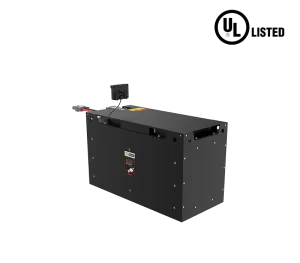
Forklift lithium batteries are sold on safety claims. Nearly every supplier page shows certification badges, and nearly every badge looks authoritative. The problem is that “UL certified,” “UL compliant,” “designed to UL standards,” and “UL 2580 listed” mean four very different things — and only one of them involves an independent laboratory testing the battery you are about to put under a 3-ton load.
That distinction matters. A battery can pass UL 2580 and still be a poor operational choice. A battery can be excellent operationally and carry no listing at all. Certification and fitness for duty are separate evaluations, and buyers routinely conflate them.
UL 2580 includes electrical, mechanical, and environmental abuse testing. The mechanical sequence is the part most buyers have never seen described:
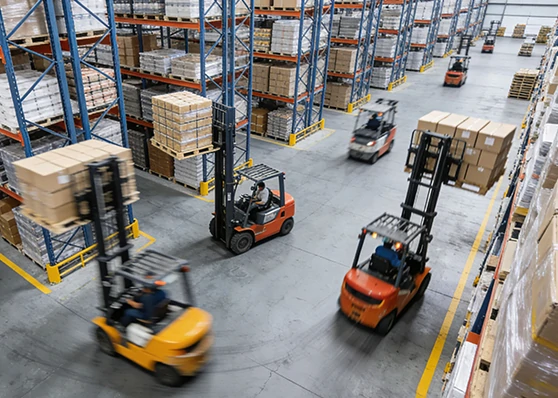
The fire exposure test deserves particular attention in a warehouse context. Forklift batteries operate indoors, often beside racked inventory, and sometimes in shift patterns that leave them charging unattended overnight. The relevant question is not whether a pack ignites under extreme abuse — most lithium packs will eventually — but whether it self-extinguishes and contains the event. That is what the fire spread evaluation is designed to establish.
Forklift battery quotes routinely mix cell-level, pack-level, transport, and regional standards as though they were interchangeable. They are not. Here is how the common ones divide:
The single most common misunderstanding: UL 2580 was written for electric vehicles, and a forklift is an industrial truck, not a road vehicle. This does not make the certification irrelevant — the abuse testing is genuinely demanding and highly transferable — but it does mean a well-specified industrial pack should ideally carry both UL 2580 (pack-level abuse) and IEC 62619 (industrial application safety). When a supplier offers only one, ask which and why.
Four Things to Verify Before You Buy
A certification badge on a website is marketing. A certification you can look up is evidence. Work through these four checks before the purchase order.
1. The exact model number appears on the certificate
UL listings are issued to specific model designations, not to companies or product families. A manufacturer may hold a UL 2580 listing covering its 51.2V range while the 80V pack you are quoted holds no listing at all. Request the certificate and confirm the model number on the quote matches a model number on the certificate — including any suffix that denotes a variant.
Ask for: the UL certificate PDF, then cross-check the file number (format typically E or MH followed by digits) in UL’s Online Certifications Directory. An active listing resolves to the manufacturer’s name and a scope of covered models. If the supplier cannot produce a file number, treat the claim as unverified.
2. The listing is active, not expired or withdrawn
Listings require ongoing surveillance and can be withdrawn for non-conformance, unpaid fees, or scope changes. A certificate PDF from three years ago proves the pack was listed in the past, not that it is listed today. Check the directory status, and check the certificate date.
3. Testing was done on the pack, not just the cells
This is the gap that catches the most buyers. A supplier can legitimately say “our cells are UL recognised” — meaning UL 1642 at cell level — while the assembled pack has never been tested. Cell-level recognition tells you the chemistry is sound. It does not tell you whether the enclosure, busbars, BMS, thermal path, and connector layout behave safely under crush, rotation, or fire exposure.
Look for language that names the pack, battery assembly, or battery system. If documentation only ever says “cells,” keep asking.
4. The BMS carries a functional safety rating
The BMS is what performs the protective actions — opening contactors on over-current, cutting charge on over-voltage, derating on thermal rise. UL 2580 tests whether those protections work once. A functional safety standard addresses whether the logic behind them was developed rigorously enough to be trusted.
BSLBATT develops its forklift battery BMS in accordance with ISO 26262:2011 and targets Automotive Safety Integrity Level C (ASIL C) — a meaningful benchmark for a system whose failure mode is thermal. Ask what standard your supplier’s BMS was developed against. “We have a BMS” is not an answer.
Also verify: transport approval and ingress protection
- UN 38.3 test summary. Required for shipping. Any pack arriving by sea or air freight should have one, and your freight forwarder may ask for it.
- IP rating matched to your environment. IP65 enclosures handle wash-down areas, outdoor docks, and cold storage. An indoor, climate-controlled warehouse may not need it — but if you do, confirm the rating is certified, not claimed.
- Fire suppression. Some packs integrate an extinguishing system. If yours does, ask what triggers it and whether it was evaluated as part of certification or added afterward.
Reading Certificate Language: What Signals Trouble
| What the quote says | What it usually means | What to do |
|---|
| “UL 2580 certified” | Should mean a listed pack. | Request the file number and verify model scope. |
| “Compliant with UL 2580” | Tested internally or by an unnamed lab; no listing. | Ask who tested it and request the full report. |
| “Designed to meet UL 2580” | An engineering intent, not a result. | Treat as uncertified. |
| “Cells are UL recognised” | Cell-level only (typically UL 1642). | Ask for pack-level certification separately. |
| “Factory is ISO 9001 certified” | True, and irrelevant to this product. | Ask what the product itself carries. |
| “CE, IEC, UN38.3 certified” | A mix of regional, application, and transport items. | Separate them; each answers a different question. |
Where Certification Fits in a Buying Decision
Certification is a floor, not a ceiling. A UL 2580 listing tells you the pack will behave safely when abused. It tells you nothing about whether the pack will finish your heaviest shift, whether it communicates with your forklift’s controller, or whether the total cost over eight years beats the alternative.
A complete evaluation has four separate tracks:
- Safety — UL 2580 and IEC 62619 at pack level; ASIL-rated BMS; fire behaviour.
- Duty fit — capacity matched to tonnage, shift pattern, and opportunity-charging windows.
- Integration — CANbus or RS485 protocol compatibility with your truck brand; enclosure dimensions and counterweight; charger matching.
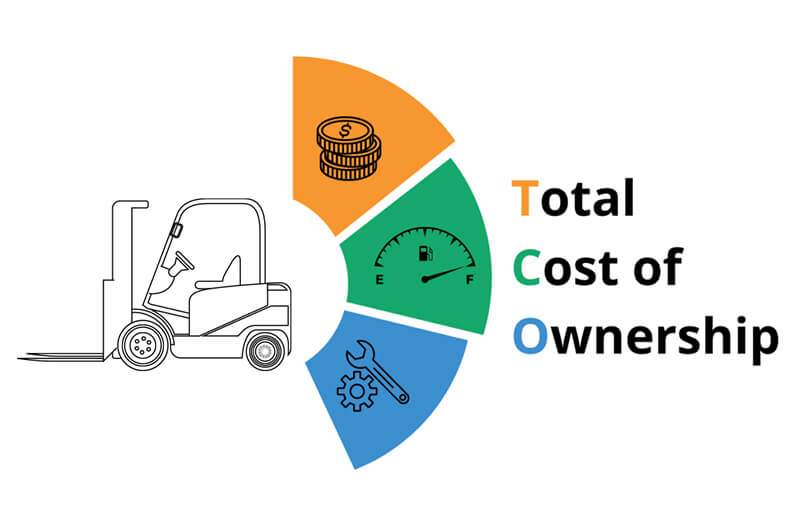
- Economics — cycle life, warranty terms, and total cost of ownership across the replacement horizon.
Suppliers strong on track 1 but vague on tracks 2 through 4 are selling a certificate, not a power solution. The reverse is worse.
BSLBATT’s Certification Position
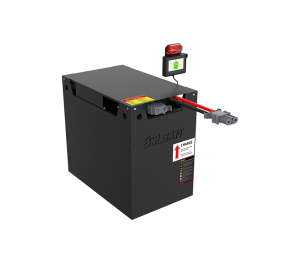
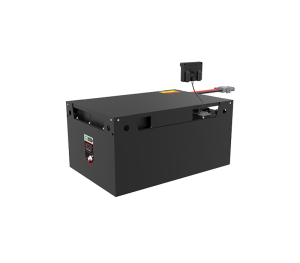
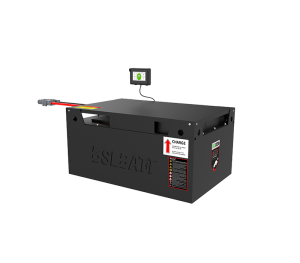
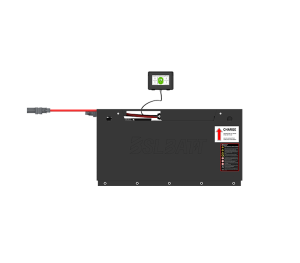
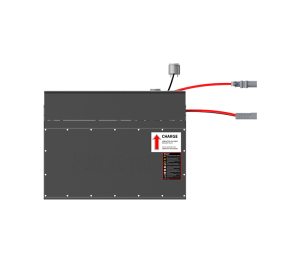
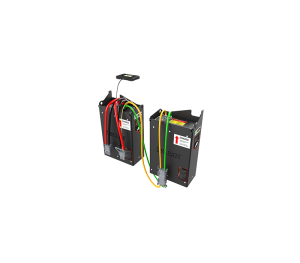
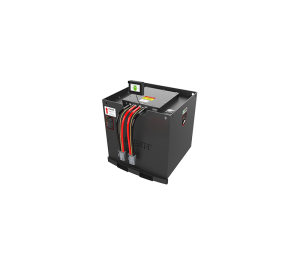
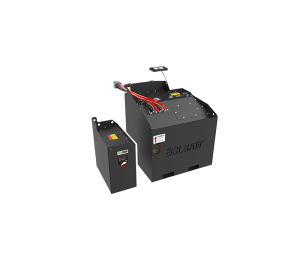
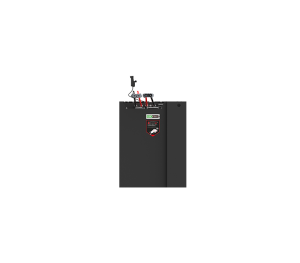
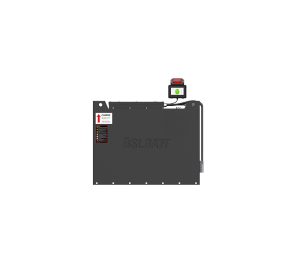
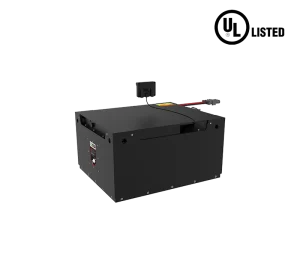
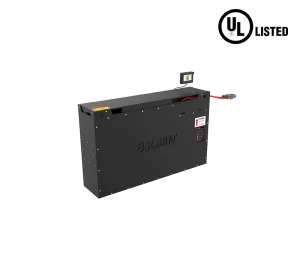
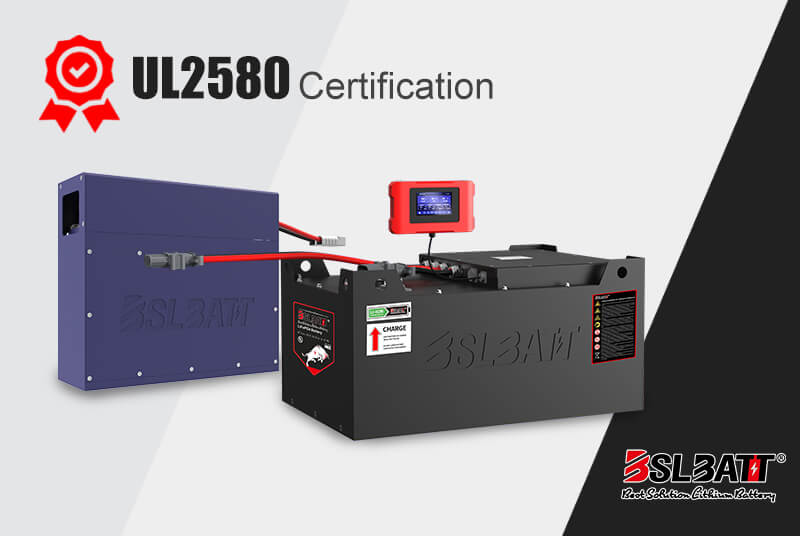
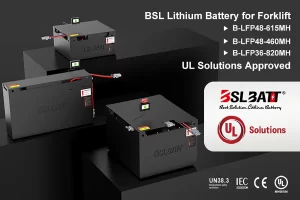
BSLBATT holds UL 2580 certification on its 51.2V and above forklift battery range, covering Class I and Class II trucks, and is among the first lithium forklift battery manufacturers in the industry to hold both UL 2580 and ISO 9001. Packs are also built to CE and IEC 62619.
In the UL 2580 destructive sequence, BSLBATT packs passed short circuit, crush, multi-axis rotation, and drop testing, then continued to operate and accept charge following the sequence. In the fire exposure test the pack self-extinguished without spreading beyond the unit.
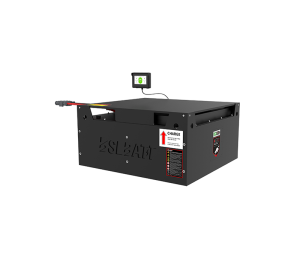
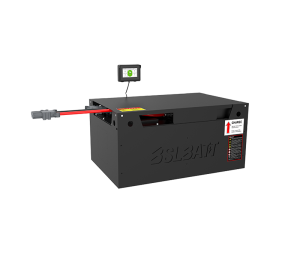
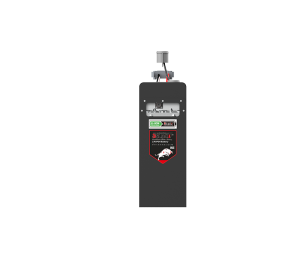
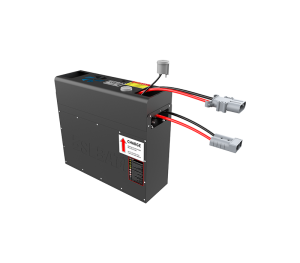
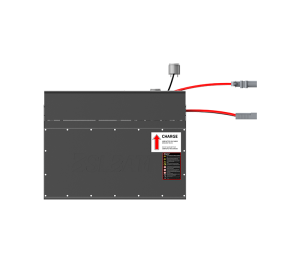
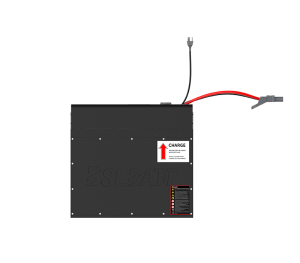
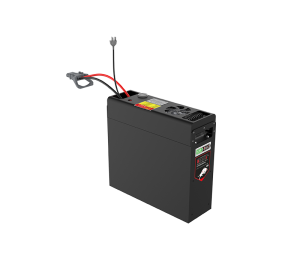
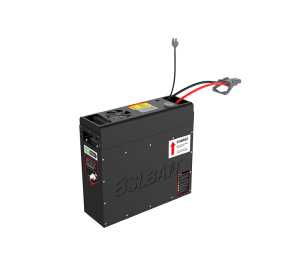
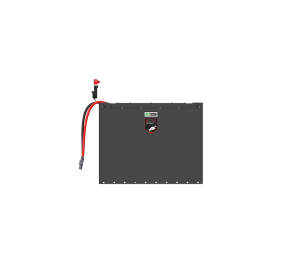
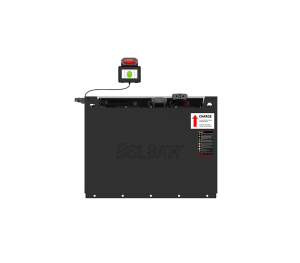
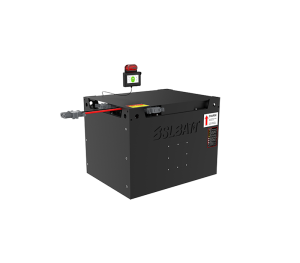
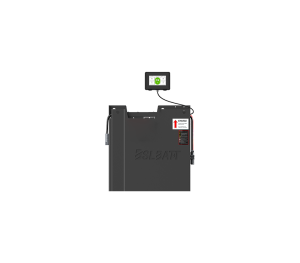
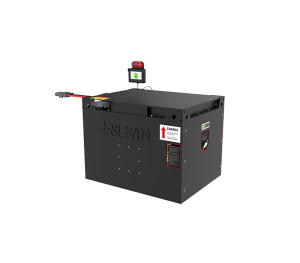
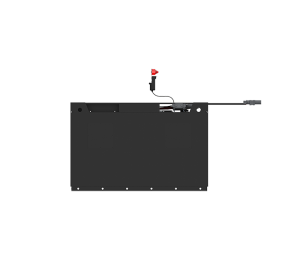
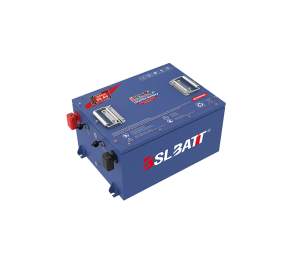
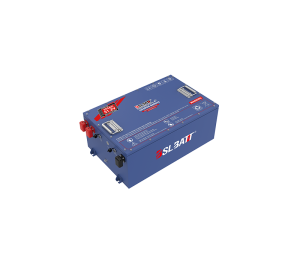
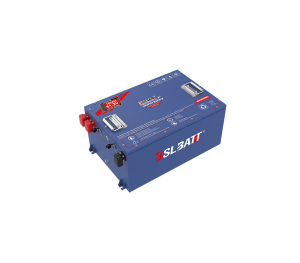
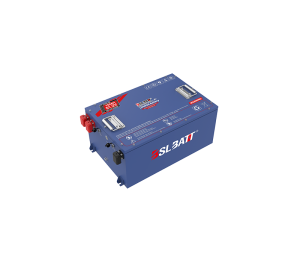
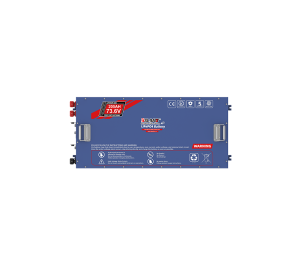
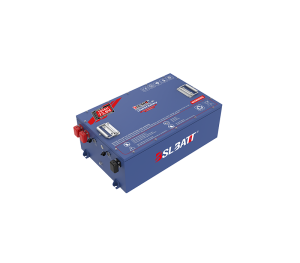
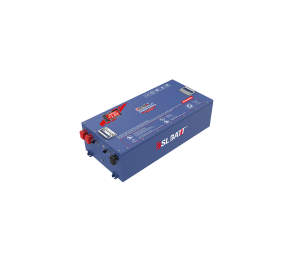
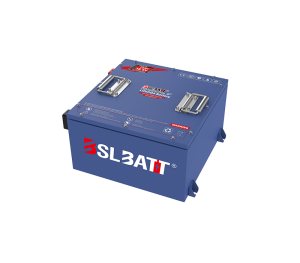
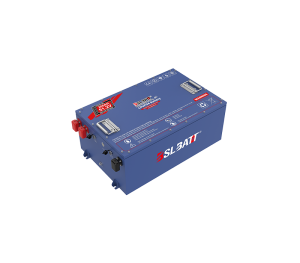
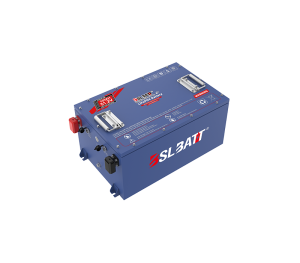
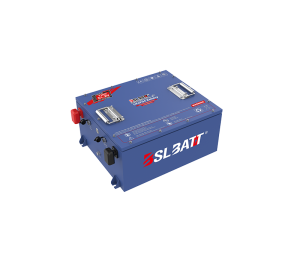
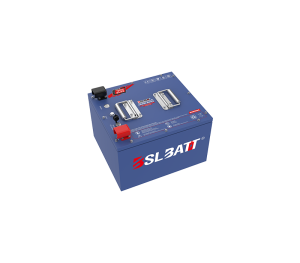
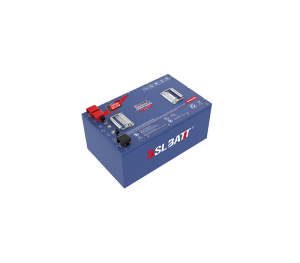
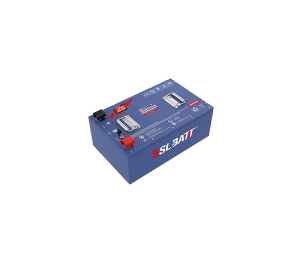
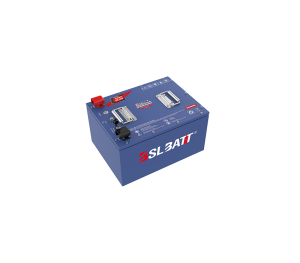
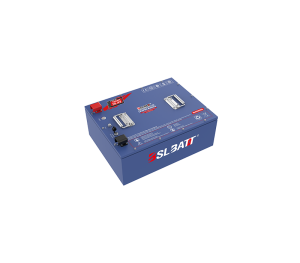
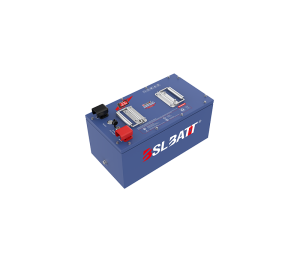
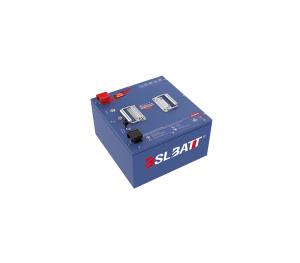
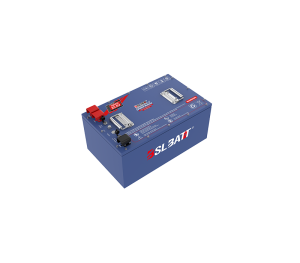
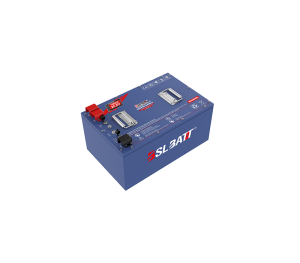
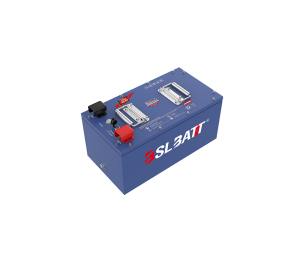
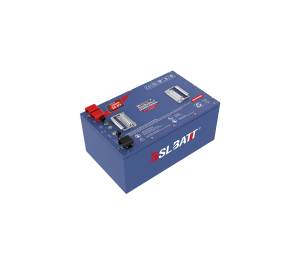
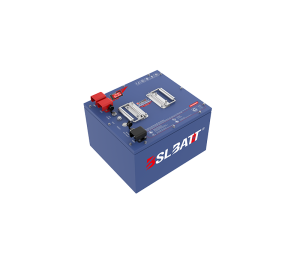
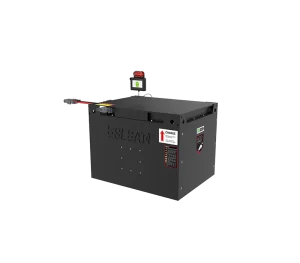
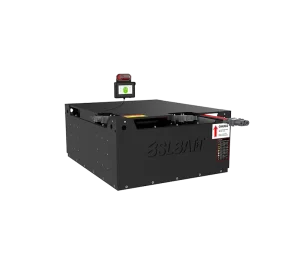
Certified models are available across the range, including:
Certificates for these models are available on request. Ask your BSLBATT representative for the file number and verify it directly.
Frequently Asked Questions
Is UL 2580 required for forklift batteries in North America?
Not universally by law, but effectively yes for most serious buyers. Many corporate risk, insurance, and safety departments require a Nationally Recognized Testing Laboratory (NRTL) listing before lithium batteries are approved for indoor use. Even where no regulation mandates it, an unlisted pack can fail an insurance review or a fire marshal inspection after an incident — at which point the cost of the listing is trivial compared to the cost of the outcome.
What is the difference between UL 2580 and IEC 62619?
UL 2580 tests a complete motive battery pack against mechanical and thermal abuse, and was written for electric vehicles. IEC 62619 covers safety requirements for secondary lithium cells and batteries used in industrial applications, including forklifts. They overlap but are not substitutes. A forklift battery is best specified with both: UL 2580 for abuse resistance, IEC 62619 for industrial-application safety.
Does a UL 2580 certificate cover every model a manufacturer sells?
No. UL listings are issued to specific model designations within a defined scope. A manufacturer can hold UL 2580 on one voltage platform and not on another. Always match the model number on your quotation to the model number on the certificate, and confirm the listing is active rather than withdrawn.
Is UN 38.3 the same as a safety certification?
No. UN 38.3 is a set of eight transport tests required to ship lithium batteries by air, sea, or road. It demonstrates the battery can be transported safely under defined conditions. It is not a test of safety during use, and it should never be presented as equivalent to UL 2580 or IEC 62619.
How long does a UL 2580 listing stay valid?
A listing remains valid as long as the manufacturer maintains it through UL’s surveillance programme and the product continues to conform. Listings can be withdrawn or allowed to lapse. Verify the current status in UL’s Online Certifications Directory rather than relying on a certificate PDF supplied by the vendor.
Does certification affect insurance or workplace safety approval?
Frequently. Insurers and safety officers commonly require an NRTL listing as a condition of approving lithium batteries for indoor industrial use. Providing a verified UL 2580 file number typically shortens that approval considerably. Check with your insurer before purchase if a specific standard is referenced in your policy.
Need the UL certificate for a specific BSLBATT model? Our team will send the file number and scope documentation so you can verify it directly.
Request Certification Documents


 Explore all product lines