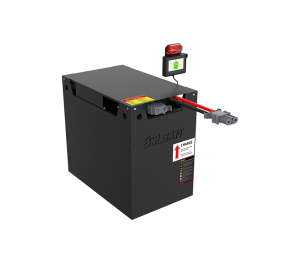
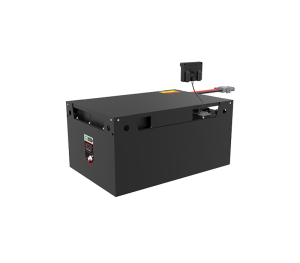
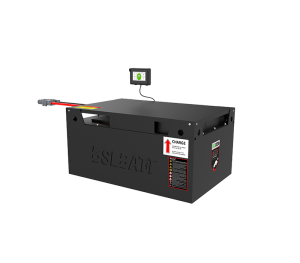
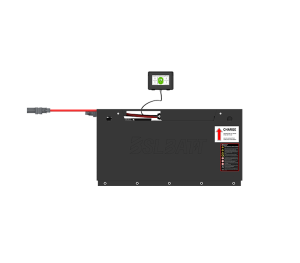
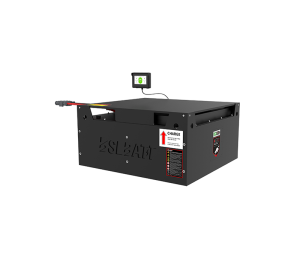
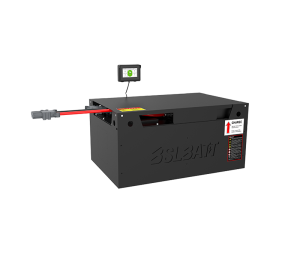
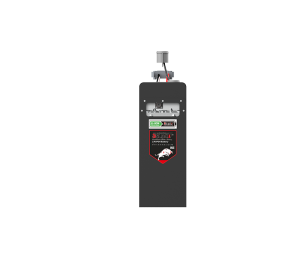
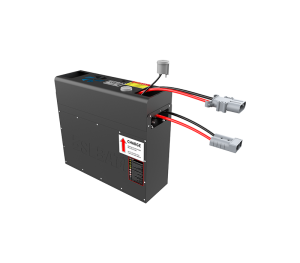
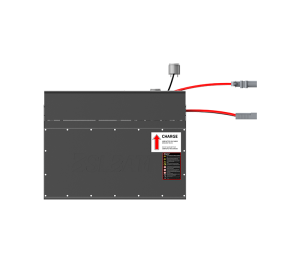
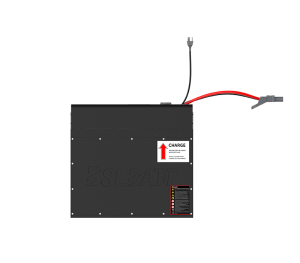
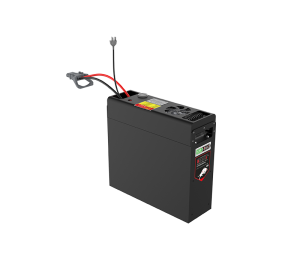
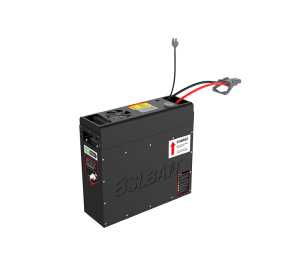
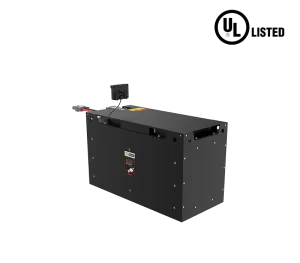
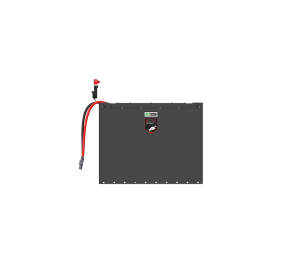
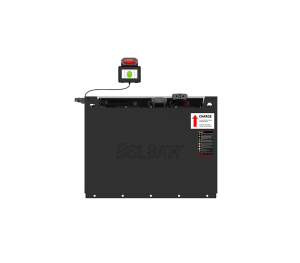
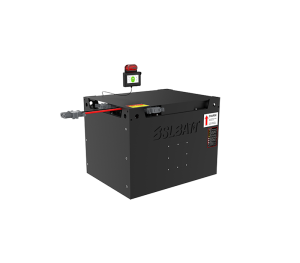
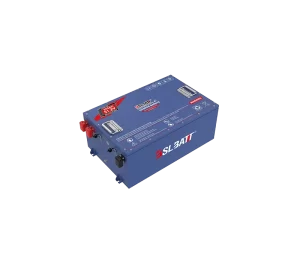
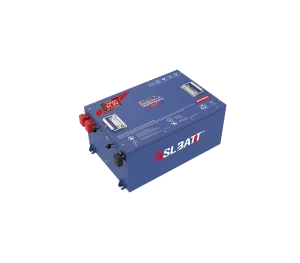
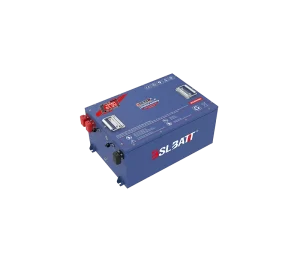
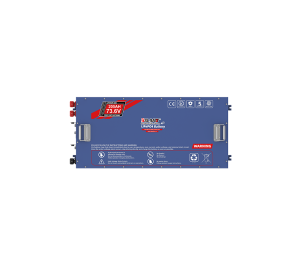
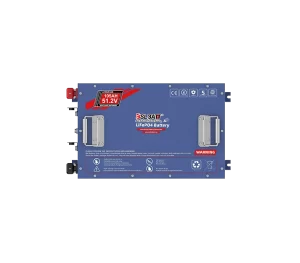
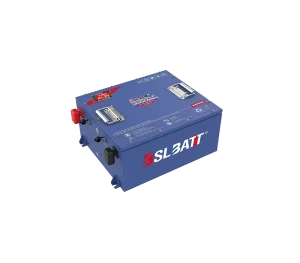
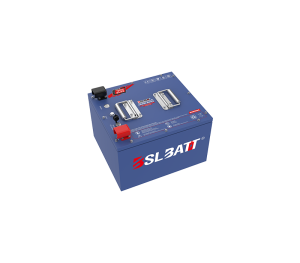
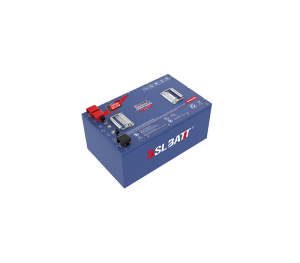
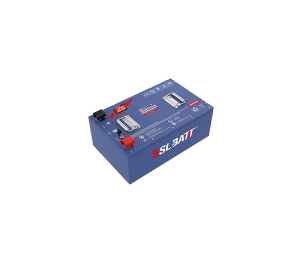
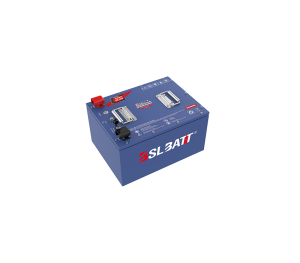
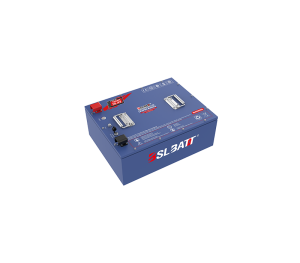
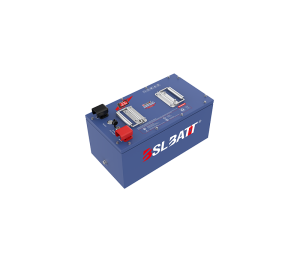
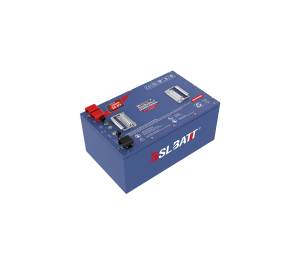
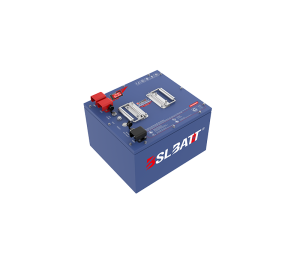
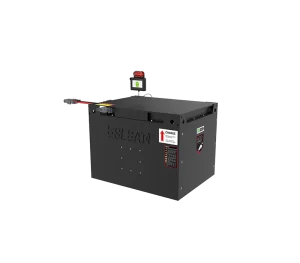
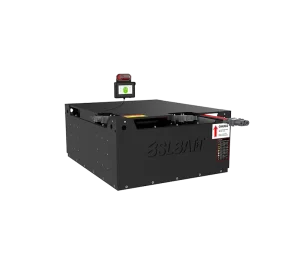
A flooded lead-acid forklift battery typically runs $2,000 to $7,000. A LiFePO4 pack for the same truck runs $6,000 to $20,000. Voltage and capacity set the band, and six other variables move you inside it. Exact pricing needs your truck specs.
Forklift battery price at a glance
Every figure below is an illustrative market range, not a quotation. Published forklift truck batteries prices are bands rather than fixed numbers, and an electric forklift battery price moves by region for reasons covered in the next section. Use the table to sanity-check a quote you already have, or to build a budget before you call anyone.
| Battery type | Voltage class | Typical capacity | Typical price band | Typical cycle life |
|---|
| Flooded lead-acid | 24 V | 500–1,000 Ah | $2,000 – $3,500 | ~1,000 cycles |
| Flooded lead-acid | 36 V | 600–1,100 Ah | $3,000 – $5,000 | ~1,000 cycles |
| Flooded lead-acid | 48 V | 400–1,200 Ah | $3,500 – $7,000 | ~1,000 cycles |
| Flooded lead-acid | 80 V | 400–900 Ah | $6,000 – $12,000 | ~1,000 cycles |
| AGM / sealed lead-acid | 24–48 V | 100–800 Ah | About 25% above flooded | ~1,000 cycles |
| LiFePO4 | 24 V | 100–306 Ah | $4,000 – $8,000 | >3,500 cycles |
| LiFePO4 | 36 V | 690–1,120 Ah | $6,000 – $13,000 | >3,500 cycles |
| LiFePO4 | 48 V | 336–840 Ah | $8,000 – $18,000 | >3,500 cycles |
| LiFePO4 | 80 V | 410–690 Ah | $15,000 – $35,000 | >3,500 cycles |
Price bands are industry reference ranges for budgeting, not a quotation. Regional pricing, freight, and certification requirements move them.
That spread is wide enough to be useless on its own. A 48 V pack for a small pallet truck and a 48 V pack for a 3-shift counterbalance truck sit at opposite ends of the same row. The six factors below explain why.
What you are actually paying for
1. Voltage and amp-hour capacity
This is the largest single driver. Total energy is voltage times amp-hours, and price tracks stored energy more closely than any other variable. A 48 V 410 Ah pack stores 20.99 kWh. A 48 V 690 Ah pack stores 35.33 kWh and costs substantially more, because it contains roughly 68% more cell material. Match capacity to the truck’s actual duty cycle, not to the largest pack that fits the compartment. Oversizing buys energy you discharge to 30% and never use.
2. Chemistry
Lead-acid cells are cheap to make and heavy to ship. LiFePO4 cells cost more per kWh but deliver a far higher share of their rated capacity. Lead-acid should not be discharged below 50% without shortening its life, so a 1,000 Ah lead-acid battery gives you about 500 usable amp-hours. A LiFePO4 pack of the same rating can use 80% or more. That difference means the lithium pack you need is often smaller than a straight capacity swap suggests, which narrows the price gap more than the sticker comparison implies.
3. Battery management system and communications
A BMS monitors cell voltage, temperature, and current, and it disconnects the pack before any of those leave safe limits. Modern industrial packs also talk to the truck over CAN bus or RS485, so the truck can read state of charge and derate itself rather than cutting out without warning. That integration is engineering cost, and it is one of the clearest differences between a cheap pack and a serviceable one.
4. Enclosure, IP rating, and thermal management
An IP54-rated pack handles dust and splashing in a normal warehouse. A cold-store pack running at minus 30 needs cell heating and an enclosure that survives thermal cycling. A washdown environment in food processing pushes the requirement to IP65 or higher. Each step up in ingress protection and thermal hardware adds material and assembly cost, and skimping here is the most common cause of premature field failures.
5. Certification and compliance
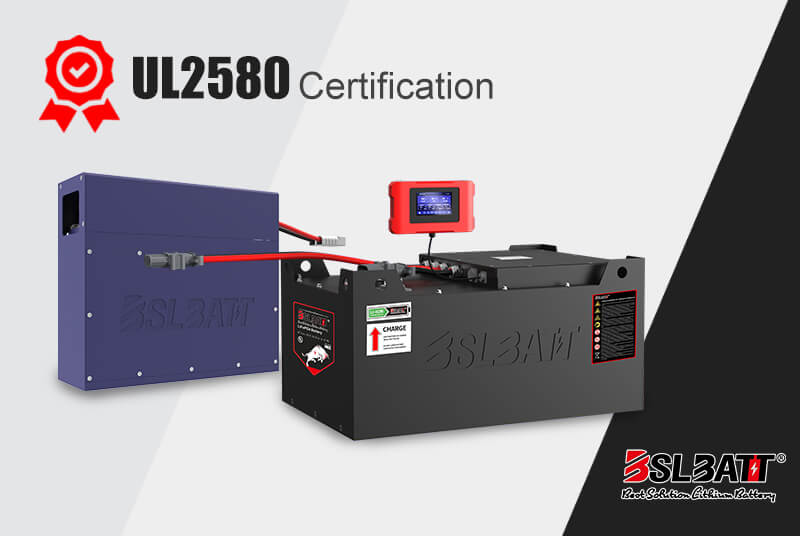
UL 2580, UN 38.3, and IEC 62619 are the three you will see most often on industrial motive power. European operators also have obligations under the EU Battery Regulation 2023/1542, including a carbon footprint declaration for certain categories. Certification is not paperwork overhead. Type testing costs real money and it is priced into the unit. A pack without it may be cheaper and still unsellable in your market, or uninsurable in your facility.
6. Warranty, service network, and freight
A warranty is a priced liability, so a longer warranty genuinely does cost more. Read the terms rather than the headline number: cycle-count caps, depth-of-discharge conditions, and whether labour is included change what the warranty is worth. Freight is easy to forget. A 400 kg industrial pack shipped as dangerous goods is not a parcel, and on a single-unit order it can add a meaningful percentage to the landed cost.
Why lithium forklift batteries cost more upfront
The premium is real, and it is worth understanding where it goes before you decide whether to pay it.
Cells come first. Automotive-grade LiFePO4 cells cost several times more per kWh than lead-acid plates, and the gap widens when a manufacturer buys from tier-one cell suppliers with consistent batch traceability. Cheaper cells exist. They usually show up as capacity drift between cells in the same pack, which the BMS eventually punishes by cutting usable capacity on the whole battery.
Electronics are second. A lead-acid battery is a box of plates and electrolyte. A lithium pack carries a BMS, contactors, a current sensor, cell balancing hardware, often a display, and usually a CAN bus interface. That is a bill of materials that does not exist on the other side of the comparison.
Then there is certification, enclosure, and thermal hardware, all covered above.
Put those four together and a forklift lithium battery price three times the lead-acid sticker stops looking like markup. Most of the lithium forklift battery cost is cells, electronics, and testing you can point at.
What the premium buys is worth stating plainly. You get most of the rated capacity as usable energy instead of half of it. You get more than three times the cycle life. Charge efficiency runs around 96% against roughly 75% for lead-acid, so less of your electricity becomes heat. You lose the watering schedule and the equalising charges. You can opportunity charge during breaks instead of swapping, which removes the spare batteries, the battery room, the ventilation, and the deionised water system from your cost base. And you remove the 15 to 20 minutes a swap takes, per swap, per truck, per shift.
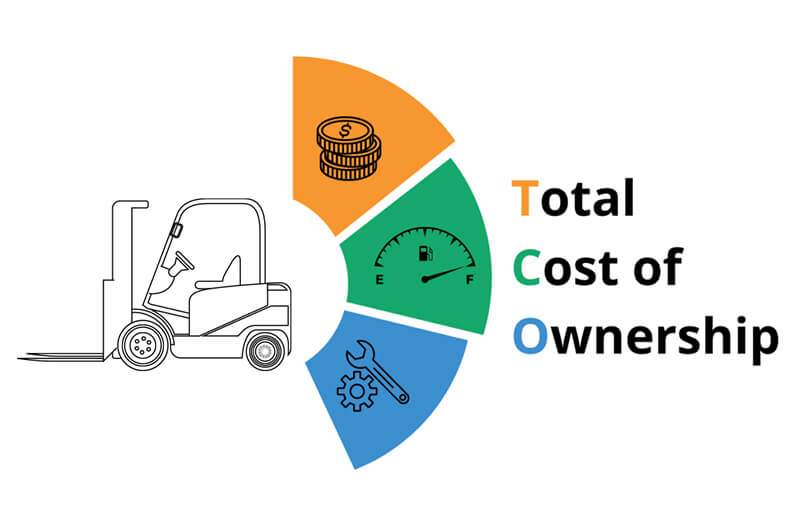
Total cost of ownership: run the numbers
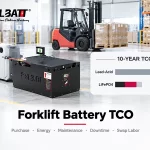
Purchase price is the number you negotiate. Cost per operating hour is the number you live with. The two are not the same ranking, and no published electric forklift battery cost tells you the second one, because it depends on your site and your shifts.
Two formulas settle it. Cost per cycle equals total cost of ownership divided by the number of cycles delivered. Cost per operating hour equals total cost divided by the hours delivered over your comparison window. Everything else is input gathering.
The calculator below does that arithmetic for you. Change the numbers to match your operation and it recalculates on the spot.


 Explore all product lines