

Revolutionize the energy economy with advanced lithium-ion battery technology—lower costs, reduce heat, and accelerate sustainable development.
 Explore all product lines
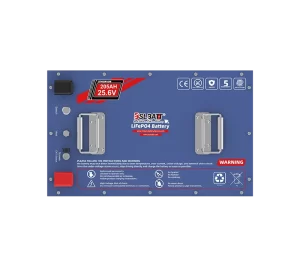
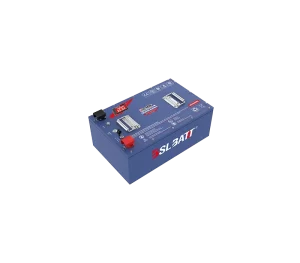
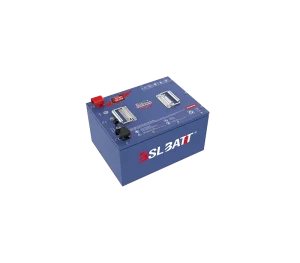
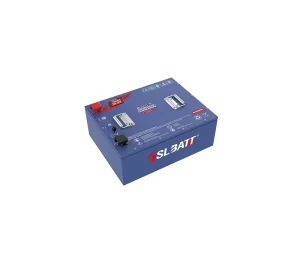
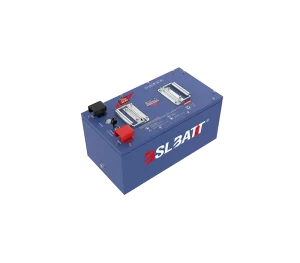
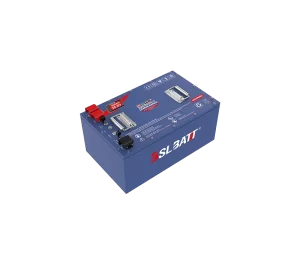
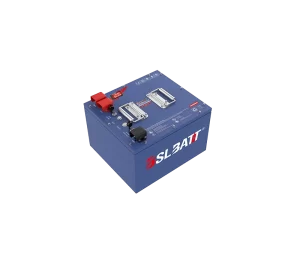
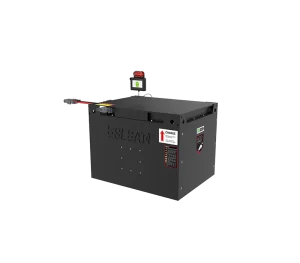










- Specialty Forklift Manufacturers and BSLBATT Lithium Battery Solutions
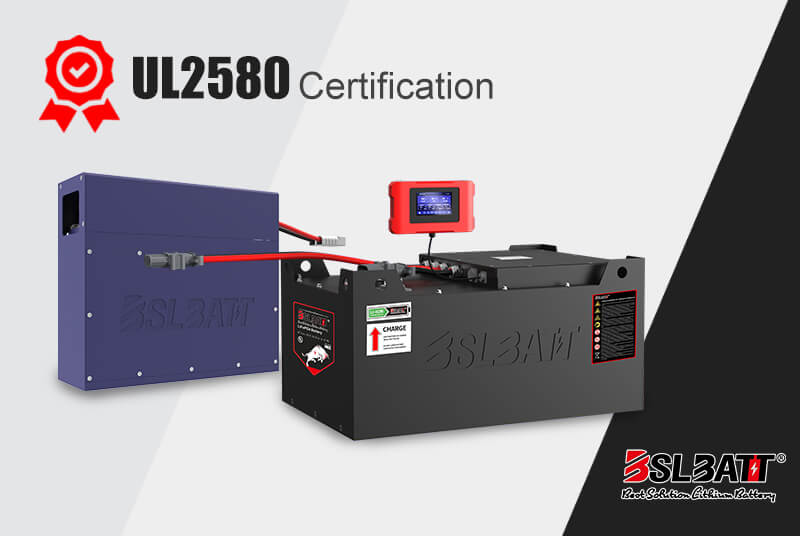
- The first lithium forklift battery that is UL 2580 certified and ISO9001 certified in the industry is BSLBATT® Battery – Industrial
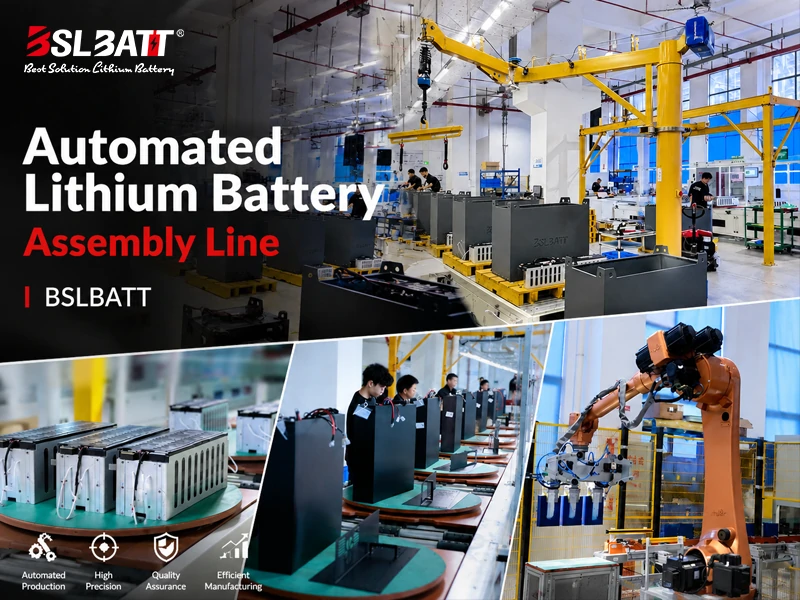
- Automated Lithium Battery Assembly Line | BSLBATT Smart Factory
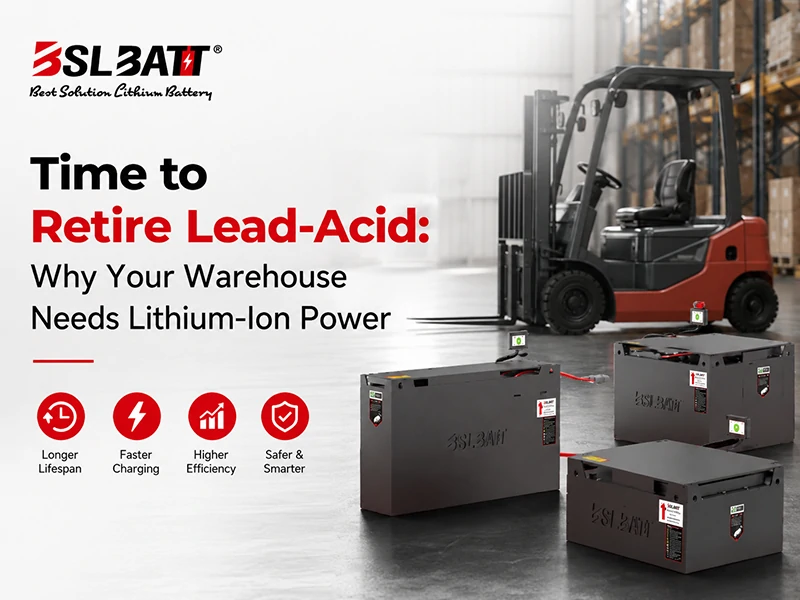
- Time to Retire Lead-Acid: Why Your Warehouse Needs Lithium-Ion Power
- Lithium Forklift Battery Maintenance Guide 2026
- Industrial Lithium Batteries: Initial Price vs. Long-Term Costs

Golf Carts
Club Car, EZGO & Yamaha Golf Cart Battery Replacement Guide
Table of contents

- Step 1: Confirm the Voltage Before Anything Else
- The Cross-Reference: Model to Pack
- Club Car Golf Cart Battery Replacement: DS, Precedent, Onward
- EZGO Golf Cart Batteries: TXT, RXV and Express
- Yamaha Golf Cart Battery Replacement: G Series, Drive and Drive2
- What Else Changes When You Switch to Lithium
- Do You Need a New Charger?
- Three Mistakes That Cost Buyers Money
- Converting a Fleet: What Changes at Scale
- Buying Checklist Before You Order
- Get a Pack Matched to Your Cart
- Frequently Asked Questions
Step 1: Confirm the Voltage Before Anything Else
Three ways to do it, fastest first:
- Count the batteries and read the labels. Six 6V batteries means a 36V system. Six 8V batteries means 48V. Four 12V batteries also means 48V, which some aftermarket conversions use.
- Read the charger’s DC output label. It will say something like “DC Output: 36V” or “48V”. This is the most reliable single check because the charger always matches the pack it shipped with.
- Check the owner’s manual or the model plate. Year and serial number help, but as the DS and TXT examples show, they don’t settle it on their own.
When the labels are worn off (common on fleet carts that have changed hands twice), take the seat off and count. It takes two minutes and it prevents the most expensive mistake in this entire process: ordering a 48V pack for a 36V cart.
The Cross-Reference: Model to Pack
Here’s the layout, brand by brand. The “factory layout” column is what you’ll find under the seat on a stock cart. The right-hand column is the matching BSLBATT LiFePO4 pack.
| Brand | Model | Common system voltage | Factory lead-acid layout | BSLBATT replacement pack |
|---|---|---|---|---|
| Club Car | Precedent (2004 and later) | 48V | 6 × 8V | 48V 105Ah (or 72 to 230Ah by range need) |
| DS | 36V or 48V | 6 × 6V (36V) / 6 × 8V (48V) | 36V 72Ah or 48V 105Ah | |
| Onward / Tempo / Villager | 48V | 6 × 8V | 48V 105Ah | |
| EZGO | TXT (older fleet versions) | 36V | 6 × 6V | 36V 72Ah |
| TXT (later 48V versions) | 48V | 6 × 8V | 48V 105Ah | |
| RXV / Express / Valor | 48V | 6 × 8V | 48V 105Ah | |
| Yamaha | G8 through G22 | 36V | 6 × 6V | 36V 72Ah |
| Drive (G29) | 48V | 6 × 8V | 48V 105Ah | |
| Drive2 | 48V | 6 × 8V (some shipped lithium from factory) | 48V 105Ah |
Note: model-year boundaries vary by market and trim. The battery count is the reliable test. If you’re specifying for a mixed fleet, walk the fleet and record voltage cart by cart rather than trusting the model name on the cowl.
Club Car Golf Cart Battery Replacement: DS, Precedent, Onward
The Precedent is the easiest case and the most common one. Since its 2004 introduction it has run a 48V system with six 8V batteries, and those club car precedent batteries are exactly what wears out first: roughly 300 to 400 lb of lead-acid in a compartment designed around them. A single 48V 105Ah LiFePO4 pack (5.37 kWh, 49.5 kg) replaces all six, weighs about a third as much, and is rated for more than 4,500 cycles at 80% depth of discharge against roughly 500 deep cycles for the lead-acid it replaces.
The DS needs the voltage check because both versions exist. Count the batteries. If it’s the 36V version, the 36V 72Ah pack (2.77 kWh, 34 kg, about 21 to 27 miles per charge) slots in. If it’s the 48V IQ-system version, you’re matching the Precedent spec.
The Onward, Tempo and Villager (2017 onward) are all 48V and take the same 105Ah pack. If your routes are long or hilly, the same family goes up to 230Ah, which is where the range conversation from our 48V vs 36V vs 72V buying guide picks up.
One Club Car-specific item: many 48V DS and Precedent carts carry an On-Board Computer (OBC) that manages lead-acid charging. Lithium packs bypass it, and the install either removes or bypasses the OBC. Any competent dealer handles this in under an hour, but know it exists before you budget the job. Confirm the bypass procedure with your installer before ordering.
EZGO Golf Cart Batteries: TXT, RXV and Express
The TXT is where ezgo golf cart batteries questions get interesting, because the same body style spans both voltages. Older fleet TXT carts are 36V with six 6V batteries; later production moved to 48V. Count first, then match: the 36V 72Ah pack for the older carts, the 48V 105Ah for the rest.
The RXV (2008 onward) is 48V across the board, six 8V batteries from the factory. The Express and Valor utility lines are 48V as well. Same replacement logic as the Precedent: one pack, one bracket, no watering ever again.
A practical note for resort and community fleets: the 36V-to-lithium conversion is the highest-value job in the EZGO line precisely because those older TXT carts are everywhere, still running fine mechanically, and dying at the batteries. A 2.77 kWh lithium pack that weighs 34 kg turns a cart you were about to write off into another several years of service.
Yamaha Golf Cart Battery Replacement: G Series, Drive and Drive2
Yamaha golf cart battery replacement splits cleanly by generation. The G8 through G22 era carts are 36V in most versions, six 6V batteries. From the G29 Drive (2007 onward) and the current Drive2, it’s 48V with six 8V batteries. Some late Drive2 units shipped with factory lithium already, so if your cart is recent, check whether there’s already a single-pack lithium under there before planning a six-battery swap.
For the 36V G-series carts, the same 36V 72Ah pack applies. For the Drive and Drive2, the 48V 105Ah. Yamaha’s battery compartment is tight but the single-pack format fits, and the weight drop (from roughly 300 lb of batteries to 108 lb of pack) noticeably reduces rear-axle wear on these carts.
What Else Changes When You Switch to Lithium
The pack is the main event, but three supporting items decide whether the job goes smoothly:
- The charger. Lead-acid chargers push a bulk-then-absorb profile that never fully balances a LiFePO4 pack. You need a lithium-profile charger. BSLBATT packs work with onboard units from Delta-Q and SPE, and our charger matching page walks through the pairing by voltage and current.
- The battery meter. An analog lead-acid gauge reads voltage and assumes a sagging discharge curve. Lithium holds voltage flat until it’s nearly empty, so the old gauge will read “full” almost all day and then drop quickly. Fit a lithium-compatible meter or a SOC readout; most packs with a Smart BMS offer one.
- Mounting and cabling. The single pack sits in the same tray with an adapter bracket, and most installs reuse the main cables. The weight you’re removing also means the stock hold-down hardware needs replacing with the bracket, not reusing.
Do You Need a New Charger?
Yes, in nearly every conversion. The only exceptions are carts that already ran a lithium-profile charger. The charger question isn’t about the plug, which usually fits; it’s about the charge curve. A lead-acid charger holds a high voltage for hours to force the last 20% into a lead pack, and that’s exactly the regime that stresses a lithium BMS. The right lithium charger finishes a full charge in about 2 hours, versus 8 to 10 for the lead-acid cycle it replaces.
If you’re converting a whole fleet, this is also the moment to consider central charging points instead of bay-per-cart wiring, since 2-hour charges compress the overnight window considerably.
Three Mistakes That Cost Buyers Money
- Ordering by brand search alone. Searching “club car golf cart battery” gets you to the right voltage only if you already know it. Sixty seconds with the battery count saves a return shipment.
- Matching voltage but not range. A 72Ah-class 48V pack and a 230Ah one both “fit” a Precedent. The right Ah comes from your daily miles, not from the biggest number. Rule of thumb from real pack data: 7 to 10 miles per kWh on flat ground.
- Skipping the meter and charger line items. Buyers who budget only for the pack discover the charger at install day. Price the whole job: pack, charger, meter, bracket.
Converting a Fleet: What Changes at Scale
Everything above applies to a single cart. A fleet conversion adds three questions, and answering them up front is what separates a smooth rollout from a season of loose ends.
Mixed voltage is normal, plan for it. Most real fleets have 36V carts and 48V carts sitting in the same barn. Charger inventory is where that bites: a 36V pack and a 48V pack need different chargers, so label every charger and every bay on day one. A roll of tape and a marker beats a dead cart and a confused maintenance tech every time.
Spare pack strategy. Lead-acid fleets carry spare batteries because a single dead cell strands a cart. Lithium changes the math: a pack that charges in 2 hours rarely needs a spare at all, since the lunch break is a full charge. If your routes run more than about 60 miles a day, that’s the point where a second pack per cart beats a second cart.
SOC visibility. With lead-acid, nobody really knew each cart’s state of charge until someone drove it and it slowed down. Smart BMS packs with digital SOC readout turn that guesswork into a glance, and on anything over ten carts, that glance is worth the meter cost on its own.
Buying Checklist Before You Order
- Voltage confirmed by battery count or charger label (not by model name)
- Compartment dimensions measured against the pack datasheet
- Daily mileage estimated, Ah chosen from the miles-per-kWh rule
- Lithium-profile charger identified (or already owned)
- Meter or SOC readout included in the job
- OBC bypass confirmed for 48V Club Car DS/Precedent installs
- Warranty terms read in full, including what counts as commercial use
Get a Pack Matched to Your Cart
Tell us the brand, model year and battery count, and we’ll confirm the pack, the charger and the meter in one reply. Fleet buyers can send the cart list as a spreadsheet. Start here, and for the full 36V 72Ah specification, see the 36V product page or the 48V 105Ah product page.
Frequently Asked Questions


Related Product Recommendations
-
38.4V 105AH Lithium Golf Cart Battery
36V Lithium Golf Cart Battery 105Ah >4500 Cycles pack | BSLBATT
Learn More -
51.2V 205AH Lithium Golf Cart Battery
48 Volt Lithium Golf Cart Batteries 205Ah | BSLBATT
Learn More -
51.2V 168AH Lithium Golf Cart Battery
48V Golf Cart Batteries 168Ah 10 Years Warranty | BSLBATT
Learn More -
51.2V 150AH Lithium Golf Cart Battery
48V Lithium Golf Cart Battery 150Ah | BSLBATT
Learn More -
73.6V 168AH Lithium Golf Cart Battery
72V Golf Cart Battery 168Ah LiFePO4 | BSLBATT
Learn More
-
51.2V 205AH Lithium Golf Cart Battery
48 Volt Lithium Golf Cart Batteries 205Ah | BSLBATT
Learn More -
38.4V 105AH Lithium Golf Cart Battery
36V Lithium Golf Cart Battery 105Ah >4500 Cycles pack | BSLBATT
Learn More -
51.2V 168AH Lithium Golf Cart Battery
48V Golf Cart Batteries 168Ah 10 Years Warranty | BSLBATT
Learn More -
73.6V 205AH Lithium Golf Cart Battery
72 Volt Golf Cart Battery 205Ah Lithium Pack | BSLBATT
Learn More -
73.6V 168AH Lithium Golf Cart Battery
72V Golf Cart Battery 168Ah LiFePO4 | BSLBATT
Learn More