

Revolutionize the energy economy with advanced lithium-ion battery technology—lower costs, reduce heat, and accelerate sustainable development.
 Explore all product lines
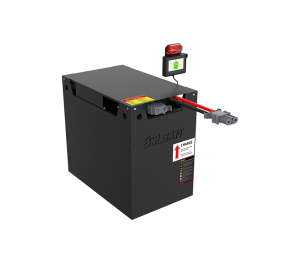
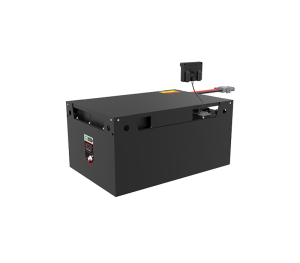
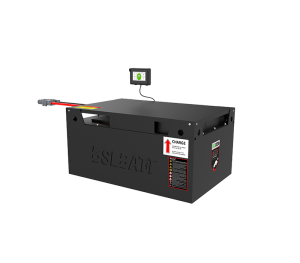
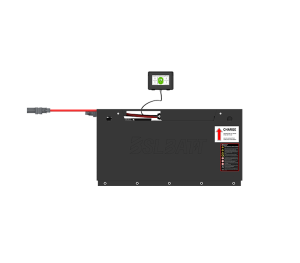
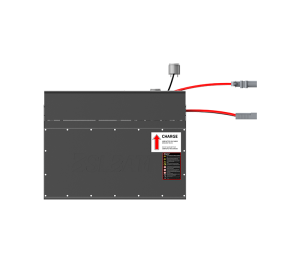
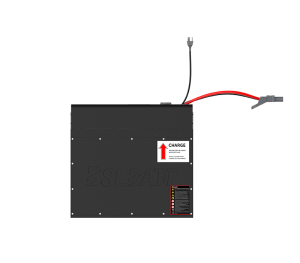
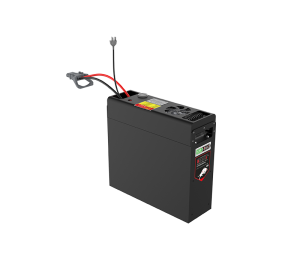
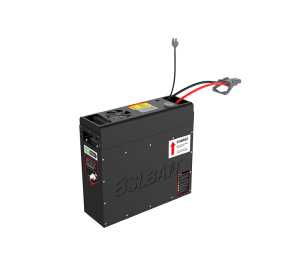
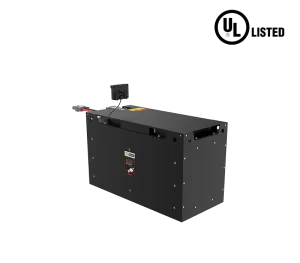
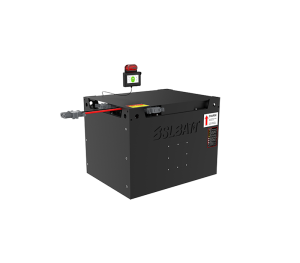
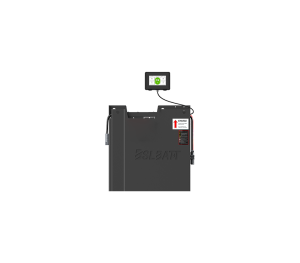
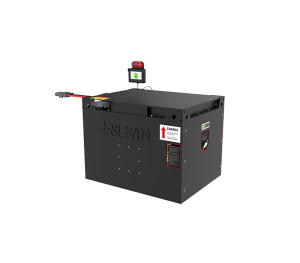
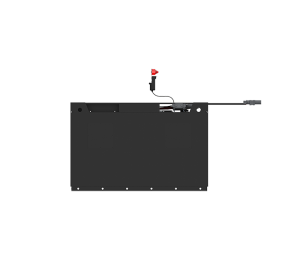
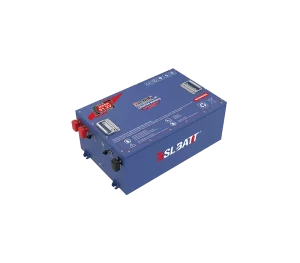
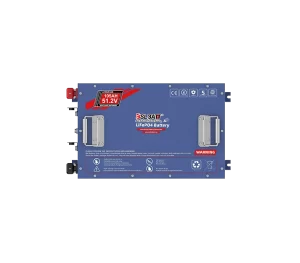
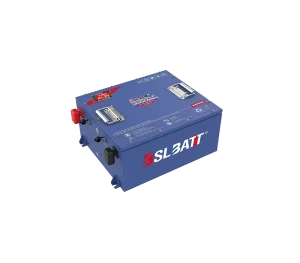
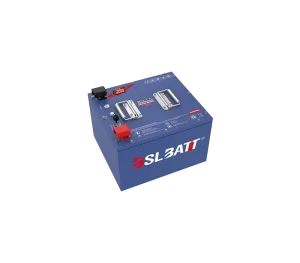
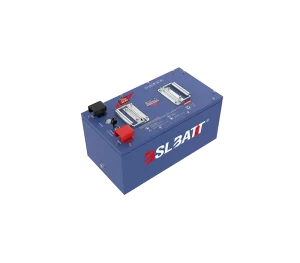
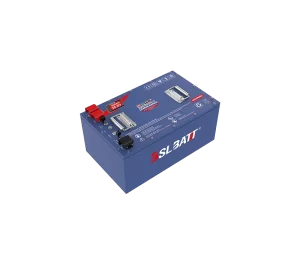
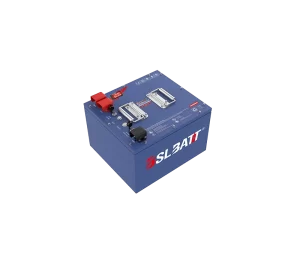
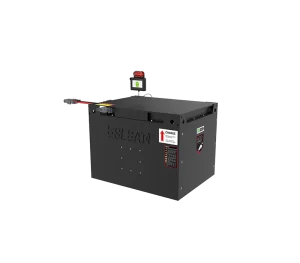
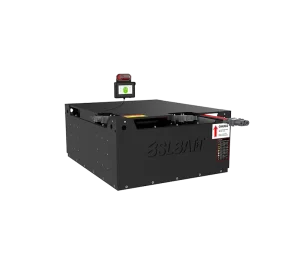
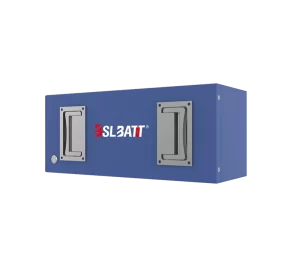
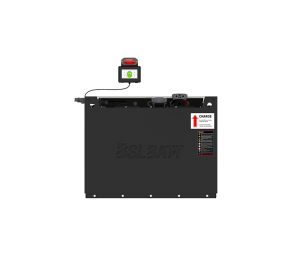
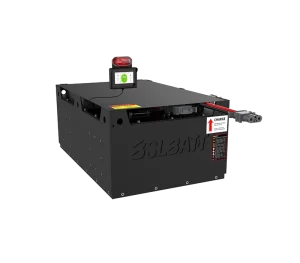













- Specialty Forklift Manufacturers and BSLBATT Lithium Battery Solutions
- The first lithium forklift battery that is UL 2580 certified and ISO9001 certified in the industry is BSLBATT® Battery – Industrial
- Automated Lithium Battery Assembly Line | BSLBATT Smart Factory
- Time to Retire Lead-Acid: Why Your Warehouse Needs Lithium-Ion Power
- Lithium Forklift Battery Maintenance Guide 2026
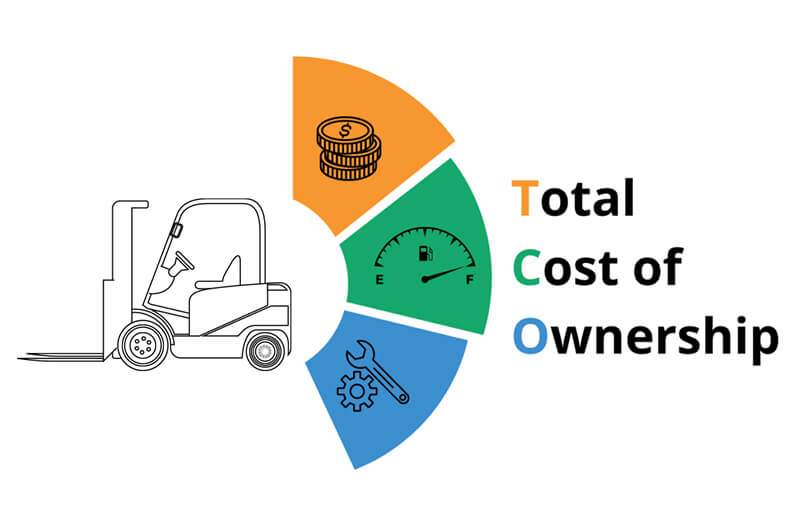
- Industrial Lithium Batteries: Initial Price vs. Long-Term Costs
Forklifts
Battery Powered Pallet Jack vs Manual: When Is It Worth Upgrading?
Table of contents

- What a Battery Powered Pallet Jack Actually Changes
- Where Manual Pallet Jacks Still Win
- The Four Numbers That Decide It
- 1. Pallet moves per shift
- 2. Distance per move
- 3. Load weight and ramps
- 4. Shifts per day
- The Cost Math, Without the Fantasy Payback Chart
- What the Difference Looks Like Over a Real Shift
- If You Upgrade: Lithium vs Lead-Acid for the Battery
- Charging Infrastructure: Less Than You'd Expect
- Upgrade Decision Checklist
- Match the Battery to the Duty, Not the Brochure
- Frequently Asked Questions
What a Battery Powered Pallet Jack Actually Changes
Definitions first, so we’re comparing the same machines. A battery powered pallet jack (also called an electric walkie or battery operated pallet truck) is a Class III powered industrial truck: the operator walks behind it, a 24V battery drives the wheels, and an electric lift raises the forks so nobody pumps a hydraulic handle. Capacities typically run 4,500 to 6,000 lb, and travel speed is around 4 to 5 mph loaded.
A manual jack relies on the operator for everything: pumping the forks up, pulling or pushing the load, and braking it by hand. Capacity is similar on paper, but the human doing the work is the limiting factor in practice.
Three things change when the machine takes over:
- Travel speed. An operator walking a loaded manual jack manages roughly 2 mph with any control. Powered, the same operator moves at 4 to 5 mph, and arrives without having pushed anything.
- Lift effort. Electric lift is a button press. Over dozens of pallets, the pumping motion adds up: it’s the repetitive strain that drives complaints and, eventually, injuries.
- Consistency. A powered jack performs the same at hour one and hour seven. Manual performance decays with fatigue, which is exactly when dock accidents happen.

Where Manual Pallet Jacks Still Win
An honest comparison needs the other column. Manual jacks remain the better choice when:
- Move counts are low. Under about 10 to 15 pallets a day, powered adds cost without buying back much time.
- Travel legs are short. Twenty feet from truck to staging? The walkie’s speed advantage never gets a chance to matter.
- Budget is tight and simple matters. A manual jack needs no charging, no battery room, no charger inspection and no annual powered-truck compliance work.
- The fleet is mixed and occasional. Many facilities keep two manual jacks as backup even after going electric, because a powered jack down for service shouldn’t idle a dock.
If every point in that list describes your operation, stop here. The upgrade math won’t work, and no amount of battery technology fixes that.
The Four Numbers That Decide It
Walk your floor and count these. They beat any vendor brochure.
1. Pallet moves per shift
Count actual moves over a normal week, not your busiest day. Around 20 or more moves per shift is where powered equipment starts paying for itself in recovered time. Between 10 and 20, look at the other three numbers before deciding.
2. Distance per move
Long legs are the walkie’s home ground. If loads travel 100 feet or more (truck dock to racking, building to building, long trailers), the speed difference compounds on every trip. A dock-to-stock run of 150 feet at 2 mph versus 4.5 mph saves about a minute per move, which sounds small until you multiply it by thirty moves across six hours of dock work.
3. Load weight and ramps
Manual jacks move 4,000 lb on paper. In practice, sustained pulls above roughly 2,000 lb, or any regular ramp work, punish operators hard. If your loads frequently sit near capacity, or your dock plate and yard ramps are part of the route, that alone can justify the upgrade.
4. Shifts per day
Two shifts don’t just double the move count. They compress your recovery window: while one shift’s crew rests, the equipment has to be ready. Batteries and charging become logistics, which is the next section.
The Cost Math, Without the Fantasy Payback Chart
Purchase price gap is real: a manual jack costs a few hundred dollars and a powered walkie runs into the thousands, plus a charger. Any honest upgrade case has to recover that gap through labor time, injury avoidance, or throughput. Whether it does depends entirely on the four numbers above, which is why generic “payback in 18 months” claims deserve suspicion.
What you can bank on, regardless of payback: operating economics favor electric in almost every facility, and they favor lithium electric further still. Our own TCO comparison for forklift batteries spells out the mechanism: lead-acid charging wastes roughly a quarter of the input energy (about 75% efficiency versus about 96% for lithium), lead-acid needs a full 6 to 8 hours plus cool-down between shifts, and swap-outs eat 15 to 20 minutes each time. A walkie on opportunity charging just plugs in during lunch and keeps going.
Where the upgrade case genuinely fails: low move counts (see above), single-shift operations with short travel legs, or facilities where the electrical fit-out for charging is the bottleneck. Run your numbers before committing either way.
What the Difference Looks Like Over a Real Shift
Abstract thresholds convince procurement; concrete shifts convince operations managers. Here’s the same inbound trailer worked both ways.
The load: 28 pallets coming off a trailer, staged 120 feet from the dock door to the racking aisle. With manual jacks, two operators work in relay. Each loaded pull covers 120 feet at an honest 2 mph, which is six minutes per round trip including positioning and the return walk. Twenty-eight pallets, split between two operators, is about seven pallets each per hour of pure transport work, before counting the pumping, the fatigue slowdown and the water break that a 4,000 lb pull demands.
With one battery powered pallet jack, the same operator covers the leg at 4.5 mph: three minutes round trip, no pumping, no strain accumulation. Twenty-eight pallets are moved in under two hours of transport time by a single person who still has something left for the next trailer. The second operator spends that hour on put-away or loading instead of pulling pallets.
Nobody is claiming a manual crew can’t do the job. They can, and they do it every day. The point is what the same labor buys: with powered equipment, an hour of human time moves from transport to productive work, and the operator clocking out still has shoulders left. Over a year of double-shift operation, that reallocation is where the upgrade case actually lives.
Now shrink the scenario. Ten pallets staged 40 feet away, once a day. The manual jack finishes in fifteen minutes and the operator never works up a sweat. Nothing in the powered column beats that, which is why the four numbers in the previous section matter more than any argument in this one.
If You Upgrade: Lithium vs Lead-Acid for the Battery
Most walkies and battery operated pallet trucks run 24V. That part is settled. The interesting decision is the electric pallet truck battery chemistry, and in walkie duty the case for LiFePO4 is stronger than in any other equipment class, for one reason: walkies idle constantly.
A walkie’s day is bursts of work between waiting. Lead-acid can’t use those gaps; it wants a long, full charge cycle and a cool-down, which is why lead-acid fleets need spare batteries and swap routines. Lithium takes the opposite approach: opportunity charging. Plug in for 20 minutes at lunch, again during a changeover, and the pack covers the shift without ever leaving the truck. No spare battery, no lifting a 60 lb battery out of a cramped compartment, no watering.
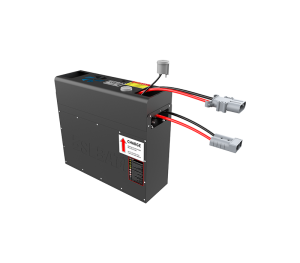
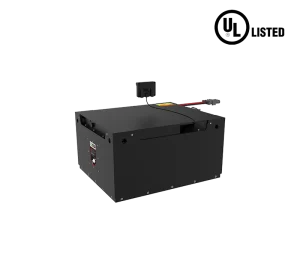
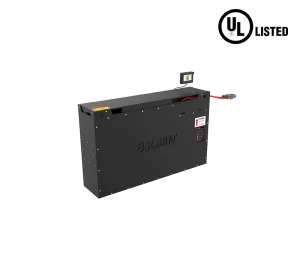
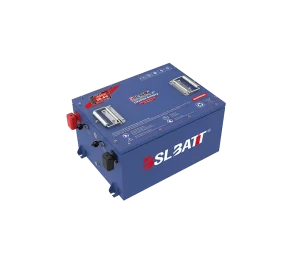
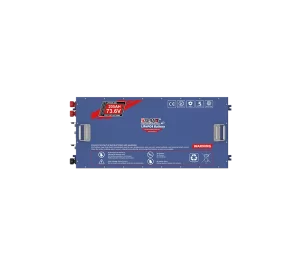
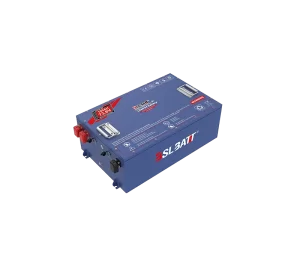
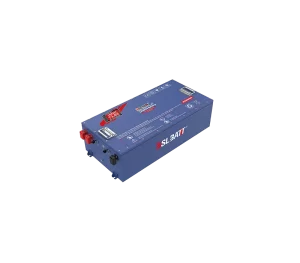
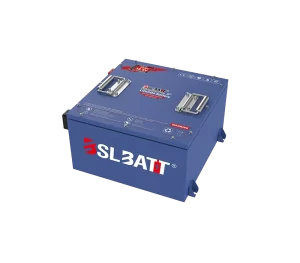
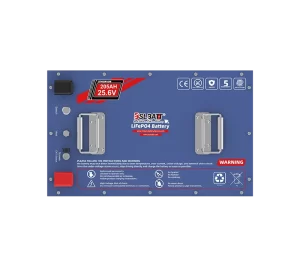
Our 24V walkie-class pack, the B-LFP24-100MH, carries 2.56 kWh (25.6V, 100Ah) in 42.4 kg, is rated for more than 3,500 cycles at 80% depth of discharge, and charges from a 24V 50A unit in under 2 hours. For facilities running harder duty, the same platform scales up in capacity, and the material handling range page lists the full ladder from compact walkie packs to 83.2V counterbalance-forklift packs.
One engineering note worth knowing before you buy: on some walkie designs the battery contributes to chassis balance or drive-wheel traction, especially on ramps. A much lighter pack changes that equation. It’s usually a non-issue, but confirm mounting compatibility and rated gradeability with the OEM before ordering. Confirm runtime against your measured duty cycle with engineering rather than trusting a generic “runs all shift” claim, including ours.
Charging Infrastructure: Less Than You’d Expect
Lithium walkies sidestep the battery room entirely: no vented charging bay, no acid handling, no watering station. What you need is an outlet location and a matched charger. Our BSL-24-100 (24V, 100A, 2.4 kW) was built for exactly this class: it talks to the pack’s BMS over CAN, displays SOC on an LCD, and supports scheduled charging so packs can top up in off-peak windows automatically. A fleet of walkies shares one charging point per two or three trucks in most layouts, not one per truck.
For facilities mixing voltages across the fleet, our charger matching page maps pack voltage and current to the right charger without guesswork.
Upgrade Decision Checklist
- Move count: 20+ per shift (green), 10-20 (check the rest), under 10 (stay manual)
- Travel legs: mostly over 100 feet, or not
- Loads: regularly above ~2,000 lb, or regular ramp work, or neither
- Shifts: two or more, with compressed recovery windows
- Injury and fatigue history: pumping complaints, strain reports, dock incidents late in shifts
- Charging plan: outlet locations identified, matched 24V charger specified, opportunity-charging schedule agreed with supervisors
- Battery chemistry: LiFePO4 considered against duty cycle; runtime confirmed with engineering, not assumed
- Backup: at least one manual jack retained for service days
Score honestly and the decision usually makes itself. Three or more green lines and the upgrade pays its way; two or more red and the manual jack is still the right tool.
Match the Battery to the Duty, Not the Brochure
Send us your daily move count, typical travel distances and shift pattern, and we’ll tell you honestly whether the upgrade math works and which pack fits. Fleet buyers can send the truck list with duty cycles. Start here.
Frequently Asked Questions






Related Product Recommendations
-
25.6V 306AH
Forklift Battery Lithium-ion 24V 306Ah High-Capacity Pack | BSLBATT
Learn More -
25.6V 280AH
24V Industrial Battery 280Ah Ultra-High Capacity Lithium | BSLBATT
Learn More -
25.6V 205AH
Electric Forklift Battery 25.6V 205Ah High-Capacity Lithium | BSLBATT
Learn More -
25.6V 100AH
24V Forklift Lithium Battery 100Ah Compact Energy Solution | BSLBATT
Learn More