Start with the data plate, not the model name
Two plates tell you almost everything.
The truck’s data plate lists the model, serial number, battery voltage and, importantly, the minimum and maximum battery weight the truck is designed for.
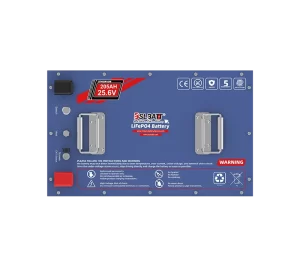
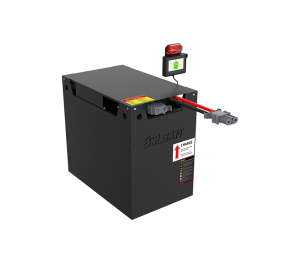
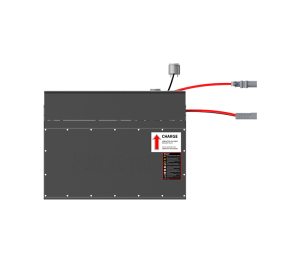
The battery’s nameplate lists voltage, capacity in Ah (usually the 5-hour rating), weight, dimensions and the connector type.
Photograph both before you call anyone. Crown’s own spec sheets say to contact the factory for battery drawings on several models, because the compartment varies with the truck’s variant, mast and options. A model name alone isn’t enough to pick a replacement.
How Crown model numbers work
Take the FC 4520-50. The letters identify the product line: FC is Crown’s sit-down counterbalanced forklift range. The digits that follow identify the series and variant, and on North American models the number after the dash is rated capacity in hundreds of pounds. So a -40 is 4,000 lb, a -50 is 5,000 lb, a -55 is 5,500 lb and a -60 is 6,000 lb. European models do it differently and put capacity in tonnes, as in FC 4520-2.5.
The pallet trucks follow a similar pattern. PE is Crown’s end-control pallet truck, PC is the center-control version, and PR is the rider pallet truck.
The capacity suffix doesn’t tell you the battery voltage. That depends on the truck, which is why the data plate matters.
Crown forklift battery specs by truck family
These figures come from Crown’s published specification sheets for each series. Your own truck may differ by variant, so treat the table as a map and confirm against the data plate.
| Crown family | Truck type | Battery voltage | Notes from Crown spec sheets |
|---|
| PE 4500 | End-control (walkie-rider) pallet truck, 6,000 and 8,000 lb | 24V | SB 350 / SBX 350 battery connector. One of the two battery size options is 6.69 in (170 mm) wide at most. |
| PC 4500 | Center-control rider pallet truck, 6,000 and 8,000 lb | 24V | Compact compartment, varies by option |
| PR 4500 | Rider pallet truck | 24V | Lead-acid options listed at 310 to 324Ah and 465 to 756Ah |
| FC 4500 | Sit-down counterbalanced, cushion tire, 4,000 to 6,000 lb | 36V or 48V | Battery box depends on the variant |
| FC 5200 | Sit-down counterbalanced (metric spec) | 48V | Lead-acid options of 630, 840 and 945Ah. Box sizes 692, 837 and 924 mm long by 983 mm wide by 565 mm high. Battery weight 1,195 to 1,930 kg. |
Notice that a single truck family can take several battery sizes. The FC 5200 alone lists three capacities and three box lengths. That’s the reason a battery is matched to the individual truck.
Crown FC 4520-50 battery
The FC 4520-50 is a 5,000 lb sit-down counterbalanced truck from the FC 4500 series. Crown lists the series as 36V or 48V, so there isn’t a single answer to “what battery does an FC 4520-50 use.” Check the data plate for the voltage, then measure the battery compartment and note the battery’s weight.
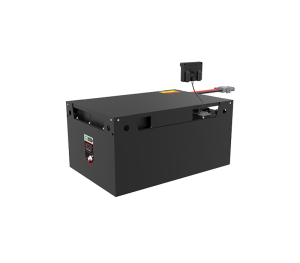
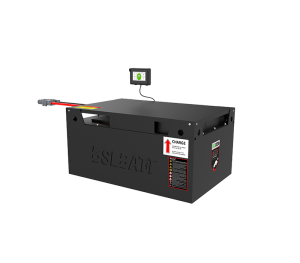
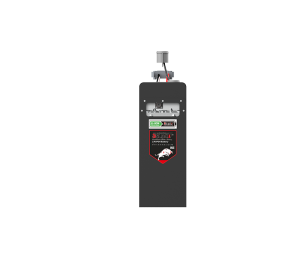
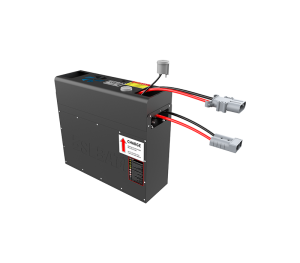
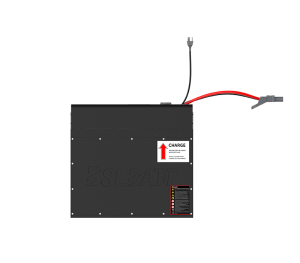
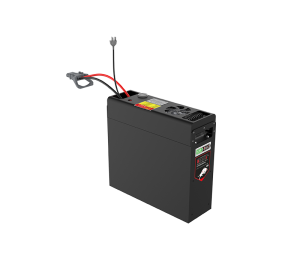
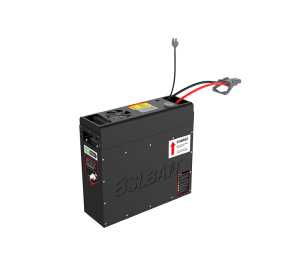
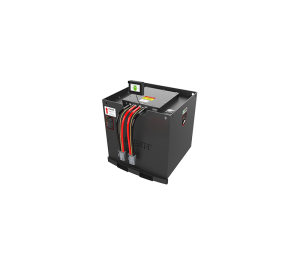
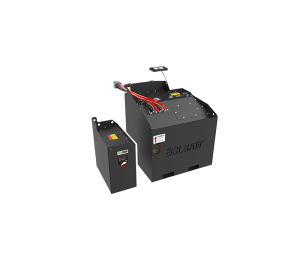
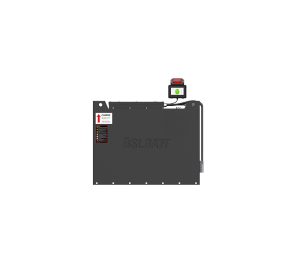
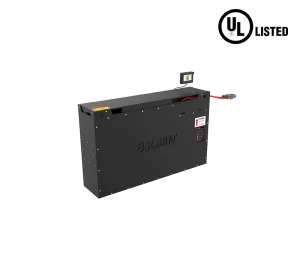
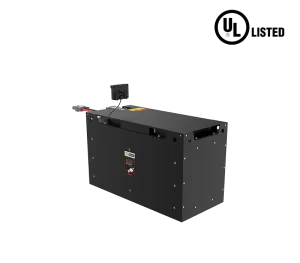
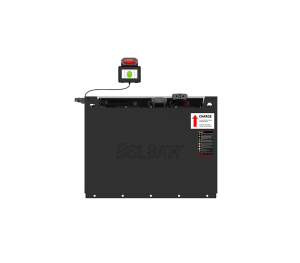
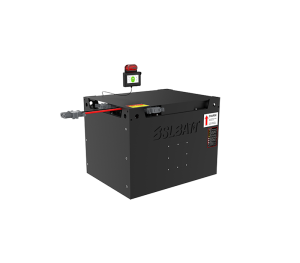
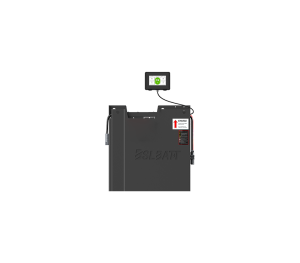
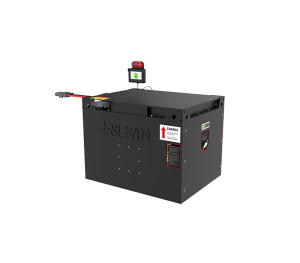
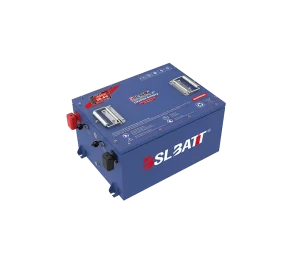
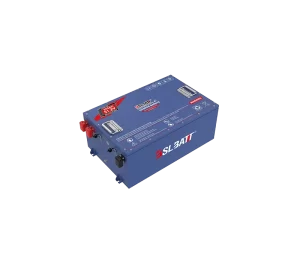
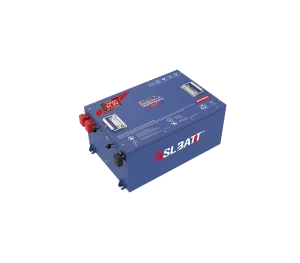
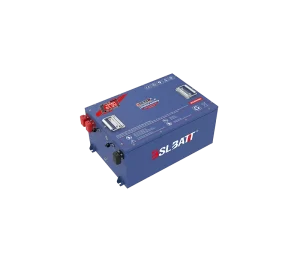
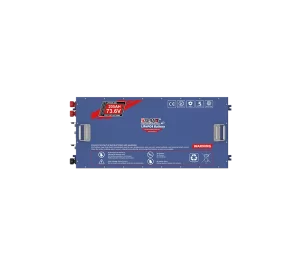
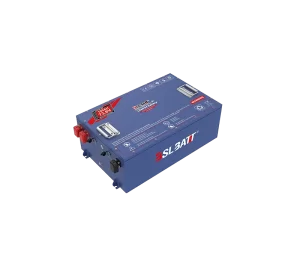
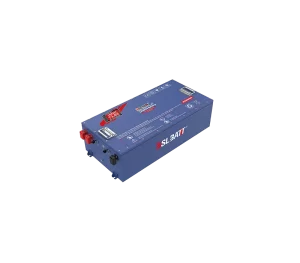
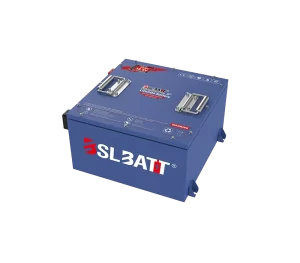
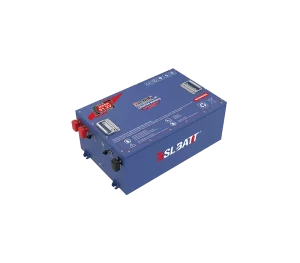
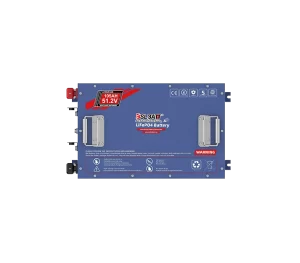
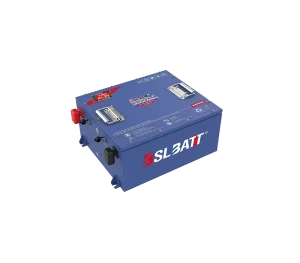
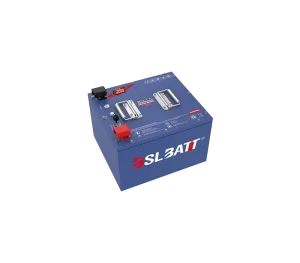
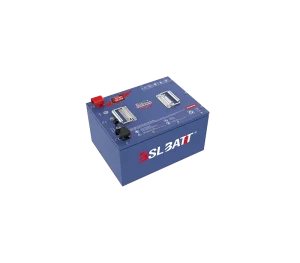
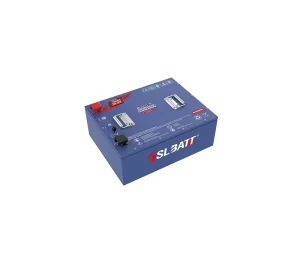
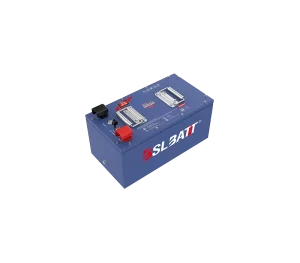
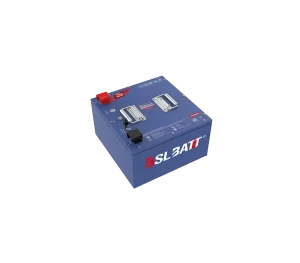
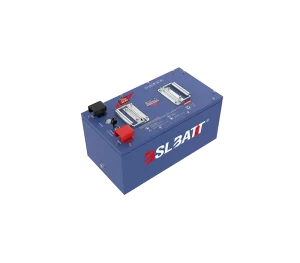
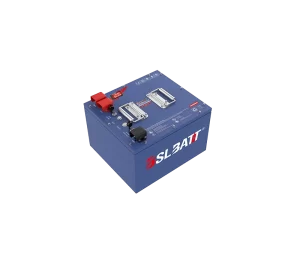
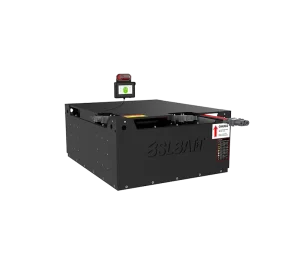
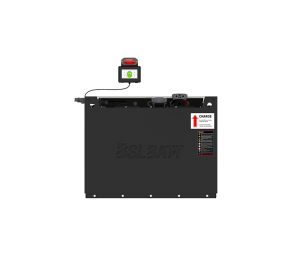
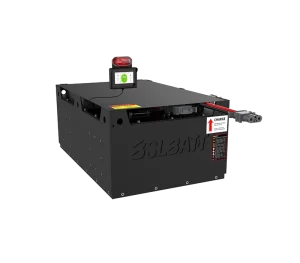
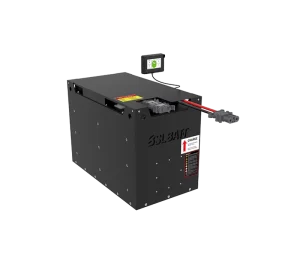
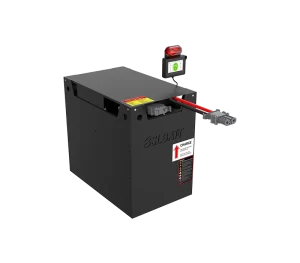
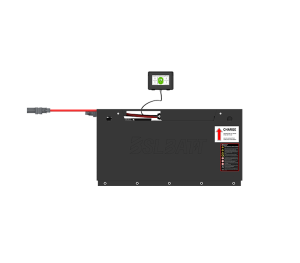
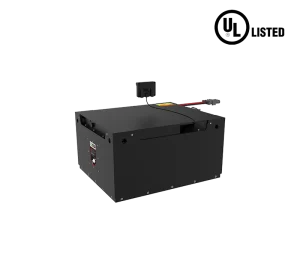
If it’s a 48V truck, the lithium packs worth looking at start around 504Ah and run up through 560Ah, 615Ah and 690Ah. BSLBATT’s 48V 560Ah forklift battery and its UL-certified 48V 615Ah IP65 pack are two examples. If it’s a 36V truck, look at the 36V 690Ah pack or the UL-certified 36V 820Ah pack. Either way, the final choice depends on your compartment drawing.
These trucks belong to BSLBATT’s Class I electric motor rider truck range.
Crown PE 4500 battery
The PE 4500 is a 24V end-control pallet truck rated for 6,000 or 8,000 lb. Crown’s spec sheet shows the SB 350 / SBX 350 battery connector, and lists a narrow compartment for one of its two battery options: 6.69 in (170 mm) wide, 34.44 in (875 mm) long and 31.62 in (803 mm) high.
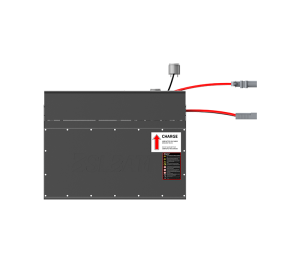
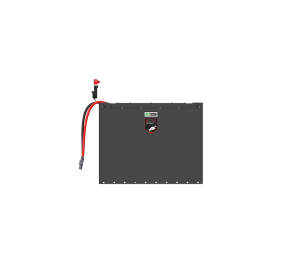
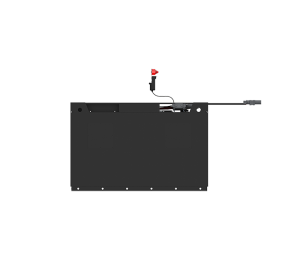
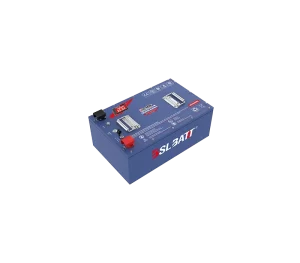
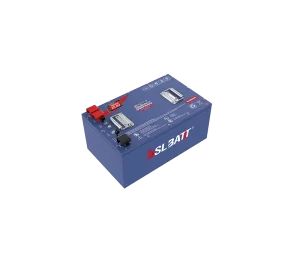
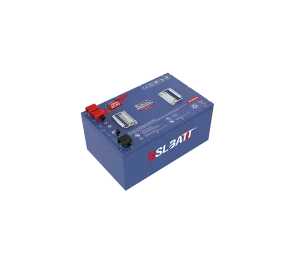
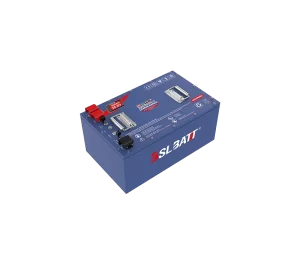
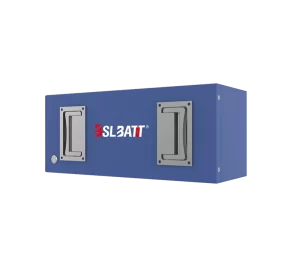
That narrow width is the real challenge. A standard 24V lithium pack may be too wide for the slimmer option, and the trucks that need long runtime tend to be the ones with the least room. If your PE 4500 has the narrow compartment, ask for a slim or custom-shaped pack. BSLBATT’s pack for irregular compartments is one route. If the truck takes a standard footprint, the 24V 280Ah pack or the 24V 306Ah heavy-duty pack are the sizes to look at.
For the wider story on 24V pallet truck batteries across brands, see BSLBATT’s electric pallet jack battery replacement guide and the Class III hand and rider truck range.
Lithium cross-reference: where to start for each Crown family
Lithium is usually specified at a lower Ah rating than the lead-acid battery it replaces. In BSLBATT’s own compatibility tables, the pairing is typically around 80% of the lead-acid rating, for example 700Ah lead-acid to 560Ah lithium. That’s because a lithium pack delivers more of its rated capacity and holds its voltage under load.
Use the table below as a starting list, not a guarantee of fit.
| Crown family | Voltage | Crown lead-acid rating | Lithium capacity range to start with | Check first |
|---|
| PE 4500 | 24V | Varies by option | 24V, 135 to 306Ah, or a custom slim pack | Compartment width, SB 350 connector |
| PC 4500 | 24V | Varies by option | 24V, 205 to 306Ah | Compartment length and height |
| PR 4500 | 24V | 310 to 324Ah or 465 to 756Ah | 24V 306Ah, or a custom larger size | Ask for a custom size at the top of the range |
| FC 4500 (36V) | 36V | Varies by variant | 36V, 690 to 1,120Ah | Box size, minimum battery weight |
| FC 4500 (48V) and FC 5200 | 48V | 630 to 945Ah | 48V, roughly 504 to 840Ah | Box size, minimum battery weight |
Three ways to replace a Crown battery
| Route | Upfront cost | Maintenance | Things to know |
|---|
| New lead-acid (OEM or aftermarket) | Lowest | Watering, cleaning, equalizing, battery room | Multi-shift trucks need spare packs and swaps |
| Crown’s own lithium option | Higher | None | Offered on select trucks only, so it may not cover your model or capacity |
| Third-party LiFePO4 (such as BSLBATT) | Higher than lead-acid | None | Needs a matched case, connector, charger and communication. Check your service terms. |
Crown has its own lithium option for some trucks, but it doesn’t cover every model, and many fleets run older trucks where a third-party pack is the practical choice. BSLBATT’s guide on retrofitting a lead-acid forklift with lithium explains why the usual conversion is a battery swap rather than a change to the truck.
The weight trap on counterbalance trucks
On a sit-down counterbalanced truck like the FC series, the battery is part of the counterweight. That’s why Crown’s spec sheets list a minimum and maximum battery weight, and why the FC 5200 range spans from 1,195 kg to 1,930 kg depending on the box size.
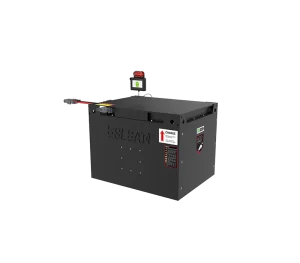
Lithium is lighter than lead-acid for the same energy, so a lithium pack can land below the minimum. A truck run underweight can be unstable under load. The fix is ballast built into the battery case, sized so the finished pack meets the truck’s minimum weight. Don’t add loose weights. Ask the supplier to confirm the finished pack weight against the data plate before you order.
Pallet trucks like the PE 4500 are less sensitive to this, but the principle still applies: check the weight limits in the spec.
Charging and communication
A lithium pack needs a lithium-compatible charger, and the pack’s BMS needs to work with the truck. BSLBATT has said Crown is among the forklift brands for which it has matched battery communication, but confirm that for your specific truck and year. Check the pairing on the charger matching page before you buy.
The benefit is real. According to BSLBATT’s lithium forklift battery charging guide, a pack charges in under two hours at its rated charger current and can be topped up during breaks without harming the cells. That removes battery swaps from multi-shift Crown fleets.
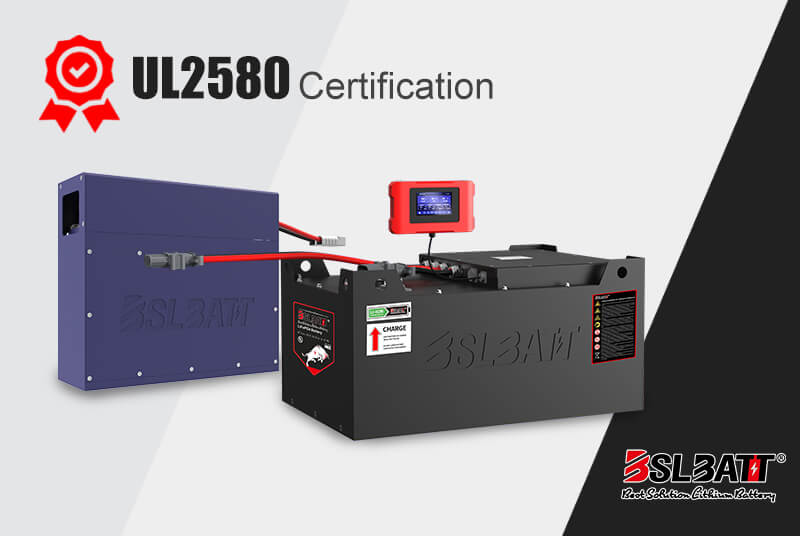
One safety check worth making: for any lithium pack going into a truck, verify that the exact model appears on the safety certificate. BSLBATT’s UL 2580 certification guide covers what to verify.
Crown forklift battery price
There’s no single price, because Crown batteries range from small 24V packs to large 48V ones. As a frame, BSLBATT’s forklift battery price guide puts a flooded lead-acid forklift battery at roughly $2,000 to $7,000 and a LiFePO4 pack for the same truck at roughly $6,000 to $20,000. Your actual quote depends on:
- Voltage and capacity. A 24V pallet truck pack costs far less than a 48V pack for a 5,000 lb counterbalance truck.
- Compartment shape. Standard footprints are cheaper than custom or slim cases.
- Ballast. Extra weight built into the case adds cost on counterbalance trucks.
- Certification. UL-listed packs cost more to produce than uncertified ones.
- Charger. Lithium needs a matched charger, so include it in the budget.
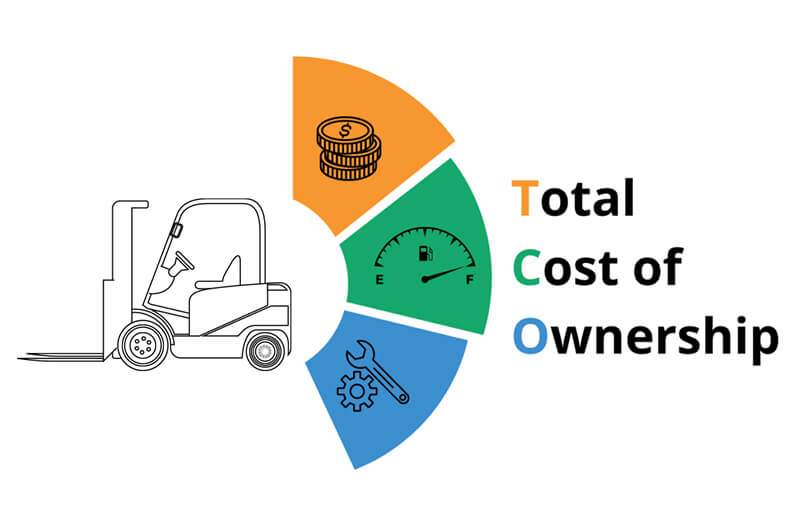
Then compare cost per usable cycle rather than sticker price. Cost per usable cycle is pack price divided by rated cycles times usable kWh. Add the spare packs, battery room and swap labor you no longer need. BSLBATT’s total cost of ownership guide shows how.
Replacement checklist
- Photograph the truck data plate and the battery nameplate. You need voltage, Ah, weight and the min and max battery weight.
- Measure the battery compartment in length, width and height, and note any cutouts or tie-downs.
- Identify the connector. On several Crown trucks it’s an SB 350 style connector, but check yours.
- Decide the route: new lead-acid, Crown lithium where available, or third-party LiFePO4.
- Confirm the finished pack weight meets the truck’s minimum, with ballast if needed.
- Check the charger and the communication with the truck.
- Check your service contract. If a Crown dealer services the fleet, ask whether a third-party pack affects the agreement.
- Pilot one truck for a few weeks before converting the rest.
Send us your Crown model
If you’re replacing a battery in a Crown truck, send us the model, serial number and photos of the truck data plate and battery nameplate. We’ll come back with a pack proposal, a weight check and a charger recommendation. Contact BSLBATT.
FAQ


 Explore all product lines