Revolutionize the energy economy with advanced lithium-ion battery technology—lower costs, reduce heat, and accelerate sustainable development.
 Explore all product lines
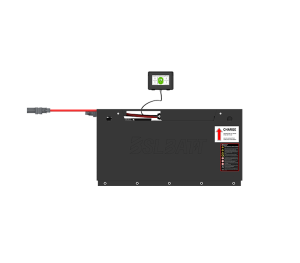
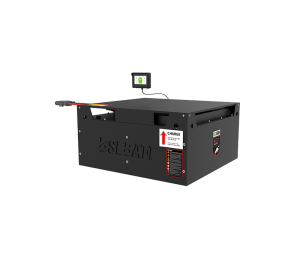
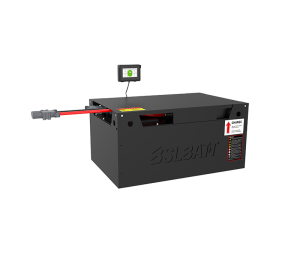
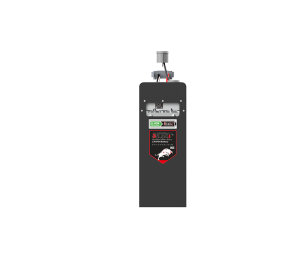
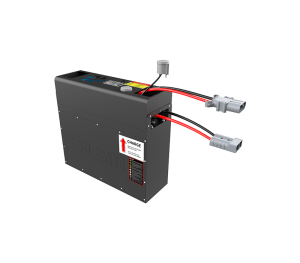
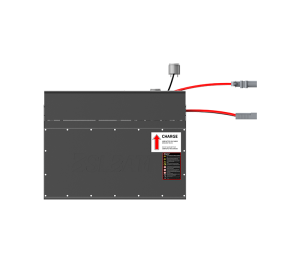
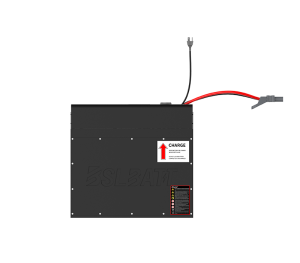
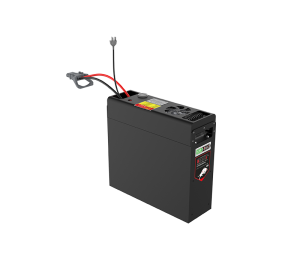
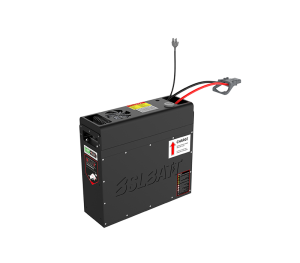
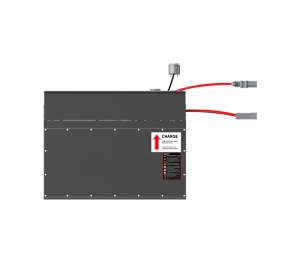
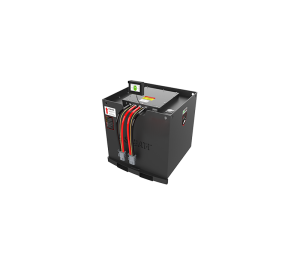
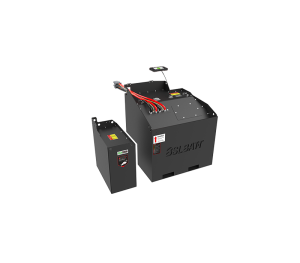
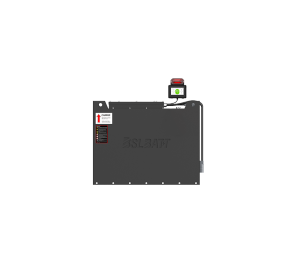
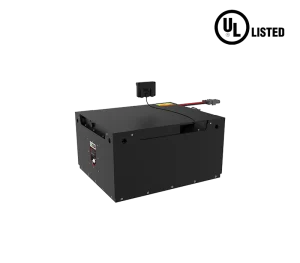
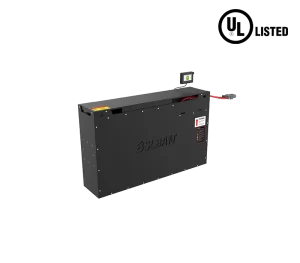
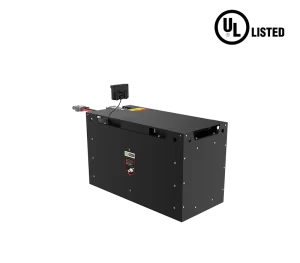
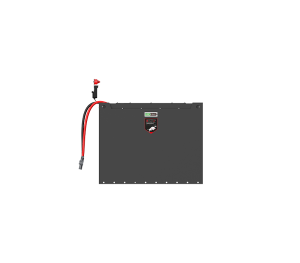
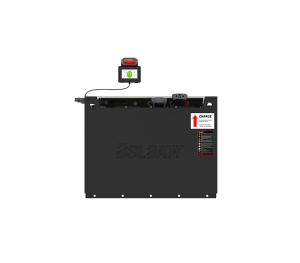
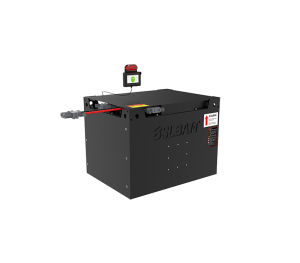
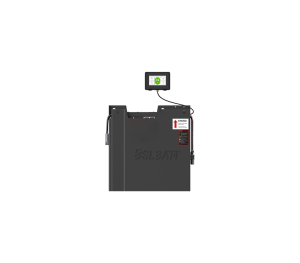
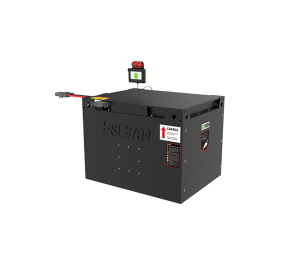
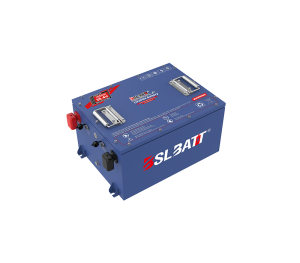
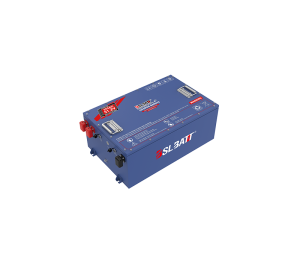
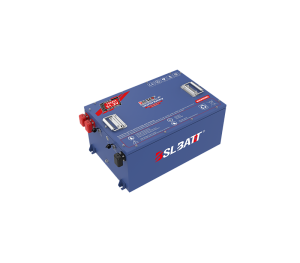
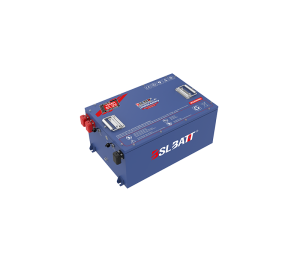
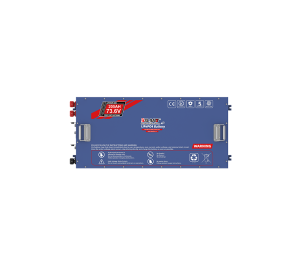
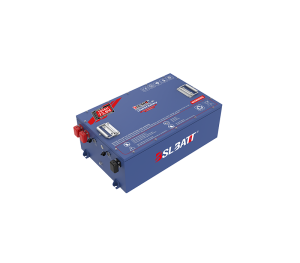
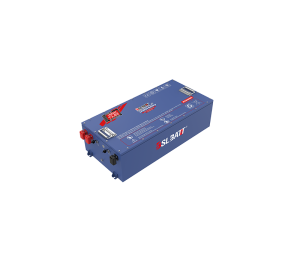
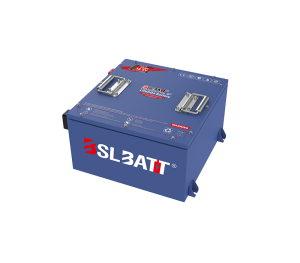
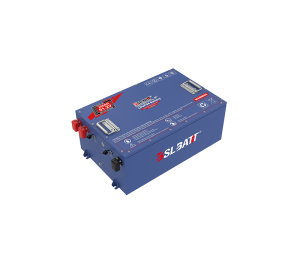
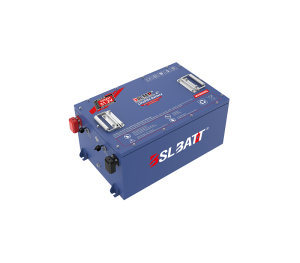
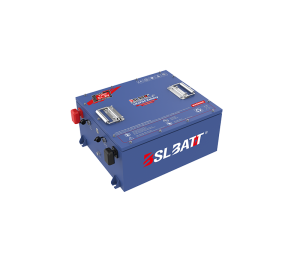
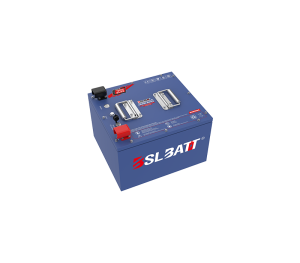
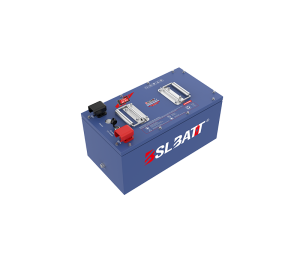
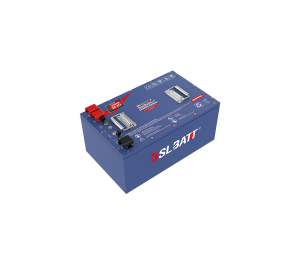
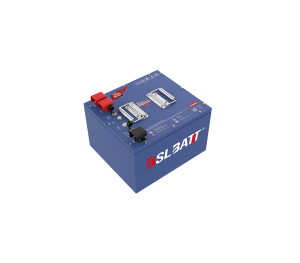
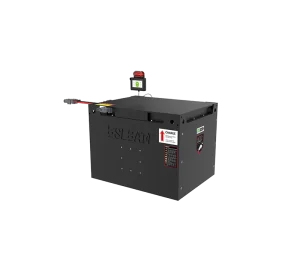
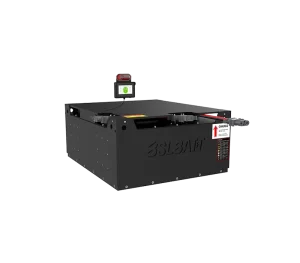


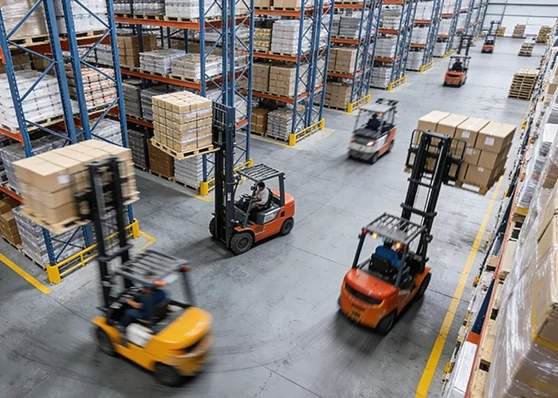
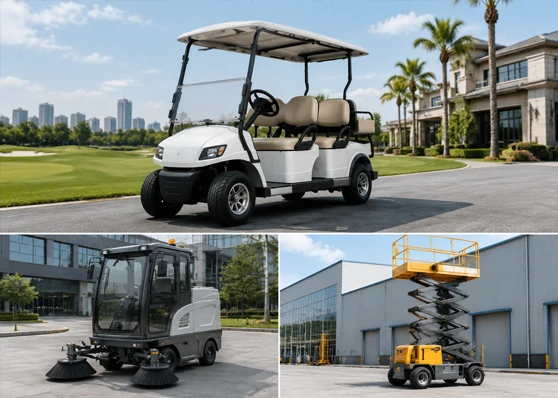

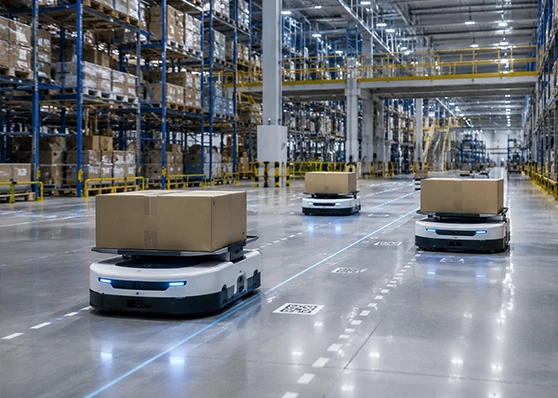




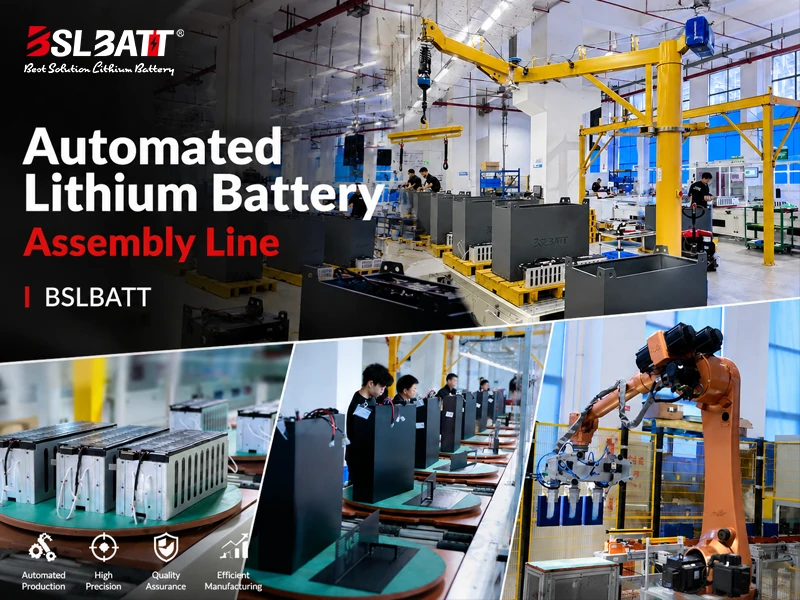
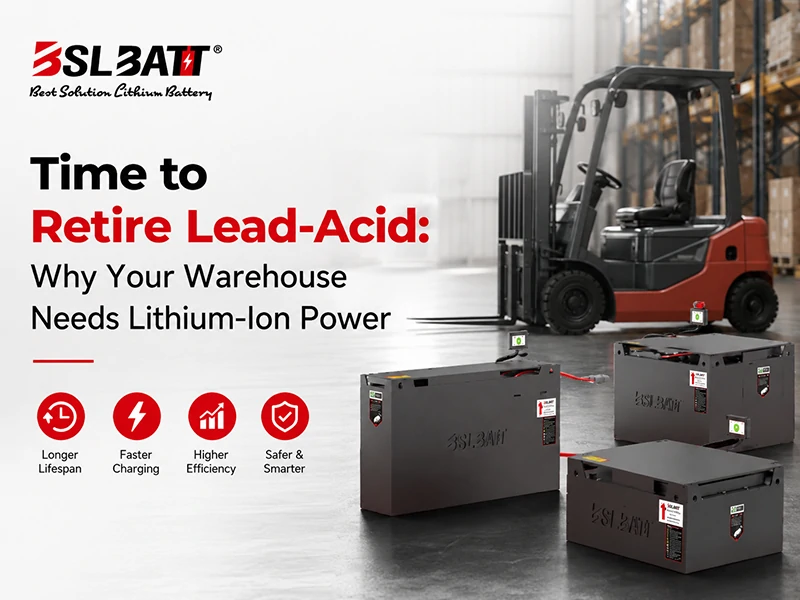
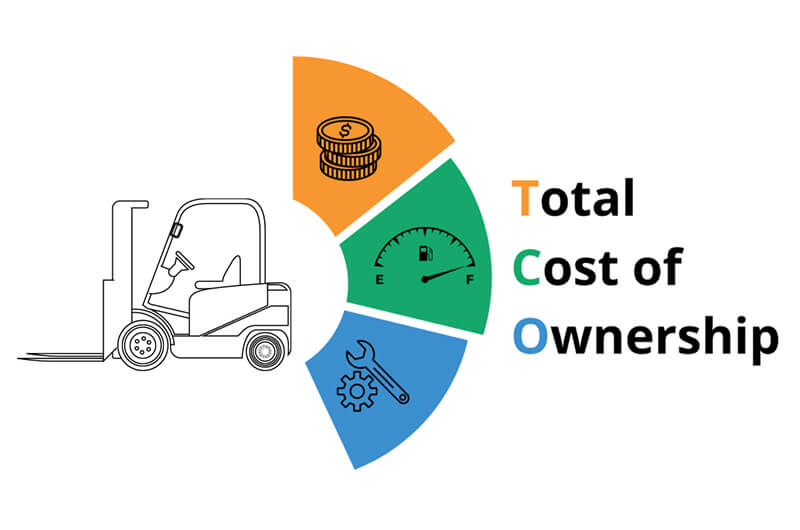
- Specialty Forklift Manufacturers and BSLBATT Lithium Battery Solutions
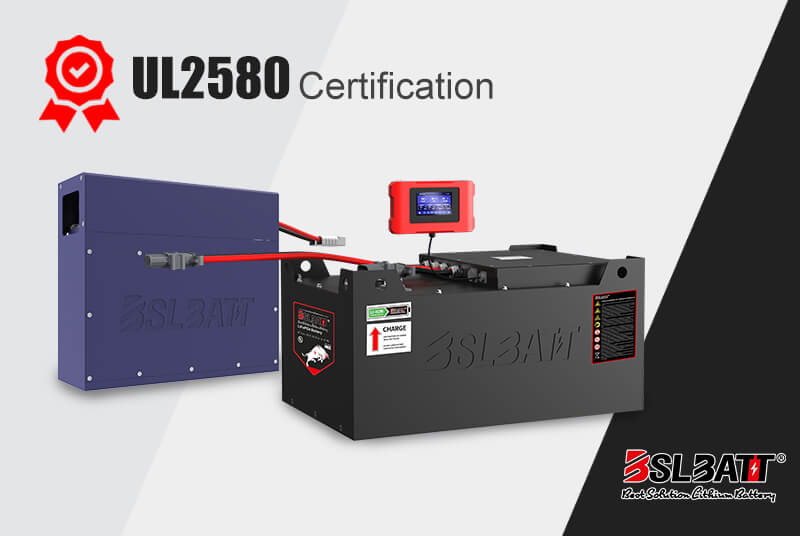
- The first lithium forklift battery that is UL 2580 certified and ISO9001 certified in the industry is BSLBATT® Battery – Industrial
- Automated Lithium Battery Assembly Line | BSLBATT Smart Factory
- Time to Retire Lead-Acid: Why Your Warehouse Needs Lithium-Ion Power
- Lithium Forklift Battery Maintenance Guide 2026
- Industrial Lithium Batteries: Initial Price vs. Long-Term Costs
Construction Equipment
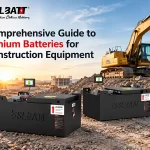
Comprehensive Guide to Lithium Batteries for Construction Equipment
Table of contents
- What Are Construction Equipment Lithium Batteries?
- Why Construction Equipment Is Moving to Lithium
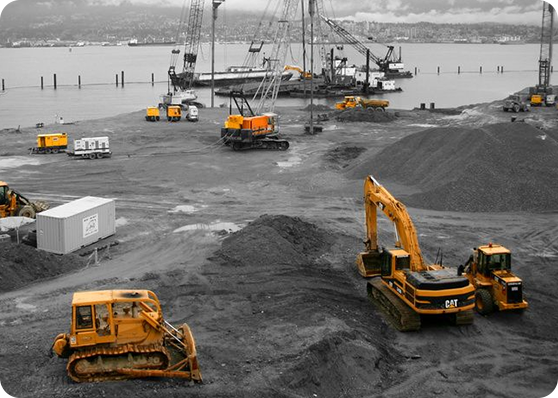
- Construction Equipment We Power
- Battery Requirements for Construction Equipment
- Lithium Chemistry: Why LFP
- Battery Management System (BMS)
- Environmental Requirements
- Battery Integration
- Custom Battery Design (OEM / ODM)
- How to Select a Construction Equipment Battery Supplier
- BSLBATT Construction Equipment Battery Solution
- FAQ
- Q1: What chemistry is best for construction equipment lithium batteries?
- Q2: What voltage range is typical?
- Q3: Can lithium batteries be opportunity-charged on a construction site?
- Q4: Do construction equipment batteries need heating for cold-weather operation?
- Q5: What IP rating does a construction equipment battery need?
- Q6: Can lithium batteries replace lead-acid in existing equipment?
- Q7: Do construction equipment batteries need CAN bus?
- Q8: What is the typical cycle life of an LFP construction equipment battery?
- Q9: Are lithium batteries safe on construction sites?
- Q10: How do I specify a battery to a supplier?
What Are Construction Equipment Lithium Batteries?
Construction equipment lithium batteries are rechargeable traction and auxiliary power packs engineered for off-road machinery operating in dust, vibration, weather, and high-load conditions. They replace legacy lead-acid battery banks in electric machines and hybrid platforms where torque, runtime, and cycle life are decisive for fleet economics.
A “construction equipment lithium battery” is not a single product. It is a system: a LiFePO4 cell module, an industrial-grade BMS, a sealed enclosure, a high-current connector, and a CAN / RS485 communication interface that the host machine controller can query.
Why Construction Equipment Is Moving to Lithium
Three forces drive the transition:
- Operating cost. Electricity per kWh delivered is consistently lower than diesel on a per-shift basis in many duty cycles, and operators avoid idle fuel consumption.
- Uptime. Lithium packs accept opportunity charging during operator breaks. Lead-acid banks suffer partial-state-of-charge sulfation and require equalization charges, costing machine availability.
- Site access. Indoor, residential, noise-restricted, and night-shift sites increasingly require electric or hybrid machines. Lithium traction packs make those machines viable.
Construction Equipment We Power
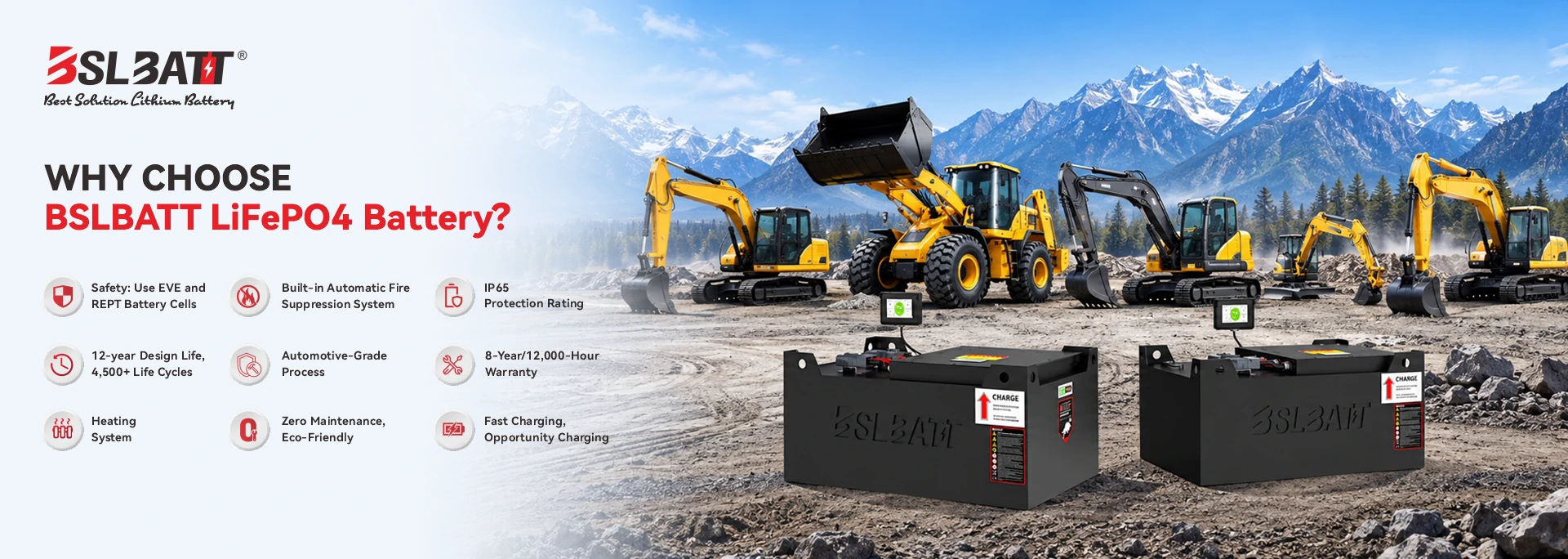
This guide covers four equipment families — and only these four — where BSLBATT integrates:
- Platforms and Cranes. Aerial work platforms (scissor lifts, boom lifts), mobile cranes, rough-terrain cranes, crawler cranes.
- Excavators. Compact and mini excavators, standard electric excavators, and hybrid retrofit configurations.
- Concrete Mixers. Electric drive mixers, on-site mobile mixers, and auxiliary power for drum-and-chute actuation.
- Dumpers. Electric site dumpers, narrow-track dumpers, off-highway dumpers used on building and civil sites.
Battery Requirements for Construction Equipment
Voltage classes: 24 V, 48 V, 80 V, 96 V, 144 V, and 400 V+ packs are all in service across the four families. Voltage depends on traction motor and hydraulic pump sizing.
Capacity and energy: Traction packs commonly range from a few kWh on compact scissor lifts to several hundred kWh on full-size electric excavators.
Continuous discharge and peak power: Excavator duty cycles see short bursts of 3–5× average current during swing acceleration and lift hydraulics. Battery specs must list both C-rate continuous and peak discharge.
Duty cycle and operating hours: Operators expect a full shift on a single charge in most deployment profiles. Pack sizing must reflect worst-case ambient temperature, payload, and gradient.
Lithium Chemistry: Why LFP
Lithium Iron Phosphate (LiFePO4 / LFP) is the dominant chemistry for construction equipment traction packs because:
- It is thermally stable under abuse (thermal runaway onset typically >250 °C vs <150 °C for some NMC variants).
- It tolerates 80–100% depth-of-discharge cycles without accelerated degradation, which fits intermittent opportunity charging.
- It delivers a long calendar life in floating-standby profiles, useful for machines that sit unused for weeks between projects.
- It contains no cobalt, easing supply-chain and ESG reporting pressure on procurement.
Battery Management System (BMS)
An industrial-grade BMS on construction equipment must include:
- Overcharge and over-discharge protection (cell-level and pack-level)
- Over-current and short-circuit protection with automotive-grade contactors
- Cell balancing (passive minimum, active preferred)
- Temperature monitoring (cell, busbar, and connector sensors)
- State-of-charge, state-of-health, and state-of-power telemetry
- CAN bus / SAE J1939 output (and optionally RS485, Modbus)
Environmental Requirements
Dust and water: Pack enclosures must comply with IEC 60529. Construction equipment in dusty, rinsed, or wet-site conditions typically targets IP65 or higher.
Vibration and shock: Cell stack design must absorb machine-frame resonance without bolt loosening. Many platforms specify 5–10 g shock survival during shipping and within the machine.
Operating temperature: Charging below 0 °C damages most lithium chemistries without internal heaters. Construction sites in cold climates require thermal management either in the pack or via machine-side preconditioning.
Battery Integration
Mechanical fitment: Battery packs replace legacy battery trays or fuel tanks. They must respect existing CG (center of gravity), coolant-line routing, and service-access panels.
Connectors: REMA, Anderson SB, or proprietary high-current connectors are common. Interlocked HVIL (high-voltage interlock loop) signal lines are mandatory above 60 V DC.
CAN bus communication: Modern machine controllers expect CAN J1939 messages for state-of-charge, fault codes, and pack temperature. Closed proprietary protocols exist for legacy platforms.
Charger compatibility: Opportunity charging requires on-board or off-board chargers matched to pack voltage and chemistry. CCS1 / CCS2 DC fast charging is appearing on larger electric excavators.
Custom Battery Design (OEM / ODM)
Construction equipment rarely accepts off-the-shelf packs without modification. BSLBATT’s OEM/ODM scope covers:
- Pack voltage and capacity matching the host machine’s traction motor and pump motor spec
- Mechanical drawings to fit existing battery trays or fuel-tank spaces
- Custom BMS firmware for proprietary CAN protocols
- Connector pinout customization
- Optional on-board charger integration
- Certification support (CE, UN 38.3, IEC 62619, UL 1973 depending on market)
How to Select a Construction Equipment Battery Supplier
- Procurement teams typically evaluate suppliers on:
- Cell sourcing transparency (Grade-A LFP cell vendors with audited traceability)
- In-house pack assembly vs. outsourced integration
- BMS firmware customization capability
- CAN protocol support and integration test reports
- IP rating and environmental test reports (vibration, shock, thermal, salt-spray)
- Cycle and calendar life test data
- Reference installations on the same equipment class
- After-sales service network and warranty terms
- Compliance documentation for the destination market
BSLBATT Construction Equipment Battery Solution
BSLBATT operates as an industrial lithium battery manufacturer and OEM/ODM partner. The Construction Equipment product range is built on LiFePO4 chemistry with intelligent BMS, configurable enclosures, IP-rated sealing, CAN communication, and a documentation package suitable for OEM integration projects. BSLBATT supports customer-specific voltage, capacity, communication protocol, and mechanical fitment without forcing a redesign of the host machine.
When an equipment OEM, distributor, or fleet operator needs a battery that fits an existing platform — or a retrofit battery for an existing fleet — BSLBATT provides a configuration proposal based on submitted equipment specifications. Talk to a Battery Engineer · Send Your Equipment Specifications.
FAQ
Q1: What chemistry is best for construction equipment lithium batteries?
LiFePO4 (LFP). It offers the best combination of thermal stability, cycle life at deep DOD, and calendar life for off-road, intermittently charged machines.
Q2: What voltage range is typical?
24 V on small scissor lifts, 48–96 V on mid-range AWP and mini excavators, 96–144 V on compact electric excavators, and 400 V+ on full-size electric excavators and larger dumpers.
Q3: Can lithium batteries be opportunity-charged on a construction site?
Yes. LFP cells accept partial-state-of-charge cycling without the memory effect seen in lead-acid. Opportunity charging during breaks is a primary reason fleets switch.
Q4: Do construction equipment batteries need heating for cold-weather operation?
Charging below 0 °C damages most lithium chemistries. Either the pack includes an internal heater, or the machine conditions the battery before allowing charge.
Q5: What IP rating does a construction equipment battery need?
IP65 is a common minimum for dusty and rinsed environments. IP67 or higher is used on machines that operate in standing water or steam-cleaning zones.
Q6: Can lithium batteries replace lead-acid in existing equipment?
Often yes, with a compartment adapter, BMS, and charger update. BSLBATT supports retrofit scoping based on the existing lead-acid dimensions and the equipment’s motor spec.
Q7: Do construction equipment batteries need CAN bus?
Modern OEM machine controllers expect CAN J1939. Confirming protocol support with the supplier before integration prevents costly firmware rework.
Q8: What is the typical cycle life of an LFP construction equipment battery?
LFP cells typically support several thousand full equivalent cycles, but actual service life depends on DOD, ambient temperature, charge rate, and balancing quality. Refer to supplier test data.
Q9: Are lithium batteries safe on construction sites?
With a competent BMS, sealed enclosure, IP-rated connectors, and proper HVIL design, LFP packs are safe in field operation. Suppliers should provide IEC 62619 or UN 38.3 test documentation.
Q10: How do I specify a battery to a supplier?
Send equipment type and model, motor voltage and power, hydraulic pump spec, expected duty cycle in hours per shift, ambient temperature range, connector type, communication protocol, and existing compartment dimensions.

Related Product Recommendations
-
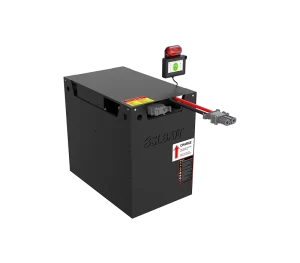
51.2V 410AH Lithium Battery For Mini Excavator
51.2V 410Ah Mini Excavator Lithium Battery — All-Day Power for Compact Jobsites
Learn More -
96V 920AH
Lithium Forklift Battery Pack for Sale 83.2V 920Ah | BSLBATT
Learn More -
83.2V 560AH
Forklift Battery Lithium Ion 83.2V 560Ah IP69 | BSLBATT
Learn More -
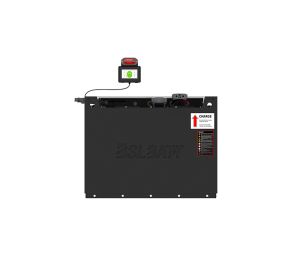
96V 690AH
Heavy Equipment Battery 83.2V 690Ah Port Grade Lithium | BSLBATT
Learn More