Explore all product lines
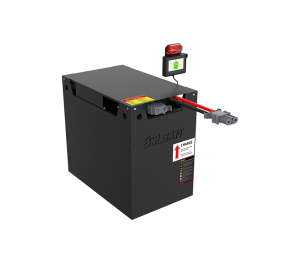
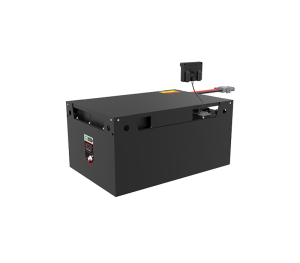
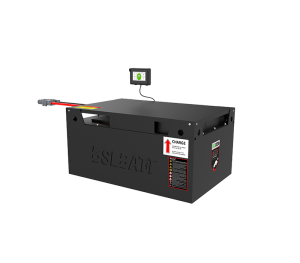
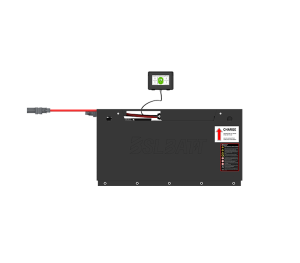
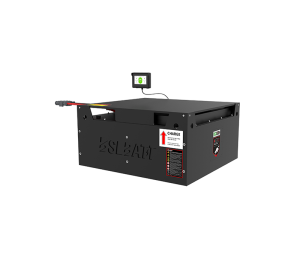
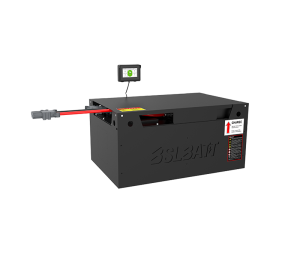
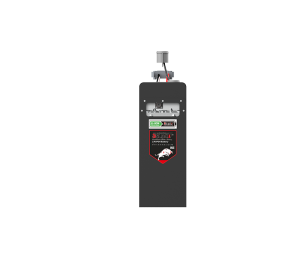
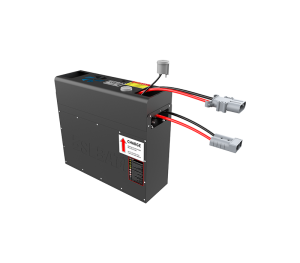
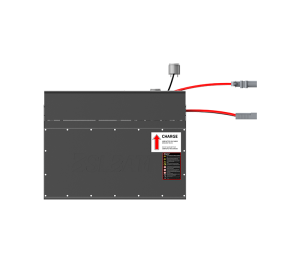
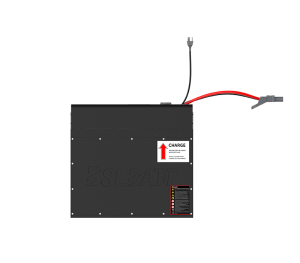
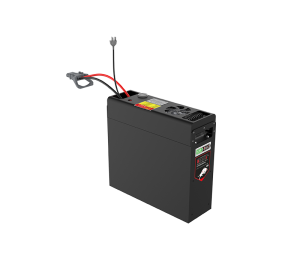
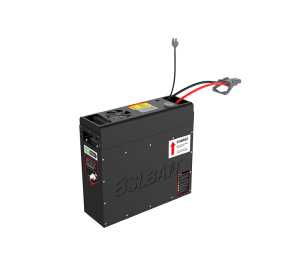
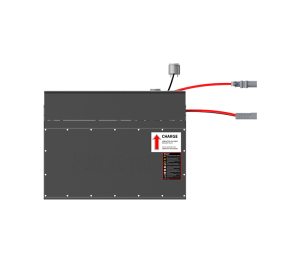
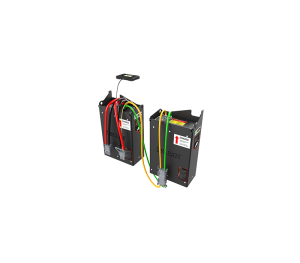
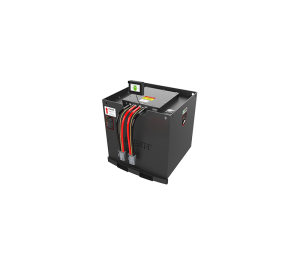
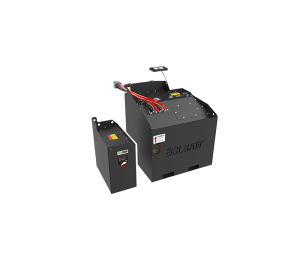
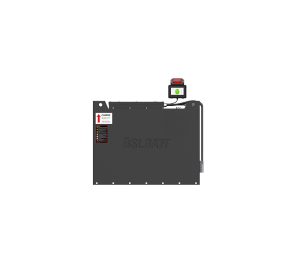
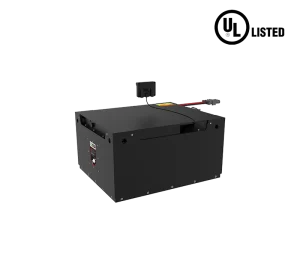
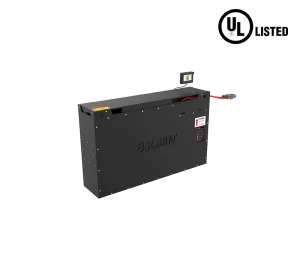
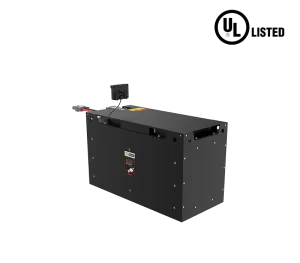
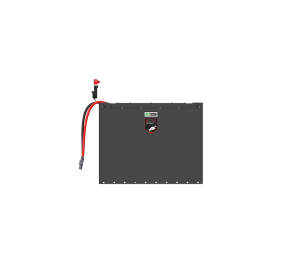
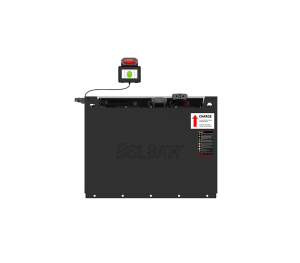
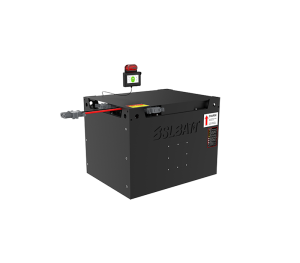
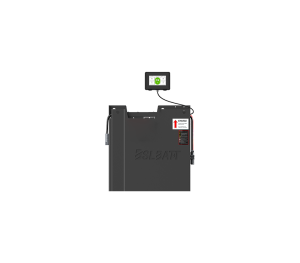
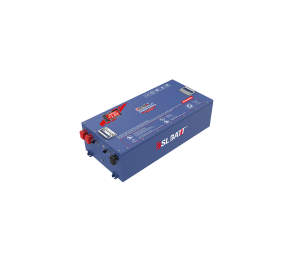
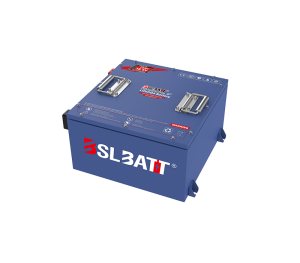
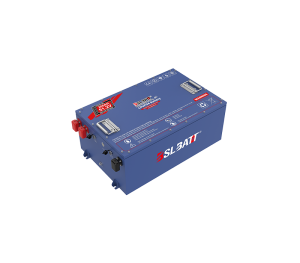
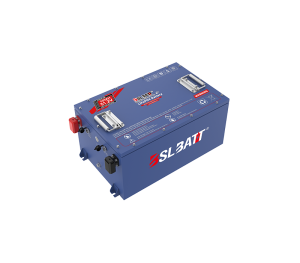
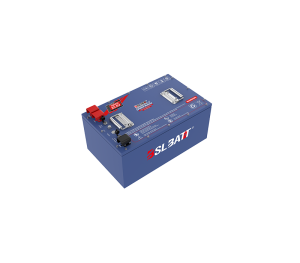
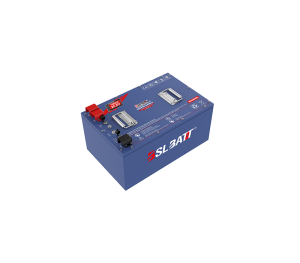
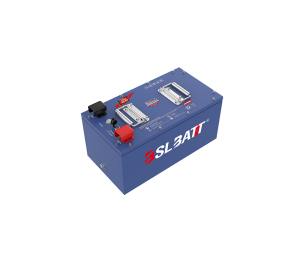
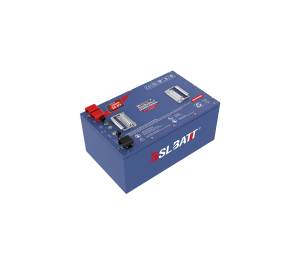
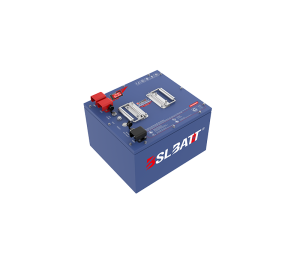
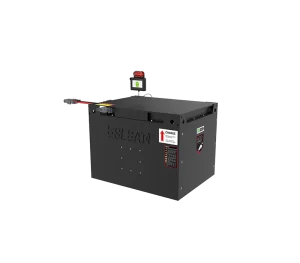
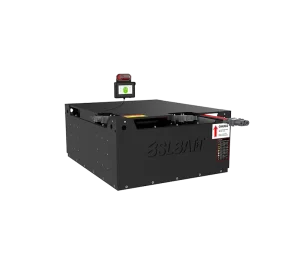


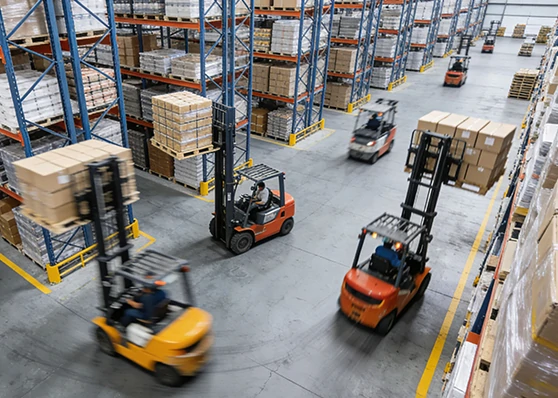





Lithium works in a hazardous zone, but “lithium” is not the same as “explosion proof.” A pack qualifies only when its enclosure, surface temperature, and BMS are certified for a specific zone and gas or dust group. Chemistry alone changes nothing — the certificate does.
Mining has a long-standing relationship with lead-acid, and the industry is now actively testing lithium. Some of that enthusiasm comes from genuine operational improvement: no watering in a dusty face, no hydrogen gas in an underground heading, no acid spill, and far less mass on the truck. Some of it is supplier optimism, because “we converted our fleet to lithium” and “our battery is certified for a Zone 22 dust hazard” are two very different statements.
This guide separates the two. It explains what an explosion proof forklift battery actually has to achieve, which certification frameworks apply in which market, what the mining environment specifically demands, and the questions to put to any supplier — including BSLBATT — before a pack goes underground.
What “Explosion Proof” Means for a Battery
An explosion requires three things at once: a flammable atmosphere, an ignition source, and a way for the energy to release. Equipment in a hazardous location is engineered to remove at least one of them from the equation. For a battery, that means three specific jobs.
Contain every potential ignition source
A battery is dense with electrical hardware — busbars, contactors, connectors, relays. Each one is a theoretical spark source. Explosion-proof systems address this with one of two philosophies, and the distinction matters when you read a certificate:
| Protection concept | Marking | How it works | Practical implication |
|---|---|---|---|
| Flameproof enclosure | Ex d | The enclosure is strong enough to contain an internal explosion and prevent flame propagation across its joints. | Heavy, robust housing; the joint surfaces and fasteners are critical to the rating. |
| Intrinsic safety | Ex ia / Ex ib | Electrical energy is limited below the level that can ignite the atmosphere — the fault is designed out, not contained. | Restricts available power. Usually paired with a separate protective enclosure for the cell bank. |
| Increased safety | Ex e | Reduced surface temperature and additional creepage and clearance margins, with a controlled switching design. | Common for electric motors and, in combination, for battery enclosures. |
| Non-sparking / controlled | Ex n | Components chosen so that normal and single-fault operation cannot produce a spark. | Typically the last layer in a layered protection scheme, not the only one. |
Keep surface temperature below the ignition temperature
Every combustible dust and gas mixture has a minimum ignition energy and a maximum surface temperature that will ignite it — the “T-class” rating. Coal dust, for example, is far more readily ignited than many industrial dusts. A pack that keeps its case below the required limit is what stops a routine over-temperature event from becoming an ignition event, regardless of how good the chemistry is.
Stop energy release — and stop it remotely
The BMS must be able to disconnect the pack quickly when something goes wrong, and it must be able to do so in a way that survives a damaged or partially flooded cell bank. This is why hazardous-area BMS work is more than a normal BMS with a different sticker: fault handling behaviour under abnormal conditions is the part that gets certified.
The point most buyers miss: LiFePO4 is chemically more stable than NMC and releases far less energy in a thermal event. That is genuinely valuable. It reduces consequence. But it does not remove the ignition source, and it does not lower the enclosure surface temperature by itself. Chemical stability is a mitigation, not a certification.
Certification Frameworks by Market
“Explosion proof” is not one standard. It is one of three regional systems, and each means something different.
| Framework | Market | How zones are classified | Notes for buyers |
|---|---|---|---|
| IECEx | Global / international | Zone 0/1/2 (gas), Zone 20/21/22 (dust); Equipment Protection Levels a/b/c/e/d | The most portable credential. Widely required by international mining groups and contractors operating across borders. |
| ATEX | European Union | Same zone system as IECEx, plus equipment categories and conformity routes | Mandatory for equipment placed on the EU market. A worker in the EU can enforce it regardless of where the forklift was built. |
| Class & Division NEC / CSA / NFPA 70 | North America | Class I (flammable gas), II (combustible dust), III (ignitables); Division 1 vs 2; Groups A/B/C/D; temperature Classes A–T | North America does not use “Zone.” A supplier quoting only “Zone 22” may not have addressed the North American classification system at all. |
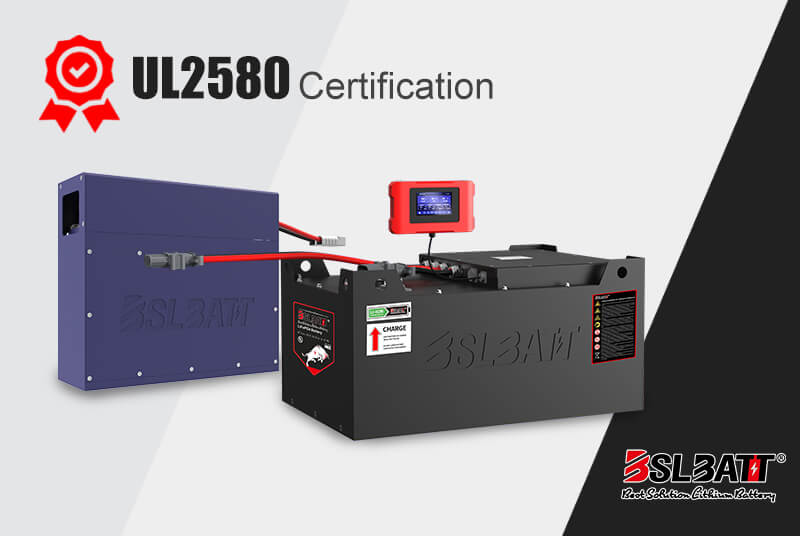
Layered on top of the hazardous-area certificate are the battery-specific standards already familiar to industrial buyers: UL 2580 for motive pack abuse testing in North America, IEC 62619 for industrial battery safety, and UN 38.3 for transport. A fully specified hazardous-area battery should be traceable across both layers — the Ex certificate for the location, and the battery standards for the energy storage device inside.
Why Mines Are Switching Away from Lead-Acid
The operational case is specific, and it is stronger than the general case you see in warehouses.
| Operational factor | Lead-acid underground | Lithium (LiFePO4) |
|---|---|---|
| Hydrogen gas | Charging generates hydrogen, which accumulates in headings and raises the ventilation burden. | No charging gas generated during operation or charging. |
| Watering | Repeated watering in a dusty, hot, remote environment; water carries dust into the cell plates. | Eliminated entirely. |
| Acid and spill risk | Corrosive electrolyte; containment required; a spill in a confined heading is a safety incident. | Sealed chemistry, no spill response procedure required. |
| Mass | Heavy. Every extra kilogram on a counterbalanced truck reduces payload or stability margin. | Significantly higher energy density; lighter pack for the same runtime. |
| Vibration tolerance | Plate and grid degradation under sustained shock and vibration. | Prismatic cell construction with no flooded electrolyte sloshing. |
| Thermal behaviour | Rises quickly under high discharge; becomes a heat source in the load zone. | More stable chemistry; predictable temperature rise under load. |
| Monitoring | State of charge is inferred, not measured, and is unreliable as the pack ages. | Direct cell-level measurement, so remaining runtime is known rather than estimated. |
None of this makes a lithium pack explosion proof on its own. It makes it the better energy-storage component to place inside a properly certified hazardous-area system.
The Mining Environment: Five Constraints That Change the Spec
Methane and gas classification
Underground coal and some metal mines carry methane, which determines the gas group and therefore the Equipment Protection Level required. If methane is present regularly, the design target is the more demanding category, not the lower one.
Combustible dust
Coal dust and other mineral dusts are classified separately from gases and carry different ignition characteristics. A pack suitable for a gas zone is not automatically suitable for a dust zone, and the dust case — seals, surface temperature, and static control — is often the harder one to satisfy.
Temperature extremes
Surface mines in some regions reach high ambient temperatures; portals and northern operations can sit well below freezing. Two consequences follow: surface temperature class must be checked against the actual worst-case ambient, and cold-weather charging becomes an operational problem. Packs with integrated heating exist specifically for this — they draw power to warm the cell bank before charging, which must be accounted for in the mine’s charging schedule and power provision.
Vibration and shock
Off-road haul routes, rough floors, and dropped loads produce a vibration profile far worse than a warehouse. Confirm the pack’s mechanical design — internal bracing, cell retention, and connector locking — rather than assuming it inherits the vibration rating of a standard indoor pack.
Water
Dewatering, drainage failure, and washdown mean water ingress is a realistic scenario. An IP65 enclosure is the practical baseline for a wet underground or washdown application; an IP54 rating is not adequate where water is a routine condition rather than an exception.
Specifying a Mining-Capable Pack
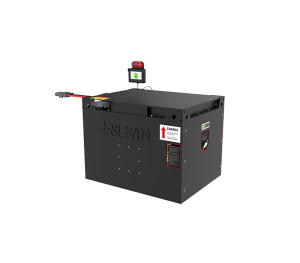
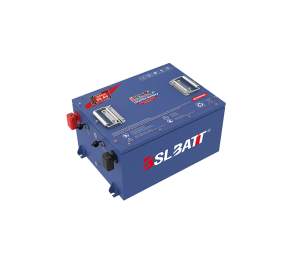
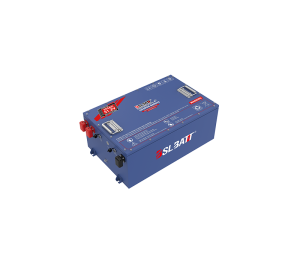
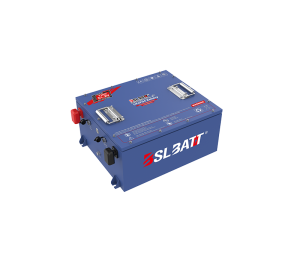
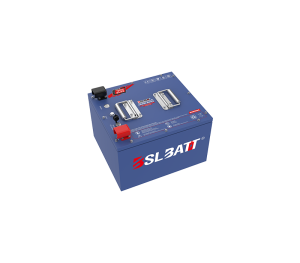
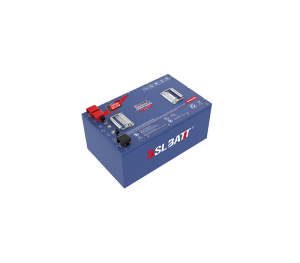
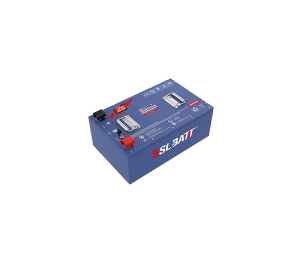
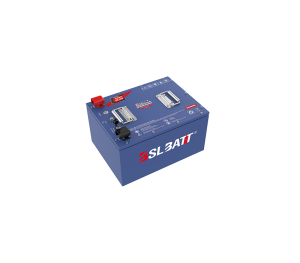
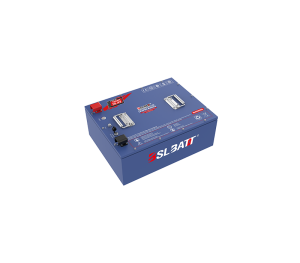
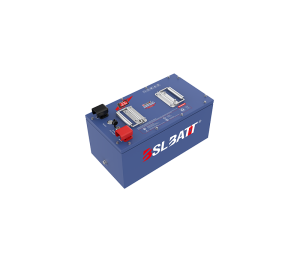
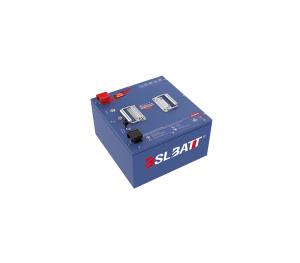
For fleets on heavy-duty trucks, industrial sites, and hazardous-area applications, BSLBATT’s ruggedized range provides the electrical and mechanical foundation. Available configurations include:
| Platform | Energy | IP | Typical mining / heavy-duty fit |
|---|---|---|---|
| B-LFP83.2-690MH 83.2V / 690Ah | 57.4 kWh | IP54 (IP65 optional) | Large-capacity heavy trucks, multi-ton and container handling on haul routes, 12-ton class machines. |
| B-LFP48-615MH 51.2V / 615Ah | 31.5 kWh | IP65 | Damp or dusty underground galleries, washdown zones, high-vibration sites. |
| B-LFP48-460MH 51.2V / 460Ah | 23.6 kWh | IP65 | Standard-class mine support vehicles and inventory movement in moderate conditions. |
| B-LFP36-820MH 38.4V / 820Ah | 31.5 kWh | Per model spec | Trailing and personnel-transport platforms with high capacity in a lower-voltage pack. |
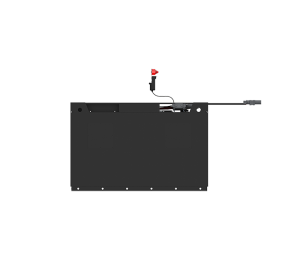
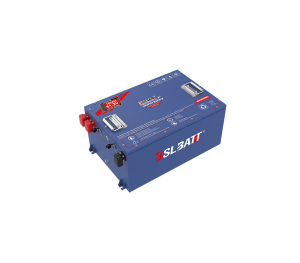
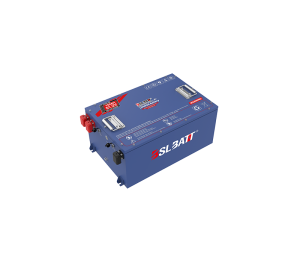
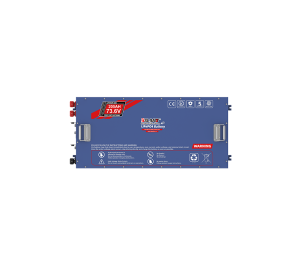
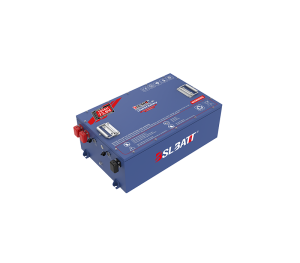
For applications requiring a certified hazardous-area system rather than a standard pack, BSLBATT publishes dedicated explosion-proof lithium battery systems, including a 320V / 100Ah / 32 kWh configuration (1P100S LiFePO4, 1362 × 695 × 298 mm, IP54 with IP65 optional) and a 320V / 230Ah / 73.6 kWh configuration (1P100S LiFePO4, 1340 × 650 × 562 mm). These are documented on BSLBATT’s explosion-proof product pages.
Across the heavy-duty range, BSLBATT specifies an 8-year warranty, 12-year design life, cycle life rated at 4,500 cycles @80% DOD, an integrated fire suppression system, IP65 sealing, and operation from −20°C to 60°C with built-in heating for cold-start charging.
Ten Questions to Ask Before a Pack Goes Underground
1. What hazardous-area certificate do you hold, and for which zones? Ask for the certificate number, not the claim. “Zone 21 IIB T4” and “Zone 22 IIIC T4” are not interchangeable.
2. Which gas or dust group does it cover? Group IIB covers most industrial gases; Group IIC covers acetylene and hydrogen; Group IIIC covers combustible dust. Mining applications frequently fall into Group IIC or the dust group, which are the demanding cases.
3. What is the temperature class rating, and at what ambient? The T-rating is only meaningful against a stated ambient. Ask what ambient the rating assumes.
4. Is the certificate for the pack, the enclosure, or a component? An enclosure certificate does not automatically extend to the battery assembly inside it.
5. Is the BMS included in the certified scope? And what does the BMS do on a fault that it cannot recover from — contactor open, current limited to zero, or maintain and log?
6. What is the IP rating of the assembled system, not the cell?
7. Can the pack be charged inside the classified area? Many mines must charge outside the hazardous zone. If so, the charging protocol and cable routing become part of the safety case.
8. What happens to self-heating in a cold climate? Heating draws power before charging can begin. Confirm the pre-charge energy requirement and time.
9. What is the service procedure underground? Module replacement in a wet, confined, dusty space is a real maintenance activity and should be planned, not discovered.
10. Who is the certification holder, and what is the certificate’s current status? Verify it in the issuing body’s directory rather than trusting a PDF.
The Charging Question Nobody Asks Early Enough
Hazardous-area thinking usually stops at the truck. The charging station is where most of the risk concentrates, because that is where high current, heat, and a potentially explosive atmosphere coexist by design.
Three practical rules follow. First, establish where charging is permitted — outside the classified area is the safest default. Second, if charging in-zone is permitted, confirm the charger itself carries a certificate appropriate to that zone; an uncertified charger plugged into a certified pack defeats the entire protection scheme. Third, account for opportunity charging honestly. Fast charging raises pack temperature, and pack temperature is the parameter your temperature class rating is written against.
Where BSLBATT Stands
BSLBATT’s industrial range is built for the conditions this article describes rather than for a clean warehouse floor: LiFePO4 chemistry for thermal stability, a smart BMS developed to ISO 26262:2011 at ASIL C for fault-handling discipline, UL 2580 certification on the 51.2V-and-above forklift range, IEC 62619 and CE conformity, UN 38.3 transport approval, and IP65 sealing with integrated heating rated from −20°C to 60°C. Larger mining and heavy-duty configurations add an integrated fire suppression system and an 8-year warranty.
For applications requiring formal hazardous-area certification, ask our engineering team for the applicable Ex certificate covering your specific zone, gas or dust group, and pack model. We will tell you plainly whether a given pack is certified for your location or whether a certified enclosure is required around it.
Frequently Asked Questions
Is a lithium battery safe in a hazardous area?
Lithium chemistry is used in hazardous-area equipment, but only inside a properly certified system. LiFePO4 is more thermally stable than other lithium chemistries and reduces the severity of a thermal event, yet it does not eliminate ignition sources or control enclosure surface temperature. Safety in a hazardous area comes from the certified enclosure, the protection level, and the BMS behaviour — not from the label on the cell.
What is the difference between Ex d, Ex ia, and Ex n?
Ex d is a flameproof enclosure designed to contain an internal explosion and prevent flame propagation. Ex ia and Ex ib are intrinsic safety, which limits available electrical energy below the ignition threshold. Ex n is non-sparking protection for components that cannot produce a spark even in a single fault. Most certified systems layer more than one concept rather than relying on a single one.
Does IP65 make a battery explosion proof?
No. IP65 describes ingress protection against dust and water jets. It says nothing about whether the equipment can ignite a flammable atmosphere. Ingress protection and hazardous-area protection are separate requirements with separate tests, and a pack can have an excellent IP rating and no Ex certification at all.
Can a standard forklift battery be used in a mine?
Only where the mine’s own rules permit it and no classified atmosphere is present. In any classified zone — gas or dust — the equipment must carry a certificate matching that zone, group, and temperature class. Many mines permit standard packs on surface workshops and yard equipment, while underground and near-face duties require certified equipment.
What temperature class does a mining battery need?
It depends entirely on the atmosphere. The temperature class sets the maximum surface temperature the enclosure may reach, and it must sit below the ignition temperature of the specific gas or dust. Coal dust and many industrial dusts ignite at lower temperatures than many gases, which frequently makes the dust case the binding constraint.
How do I verify a supplier’s hazardous-area certificate?
Ask for the certificate number and look it up in the issuing body’s public directory — IECEx for the IECEx certificate, the notified body or national authority for ATEX documentation, and UL or CSA for North American listings. Confirm the certificate covers the exact model number you are buying and that the scope includes the zone classification you need, not merely the general category.