Revolutionize the energy economy with advanced lithium-ion battery technology—lower costs, reduce heat, and accelerate sustainable development.
 Explore all product lines
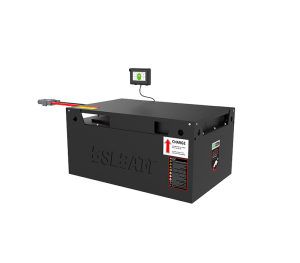
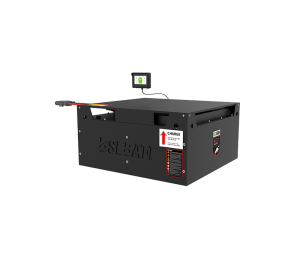
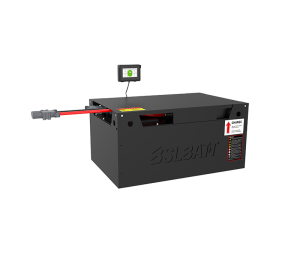
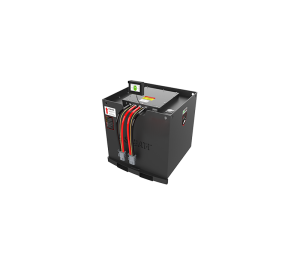
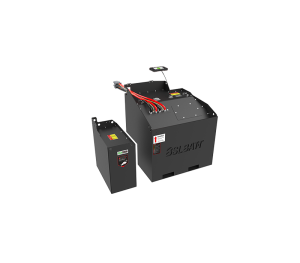
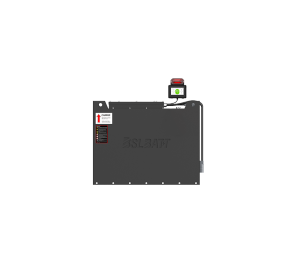
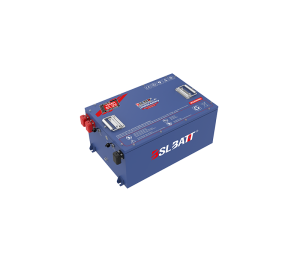
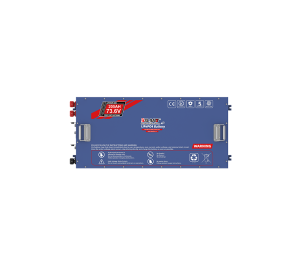
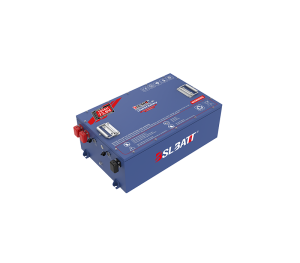
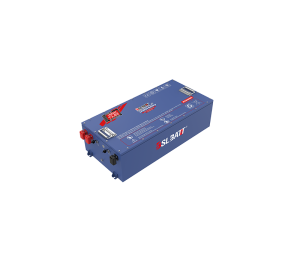







- Specialty Forklift Manufacturers and BSLBATT Lithium Battery Solutions
- The first lithium forklift battery that is UL 2580 certified and ISO9001 certified in the industry is BSLBATT® Battery – Industrial
- Automated Lithium Battery Assembly Line | BSLBATT Smart Factory
- Time to Retire Lead-Acid: Why Your Warehouse Needs Lithium-Ion Power
- Lithium Forklift Battery Maintenance Guide 2026
- Industrial Lithium Batteries: Initial Price vs. Long-Term Costs
Explosion-Proof Forklifts
Explosion-Proof Lithium Batteries: ATEX/IECEx Questions Answered
Table of contents
- What Does ATEX Certification Mean for a Battery?
- What Does IECEx Certification Mean, and How Does It Differ from ATEX?
- Why Do Standard Lithium Batteries Need Special Certification for Hazardous Areas?
- How Are Explosion-Proof Lithium Batteries Actually Designed?
- What Hazardous Area Zones Require Certified Equipment?
- Common Misconceptions About Lithium Batteries in Hazardous Areas
- What Should You Ask a Supplier Before Buying an ATEX/IECEx Battery?
- What to Evaluate When Planning for Hazardous-Area Lithium Power
- Practical Takeaway
- FAQ
- What does ATEX certification mean for a battery?
- What is the difference between ATEX and IECEx?
- Can a lithium battery be used in a Zone 1 or Zone 2 hazardous area?
- Why do lithium batteries need special design for explosive atmospheres?
- What is an intrinsically safe battery?
A forklift running in a normal warehouse and a forklift running in a paint booth or a grain silo look identical, but the second one is operating in an environment where a single spark could ignite flammable vapor or combustible dust. Standard industrial batteries, lithium or lead-acid, are not designed or tested for that risk. Equipment intended for these zones has to meet ATEX or IECEx requirements, and the certification applies to the specific battery and enclosure design, not to the chemistry inside it.
This is where a lot of confusion starts. “Lithium” and “explosion-proof” are sometimes used as if they mean the same thing. They do not. A battery can be lithium-ion and still be completely unsuitable for a classified hazardous area, and a battery can carry ATEX or IECEx certification without that certification automatically extending to every variant, voltage or capacity a manufacturer sells. This article works through what the certifications actually require and what to check before you take a supplier’s claim at face value.
What Does ATEX Certification Mean for a Battery?
ATEX certification means a product has been tested and approved to European Union Directive 2014/34/EU, which governs equipment intended for use in potentially explosive atmospheres.
ATEX is short for the French “ATmosphères EXplosibles.” It applies to equipment sold or used in the EU and covers both the product itself and, separately, workplace obligations under a related worker-protection directive. For a battery, ATEX certification is not a general safety rating. It specifies which hazard zone the equipment is approved for, what protection method was used (flameproof enclosure, intrinsic safety, increased safety, and others), and what gas group or dust group it covers. A battery certified for one zone and gas group is not automatically approved for a more demanding one.
What Does IECEx Certification Mean, and How Does It Differ from ATEX?
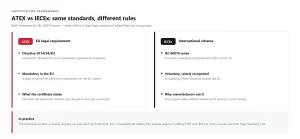
IECEx is the international equivalent of ATEX, based on the same underlying IEC 60079 series of standards, but it operates as a global certification scheme rather than an EU directive.
The technical content of ATEX and IECEx is closely aligned, since both reference the same IEC standards. The practical difference is scope and recognition. ATEX certification is a legal requirement for equipment placed on the EU market. IECEx is a voluntary international scheme that many countries outside the EU recognize, which makes it useful for manufacturers selling into multiple regions without repeating full testing in each one. A product can hold both certifications, and for a manufacturer targeting global hazardous-area markets, that is the more common approach than choosing one.
Why Do Standard Lithium Batteries Need Special Certification for Hazardous Areas?
Standard lithium batteries need special certification because their normal operation, charging, and failure modes all involve potential ignition sources that are unacceptable in a classified zone.
A conventional lithium battery is not inherently dangerous, but it is not built with hazardous-area ignition prevention in mind either. Relevant risk factors include:
- Sparking at connectors during connection or disconnection
- Surface temperatures that can exceed the ignition temperature of some gases during heavy discharge or fault conditions
- Off-gassing during a thermal event, which itself needs to be contained rather than vented into a classified atmosphere
- Charging equipment, which introduces its own ignition risk separate from the battery
Hazardous-area certification addresses these specifically, through enclosure design, component selection, and testing, rather than through the battery chemistry alone.
This is why an otherwise well-built industrial lithium battery with UL or CE marking is not the same thing as an ATEX or IECEx certified one. Those are different certification frameworks addressing different risks.
How Are Explosion-Proof Lithium Batteries Actually Designed?
Explosion-proof lithium batteries for hazardous areas typically rely on one of two engineering approaches: containing a potential ignition inside a flameproof enclosure, or eliminating the ignition energy in the first place through intrinsic safety design.
- Flameproof enclosures (Ex d) are built to contain an internal explosion and prevent it from propagating to the surrounding atmosphere, even if ignition occurs inside the housing.
- Intrinsically safe design (Ex i) limits the electrical energy in a circuit so it is too low to provide an ignition source under normal or specified fault conditions, commonly used for smaller, lower-power devices.
- Pressurization (Ex p) keeps a protective gas inside the enclosure at a pressure above the surrounding atmosphere, preventing flammable gas from entering.
- Increased safety (Ex e) relies on design and construction measures that reduce the likelihood of arcs, sparks or excessive temperatures under normal operation.
For a full battery pack used to power a vehicle, the protection method usually extends to the charging arrangement as well, since an unprotected charger sitting in the same zone can undermine an otherwise certified battery.
What Hazardous Area Zones Require Certified Equipment?
Hazardous areas are classified by how often and how long an explosive atmosphere is present, and the zone determines what level of certification is required.
| Zone | Atmosphere Type | Frequency of Hazard |
|---|---|---|
| Zone 0 | Gas, vapor, mist | Continuously or for long periods |
| Zone 1 | Gas, vapor, mist | Likely to occur in normal operation |
| Zone 2 | Gas, vapor, mist | Not likely, or only for short periods |
| Zone 20 | Combustible dust | Continuously or for long periods |
| Zone 21 | Combustible dust | Likely to occur in normal operation |
| Zone 22 | Combustible dust | Not likely, or only for short periods |
A battery certified for Zone 2 is generally not automatically suitable for Zone 1, and gas-zone certification does not automatically cover dust-zone (20/21/22) requirements. This is one of the most common specification errors: assuming a single certificate covers every zone in a facility.
Common Misconceptions About Lithium Batteries in Hazardous Areas
A few assumptions come up repeatedly and are worth addressing directly.
“It’s lithium, so it’s already safer for hazardous areas.” LiFePO4 chemistry is more thermally stable than some other lithium chemistries, which is a genuine safety advantage in general industrial use. It has no bearing on whether the battery has been tested and certified for a specific Ex zone.
“UL certification covers hazardous areas too.” UL 2580, commonly cited for industrial lithium batteries, addresses electric vehicle battery safety. It is a different certification from ATEX or IECEx and does not substitute for it.
“One certificate covers the whole product range.” Certification is typically tied to a specific model, voltage, capacity and enclosure configuration. A supplier’s ATEX approval for one battery size does not automatically extend to a different variant.
What Should You Ask a Supplier Before Buying an ATEX/IECEx Battery?
Before treating any hazardous-area claim as sufficient for procurement, verify the following directly against the certificate, not the marketing material:
- Which specific model and configuration the certificate covers, by part number
- Which zone(s) the certification applies to, gas or dust, and which group
- Which protection method was used (flameproof, intrinsically safe, pressurized, or increased safety)
- Whether the certificate is current and issued by a recognized notified body or IECEx certification body
- Whether the charger is separately certified for use in the same zone
- Whether the certificate covers the complete battery system or only individual cells
- What temperature class (T-rating) the equipment is certified for, relative to the gases or dusts present at your site
- Whether local additional requirements apply (some countries require supplementary national certification alongside IECEx)
A supplier that can produce the certificate number and the specific configuration it covers is giving you something you can verify independently through the issuing body’s public database. A general statement that products are “ATEX compliant” without that detail is not sufficient for a compliance file.
What to Evaluate When Planning for Hazardous-Area Lithium Power
For a facility planning to introduce lithium-powered equipment into a classified zone, the practical starting point is the same regardless of chemistry or supplier:
- Get a current zone classification study for the specific area, not an assumption based on similar facilities
- Identify the gas group, dust group, and temperature class relevant to the substances actually present
- Decide whether equipment needs to operate continuously in the zone or only pass through it briefly, which affects which zone rating actually applies
- Build the charging infrastructure requirement into the same specification, since an uncertified charger in a certified zone defeats the purpose
- Request certificate numbers in writing and verify them against the issuing body’s public register before purchase
None of this is unique to lithium. It is the same due diligence required for any electrical equipment entering a classified area, and it applies regardless of which manufacturer’s name is on the battery.
Practical Takeaway
ATEX and IECEx certification is specific, testable, and non-transferable between product variants. The chemistry of a battery, lithium or otherwise, tells you almost nothing about whether it is approved for a hazardous area. The certificate number, the zone it covers, and the protection method used are what matter, and they are worth verifying independently before any equipment enters a classified zone.
FAQ
What does ATEX certification mean for a battery?
ATEX certification means the battery has been tested and approved under EU Directive 2014/34/EU for use in a specific classified hazardous area. It specifies the zone, gas or dust group, and protection method the equipment covers. It is legally required for equipment placed on the EU market for use in explosive atmospheres.
What is the difference between ATEX and IECEx?
ATEX is an EU directive and a legal requirement within the European Union. IECEx is a voluntary international certification scheme based on the same underlying IEC 60079 standards, recognized by many countries outside the EU. A product can hold both, and doing so is common for manufacturers selling into multiple global markets.
Can a lithium battery be used in a Zone 1 or Zone 2 hazardous area?
Only if the specific battery model and its charging system have been tested and certified for that zone. Lithium chemistry alone does not qualify a battery for hazardous-area use. Certification is tied to enclosure design, protection method and the specific product configuration, not to the battery chemistry.
Why do lithium batteries need special design for explosive atmospheres?
Standard lithium batteries can produce sparks at connectors, elevated surface temperatures under heavy load, and off-gassing during a thermal event, any of which can act as an ignition source in a classified atmosphere. Hazardous-area certified batteries address these risks through flameproof enclosures, intrinsically safe circuit design, or pressurization, which standard industrial batteries are not built or tested for.
What is an intrinsically safe battery?
An intrinsically safe battery limits the electrical energy in its circuits so that it cannot generate a spark or surface temperature capable of igniting a specified explosive atmosphere, even under fault conditions. It is one of several recognized protection methods under ATEX and IECEx, generally used for lower-power applications, alongside flameproof and pressurized enclosure designs.
Related Product Recommendations
-

25.6V 230AH
24 Volt Forklift Battery for Sale 230Ah High-Endurance Lithium | BSLBATT
Learn More -
25.6V 100AH
24V Forklift Lithium Battery 100Ah Compact Energy Solution | BSLBATT
Learn More -
38.4V 690AH
36 Volt Forklift Battery 690Ah Lithium-ion Solution for Reach Trucks & Class I Fleets | BSLBATT
Learn More -
51.2V 504AH
48V Industrial Forklift Batteries Massive 504Ah Lithium Powerhouse | BSLBATT
Learn More -
80V 410AH
80V 410Ah Lithium Ion Battery for Airport Luggage Machine | BSLBATT
Learn More