

Revolutionize the energy economy with advanced lithium-ion battery technology—lower costs, reduce heat, and accelerate sustainable development.
 Explore all product lines
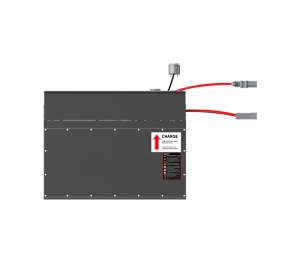
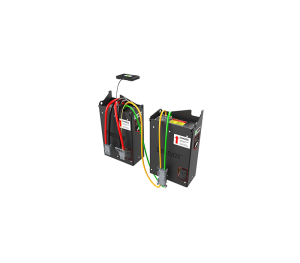
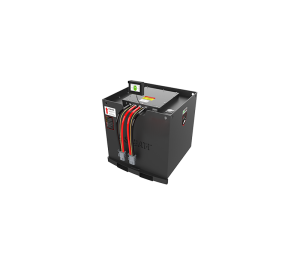
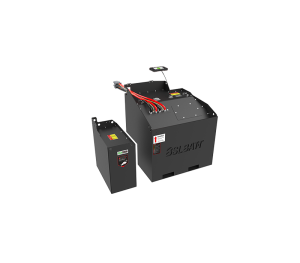
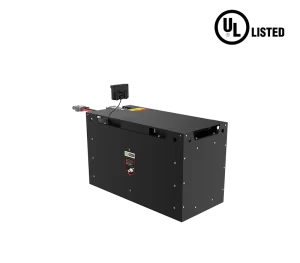
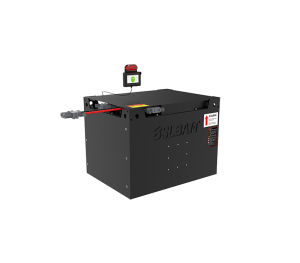
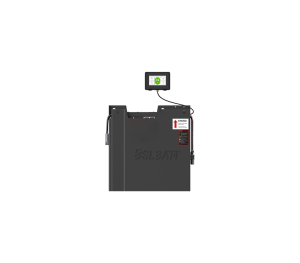
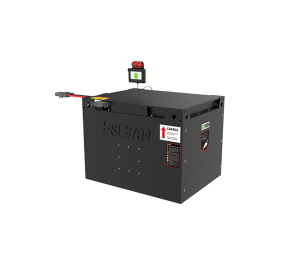
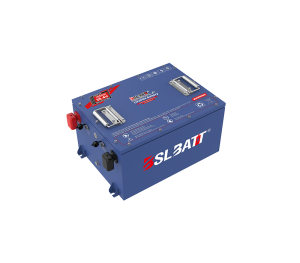
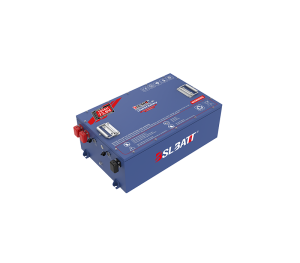
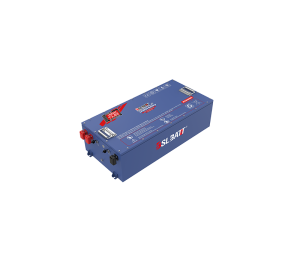
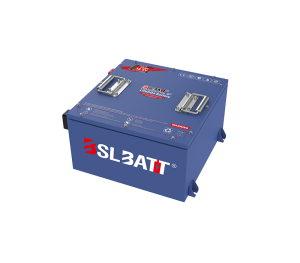
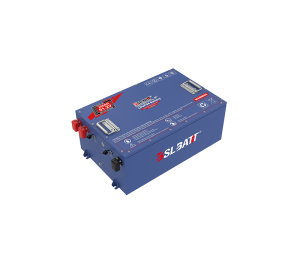
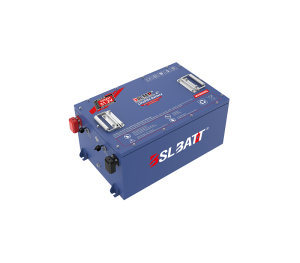
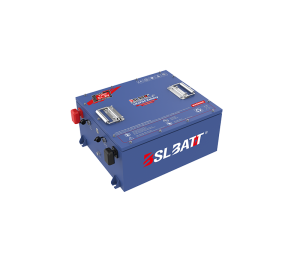
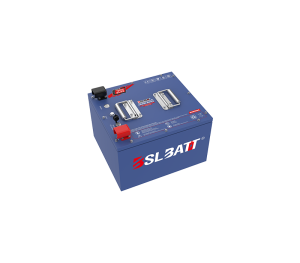
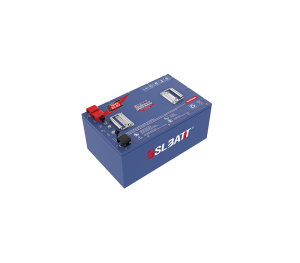
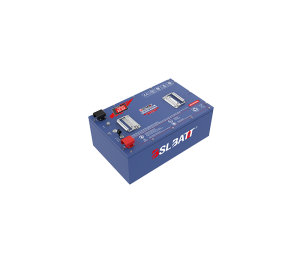
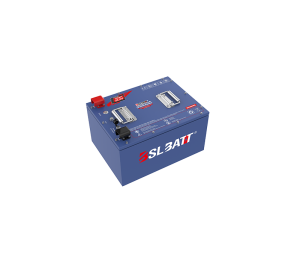
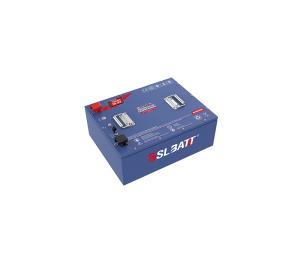
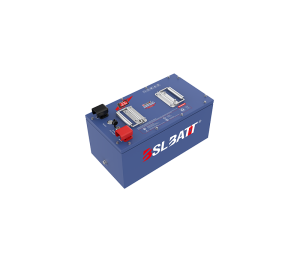
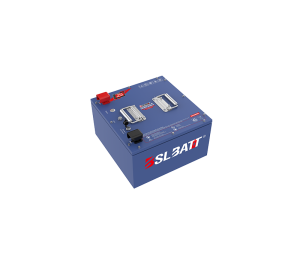
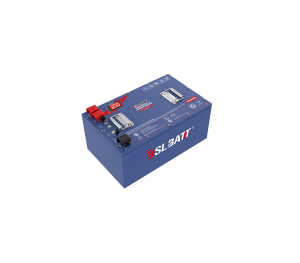
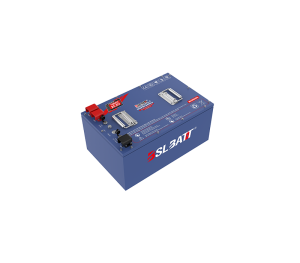
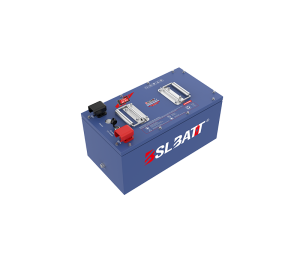
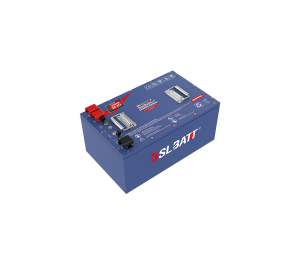
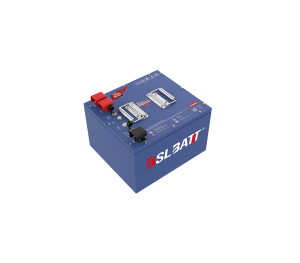
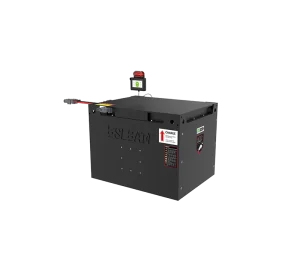
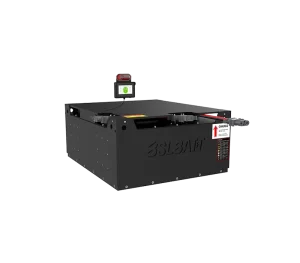


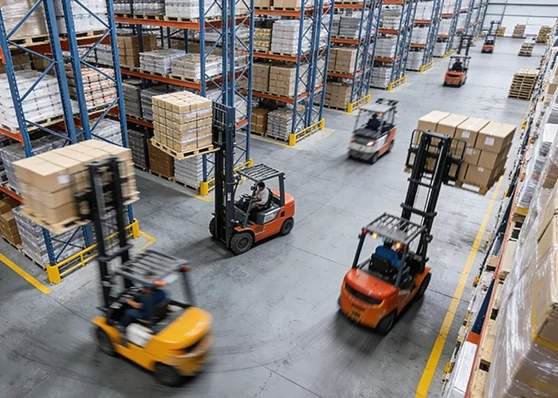





- Specialty Forklift Manufacturers and BSLBATT Lithium Battery Solutions
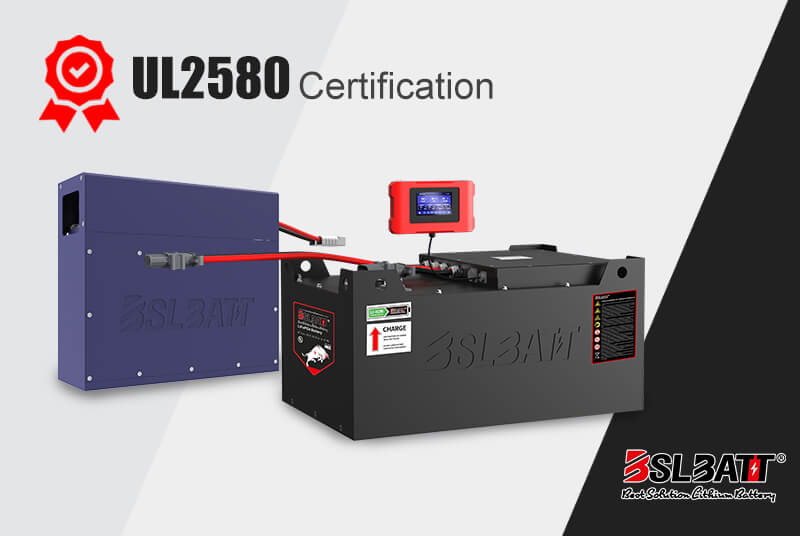
- The first lithium forklift battery that is UL 2580 certified and ISO9001 certified in the industry is BSLBATT® Battery – Industrial
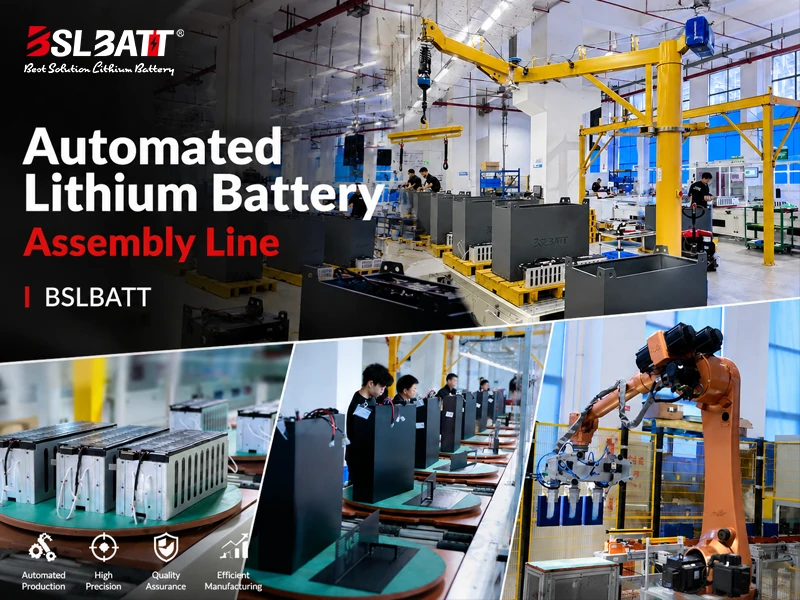
- Automated Lithium Battery Assembly Line | BSLBATT Smart Factory
- Time to Retire Lead-Acid: Why Your Warehouse Needs Lithium-Ion Power
- Lithium Forklift Battery Maintenance Guide 2026
- Industrial Lithium Batteries: Initial Price vs. Long-Term Costs
Explosion-Proof Forklifts
Explosion Proof Battery for Forklifts: What Industrial Buyers Need to Know
Table of contents

- What Is an Explosion Proof Battery?
- Why Forklift Batteries Require Special Consideration in Hazardous Environments
- Can Lithium Batteries Be Used in Potentially Explosive Environments?
- What Makes an Explosion Proof Forklift Battery Different?
- Explosion Proof vs. Intrinsically Safe: What Is the Difference?
- What Standards and Certifications Should Buyers Check?
- Can You Use a Standard Lithium Forklift Battery in a Hazardous Area?
- A Practical Checklist for Choosing an Explosion Proof Battery
- How Lithium Technology Can Improve Forklift Operations
- How BSLBATT Supports Industrial Lithium Battery Applications
- Choosing the Right Battery for a Hazardous Environment
- Frequently Asked Questions
A forklift running shifts in a standard distribution center faces a fairly ordinary set of risks: pinch points, traffic patterns, load stability. A forklift working in a paint booth, a grain elevator, a chemical blending area, or a fuel storage terminal faces something else entirely. In those environments, a stray spark, an overheated connector, or a poorly sealed enclosure can be the difference between a routine shift and an incident report. That’s why battery selection in these settings isn’t just a procurement decision — it’s part of the facility’s overall safety strategy.
This is where the term explosion proof battery comes up constantly in vendor conversations, RFQs, and safety audits. It’s also one of the most misunderstood terms in the industrial battery world. Buyers often assume it means one specific, universally recognized thing. It doesn’t. What it means — and whether a given battery actually qualifies — depends on engineering, certification, and the specific hazardous area it’s going into. This article walks through what fleet managers, safety officers, and procurement teams actually need to understand before specifying a battery for hazardous-area forklift operations.
What Is an Explosion Proof Battery?
An explosion proof battery is a battery system engineered and enclosed so that it will not ignite flammable gases, vapors, or combustible dust in the surrounding atmosphere, even if an internal fault — such as a spark or arc — occurs inside the enclosure.
That’s the general definition. In practice, “explosion proof” is a design philosophy applied to electrical equipment operating in classified hazardous locations, and it’s implemented differently depending on which regulatory framework applies. In North America, the National Electrical Code (NEC) and NFPA standards define explosion-proof enclosures for use in Class I, Division 1 and 2 locations. In Europe and much of the rest of the world, similar protection concepts fall under the ATEX directive and IECEx scheme, though the terminology and testing methods aren’t identical.
The important point for buyers: a battery marketed as “explosion proof” is not automatically suitable for every hazardous area. Suitability depends on the specific hazard classification of the site (gas group, temperature class, zone or division), the design of the battery enclosure, the certification body that tested it, and how the battery integrates with the rest of the forklift’s electrical system. A battery that’s appropriately rated for one type of combustible dust environment may not be rated for a different gas group or a higher-risk zone. This is a case where the label on a spec sheet is only the starting point of the conversation, not the end of it.
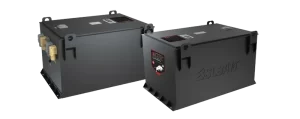
Why Forklift Batteries Require Special Consideration in Hazardous Environments
Forklift batteries sit at the center of several risk factors that don’t exist — or exist at a much lower level — in a conventional warehouse.
Electrical sparks and arcing. Battery terminals, connectors, and charging contacts all carry current, and any loose or corroded connection is a potential spark source. In an area with flammable vapors or combustible dust, that spark source becomes a genuine ignition risk rather than a maintenance annoyance.
Overheating and thermal events. Batteries generate heat during charging and heavy discharge cycles. In a facility where ambient temperatures are already elevated, or where dust accumulation can insulate a battery pack and trap heat, thermal buildup becomes harder to manage and harder to detect early.
Damaged cables or connectors. Forklifts operate in physically demanding conditions — dock plates, uneven floors, tight racking. A cracked cable jacket or a cracked connector housing that would be a minor issue in a general warehouse becomes a potential ignition path in a classified area.
Charging equipment. The battery itself is only one part of the electrical circuit. The charger, the charging cables, and the connection point all need to meet the same hazardous-area requirements as the battery, or the weakest link in that chain determines the actual risk level.
Maintenance activity. Battery watering, terminal cleaning, and connector inspection all involve opening up enclosures or exposing conductive surfaces. Maintenance procedures that are perfectly fine in a normal environment can introduce risk in a classified area if they aren’t adapted to it.
Ambient gas or dust conditions. The presence, concentration, and behavior of flammable gases or combustible dust in a facility changes seasonally, by process step, and by ventilation performance. A facility’s hazardous classification is not a fixed, one-time label — it reflects an assessment that should be revisited as operations change.
The battery is one component in a larger safety system that includes the forklift itself, the charging infrastructure, facility ventilation, and operational procedures. Treating the battery as the sole safeguard misses the bigger picture.
Can Lithium Batteries Be Used in Potentially Explosive Environments?
Lithium battery technology, particularly LiFePO4 (lithium iron phosphate) chemistry, offers some inherent advantages over traditional lead-acid batteries — including a sealed design that eliminates the hydrogen gas venting associated with lead-acid charging, and a chemistry that is generally more thermally stable than other lithium formulations like NMC.
But “lithium batteries can offer advantages” is not the same claim as “lithium batteries are automatically safe for hazardous areas.” Suitability for a potentially explosive environment depends on:
- The specific battery engineering (cell chemistry, BMS design, protection circuits)
- The physical enclosure and ingress protection rating
- How the battery is installed and integrated into the forklift
- Compliance with the hazardous-area classification of the specific site
A LiFePO4 battery that performs well in a standard warehouse doesn’t automatically become suitable for a Zone 1 gas environment just because the chemistry is considered safer than alternatives. The chemistry is one input into a much larger engineering and compliance picture, not a substitute for it.
What Makes an Explosion Proof Forklift Battery Different?
Compared to a standard industrial lithium forklift battery, an explosion proof forklift battery — or one designed for use in hazardous-area applications — typically incorporates a more rigorous set of protective features:
- Battery Management System (BMS) with continuous cell-level monitoring, not just pack-level oversight
- Temperature monitoring at multiple points within the pack, with defined thresholds for warning and shutdown
- Overcharge and over-discharge protection built into the charging and discharging control logic
- Short-circuit protection at both the cell and pack level
- Cell balancing and monitoring to catch early signs of degradation or imbalance before they become a fault condition
- High-quality, consistently manufactured cells with tight tolerances, reducing the likelihood of internal defects
- Sealed or reinforced enclosures rated for the ingress of dust and moisture appropriate to the operating environment
- Protected connectors and cabling, reducing the chance of exposed conductive surfaces
- Thermal management to prevent localized hot spots during charging or heavy-duty cycling
- Mechanical protection against impact, vibration, and the general physical abuse forklifts absorb daily
- Fault detection and isolation logic, so that an abnormal condition triggers a controlled shutdown rather than continued operation
It’s worth being direct about one thing: these features, individually or even collectively, do not automatically make a battery “explosion proof” in the regulatory sense. They are the engineering building blocks that a manufacturer would need in place to pursue hazardous-area certification, and they meaningfully improve the safety profile of a battery in general use. But certification is a separate, formal process involving third-party testing against specific standards. A well-engineered battery and a certified explosion-proof battery are related but not identical things, and buyers should not conflate the two.
Explosion Proof vs. Intrinsically Safe: What Is the Difference?
These two terms get used interchangeably in casual conversation, but they describe different protection concepts, and the distinction matters for compliance purposes.
Explosion proof (sometimes called “flameproof” outside North America, under IECEx/ATEX Ex d protection) refers to equipment designed so that if an internal explosion occurs inside the enclosure — from a spark igniting gas that has seeped in — the enclosure contains that explosion and prevents it from igniting the surrounding atmosphere. The equipment can still spark internally; the enclosure is built to contain the consequences.
Intrinsically safe (Ex i protection) is a different approach entirely. Rather than containing a potential explosion, intrinsically safe design limits the electrical and thermal energy within a circuit to a level that is too low to ignite a specified hazardous atmosphere under normal or fault conditions in the first place. There’s no spark to contain, because the energy available in the circuit is deliberately kept below the ignition threshold.
For forklift batteries — which store and deliver substantial energy to run traction motors and hydraulic systems — intrinsically safe design in the strict sense is rarely practical for the main power circuit. It’s more commonly applied to specific low-energy control circuits, sensors, or instrumentation within a larger system. Explosion-proof and other containment-based protection concepts (like increased safety, Ex e, or encapsulation, Ex m) tend to be more relevant to the main battery and power delivery components.
The practical takeaway: don’t assume these terms are interchangeable on a spec sheet, and don’t assume a supplier’s use of one term automatically implies the other. Ask directly which protection concept applies to which part of the system, and verify it against the specific standard being referenced.
What Standards and Certifications Should Buyers Check?
Certification requirements vary by country, region, hazardous area classification, and equipment type, so there’s no single checklist that applies everywhere. That said, buyers evaluating a forklift battery for hazardous-area use should be familiar with the main frameworks they’re likely to encounter:
- ATEX — the European Union directive governing equipment used in potentially explosive atmospheres, defining zones (0, 1, 2 for gas; 20, 21, 22 for dust) and equipment categories.
- IECEx — the International Electrotechnical Commission’s certification scheme, widely recognized outside the EU and often used as a basis for mutual recognition between countries.
- UL standards — including UL 2580, which addresses safety of batteries for use in electric vehicles including industrial trucks, and separate UL standards specific to hazardous location equipment in North America.
- Local electrical and workplace safety regulations — OSHA requirements in the US, equivalent workplace safety authorities elsewhere, and any facility-specific permit-to-work systems for hazardous areas.
- Hazardous area classification — the site-specific study (often performed by a qualified engineer or the facility’s safety team) that determines which zones or divisions apply where, based on the actual materials handled and processes in place.
One distinction is worth stating plainly because it gets missed often: a certified battery does not automatically mean the entire forklift is certified for hazardous-area use. The truck’s motor, controller, wiring, lighting, and any other electrical components all need to meet the same classification requirements. A hazardous-area-rated battery installed in a forklift that isn’t otherwise rated for that environment doesn’t solve the underlying compliance problem — it just shifts where the gap is. System-level certification, covering the complete vehicle as installed and operated, is what actually determines whether the equipment is suitable for the space.
Can You Use a Standard Lithium Forklift Battery in a Hazardous Area?
Not automatically. This is one of the most common and most costly misunderstandings in fleet procurement.
A standard industrial lithium forklift battery — even a well-built one with a strong BMS and solid safety record in general warehouse use — is not certified for hazardous locations unless it has gone through the specific testing and certification process for that use case. Installing a standard battery in a classified area, even temporarily, can create compliance exposure and genuine safety risk, regardless of how reliable that battery is under normal conditions.
Consider a practical example: a beverage distributor operates a fleet of standard lithium forklifts across several warehouses. One site adds an area for storing and blending cleaning chemicals, and that area gets reclassified by the facility’s safety team as a Zone 2 hazardous location due to solvent vapors. If forklifts need to enter that zone — even briefly, for pallet movement — the fleet manager can’t simply assume the existing lithium batteries are fine because “lithium is safer than lead-acid.” The battery, the charger, the truck’s electrical system, and the classification of the specific zone all need to be reviewed together. In many cases, the answer is a dedicated, appropriately certified vehicle for that zone, kept separate from the general fleet, rather than modifying existing equipment.
The certification, the installation, the charging system, and the connectors all need to align with the classification of the space. Skipping any one of those steps defeats the purpose of the others.
A Practical Checklist for Choosing an Explosion Proof Battery
Before specifying a battery for a hazardous-area application, it helps to work through a structured set of questions rather than relying on a single spec sheet claim:
- What hazardous materials are actually present in the operating area — flammable gas, vapor, or combustible dust?
- What is the hazardous area classification (zone, division, gas group, temperature class) as determined by the facility’s safety assessment?
- Does the entire forklift need to meet a specific hazardous-area standard, or only certain components?
- Is the battery itself certified for the intended environment, and by which certification body?
- Does the charger also require hazardous-area approval, and is it certified for the same classification as the battery?
- How is battery temperature monitored, and at what threshold does the system respond?
- What happens if the battery’s protection system detects an abnormal condition — does it shut down, isolate, alert an operator, or some combination?
- Who is responsible for system-level integration and certification — the battery manufacturer, the forklift OEM, or a third-party integrator?
- What maintenance procedures are required, and do they need to be adapted for hazardous-area work permits?
- Has the site’s hazardous classification been reviewed recently, and does it reflect current operations?
Working through this list with both the battery supplier and the facility’s safety officer before purchase avoids the expensive mistake of buying equipment that doesn’t actually solve the compliance problem it was bought for.
How Lithium Technology Can Improve Forklift Operations
Setting hazardous-area compliance aside for a moment, lithium battery technology has changed how fleet managers think about forklift uptime and total cost of ownership, and it’s worth understanding these benefits on their own terms.
Opportunity charging — topping up a battery during breaks rather than committing to a full charge-and-cool cycle — lets a single lithium battery support a truck through multiple shifts without a battery swap. That reduces the need for spare batteries and the labor associated with changing them. Lithium packs also don’t require watering, which removes a recurring maintenance task and the associated exposure to battery acid. Voltage stays more consistent across the discharge curve compared to lead-acid, which can translate into steadier lift performance late in a shift. And a well-designed BMS gives fleet managers visibility into state of charge, cycle count, and cell health, supporting better maintenance planning and replacement forecasting.
These are real operational advantages. They’re just a separate question from hazardous-area compliance. A battery that improves uptime and reduces maintenance in a standard warehouse doesn’t inherit hazardous-area suitability from those same features. Operational performance and safety certification are evaluated on different criteria, and buyers should keep both conversations distinct even when talking to the same supplier.
How BSLBATT Supports Industrial Lithium Battery Applications
BSLBATT has been designing lithium battery systems for material handling and industrial equipment since 2012, working across Class I, II, and III forklift categories as well as heavy-duty and specialty truck applications. The company’s engineering work centers on the fundamentals that matter for any industrial lithium application: BMS integration, cell-level monitoring, temperature management, and protective enclosure design tailored to the equipment it’s built for.
For fleets weighing a move from lead-acid to lithium, or evaluating what a hazardous-area application would actually require, BSLBATT’s team can walk through the specifics of a given forklift model, voltage and capacity requirements, duty cycle, and the operating environment involved — including charger compatibility and integration for the battery system in question. That conversation is the right starting point regardless of whether the end result is a standard lithium upgrade or a more specialized hazardous-area project, since the underlying questions about system design, certification scope, and operational requirements are the same either way.
If your fleet includes equipment operating near flammable gases, combustible dust, or other classified hazardous conditions, it’s worth discussing your specific site classification and compliance requirements directly with BSLBATT’s engineering team before finalizing a battery specification.
Choosing the Right Battery for a Hazardous Environment
There is no single, universal “explosion proof battery” that fits every industrial environment. The right solution depends on the specific hazardous area classification at your site, the design and certification of the battery itself, how that battery integrates with the forklift and charging system, and the regulatory framework that applies in your region — ATEX and IECEx in much of the world, UL and NEC-based classifications in North America, and local workplace safety rules layered on top.
Getting this right takes more than reading a product description. It takes a conversation between your safety team, your equipment supplier, and — where the application calls for it — a qualified hazardous-area engineer who can confirm the classification and certification scope for your specific site. If your operation is evaluating lithium battery options for forklifts running in or near classified areas, start that conversation early, bring your site classification documentation to the table, and treat the battery as one part of a system-wide safety review rather than a standalone purchase.
Frequently Asked Questions
What is an explosion proof battery? An explosion proof battery is a battery system designed and enclosed so that an internal electrical fault, such as a spark, cannot ignite flammable gases, vapors, or combustible dust in the surrounding atmosphere. Whether a specific battery qualifies depends on its certification, enclosure design, and the hazardous area classification it’s intended for — it is not a single universal standard.
Are lithium forklift batteries safe in hazardous environments? Lithium battery chemistry, particularly LiFePO4, offers a sealed design and generally stable thermal behavior compared to lead-acid alternatives. However, suitability for a hazardous environment depends on the specific battery’s engineering, protection systems, and certification — not on the chemistry alone.
Is an explosion proof battery the same as an intrinsically safe battery? No. Explosion proof (or flameproof) design contains an internal spark or explosion within a rugged enclosure. Intrinsically safe design limits the electrical energy in a circuit so that it’s too low to cause ignition in the first place. They’re different protection concepts, often applied to different parts of an electrical system.
Can a standard forklift lithium battery be used in an ATEX zone? Not without specific certification for that zone. A standard lithium battery, even a well-engineered one, is not automatically suitable for a classified ATEX zone unless it has been tested and certified for that particular hazardous area classification.
Does the battery need certification, or does the entire forklift need certification? Both need to be addressed. A certified battery installed in a forklift that isn’t otherwise rated for the hazardous area doesn’t resolve the compliance gap. The motor, wiring, controller, and other electrical components typically need to meet the same classification requirements as the battery.
What should I check before installing a lithium battery in a hazardous area? Confirm the site’s hazardous area classification, verify the battery’s specific certification against that classification, check whether the charger and connectors also require hazardous-area approval, and confirm who holds responsibility for system-level integration and certification.
Can a lithium battery charger create an ignition risk? Yes, potentially. Charging equipment carries current and generates heat, and if it isn’t rated for the hazardous classification of the area where it’s used, it can introduce the same spark or thermal risks as an uncertified battery. Charger compliance needs to be evaluated alongside the battery itself, not as an afterthought.
Related Product Recommendations
-
38.4V 690AH
36 Volt Forklift Battery 690Ah Lithium-ion Solution for Reach Trucks & Class I Fleets | BSLBATT
Learn More -
38.4V 820AH Lithium Forklift Battery
36V Lithium-ion Forklift Battery UL Certified 820Ah Power | BSLBATT
Learn More -
51.2V 460AH Lithium Forklift Battery
48V Forklift Battery for Sale UL Certified IP65 460Ah Lithium | BSLBATT
Learn More -
51.2V 504AH
48V Industrial Forklift Batteries Massive 504Ah Lithium Powerhouse | BSLBATT
Learn More -
83.2V 1380AH
80V Forklift Battery 1380Ah for Heavy-Duty Use | BSLBATT
Learn More