Revolutionize the energy economy with advanced lithium-ion battery technology—lower costs, reduce heat, and accelerate sustainable development.
 Explore all product lines
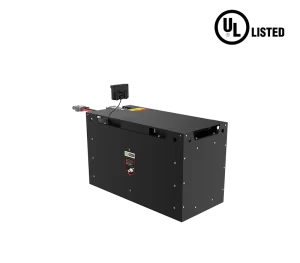
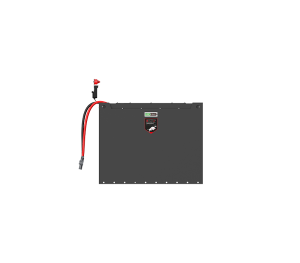
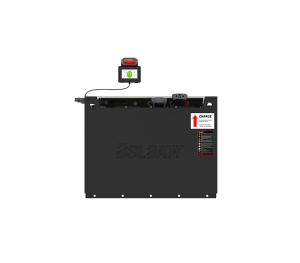
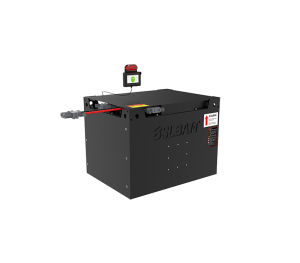
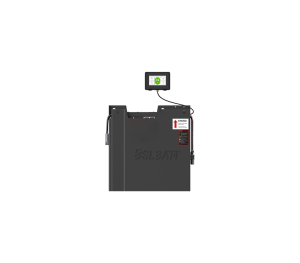
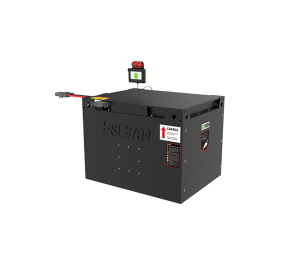
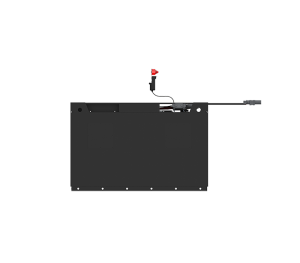
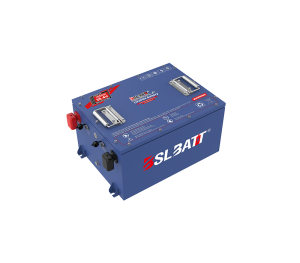
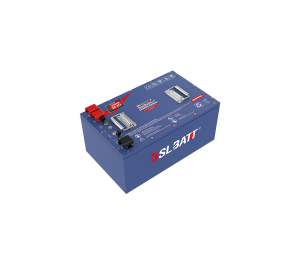
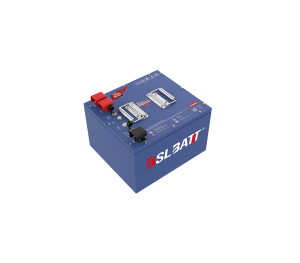
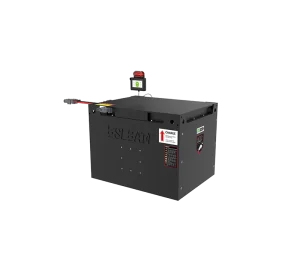
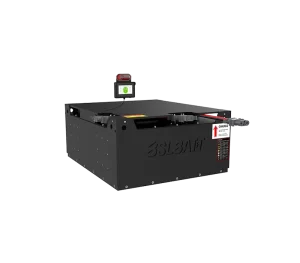







- Specialty Forklift Manufacturers and BSLBATT Lithium Battery Solutions
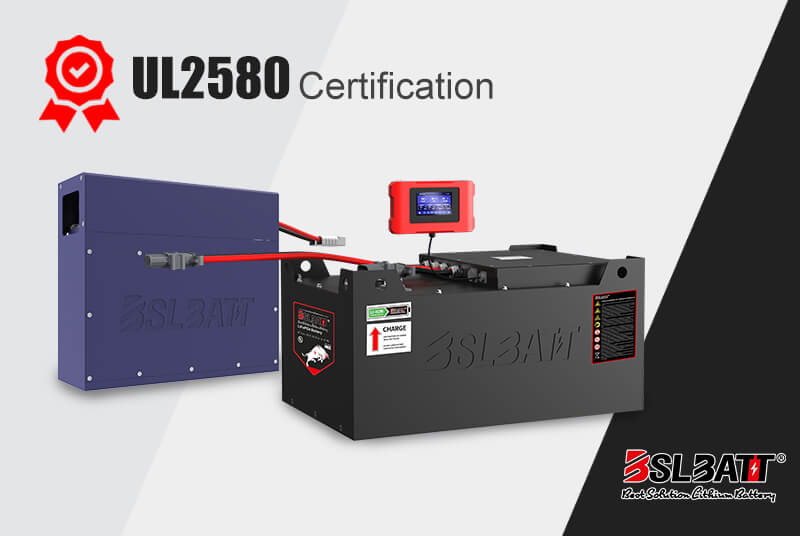
- The first lithium forklift battery that is UL 2580 certified and ISO9001 certified in the industry is BSLBATT® Battery – Industrial
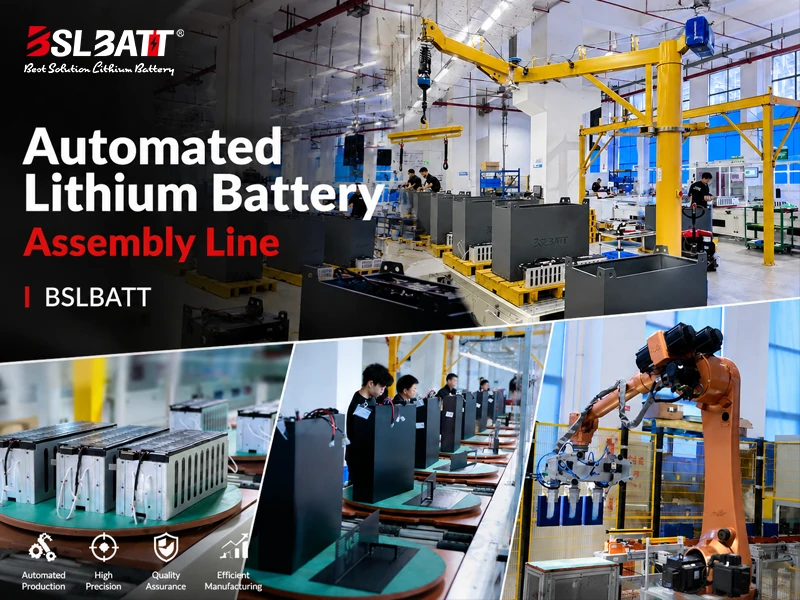
- Automated Lithium Battery Assembly Line | BSLBATT Smart Factory
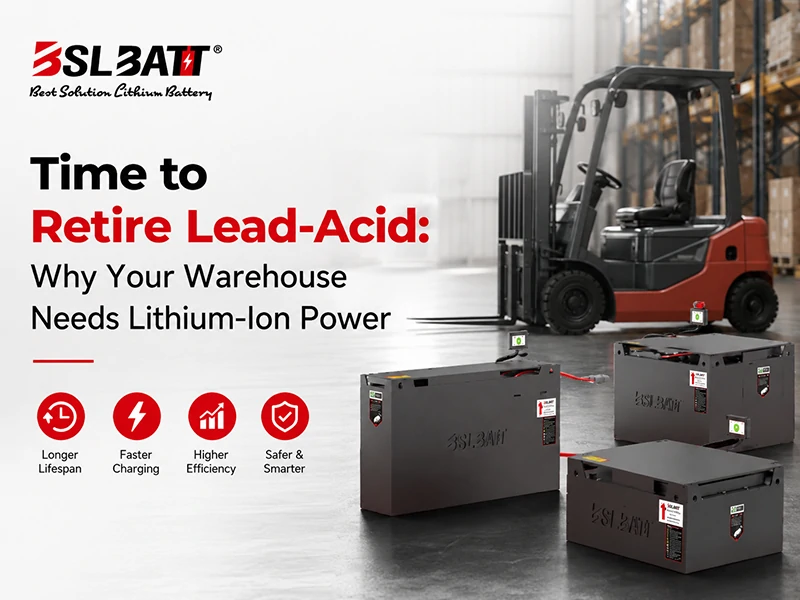
- Time to Retire Lead-Acid: Why Your Warehouse Needs Lithium-Ion Power
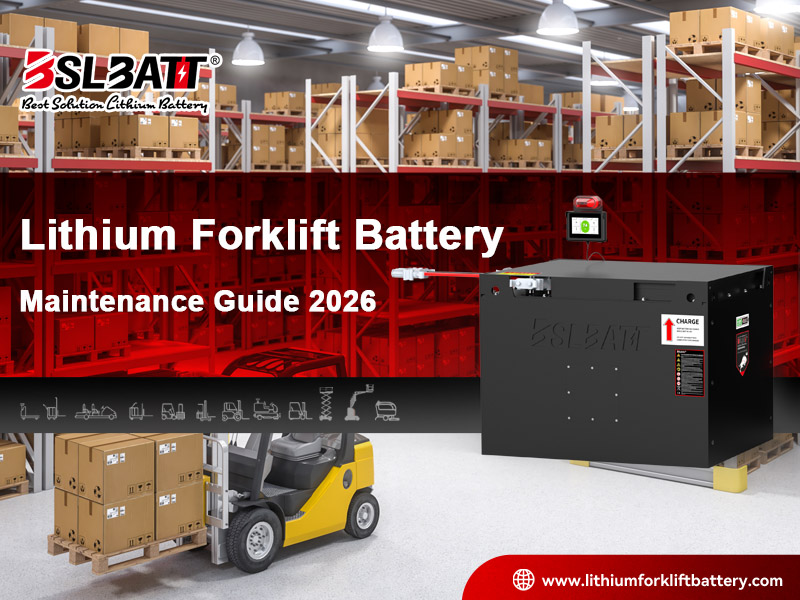
- Lithium Forklift Battery Maintenance Guide 2026
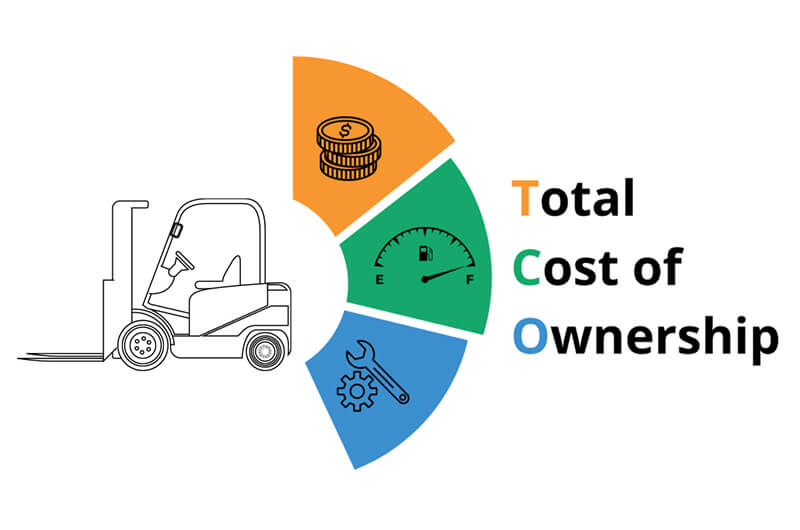
- Industrial Lithium Batteries: Initial Price vs. Long-Term Costs
GSE
Top 10 Global GSE Lithium Battery Manufacturers in 2026
Table of contents
- What Makes a Reliable GSE Lithium Battery Manufacturer?
- Complete Battery Pack Manufacturing Capability
- BMS and Communication Integration
- Safety Certifications
- Customization Capability
- Temperature Adaptability
- Charging Performance
- After-Sales Support
- Top 10 Global GSE Lithium Battery Manufacturers in 2026
- 1. BSLBATT
- 2. Discover Battery
- 3. Flux Power
- 4. OneCharge
- 5. EnerSys
- 6. Green Cubes Technology
- 7. Triathlon Battery Solutions
- 8. Flash Battery
- 9. Lithion Battery
- 10. Navitas Systems
- How to Choose the Right Lithium Battery Supplier for Airport GSE
- Battery Safety
- Total Cost of Ownership (TCO)
- Lifecycle Performance
- Charging Infrastructure
- Integration Capability
- Warranty and Technical Support
- Final Thoughts
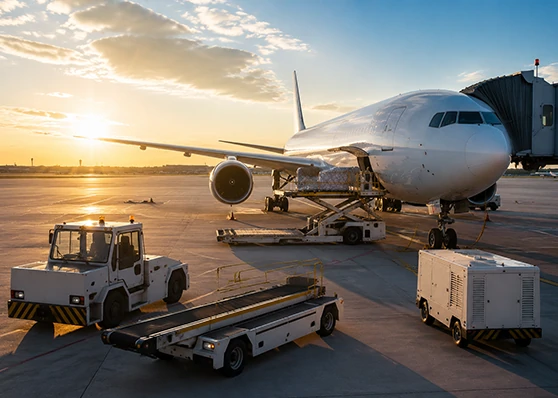
Airports have spent the last few years quietly rewriting their equipment procurement standards, and batteries are at the center of that shift. Lead-acid packs are still common on the ramp, but they are no longer the default choice when a ground handler or airline replaces a tow tractor, belt loader, or ground power unit. Lithium has become the practical option for a simple reason: it fits the way airports actually operate.
Ramp equipment does not run on a predictable schedule. It sits idle during a lull, then gets pushed hard during a bank of arrivals, then sits again. Lead-acid batteries handle that pattern poorly — they need full charge and cool-down cycles, they lose capacity if they are opportunity-charged, and they demand watering and equalization that most ground operations teams would rather not manage. Lithium iron phosphate (LFP) packs tolerate partial charging, recharge in a fraction of the time, and hold up over thousands of cycles instead of a few hundred.
That difference shows up directly in operating cost. Fewer battery swaps means less labor. No watering means less maintenance. Faster charging means a smaller battery can do the same job, which lowers the up-front price. And because most major airports and ground handling companies have public emissions targets, the sustainability case reinforces the financial one rather than competing with it.
None of that means every lithium battery supplier is a good fit for GSE. Airside equipment runs in a demanding environment — jet blast, temperature swings, vibration, tight turnaround windows — and the battery has to be engineered for that, not just adapted from a forklift catalog. This guide looks at the manufacturers that build complete GSE lithium battery systems, not raw cells, and outlines what airport operators and fleet managers should actually be evaluating before they sign a purchase order.
What Makes a Reliable GSE Lithium Battery Manufacturer?
Before comparing individual suppliers, it helps to define the criteria that separate a genuine GSE lithium battery manufacturer from a company that simply resells cells in a metal box.
Complete Battery Pack Manufacturing Capability
A qualified supplier designs and assembles the full pack — cells, module structure, wiring, enclosure, and thermal management — rather than sourcing a generic pack and relabeling it. This matters because GSE applications have unusual voltage, current, and mounting requirements that off-the-shelf packs rarely meet without modification.
BMS and Communication Integration
The battery management system (BMS) needs to do more than balance cells. For GSE, it should support CAN bus communication so the battery can talk to the vehicle controller, report state of charge accurately, and integrate with fleet telematics. Airports increasingly want visibility into battery health across an entire fleet, not just at the individual vehicle level.
Safety Certifications
UN38.3, UL2580, IEC 62619, and CE are the certifications buyers should expect to see documented, not just referenced in marketing copy. Airside operations also tend to require additional fire-safety documentation depending on the airport authority, so a supplier’s certification portfolio should be current and specific to the target market (further reading: why LFP chemistry, certifications, and fire suppression matter).
Customization Capability
Aircraft tow tractors, baggage tractors, belt loaders, and ground power units all have different voltage classes, physical footprints, and duty cycles. A manufacturer that can only offer fixed pack sizes will force compromises. The stronger suppliers work directly with OEMs or fleet operators to size packs around the actual equipment.
Temperature Adaptability
Ramp equipment operates outdoors, sometimes in climates that swing from sub-zero mornings to extreme heat by afternoon. Packs need effective heating and cooling strategies, not just a wide nominal operating range on a spec sheet.
Charging Performance
Fast charging and opportunity charging are the whole point of moving to lithium. A battery that cannot handle repeated partial charges without accelerated degradation defeats the purpose of the upgrade.
After-Sales Support
Airports do not have the luxury of long equipment downtime. Local service coverage, spare parts availability, and responsive technical support matter as much as the battery’s spec sheet, particularly for operators running fleets across multiple airports or countries.
Top 10 Global GSE Lithium Battery Manufacturers in 2026
The following companies were selected because they manufacture complete lithium battery systems suitable for direct installation into airport ground support equipment — not cell-level components. They are presented in no particular ranking order, since the right choice depends heavily on fleet size, budget, and regional service needs.
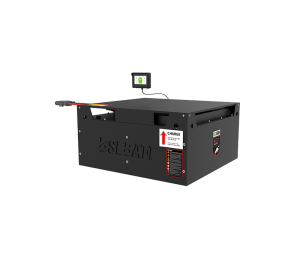
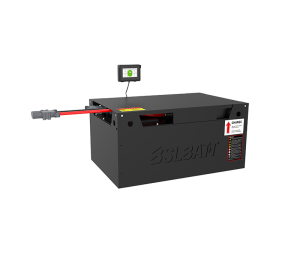
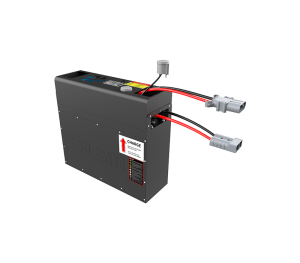
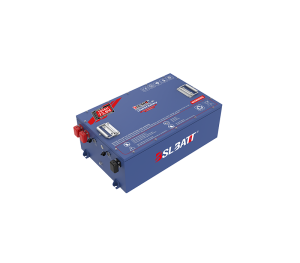
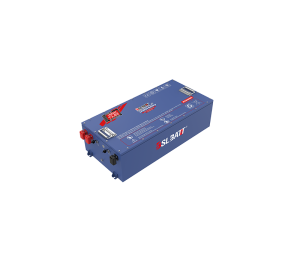
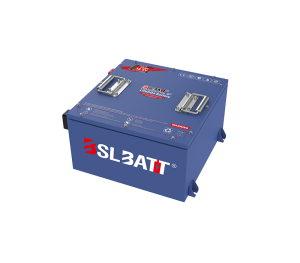
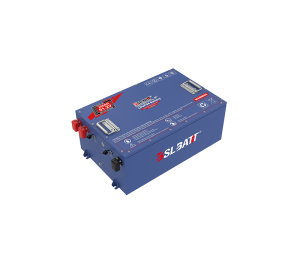
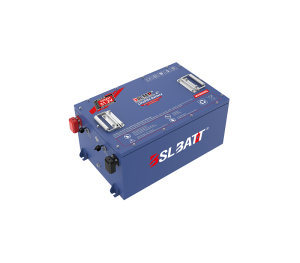
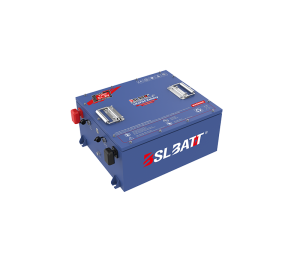
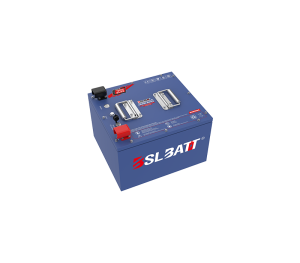
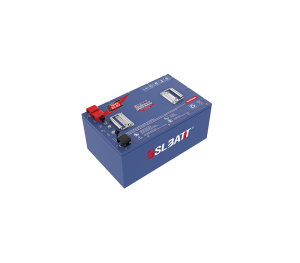
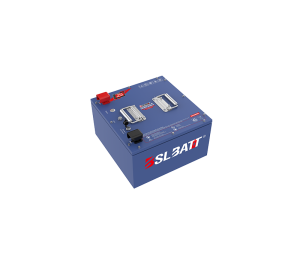
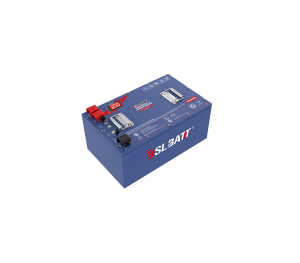
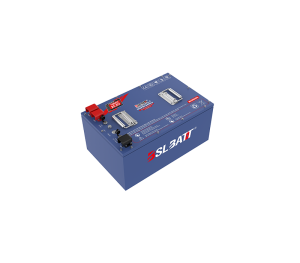
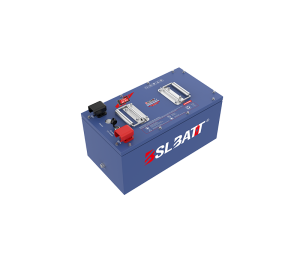
1. BSLBATT

Headquarters: China, with international sales and support operations serving North America, Europe, and other regions Main product focus: Complete lithium battery pack manufacturing for material handling, GSE, and specialty industrial vehicles
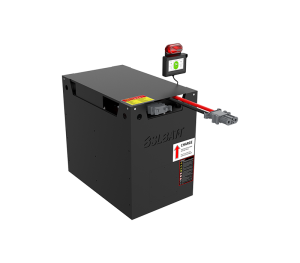
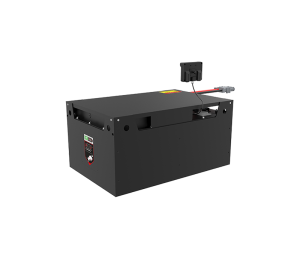
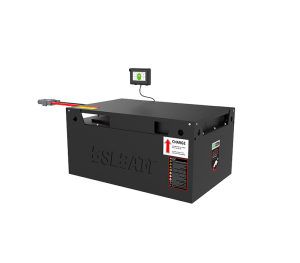
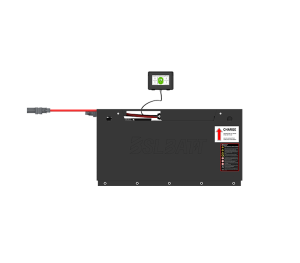
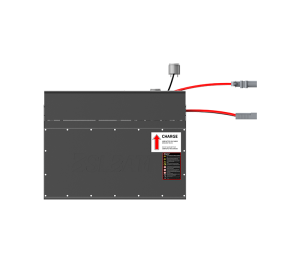
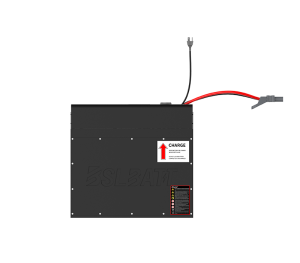
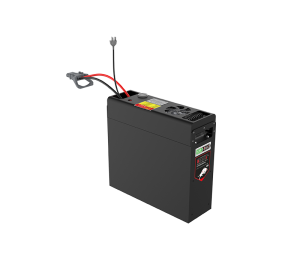
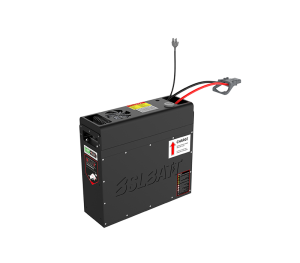
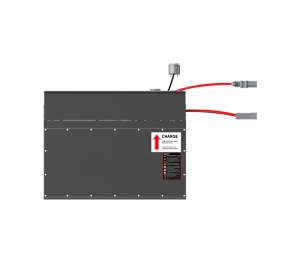
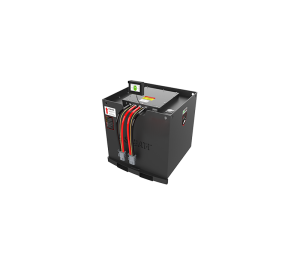
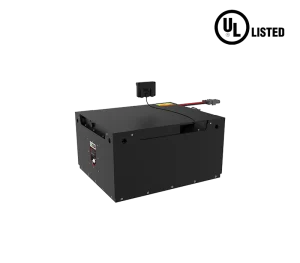
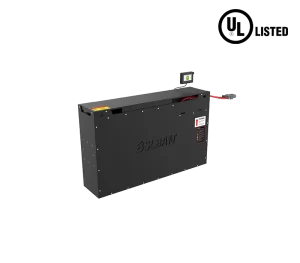
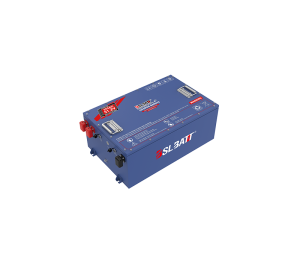
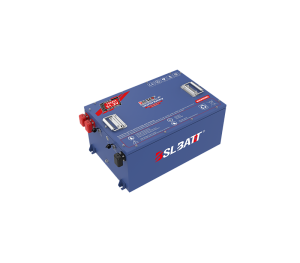
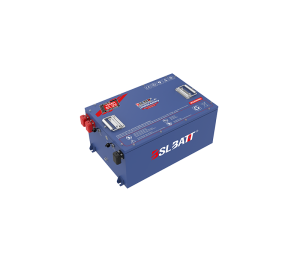
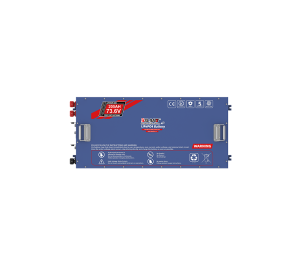
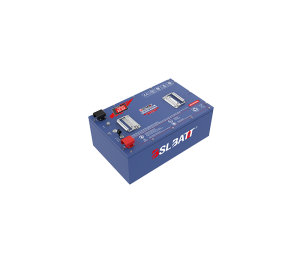
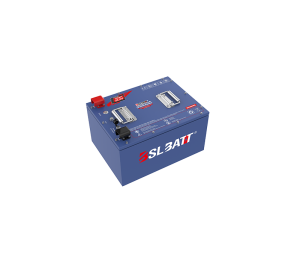
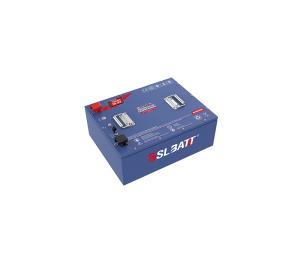
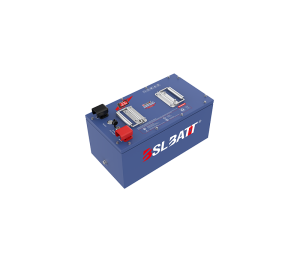
BSLBATT manufactures complete LiFePO4 battery packs rather than sourcing finished units from third parties, which gives it more flexibility to adjust pack architecture for individual GSE applications. Its GSE-specific product line covers a range of voltage and capacity configurations intended for aircraft tow tractors, baggage tractors, belt loaders, and other airside vehicles.
The battery packs include CAN bus communication and an intelligent BMS designed to handle real-time monitoring, along with protection against overcharge, deep discharge, and thermal extremes. Ingress protection is rated at IP65 or higher on GSE-oriented models, which matters given how much dust, moisture, and jet exhaust exposure ramp equipment sees over its service life.
Low-temperature operation is supported through an integrated heating function within the BMS, and charging times on most GSE packs fall in the one-to-three-hour range depending on capacity, which supports opportunity charging between flight turnarounds. On the certification side, BSLBATT packs carry UL certification and meet UN38.3 transport compliance requirements, giving buyers a verifiable third-party reference point when evaluating safety compliance. BSLBATT also offers OEM and ODM engagement for fleet operators or GSE manufacturers who need packs built around specific vehicle dimensions or voltage requirements, rather than adapting equipment to a fixed battery size.
Suitable customer types: GSE OEMs seeking a customization-focused pack supplier, ground handling companies retrofitting existing lead-acid fleets, and airport operators consolidating multiple equipment types under one battery platform.
2. Discover Battery

Headquarters: Vancouver, British Columbia, Canada (design and engineering), with manufacturing facilities in Korea, China, and Taiwan Main product focus: Lithium and advanced lead-acid battery systems for material handling and specialty vehicle markets, including GSE
Discover Battery has been in industrial and specialty power for more than 75 years, and its LiFePO4 line is purpose-built for mobile elevating work platforms, material handling, AGVs, and utility electric vehicles — applications that share the wide temperature range, internal self-heating, and high IP-rating requirements common to airside equipment.
The company’s lithium products carry UL and CE certification and meet UN38.3 transport compliance, and Discover works alongside customer engineering teams from early validation through commercialization, which is useful for OEMs trying to reduce integration risk.
Suitable customer types: Buyers who want full engineering support from design through production and value long-term supplier stability.
3. Flux Power

Headquarters: Vista, California, United States Main product focus: Lithium-ion battery packs sold under its GSE Pack product line for airport ground support equipment
Flux Power has developed a battery line specifically branded for airport ground support applications, covering baggage and luggage tugs, pushback tractors, and belt loaders. The company states it has supplied lithium-ion GSE packs to a top-five global airline, giving it real-world deployment experience at commercial airport scale rather than only pilot programs.
Flux Power’s packs are built around an in-house BMS platform, and the company markets its GSE line alongside broader industrial applications such as AGVs, aerial lifts, and floor scrubbers — useful for operators who want one supplier across several equipment categories within an airport’s broader ground operations.
Suitable customer types: Airlines and large ground handlers looking for a supplier with documented large-fleet airport deployments.
4. OneCharge

Headquarters: Garden Grove, California, United States Main product focus: Lithium-ion batteries primarily for the material handling and forklift market, with broader industrial applications
OneCharge built its reputation as one of the earliest dedicated lithium battery manufacturers for lift trucks in the U.S. market, offering a catalog of more than 650 drop-in battery models for various equipment makes. While its core business centers on forklifts and warehouse material handling rather than GSE specifically, the company’s engineering depth in LFP chemistry, BMS design, and OEM partnerships with major lift truck manufacturers such as Hyster-Yale, Crown, and Toyota make it a credible option for airport operators evaluating suppliers with a strong material handling pedigree and the ability to adapt packs to non-forklift applications.
Suitable customer types: Operators with mixed warehouse and ground equipment fleets who want to consolidate lithium battery sourcing under one established U.S. supplier.
5. EnerSys

Headquarters: Reading, Pennsylvania, United States Main product focus: Industrial battery and charger systems across multiple chemistries, including a dedicated ground support equipment product line
EnerSys is one of the most established names in industrial power, and it maintains a specific product portfolio for GSE covering belt loaders, aircraft pushbacks, bag tractors, and burden carriers. Historically, EnerSys built much of its GSE reputation on thin-plate pure lead (TPPL) technology rather than lithium, and its current GSE materials still emphasize that chemistry alongside lithium-ion offerings such as its NexSys iON line, which has achieved UL2580 certification.
For airports already running EnerSys chargers or infrastructure, evaluating its lithium-ion options can simplify vendor management, though buyers should confirm which specific product lines are lithium-based versus advanced lead-acid before assuming lithium coverage across the full GSE catalog.
Suitable customer types: Airports and airlines already standardized on EnerSys equipment or infrastructure who want to evaluate a lithium upgrade path with a known incumbent supplier.
6. Green Cubes Technology

Headquarters: Fishers, Indiana, United States (with additional global operations) Main product focus: Lithium-ion motive power batteries, including a GSE-specific product line
Green Cubes has been in battery design and manufacturing for decades, with roughly a decade of that focus specifically on motive power. The company launched a lithium-ion battery built specifically for GSE, using LFP chemistry and design features developed from its accumulated experience in adjacent industrial markets.
Its GSE-specific approach centers on matching a single battery to a single piece of equipment for the life of that battery, aiming to simplify fleet-level operations rather than juggling swap schedules. Green Cubes frames LFP’s safety and cycle-life advantages as central to its GSE pitch, which aligns with what most airport safety and procurement teams are already prioritizing.
Suitable customer types: Fleet operators who want a battery-to-vehicle pairing model rather than a battery-swap operation.
7. Triathlon Battery Solutions

Headquarters: Fürth, Germany (global group), with a U.S. subsidiary headquartered in Dallas, Texas since 2015 Main product focus: Lead-acid and lithium-ion industrial battery systems, chargers, and peak load management technology
Triathlon is one of Europe’s larger industrial battery manufacturers, with production facilities in Germany and additional sites across the U.S., UK, Australia, and France. The group covers both lead-acid and lithium-ion motive power, giving customers a transition path if they are moving a mixed fleet from one chemistry to the other over time rather than converting everything at once.
Triathlon’s scale and manufacturing footprint make it a reasonable fit for multinational ground handling companies or airport groups that need consistent battery specifications and service support across several countries.
Suitable customer types: International ground handling operators and airport groups managing fleets across multiple countries who want one supplier relationship spanning regions.
8. Flash Battery

Headquarters: Sant’Ilario d’Enza, near Reggio Emilia, Italy, with a U.S. subsidiary in Houston, Texas Main product focus: Customized lithium battery systems for industrial vehicles and airport ground support equipment
Flash Battery was founded in 2012 as Kaitek Srl and has grown into one of Italy’s largest lithium battery manufacturers, with products sold in more than 50 countries. The company has supported GSE OEMs and ground handlers since 2012, with a product range covering GPUs, tow tractors, pushback tractors, belt loaders, PRM lift platforms, and boarding stairs.
At the core of its batteries is a proprietary balancing technology called the Flash Balancing System, which keeps cells balanced over the battery’s life — rated at more than 4,000 cycles. The company’s catalog spans more than 350 battery types deployed across over 9,000 applications, and it has built its reputation on mid-volume, highly customized production runs, which lines up well with the “standard voltage, non-standard mounting” reality many GSE buyers run into. In 2023, Flash Battery opened a U.S. subsidiary in Houston to support North American customers directly and reduce time-zone response delays, and the company has explicitly named the airport market as a growth priority.
Suitable customer types: OEMs and ground handlers who want a highly customized battery program with direct engineering input from a European design team.
9. Lithion Battery

Headquarters: Henderson, Nevada, United States, with an operations center in Round Rock, Texas, and manufacturing facilities in the U.S. and Canada Main product focus: Vertically integrated LiFePO4 and lithium-ion cells, modules, and battery packs, with custom and standard pack programs for airport ground support equipment
Lithion Battery brings more than 20 years of experience designing and building lithium battery systems, and its GSE line covers aircraft pushback tugs, towbarless and conventional towbar-equipped tractors, baggage tractors, motorized belt loaders, airport dollies, and cargo trailers, extending into mobile and stationary ground power units (GPUs), pre-conditioned air units (PCA/PCUs), and passenger stair trucks.
As a vertically integrated manufacturer, Lithion produces its own cells, modules, and packs in-house, and follows Battery Council International (BCI) form factors so its batteries can serve as drop-in replacements for lead-acid systems without extensive vehicle modification. Its packs integrate a BMS with real-time monitoring of cell voltage, temperature, current, and state of charge. The company has been expanding domestic U.S. manufacturing capacity in recent years, which appeals to buyers looking to reduce reliance on overseas supply chains.
Suitable customer types: Airport operators and OEMs who want U.S.-based manufacturing along with custom pack engineering for specific GSE equipment types.
10. Navitas Systems

Headquarters: Woodridge, Illinois, United States, with an additional R&D and manufacturing center in Ann Arbor, Michigan Main product focus: Ruggedized lithium battery cells, modules, and packs for industrial, defense, and material handling applications, including its Starlifter line for material handling equipment
Navitas Systems has deep engineering roots in defense and government lithium battery programs, which translates into a strong emphasis on ruggedization, thermal management, and BMS sophistication. Since 2019 the company has operated as a subsidiary of East Penn Manufacturing, giving it access to East Penn’s established distribution and service network across North America.
Its Starlifter product line was developed for material handling rather than GSE specifically, but the underlying engineering — designed originally for demanding military and industrial environments — is relevant to airside applications that face similar vibration, temperature extreme, and duty-cycle challenges. Buyers interested in Navitas for GSE should engage directly to confirm current GSE-specific pack configurations and certifications.
Suitable customer types: Operators prioritizing rugged, defense-grade battery engineering and backed by an established North American parent company’s service network.
How to Choose the Right Lithium Battery Supplier for Airport GSE
Selecting among airport GSE battery suppliers comes down to a handful of practical questions that matter more than any single spec on a data sheet.
Battery Safety
Confirm current UL2580, UN38.3, and IEC 62619 certifications for the specific pack model under consideration, not just for the manufacturer’s product line in general. Ask how the BMS handles thermal runaway prevention and what happens operationally if a cell fault is detected mid-shift.
Total Cost of Ownership (TCO)
Purchase price is only part of the calculation. Factor in charging infrastructure costs, expected cycle life versus lead-acid replacement frequency, labor savings from eliminating watering and equalization, and warranty coverage length (see: initial price vs. long-term costs). A higher upfront cost often pencils out favorably once these are included over a five-to-ten-year equipment life.
Lifecycle Performance
Ask for real cycle-life data under partial-charge conditions specifically, since that is how GSE batteries are actually used. Manufacturer cycle-life claims based on full discharge-to-full-charge cycles do not always translate directly to opportunity-charging patterns.
Charging Infrastructure
Verify charger compatibility with existing airport electrical infrastructure and confirm whether the supplier’s chargers support the fast or opportunity charging profiles the battery is rated for. Mismatched charger and battery specifications are a common source of underperformance after installation.
Integration Capability
For OEM or retrofit projects, confirm the supplier can match voltage, physical dimensions, and CAN bus protocols to the target vehicle without extensive custom engineering delays. This is where GSE application experience separates specialized suppliers from general industrial battery vendors.
Warranty and Technical Support
Review warranty terms carefully, including whether they cover capacity degradation thresholds and not just outright failure. Confirm the supplier’s actual service presence — local technicians, spare parts inventory, response time commitments — in the regions where the fleet operates, rather than relying on a general claim of “global support.”
Final Thoughts
The shift toward lithium in airport ground support equipment is well past the early-adopter phase. Most fleet managers evaluating a battery replacement or new equipment purchase today are choosing between lithium suppliers, not deciding whether lithium makes sense at all.
The practical work is in vetting suppliers against the fleet’s actual duty cycles, climate conditions, and service needs rather than choosing based on capacity figures alone. A manufacturer with strong GSE-specific engineering experience — proven BMS integration, documented safety certifications, and a real service network in the regions where the fleet operates — will generally outperform a supplier with an impressive general industrial battery catalog but limited airside deployment history.
Airport operators and fleet managers evaluating a lithium battery for airport GSE should request reference deployments at similarly sized operations, ask for cycle-life data under realistic opportunity-charging conditions, and involve maintenance and ground operations staff early in supplier evaluation, since they are the ones who will live with the charging routines and service response times long after the purchase order is signed. If you are evaluating a lithium battery program for your GSE fleet, feel free to contact the BSLBATT team for equipment-specific recommendations.