Revolutionize the energy economy with advanced lithium-ion battery technology—lower costs, reduce heat, and accelerate sustainable development.
 Explore all product lines
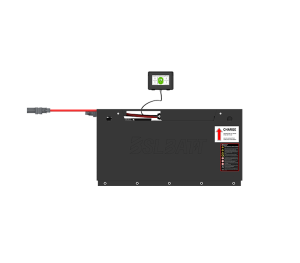
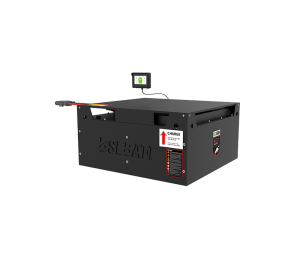
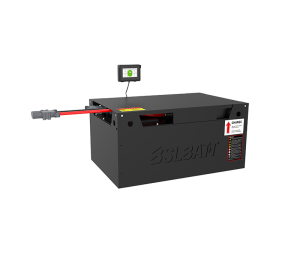
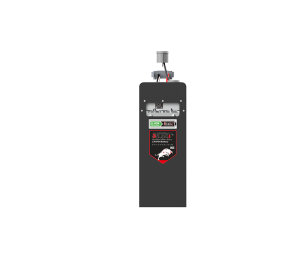
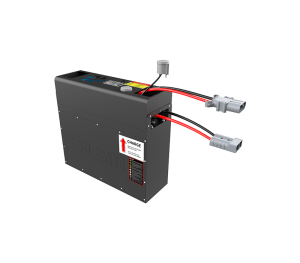
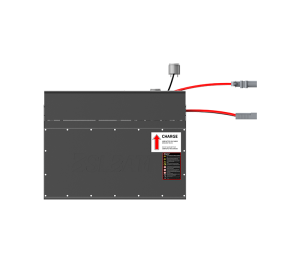
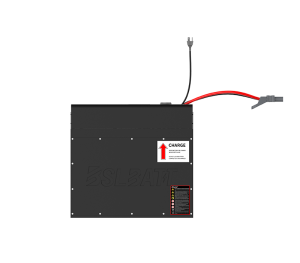
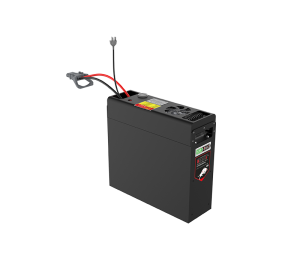
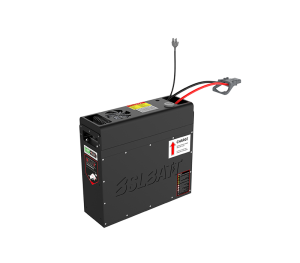
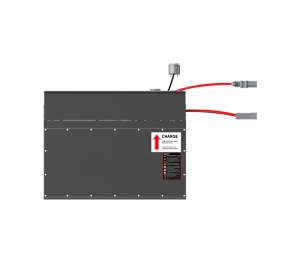
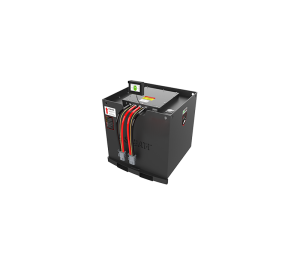
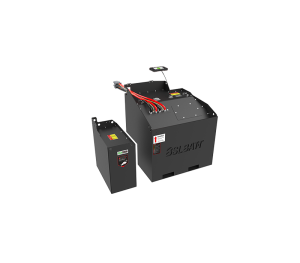
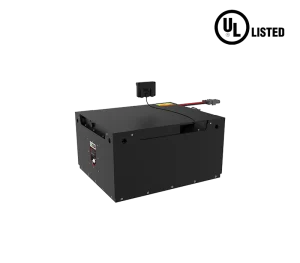
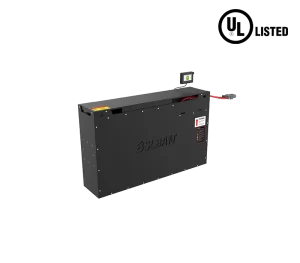
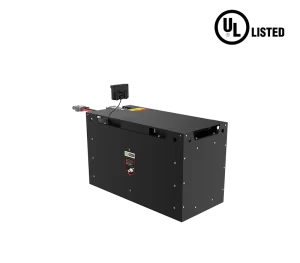
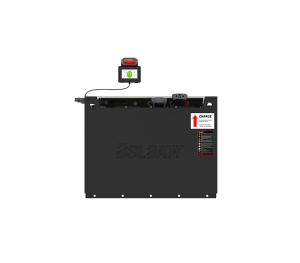
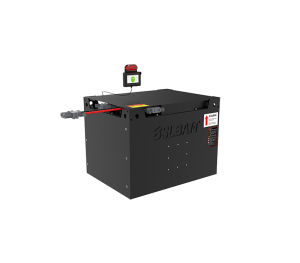
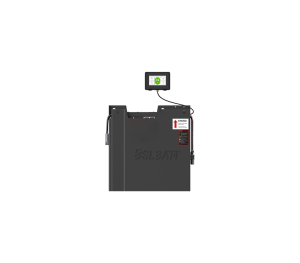
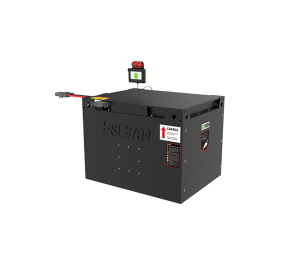
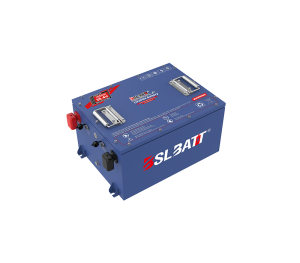
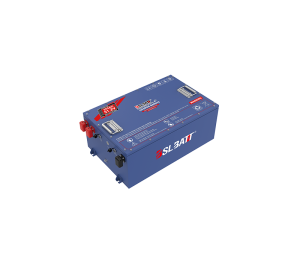
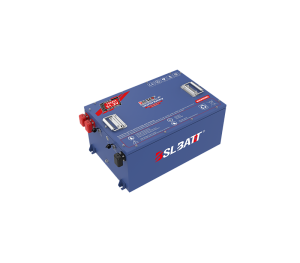
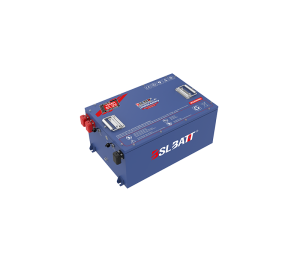
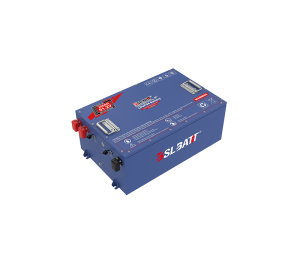
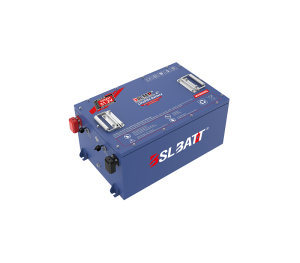
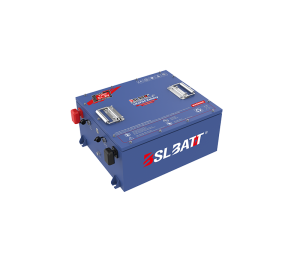
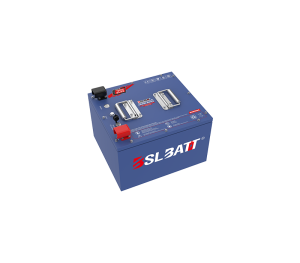










- Specialty Forklift Manufacturers and BSLBATT Lithium Battery Solutions
- The first lithium forklift battery that is UL 2580 certified and ISO9001 certified in the industry is BSLBATT® Battery – Industrial
- Automated Lithium Battery Assembly Line | BSLBATT Smart Factory
- Time to Retire Lead-Acid: Why Your Warehouse Needs Lithium-Ion Power
- Lithium Forklift Battery Maintenance Guide 2026
- Industrial Lithium Batteries: Initial Price vs. Long-Term Costs

News
Do Lithium Batteries Work in Freezers? -30°C Performance
Table of contents

- Why Cold Temperature Affects Lithium Batteries
- Discharging Versus Charging: The Distinction That Actually Matters
- LiFePO4 Versus Other Lithium Chemistries in the Cold
- Illustrative Capacity Behaviour at Low Temperature
- A Practical Calculation
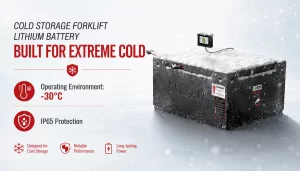
- How Cold Storage Forklift Batteries Are Engineered for -30°C
- Freezer Backup Power: A Different Problem
- What to Check Before Specifying Lithium for a Cold Environment
- When Lithium Makes Sense in Cold Environments, and When It Needs More Scrutiny
- How BSLBATT Supports Cold Environment Applications
- Practical Takeaway
- FAQ
- Do lithium batteries work in freezers?
- How much capacity do lithium batteries lose in the cold?
- Can you charge a lithium battery below 0°C?
- What is lithium plating and why does it matter in cold charging?
- Does LiFePO4 perform differently than other lithium chemistries in the cold?
- Do lithium batteries need heating systems to work in freezers?
The short answer is yes, lithium-ion batteries can be used in freezers. Lithium-ion batteries lose usable capacity as temperature drops, and below freezing there is a real and frequently misunderstood safety issue with charging, not just discharging. Whether a battery is suitable for -30°C work depends less on the word “lithium” on the label and more on the specific chemistry, the battery management system, and whether the pack includes active heating.
This matters for two very different groups of people. One is running forklifts and pallet trucks inside -25°C to -30°C cold storage warehouses, where the equipment has to work reliably across multiple shifts. The other is looking for backup power to keep a freezer running through an outage, where the battery itself usually sits at room temperature and only the load is cold. Both questions get lumped together as “do lithium batteries work in freezers,” but the engineering answer differs.
Why Cold Temperature Affects Lithium Batteries
Cold temperature affects lithium batteries because ion movement inside the cell slows down, which increases internal resistance and reduces both usable capacity and available power.
Inside a lithium-ion cell, energy is stored and released by lithium ions moving between the anode and cathode through a liquid electrolyte. At lower temperatures:
- The electrolyte becomes more viscous, slowing ion diffusion
- Internal resistance rises, which reduces the voltage available under load
- The chemical reactions at the electrodes proceed more slowly
- Usable capacity drops, even though the battery is not damaged
None of this is unique to lithium. Every electrochemical battery loses performance in the cold. What differs between chemistries is how much capacity is lost, how quickly it recovers once temperature rises, and whether the cold creates a genuine safety risk rather than just a performance dip.
Discharging Versus Charging: The Distinction That Actually Matters
Discharging a lithium battery in the cold causes capacity loss but is generally safe within the manufacturer’s rated range. Charging a lithium battery below freezing is a different and more serious problem.
This is the single most important technical point in this topic, and it is often glossed over in casual explanations. When a lithium-ion cell is charged at low temperature, particularly below 0°C, lithium ions can fail to intercalate properly into the anode material and instead deposit as metallic lithium on the surface. This is called lithium plating. It permanently reduces capacity, and in more severe cases it can promote dendrite growth that increases the risk of internal short circuits.
This is why a lithium battery pulled from a warm truck into a freezer can generally still discharge and run equipment, but should not simply be plugged in and charged without protection. A properly engineered cold-environment battery addresses this with:
- A battery management system (BMS) that measures cell temperature and blocks or limits charging current below a defined threshold
- Active heating elements that warm the cells to a safe charging temperature before allowing current to flow
- Insulation that slows heat loss between charging cycles
A lithium battery without this protection is not automatically safer than lead-acid in a freezer. It can be worse, because the failure mode is less visible until it has already occurred.
LiFePO4 Versus Other Lithium Chemistries in the Cold
Lithium iron phosphate (LiFePO4, often written LFP) is the dominant chemistry in industrial and cold storage applications, and it holds up better in cold conditions than most consumer lithium chemistries, though it is not immune to the same physics.
LFP’s thermal stability and structural robustness give it an advantage in demanding environments, and it is generally regarded as more tolerant of the discharge-side capacity loss described above. It does not eliminate the charging-side lithium plating risk. A cold-rated LFP battery still needs the same temperature-gated charging protection as any other lithium chemistry; the chemistry improves the baseline, but the BMS and heating design are what actually make the difference at -30°C.
Illustrative Capacity Behaviour at Low Temperature
The following is a general illustrative pattern based on typical lithium-ion behaviour, not a specification for any particular product.
| Temperature | Typical discharge capacity available (illustrative) | Charging without heating protection |
|---|---|---|
| 25°C | ~100% | Normal |
| 0°C | ~90-95% | Reduced charge rate typically required |
| -10°C | ~80-90% | Charging generally restricted by BMS |
| -20°C | ~70-85% | Charging typically blocked without active heating |
| -30°C | Highly variable, depends heavily on cell design and heating | Charging not possible without active heating |
Actual figures vary significantly by cell chemistry, pack design, discharge rate, and whether the battery includes active thermal management. A battery with integrated self-heating can maintain much higher effective capacity at -30°C than an unheated pack of the same chemistry, because the heater brings the operating cells closer to their design temperature range before load is applied.
A Practical Calculation
If a 100Ah battery retains an illustrative 80% of rated capacity at -20°C without active heating, usable capacity at that temperature is:
100Ah × 0.80 = 80Ah
For a fleet manager sizing equipment for a cold storage shift, that 20% reduction has to be built into runtime planning, or the equipment will run short before the shift ends. This is why battery sizing for cold storage should never be based on the room-temperature capacity rating alone.
How Cold Storage Forklift Batteries Are Engineered for -30°C
Cold storage equipment, particularly forklifts, pallet trucks and reach trucks operating inside deep-freeze warehouses, represents the most demanding version of this problem because the battery lives in the cold continuously, not just during a brief outage.
Industrial cold storage battery packs typically combine several design elements to make -30°C operation workable:
- Active heating, usually individual heating elements per module, so the pack can warm itself using energy drawn from the charger before or during charging
- Thermal insulation around the modules to slow heat loss between charge cycles and reduce how hard the heaters have to work
- Sealed, high-IP enclosures (commonly IP65 or IP67) to prevent the condensation that forms when equipment moves between a freezer and a warmer loading area
- Desiccant elements inside the pack to absorb residual moisture from trapped air
- BMS-controlled charge lockout that prevents charging until cell temperature is within a safe window
BSLBATT has described its low-temperature series batteries as using module-level active heating intended to support charging in cold storage conditions, along with sealed, condensation-resistant enclosures. As with any manufacturer claim, the exact temperature rating, heating capacity and certification should be confirmed against the current datasheet for the specific model being specified, since published figures can change between product generations.
Freezer Backup Power: A Different Problem
Battery backup for a freezer, keeping frozen food or pharmaceuticals safe through a power outage, is a different engineering problem from cold storage forklifts, because the battery pack itself usually sits at ambient room temperature. It is the load, not the battery, that is cold.
In this scenario, the relevant lithium battery questions are less about the pack surviving -30°C internally and more about:
- Sufficient stored energy (kWh) to run the freezer’s compressor cycle for the expected outage duration
- Inverter capacity to handle compressor startup surge current
- Where the battery itself is physically located, since a battery installed inside or against a freezer wall can still experience cold soak over time
If a backup battery is mounted in an unheated space adjacent to the freezer, the same low-temperature charging caution applies, and it should carry the same BMS-controlled protection described above.
What to Check Before Specifying Lithium for a Cold Environment
- Minimum operating temperature the equipment will actually see, not just the average
- Whether the battery includes active heating or relies on passive insulation alone
- Whether the BMS enforces a charge-temperature lockout
- IP rating and condensation protection for equipment moving between temperature zones
- Runtime derating at the coldest expected temperature, not the rated room-temperature capacity
- Certification relevant to the application (UL, CE, UN38.3 for transport)
- Whether spare battery inventory is still needed, or whether opportunity charging within the facility is realistic
- Manufacturer’s documented low-temperature charge rate limits
When Lithium Makes Sense in Cold Environments, and When It Needs More Scrutiny
Lithium, specifically a properly engineered cold-rated LFP pack, tends to make the strongest case when equipment runs multiple shifts inside a genuinely cold facility and battery swapping or long charging downtime would otherwise be operationally disruptive. The self-heating and sealed design directly address the two failure modes that hurt lead-acid the most in the same environment: capacity collapse and slow, incomplete charging.
The case deserves more scrutiny when a supplier markets a battery as simply “lithium” without specifying active heating or charge-temperature protection. A lithium label alone says nothing about cold-weather charging safety. The heating system and BMS logic are doing the real work, and those are the details worth asking for on a datasheet, not the chemistry name on the box.
How BSLBATT Supports Cold Environment Applications
BSLBATT Industrial Solutions produces LiFePO4 battery systems for material handling and cold storage equipment, built around sealed enclosures, module-level thermal management and BMS-controlled charging. The broader material handling battery solutions range covers the forklift and pallet truck classes most commonly deployed inside cold storage warehouses, while the BSLBATT battery technology overview documents the BMS and thermal design principles referenced above.
Specifications for any individual model, including exact low-temperature charge limits, heating capacity and IP rating, should be confirmed directly against the current datasheet for that product before specifying it for a -30°C environment. Full details on the wider range are available at BSLBATT Industrial Lithium Battery Solutions.
Practical Takeaway
Lithium batteries do work in freezers, including at -30°C, but “lithium” is not by itself an answer to a cold-environment specification question. The two things that actually determine whether a battery will perform and remain safe are whether it has active heating and whether its BMS enforces a charge-temperature lockout. Ask for those two details before asking about capacity, and size runtime against the coldest temperature the equipment will actually see, not the room-temperature rating on the label.
FAQ
Do lithium batteries work in freezers?
Yes, lithium batteries can operate in freezer and cold storage environments, including down to around -30°C, but performance depends heavily on the specific battery design. A properly engineered pack with active heating and a battery management system that controls charging temperature will function reliably. A standard lithium pack without these features may lose significant capacity and carries real charging risks in deep cold.
How much capacity do lithium batteries lose in the cold?
Capacity loss varies by chemistry and design, but as an illustrative pattern, a lithium battery might retain roughly 80 to 90 percent of rated capacity at -10°C and considerably less at -20°C without active heating. Batteries with integrated heating systems can maintain higher effective capacity because the cells are warmed closer to their optimal operating range before and during use.
Can you charge a lithium battery below 0°C?
Charging below 0°C without protection risks lithium plating, where metallic lithium deposits on the anode instead of properly intercalating. This permanently reduces capacity and can increase safety risk. Properly designed cold-environment batteries prevent this with a BMS that blocks or limits charging until cell temperature reaches a safe threshold, often using active heating to reach that threshold faster.
What is lithium plating and why does it matter in cold charging?
Lithium plating occurs when lithium ions deposit as metal on the battery’s anode surface instead of inserting into the anode material, which typically happens during charging at low temperature. It permanently reduces usable capacity and, in severe cases, can contribute to dendrite formation and internal short-circuit risk. This is the primary reason cold-weather charging needs to be temperature-controlled rather than assumed safe.
Does LiFePO4 perform differently than other lithium chemistries in the cold?
LiFePO4 is generally regarded as more thermally stable and tolerant of cold discharge conditions than many other lithium chemistries, which is why it dominates industrial and cold storage applications. It does not eliminate the charging-side lithium plating risk, so it still requires temperature-gated charging protection to operate safely at deep-freeze temperatures.
Do lithium batteries need heating systems to work in freezers?
For reliable operation in genuinely cold environments, particularly -20°C and below, active heating is generally necessary rather than optional. Passive insulation alone can help retain heat generated during discharge in moderate cold, but for a battery that also needs to charge safely in a deep-freeze facility, an active heating element is what allows the BMS to bring cells to a safe charging temperature.

Related Product Recommendations
-
51.2V 336AH
48 Volt Forklift Battery Powerful 336Ah Lithium-ion Solution | BSLBATT
Learn More -
51.2V 410AH
48V Forklift Lithium Battery Unbeatable 410Ah High-Capacity Pack | BSLBATT
Learn More -
83.2V 300AH
80 Volt Lithium Ion Battery for Baggage Tug | BSLBATT
Learn More -
51.2V 615AH Lithium Forklift Battery
Electric Forklift Batteries for Sale UL Certified 48V 615Ah IP65 Lithium | BSLBATT
Learn More -
25.6V 135AH
Forklift Battery 24V 135Ah Lithium Upgrade for Class III Jacks | BSLBATT
Learn More