Revolutionize the energy economy with advanced lithium-ion battery technology—lower costs, reduce heat, and accelerate sustainable development.
 Explore all product lines
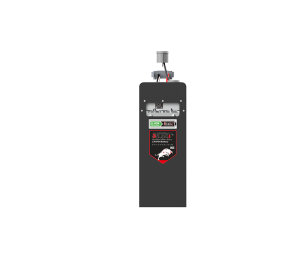
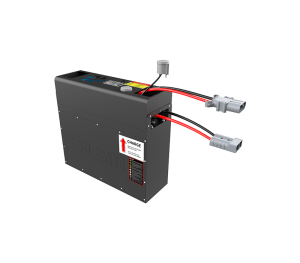
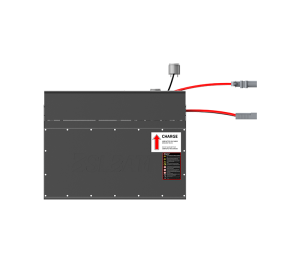
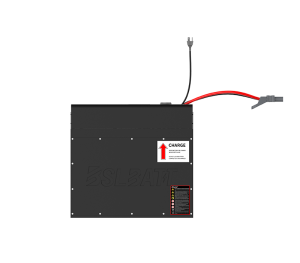
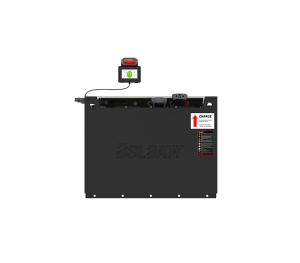
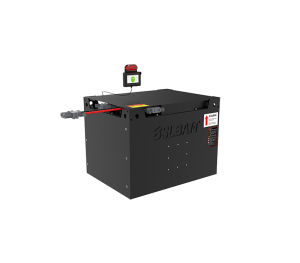
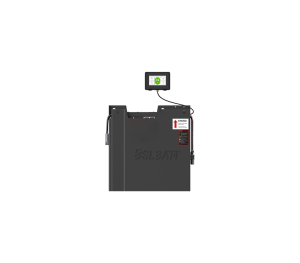
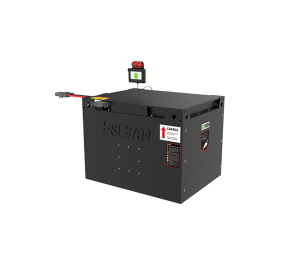
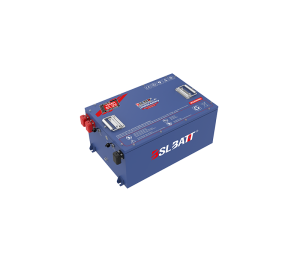
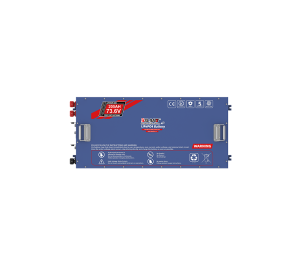
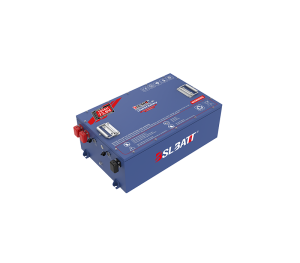
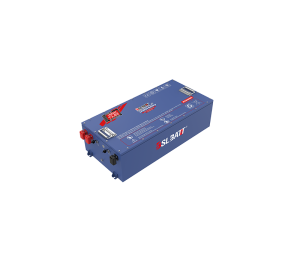
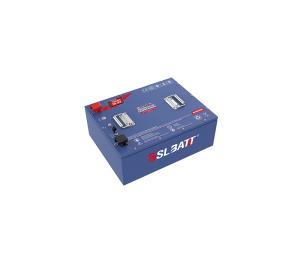
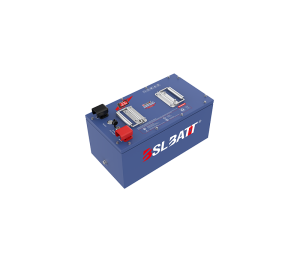
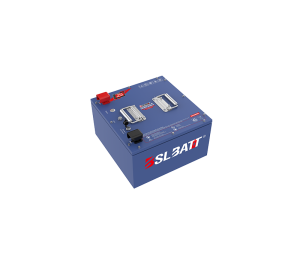
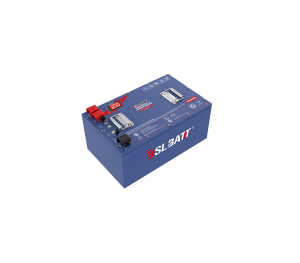







- Specialty Forklift Manufacturers and BSLBATT Lithium Battery Solutions
- The first lithium forklift battery that is UL 2580 certified and ISO9001 certified in the industry is BSLBATT® Battery – Industrial
- Automated Lithium Battery Assembly Line | BSLBATT Smart Factory
- Time to Retire Lead-Acid: Why Your Warehouse Needs Lithium-Ion Power
- Lithium Forklift Battery Maintenance Guide 2026
- Industrial Lithium Batteries: Initial Price vs. Long-Term Costs
Partner
BSLBATT Lithium Forklift Battery Case Study: Thailand E-Commerce Warehouse
Table of contents

- Case Snapshot
- The Application: A Mixed Fleet in a Large E-Commerce Warehouse
- The Equipment: UNICARRIERS Reach Truck, Z-Series Counterbalance Forklift, and Pallet Truck
- The Battery Configurations
- Why Lithium-Ion for an E-Commerce Warehouse Fleet
- Opportunity Charging Across a Mixed Fleet
- No Routine Watering Across Multiple Equipment Types
- Consistent Voltage for Lifting Equipment
- Right-Sized Batteries by Equipment Class
- Installation and Integration Across Equipment Types
- Why Battery Configuration Matters Across a Mixed E-Commerce Fleet
- Get a Lithium Battery Configuration for Your Fleet
Case Snapshot
| Project Detail | Specification |
|---|---|
| Country | Thailand |
| Industry | E-commerce / Multi-level (high-bay) warehouse |
| Equipment Brand | UNICARRIERS |
| Equipment 1 | Reach truck, rider-type, 1.6-ton capacity |
| Battery 1 | 51.2V / 460Ah / 23.552 kWh, LiFePO4 |
| Equipment 2 | Z-series counterbalance forklift (Z5 2.5-ton), rider-type, 4-wheel electric |
| Battery 2 | 83.2V / 560Ah / 46.592 kWh, LiFePO4 |
| Equipment 3 | Walkie pallet truck, 2-ton capacity |
| Battery 3 | 25.6V / 460Ah / 11.78 kWh, LiFePO4 |
The Application: A Mixed Fleet in a Large E-Commerce Warehouse
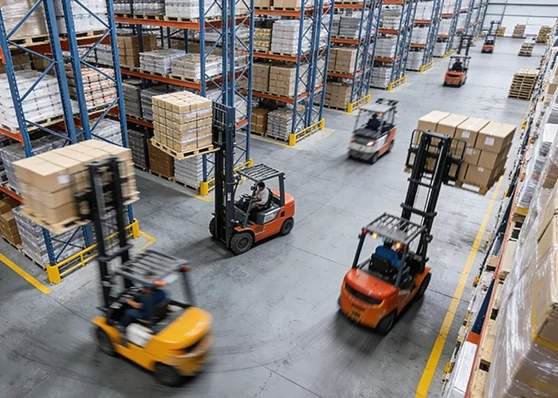
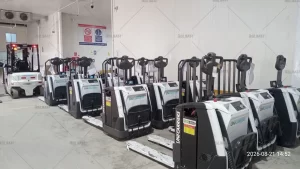
Large e-commerce fulfillment operations typically run a mixed fleet rather than a single equipment type, because the tasks inside the building vary by zone. In a multi-level (high-bay) warehouse, storage racking is often built tall to maximize floor-space efficiency, which calls for narrow-aisle equipment such as reach trucks that can lift loads to height inside tight aisles. Dock and yard areas, where inbound and outbound pallets are loaded and unloaded, generally call for counterbalance forklifts that can maneuver in open space and handle heavier or less uniform loads. Floor-level, short-distance pallet movement — from a staging area to a packing line, for example — is typically handled with walkie pallet trucks.
This is a common equipment combination in e-commerce warehousing. A key characteristic of such operations is the extended operating hours and tight order fulfillment windows; consequently, ensuring equipment uptime—across all three categories of equipment—becomes a top operational priority rather than a secondary concern.
The Equipment: UNICARRIERS Reach Truck, Z-Series Counterbalance Forklift, and Pallet Truck
UNICARRIERS supplied three equipment types for this project, each suited to a different part of warehouse operations:
- Reach truck (1.6-ton capacity): a rider-type, narrow-aisle truck designed to lift loads into high racking — the kind of equipment typically used in vertical, high-bay storage layouts.
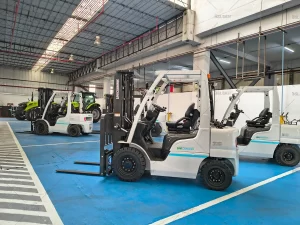
- Z-series electric counterbalance forklift (Z5 2.5-ton / Z30 3-ton): a four-wheel, rider-type electric forklift used for general dock, yard, and floor-level handling where counterbalance stability and higher load capacity are needed.
- Walkie pallet truck (2-ton capacity): a pedestrian-operated truck for short-distance, floor-level pallet handling, such as moving loads between staging and processing areas.
Because these three equipment classes serve different roles, they also call for different battery configurations rather than one standard pack. Reach trucks and counterbalance forklifts need enough voltage and capacity to support lifting and multi-shift drive cycles at their respective load classes, while a walkie pallet truck’s power requirement is lower and its battery compartment is correspondingly smaller. Matching each battery’s voltage, capacity, and physical footprint to its equipment class — rather than using a single generic configuration across the fleet — was the starting point for this project. The customer’s exact shift pattern and duty cycle for each equipment type were not part of the data supplied for this case study.
The Battery Configurations
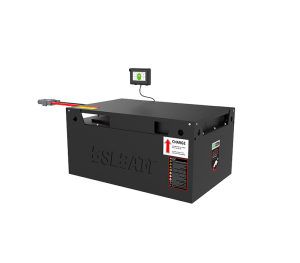
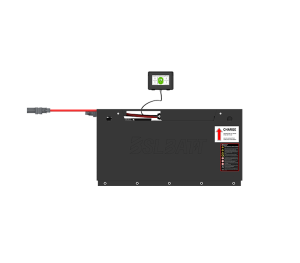
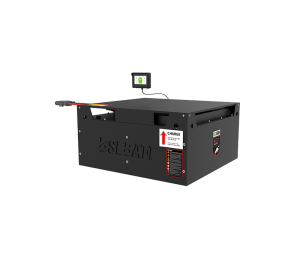
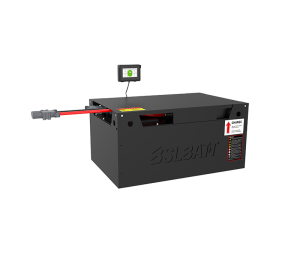
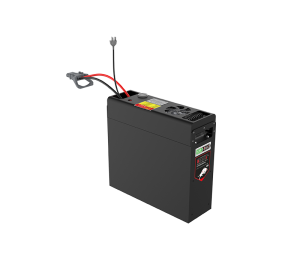
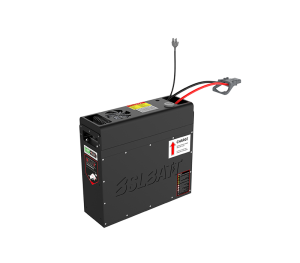
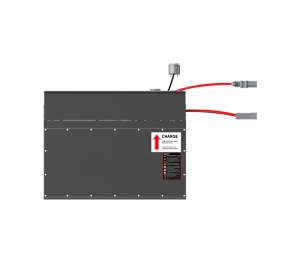
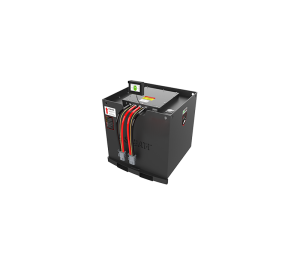
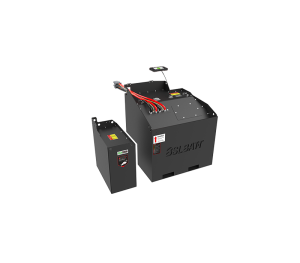
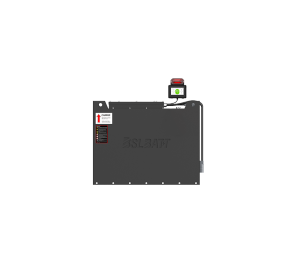
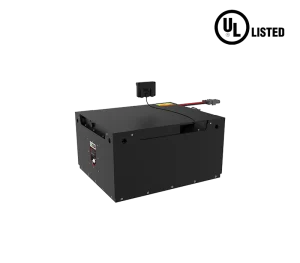
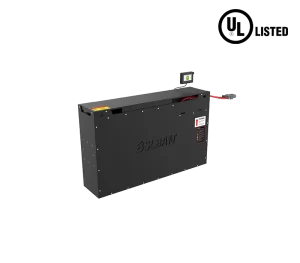
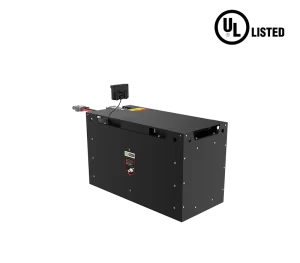
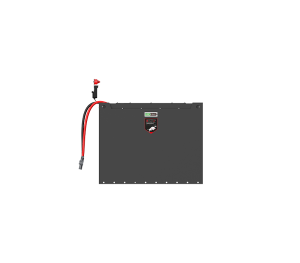
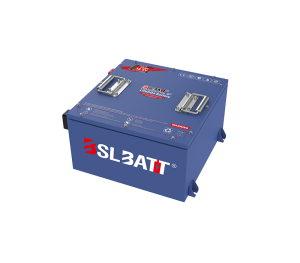
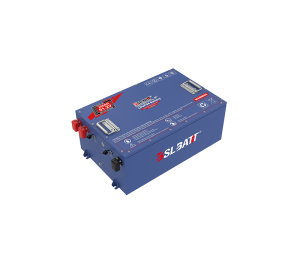
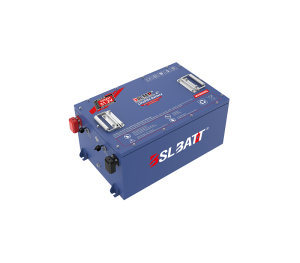
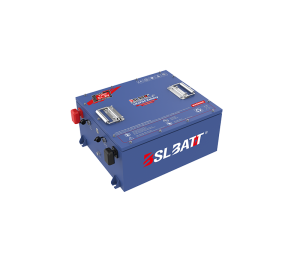
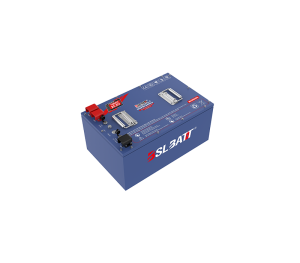
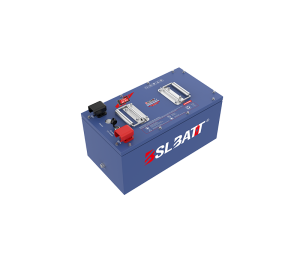
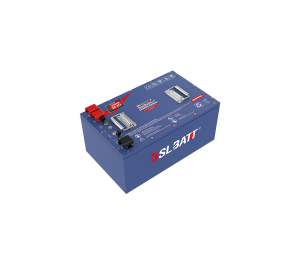
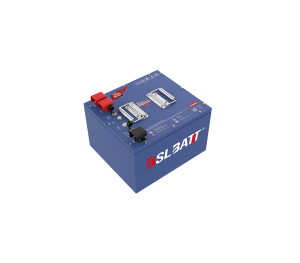
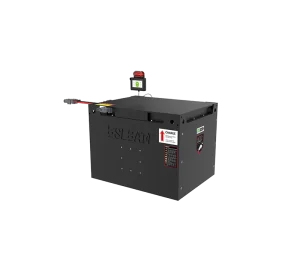
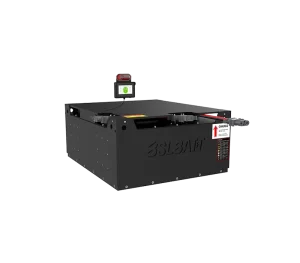
BSLBATT supplied three separate lithium-ion battery configurations for this project, all built on LiFePO4 cells:
| Equipment | Nominal Voltage | Rated Capacity | Nominal Energy | Cell Chemistry |
|---|---|---|---|---|
| Reach truck | 51.2V | 460Ah | 23.552 kWh | LiFePO4 |
| Z-series counterbalance forklift | 83.2V | 560Ah | 46.592 kWh | LiFePO4 |
| Walkie pallet truck | 25.6V | 460Ah | 11.78 kWh | LiFePO4 |
Each nominal energy figure is simply voltage multiplied by capacity (for example, 51.2V × 460Ah = 23.552 kWh for the reach truck), and represents the battery’s rated energy content rather than the energy actually usable in the field. Usable energy is always somewhat lower than nominal energy once BMS charge/discharge cutoffs, allowable depth of discharge, temperature, and system efficiency are accounted for. Specific usable-energy figures for this installation would require measured project data, which has not been confirmed for this case study.
Why Lithium-Ion for an E-Commerce Warehouse Fleet
Opportunity Charging Across a Mixed Fleet
One practical advantage of lithium-ion in a facility running several equipment types is that each battery can generally tolerate short opportunity charges — during a break or shift changeover, for example — without the sulfation penalty that affects flooded lead-acid batteries under the same charging pattern. Whether this facility actually uses opportunity charging across all three equipment types, or follows a different charging routine, depends on the customer’s operating practice, which has not been confirmed as part of this project’s data.
No Routine Watering Across Multiple Equipment Types
Flooded lead-acid batteries require regular watering and periodic equalization charging, and this task multiplies across a mixed fleet — a reach truck battery, a counterbalance forklift battery, and a pallet truck battery each need their own watering schedule. A sealed LiFePO4 pack removes that recurring task for all three equipment classes.
Consistent Voltage for Lifting Equipment
For equipment that lifts loads — the reach truck and the Z-series counterbalance forklift in particular — voltage sag under load during a lead-acid battery’s discharge cycle can translate into reduced lift performance later in a shift. LiFePO4 chemistry tends to hold a flatter voltage curve across most of its discharge range, which generally supports more consistent lift and travel performance from the start of a charge cycle to the end of it.
Right-Sized Batteries by Equipment Class
Because the reach truck, counterbalance forklift, and pallet truck have different voltage, capacity, and compartment requirements, sizing each lithium-ion battery to its specific equipment class — rather than standardizing on one configuration — allows each truck to carry a battery matched to its own duty rather than an oversized or undersized generic pack.
Installation and Integration Across Equipment Types
Fitting lithium-ion batteries across a mixed fleet involves checking the same basic items for each equipment class:
- Battery compartment dimensions and weight — each pack needs to fit its truck’s compartment; for counterbalance equipment, battery weight also contributes to the truck’s stability, so weight needs to be matched or accounted for per model.
- Voltage matching — 51.2V, 83.2V, and 25.6V packs each need to align with the corresponding equipment’s motor and controller design.
- Connector compatibility — connectors need to match each truck’s charging and discharging interface, or be adapted.
- Charger compatibility — lithium-ion batteries generally require chargers designed for LiFePO4 charge profiles rather than legacy lead-acid chargers, and a mixed fleet may need separate charger types per voltage class.
- BMS communication — where supported by the truck or charger, BMS communication can provide visibility into state of charge and battery health for each unit.
- Safety requirements — installation should follow standard electrical and mechanical safety procedures for industrial battery work.
- Charging infrastructure — available power supply and charging station placement need to support the facility’s shift pattern across all three equipment types.
Specific details such as connector types, communication protocols, or charger models used in this particular installation have not been provided and are not presented here as confirmed project facts.
Why Battery Configuration Matters Across a Mixed E-Commerce Fleet
Large e-commerce warehouses generally can’t build in much slack for equipment downtime — order-fulfillment schedules run on tight windows, and a mixed fleet means a battery issue on any one equipment type can affect a different part of the operation than a battery issue on another. Configuring lithium-ion batteries to match each equipment class — 51.2V/460Ah for the reach truck, 83.2V/560Ah for the Z-series counterbalance forklift, and 25.6V/460Ah for the walkie pallet truck, as BSLBATT supplied for this UNICARRIERS project — is less about a single “lithium is better” argument and more about fitting each battery to the specific role its truck plays in the warehouse.
Get a Lithium Battery Configuration for Your Fleet
If you operate a mixed UNICARRIERS fleet — or reach trucks, counterbalance forklifts, and pallet trucks from other brands — BSLBATT’s team can review the voltage, capacity, and shift pattern for each equipment type and recommend matching configurations. Browse the BSLBATT material handling battery range, see more forklift lithium battery solutions and case studies, or contact BSLBATT directly for a battery configuration and TCO comparison for your fleet. You can also read the related Toyota 8FB20 lithium battery case study from an apparel and textile factory in Sri Lanka.

Related Product Recommendations
-
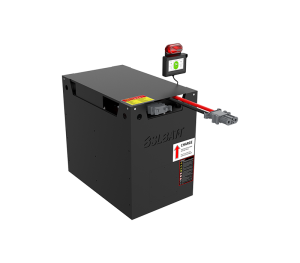
51.2V 460AH Lithium Forklift Battery
48V Forklift Battery for Sale UL Certified IP65 460Ah Lithium | BSLBATT
Learn More -
83.2V 560AH
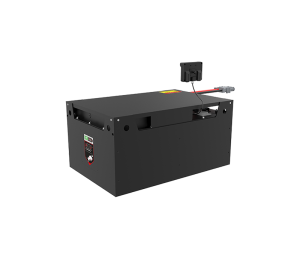
Forklift Battery Lithium Ion 83.2V 560Ah IP69 | BSLBATT
Learn More -
25.6V 230AH
24 Volt Forklift Battery for Sale 230Ah High-Endurance Lithium | BSLBATT
Learn More -
51.2V 560AH
Lithium Battery for Forklift Massive 48V 560Ah Endurance Pack | BSLBATT
Learn More -
38.4V 1120AH
Lithium Ion Batteries for Forklifts 1120Ah 36V | BSLBATT
Learn More