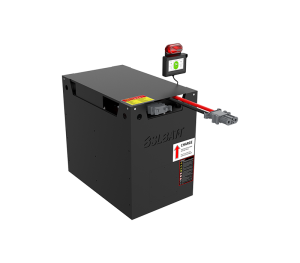
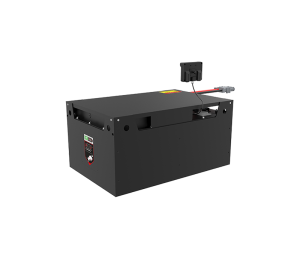
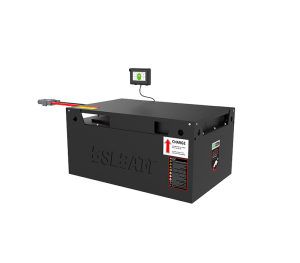
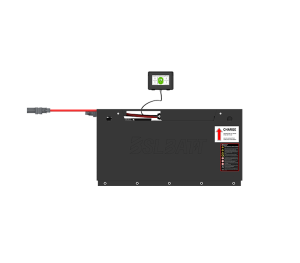
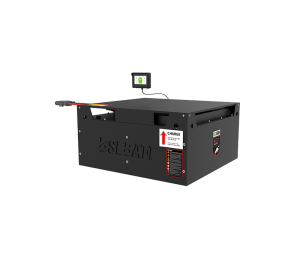
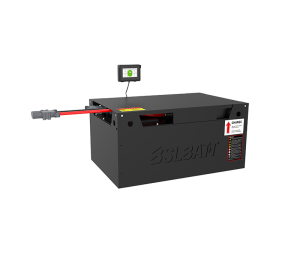
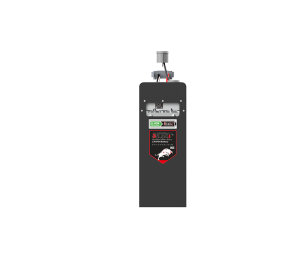
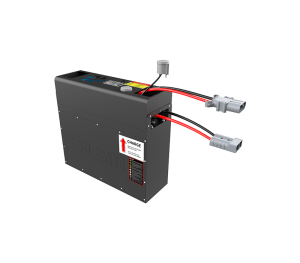
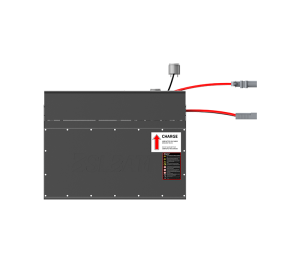
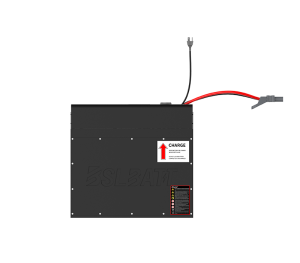
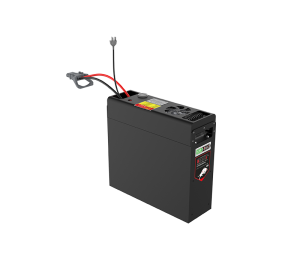
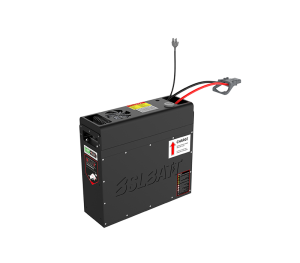
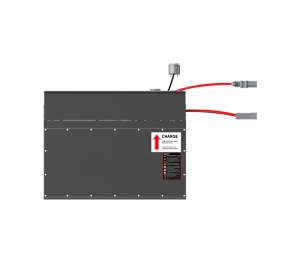
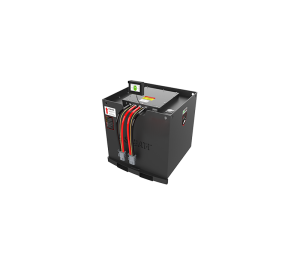
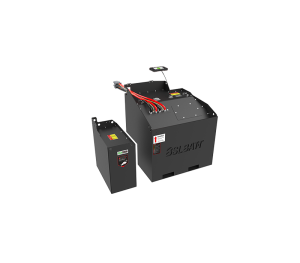
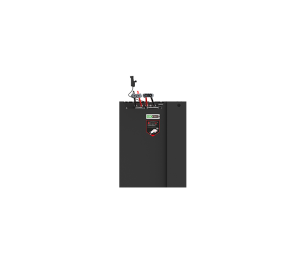
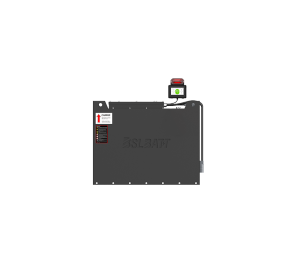
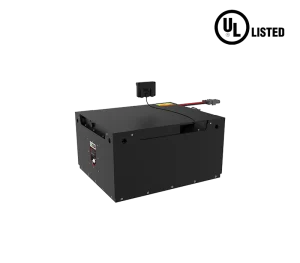
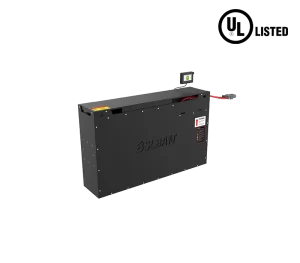
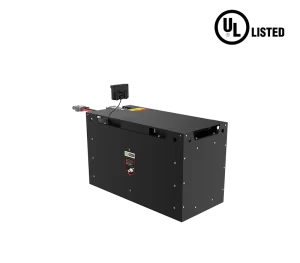
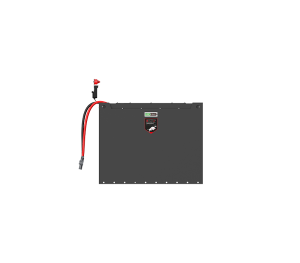
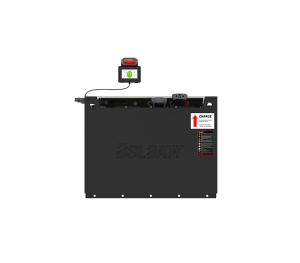
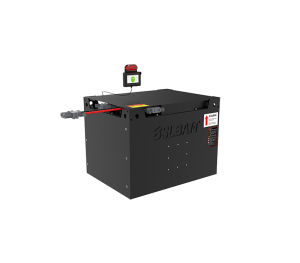
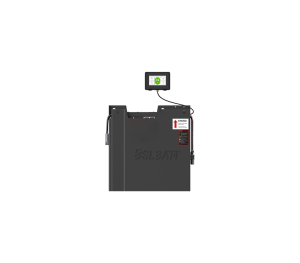
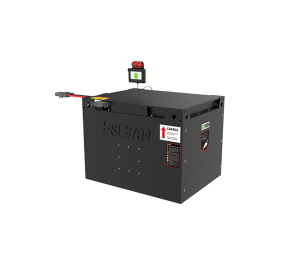
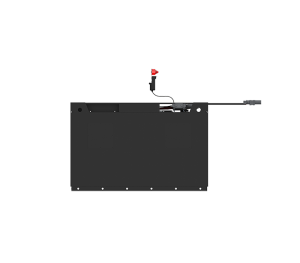
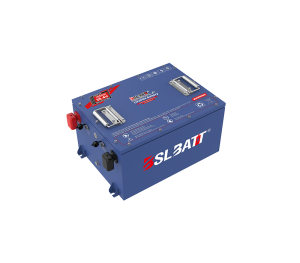
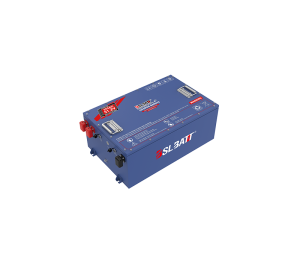
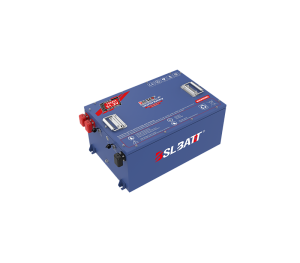
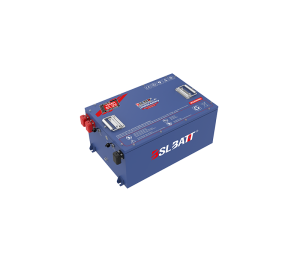
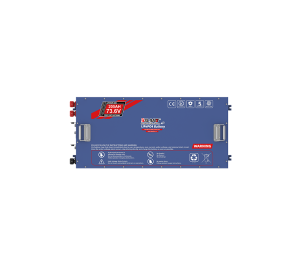
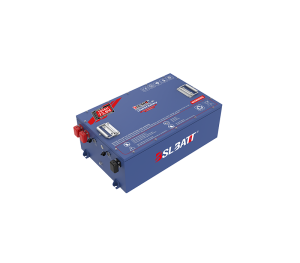
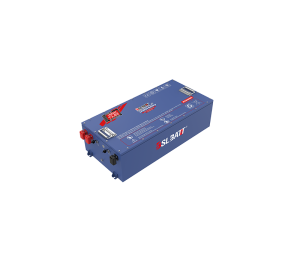
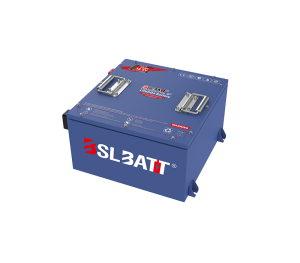
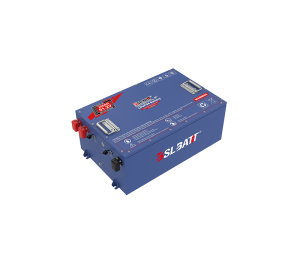
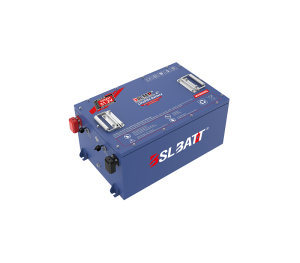
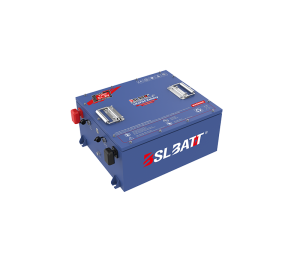
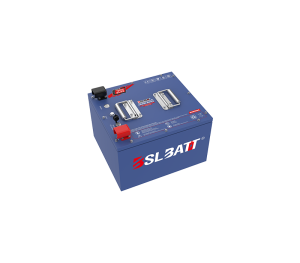
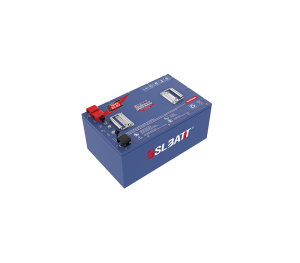
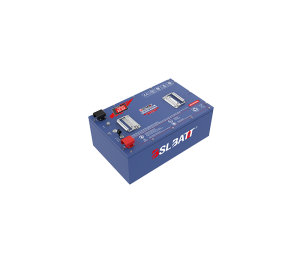
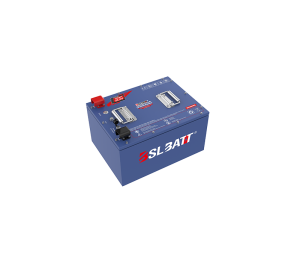
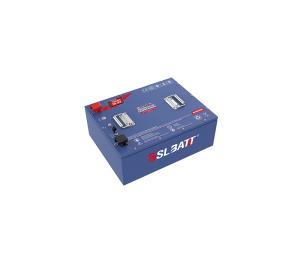
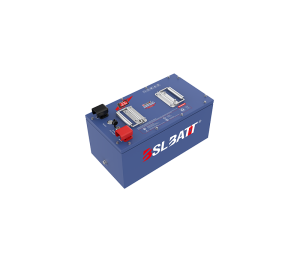
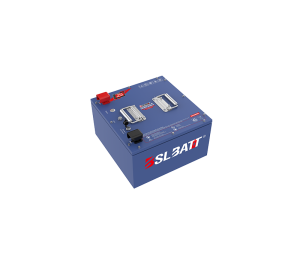
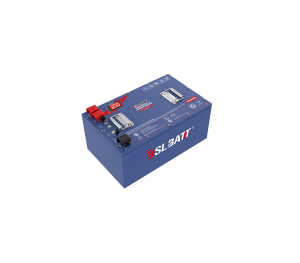
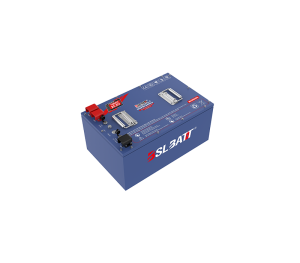
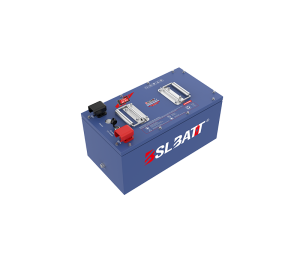
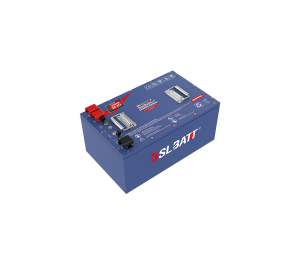
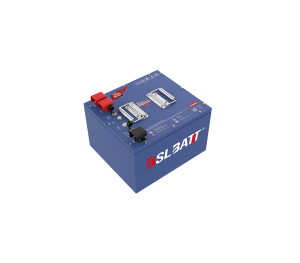
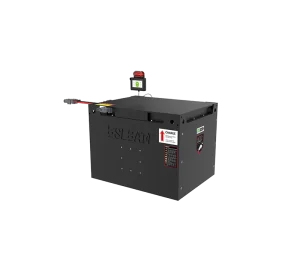
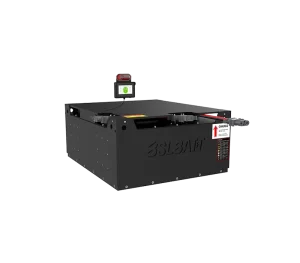
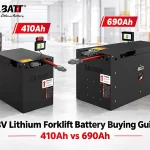
Pick between 410Ah and 690Ah for your 48V forklift lithium battery based on three things: tonnage, working conditions, and shift pattern. Light single-shift operations run well on 410Ah. Heavy two- or three-shift operations need 690Ah to avoid mid-shift charging. Match capacity to your most demanding day, not your lightest.
Why Capacity Matters on a 48V Forklift Lithium Battery
Capacity (measured in amp-hours, Ah) determines how long a forklift can run between charges. On a 48V system, the same physical battery footprint can deliver very different Ah ratings depending on cell chemistry and pack design. Choose a battery that’s too small and you add mid-shift swaps; choose one that’s too large and you pay for capacity you never use.
For warehouse fleets, the most common 48V lithium forklift battery capacities are 410Ah and 690Ah. They are not interchangeable — each fits a different tonnage, duty cycle, and shift pattern. This guide walks you through how to pick the right one.
Match Capacity to Forklift Tonnage
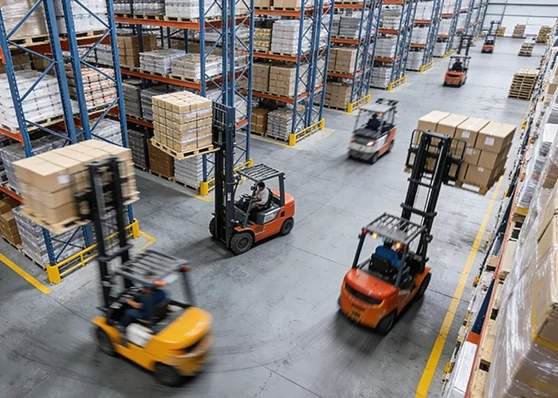
Tonnage is the starting point because heavier loads draw more current per lift cycle, which drains the battery faster. A 2-ton electric forklift doing light pallet moves has very different energy needs than a 3.5-ton model doing full-load container handling.
| Forklift Class | Typical Tonnage | Recommended 48V Capacity | Why |
|---|
| Class I — Counterbalanced, light | 1.5 – 2.5 t | 410Ah | Lower draw per cycle; 410Ah covers a full single shift with margin. |
| Class I — Counterbalanced, mid | 2.5 – 3.5 t | 410Ah (single shift) / 690Ah (multi-shift) | Capacity depends more on shift pattern than on tonnage alone. |
| Class I — Counterbalanced, heavy | 3.5 – 5 t | 690Ah | High current draw during lift; undersizing forces mid-shift swaps. |
| Class II — Reach / narrow aisle | 1.2 – 2.5 t | 410Ah | Most reach trucks cycle in warehouses with predictable, lighter loads. |
| Class III — Order pickers / pallet jacks | 1 – 2 t | 410Ah (or smaller 24V/36V system) | Light duty; 48V is usually oversized for this class. |
⚠️ Verify exact specifications against your current forklift manufacturer’s battery compartment dimensions before ordering. This table reflects typical BSLBATT application guidance, not a universal rule.
Match Capacity to Working Conditions (Duty Cycle)
Two fleets running the same tonnage can have very different battery needs depending on the duty cycle. The duty cycle covers driving distance per shift, number of lift cycles, accessory loads (cab heaters, lights, hydraulics), and ambient temperature.
Light-Duty Operations — 410Ah
- ≤ 6 hours of driving per shift
- ≤ 80 lift cycles per shift
- Mostly indoor, climate-controlled warehouse (15°C – 30°C)
- No refrigerated zones, no high-draw attachments
Medium-Duty Operations — 410Ah or 690Ah
- 6 – 10 hours of driving per shift
- 80 – 150 lift cycles per shift
- Mixed indoor / outdoor use, some incline
- Some cold-storage trips or extended idling
Heavy-Duty Operations — 690Ah
- 10+ hours of driving per shift, or two back-to-back shifts on one battery
- 150+ lift cycles per shift
- Frequent cold-storage transitions, attachment use, or hilly terrain
- Strict uptime requirements where mid-shift charging is not acceptable
Match Capacity to Shift Pattern
Shift pattern is where most fleets get the capacity decision wrong. The question is not “what’s my average daily use” — it’s “what’s my most demanding day, and how do I keep the truck running across the longest gap between charges?”
| Shift Pattern | 410Ah Feasible? | 690Ah Recommended? | Note |
|---|
| Single shift, light duty | Yes | Optional | 410Ah is enough; 690Ah is over-spec for most days. |
| Single shift, heavy duty | Borderline | Yes | 410Ah may run low on peak days; 690Ah adds safety margin. |
| Two shifts, no opportunity charging | No | Yes | 410Ah cannot cover a full 16-hour day on one charge. |
| Two shifts, with opportunity charging | Yes (with 1 – 2 hour top-ups) | Optional | Opportunity charging works if breaks and meal gaps line up. |
| Three shifts, 24/7 operation | No | Yes (or battery rotation scheme) | Either 690Ah on opportunity charge, or rotate two 410Ah batteries. |
If you run two or more shifts and don’t have a structured opportunity-charging window, a 690Ah 48V forklift lithium battery is almost always the right call. Mid-shift battery swaps on a multi-shift line are one of the most expensive operational mistakes a warehouse can make.
410Ah vs 690Ah: Side-by-Side Comparison
| Spec | 48V 410Ah Lithium Forklift Battery | 48V 690Ah Lithium Forklift Battery |
|---|
| Best for | Light-to-medium duty, single shift | Heavy duty, multi-shift |
| Typical forklift class | Class I light / Class II reach | Class I mid-to-heavy |
| Approx. continuous runtime | 5 – 7 hours under light load | 8 – 11 hours under medium-to-heavy load |
| Opportunity charging | Works well between shifts | Often unnecessary — full day on one charge |
| Footprint vs compartment | Fits most standard 48V counterbalanced and reach trucks | Larger; verify compartment dimensions before specifying |
| Weight (typical LiFePO4 pack) | ~700 – 900 kg depending on cell layout | ~1,100 – 1,400 kg depending on cell layout |
| Charger sizing | Standard 48V charger (verify CAN compatibility) | Higher-output 48V charger recommended for fast top-ups |
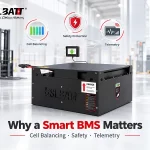
| Pair with | Standard opportunity-charge setup | Smart BMS with telemetry for shift-end analytics |
⚠️ Runtime, weight, and dimensions are application-specific. Confirm with the manufacturer’s datasheet for the exact model you are evaluating. BSLBATT’s 48V 410Ah lithium forklift battery and 48V 690Ah lithium forklift battery product pages have model-specific dimensions and weight.
A Simple Decision Framework
If you’ve read the previous sections and still feel uncertain, walk through these four questions in order. Stop at the first “Yes” — that’s your capacity.
- Do you run two or more shifts without a structured opportunity-charging window? → 690Ah.
- Is your average daily lift cycle count above 150, or do you regularly run heavy attachments? → 690Ah.
- Do you operate in cold storage (below 0°C) for more than 25% of the shift? → 690Ah (with low-temperature protection).
- None of the above — single shift, light-to-medium duty, climate-controlled warehouse? → 410Ah.
What to Check Before You Order
- Battery compartment dimensions — measure the tray in the forklift, not just the old battery footprint.
- Connector type and CAN protocol — confirm charger compatibility on the Charger Matching page.
- Counterweight requirements — lithium packs are lighter than lead-acid; some forklifts need ballast to maintain rated capacity. BSLBATT can advise on a like-for-like weight match.
- Warranty and BMS telemetry — verify the warranty terms and confirm what data the smart BMS exposes to your fleet management system.
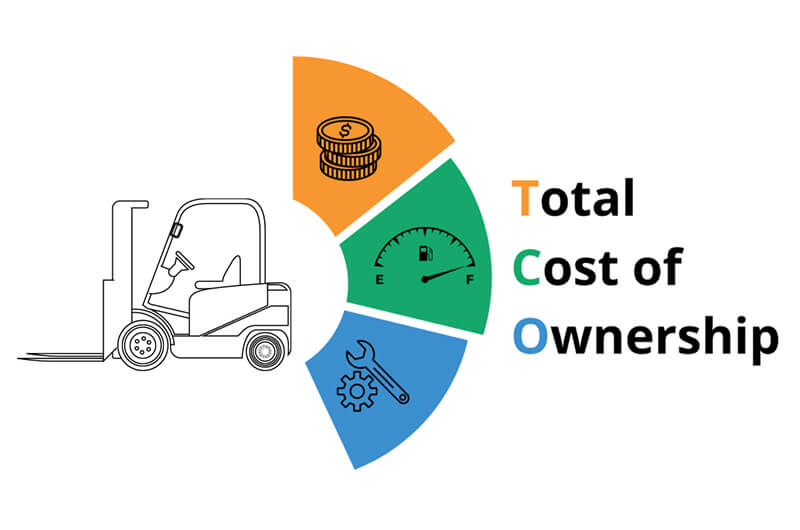
- Total cost of ownership — a 690Ah pack costs more upfront, but in two-shift operations it usually pays for itself by removing one mid-shift battery swap. See the TCO breakdown.
Frequently Asked Questions
Can I upgrade from 410Ah to 690Ah on the same forklift?
In most cases, yes — as long as the larger battery physically fits the compartment and the connector matches. The forklift’s weight balance may need to be checked, since lithium packs are lighter than lead-acid. Some operators add ballast to maintain the original rated counterweight.
How long does a 48V lithium forklift battery last?
A LiFePO4 forklift battery is typically rated for 3,000 – 4,000 full charge cycles, which translates to 7 – 10 years in single-shift service. Actual lifespan depends on depth of discharge, charging habits, ambient temperature, and BMS settings. Read more in our battery lifespan guide.
Do I need a special charger for a 690Ah battery?
You need a charger that matches the battery’s voltage (48V) and CAN communication protocol, and that delivers enough current to fully charge the pack within your shift gap. A standard 48V opportunity charger often works for both 410Ah and 690Ah; only rapid-charge applications require a higher-output unit. See the Charger Matching page.
What about cold storage — does capacity drop in low temperatures?
Lithium batteries deliver less usable capacity in sub-zero environments. BSLBATT 48V packs include low-temperature protection and self-heating options for cold storage operations; the available capacity depends on the specific model’s low-temperature performance curve. Confirm with the engineering team before deploying in freezers below -20°C.
Talk to BSLBATT About Your 48V Forklift Battery
If you can share your forklift model, typical tonnage, and shift pattern, we can recommend whether the 48V 410Ah or 48V 690Ah lithium forklift battery is the better fit for your fleet — and quote it against your current lead-acid operating cost. Request a quote or browse the full material handling battery range.


 Explore all product lines