

Revolutionize the energy economy with advanced lithium-ion battery technology—lower costs, reduce heat, and accelerate sustainable development.
 Explore all product lines
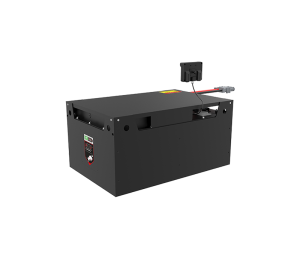
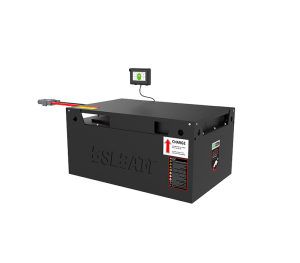
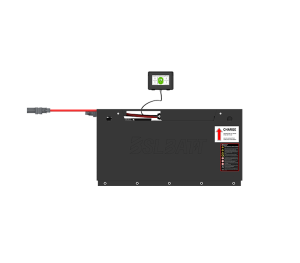
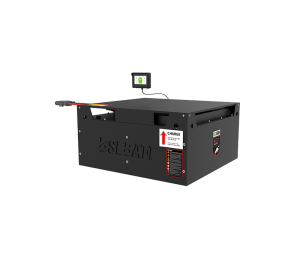
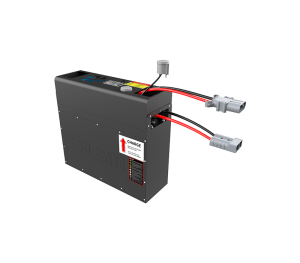
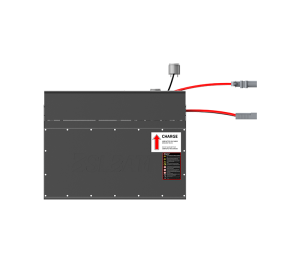
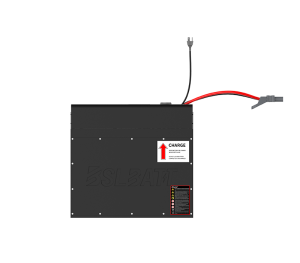
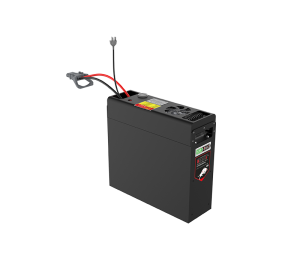
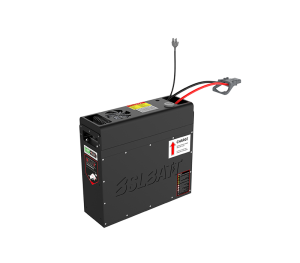
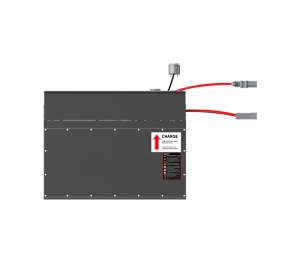
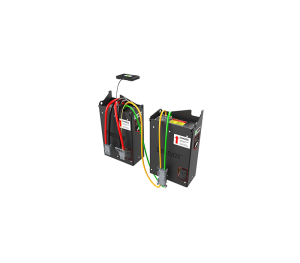
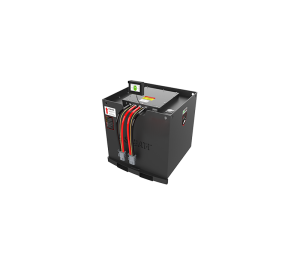
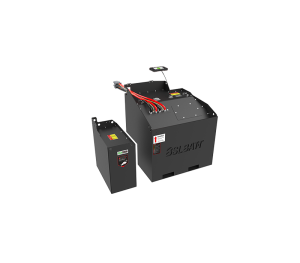
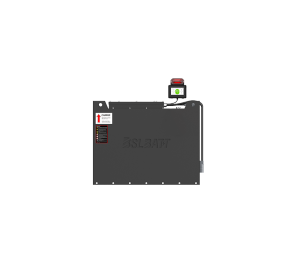
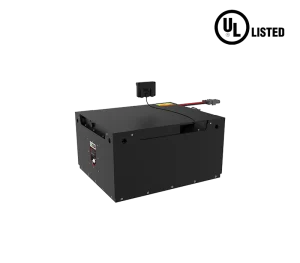
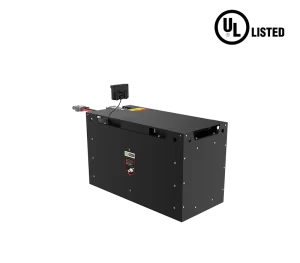
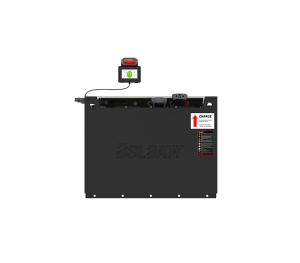
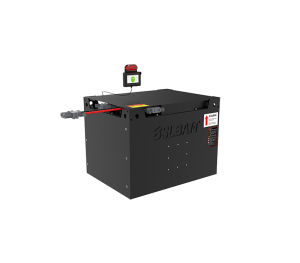
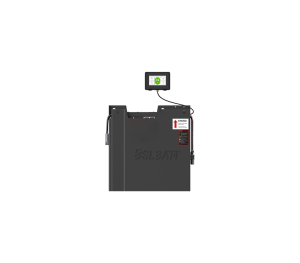
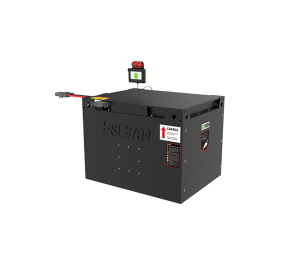
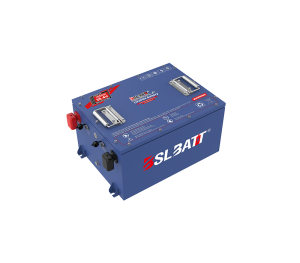
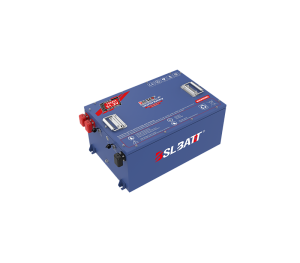
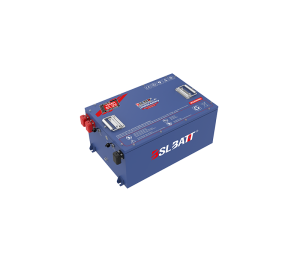
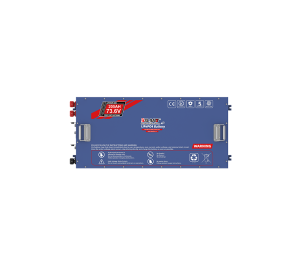
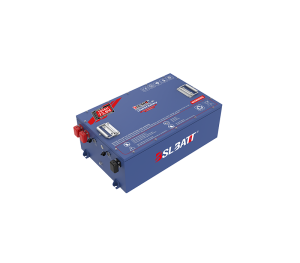
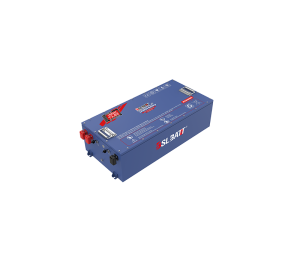
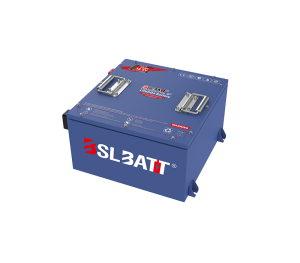
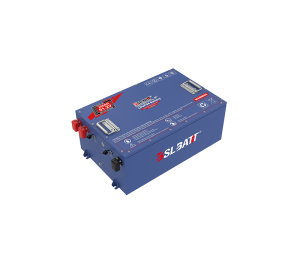
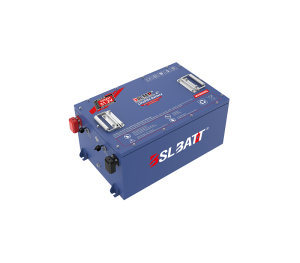
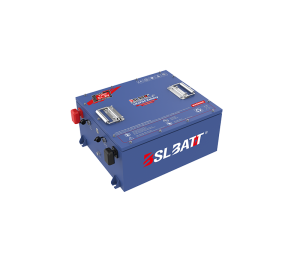
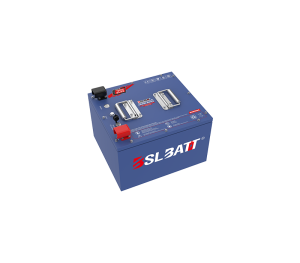
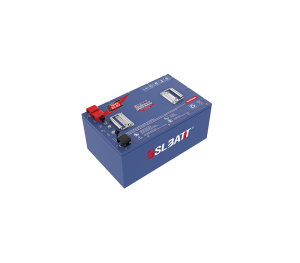
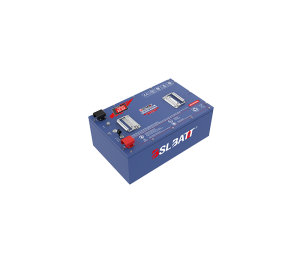
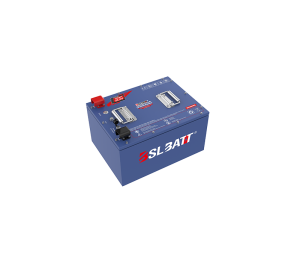
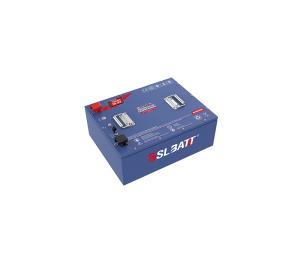
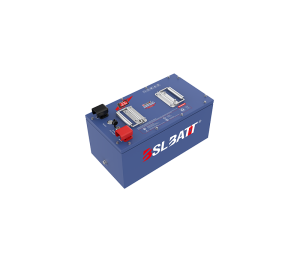
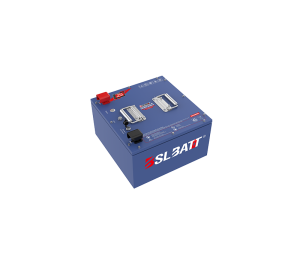
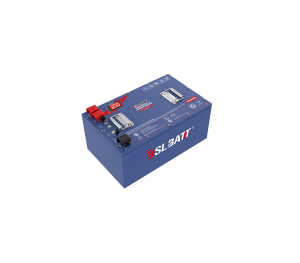
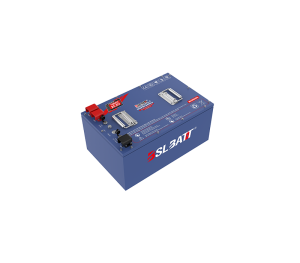
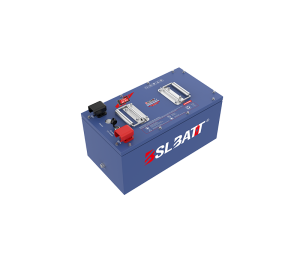
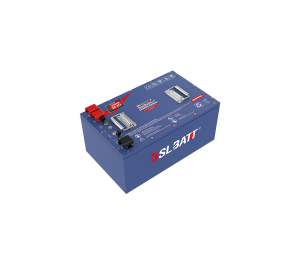
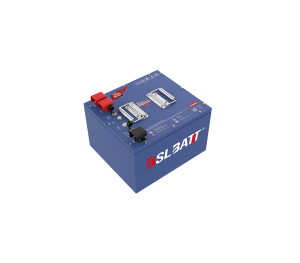
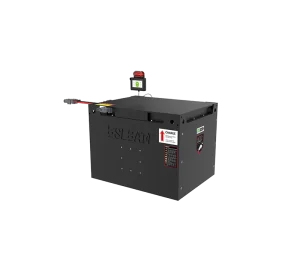
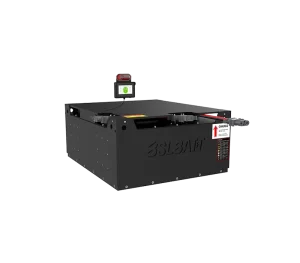


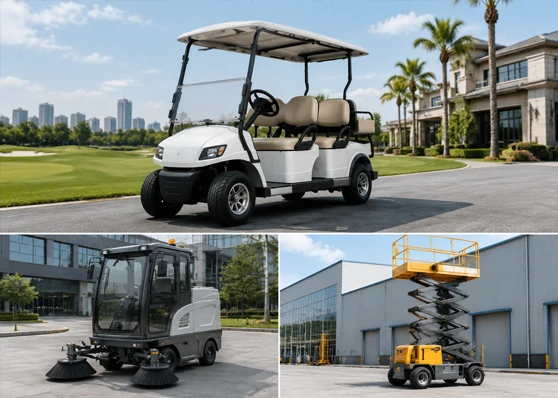
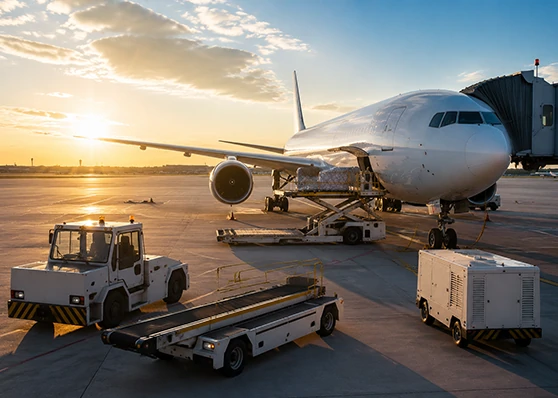
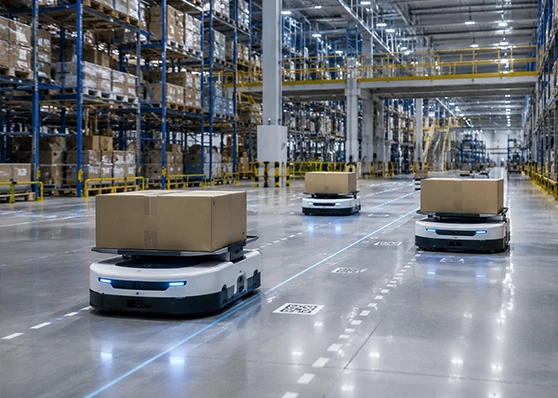
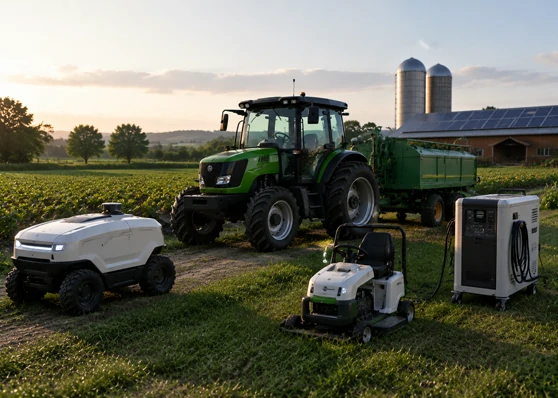




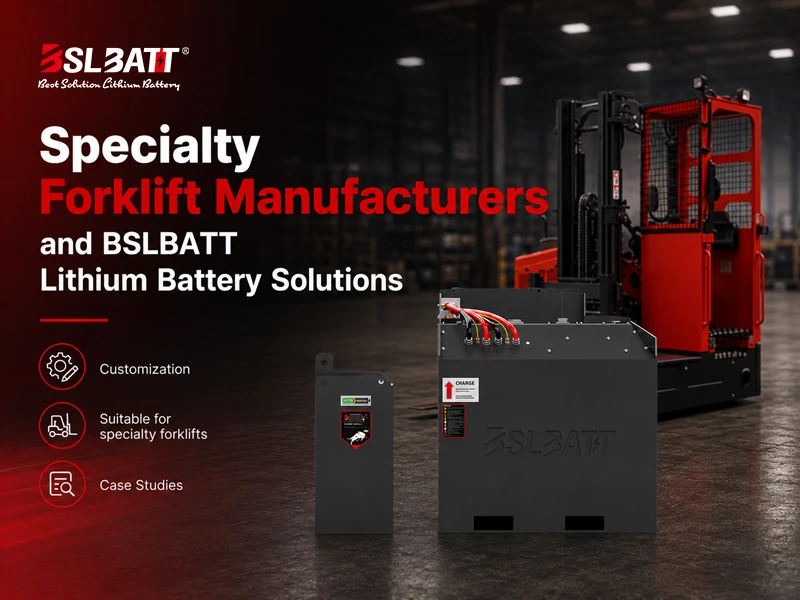
- Specialty Forklift Manufacturers and BSLBATT Lithium Battery Solutions
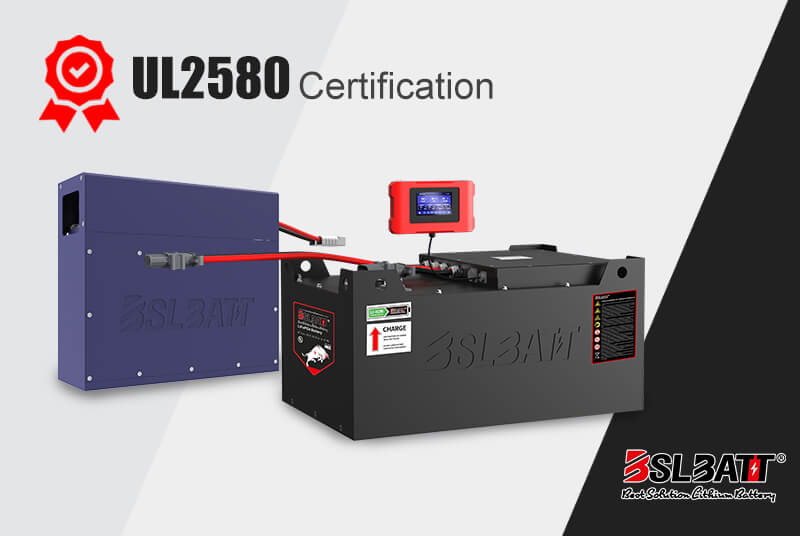
- The first lithium forklift battery that is UL 2580 certified and ISO9001 certified in the industry is BSLBATT® Battery – Industrial
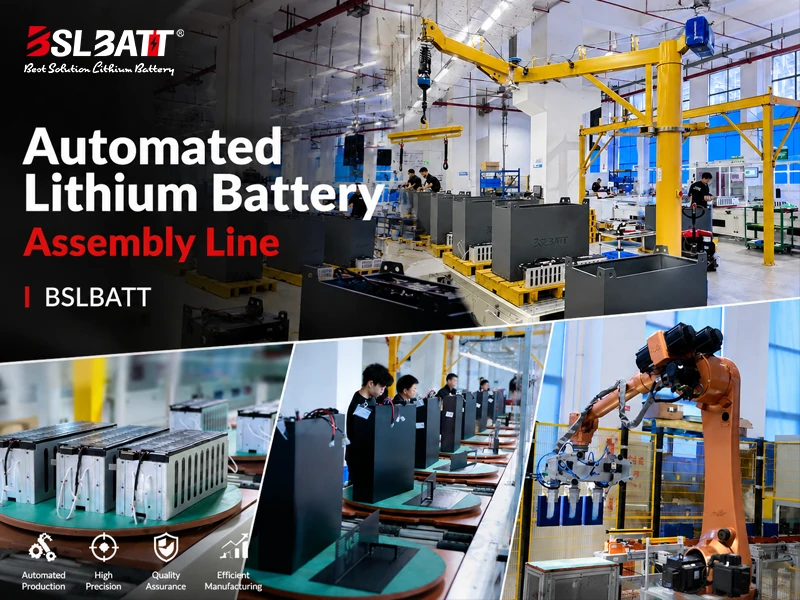
- Automated Lithium Battery Assembly Line | BSLBATT Smart Factory
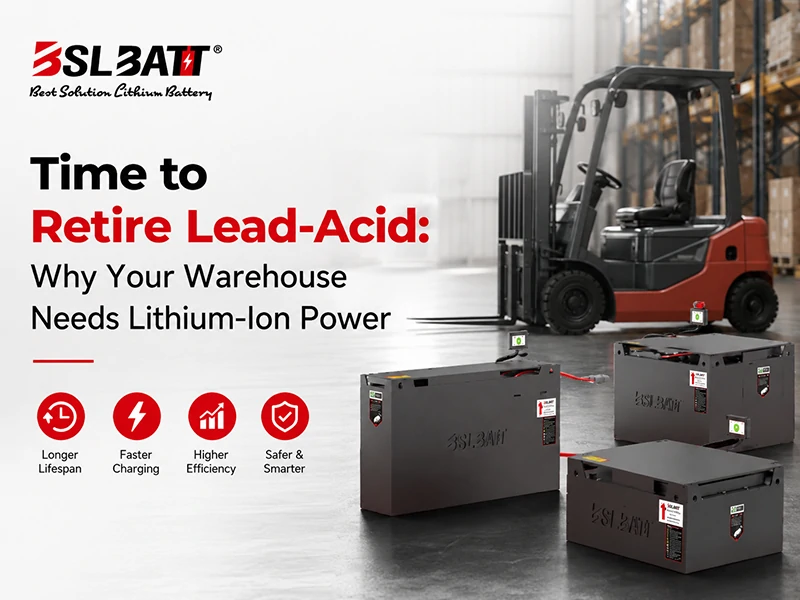
- Time to Retire Lead-Acid: Why Your Warehouse Needs Lithium-Ion Power
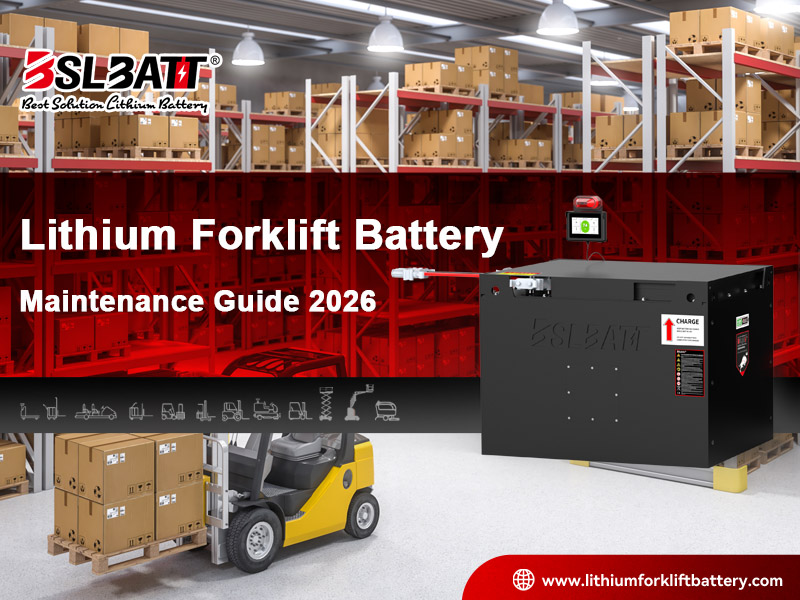
- Lithium Forklift Battery Maintenance Guide 2026
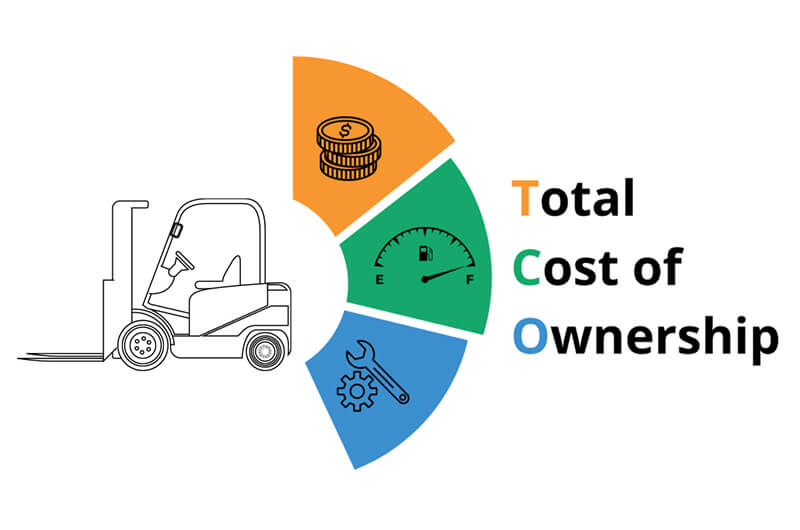
- Industrial Lithium Batteries: Initial Price vs. Long-Term Costs
Events
BSLBATT at Logis-Tech Tokyo 2026: Meet Us in Tokyo for the Future of Material Handling Power
Table of contents
- Why Material Handling Is Moving Toward Lithium Power
- What BSLBATT Brings to Logis-Tech Tokyo 2026
- A lithium battery is not simply a drop-in replacement for every forklift.
- Solutions for Different Forklift Applications
- Class I Forklifts
- Narrow Aisle and Specialty Forklifts
- Heavy-Duty Forklifts
- What Visitors Can Discuss with BSLBATT at Booth W4-D34
- Why Talk to BSLBATT?
- For OEMs
- For Distributors
- For Fleet Operators
- For Material Handling Companies
- Planning to Attend Logis-Tech Tokyo 2026?
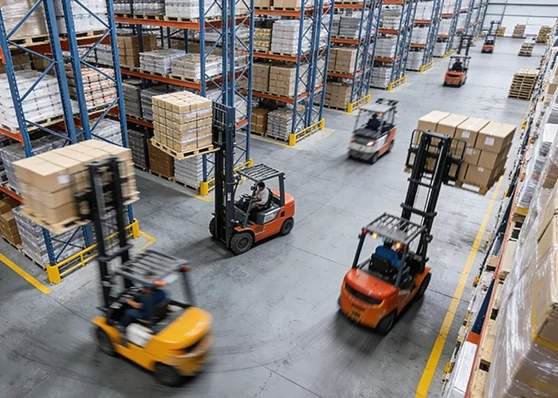
Warehouses and distribution centers are asking more from their equipment than ever. Forklifts need to run longer, charging needs to fit around production schedules, and downtime has become increasingly expensive. A warehouse running two or three shifts does not look at a battery in the same way as a forklift used for a few hours a day. The power source is no longer a spare part — it is part of the operation.
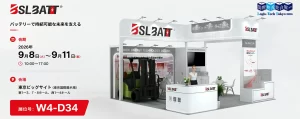
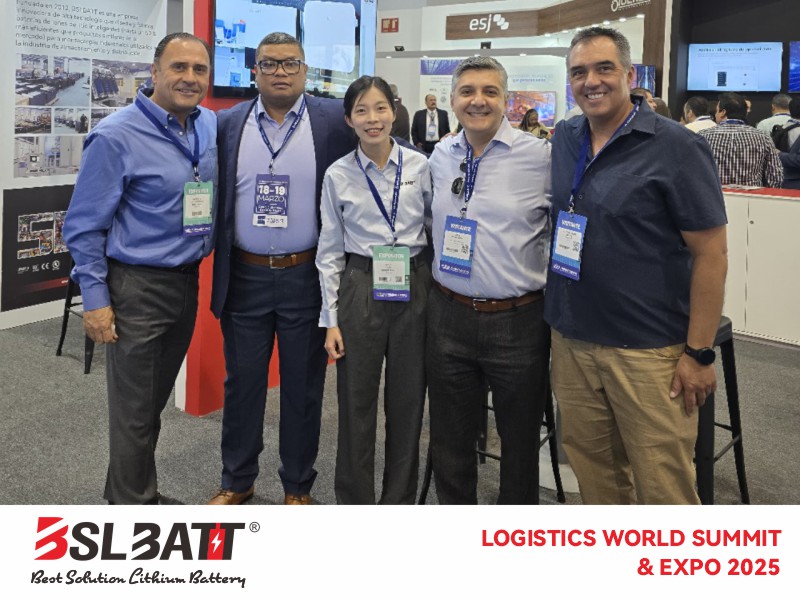
BSLBATT will be exhibiting at Logis-Tech Tokyo 2026 at Booth W4-D34. From September 8–11, 2026, the BSLBATT team will be at Tokyo Big Sight showing how lithium battery system solutions are built for real material handling duty cycles — not just for the forklift itself, but for the way the forklift is actually used.
Logis-Tech Tokyo 2026: BSLBATT at a Glance
- Event: Logis-Tech Tokyo 2026
- Date: September 8–11, 2026
- Location: Tokyo Big Sight, Tokyo, Japan
- Booth: W4-D34
- Focus: Lithium battery solutions for forklifts and material handling equipment
Why Material Handling Is Moving Toward Lithium Power
The shift to lithium in material handling did not start with a technology trend. It started with operating problems.
Multi-shift operations are the clearest example. A fleet running three shifts cannot afford an eight-hour charge window followed by a cool-down period. Opportunity charging changes the equation: the battery takes energy during breaks, lunch, and brief gaps between loads, and the truck keeps working — possible because lithium cells accept short charging windows without damage.
Equipment uptime is the other side of the same coin. Lead-acid batteries need watering, equalizing charges, and regular terminal maintenance — every hour of battery care is an hour the truck is not moving pallets. Lithium removes most of that routine work.
Energy efficiency follows from the chemistry. Lithium packs deliver a higher usable capacity relative to their rated size, so a smaller battery can often replace a larger lead-acid unit, with less weight on the truck and less heat in the charging room.
None of this means lead-acid is obsolete. For some light-duty, single-shift applications, the lower upfront cost still makes sense. But when a fleet’s operating costs are driven by downtime, labor, and energy — which is true for most multi-shift operations — the total cost of ownership math tends to favor lithium. The practical question is how to match it to a specific fleet, not whether it works.
What BSLBATT Brings to Logis-Tech Tokyo 2026
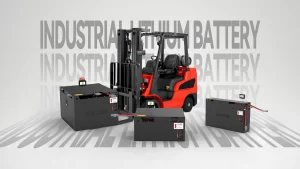
BSLBATT is a lithium battery manufacturer whose work is concentrated on industrial applications. At Logis-Tech Tokyo 2026, the company will present its material handling line — batteries for Class I electric motor rider trucks, Class II narrow aisle trucks, Class III hand and rider trucks, specialty forklifts, heavy forklifts, and straddle carriers, along with matching chargers.
The point of the lineup is not the number of models. It is the underlying approach: different equipment requires different battery architecture.
A reach truck operating in a high-rack warehouse needs high discharge capability for vertical lifting, in a compact footprint that fits a tight compartment. A heavy forklift moving large loads across a yard needs sustained high power over long hours. An electric pallet jack doing short hauls needs something far lighter and simpler. These are not the same engineering problem.
That is why BSLBATT matches solutions around voltage, capacity, battery compartment dimensions, power requirements, duty cycle, charging strategy, operating environment, and equipment configuration. If you are evaluating lithium battery solutions for material handling, the useful conversation is not “which battery is the best” — it is “which battery fits this truck, this schedule, and this building.”
A lithium battery is not simply a drop-in replacement for every forklift.
This is worth being direct about. Battery dimensions differ between trucks. Voltage, capacity, connector configurations, and discharge requirements differ too — a truck that lifts heavy loads continuously pulls current very differently from one doing intermittent transport. Working environments differ as well: a cold-store operation places demands a warm warehouse does not.
When those variables are ignored, a lithium conversion can underperform. When they are accounted for, the result is a battery system designed around the equipment and the application. That distinction — engineering around the application rather than selling one-size-fits-all packs — is what visitors to W4-D34 should expect to discuss.
Solutions for Different Forklift Applications
Class I Forklifts
Class I electric motor rider trucks are the backbone of most warehouse fleets — the counterbalance workhorses handling pallets, racks, and docks day in, day out. Their power demand is steady and significant, and multi-shift schedules are common.
For these trucks, the conversation at the booth will cover capacity matching, opportunity charging, and how the battery integrates with the truck’s existing electrical system. BSLBATT’s Class I range includes models such as the B-LFP36-690MH, B-LFP48-410MH, B-LFP48-504MH, B-LFP48-560MH, and B-LFP48-690MH — a practical starting point for a discussion on lithium batteries for Class I forklifts.
Narrow Aisle and Specialty Forklifts
Narrow-aisle trucks, reach trucks, and order pickers work in tight spaces where every centimeter of the battery compartment matters. High-lift performance demands strong, consistent discharge, and the battery must fit without compromising the truck’s center of gravity.
Specialty machines raise the difficulty further. Multi-directional trucks and special-shaped forklifts — such as Combilift-style machines — often have non-standard compartments and unusual structural constraints. BSLBATT’s approach here is application-level customization rather than forcing a standard pack into an irregular space, and visitors running specialty fleets can discuss Combilift special-shaped forklift battery solutions directly with the team.
Heavy-Duty Forklifts
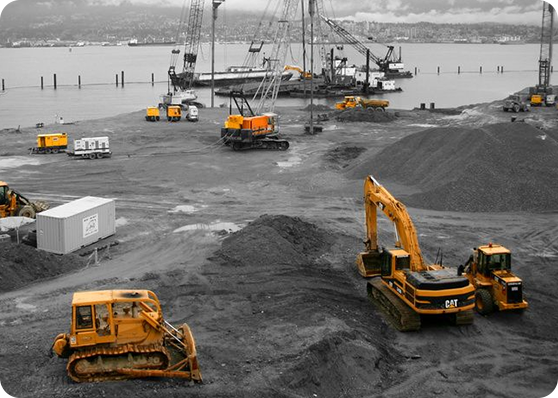
Heavy-duty forklifts operate under a different set of rules: high power demand, long operating hours, heavy loads, and demanding environments — often outdoors, in heat, dust, or uneven terrain. These machines need batteries that hold up under continuous high-current draw and deliver dependable runtime across a full shift.
BSLBATT addresses this segment with dedicated high-voltage, high-capacity packs designed around the machine’s power profile. If heavy equipment is your operation, the relevant conversation is about heavy-duty forklift lithium batteries — rated for the work, not for the brochure.
What Visitors Can Discuss with BSLBATT at Booth W4-D34
At Booth W4-D34, visitors can discuss:
- Forklift battery replacement — matching a lithium pack to an existing truck
- Lead-acid to lithium conversion — including what needs to be checked before converting
- OEM battery requirements — batteries engineered to OEM specifications
- Custom battery dimensions — non-standard compartments and special-shaped trucks
- Multi-shift fleet applications — charging strategy across shifts
- Heavy-duty forklift applications — high-discharge, long-hour operation
- Charging strategy — opportunity charging, charger matching, and energy planning
- Battery monitoring — understanding state of charge and fleet health
- Battery safety — thermal management and protection systems
- Long-term operating costs — TCO comparisons for real duty cycles
- Material handling battery sourcing — supply, lead times, and support
OEMs, distributors, fleet operators and material handling equipment companies are all welcome to discuss their specific requirements with the BSLBATT team.
Why Talk to BSLBATT?
The honest reason to stop by a booth is simple: you leave with something useful. Here is what different visitors can expect from W4-D34.
For OEMs
If you build forklifts or material handling equipment, the question is integration — how a lithium system fits your machine’s electrical architecture, compartment, and performance targets. BSLBATT’s work in battery integration, customization, and application matching is documented in its custom lithium battery solutions and OEM/ODM service model, and the engineering team will be on site to talk specifics.
For Distributors
Distributors are looking for a broader industrial lithium battery portfolio and the technical support to back it up. A conversation at the booth covers the product range, how support is structured, and what a partnership would look like.
For Fleet Operators
For fleet operators, the priorities are runtime, charging, maintenance, and TCO. Bring your duty cycle — shift patterns, average loads, current charging setup — and the discussion becomes concrete: what changes, what stays the same, and what the cost picture looks like over the life of the battery.
For Material Handling Companies
For companies that build, sell, or service material handling equipment, the value is in application-specific battery system solutions. BSLBATT’s broader technology foundation — including BSLBATT battery technology with its smart BMS and cloud platform capabilities — is worth understanding before you commit to a supplier.
Planning to Attend Logis-Tech Tokyo 2026?
Visit BSLBATT at Booth W4-D34.
September 8–11, 2026, Tokyo Big Sight. Bring your questions about battery replacement, conversion, OEM requirements, or fleet planning — the team will be at W4-D34 all four days, ready to talk about your application in practical terms.
If you cannot make the show, the same engineering team is reachable through the BSLBATT contact — tell them which forklifts you run and what your duty cycle looks like, and the conversation starts from there.
Related Product Recommendations
-
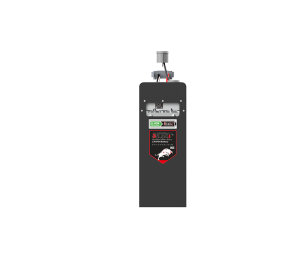
25.6V 230AH
24 Volt Forklift Battery for Sale 230Ah High-Endurance Lithium | BSLBATT
Learn More -
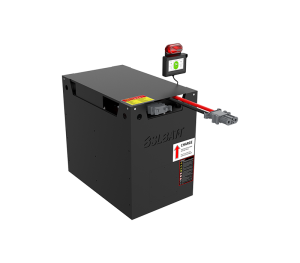
38.4V 690AH
36 Volt Forklift Battery 690Ah Lithium-ion Solution for Reach Trucks & Class I Fleets | BSLBATT
Learn More -
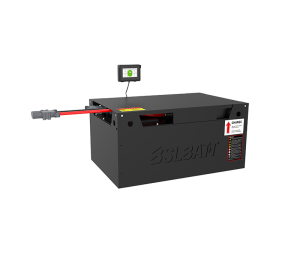
51.2V 336AH
48 Volt Forklift Battery Powerful 336Ah Lithium-ion Solution | BSLBATT
Learn More -
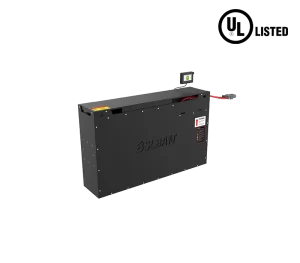
51.2V 460AH Lithium Forklift Battery
48V Forklift Battery for Sale UL Certified IP65 460Ah Lithium | BSLBATT
Learn More -
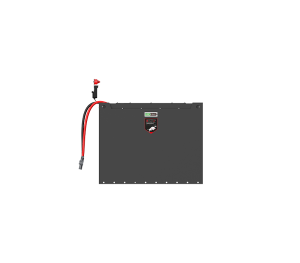
83.2V 1380AH
80V Forklift Battery 1380Ah for Heavy-Duty Use | BSLBATT
Learn More