

Revolutionize the energy economy with advanced lithium-ion battery technology—lower costs, reduce heat, and accelerate sustainable development.
 Explore all product lines
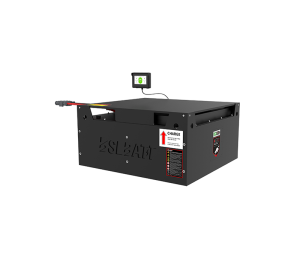
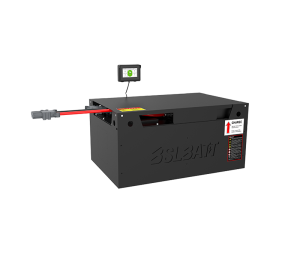
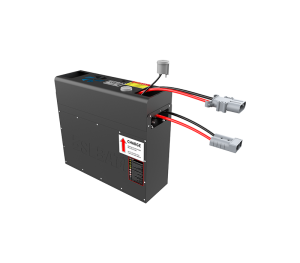
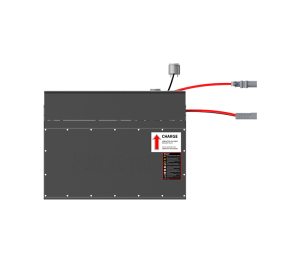
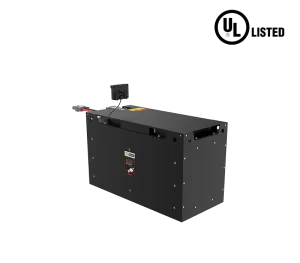
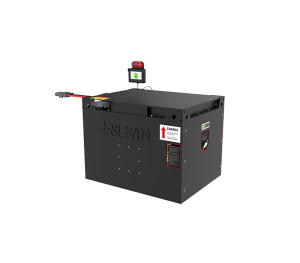
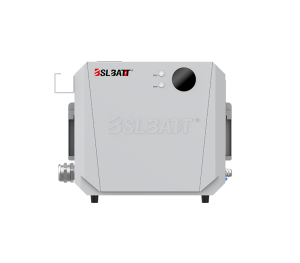
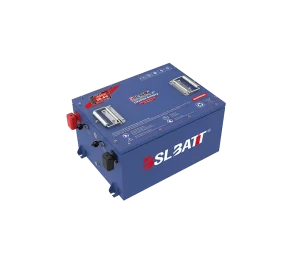
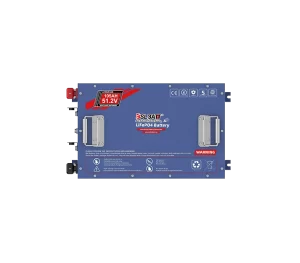
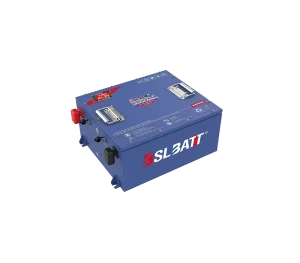
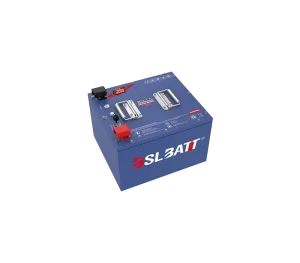
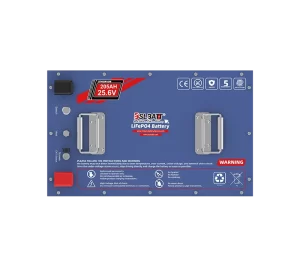
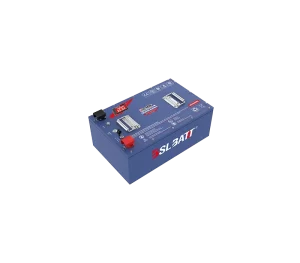
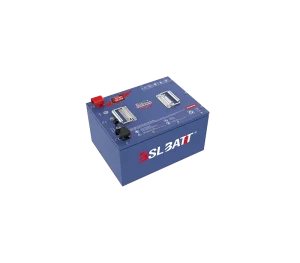
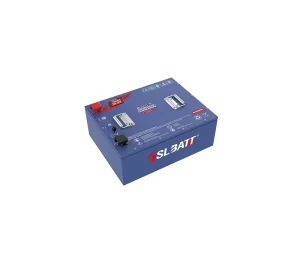
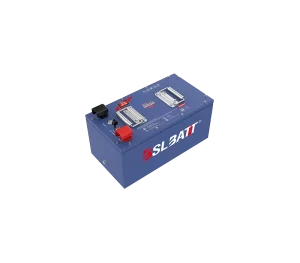
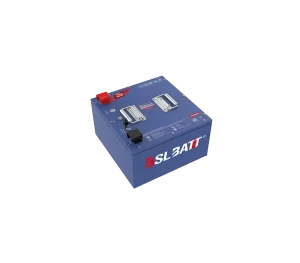
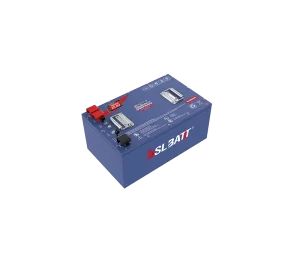
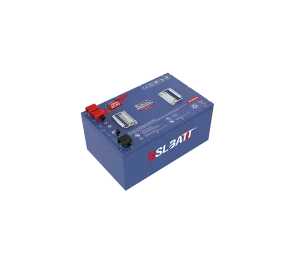
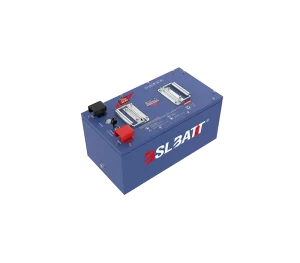
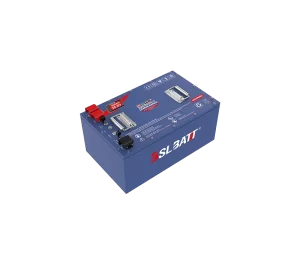
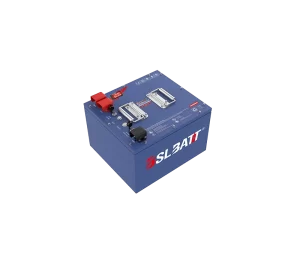
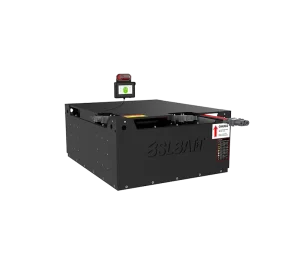
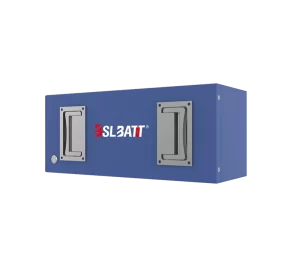
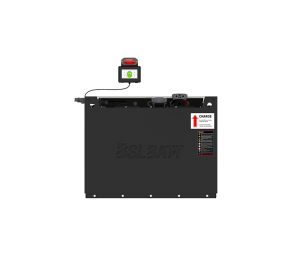
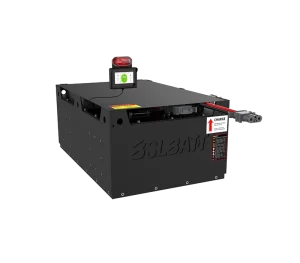
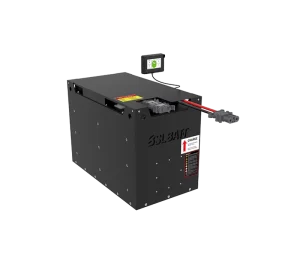
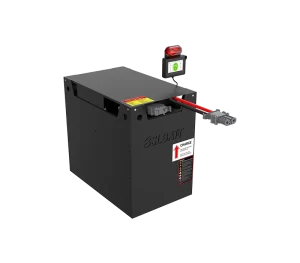











- Specialty Forklift Manufacturers and BSLBATT Lithium Battery Solutions
- The first lithium forklift battery that is UL 2580 certified and ISO9001 certified in the industry is BSLBATT® Battery – Industrial
- Automated Lithium Battery Assembly Line | BSLBATT Smart Factory
- Time to Retire Lead-Acid: Why Your Warehouse Needs Lithium-Ion Power
- Lithium Forklift Battery Maintenance Guide 2026
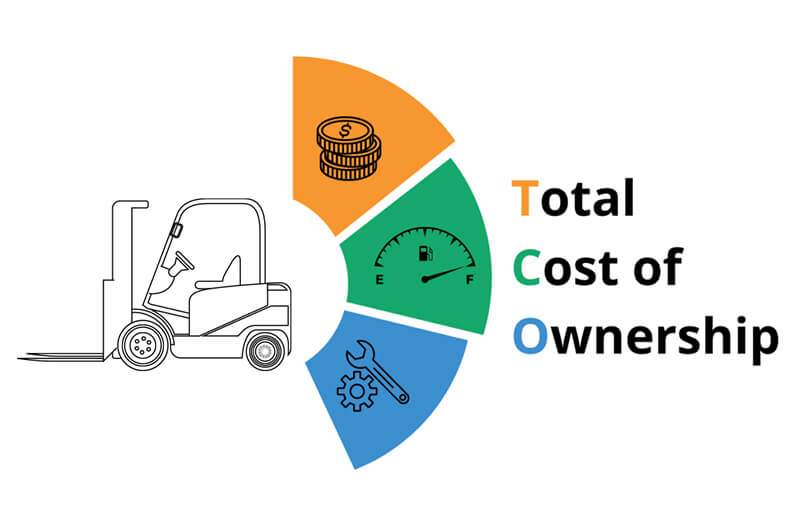
- Industrial Lithium Batteries: Initial Price vs. Long-Term Costs

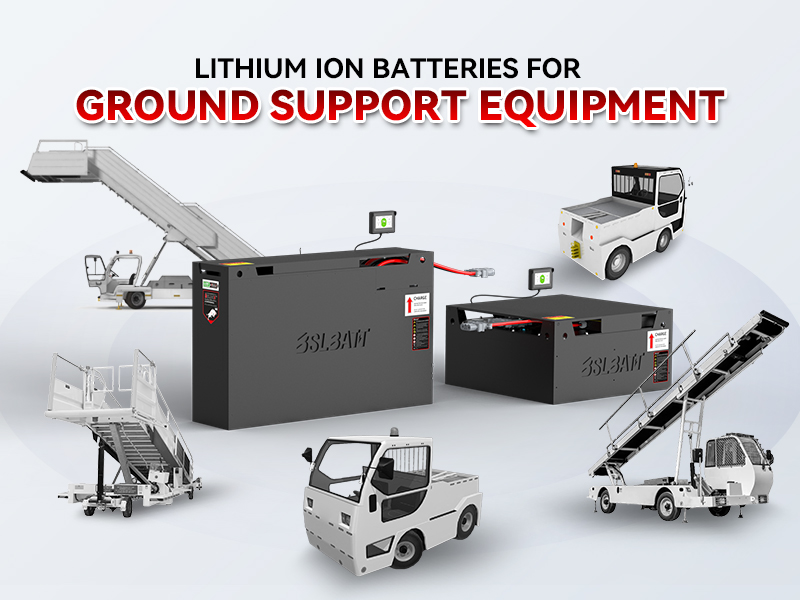
GSE
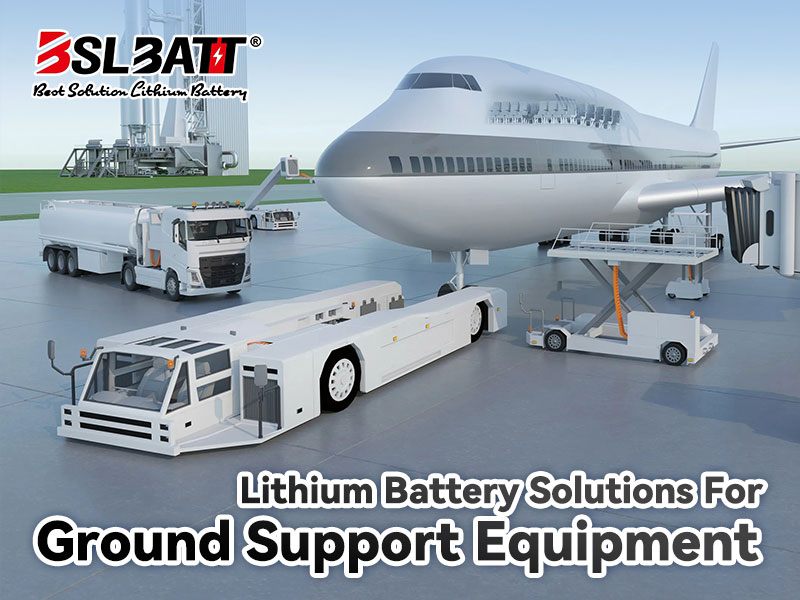
Airport Tug Batteries: Converting Ground Support Equipment to Lithium
Table of contents
- What counts as an airport tug
- Why tugs are hard on batteries
- Why airports convert
- Can your tug be converted? A practical checklist
- Baggage tug battery: what to look for
- Aircraft tug battery: the high-current case
- Charging an electric ground support equipment fleet
- What the conversion costs, and how to judge it
- A sensible rollout
- Talk to an BSLBATT
- FAQ

What counts as an airport tug
The word covers several different machines, and they don’t need the same battery.
- Baggage tug (baggage tractor). Pulls trains of baggage carts or cargo dollies between aircraft and terminal. It’s the most common tug on any ramp and usually the first one airports convert.
- Conventional aircraft tug. Pushes or tows an aircraft using a towbar connected to the nose gear. Needs more power than a baggage tug and a heavier pack.
- Towbarless tug (pushback tractor). Cradles the nose wheel directly and handles the heaviest aircraft. It has the highest peak power demand of any common GSE.
BSLBATT’s GSE guide lists typical voltage ranges of 48V to 80V for conventional tow tractors and cargo tractors, and 80V to 96V for towbarless tractors. Those are typical figures, not rules. Your vehicle’s nameplate and controller specification are what count.
Why tugs are hard on batteries
A tug’s duty cycle punishes a battery in a few specific ways.
Heavy, repeated starts. Getting a loaded baggage train moving, or an aircraft rolling, pulls a large burst of current. A pushback pulls more again. The pack has to deliver that without the voltage collapsing.
Irregular use. A tug may sit idle for 15 minutes and then work flat out. That pattern suits opportunity charging, which lead-acid handles badly and lithium handles well.
Long hours. Hub airports run around the clock. A lead-acid tug on the classic 8-8-8 pattern (about eight hours working, eight charging and eight cooling) needs a spare pack, or a second vehicle, to stay in service for a full day.
Weather. Rain, de-icing fluid, dust, heat and cold all show up on the apron, along with fuel vapor. The pack has to be sealed and protected accordingly.
Why airports convert
The full chemistry comparison is in our GSE battery types guide. The short version for tugs:
- Lithium delivers a flat voltage curve, so towing power doesn’t fade late in the shift.
- A pack can be topped up during crew breaks and gate gaps instead of being swapped.
- There’s no watering, no acid handling and no hydrogen from charging, so a dedicated battery room is no longer needed.
- Cycle life is several times longer. BSLBATT rates its GSE packs for more than 3,500 cycles.
- A battery management system (BMS) reports state of charge, temperature and cell health for each tug.
For a wider look at how airports are approaching the switch, see BSLBATT’s overview of airport ground support equipment going lithium.
Can your tug be converted? A practical checklist
Most tugs can, but check these in order before you ask for a quote.
- Voltage and controller limits. Find the nominal voltage on the nameplate, then ask the vehicle manufacturer or your supplier whether the controller accepts a lithium pack’s voltage window. Lithium’s voltage is flatter than lead-acid’s, which is good for performance but can confuse settings built around lead-acid behavior.
- The battery gauge. Many older tugs estimate charge from voltage. On lithium that reading is unreliable, because the voltage barely moves until the pack is nearly empty. Make sure the pack’s BMS can send state of charge to the dashboard over CAN, or plan for a separate display.
- Compartment dimensions. Measure length, width and height, and check the lifting points and tie-downs. A custom case is common on older vehicles.
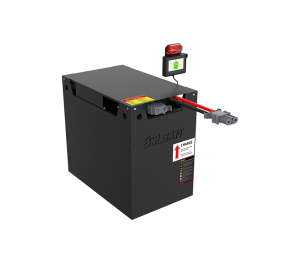
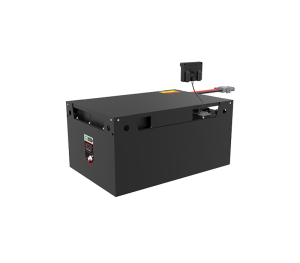
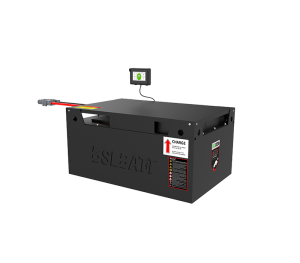
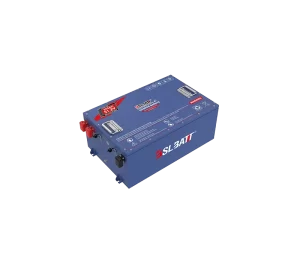
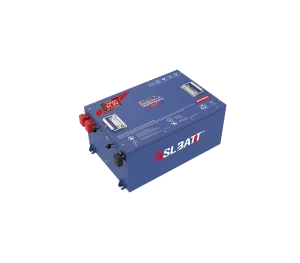
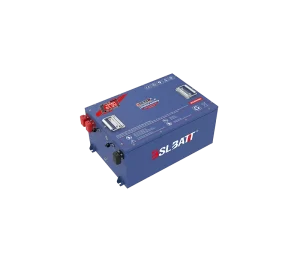
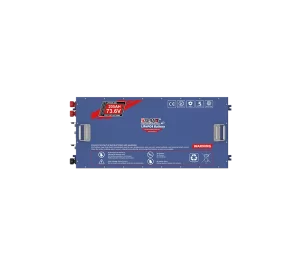
- Weight and counterweight. A tug gets part of its traction from its own mass. A lithium pack is lighter than the lead-acid one it replaces, so you may need ballast to keep traction and stability. For reference, BSLBATT’s 80V 300Ah baggage tug pack weighs about 555 kg.
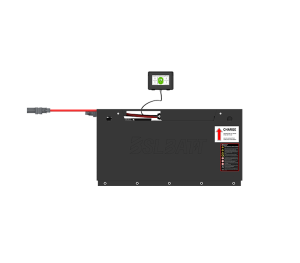
- Connectors and cables. Confirm the charge and discharge connectors match the vehicle and your chargers. BSLBATT’s baggage tug pack uses a REMA320 charging connector and an Anderson 350 discharge connector.
- Communication. The pack’s BMS should talk to the vehicle controller over CAN or RS485, with a protocol your vehicle supports.
- Charger. Pair the pack with a lithium-compatible charger. Check the pairing on the charger matching page rather than assuming an old lead-acid charger will work.
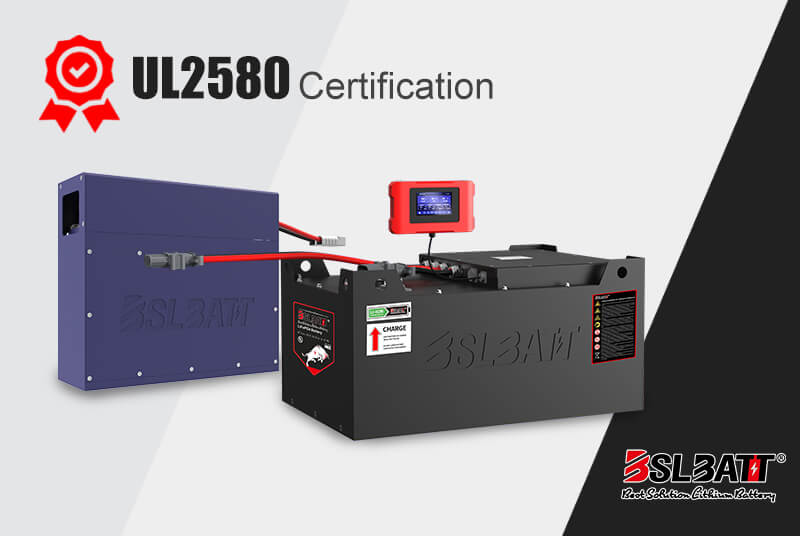
- Certifications and ratings. For anything working near aircraft and fuel, look for UL 2580, UN38.3, CE and IEC marks and an IP65 or better rating. BSLBATT lists its approvals in its GSE battery certifications article.
Baggage tug battery: what to look for
A baggage tug’s pack is about energy and steady output. It has to carry a loaded train for a full shift and recharge quickly in short gaps.
The 80V pack runs the same power at lower current than a 48V one, so there’s less heat in the cabling and steadier pulling power when a tug is hauling a long train. Browse the full range on the luggage tug batteries page.
Aircraft tug battery: the high-current case
An aircraft tug battery has a harder job. Moving a loaded aircraft needs a large burst of power, then a sustained pull. The things that matter most are peak discharge current, thermal behavior under load and total energy.
BSLBATT’s 80V 560Ah pushback tractor battery stores about 44.8 kWh (80V × 560Ah). When you’re evaluating any pack for an aircraft tug, ask the supplier for the continuous and peak discharge current ratings, not just the capacity, and compare them to what the vehicle’s motor draws at its heaviest load. See also the pushback tractor battery page.
Charging an electric ground support equipment fleet
The battery is half the conversion. Charging is the other half.
BSLBATT’s 80V packs pair with an 80V 200A charger, and the pack’s rated charge time is under two hours. Because lithium accepts partial charges, you can plug in during a break instead of waiting for a full recharge.
The infrastructure detail people miss is power. An 80V 200A charger delivers about 16 kW at its output. Ten tugs charging at once is a demand of roughly 160 kW before losses, which is a real load on a ramp electrical supply. Work out how many tugs will plug in simultaneously, and whether staggered charging or a few well-placed charge points covers it, before you order chargers.
Where you charge matters as much as how much. Put charge points where tugs already pause, such as at the stand, the baggage hall doors or the crew room, so that opportunity charging happens without anyone changing their routine.
What the conversion costs, and how to judge it
A lithium pack costs more than a lead-acid one, so look at lifetime cost rather than the purchase price. Use cost per usable cycle:
Cost per usable cycle = pack price ÷ (rated cycles × usable kWh per cycle)
Then add what the formula can’t capture: the spare packs you no longer need, the battery room and ventilation, swap labor, watering time and the minutes tugs spent waiting for a charge. Include one-off conversion costs as well: any custom case, ballast, chargers, installation and driver or technician training. BSLBATT’s page on initial price vs long-term cost goes deeper, and the lithium battery calculator can give you a second estimate.
A sensible rollout
Don’t convert a whole fleet in one go.
- Pick one or two tugs that work the longest shifts, since they show the benefit fastest.
- Run them for a month or more on normal rosters, and log charging times, shift length and any controller or gauge problems.
- Fix what you find, whether it’s the display, the ballast or the charge points.
- Then scale up vehicle by vehicle, and retire the spare lead-acid packs and the battery room as the fleet shrinks.
BSLBATT has published a case study on high-voltage lithium batteries for ground support equipment if you want to see what a real conversion looks like.
Talk to an BSLBATT
If you’re planning to convert baggage tugs or pushback tractors, send us the vehicle model, nameplate voltage and how many shifts it runs. We’ll come back with a pack proposal and a charging plan. Contact BSLBATT
FAQ






Related Product Recommendations
-
80V 560AH
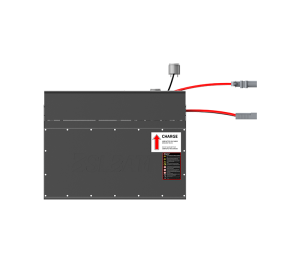
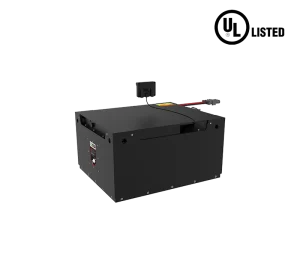
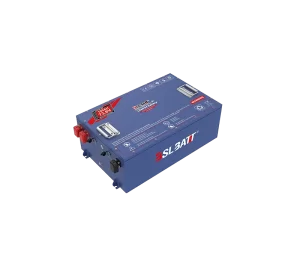
80V 560Ah Lithium Battery for Airport Pushback Tractor
Learn More -
80V 410AH
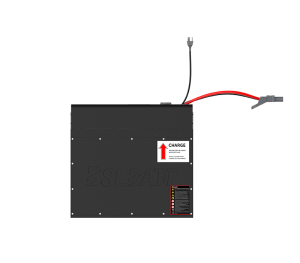
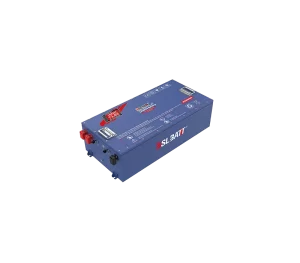
80V 410Ah Lithium Ion Battery for Airport Luggage Machine | BSLBATT
Learn More -
83.2V 300AH
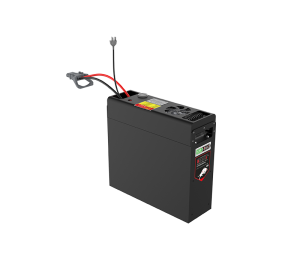
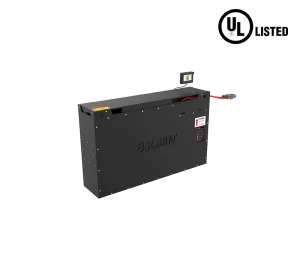
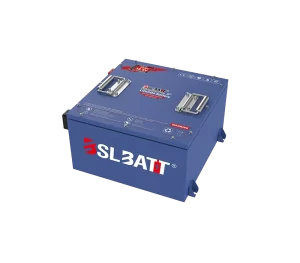
80 Volt Lithium Ion Battery for Baggage Tug | BSLBATT
Learn More -
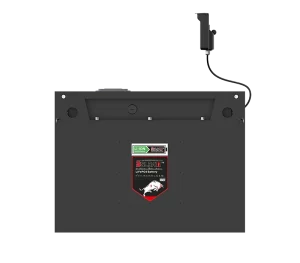
51.2V 230AH Lithium Battery for GSE
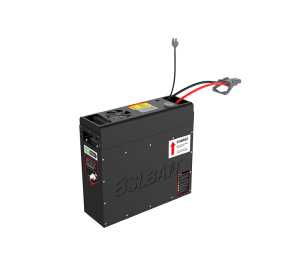
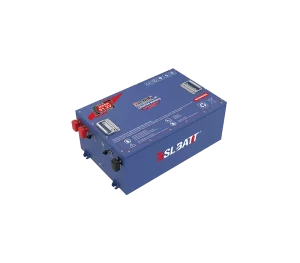
Belt Loader Battery 48V 230Ah Lithium Battery
Learn More