Revolutionize the energy economy with advanced lithium-ion battery technology—lower costs, reduce heat, and accelerate sustainable development.
 Explore all product lines
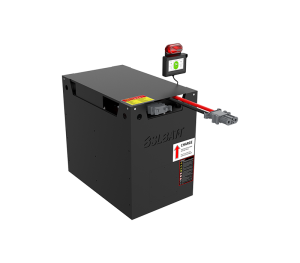
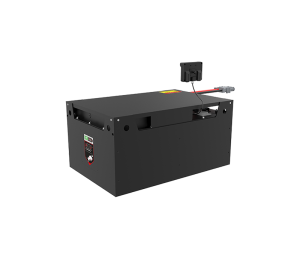
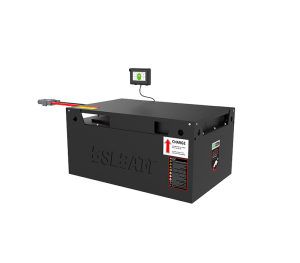
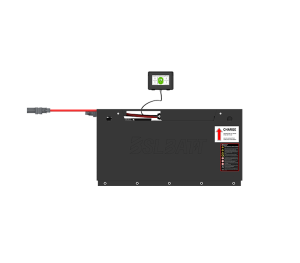
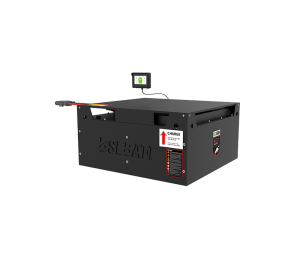
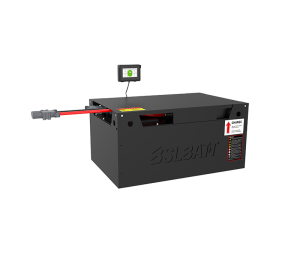
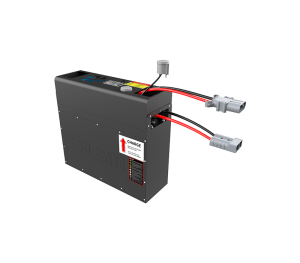
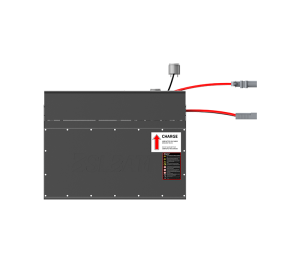
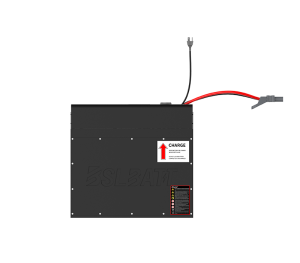
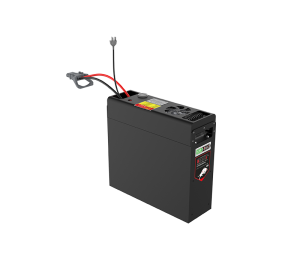
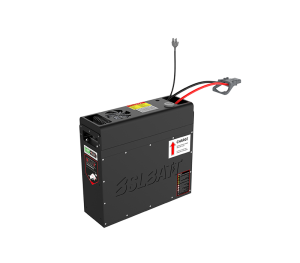
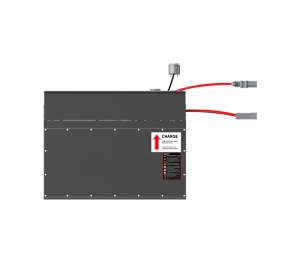
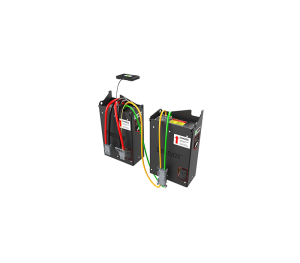
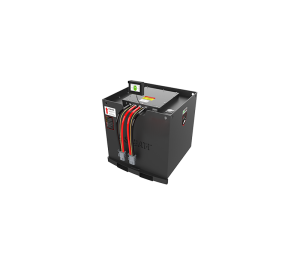
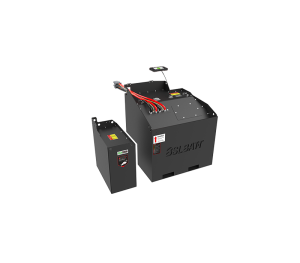
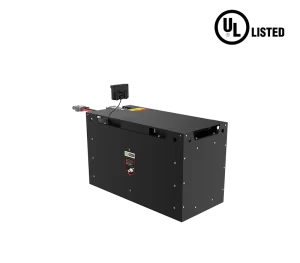
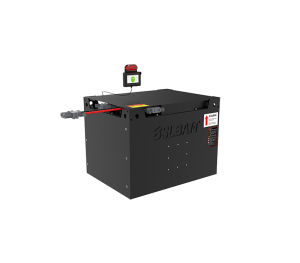
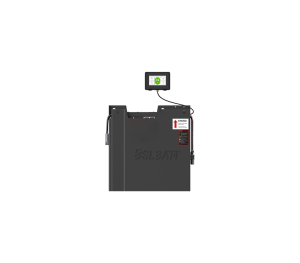
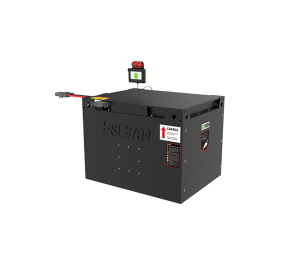
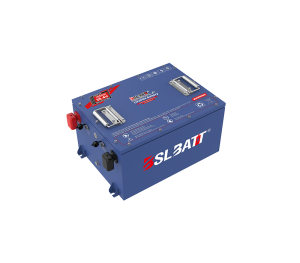
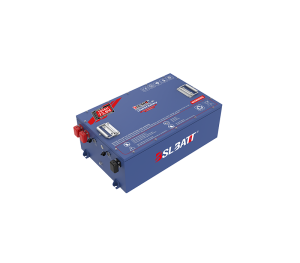
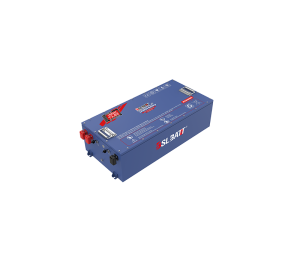
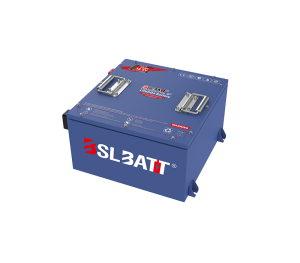
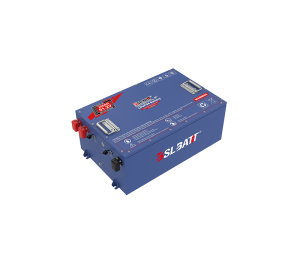
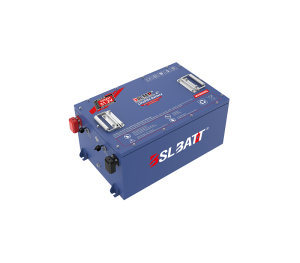
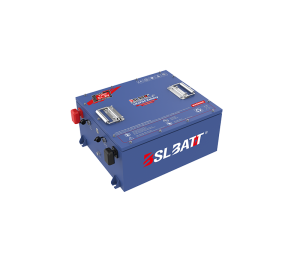
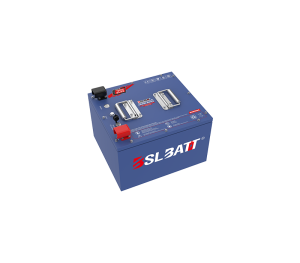
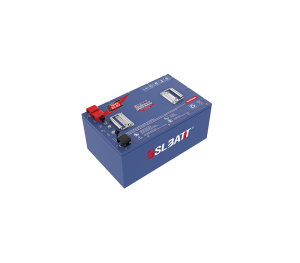
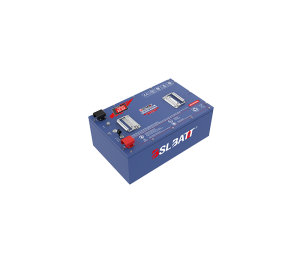
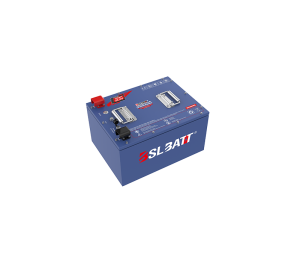
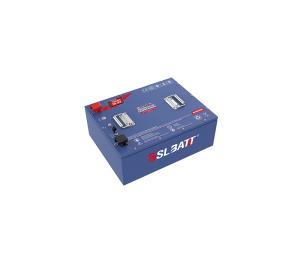
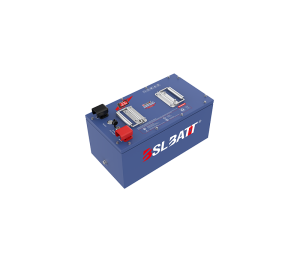
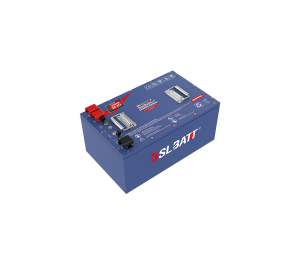
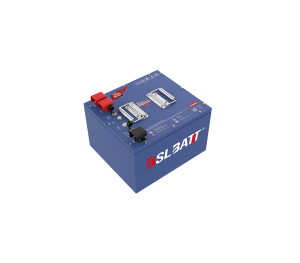
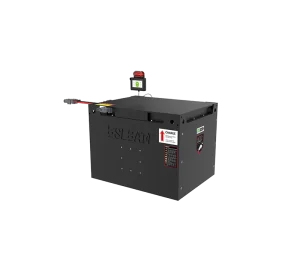
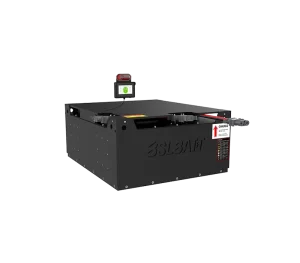


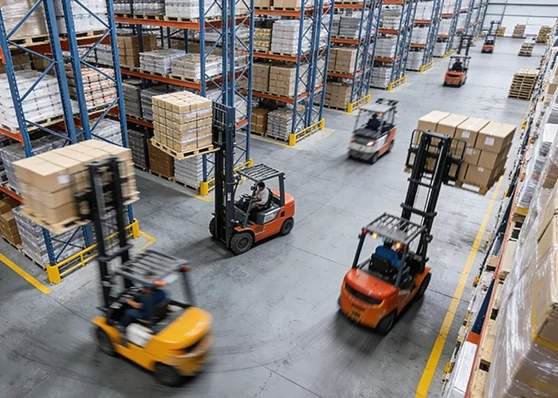
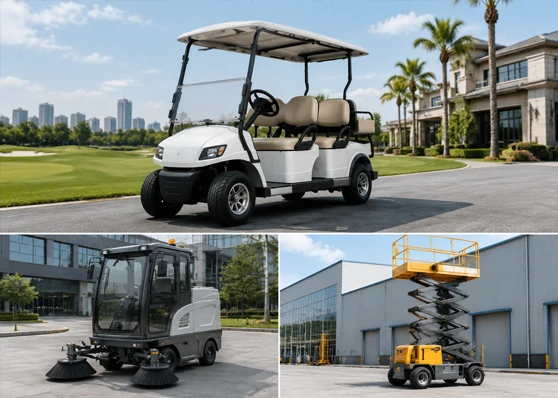

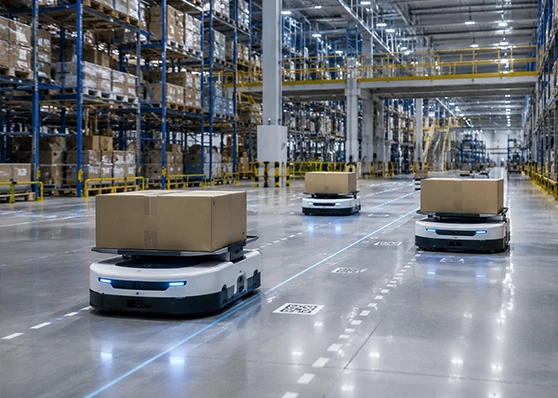
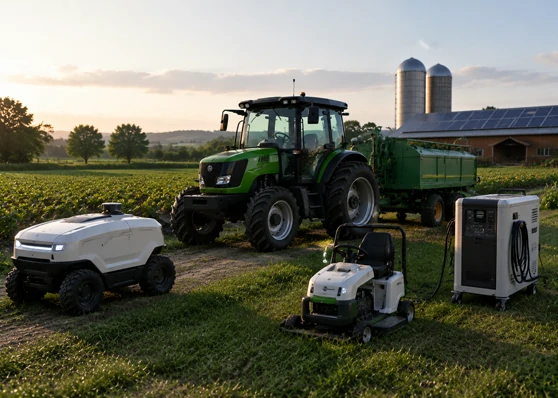





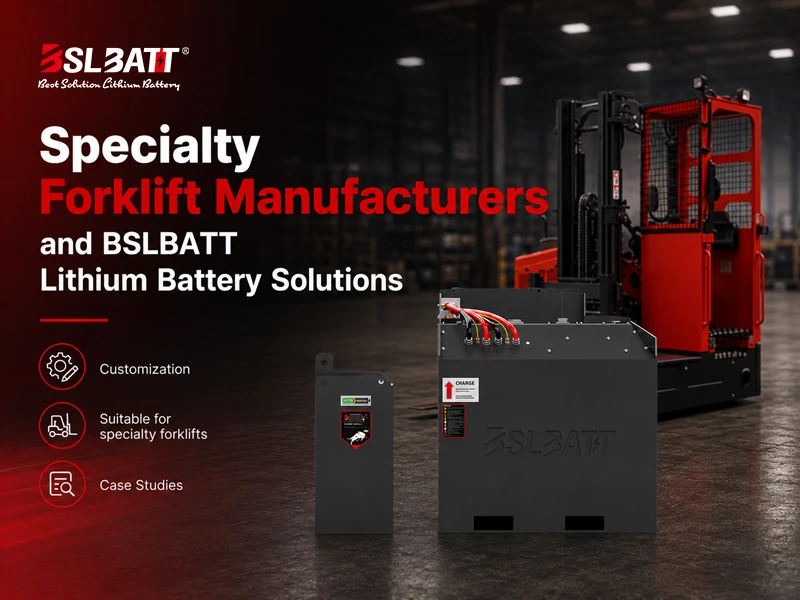
- Specialty Forklift Manufacturers and BSLBATT Lithium Battery Solutions
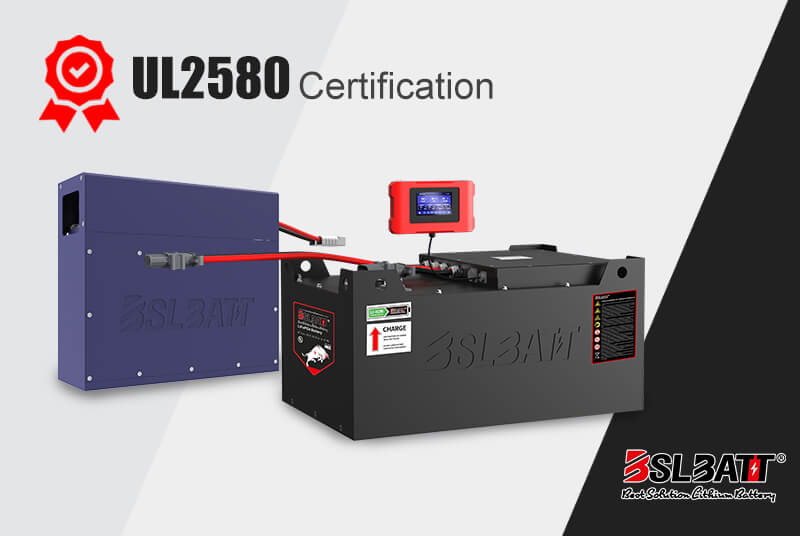
- The first lithium forklift battery that is UL 2580 certified and ISO9001 certified in the industry is BSLBATT® Battery – Industrial
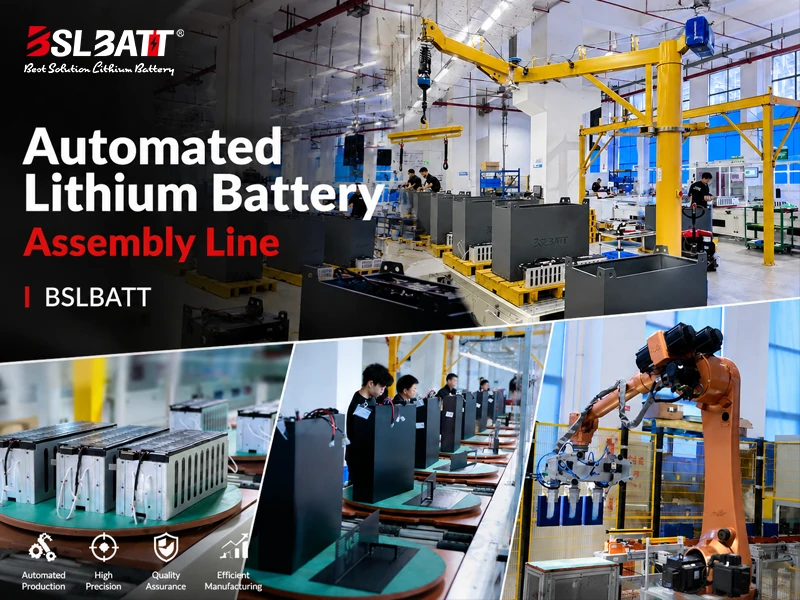
- Automated Lithium Battery Assembly Line | BSLBATT Smart Factory
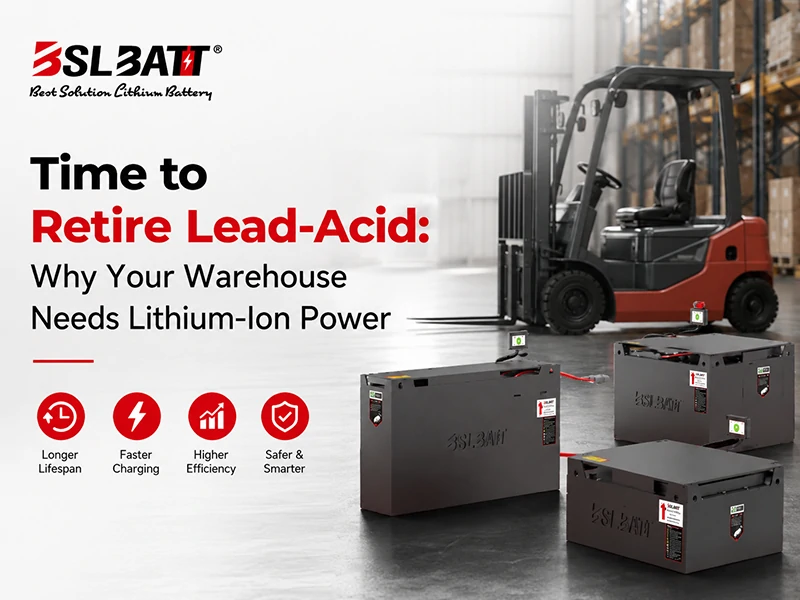
- Time to Retire Lead-Acid: Why Your Warehouse Needs Lithium-Ion Power
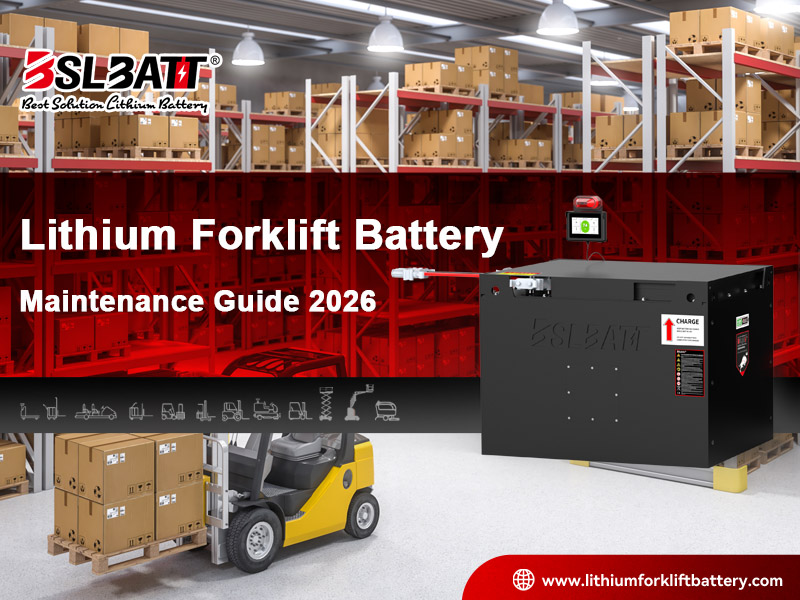
- Lithium Forklift Battery Maintenance Guide 2026
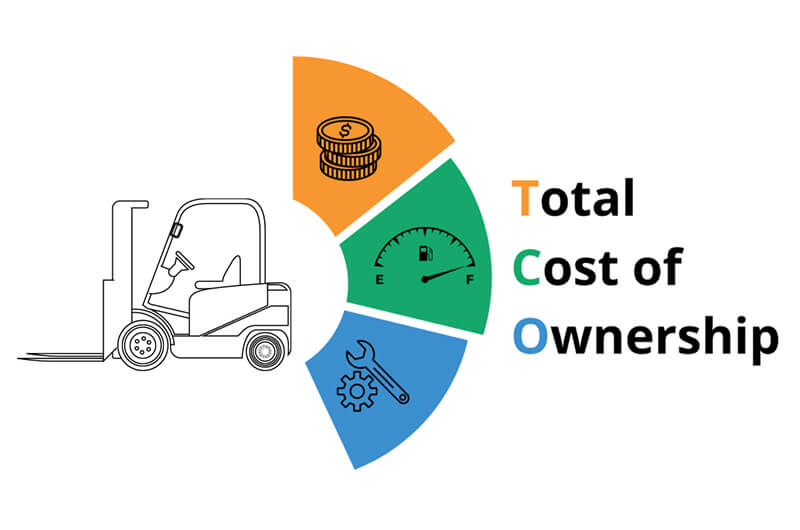
- Industrial Lithium Batteries: Initial Price vs. Long-Term Costs
Featured
Industrial-Equipments: Lithium’s Revolutionizing of Battery Capabilities
Table of contents

- Lithium Batteries
- Lithium batteries typically take one of three forms:
- Lithium Batteries in Construction
- What is Telematics?
- Significant Lithium Battery Advancements in 2021
- In 2021 alone, there have been several significant advancements that will help further drive this trend:
- Power Supply Your Vehicles and Machinery with BSLBATT Modular Technologies
- Take Advantage of Lithium Advancements
- Want to learn more?
As national and international regulations continually prioritize climate change mitigations, the construction industry and its manufacturers face the most significant shift since the introduction of non-road mobile machinery.
Original equipment manufacturers should consider electrifying their vehicles and machinery for the market competitiveness these advantages offer when selling to construction firms.
1. Insulation from Fuel Price Fluctuations and Similar Consumables
2. Elimination of Fuel Consumption During Idle and Warm-Up Periods
3. Maximizing Torque and Power Output Via Electrification
4. Fewer (Internal) Wearable Parts
5. Lower Parasitic Load
In many industries, electrification has been possible for years with lead-acid batteries. In the construction industry, however, physical stress such as shock and vibration, environmental exposure to outside elements, and the power density needed to achieve the necessary duty cycle all provide challenges to successful implementation using lead-acid batteries.
As an alternative, the significant developments in lithium batteries have achieved construction-industry viability. Additionally, recent advancements demonstrate immense further potential.
Lithium Batteries
Lithium batteries generate a charge by the movement of positive lithium ions through a “separator” to create free electrons.1 Lithium batteries are sealed—in contrast to lead-acid batteries, which require frequent water-level checks and additional maintenance.
Lithium batteries typically take one of three forms:
● Cylindrical
● Prismatic
● Pouch
Each of these forms provides different advantages over the others. Still, the higher power density of lithium batteries allows more energy to fit in less space.
Lithium Batteries in Construction
Significant construction electrification is only practical with the advanced lithium batteries now available:
● Lithium batteries can facilitate the higher instantaneous energy outputs and capacities required to operate construction machinery and vehicles.
● Lithium batteries’ sealed construction can be deployed safely in rugged environments.
● The efficiency of lithium batteries makes faster charging possible.
● Lithium batteries can offer over 2000 or more charge cycles, providing greater operational longevity.
● Lithium batteries require significantly less maintenance than lead-acid batteries and diesel platforms.
When it comes to construction machinery and fleets, electrification provides new opportunities for easily collecting and acting on telematics. This information helps expand management perspectives from individual units to entire fleets, optimize operations, and maximize equipment return on investment (ROI).
What is Telematics?
Broadly, telematics refers to the on-board collection of vehicular and machine data and its transmission to a central system. Telematic data is often analyzed and reviewed to identify inefficiencies and predict equipment failures. It also provides numerous tracking and functionality benefits. Successful fleet managers rely on connecting vehicle performance to defined KPIs and deliverables via telematics.
Analysis by Berg Insight estimates that 22.5 million European fleet vehicles will provide telematic data by 2025.1 North American counterparts are projected to reach 31 million fleet vehicles by the same year—split between 23.6 million in Canada and the US and 7.9 million in Latin America.2
With electrification, telematics extends to batteries and chargers. This provides management with direct insight regarding the power systems upon which machinery, vehicles, and other battery-driven equipment rely.
Significant Lithium Battery Advancements in 2021
Continued technological development and production capacity increases will place downward pressure on the costs of lithium energy storage, further tipping the scales. From 1992 to 2016, lithium prices fell 13% each year (in terms of “real price per energy capacity”). This has helped achieve a price drop of 97% over the last 30 years.2
In 2021 alone, there have been several significant advancements that will help further drive this trend:
The European Commission, European Research and Innovation Days, and the Batteries European Partnership Association began BATT4EU. This program targets the development of the competitive growth of battery production and supply in Europe. BATT4EU will be co-led by Horizon Europe, the European Union’s primary program for tackling climate change and sustainability challenges.3
Chinese lithium battery and supply chain companies committed over 100 billion yuan ($15.6 billion) towards production increases between early September and November.4
US researchers identified the geothermal brine of the Salton Sea in California as a viable source for lithium. Their published research examines the most sustainable and economically viable extraction methods.5
Another US research team has published a paper regarding their research into sustainable lithium battery components. Partly derived from trees, the use of cellulose nanofibers and copper achieves a solid-state construction offering high energy density and improved thermal management.6
Power Supply Your Vehicles and Machinery with BSLBATT Modular Technologies
For original equipment manufacturers considering electrification or seeking partners, BSLBATT Battery designs, produces, and tests best-in-class Industrial lithium battery. As a supplier of choice for Tier 1 OEMs, we will help you solve manufacturing challenges and achieve optimal, continuous power delivery.
There are numerous reasons for original equipment manufacturers (OEMs) to pursue electrification strategies for their offerings; most of them resulting in market differentiation and competitive advantage. Ultimately, construction firms will base their equipment and machinery purchasing decisions on the intersection of capability and cost-effectiveness.
Electrification developments—especially those regarding lithium batteries—deliver performance while reducing ongoing and tangential costs. As a result, OEMs can leverage these advantages to stand out amongst competitors producing internal combustion options.
Take Advantage of Lithium Advancements
Original equipment manufacturers (OEM) should investigate and invest in lithium batteries as the power supply for their construction machinery and vehicles. Current lithium battery technology exceeds many construction environment demands. Continual research and development only projects to decrease costs and increase the global supply chain significantly.
Want to learn more?
To learn more about the trends in electrification that construction OEMs should take advantage of, visit our landing page.