Revolutionize the energy economy with advanced lithium-ion battery technology—lower costs, reduce heat, and accelerate sustainable development.
 Explore all product lines
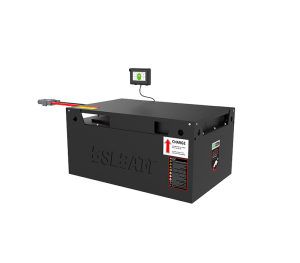
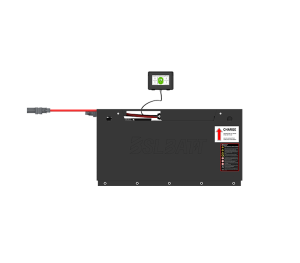
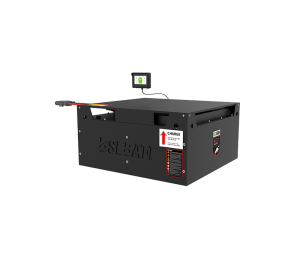
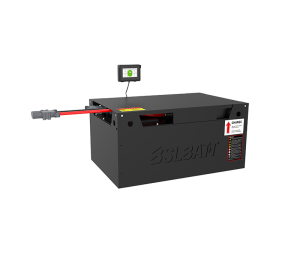
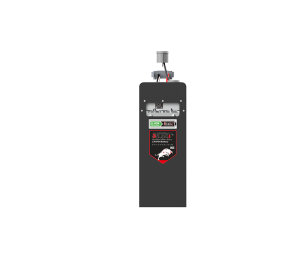
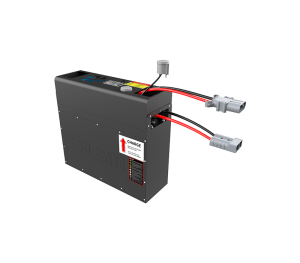
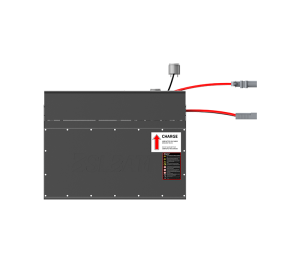
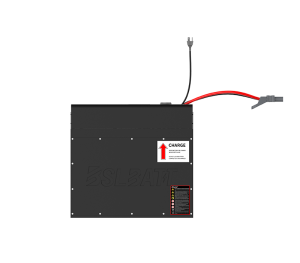
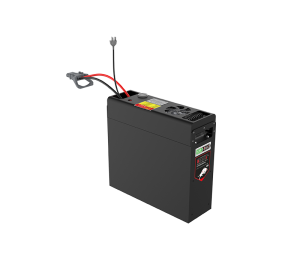
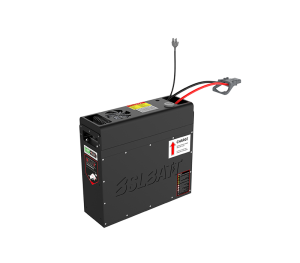
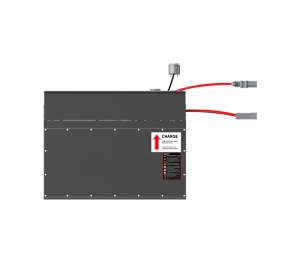
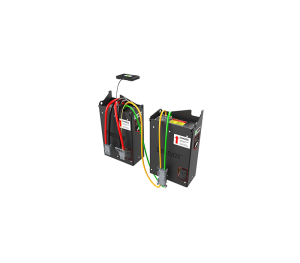
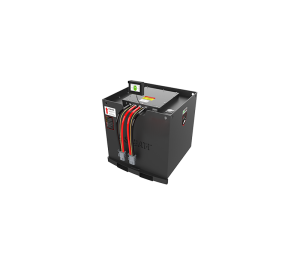
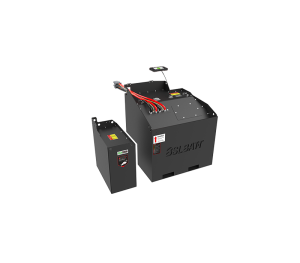

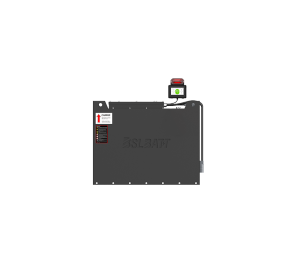
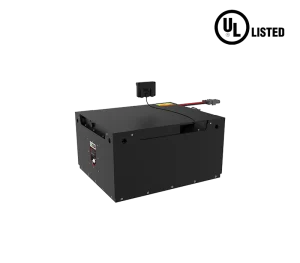
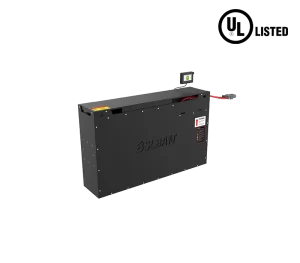
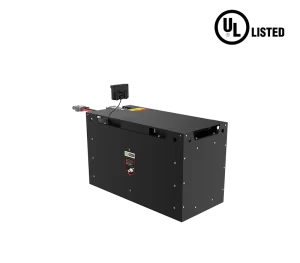
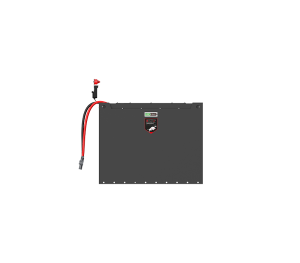
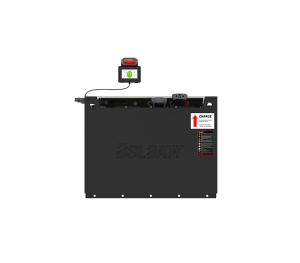
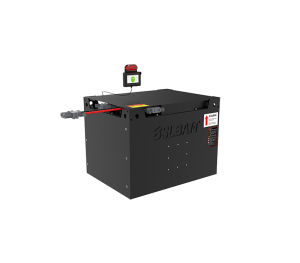
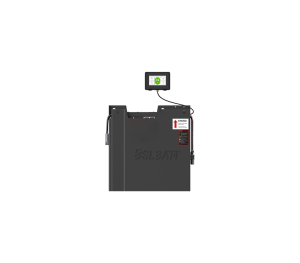
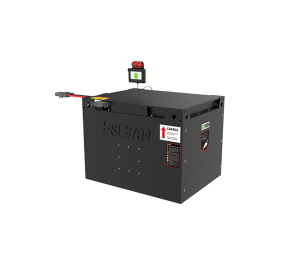

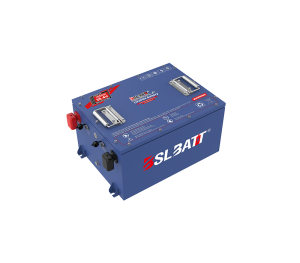
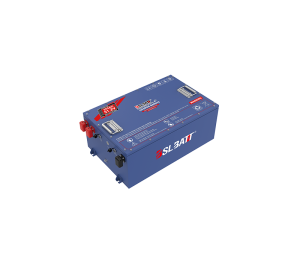
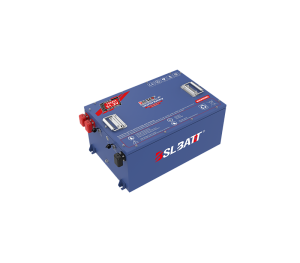
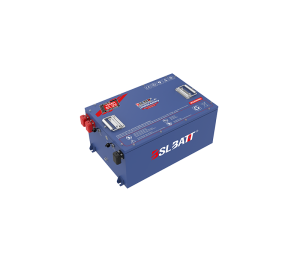
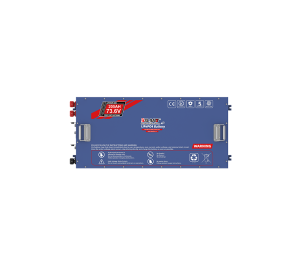
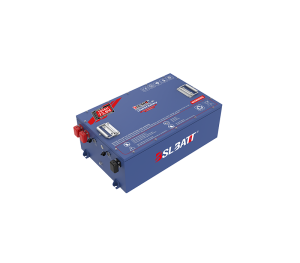
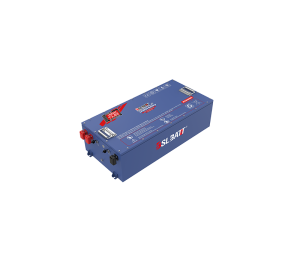
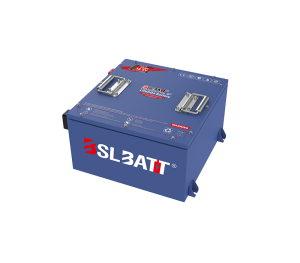
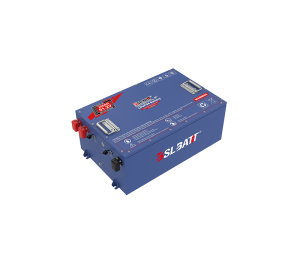
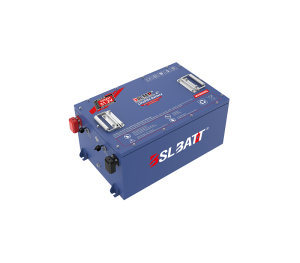
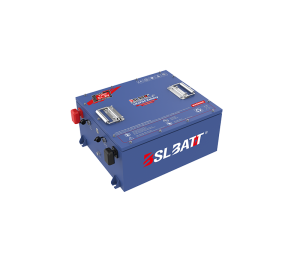
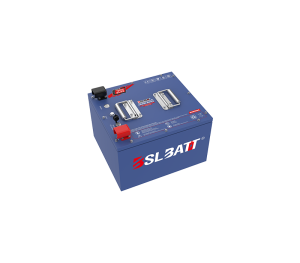
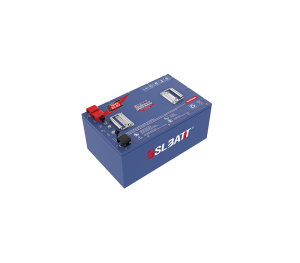
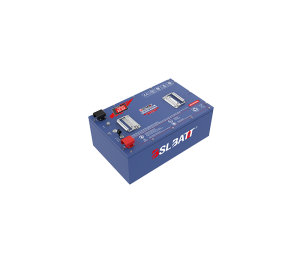
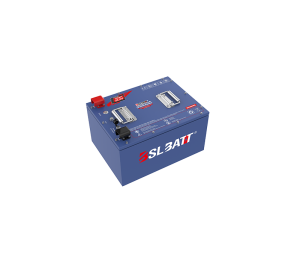
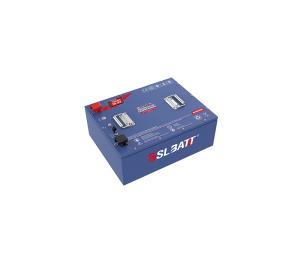
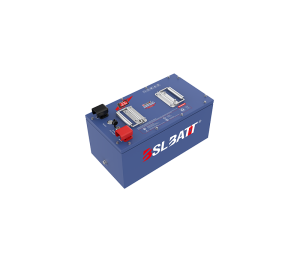
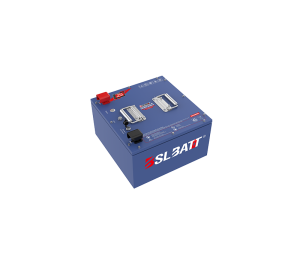
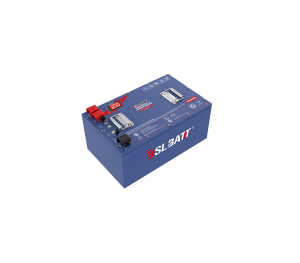
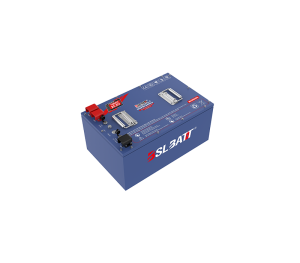
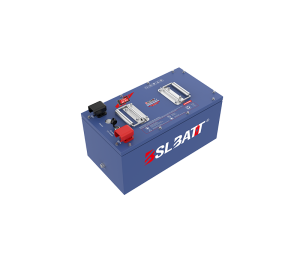
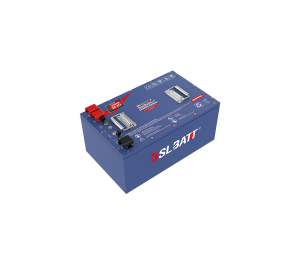
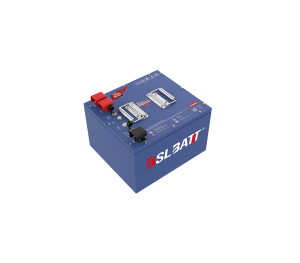
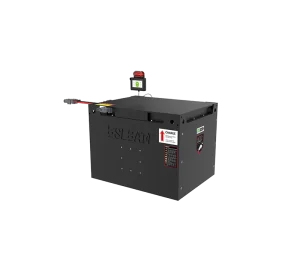
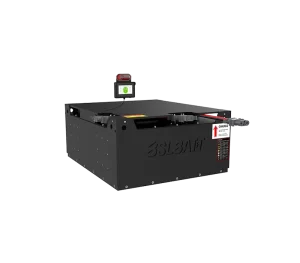










- Specialty Forklift Manufacturers and BSLBATT Lithium Battery Solutions
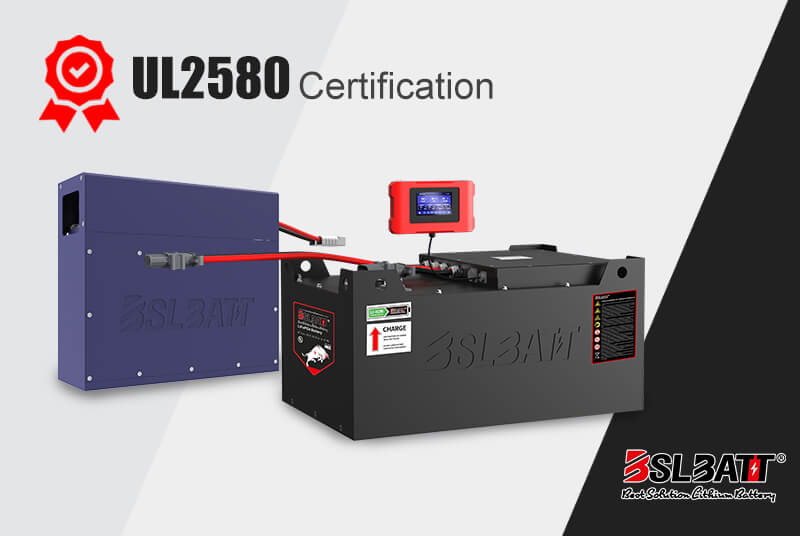
- The first lithium forklift battery that is UL 2580 certified and ISO9001 certified in the industry is BSLBATT® Battery – Industrial
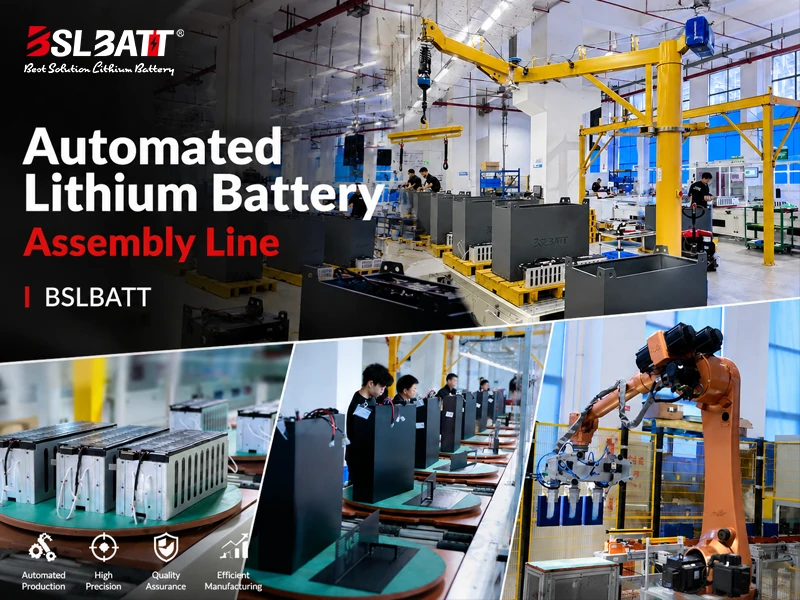
- Automated Lithium Battery Assembly Line | BSLBATT Smart Factory
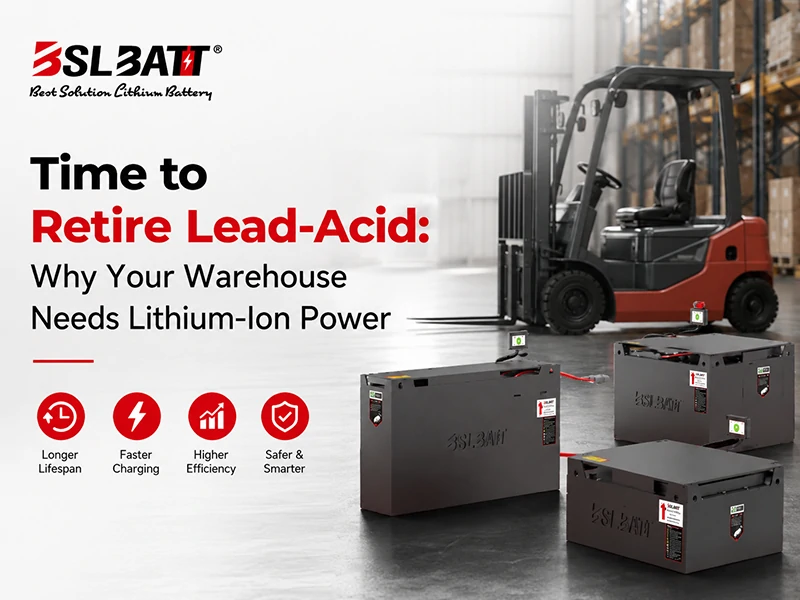
- Time to Retire Lead-Acid: Why Your Warehouse Needs Lithium-Ion Power
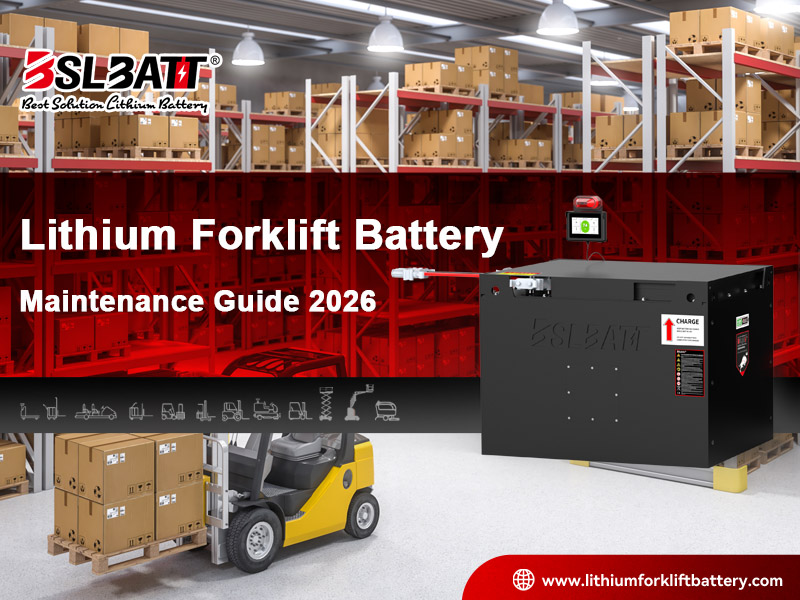
- Lithium Forklift Battery Maintenance Guide 2026
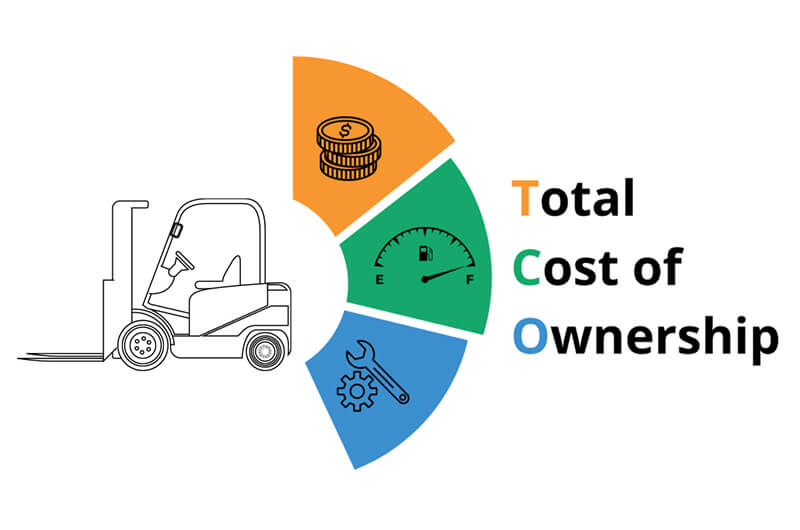
- Industrial Lithium Batteries: Initial Price vs. Long-Term Costs
Featured
Warehouse Efficiency: How to Improve Yours

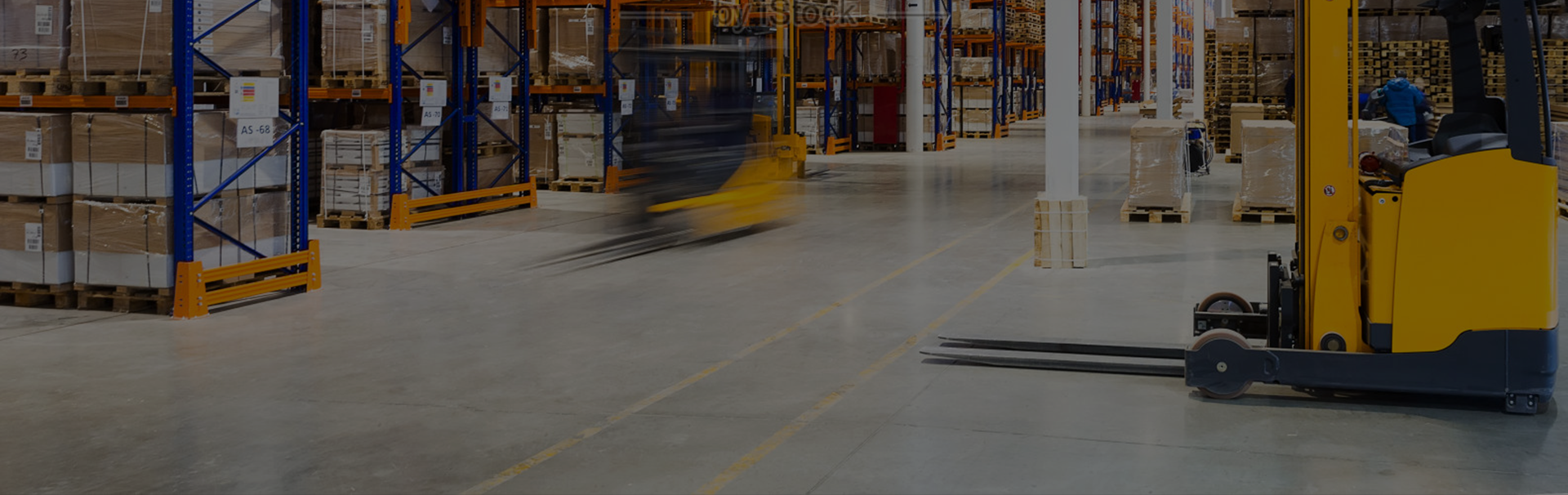
Warehouse operations are at the heart of a company. When warehouse operations are efficient, companies keep costs low and customers happy. When they’re not, companies don’t ship or receive inventory in time, workers are not as productive as possible, and your company loses money and credibility. Warehouse professionals, therefore, must know exactly how to keep operations running efficiently. With the right mix of best practices, your company can maximize warehouse operations.
To help you evaluate your current systems and find opportunities for improvement, we’ve rounded up 10 expert tips on improving warehouse efficiency and productivity, from management and leadership advice to tips for improving your warehouse layout and workflows.
Ten Tips for Optimizing Warehouse Design and Performance
1. Examine Warehouse Layout
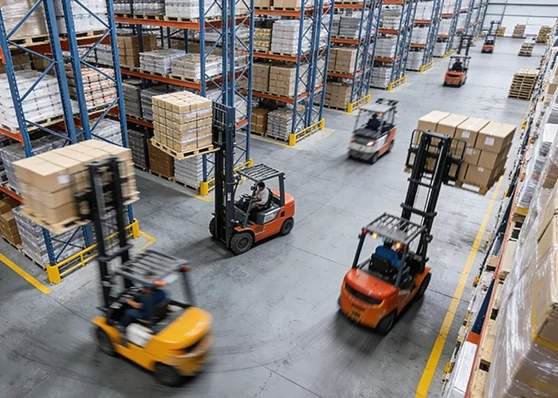
Warehouse layout directly impacts the speed with which materials are received, sorted, retrieved, and shipped. Companies that understand this correlation create workflows that minimize the amount of unproductive time spent handling materials and equipment, resulting in higher levels of organization and productivity. For example, warehouse efficiency can be increased by placing the product packaging area near the shipping/receiving bay. By doing this, the amount of time spent transporting packages from other areas of the facility is decreased. Simple changes like this can dramatically improve warehouse efficiency.
2. Maximize All Available Space
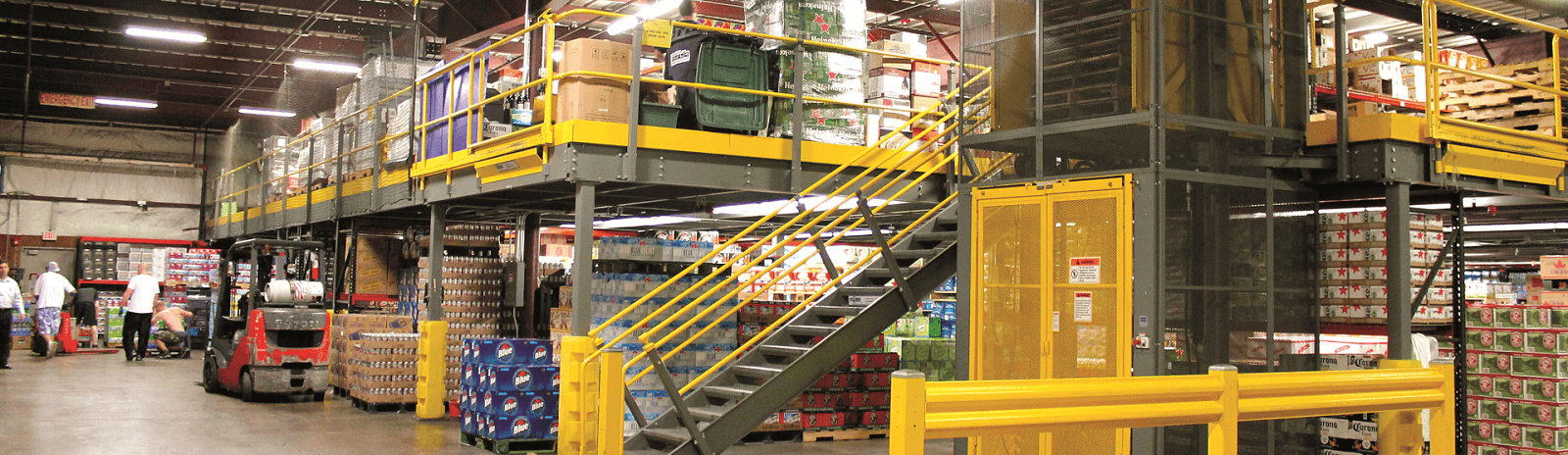
For warehouses and distribution centers that are bursting at the seams, a facility renovation or move seems like the obvious solution. However, with ceiling heights in excess of 30-feet tall, most warehouses and distribution centers have not exhausted all the available square footage their facility has to offer. Industrial mezzanines provide a way for companies to fully utilize their existing overhead space, increasing warehouse efficiency and profitability at a fraction of the cost of the alternatives. While the mezzanine’s exact specifications will dictate the amount of installation time needed, most can be erected in a matter of weeks with minimal disruption to a facility’s daily operations.
3. Provide and Maintain the Right Equipment
When looking for ways to improve warehouse efficiency, it is imperative that companies invest in the right tools and equipment for the job. For instance, vertical reciprocating conveyors (VRCs) and rideable material lifts (RML) offer a safer and more efficient way to move warehouse cargo, especially when compared to a forklift or pallet jack. Companies that make wise investments in tools and equipment find that productivity and safety increase as employees are not forced to find time-consuming and dangerous workarounds. Additionally, warehouse efficiency can be enhanced through routine maintenance programs. Pre-shift equipment checks and scheduled recommended maintenance are a great way to catch and resolve potential equipment issues. By implementing this best practice, facilities increase their likelihood of staying fully operational.
4. Automate
Automation is a great way to improve warehouse efficiency. Companies that choose to automate quickly see an increase in throughput, productivity and order accuracy while simultaneously achieving a reduction in product damage. Common warehouse processes that can be automated include product sorting, storage, and transportation. While automation is a viable option for new and existing warehouses, careful consideration will need to be given to warehouse design. Specifically, warehouse layouts will need to be designed to accommodate the space requirements of the intended automated equipment. For information on how industrial mezzanines can provide the space needed for automation.
5. Eliminate Traffic
Traffic congestion is one of the greatest hindrances to warehouse efficiency. With people, equipment, and materials all traveling in the same space at the same time, the likelihood of an accident is high. One way to improve warehouse efficiency is to establish clearly defined lanes for each type of traffic (i.e. motorized and pedestrian). To ensure personnel comply with established traffic patterns, companies should consider installing strong physical barriers like steel guard rail. When properly installed, steel guard rail creates a boundary that cannot be easily crossed, enhancing a company’s overall safety and productivity.
6. Train and Train Again
A lack of training and/or understanding can substantially undermine warehouse efficiency. Employees that are not properly educated can only operate based on what they think is correct, not what they know. Frequent and repeated training programs can bolster knowledge of best practice, creating environments that are safer and more productive. Companies looking to implement a robust training program should plan short meetings (30-45 minutes) that are dedicated to addressing one topic or process. Information presented this way is more easily digested and implemented, helping companies achieve their warehouse efficiency goals.
7. Get Employee Feedback
As is often the case, two-way communication is the key to success. In their efforts to improve warehouse efficiency, companies should not forget to solicit feedback and input from their employees as they are keenly aware of where the process pitfalls lie. Company initiatives that seek to obtain these insights should be administered frequently so that changes can be gradually and methodically implemented. By fostering a culture that continuously solicits the employee perspective, the likelihood of achieving and sustaining meaningful change is increased, allowing companies to meet or exceed their efficiency goals.
8. Prioritize Safety
Since accidents and injuries can substantially limit an employee’s productivity, companies looking to improve warehouse efficiency should closely examine their safety culture. One way that this can be done is through the formation of a safety committee comprised of individuals from across the organization. The diversity of perspectives will ensure that a variety of issues are addressed. Additionally, the employee engagement aspect will give committee members a sense of ownership in resolving issues and will more evenly distribute the responsibilities. Creating a safer, more efficient warehouse requires everyone’s participation. For help identifying the areas of your facility that could benefit from a safety upgrade, submit your information below for a free safety audit.
9. Implement Lean and Continuous Improvement Practices
The pressure placed up warehouses and distribution centers to do more with less is not a trend forecasted to leave anytime soon. One best practice that dramatically influences warehouse efficiency is the implementation of lean and continuous improvement practices. Simply put, lean and continuous improvement practices focus on streamlining workflows to save time and money while reducing wasted time and effort. Tangible benefits that companies recognize from implementing these practices include increased productivity and quality and decreased costs and employee turnover rates, all significant drivers of warehouse efficiency.
10. Measure and Report Performance
Key performance indicators (KPIs) are a set of measurements that quantify a company’s effectiveness in reaching their strategic and operational goals. Order lead time, backorder rate, picking accuracy and inventory turnover are common KPIs used to measure warehouse efficiency. The regular measurement and evaluation of KPIs give a company insight into the areas of the warehouse that are performing well and shines a spotlight on processes that need improvement. Once trouble spots have been identified, employee insights can be leveraged to address and resolve the issue.
Efficiency should be the goal for every company no matter the staff size or industry. When carefully reviewed and applied, these ten tips can help warehouses and distribution centers achieve their warehouse efficiency goals. BSLBATT Lithium Company is your Material Handling Specialists since 2012. We are confident and leaders in our industry and plan to keep our customers and future clients satisfied. Let us take care of your forklift electric power needs. Please call +86 752 2819469, text, chat, complete the form, or visit one of our locations in South Africa and Columbia, Israel, America.
We are your local material handling expert with China NO 1 in exporting LiFePO4 forklift battery for the replacement SLA battery market.