Revolutionize the energy economy with advanced lithium-ion battery technology—lower costs, reduce heat, and accelerate sustainable development.
 Explore all product lines
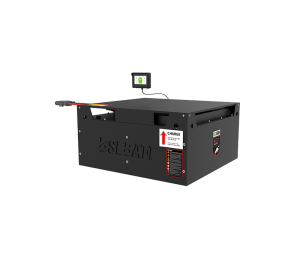
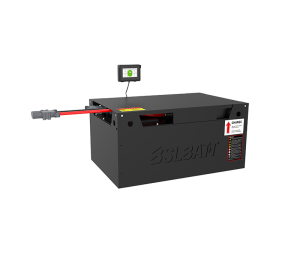
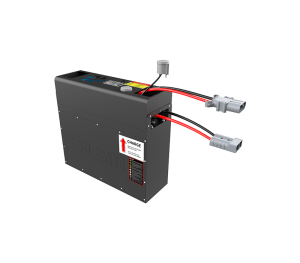
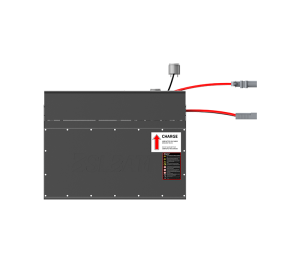
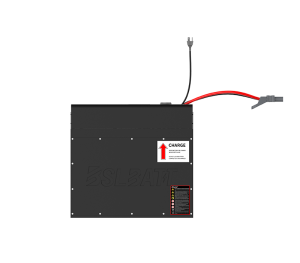
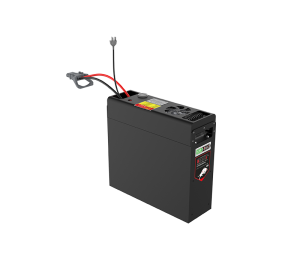
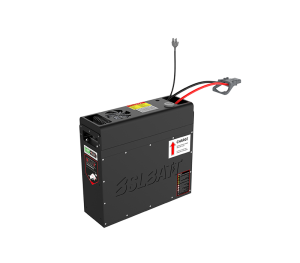
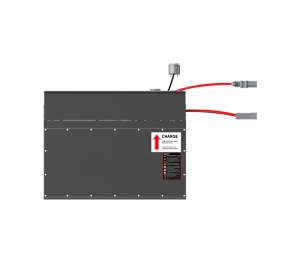
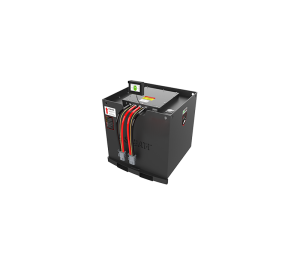
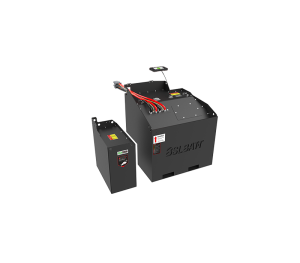
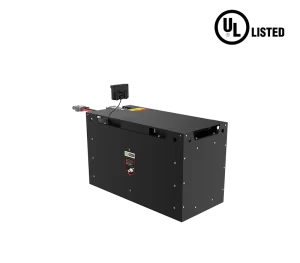
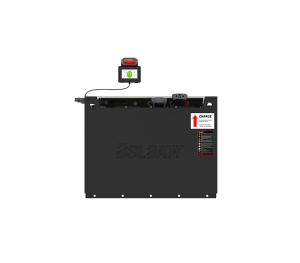
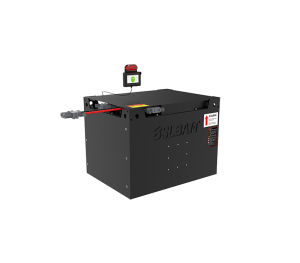
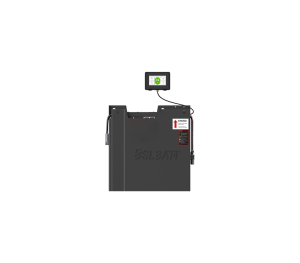
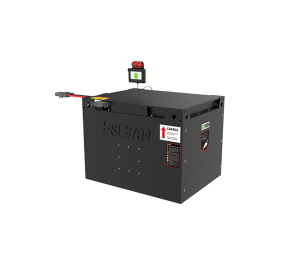
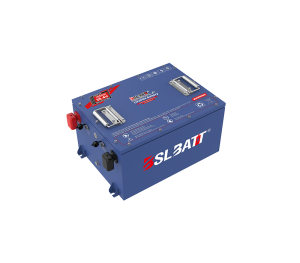
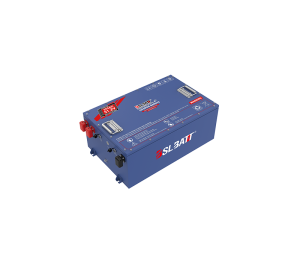
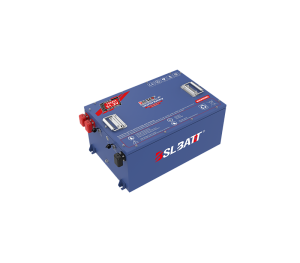
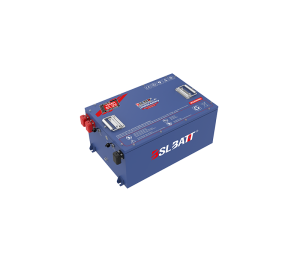
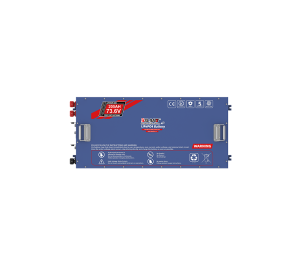
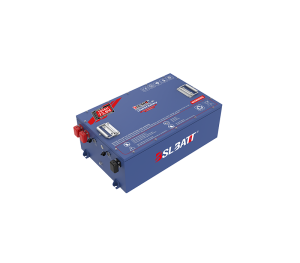
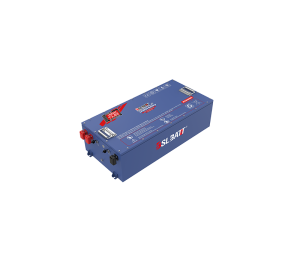
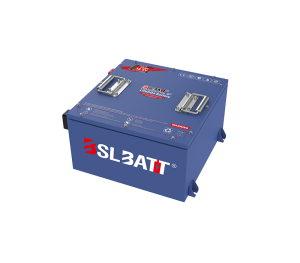
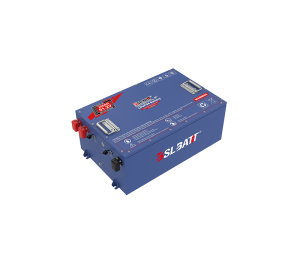
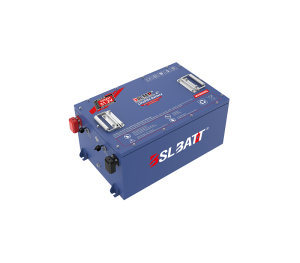
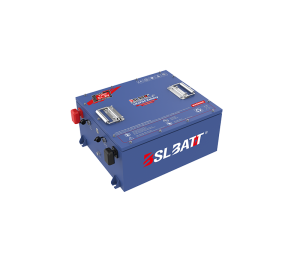
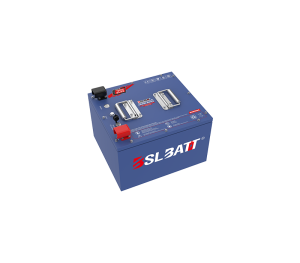
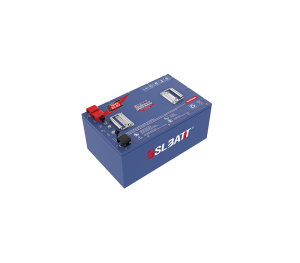
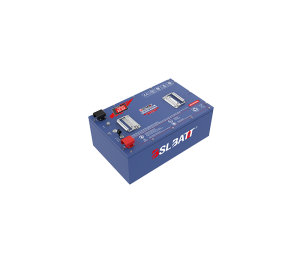
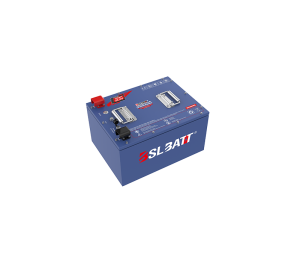
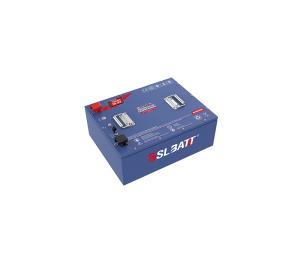
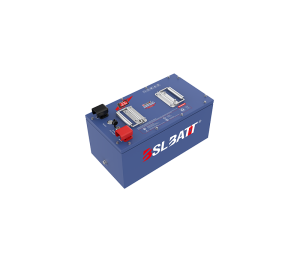
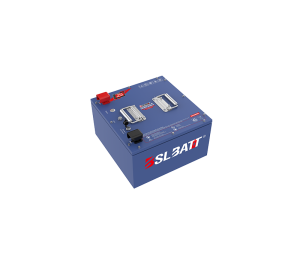
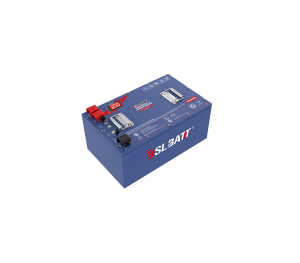
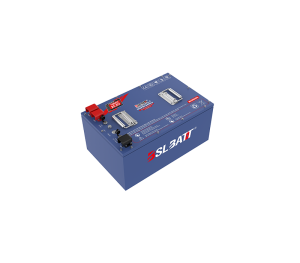
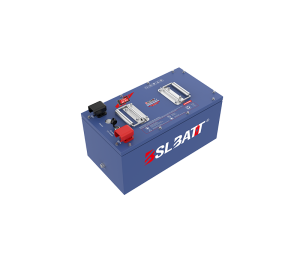
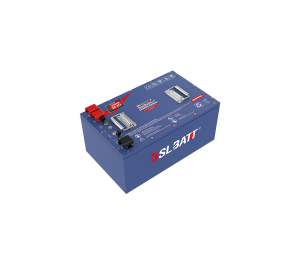
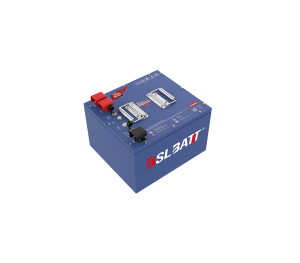
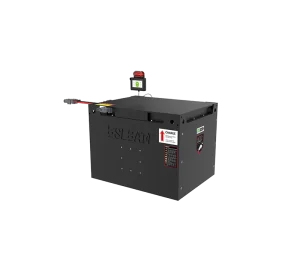
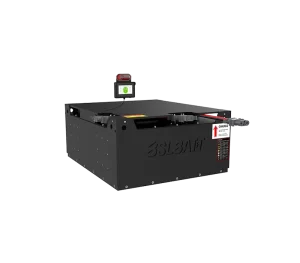


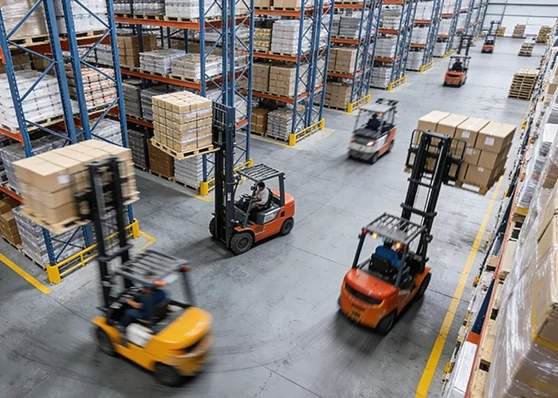
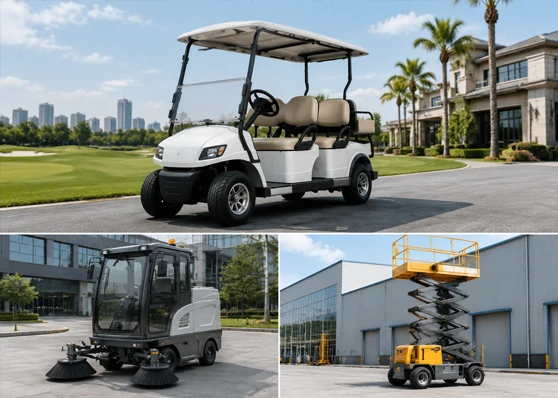
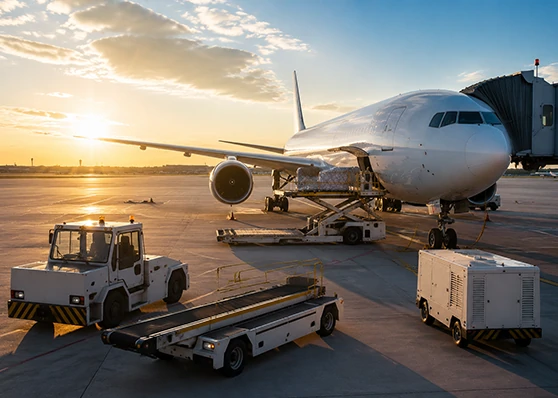
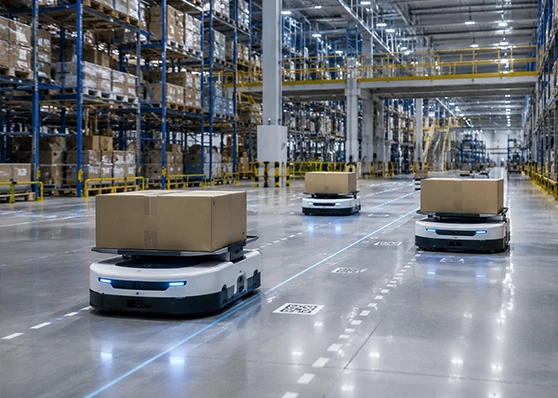




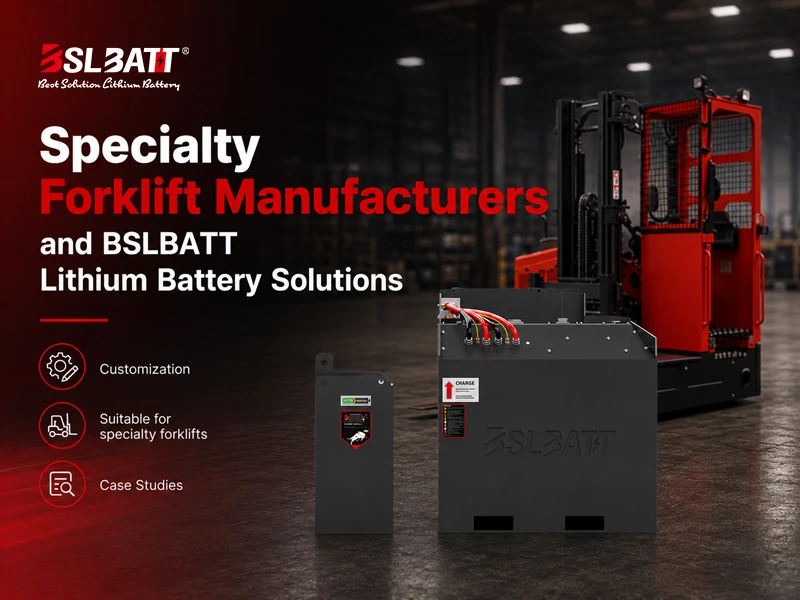
- Specialty Forklift Manufacturers and BSLBATT Lithium Battery Solutions
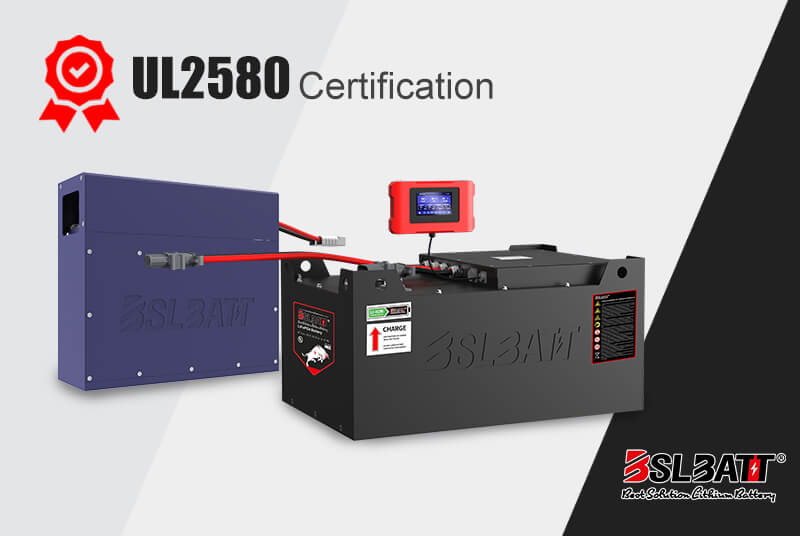
- The first lithium forklift battery that is UL 2580 certified and ISO9001 certified in the industry is BSLBATT® Battery – Industrial
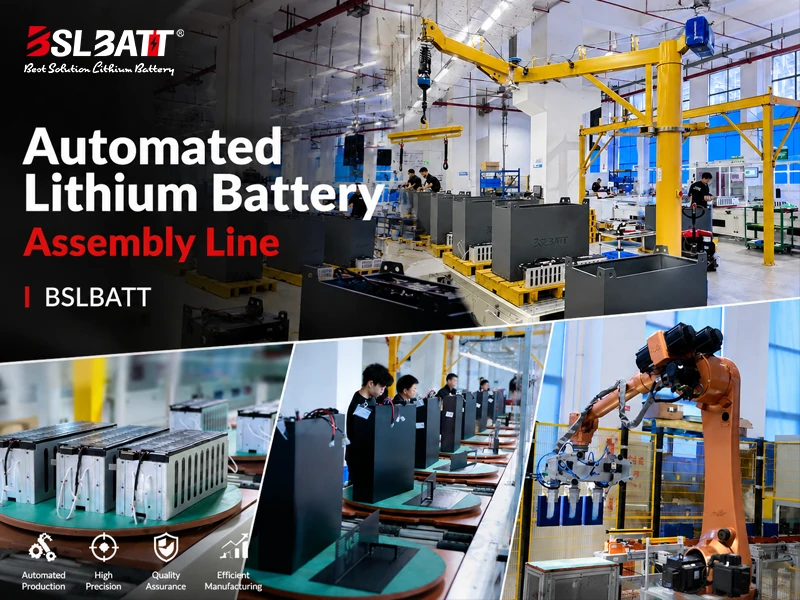
- Automated Lithium Battery Assembly Line | BSLBATT Smart Factory
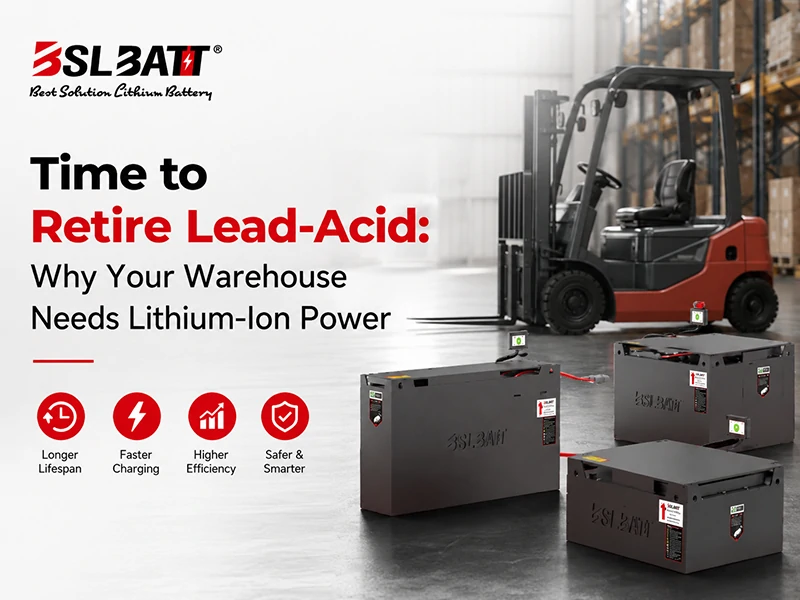
- Time to Retire Lead-Acid: Why Your Warehouse Needs Lithium-Ion Power
- Lithium Forklift Battery Maintenance Guide 2026
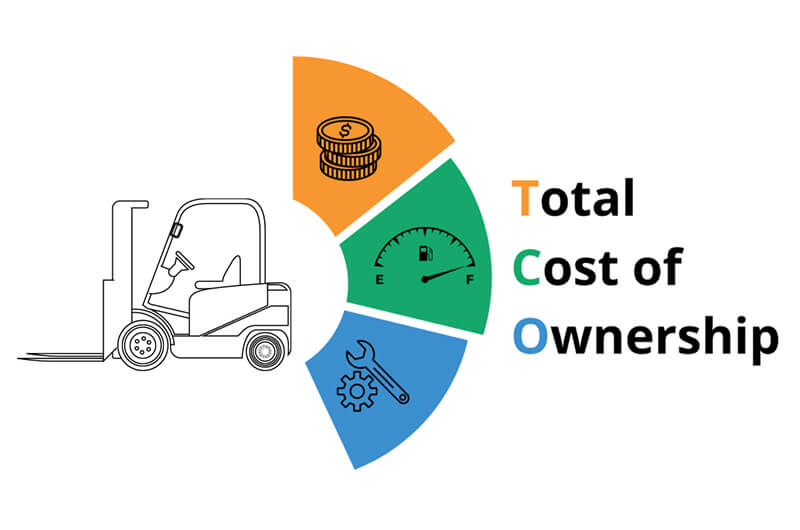
- Industrial Lithium Batteries: Initial Price vs. Long-Term Costs
Featured
KING OF THE JUNGLE: DIESEL OR LI-ION?

Are Lithium-Ion Forklift Batteries Catching On?
It’s safe to say that we live in the era of lithium-ion batteries. They power our phones, our laptops, our tablets, and even our hoverboards (sometimes disastrously).
It is very much the debate of our time. Diesel or Li-ion battery power.
When it comes to the cars we drive, it certainly seems like the batteries have won, with fossil fuel cars being banned in the UK from 2040 if the government meets its target. However what if we are looking at warehouse trucks and material handling equipment for the retail, manufacturing, and distribution industry?
Fast forward to 2016: Where are all the lithium-ion forklift batteries? We can’t predict the future. But for now, the very attributes that make lithium-ion batteries so powerful in the electronics field also render them useless in the most common lift trucks at work in warehousing, construction, and manufacturing facilities.
Regardless of whether you’re thinking about new reach trucks, electric forklifts, or vertical order pickers, it’s important to consider all of the elements when looking at diesel vs Li-ion batteries, from day-to-day running costs to operating environment and maintenance. So, let’s begin.
The Advantages of Li-Ion Batteries — And Will They Work for Counterbalance Forklifts?
What’s so great about lithium-ion batteries, as opposed to their lead-acid counterparts? Two things. First, they offer high-density storage. A Li-ion battery stores about three times the energy of a comparable lead-acid battery.
Counterbalance forklifts remain the most common type of industrial truck on the market. As of 2014 (the last year that the Industrial Truck Association produced statistics), counterbalance lift trucks captured 57 percent of the total lift truck market.
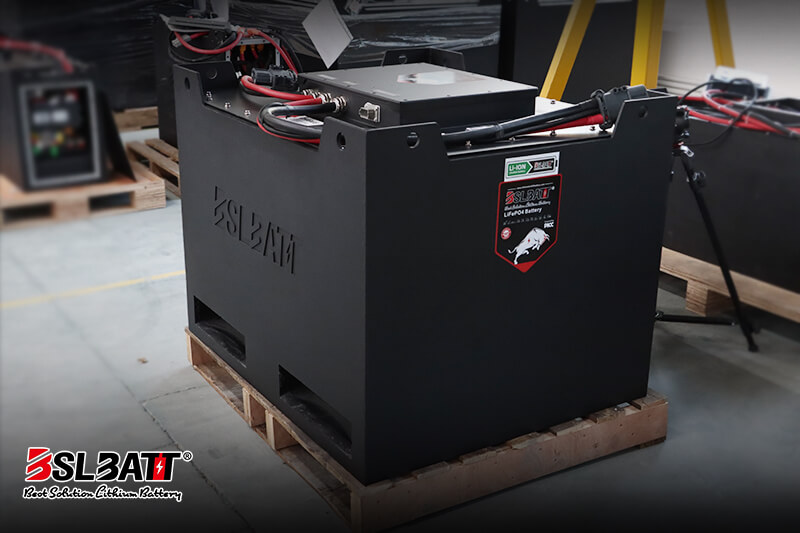
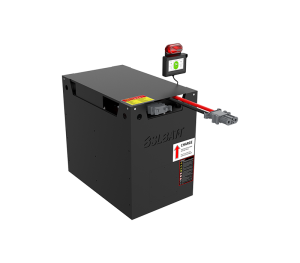
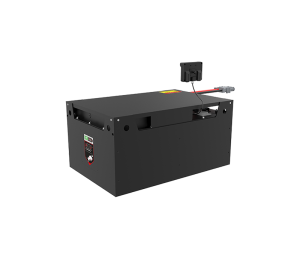
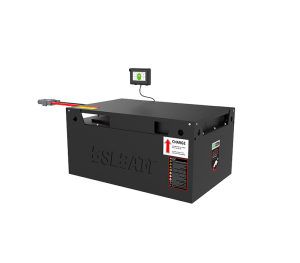
BSLBATT is leading the way with Li-ion battery technology and bringing you the advantages of this new technology to make great gains in your warehouse. Last year our BSL48-535 was best-selling li-ion forklift battery in the world. Our Li-ion batteries are produced in our own factory and our own in-house developed BMS – Battery Management System ensures the longest lifetime out of the battery and safe operation whichever forklift they are powering.
There is no doubt that battery technology will continue to improve and it is certainly attracting a lot of investment and resources from both industry and academia. If the step change from lead-acid batteries to Li-ion batteries is anything to go by, we can trust that battery power will continue to get more efficient and useful to our industry.
GREEN OR GREENWASH?
Sustainability is not just a buzzword, it’s at the core of the values that so many companies are now building their businesses on. Li-ion batteries make your warehouse fleet more environmentally friendly than diesel.
And we’re not just talking about the environment throughout the world. Within your warehouse, diesel fumes can be a big problem. Proper ventilation and awareness is needed in order to ensure that warehouse equipment that runs on diesel is not affecting the health of those working around them.
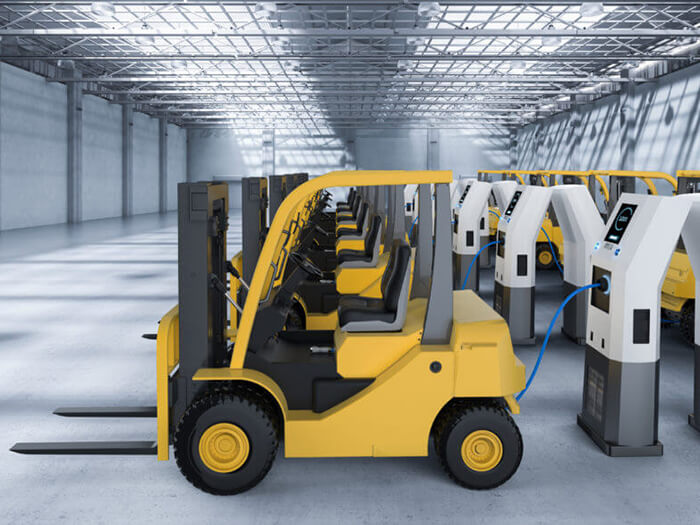
Li-ion battery-powered material handling equipment will be quieter and produce no emissions, making the day to day working environment for your team cleaner more comfortable and potentially more productive as a result. Removing your team’s exposure to fumes and excessive noise can reap many rewards, particularly when it comes to indoor use. If you’re going to be working predominately indoors, then it’s a clear cut win here for a battery-powered solution.
DOES IT COST THE EARTH?
What is more likely to be at the top of your checklist is the financial cost comparison between diesel and li-ion battery-powered material handling equipment. When it comes to upfront costs for like-for-like quality, it’s to be expected that the initial investment required for a battery-operated vehicle will be higher than that of a diesel equivalent. This is primarily a result of having to pay for the battery and charger.
This is balanced out by the reduced operating costs associated with battery power – there’s no demand for the ever more expensive diesel needed to fill the tank. This cheaper charge versus filling the tank with fossil fuel has been one of the main drivers for electric forklift uptake amongst our customers. Once they have invested in the forklifts, the running costs are far lower than for diesel forklifts.
An often overlooked benefit of electric though is the reduced maintenance cost. It’s human nature to expect new technology to be more difficult and expensive to maintain and look after but this really isn’t the case with electric vehicles, whether in the consumer or warehouse sector. There’s no clutch or gearbox to maintain with an electric vehicle for a start. There are far fewer moving parts at all in fact and those that there are come under far less pressure than they do in a combustion engine.
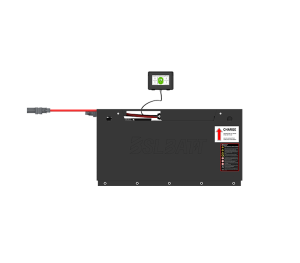
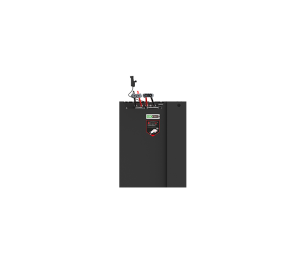
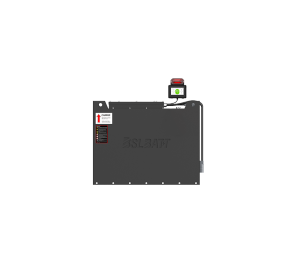
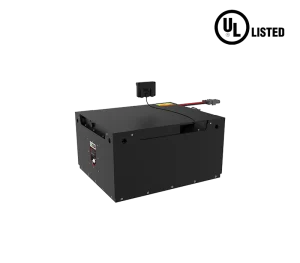
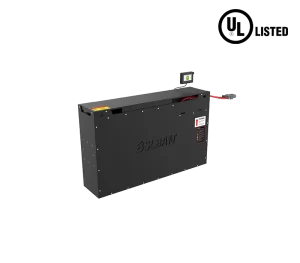
At BSLBATT our BSL48-535 lithium forklift battery powered by “all-water system” Li-ion technology and made to make a difference in your warehouse. This series can replace the 1.5-3.5 ton balance(Hyster. Yale. Bendi. Combilift. Drexel. Crown. Toyota. JCB) forklifts of all major brands on the market, bringing a real difference to your warehouse.
DAY TO DAY OPERATIONS
As well as the benefit of contributing to a healthier warehouse environment, an electric forklift will be more compact than its diesel counterpart. It will be easier to maneuver, particularly in small, tight areas, and demand less of the driver or operator. By contrast, a diesel warehouse truck is going to be bigger and heavier and take up much more room in both operation and storage inside the warehouse.
Costs for the day to day running of a forklift run on Li-ion batteries is far lower. Diesel can cost around £25 per day, compared to just £3 per day running on battery power.
Li-ion batteries break many of the old myths around battery technology. A properly managed Li-ion powered forklift can work for you practically around-the-clock and this has been seen even in businesses that operate 24 hours a day. Recharge time for the forklift can be measured in minutes, not hours and many of our customers schedule this charging for when the operator is on his or her break or use extra batteries so that charging can take place while your forklift is still working. You need to ask yourself: how does charging a Li-ion powered forklift and having it back in operation in 15 to 30 minutes compared to taking it out of operation and filling the tank with diesel and the associated tasks and safety management of doing this?
As long as you clearly plan your charging schedule you will be in control. This kind of approach, coupled with the cost-benefit of paying for electricity, not diesel; less frequent and costly maintenance; and, reduced risk of unplanned downtime has helped many organizations decide that Li-ion was the way for them.
MAKING THE RIGHT CHOICE – DIESEL OR LI-ION?
It’s not hard to see a future where we’re all driving in our Li-ion powered electric car to a fully electric workplace each morning, no matter what industry sector we operate in. It’s inevitable, in fact.
If you’re operating primarily indoors, buy your warehouse trucks and material handling equipment as a total value proposition rather than a commodity and want a safer, cleaner environment with more predictable costs then it’s probably a decision for now, not the future.
To find out more about how our “all-water system” Li-ion forklifts battery can take your fleet to the next level, contact us now.