Revolutionize the energy economy with advanced lithium-ion battery technology—lower costs, reduce heat, and accelerate sustainable development.
 Explore all product lines
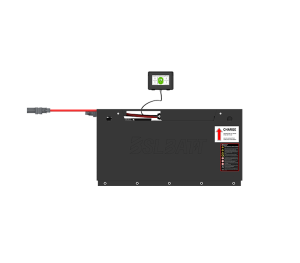
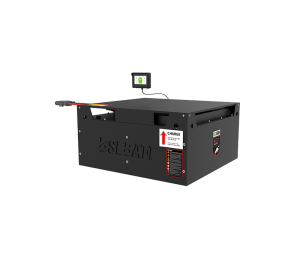
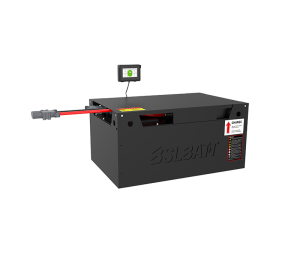
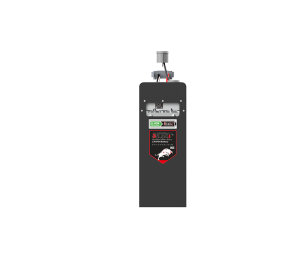
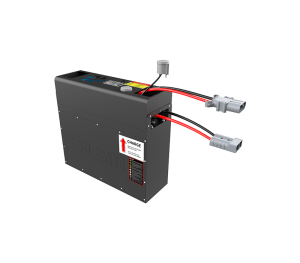
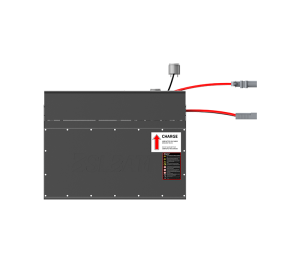
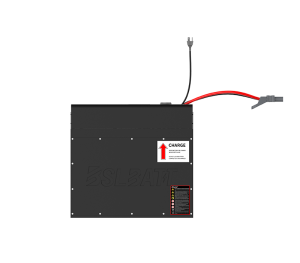
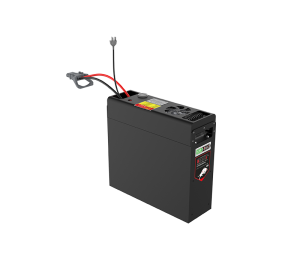
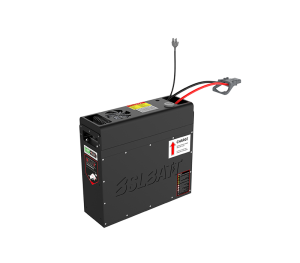
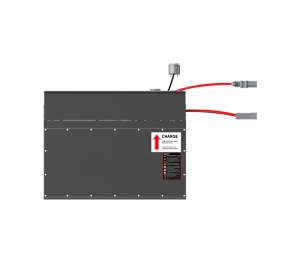
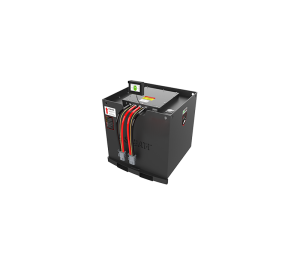
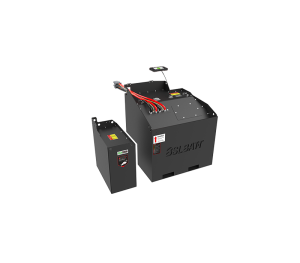
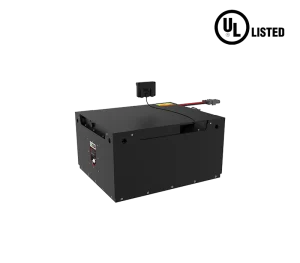
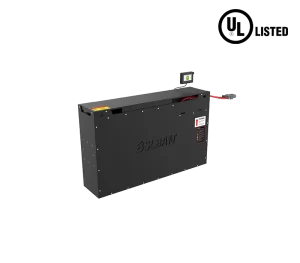
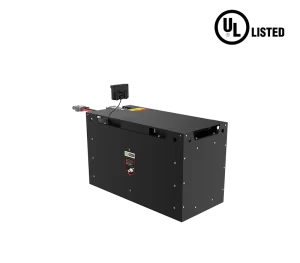
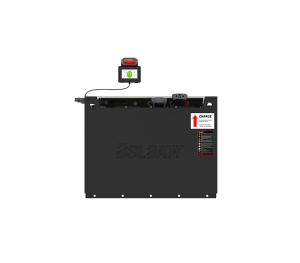
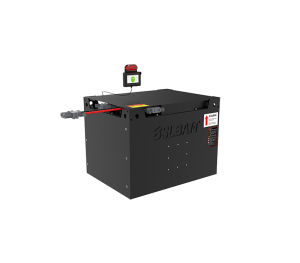
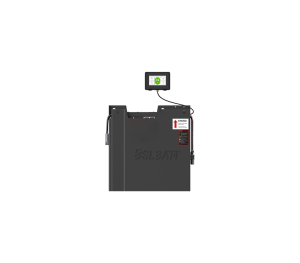
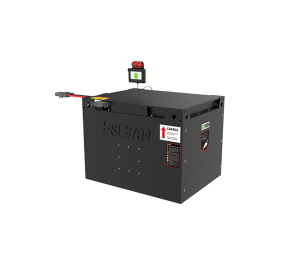
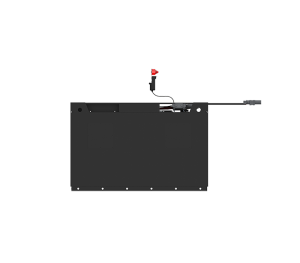
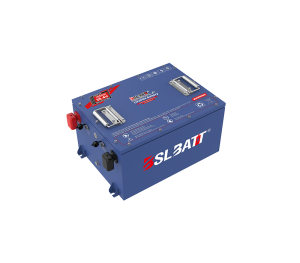
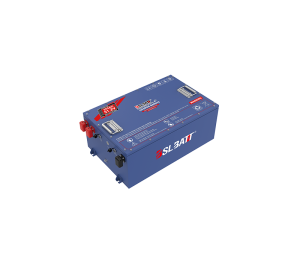
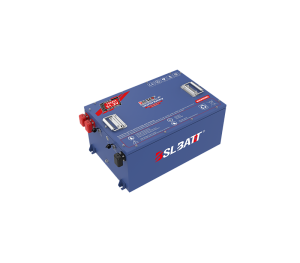
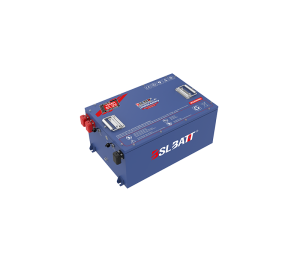
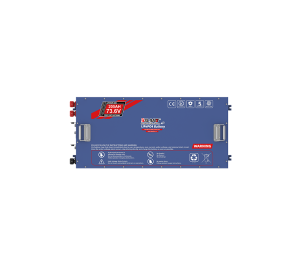
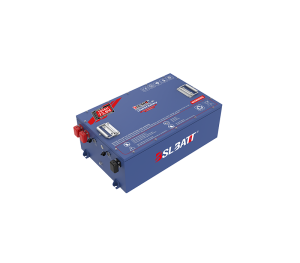
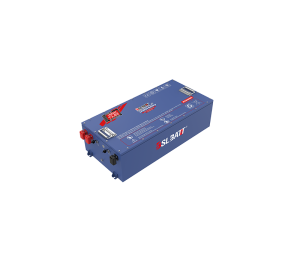
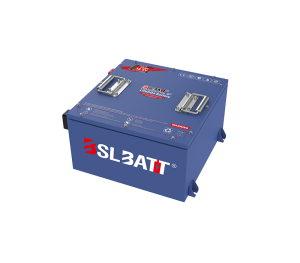
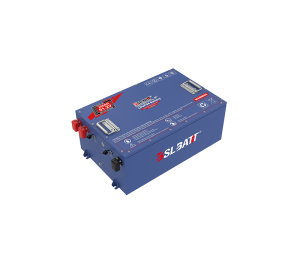
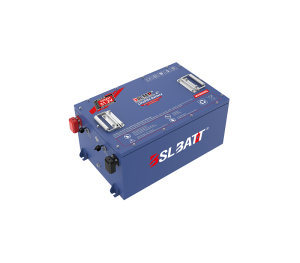
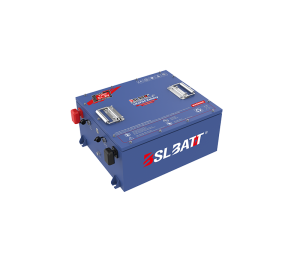
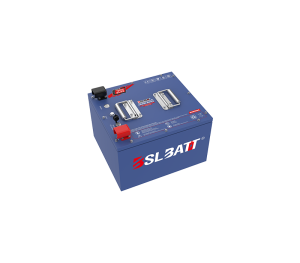
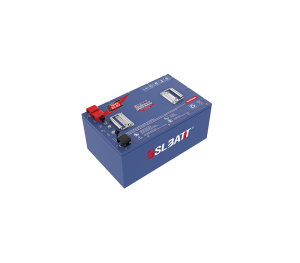
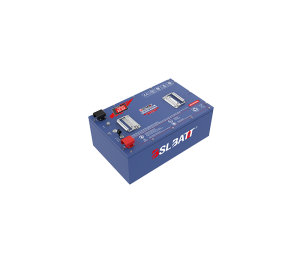
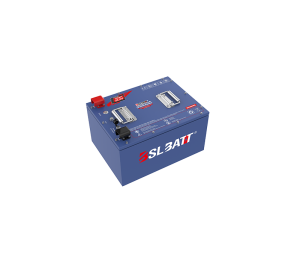
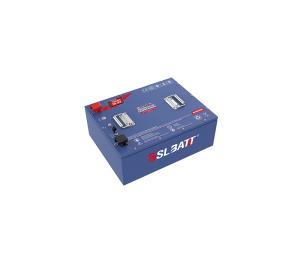
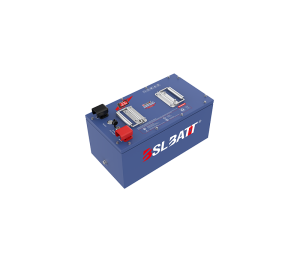
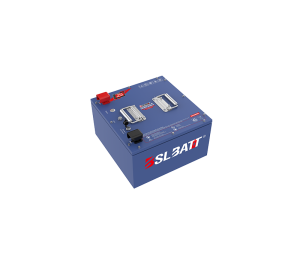
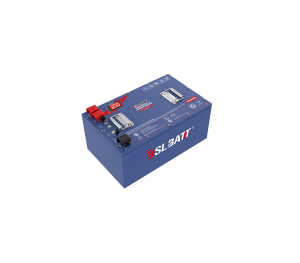
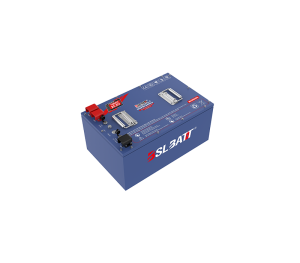
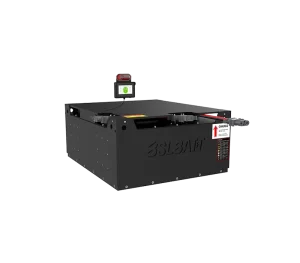


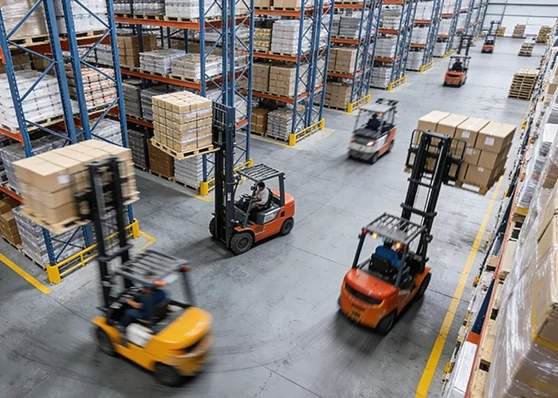
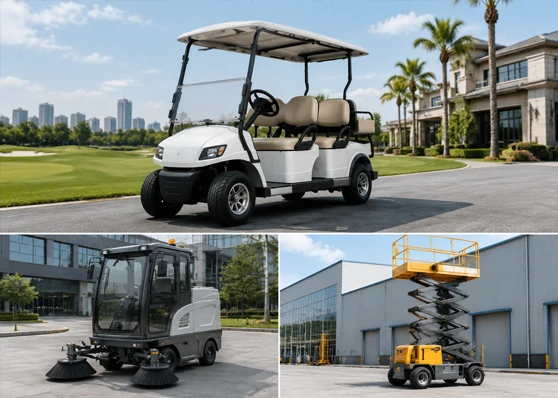

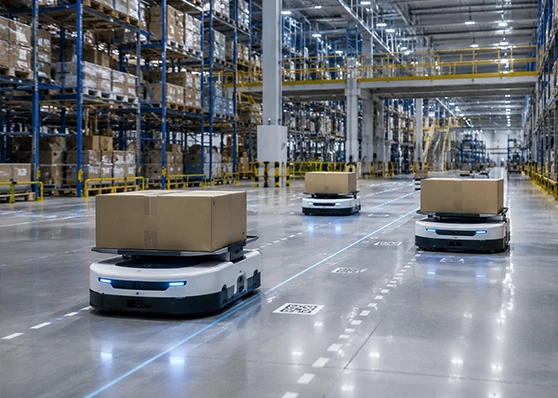





- Specialty Forklift Manufacturers and BSLBATT Lithium Battery Solutions
- The first lithium forklift battery that is UL 2580 certified and ISO9001 certified in the industry is BSLBATT® Battery – Industrial
- Automated Lithium Battery Assembly Line | BSLBATT Smart Factory
- Time to Retire Lead-Acid: Why Your Warehouse Needs Lithium-Ion Power
- Lithium Forklift Battery Maintenance Guide 2026
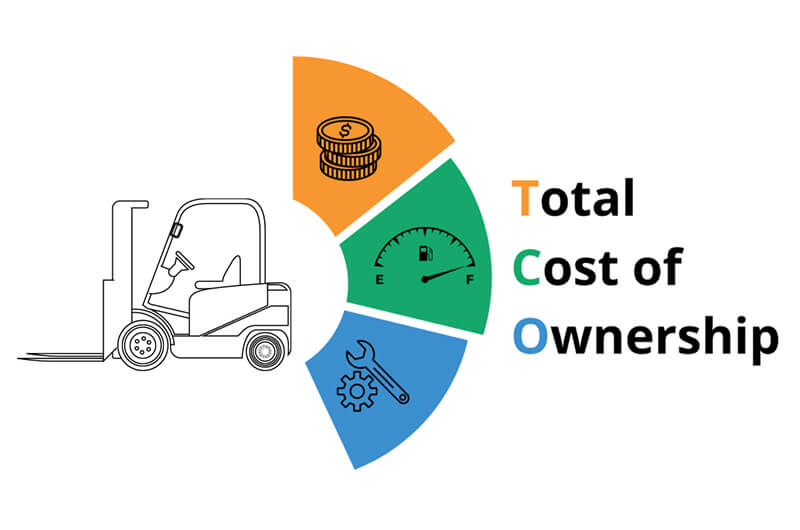
- Industrial Lithium Batteries: Initial Price vs. Long-Term Costs
Featured
How The Lithium-Ion Battery Forklift Charging Process Benefits Your Business
Table of contents

- Adapting to the Economic Environment
- Faster Charging
- No Cooling Down Period
- Simpler Charging Process
- The charging process is much more complex for a lead-acid battery. Here’s what it looks like:
- Minimal Maintenance
- How Long Do Lithium-Ion Batteries Last?
- How Safe Are Lithium-Ion Batteries Compared to Other Batteries?
- Better For the Environment
- Choosing Lithium-Ion Batteries For Your Forklift
Electric forklifts and other material handling equipment are generally powered by one of two different types of batteries … lithium-ion or lead-acid.
The technology behind each type of battery differs significantly, impacting charging times, and procedures.
When comparing the two, lithium-ion batteries have a charging process that is more efficient and provides substantial cost savings over time. Below we’ll explore how the lithium-ion battery charging process benefits businesses now and in the future.
Adapting to the Economic Environment
In difficult economic times, it’s important for businesses to take advantage of tried and true ways to save money. These days, we simply cannot afford to let cost-saving opportunities pass us by without making the most of them.
Lithium-ion batteries are proven improvements that allow you to save money over time. The longer you use them, the more you save. The longer there are problems with the economy, the better you’ll feel knowing that you’ve done everything you can to keep costs low.
Upgrading your batteries with lithium-ion will more than pay for itself within just the next few years. In many cases, you’ll break even in 18 months; after that, it’s nothing but profit for you.
But that doesn’t mean that there are no benefits until the 18-month mark. Throughout those first 18 months and for many years after you’ll be able to enjoy improved performance and zero daily battery maintenance at the same time.
Faster Charging
lithium-ion battery charging process one of the most convenient features of lithium-ion batteries is that they can be opportunity charged. This includes in between shifts, when workers take breaks or when any other opportunity presents itself.
That’s because lithium-ion batteries only take 1 to 2 hours to charge. That is in stark contrast to lead-acid batteries, which take 8 hours to fully charge and another 8 hours to cool down.
At times, it can be inconvenient to charge a battery, no matter how convenient the opportunity charging is. Because lithium-ion batteries can be safely discharged to a lower level than lead-acid batteries, using lithium-ion batteries gives operators more leeway to charge the batteries when it’s convenient.
Lithium-ion batteries can be safely discharged down to 20% capacity, whereas lead-acid batteries can only be safely discharged to 30% capacity.
No Cooling Down Period
Lithium-ion batteries are designed with the cells encased. This means that no water maintenance is required.
Companies that use lithium-ion batteries to power their fleets clearly have an advantage, as only 1 lithium-ion battery is required per forklift to operate 2 or 3 shifts in a 24-hour period, compared to 2 or 3 lead-acid batteries per forklift.
Because lead-acid batteries are filled with an electrolyte (sulfuric acid and water) solution that becomes extremely hot during charging, they require ample time to cool down after being charged.
A typical cool-down period for a lead-acid battery is 8 hours or the length of one shift. Because of the amount of time it takes to charge a lead-acid battery and allow it to cool down, each forklift will require one lead-acid battery per shift.
So, if your warehouse operates 24 hours per day, each forklift will require 3 lead-acid batteries. A lead-acid battery must be swapped out each shift. This is a time-consuming, labor-intensive process that should be factored into the true cost of the battery.
Simpler Charging Process
The process of charging a lithium-ion battery is not as complicated as that of a lead-acid battery.
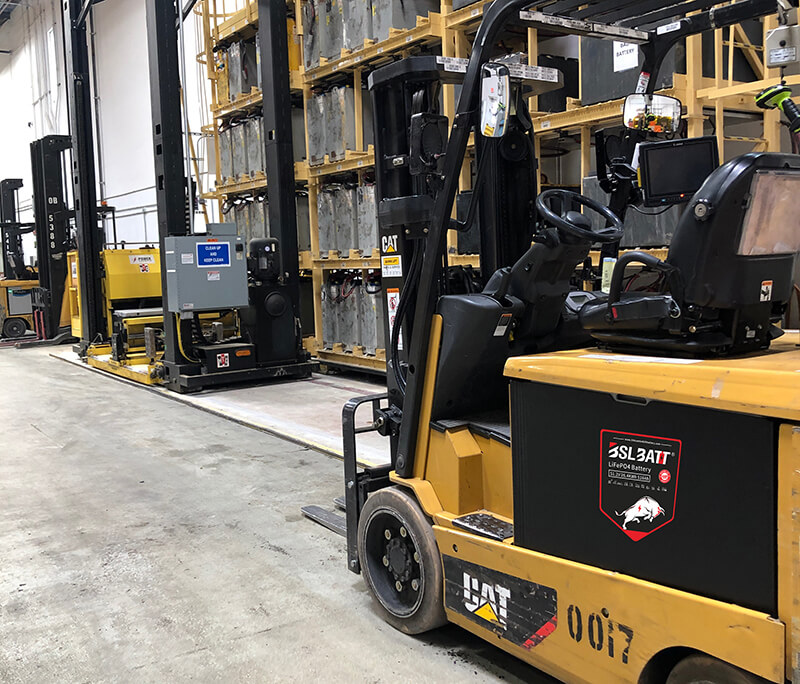
Lithium-ion batteries do not require separate charging rooms and do not need to be removed from the forklift or other material handling equipment in order to be charged. Instead, forklift operators can connect the battery to the charger while it is still in the forklift or other equipment.
The charging process is much more complex for a lead-acid battery. Here’s what it looks like:
When a battery needs charging, a forklift operator must drive the forklift to a designated battery charging room.
Using special lifting equipment (because of the battery’s weight), trained personnel must then remove the battery and place it on a storage rack where the charging will be done.
The battery is then charged for approximately 8 hours.
Once the charging process is completed, the cooling down stage begins. This lasts an additional 8 hours.
The battery will either remain where it was charged or personnel may transport it to a designated cooling area if space is needed in the battery room to charge other batteries.
After the battery cools and is ready to go back into service, a worker may check the electrolyte levels and refill the battery with distilled or deionized water. Skipping this final step can cause the chemical process to degrade, and the battery will suffer an early failure.
Minimal Maintenance
Unlike lead-acid batteries, lithium-ion batteries do not need to be watered. This saves time and manpower that can be used elsewhere in your operations.
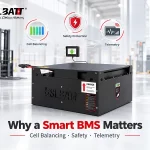
A lithium-ion battery management system (BMS) also balances the cells automatically and offers several protections when a battery is charging. A battery management system:
● Maintains cell temperatures in the ideal operating range to prevent overheating or freezing.
● Monitors currents and voltage measurements to ensure both stays at safe levels.
● Prevents overcharging and the formation of dendrites, which can cause significant damage to lithium-ion batteries.
In lead-acid batteries, water levels must be precisely controlled in several ways. In addition to topping off with water when fully charged and cooled down, crews must monitor the battery to ensure:
● Water levels do not drop too low that the top of the lead plates is exposed (about every 10 charge cycles)
● Water used must be between 5 and 7 on the pH scale
● Enough space is left for the liquids inside to expand, which occurs when the battery is in use
● The cells are equalized regularly and the temperature is controlled throughout the charging process
How Long Do Lithium-Ion Batteries Last?
A lithium-ion battery is far better than lead-acid batteries in at least three important ways.
First, it has 2 to 3 times the cycle life of a lead-acid battery. A BSLBATT lithium-ion battery has a warranty that covers it for 3000 cycles! Depending on the intensity of your operations and your charging habits, you may get five to seven thousand cycles.
But on top of that, a lithium-ion rechargeable battery actually benefits from opportunity charging! You will no longer have to choose between what’s good for your business and what’s good for your batteries. Using lithium-ion batteries, the needs of the most efficient operations correspond perfectly with the best strategy to get as much life and performance out of your batteries as possible.
Last of all, lithium-ion batteries maintain their performance even towards the end of their natural life. An output of a lead-acid battery will drop as it inches towards the end of its useful life. But if you use lithium-ion batteries, you’ll have no significant voltage drop at all.
That means your lifts will have all the necessary power that your trucks need throughout the lifetime of the battery.
How Safe Are Lithium-Ion Batteries Compared to Other Batteries?
There are many kinds of batteries. While all modern battery research will create products that are generally safe for use, some are safer than others.
BSLBATT Li-ion batteries are a special kind of lithium-ion battery designed for maximum safety. Our chemical compound is safe from thermal runaway up to a temperature of 518 degrees Fahrenheit!
On top of that, it comes with a built-in battery management system (BMS). This system will shut the battery down at a mere 150 degrees, leaving you a cushion of 368 degrees before thermal run-away is possible!
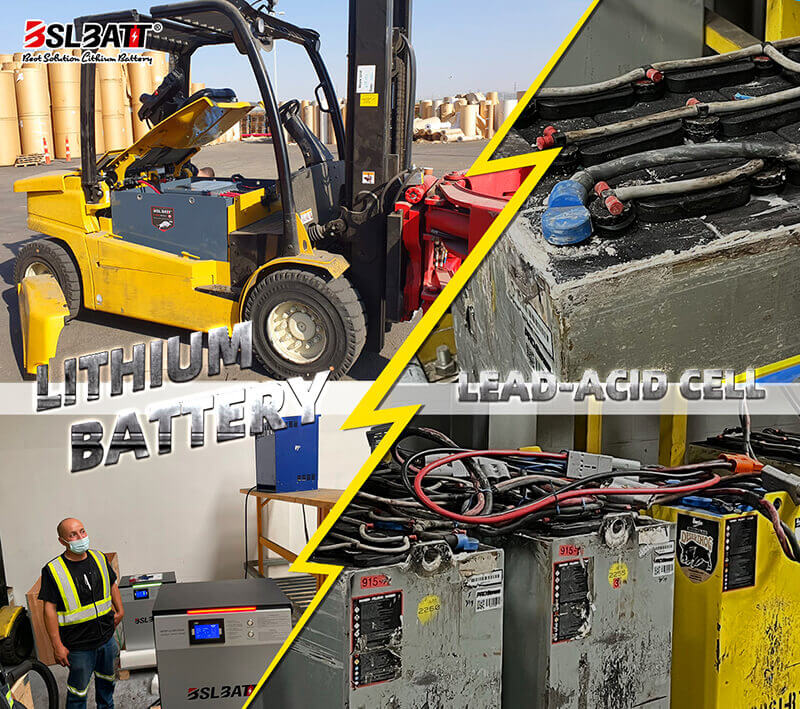
In lead-acid batteries, the main problem is not combustion, but rather acid leakage. A lead-acid battery can corrode your battery trays and cause equipment to malfunction. It can also leak toxic gases into the air that pose a threat to people’s health during the charging process.
Another aspect of safety sometimes forgotten is battery replacement. The more often you have to change your batteries, the greater the chance that something can go wrong. Since lead-acid batteries need to be changed daily with multi-shift operations, they represent a greater safety risk.
Better For the Environment
If you want your warehouse to be more environmentally friendly, choosing to use lithium-ion technology for your lift truck fleet is a great choice. Lithium-ion systems offer several improvements over lead-acid batteries. They’re less likely to cause damage to your warehouse, your workers, and the environment.
One of the reasons for this is because lithium-ion batteries are 30% more energy efficient than their lead-acid alternatives. By using lithium-ion you’ll reduce energy consumption in your workplace. This can help the environment and will also reduce costs and carbon footprint. If your company has an internal mandate to reduce its carbon footprint, switching to Lithium power is a great way to help achieve that goal.
Acid spills can also lead to environmental harm when dealing with lead-acid. Lead-acid systems can also emit hydrogen / sulfuric gas into the air during charging.
Li-ion batteries, on the other hand, don’t contain toxic substances or emit harmful gasses. This means that they’ll be much safer for both the environment and for employees.
Choosing Lithium-Ion Batteries For Your Forklift
While lead-acid batteries are often the traditional choice, the truth is that choosing to use lithium-ion batteries for your lift truck fleet may just be the best option overall. Be sure that you consider the advantages of using lithium-ion for your own lift trucks. Doing so will ensure your business is operating at maximum effectiveness.
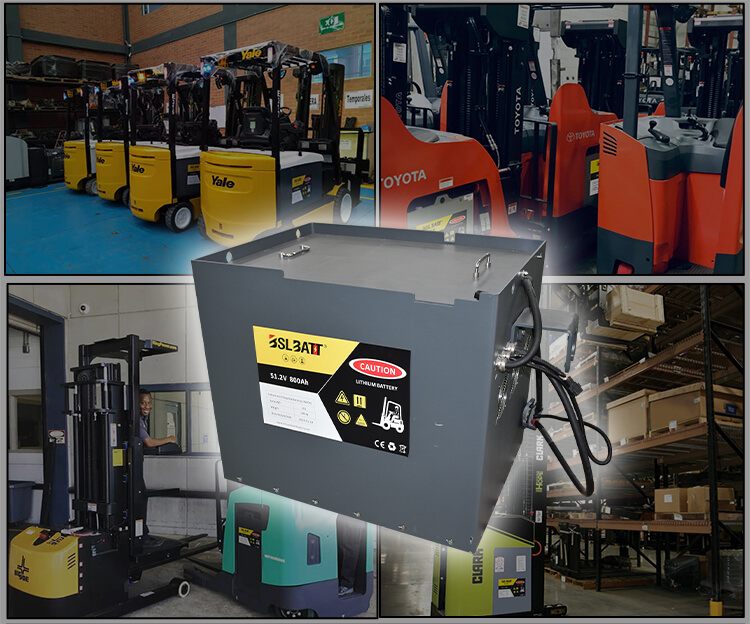
Dozens of companies have already successfully switched their truck fleets to Li-ion and are enjoying the benefits. BSLBATT offers over 950 models with a proprietary state-of-the-art battery management system to fit nearly any truck make and model. Moreover, BSLBATT will customize a battery based on the lift truck application, be it a regular warehouse, food processing, freezer environment, or outdoor conditions.
Still, have questions? Contact one of our regional reps here.
Ready to get lithium-ion batteries for your trucks? Use our battery selection tool to choose the right battery pack for your needs.