Two Battery Jobs, Two Completely Different Products
A conventional tractor has a diesel engine. Its battery spends two or three seconds a day doing heavy work: spinning a starter motor until the engine fires. Everything else the battery does is light housekeeping for lights, monitors and the cab. That is the classic 12V starting battery, and it is sized in cold cranking amps.
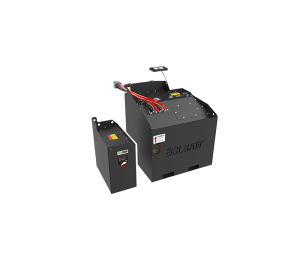
An electric or hybrid farm machine is the opposite. Its drive battery works all day: hauling the machine across a field, turning a hydraulic pump, spinning a mixer auger for half an hour at a stretch. These packs run at high voltage, 80V or 96V in current battery powered farm equipment, and are sized in kilowatt-hours of stored energy. A 12V starting battery weighs 40 to 60 lb. The drive pack on a compact telehandler weighs more than the operator.
Search listings blur the two because both are called “tractor batteries”. Before comparing prices, decide which job you are buying for. The rest of this guide covers both, because the decision logic differs completely.
The 12V Starting Battery: What Still Applies in 2026
Most tractors on farms today still burn diesel, and their starting batteries still follow familiar rules:
- Cold cranking amps matter more than capacity. A battery that stores plenty of energy but cannot deliver 600+ amps at 0°F is useless on a January morning. Match the CCA rating to the engine spec, not to the battery price.
- Parasitic drain is the real killer. GPS terminals, telematics modems and dash cameras keep drawing after shutdown. A tractor parked for two weeks over a holiday can drain a marginal battery to the point of sulfation, which permanently cuts capacity.
- Lithium 12V starting batteries exist but are rarely worth it. They weigh less and last longer, but a starting battery on a diesel tractor cycles so shallowly that a quality lead-acid unit often outlives the tractor’s trade-in cycle anyway. The economics rarely close the gap.
One genuine upgrade: if the tractor sits for weeks at a time, a small maintenance charger on the shed wall prevents more failures than any battery upgrade will.
The 80V Drive System: Where the Real Change Is Happening
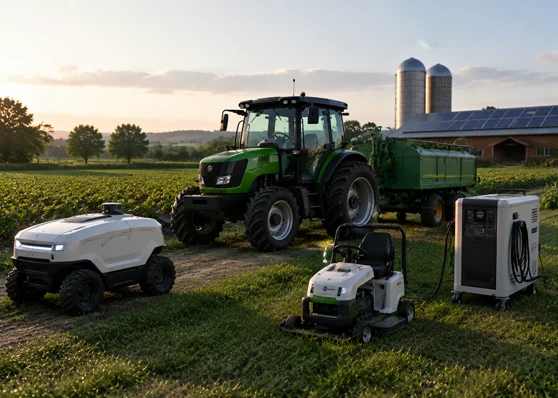
Battery powered farm equipment, electric telehandlers, feed mixers, wheel loaders and compact electric tractors, has moved from concept to working fleets, and every one of them runs on a high-voltage drive pack. These packs follow different physics from starting batteries:
- Energy, not cranking amps. Capacity is quoted in amp-hours at pack voltage. A 410Ah pack at 80V stores roughly 33 kWh; what matters for a work day is kWh, the same way it matters for a diesel tank in gallons.
- Depth of discharge is the design assumption. A starting battery is expected to give 2% of its energy per start. A drive pack is expected to give 80% or more per shift, every shift. Chemistries are engineered for entirely different lives.
- LiFePO4 dominates. Nearly every serious agricultural machinery battery now uses lithium iron phosphate: thermally stable, 3,500+ cycles at deep discharge, and no watering maintenance. The technology page covers the chemistry details.
Decoding the Spec Sheet on a Tractor Lithium Battery
Drive-pack listings carry numbers that starting-battery shoppers have never seen. Here is what each one means in practice:
| Spec | What it means | What to check |
|---|
| Nominal voltage (80V / 96V) | Series cell count × 3.2V. An “80V” pack is really 25S; a “96V” pack is 30S | Must match the machine’s motor and controller input range |
| Capacity (Ah) | Charge the pack can deliver at rated voltage | Ask at what discharge rate the figure was measured; C5 vs C1 changes the number |
| Stored energy (kWh) | Voltage × Ah ÷ 1000. The honest size figure | Compare machines by kWh, not Ah across different voltages |
| Cycle life | Charges before capacity drops below a threshold (usually 80%) | Confirm the DOD and end-of-life threshold behind the number |
| IP rating | Sealing against dust and water jets | Field machines need IP65-class sealing; confirm what the case actually carries |
| Charge time | Hours from empty to full on the matched charger | Charger amperage drives this; a 200A charger fills faster than a 100A unit |
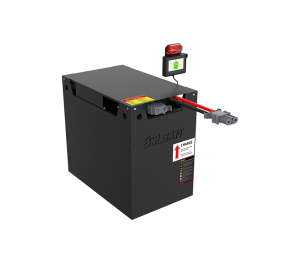
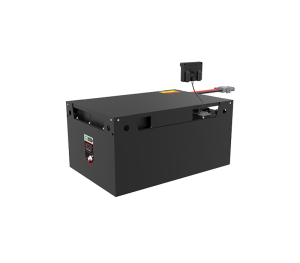
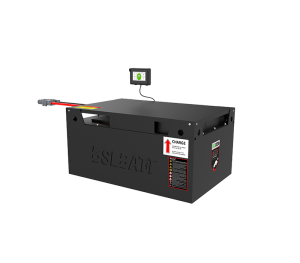
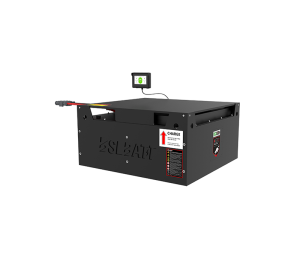
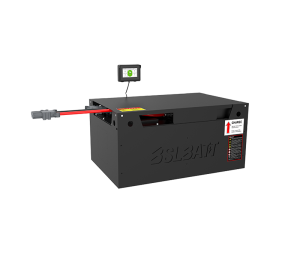
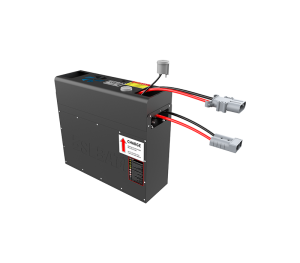
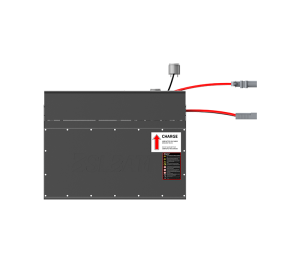
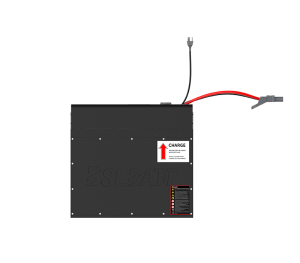
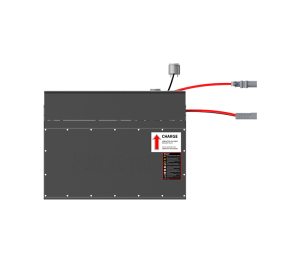
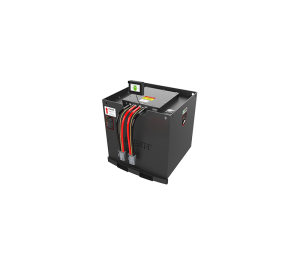
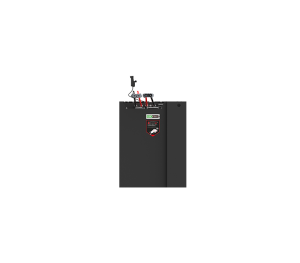
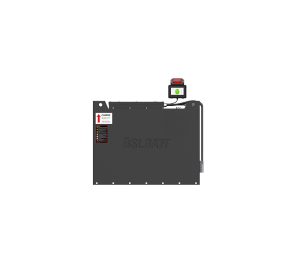
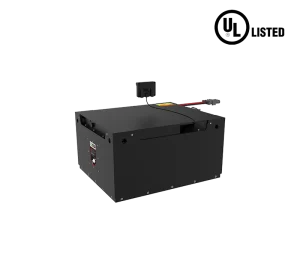
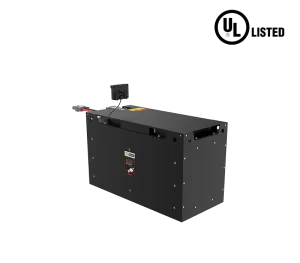
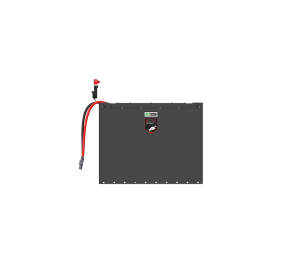
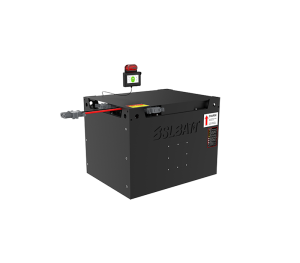
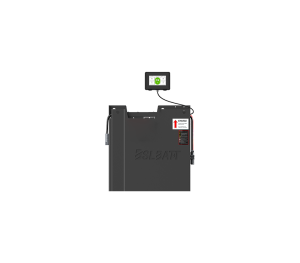
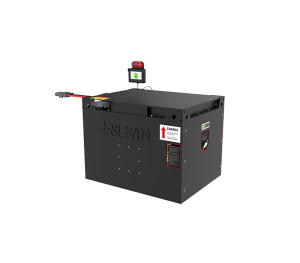
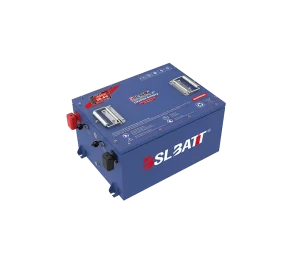
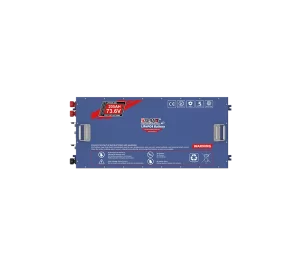
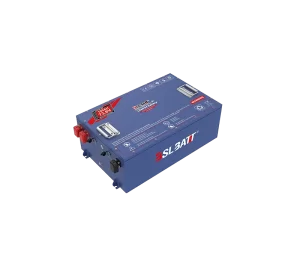
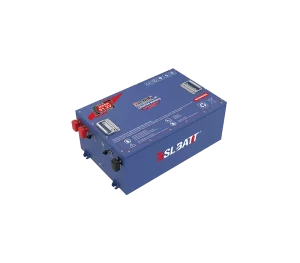
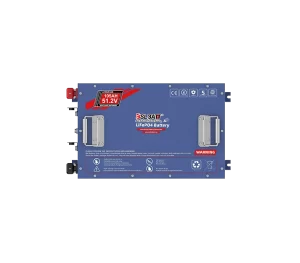
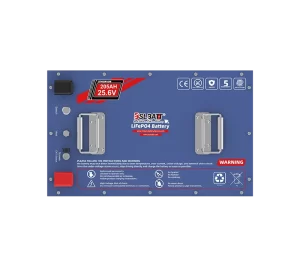
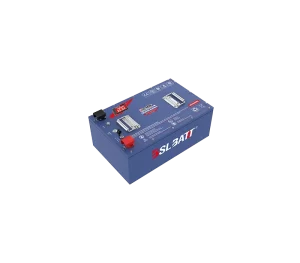
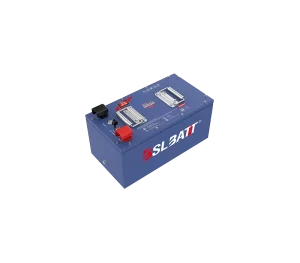
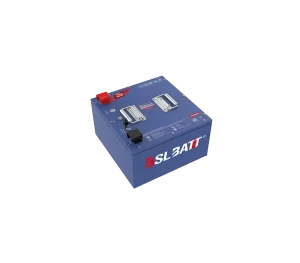
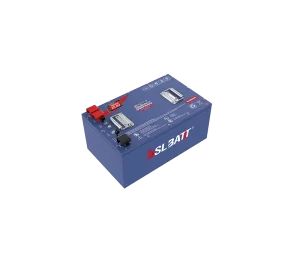
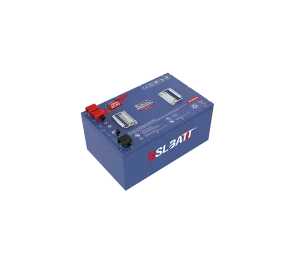
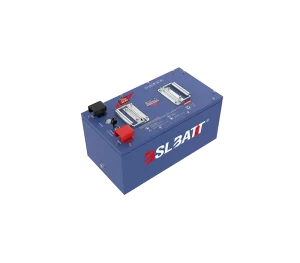
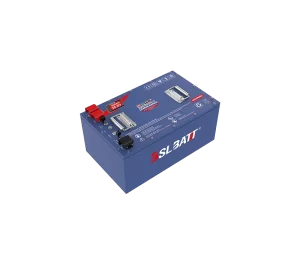
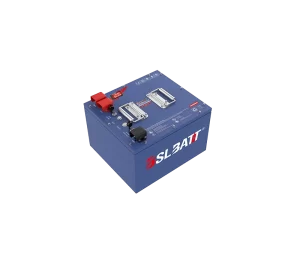
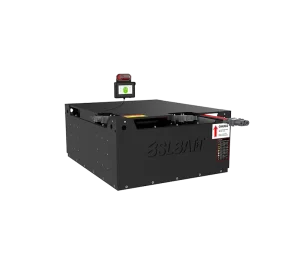
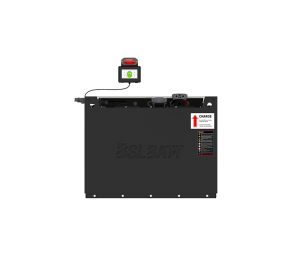
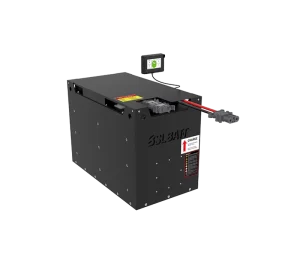
A worked example: BSLBATT’s 80V 410Ah pack for farm tractors stores 32.8 kWh and weighs about 417 kg. On an electric tractor doing tillage, that energy budget covers a working shift, and a matched 80V 200A charger returns the pack to full in under two hours, which fits inside a lunch break or an implement change.
Telehandler Batteries: The Hardest Duty on the Farm
A telehandler battery works harder than almost any other drive pack in agriculture. Lifting, extending and tilting often happen at the same moment, and all three pull hydraulic current at once. The worst case is a heavy bale at full boom extension, when the pump draws peak current while the machine is most sensitive to voltage sag.
Lead-acid packs sag under that draw: voltage drops, and the boom slows exactly when the operator needs fine control. This is the same physics that makes lead-acid forklift packs slow down through a shift, and it is why voltage stability under load is the single most useful spec to compare on a telehandler battery.
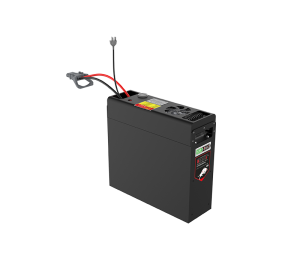
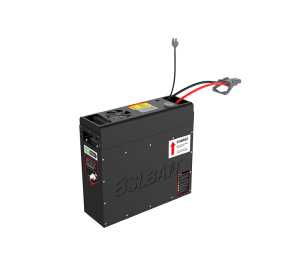
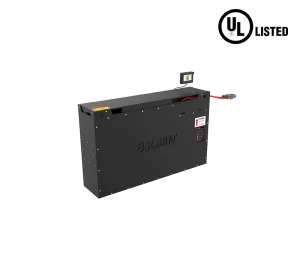
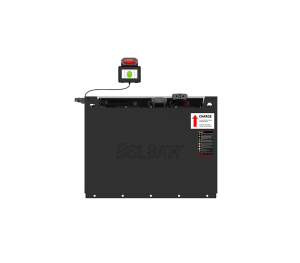
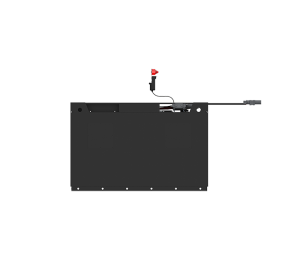
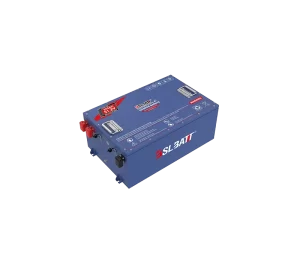
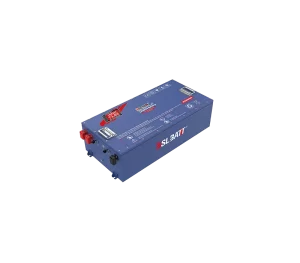
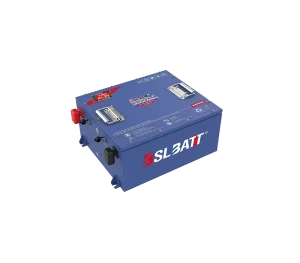
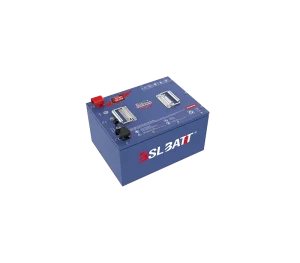
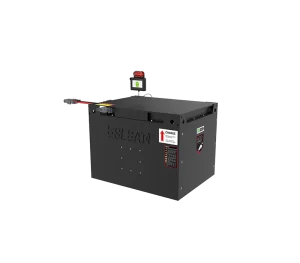
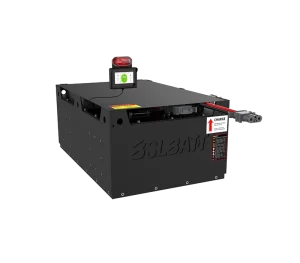
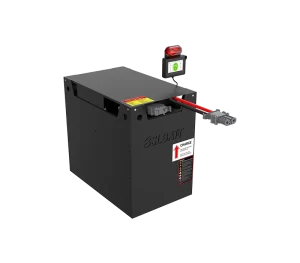
BSLBATT’s 80V 460Ah telehandler pack stores 36.8 kWh and holds its voltage curve under sustained load, so hydraulic response stays consistent from the first lift to the last. The pack’s BMS also prompts charging before the state of charge drops below 10%, which prevents the specific embarrassment of a boom stopping mid-lift.
What Drives the Price Difference
A 12V starting battery costs hundreds of dollars. An 80V drive pack costs more like a compact car. The gap is not markup; it is physics and volume:
- Energy stored. A drive pack stores 500 to 1,000 times the energy of a starting battery. Cell cost scales with kWh, almost linearly.
- Deep-cycle engineering. Thicker electrodes, better thermal management and a serious battery management system are what make 3,500+ deep cycles possible. A starting battery never needs any of it.
- Enclosure and certification. Field-rated sealing, vibration-proof construction and transport certification (UN38.3) add cost that indoor equipment never sees.
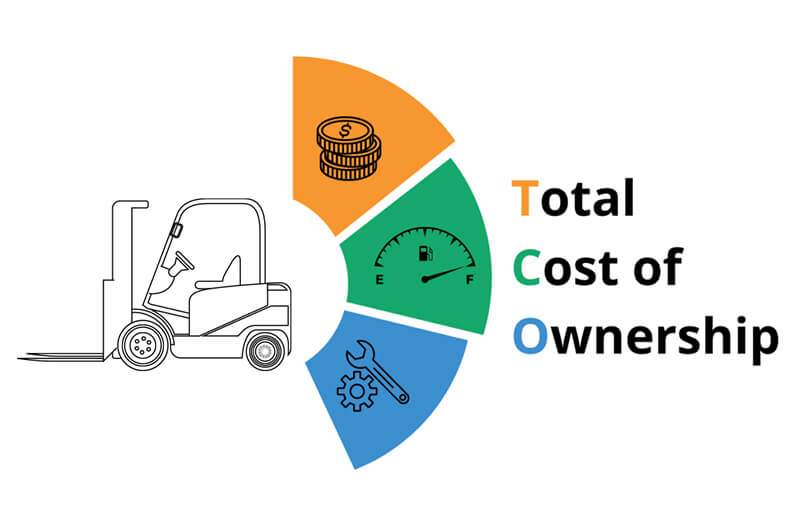
The fair comparison is not pack price against starting-battery price. It is pack price against the diesel fuel, engine servicing and lead-acid replacement the electric machine eliminates. BSLBATT’s published TCO comparison walks through that arithmetic with real input fields, and the outcome depends heavily on annual operating hours and local energy prices, so run it with your own numbers rather than trusting anyone’s generic payback claim.
Where Lithium Does Not Win on the Farm
An honest guide needs the other side. A tractor lithium battery is the wrong answer in three situations:
- Machines that run a few hours a season. If a implement only leaves the shed for two weeks a year, the extra cycles lithium delivers are cycles you will never use. Lead-acid or diesel economics win on pure cost.
- Unheated storage below -20°C with no charging infrastructure. LiFePO4 packs refuse to charge below freezing unless they carry self-heating, and a shed with no power supply cannot support any lithium pack. Check the operating range before buying; BSLBATT’s agricultural line specifies -20°C to 60°C with integrated self-heating, but the shed still needs a plug.
- Conversions with mismatched motor controllers. Bolting a high-voltage pack onto a machine whose controller expects lead-acid voltage sag produces a drivability mess. Conversions need matched components, not just a big battery.
Choosing Between Voltage Classes: a Five-Question Checklist
- Does the machine burn fuel or run on a motor? Diesel engine means a starting battery question; electric drive means a kWh question.
- What does the machine’s manual specify for pack voltage and connector type? REMA and Anderson connectors are the common standards in battery powered farm equipment.
- How many kWh does a real work day consume? One full shift at average draw is the number the pack must cover, or the machine needs opportunity charging built into the day.
- What sealing and vibration rating does the field demand? Mud, fertilizer dust and pressure washing kill more battery cases than cell failures do.
- What charger does the pack require, and does the farm’s electrical supply support it? A 200A 80V charger is a three-phase question on many farms.
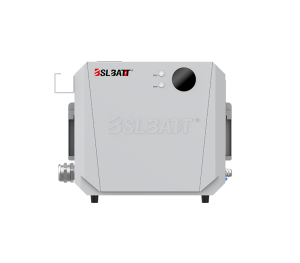
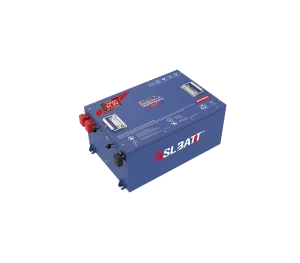
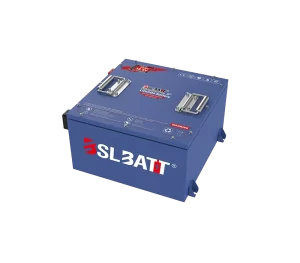
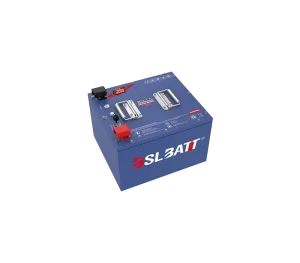
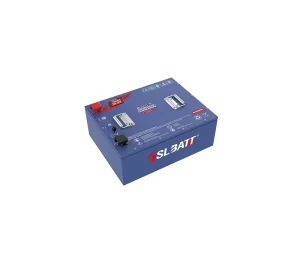
For machines in the 80V/96V class, BSLBATT’s agricultural machinery battery solutions page lists the full model range, from compact tractor packs to the 96V 690Ah pack built for feed mixers, which runs a mixing auger under sustained load for a full feeding schedule without a mid-shift recharge.
Charging and Storage: the Part Farms Get Wrong
The pack is half the purchase. The other half is where and how it recharges, and farms fail this part more often than factories do, because the electrical infrastructure was built for a workshop fridge and a welder, not a 200A three-phase charger.
Three rules that prevent the most common failures:
- Match the charger to the pack, not the plug. A REMA connector fits many chargers; the charge profile is what the BMS cares about. Chargers should communicate with the pack (CANbus in most current systems) and deliver the current the spec sheet was built around. A 410Ah pack on a 100A charger takes four times longer than the same pack on a 200A-plus unit, and “under two hours” charge-time claims assume the matched charger.
- Plan for opportunity charging, not one nightly session. The rhythm of farm work, implement changes, lunch, rain delays, creates natural charging windows. Packs that accept partial charging without cycle-life penalty turn those windows into hours of runtime the schedule never had to give up.
- Store at partial charge through the off-season. A pack parked at 100% state of charge for three summer months ages faster than one parked at 50-60%. Before the machine goes into the shed, drop the charge to half, disconnect any telematics drain, and let the BMS sleep.
Winter is the test most packs fail in the field. LiFePO4 chemistry discharges happily at low temperatures but will not accept charge below freezing unless it warms itself first. Packs with integrated self-heating handle this automatically, warming the cells before the charge current flows. Farms buying for shoulder-season work at 5°C or colder should treat self-heating as a required spec, not an option.
FAQ


 Explore all product lines