Read the machine before you read the chart
Three numbers on the machine’s data plate or battery label matter most.
- Voltage. 24V and 36V cover most scrubbers. It’s set by the machine’s controller, so a replacement has to match it.
- Capacity in Ah, and the rating hour. Scrubber batteries are rated at the 5-hour rate (C5) or the 20-hour rate (C20). The same battery has a higher number at C20, so compare like with like.
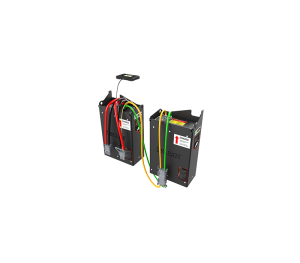
- How the pack is built. Many scrubbers use several smaller batteries in series: two 12V units for 24V, or four to six 6V units for 24V and 36V. A lithium pack replaces the whole set with a single box.
Also measure the battery compartment. Nilfisk, for example, lists the SC5000’s compartment as 629 × 555 × 435 mm, and a pack has to fit inside that with room for the tie-downs.
Flooded, AGM and lithium at a glance
| Factor | Flooded lead-acid | AGM / gel | LiFePO4 lithium |
|---|
| Maintenance | Watering, cleaning terminals | None | None |
| Charging | Long, slow, usually overnight | Slow, sensitive to overcharge | Faster, partial charges are fine |
| Voltage as it drains | Sags | Sags | Stays nearly flat |
| Upfront price | Lowest | Middle | Highest |
| Best for | Single-shift machines with a trained operator | Sites that can’t tolerate acid or watering | Multi-shift machines and fleets |
Floor scrubber battery replacement chart
The lead-acid options below come from the manufacturers’ own spec sheets. Options vary by region and package, so confirm against your own machine’s label.
The last column is a starting point for lithium, worked out by usable energy rather than by Ah. The method is explained below the table.
| Brand and model | Voltage | Lead-acid options (manufacturer spec) | Lithium starting point |
|---|
| Tennant T3 | 24V | Two batteries, 105, 130 or 155Ah (20-hour rate) | 24V 72Ah to 105Ah |
| Tennant T5 | 24V | Four 6V batteries, 200 or 235Ah | 24V 135 to 150Ah |
| Tennant T16 | 36V | 235Ah standard, 360Ah high capacity | 36V 150Ah for 235Ah. 36V 205 to 280Ah for 360Ah. |
| Nilfisk SC2000 | 24V | Wet, AGM or lithium options | 24V 72 to 105Ah |
| Nilfisk SC3000 | 24V | Wet or AGM | Confirm the nameplate, then 24V 150 to 205Ah |
| Nilfisk SC5000 | 36V | 310Ah wet, 312Ah AGM or 420Ah wet | 36V 205 to 280Ah |
| Nilfisk SC6000 | 36V | 310Ah wet, 312Ah AGM or 420Ah wet | 36V 205 to 280Ah |
| Kärcher B 40 W Bp | 24V | 70 or 105Ah maintenance-free, or 80Ah low-maintenance | 24V 72 or 105Ah |
| Kärcher B 80 W Bp | 24V | 170 to 260Ah depending on region and type | 24V 150 to 205Ah |
| Kärcher B 150 R | 36V | 180 or 240Ah (C5) international. 305 to 360Ah on North American packages. | 36V 150Ah for 240Ah or less. 36V 205 to 280Ah above that. |
How the lithium column is worked out
A lead-acid battery shouldn’t be discharged much below 50% if you want it to last, so you only use about half its nameplate energy. A lithium pack rated at 80% depth of discharge gives you most of what’s on the label.
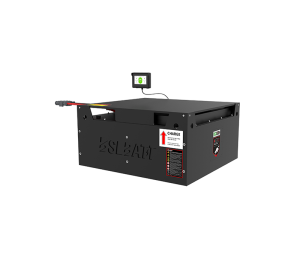
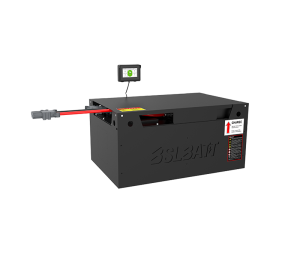
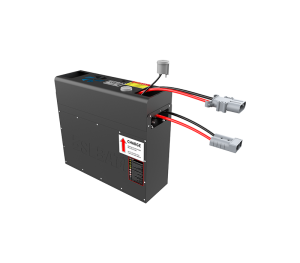
Take a 36V 235Ah machine. Nameplate energy is 36 × 235 = 8.5 kWh, and roughly 4.2 kWh of it is usable. BSLBATT’s 36V 150Ah pack is 38.4V × 150Ah = 5.76 kWh, and about 4.6 kWh of that is usable at 80%. So a smaller Ah number can match the same working day. Check this against your own run time and your own cleaning pattern, since the figures above are estimates.
Tennant T16 floor scrubber battery
The Tennant T16 is a 36V ride-on scrubber. Tennant lists a 235Ah standard battery for about two hours of runtime and a 360Ah high-capacity battery for about four hours. It also lists lithium-ion options at 240Ah and 320Ah, with up to 4 and up to 5.7 hours.
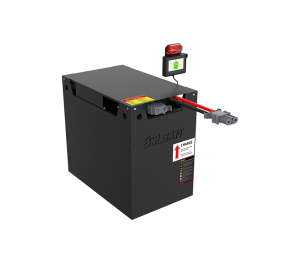
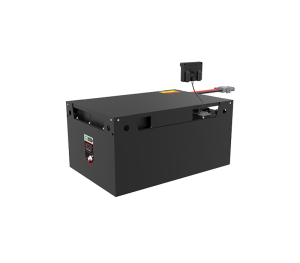
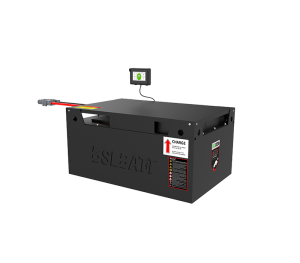
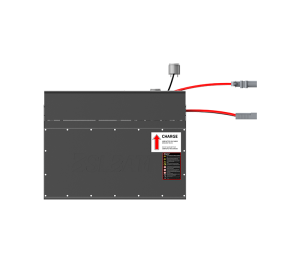
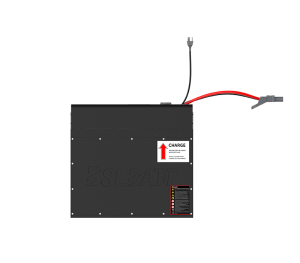
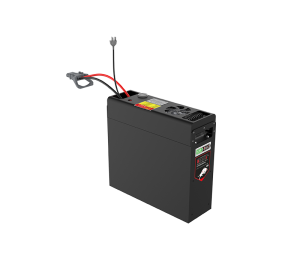
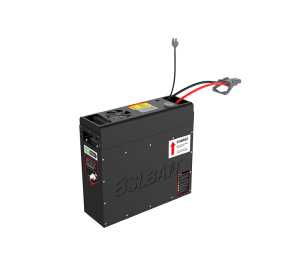
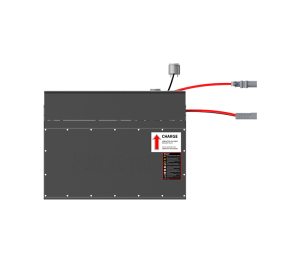
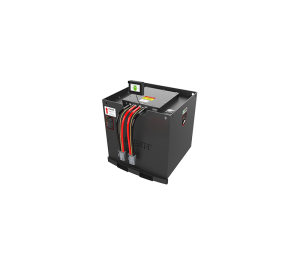
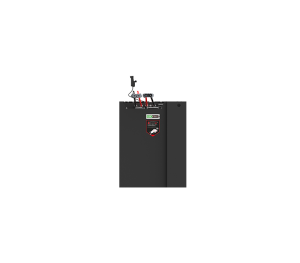
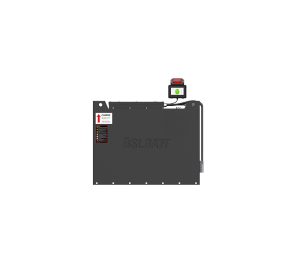
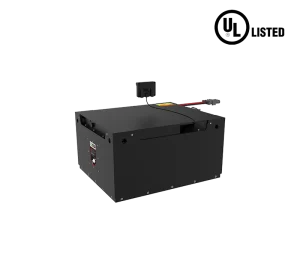
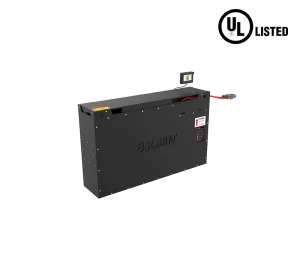
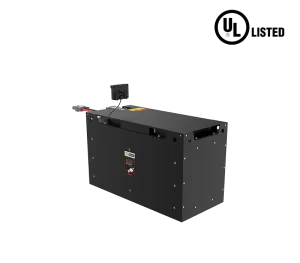
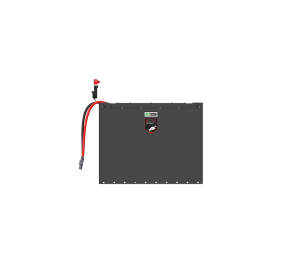
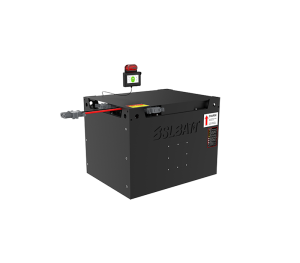
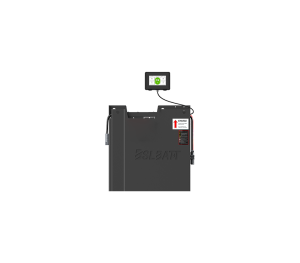
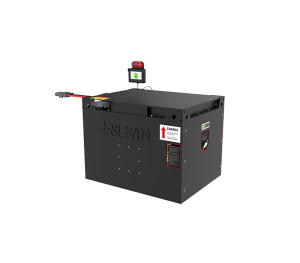
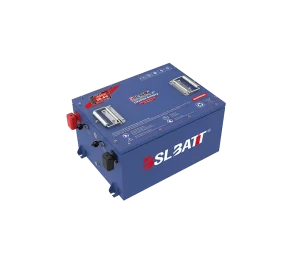
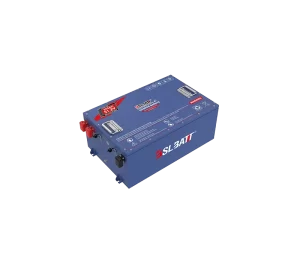
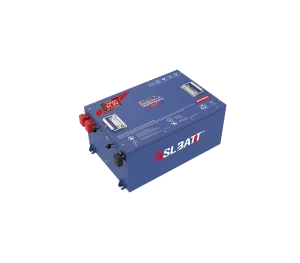
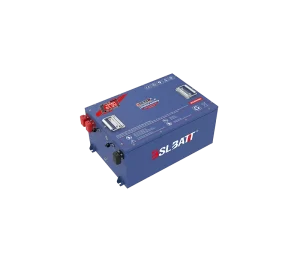
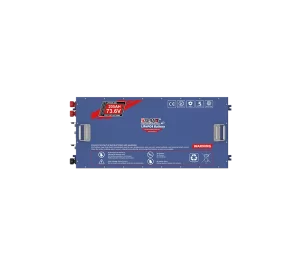
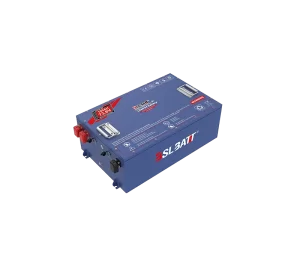
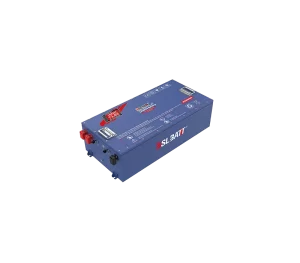
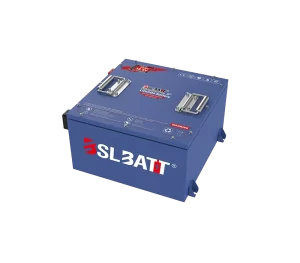
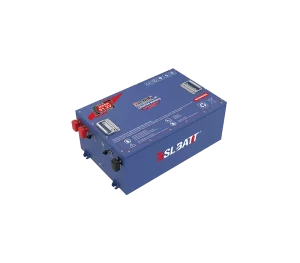
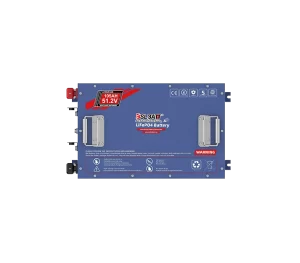
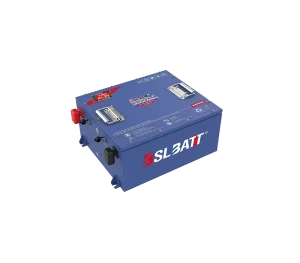
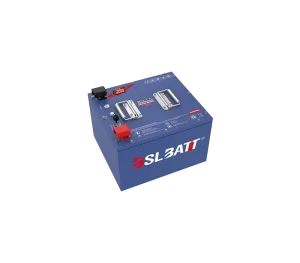
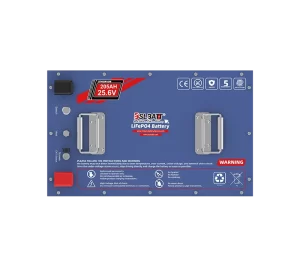
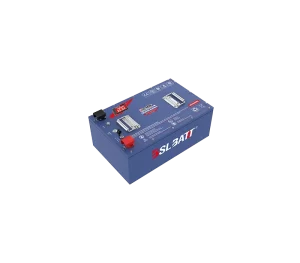
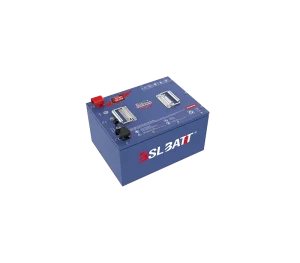
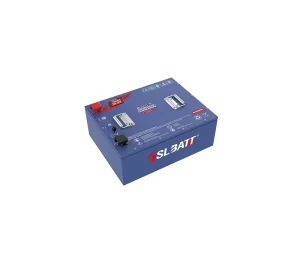
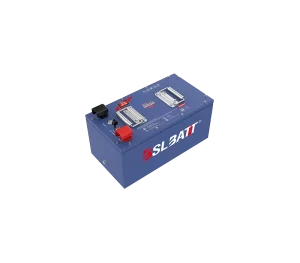
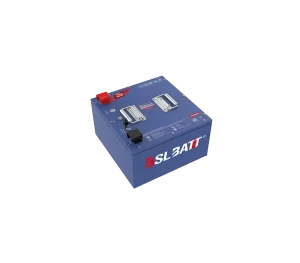
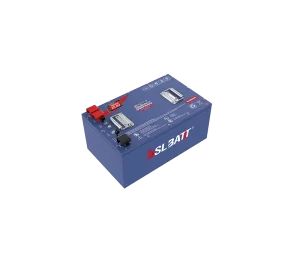
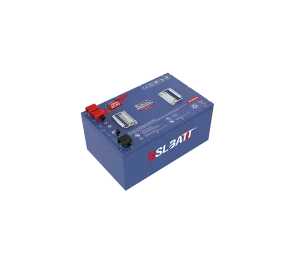
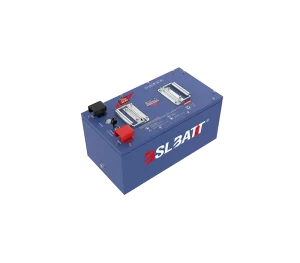
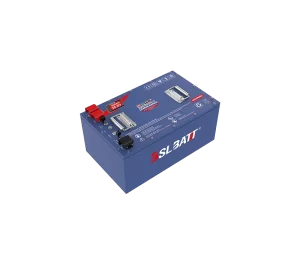
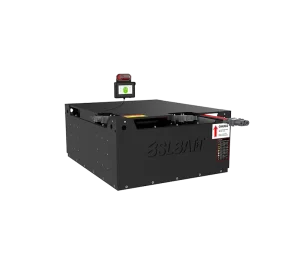
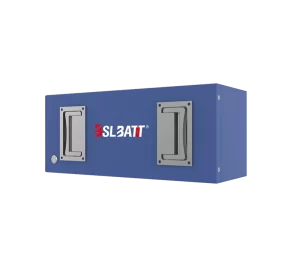
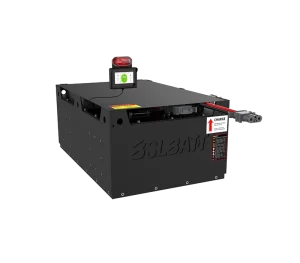
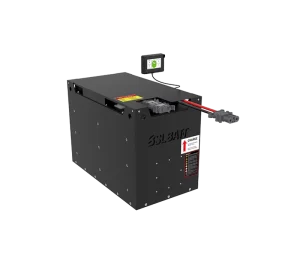
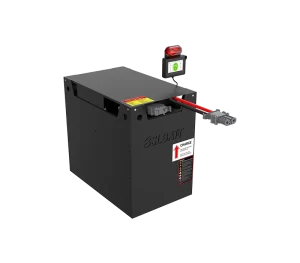
If you want a third-party lithium pack in a T16 on a 235Ah machine, a 36V 150Ah BSLBATT pack is the usual starting point. It stores 5.76 kWh and weighs 48.5 kg. For the 360Ah high-capacity machines, BSLBATT’s brochure lists 36V 205Ah (7.87 kWh), 280Ah (10.75 kWh) and 300Ah (11.52 kWh) packs, which are closer to that energy. Confirm the dimensions and weight on the datasheet for the exact version you order.
The T16AMR, the autonomous version, runs a 36V 360Ah flooded battery or an 11.5 kWh lithium pack, so the same sizing logic applies.
Nilfisk and Kärcher
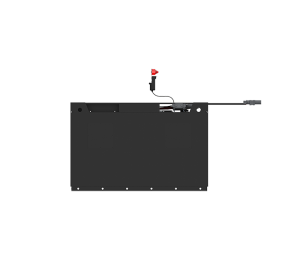
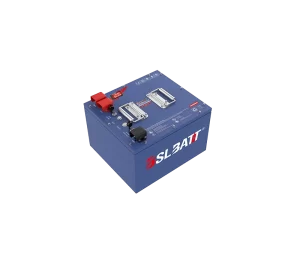
Nilfisk. The SC5000 and SC6000 are both 36V. Package options include 310Ah wet, 312Ah AGM and 420Ah wet, which is a lot of battery to replace. The compartment on the SC5000 is 629 × 555 × 435 mm. By the brochure’s dimensions, BSLBATT’s 36V 205Ah pack (540 × 410 × 275 mm) fits inside it. The 280Ah and 300Ah packs (640 × 540 × 420 mm) are longer than the compartment, so a machine that needs that much energy will need a custom case. Either way, the pack has to be secured properly. Smaller machines like the SC2000 and SC3000 run at 24V, and Nilfisk offers its own modular lithium option on the SC2000.
Kärcher. The B 40 W, B 60 W and B 80 W walk-behind machines are 24V, and the B 150 R ride-on is 36V. Kärcher lists a charge time of about 12 hours for the B 40 W and about 7 hours for a B 150 R with a 240Ah gel battery, which gives you a sense of how much lead-acid charging ties up a machine.
Three ways to replace a scrubber battery
| Route | Upfront cost | What you get | Watch for |
|---|
| New lead-acid (wet, AGM or gel) | Lowest | Same as what you have now | Watering, long charging, short life under daily use |
| The manufacturer’s own lithium | Highest | Factory-matched, usually with matched charger | Limited sizes, and only on some models |
| Third-party LiFePO4 (such as BSLBATT) | Middle | Fits many machines with the right case and charger | Needs a matched charger and a check of your service terms |
If the machine is under a service contract, ask your dealer before you swap. BSLBATT covers its floor cleaning packs for 5 years or 10,000 hours, and its warranty center lists the terms. Its brochure names Tennant, Nilfisk, Kärcher, Hako, TASKI, Advance, Comac, FIMAP, Viper and PowerBoss among the floor machine brands its packs suit, for machines originally fitted with lead-acid batteries. Brand names are used only to show compatibility and don’t imply any affiliation.
What goes wrong on a lithium swap
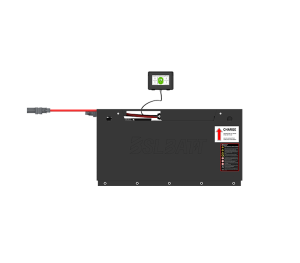
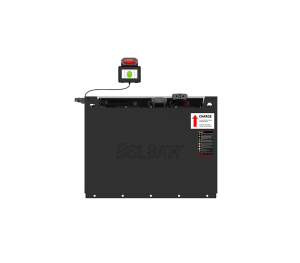
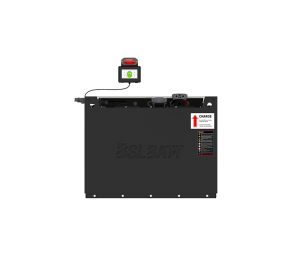
The battery meter reads wrong. Many scrubbers estimate charge from battery voltage. Lithium’s voltage barely moves until the pack is nearly empty, so the gauge can read full for hours and then drop quickly. BSLBATT’s brochure lists an SOC display option that shows charge and fault prompts, and its product pages list optional Bluetooth and CANbus. Ask your technician how the machine itself will show charge.
The charger is wrong. Many scrubbers have an on-board charger set up for wet, AGM or gel batteries. A lithium pack needs a charger that matches its voltage and BMS. The exception is a machine that already has a lithium-capable charger: BSLBATT says its packs are compatible with leading SPE and Delta-Q chargers, so some machines can keep the one they have. Otherwise, BSLBATT lists matched 24V chargers at 20A, 40A and 50A and 36V chargers at 15A, 25A, 32A, 35A and 50A. Charge time is roughly the pack’s Ah divided by the charger’s average current. A 105Ah 24V pack on the 50A charger takes about two hours, and a 150Ah 36V pack on the 35A charger takes about four and a half. Check the pairing on the charger matching page rather than guessing.
Weight changes how the machine sits. A lithium pack is lighter than a set of lead-acid batteries. On Tennant’s T16AMR, for example, the brochure lists 785 kg with standard batteries and 635 kg with the optional ones. Lighter isn’t always better on a scrubber, where weight helps keep the machine planted. Ask the supplier to confirm weight and balance for your model.
Cold floors. BSLBATT’s floor cleaning packs charge between 0°C and 55°C and discharge from -20°C to 55°C, according to its brochure. If your machine charges in an unheated space or works a freezer, read the guide on lithium batteries in freezers first.
Water. Scrubbers live around water. BSLBATT’s packs are listed as IP65, with the rating customizable, so confirm the rating for your order and don’t pressure-wash the battery area.
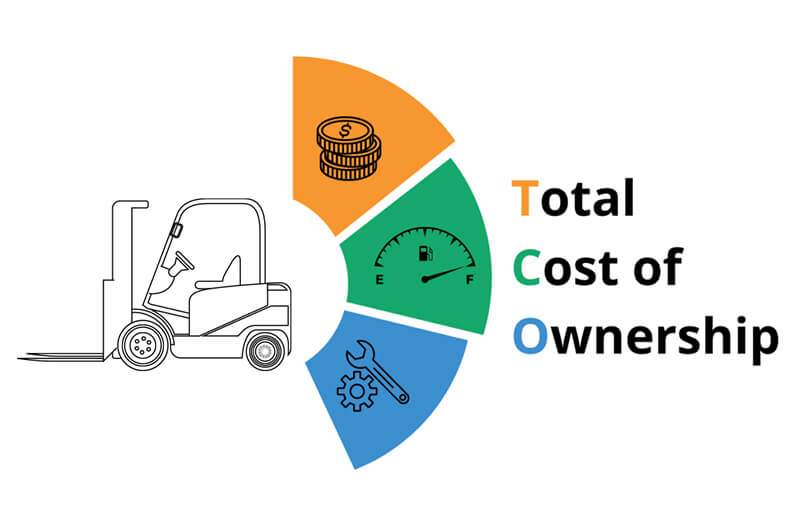
Cost per cycle, not price per battery
A lithium pack costs more upfront, so compare on cost per usable cycle:
Cost per usable cycle = pack price ÷ (rated cycles × usable kWh per cycle)
BSLBATT rates its floor cleaning packs at 4,000 cycles or more at 80% depth of discharge and backs them with a 5-year or 10,000-hour warranty. Cycle ratings depend on test conditions such as depth of discharge, temperature and charge rate, so compare any two quotes at the same depth of discharge. Then add what the formula can’t see: watering labor, battery replacements, and the hours a machine sat on a charger. BSLBATT’s page on initial price vs long-term cost goes deeper, and the lithium battery calculator can give a second estimate.
Replacement checklist
- Read the data plate and battery label. Get voltage, Ah, the rating hour and the number of batteries.
- Measure the compartment in length, width and height.
- Work out your usable energy and match a pack by energy, not just by Ah.
- Check the charger. Confirm whether your existing SPE or Delta-Q charger works with lithium, or plan for a new lithium-compatible one.
- Ask about the battery meter and how the machine will show charge.
- Check weight, balance and your service contract.
- Pilot one machine for a few weeks before converting the fleet.
BSLBATT’s full range for cleaning equipment is on its floor cleaning machine battery page.
Talk to an engineer
If you’re replacing the batteries on a Tennant, Nilfisk, Kärcher or other scrubber, send us the model, serial number and a photo of the battery label. We’ll come back with a pack proposal and a charger recommendation. Contact BSLBATT.
FAQ


 Explore all product lines