Revolutionize the energy economy with advanced lithium-ion battery technology—lower costs, reduce heat, and accelerate sustainable development.
 Explore all product lines
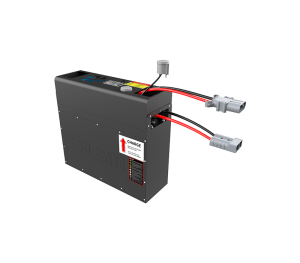
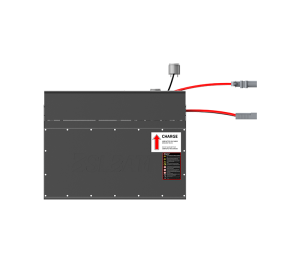
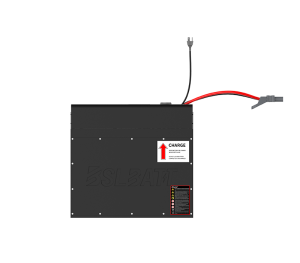
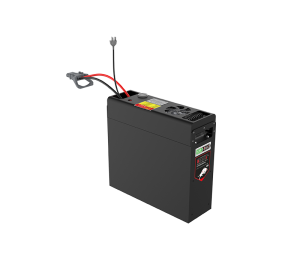
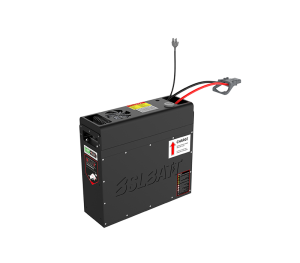
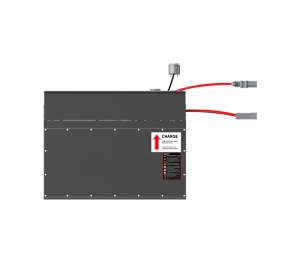
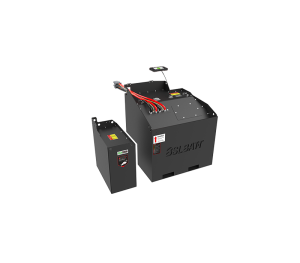
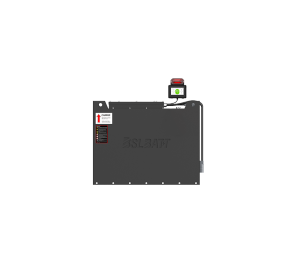
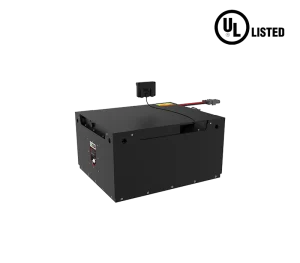
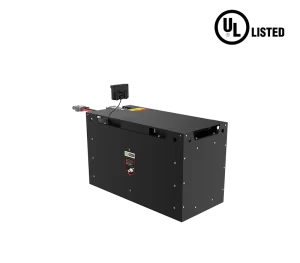
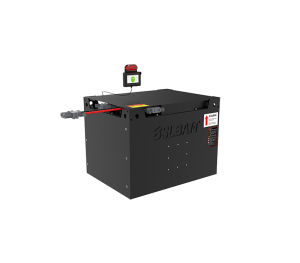
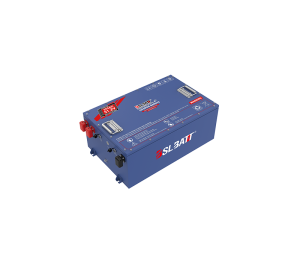
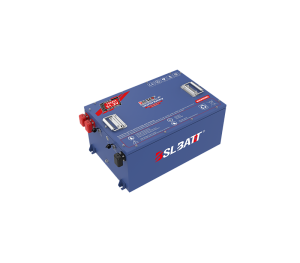
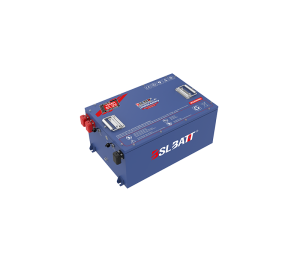
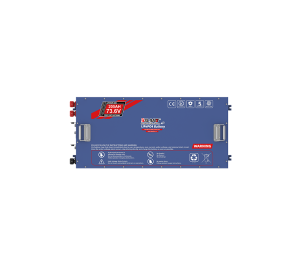
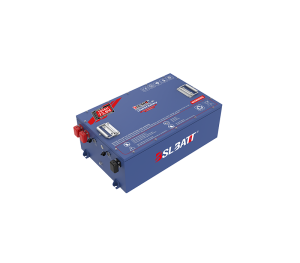
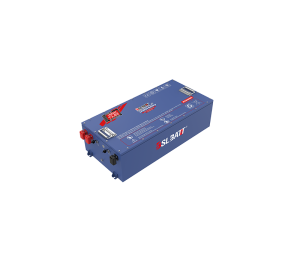
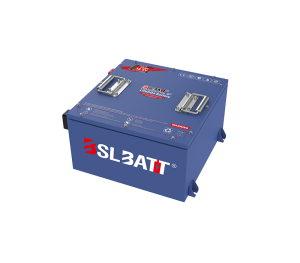
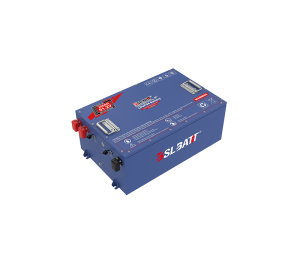












- Specialty Forklift Manufacturers and BSLBATT Lithium Battery Solutions
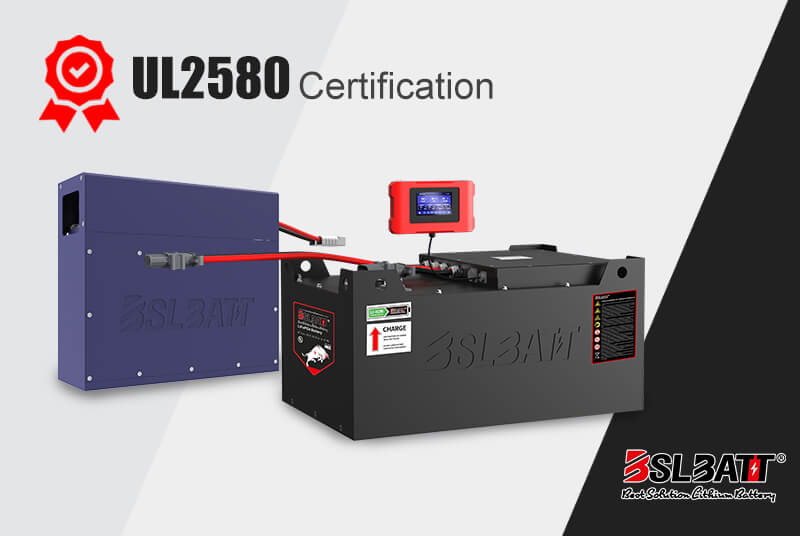
- The first lithium forklift battery that is UL 2580 certified and ISO9001 certified in the industry is BSLBATT® Battery – Industrial
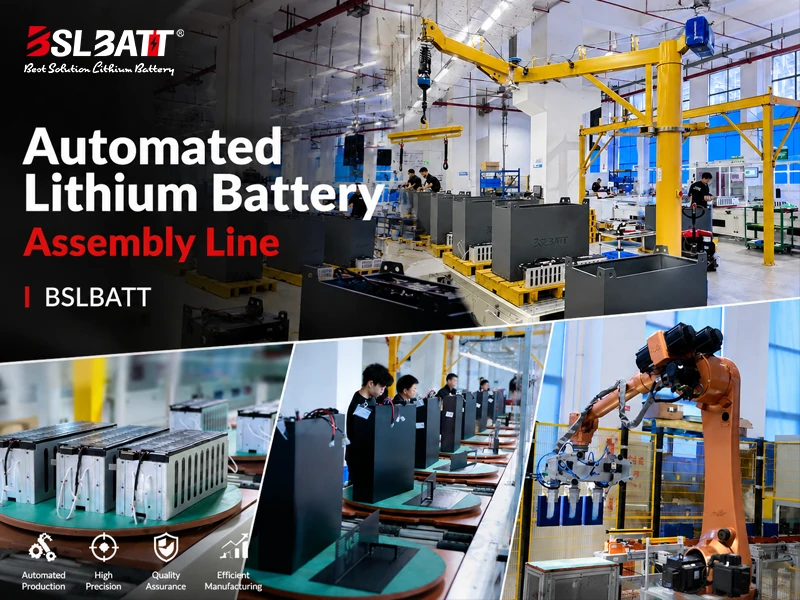
- Automated Lithium Battery Assembly Line | BSLBATT Smart Factory
- Time to Retire Lead-Acid: Why Your Warehouse Needs Lithium-Ion Power
- Lithium Forklift Battery Maintenance Guide 2026
- Industrial Lithium Batteries: Initial Price vs. Long-Term Costs
Forklifts
Why a Smart BMS Matters in Forklift Lithium Batteries: Cell Balancing, Safety & Telemetry
Table of contents
- What Is a Battery Management System (BMS)?
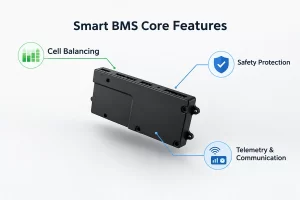
- The Three Jobs of a Smart BMS
- Cell Balancing: Why Identical Cells Never Stay Identical
- Passive vs. Active Balancing
- Safety Protection: The Layers Between a Cell and an Incident
- Telemetry & Communication: Turning a Battery into a Data Source
- What the BMS Reports
- How It Communicates
- What Happens Without a Smart BMS
- How to Evaluate a Forklift BMS Before You Buy
- Frequently Asked Questions
- What does BMS stand for in a forklift battery?
- Is a BMS the same as a "smart" BMS?
- Can I replace or upgrade the BMS on my forklift battery?
- Does a smart BMS really extend battery life?
- See the Difference in the Data
A smart BMS is the electronic brain of a forklift lithium battery. It keeps every cell balanced, cuts power before unsafe conditions, and streams live data to your fleet. Without one, a 48V pack loses capacity, ages faster, and turns a routine charge into a safety risk.
What Is a Battery Management System (BMS)?
A Battery Management System (BMS) is the electronic control layer inside a lithium battery pack. It sits between the cells and everything connected to them — the forklift, the charger, and any fleet software — and it makes a continuous stream of decisions: how much current can flow, which cells need balancing, and when to disconnect the pack to prevent damage.
Every lithium-ion forklift battery has some form of BMS. What separates a basic BMS from a smart BMS is three things: it actively balances cells rather than passively bleeding them, it communicates over a data bus instead of only protecting in silence, and it reports to the cloud so fleet managers can see problems before a truck stops.
In industrial material handling, that difference is not cosmetic. It determines whether a 48V pack delivers consistent voltage across a 16-hour day, whether it lasts 3,000 cycles or 1,500, and whether an early cell fault is caught in the workshop or in the middle of a shift.
The Three Jobs of a Smart BMS
A smart BMS earns its name by doing three jobs well. Each one maps directly to a business outcome: uptime, safety, and lower total cost of ownership.
| Job | What It Does | Business Outcome |
|---|---|---|
| Cell balancing | Keeps every cell at the same voltage so none is over-worked | Longer runtime per charge, longer pack life |
| Safety protection | Monitors voltage, current, and temperature; disconnects before harm | Fewer incidents, compliance with safety standards |
| Telemetry & communication | Reports SOC, SOH, faults, and history over CAN and the cloud | Predictive maintenance, less unplanned downtime |
Cell Balancing: Why Identical Cells Never Stay Identical
A 48V LiFePO4 forklift battery is not one battery — it is dozens of individual cells wired in series and parallel. Every cell is manufactured to a tolerance, ages at a slightly different rate, and sits at a slightly different temperature inside the pack. Left alone, those small differences compound.
Without balancing, the weakest cell sets the limit for the whole pack. The BMS stops discharge when the lowest cell hits the cutoff, and stops charge when the highest cell tops out. Over time, the usable capacity of the pack shrinks — not because the cells are worn out, but because they have drifted apart.
Passive vs. Active Balancing
| Passive Balancing | Active Balancing | |
|---|---|---|
| Method | Bleeds excess energy from higher cells as heat | Moves energy from higher cells to lower ones |
| Efficiency | Wastes the bled energy | Recovers it — less heat, less waste |
| Speed | Slow; typically only during charging | Faster, and can run continuously |
| Best for | Light-duty, cost-sensitive packs | Industrial, high-uptime forklift fleets |
For forklift duty cycles — long shifts, opportunity charging, wide temperature swings — active balancing is the more effective choice. It keeps cells aligned even when the pack is charged in short, partial top-ups rather than a single full cycle, which is exactly how a busy warehouse operates. BSLBATT’s intelligent balancing strategy runs continuously to hold cell consistency across the pack; see the battery technology overview for the design detail.
Safety Protection: The Layers Between a Cell and an Incident
Safety is the most visible reason a smart BMS matters — and the hardest to notice when it’s doing its job. A well-designed BMS watches several parameters at once, and each one has a defined trip point at which it acts.
| Parameter Monitored | Risk If Unmanaged | BMS Response |
|---|---|---|
| Cell over-voltage | Lithium plating, capacity loss | Stop charge / balance |
| Cell under-voltage | Permanent cell damage | Stop discharge |
| Over-current | Wiring heat, component stress | Limit or cut current |
| Over / under temperature | Accelerated aging, thermal risk | Throttle charge/discharge, trigger heating or cooling |
| Short circuit | Fire risk | Immediate disconnect |
| Cell imbalance | Reduced usable capacity | Activate balancing |
These protections are what make LiFePO4 chemistry safe to deploy indoors, around people, and in continuous operation. They are also part of how a lithium pack earns its certification — the UL 2580 certification that warehouse operators and insurers increasingly require.
On a BSLBATT pack, the BMS is built with automotive-grade components and uses a 32-bit processor to run real-time monitoring, multi-layer protection, and CRC data validation. In practical terms, that means the safety logic is checking itself as well as the cells — a corrupted reading doesn’t get treated as a normal one.
On higher-tier industrial packs, the BMS also acts as the trigger for active safety systems. If its temperature sensors detect the early signature of thermal runaway, an integrated automatic fire suppression system can activate before the fault escalates. This is a proactive layer on top of the electrochemical stability of LiFePO4, not a replacement for it.
Telemetry & Communication: Turning a Battery into a Data Source
The third job is where “smart” becomes operational. A telemetry-enabled BMS turns each battery into a connected asset that reports its own condition, rather than a sealed box you only think about when it fails.
What the BMS Reports
- State of Charge (SOC) — how much energy is left, with enough accuracy to plan a shift.
- State of Health (SOH) — how much capacity the pack has lost over its life, so replacement can be planned instead of reacted to.
- Cell-level data — max/min cell voltage and temperature, exposing the weak cell before it drags the pack down.
- Fault and event history — over-current events, temperature excursions, and charging anomalies, timestamped.
- Cycles and energy throughput — the raw material for maintenance schedules and warranty discussions.
How It Communicates
Inside the truck, the BMS uses CAN bus to talk to the charger, the display, and the vehicle controller — this is what lets a smart charger negotiate charging current instead of forcing a fixed voltage onto the pack. BSLBATT packs expose SOC, SOH, cell voltage, cell temperature, and fault codes over CAN, and pair with a display screen for at-a-glance status.
Beyond the truck, a cloud platform aggregates data across the whole fleet. With WiFi, cellular, or Bluetooth connectivity, fleet managers can view real-time performance for every battery, receive alerts before a fault becomes a breakdown, and run reports that show which batteries are over- or under-utilized. BSLBATT’s cloud platform also stores a rolling window of detailed debug data locally on the pack, so if something does go wrong, the evidence is already captured.
What Happens Without a Smart BMS
The cost of a weak or absent BMS rarely shows up as a dramatic failure. It shows up as a slow drain on three budgets at once:
- Capacity — unbalanced cells shrink usable runtime, so a pack that should run a full shift starts needing a top-up.
- Lifespan — over-voltage and heat are the two fastest ways to age a lithium cell. Without tight control, a pack rated for thousands of cycles delivers far fewer.
- Labor and risk — with no telemetry, maintenance is reactive. Technicians find out a battery is failing when the truck stops, not when the data first hinted at it.
Multiplied across a fleet, these effects are what separate a lithium system that pays back its premium quickly from one that quietly costs more than the lead-acid it replaced. The full financial picture is covered in the TCO breakdown.
How to Evaluate a Forklift BMS Before You Buy
When comparing forklift lithium batteries, the cells often get all the attention. Ask about the BMS instead — it’s a better predictor of real-world performance.
- Does it actively balance, and how often? Continuous active balancing outperforms charge-only passive balancing in shift-based operations.
- Which parameters does it protect, and at what thresholds? The list should cover voltage, current, temperature, and short circuit at minimum.
- What does it communicate, and over what protocol? CAN compatibility with your charger matters; confirm it on our charger matching guide.
- Is there cloud telemetry, and what’s included? Look for SOC, SOH, alerts, and data history — not just a voltage readout.
- What does the warranty say about the BMS? Review the warranty terms and what BMS data is required to support a claim.
The fastest way to judge a BMS is to look at the data it produces. If a vendor can show you a live dashboard with cell-level voltage and temperature for a real deployed pack, the system is doing its job.
Frequently Asked Questions
What does BMS stand for in a forklift battery?
BMS stands for Battery Management System. In a forklift lithium battery, it is the electronic control unit that monitors and balances the individual cells, enforces safety limits on voltage, current, and temperature, and communicates battery status to the charger, the vehicle, and fleet software.
Is a BMS the same as a “smart” BMS?
Not exactly. Every lithium battery needs a BMS for basic protection. A smart BMS adds continuous active cell balancing, richer data communication over CAN, and cloud telemetry — turning the battery from a protected component into a monitored, connected asset.
Can I replace or upgrade the BMS on my forklift battery?
The BMS is engineered as an integrated part of the pack, matched to its cell configuration and safety limits, and is generally not user-replaceable in the field. If your operational needs have changed — for example, you now require fleet telemetry — the right step is to discuss a pack option that includes those capabilities rather than swapping the BMS alone. Our team can advise on current material handling battery options.
Does a smart BMS really extend battery life?
Balancing and protection directly reduce the two biggest causes of premature aging — cell imbalance and operating outside safe voltage or temperature ranges. By keeping cells aligned and capping stress, a smart BMS helps a forklift battery reach the upper end of its rated cycle life rather than the lower end. Actual lifespan still depends on duty cycle, charging habits, and ambient conditions.
See the Difference in the Data
If you want to see what a smart BMS actually tracks on a working 48V forklift battery — cell voltage, temperature, SOC, and fault history — talk to our team. We can walk you through a live fleet view and help you match a pack, and its BMS capabilities, to your shift pattern. Request a walkthrough or a quote.





Related Product Recommendations
-
51.2V 336AH
48 Volt Forklift Battery Powerful 336Ah Lithium-ion Solution | BSLBATT
Learn More -
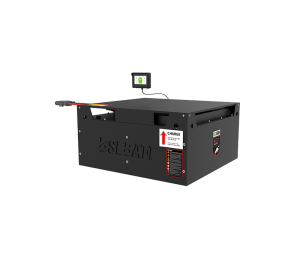
51.2V 690AH
48V Forklift Battery Price High-Endurance 690Ah Lithium Pack | BSLBATT
Learn More -
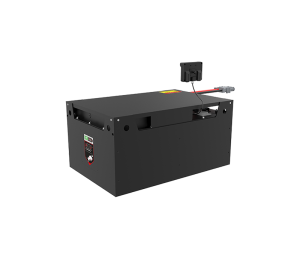
51.2V 410AH
48V Forklift Lithium Battery Unbeatable 410Ah High-Capacity Pack | BSLBATT
Learn More -
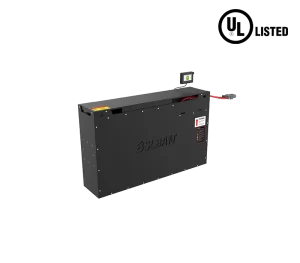
51.2V 460AH Lithium Forklift Battery
48V Forklift Battery for Sale UL Certified IP65 460Ah Lithium | BSLBATT
Learn More -
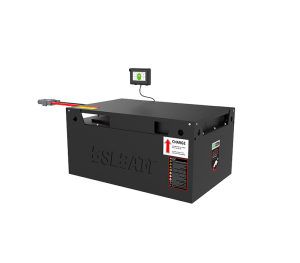
51.2V 504AH
48V Industrial Forklift Batteries Massive 504Ah Lithium Powerhouse | BSLBATT
Learn More