Revolutionize the energy economy with advanced lithium-ion battery technology—lower costs, reduce heat, and accelerate sustainable development.
 Explore all product lines
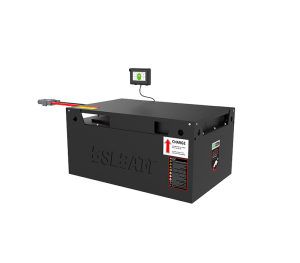
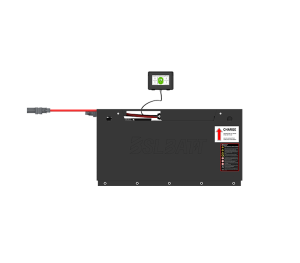
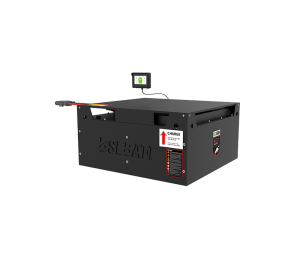
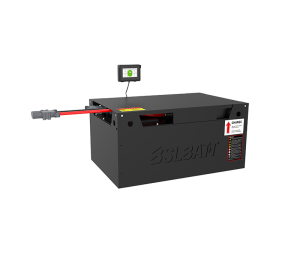
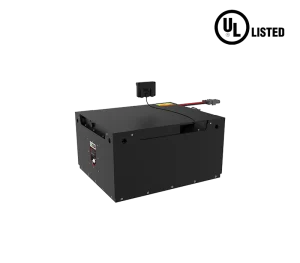
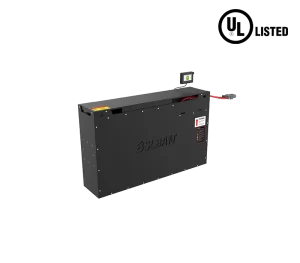
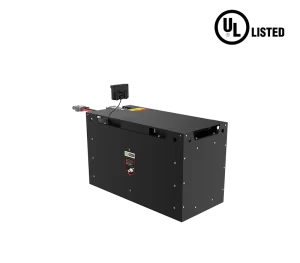
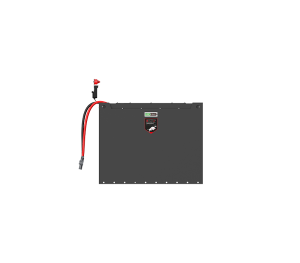
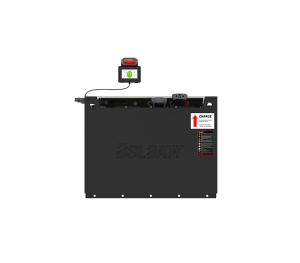
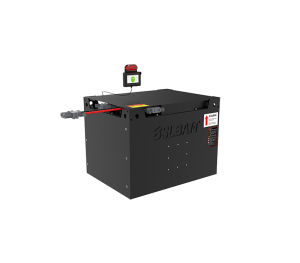
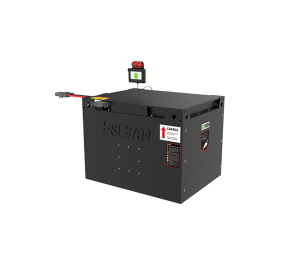
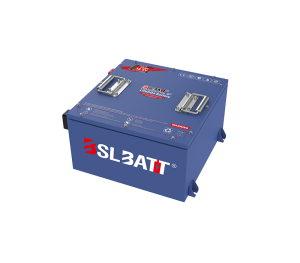
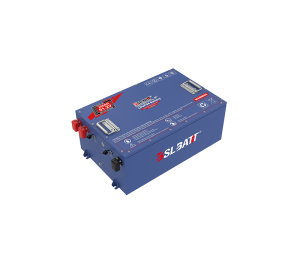
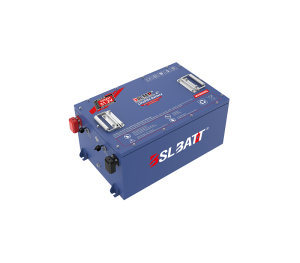
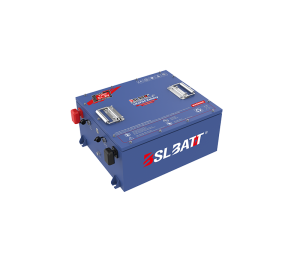
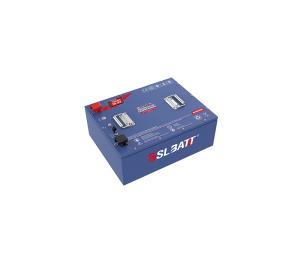
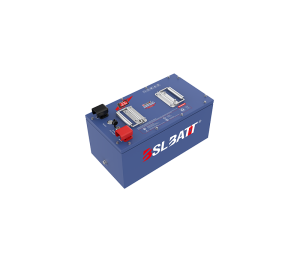
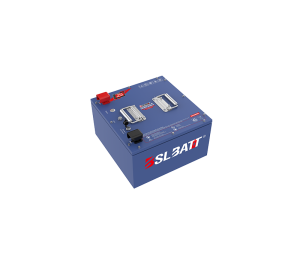
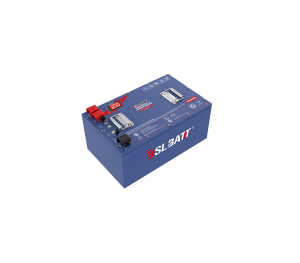
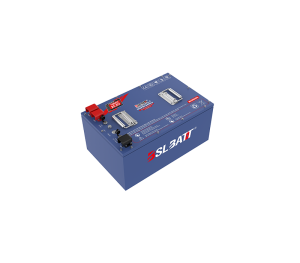
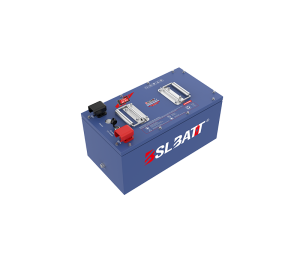
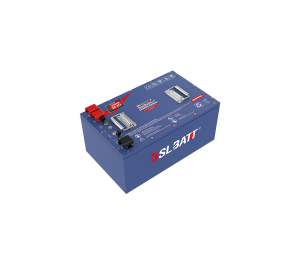
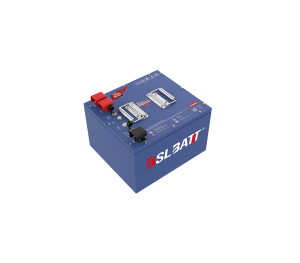








- Specialty Forklift Manufacturers and BSLBATT Lithium Battery Solutions
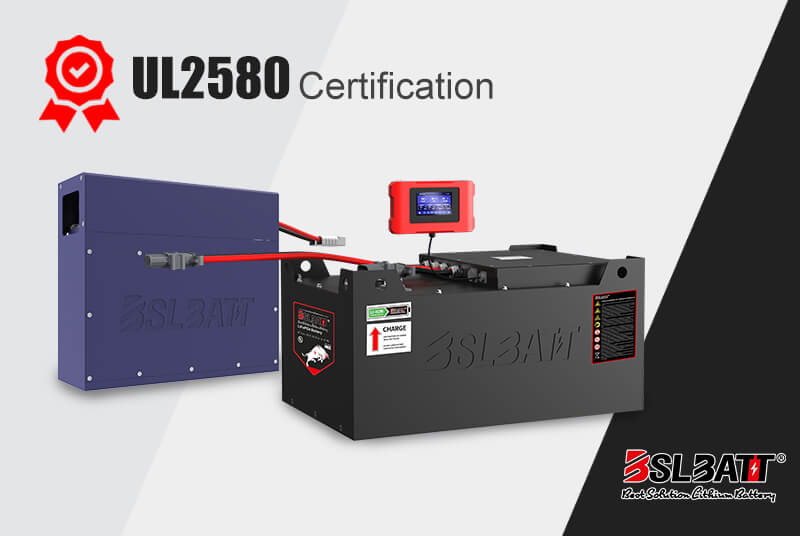
- The first lithium forklift battery that is UL 2580 certified and ISO9001 certified in the industry is BSLBATT® Battery – Industrial
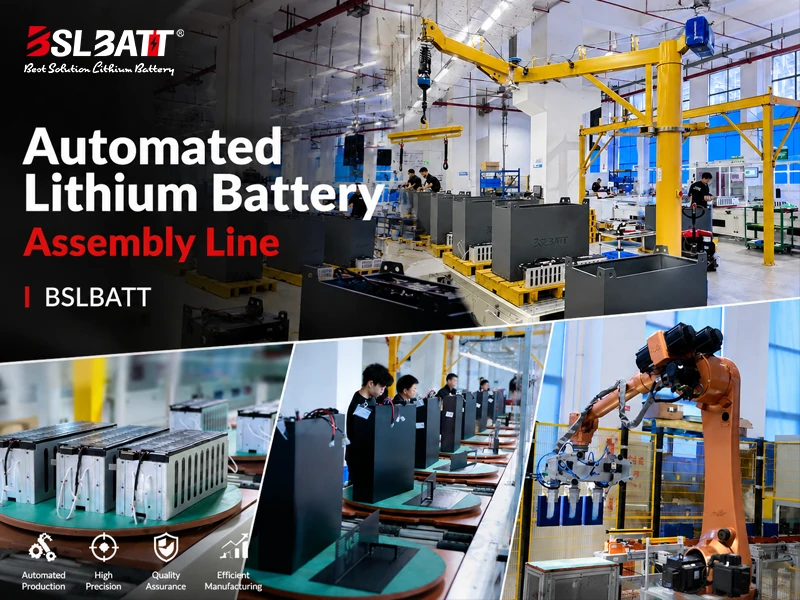
- Automated Lithium Battery Assembly Line | BSLBATT Smart Factory
- Time to Retire Lead-Acid: Why Your Warehouse Needs Lithium-Ion Power
- Lithium Forklift Battery Maintenance Guide 2026
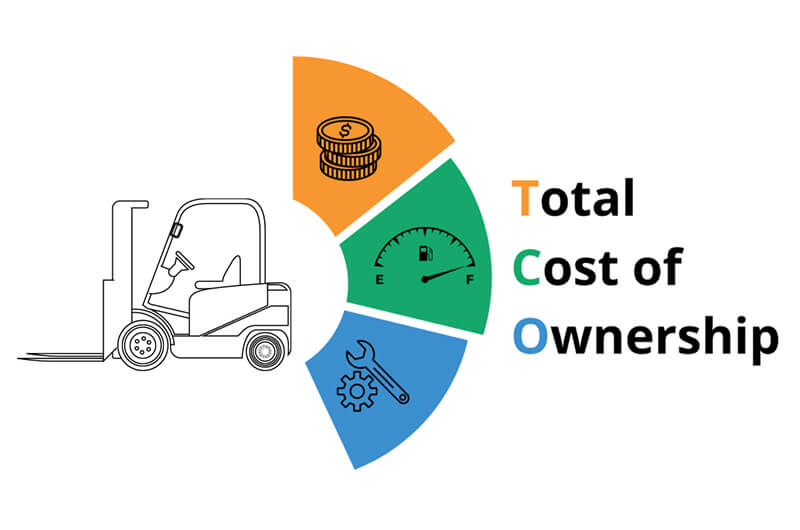
- Industrial Lithium Batteries: Initial Price vs. Long-Term Costs
Products
BSLBATT Lithium Introduces Lithium-Ion 24V Battery Module for Industrial Equipment
Table of contents
- BSLBATT Lithium Introduces Lithium-Ion 24V Battery Module for Industrial Equipment
- Which Forklifts Work On A 24-Volt Forklift Battery?
- Highlights of product
- Technical Specifications
- Lead-Acid or Lithium-ion Battery?
- Battery Management Systems
- 24-volt forklift battery Quality battery management systems oversee the following aspects of batteries:
- Bottom Line
BSLBATT Lithium Introduces Lithium-Ion 24V Battery Module for Industrial Equipment
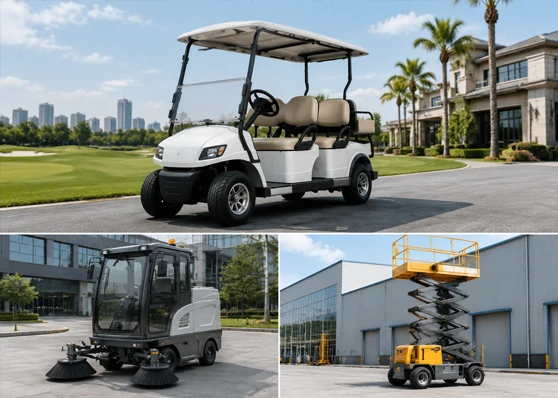
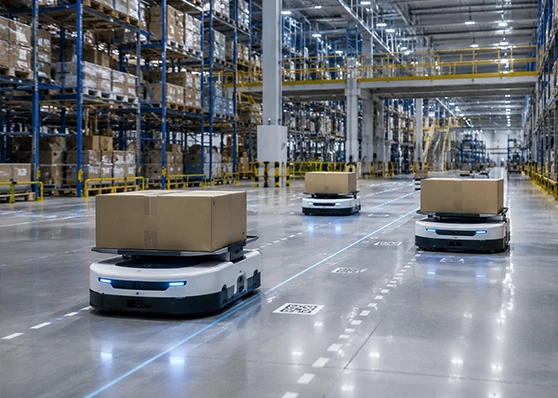
In recent years, the use of service robots and AGVs in warehouses has expanded in the interests of improving productivity and overcoming manpower shortages. Conventionally, these devices are equipped with lead-acid batteries, but in view of issues such as long charging time and short battery life, there is an increasing need to replace them with lithium-ion secondary batteries, which boast faster-charging capability and longer battery life. In addition, BSLBATT Lithium is committed to reducing the use of batteries that contain lead, which is hazardous to the environment.
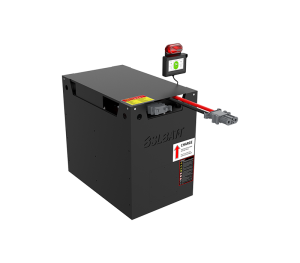
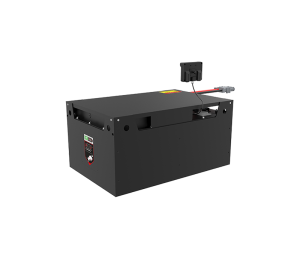
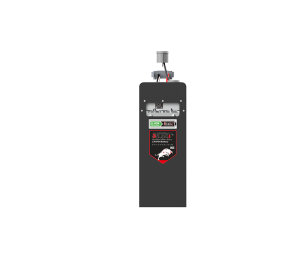
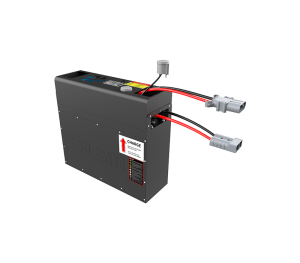
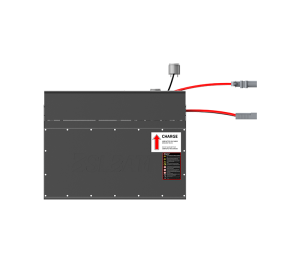
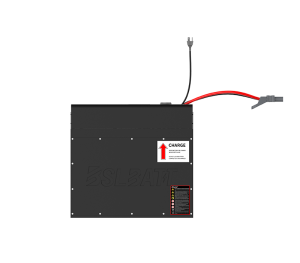
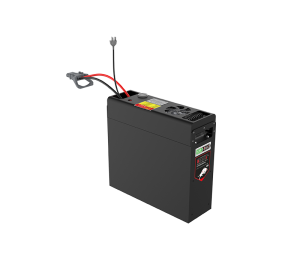
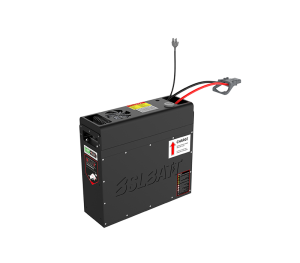
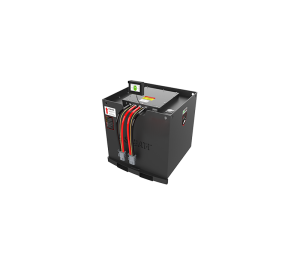
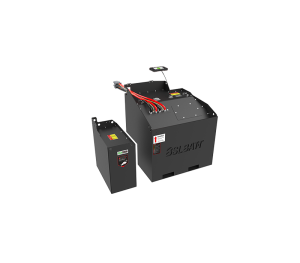
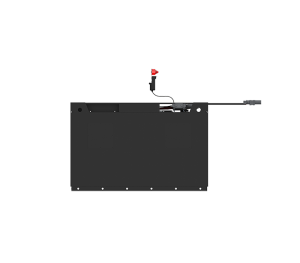
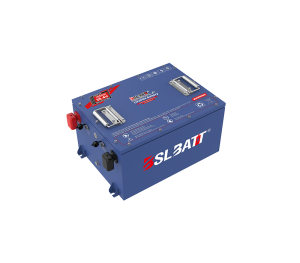
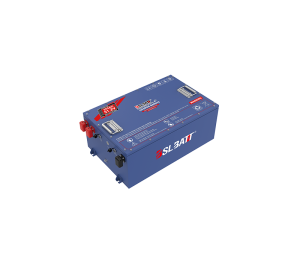
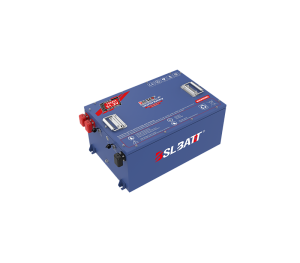
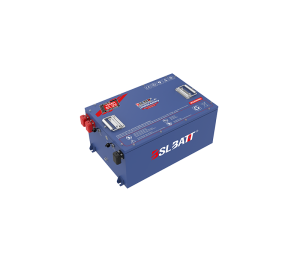
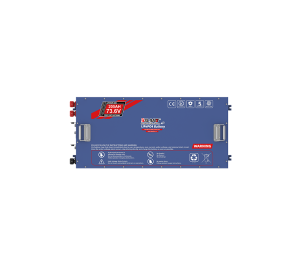
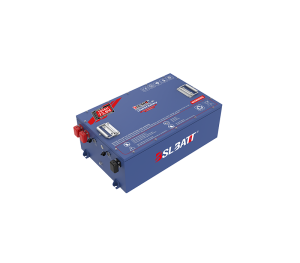
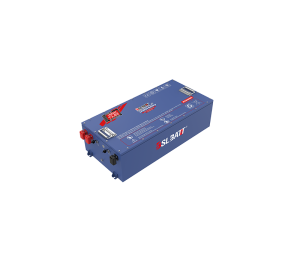
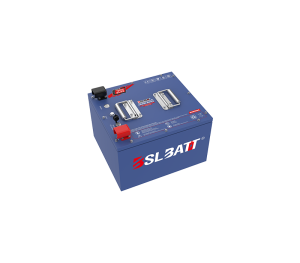
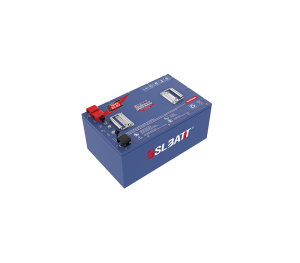
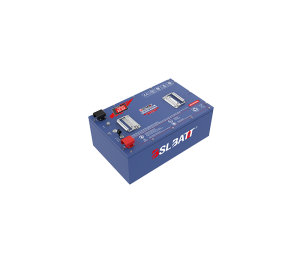
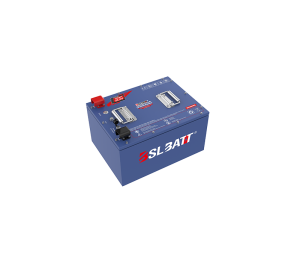
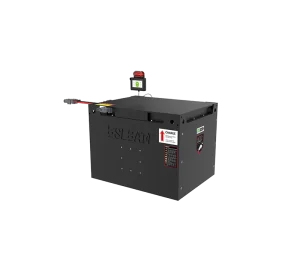
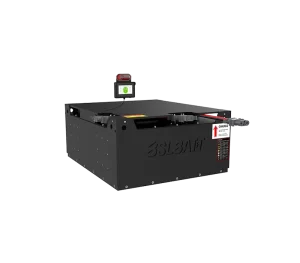
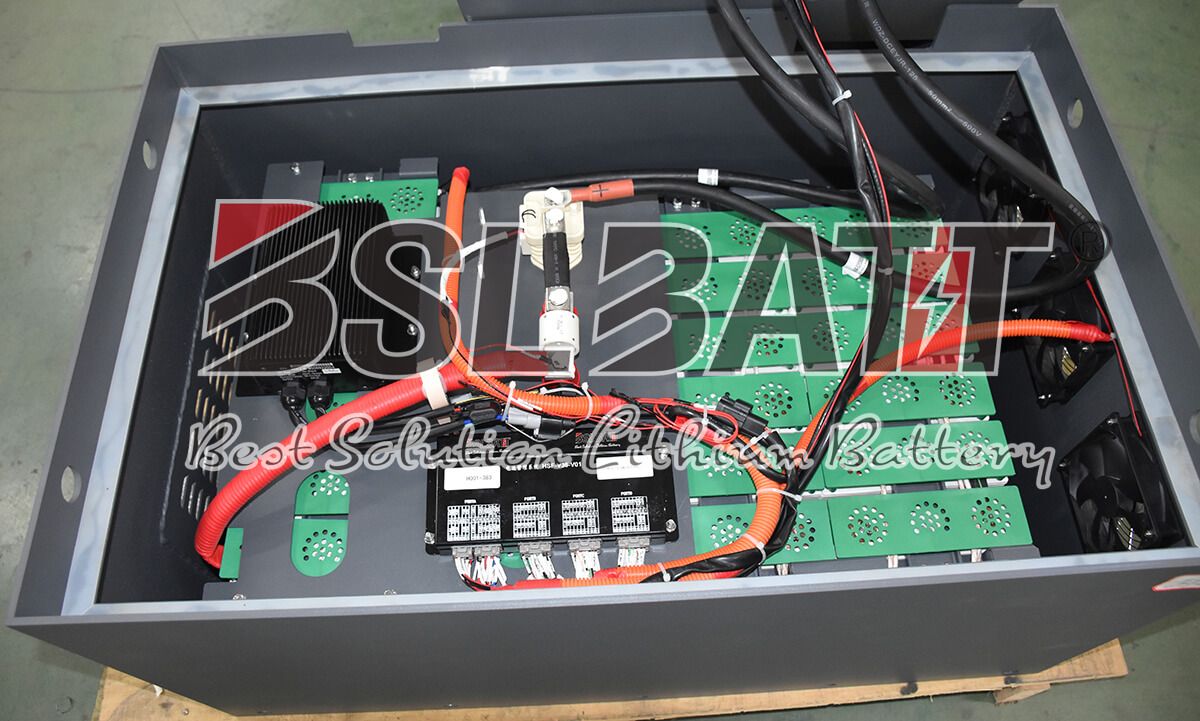
In response to these needs, BSLBATT Lithium has developed a new battery module that is the same size as a conventional lead-acid battery. Equipped with lithium iron phosphate batteries, this module delivers longer life and rapid charging capability as well as realizing a high level of safety.
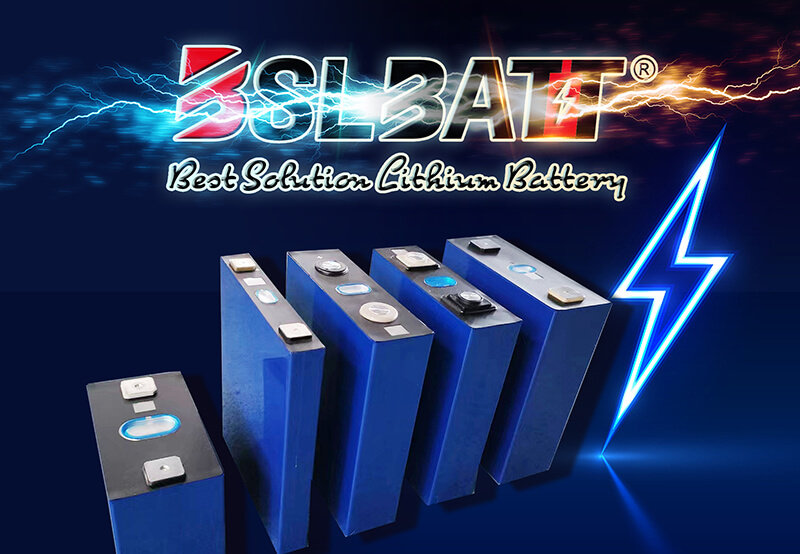
The Lithium Iron Phosphate Battery is a type of rechargeable battery based on the original lithium-ion chemistry, created by the use of Iron (Fe) as a cathode material.
Already passed all of the safety tests(overcharge, over-discharge, over-temperature, short circuit, drop, Crush, Needle puncture tests, etc). These battery cells do not catch fire, no explosion, and no leakage.
Our Li-ion technology is used as part of efforts to reduce CO2 emissions, fuel consumption, and noise. It boosts the availability and productivity of electric fleets and helps to control costs. It also reduces downtime and its associated costs and provides a cleaner and safer workplace.
Which Forklifts Work On A 24-Volt Forklift Battery?
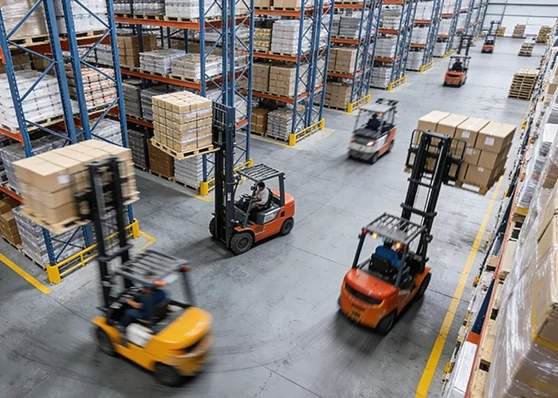
24-volt batteries work on four types of forklifts:
1. End Riders
2. Center Riders
3. Walkie Pallet Jacks
4. Walkie Stackers
For other types of forklifts, a larger battery type is needed.
Highlights of product
● Li-ion technology ensures optimal performance and reliability
● Fast charging, longer life duration, and limited maintenance improve
overall operating performance
● Improve daily operation and lower total cost of ownership
● Modular architecture allows vehicle development and integration
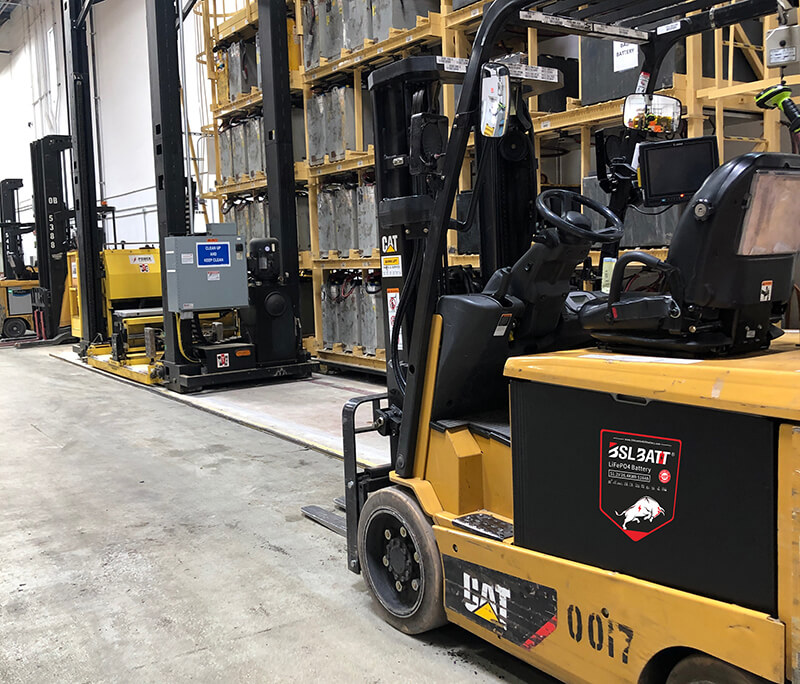
● Size compatible with lead-acid batteries
● Dustproof and waterproof
Technical Specifications
● Greater energy density, lighter weight, and longer life
● Quick and high/deep recharge capabilities
● Robust construction withstanding industrial vehicle standards (IP rating, shock, and vibrations, EMC)
● Built-in battery monitoring and information (the State Of Charge, State Of Health)
● The battery communicates relevant diagnostic information to the host application
Lead-Acid or Lithium-ion Battery?
Lead-acid or lithium-ion is the $100,000 question of the material handling world. Deciding on which one is the better option comes down to a few crucial differences between the two.
Here are some key differences between lead-acid and lithium-ion batteries listed by category:
The Charging Process
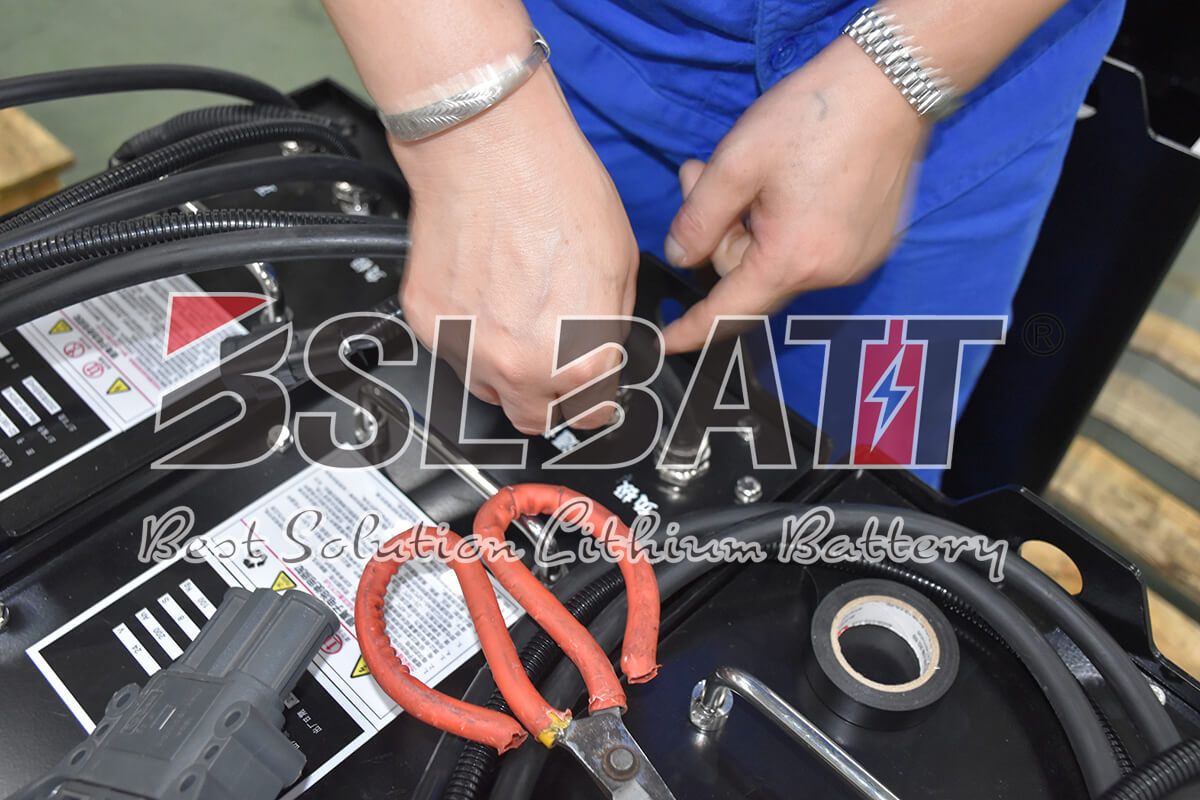
Lead-acid batteries require a much more complicated process for charging. The equipment needs to be taken to a dedicated charging room, the battery removed with special equipment because of its weight, placed on a shelf, and the charger connected. During charging, these batteries release heat and hydrogen gases, which can be dangerous to employees.
Since lead is so heavy, lead-acid batteries of 24 volts can weigh up to 1,500 pounds. In the time it takes to drive a forklift to the charging room and swap out a lead-acid battery (30 to 45 minutes), a lithium-ion battery could be substantially charged during that same time. That is because the lithium-ion battery can be charged while still in the equipment.
When it comes to charging, there isn’t much of a comparison.
Maintenance
Lead-acid batteries require a large amount of maintenance. The batteries must be watered weekly and the cells equalized regularly. The batteries must also be charged and stored in a well-ventilated room.
Lithium-ion batteries require far less maintenance. Their cells balance automatically when being charged, don’t have fluid levels that need to be monitored, and can be charged while still in the equipment.
Charging Time
Lead-acid batteries come with a number of complications when it comes to charging. Lead-acid batteries typically require 8 hours for charging and an additional 8 hours for a “cooling off” period because of the heat build-up. The total process is 16 hours.
The batteries must also be in a well-ventilated room to avoid accidents because they put out gases and heat when charging.
Lithium-ion batteries are comparatively hassle-free. The charge time is typically 1 to 2 hours and can be done while the battery is still in the equipment. This means that lithium-ion batteries don’t require a dedicated room or other devices to remove them from the equipment for charging.
Opportunity Charge
Lead-acid batteries lose power rapidly as they are used. During the last four hours of use, the equipment being powered by lead-acid batteries will show signs of slowing before needing to be recharged. This means that companies must have at least two batteries cycling between charging and being used. For companies that work three shifts, a third battery would be necessary.
Lithium-ion batteries maintain their power throughout their charge. Therefore, hour number eight can be as productive as hour number one. The fast recharge time means the battery doesn’t even have to come out of the forklift. It can be charged quickly, without hassle before getting back to work.
Service Life
Lead-acid batteries have roughly half the life of lithium-ion batteries. A lead-acid battery may last between 1000 and 1500 cycles, while a lithium-ion battery typically lasts between 2000 and 3000 cycles.
Safety Hazards
Lead-acid batteries are made from toxic lead and sulfuric acid, potentially dangerous chemicals. These batteries require “watering” and other basic maintenance. If not properly cared for, lead-acid batteries can become explosive at full charge.
They also heat up during charging and then need time to cool off. This means that lead-acid batteries must be stored in a temperature-controlled room during that time.
Lithium-ion batteries are typically made from lithium iron phosphate or lithium nickel manganese cobalt oxide. Because these batteries are sealed shut, they are far more stable and less dangerous. You can read more in our article, HAVE YOU CONSIDERED THE BENEFITS OF LITHIUM-ION BATTERY TECHNOLOGY?.
Power Savings
Lead-acid batteries use a 100-year old technology. Therefore, they have some inefficiencies compared to lithium-ion which is a comparatively new technology.
Benefits of lithium-ion include higher sustained voltage and up to 50% energy savings. Sustained voltage means that equipment powered by lithium-ion runs at full power, as opposed to lead acid which loses powers as the battery is discharged.
Battery Management Systems
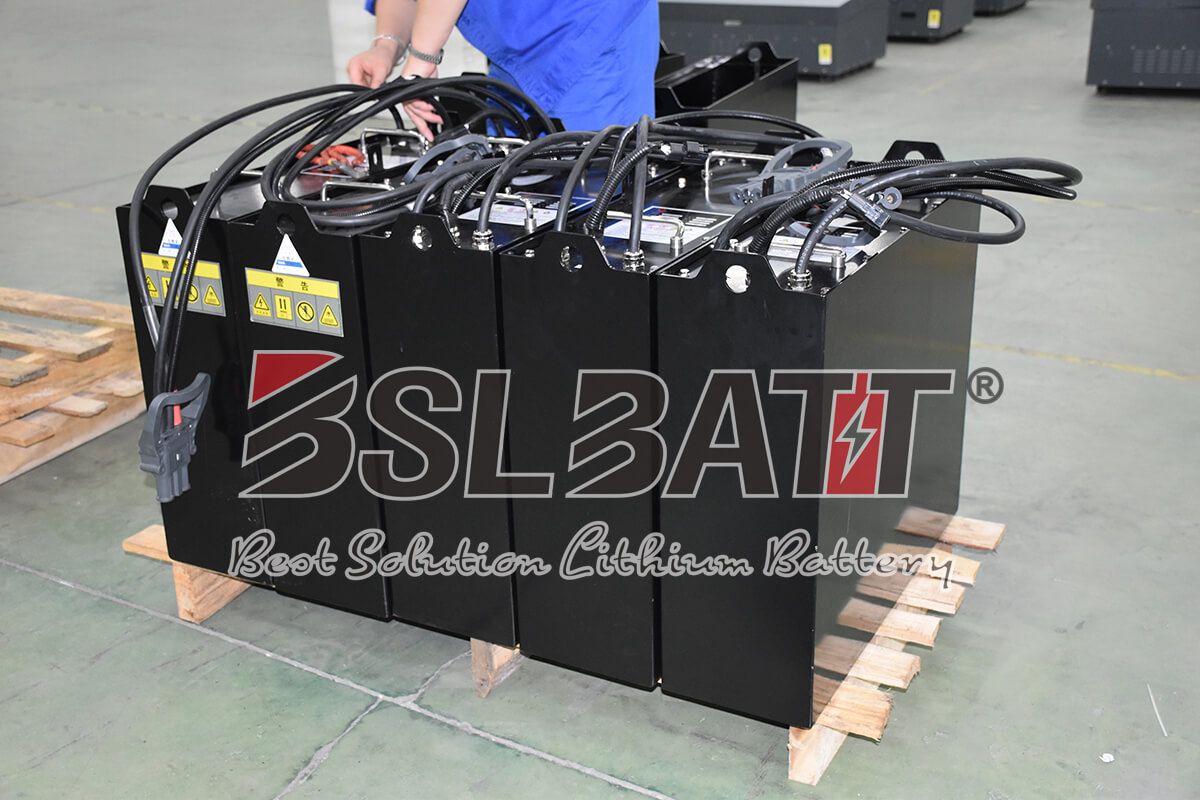
A battery management system works to electronically control and regulate the charging and discharging of the batteries. It should be noted that battery management systems are available for both lithium-ion batteries and lead-acid.
24-volt forklift battery Quality battery management systems oversee the following aspects of batteries:
● Battery and Cell Well-being
● Main Power Voltage
● Rate of Charging & Discharging
● Temperature of Cells & Batteries
● Battery & Cell Voltage
● Coolant Temperature & Airflow/Liquid Cooling
A battery management system ensures that batteries run for the longest possible time at maximum efficiency, even when the battery isn’t fully charged. By monitoring and regulating the above aspects of your battery, the battery management system helps to extend the life of the battery and helps you get the absolute most out of your battery.
Bottom Line
Just to recap, lithium-ion batteries are lighter, are more efficient, last longer, recharge faster, cost less over their lifetime, maintain voltage more effectively, are easier to use, and require less maintenance.
Compared to lead-acid batteries, the improved efficiency, and a longer run time of lithium-ion technology can save substantial time and money through increased productivity, smarter use of resources, and a lower cost of ownership.
It shouldn’t come as too much of a surprise. Lithium-ion technology is cleaner, more efficient, and less costly over time.