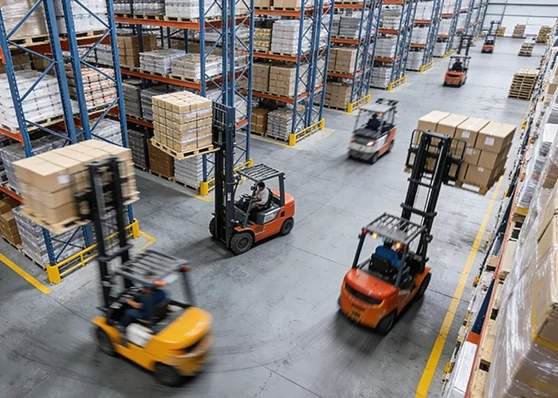
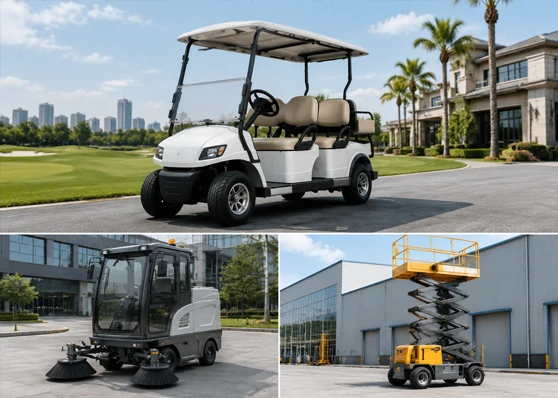
Choosing a battery supplier for a mining fleet is not the same exercise as choosing one for a forklift or a golf cart. A pack that fails safely in a warehouse is an inconvenience. A pack that fails badly 800 meters underground, in a space with limited ventilation and one way out, is a different category of problem entirely. That’s why the list of companies capable of supplying lithium batteries for mining machinery is shorter, and more scrutinized, than the broader industrial battery market.
This article looks at ten companies that mining equipment OEMs, mine operators, and fleet electrification teams are actually working with in 2026 — some are independent battery specialists that sell packs to multiple equipment makers, and others are original equipment manufacturers that design and build their battery systems in-house. The ranking here isn’t based on audited market-share figures, which most of these companies don’t publish separately for the mining segment. It’s based on documented mining-specific deployments, partnerships, and product launches, so treat the order as a reasonable starting point for a shortlist rather than a definitive league table.
Why Battery Selection Works Differently in Mining
A few conditions specific to mining explain why this supplier list looks different from one built around forklifts, buses, or delivery vans.
Ventilation cost. In underground hard-rock mines, load-haul-dump (LHD) machines alone can account for roughly 80% of a mine’s underground energy demand, largely because of the diesel exhaust they generate and the airflow needed to clear it. Switching that fleet to battery power is often the single highest-return step in a mine’s electrification plan, which is why so much of the battery development in this space is concentrated on LHDs and haul trucks rather than surface equipment.
Safety and certification. Batteries operating underground face scrutiny around thermal runaway, arc-flash risk, and — in coal and other gassy mines — explosion-proof (Ex) certification. MacLean Engineering’s recent battery-supplier evaluation, for example, reportedly weighed arc-flash test results as a deciding factor, alongside broader safety and reliability criteria. Regulatory frameworks are also moving: as of early 2026, U.S. mine safety regulators began accepting IEC-aligned international standards for mining equipment battery approval, which has started to lower one of the long-standing barriers to battery-electric fleet conversion in gassy underground mines.
Charging logistics. Mines are frequently remote, with limited grid capacity. That pushes battery suppliers toward two competing approaches: fast charging (topping up a fixed battery in under an hour) or battery swapping (physically exchanging a depleted pack for a charged one). Both approaches show up across the companies below, and the right choice depends heavily on a mine’s layout and power infrastructure.
Duty cycle severity. Mining batteries absorb vibration, dust, temperature swings, and multi-year duty cycles that are harsher than most other industrial applications. Suppliers active in this space generally build to correspondingly higher environmental and mechanical specifications than their standard industrial product lines.
The Top 10 Lithium Battery Manufacturers and Suppliers for Mining Machinery
1. CATL (Contemporary Amperex Technology Co., Limited) — China
CATL is the world’s largest lithium battery cell producer by volume, and its footprint in mining has grown well beyond simply supplying cells. Through its joint venture with Hongda Blasting — Fujian Hongda Contemporary Amperex Technology, or HATL — CATL builds and retrofits battery-electric mining trucks directly, including a 91-tonne Terex-based diesel-to-electric conversion that has logged over 13,000 consecutive operating hours, and new underground electric trucks such as the 20-tonne UK-20E with a quick-swap battery module. Separately, CATL has signed large-scale supply agreements — one with Chinese steelmaker Jianlong covers battery systems and swapping infrastructure for thousands of electric mining trucks and heavy equipment — and has partnered with mining automation company EACON on batteries engineered for high-altitude, freezing, and rugged-terrain conditions. CATL’s scale gives it a cost and supply-chain advantage that few competitors can match, though most of its mining exposure to date is concentrated in the Chinese market.
2. Saft (TotalEnergies) — France
Saft has supplied batteries for demanding industrial and defense applications for over a century, and its ARROK line was purpose-built for off-road industrial vehicles including mining, construction, and material handling equipment. ARROK batteries use NMC chemistry, are designed and manufactured at Saft’s Nersac facility in France, and can be configured from 48 to 900 volts and roughly 4 to 750 kWh, allowing one product architecture to scale across small utility vehicles and large mining trucks alike. Saft has also published detailed technical comparisons of NMC versus LFP chemistry specifically for underground mining vehicles, reflecting a level of application-specific engineering that goes beyond a generic industrial battery line.
3. Scania Industrial Batteries — Sweden
Scania entered the mining battery conversation more recently but has scaled quickly: its Core 800 battery pack, delivering 97 kWh at 691 volts with integrated thermal management, is reportedly already running in more than 2,000 systems across underground mines worldwide, supporting drivetrains from 400 to 800 volts. In mid-2026, Scania was named the primary battery supplier for MacLean Engineering’s underground battery-electric equipment platform, following an evaluation process that specifically tested arc-flash safety performance across competing suppliers — a signal of how seriously safety testing factors into mining battery procurement.
4. EnerSys — United States
EnerSys is one of the largest industrial battery manufacturers in the world, with a Motive Power division that explicitly serves mining equipment alongside forklifts and other industrial vehicles. Its NexSys iON lithium-ion line uses NMC prismatic cells and pairs with proprietary chargers and fleet-monitoring software. EnerSys has also secured U.S. Department of Energy funding to build a new lithium-ion cell gigafactory in South Carolina, which should strengthen its domestic cell supply for industrial and defense-grade applications going forward. Its long history in lead-acid and TPPL motive power batteries also means EnerSys is a common point of comparison for mines weighing a lead-acid-to-lithium conversion rather than a clean-sheet electric fleet purchase.
5. BorgWarner (AKASOL) — Germany / United States
AKASOL, a German battery systems manufacturer acquired by BorgWarner in 2021, has a documented history in mining specifically: Canadian sustainable-drivetrain provider Medatech incorporated AKASOL’s liquid-cooled AKASystem battery modules into drilling, anchoring, and heavy transport equipment for underground mines, citing the battery’s built-in temperature management and safety housing as deciding factors. AKASOL’s technology is cell-agnostic, meaning it can be paired with different cell chemistries depending on a customer’s requirements, which has helped it win business across buses, rail, and industrial vehicles in addition to mining equipment.
6. Sandvik / Artisan Vehicle Systems — Sweden / United States
Sandvik, one of the two dominant underground mining equipment OEMs globally, builds its battery-electric LHDs and trucks largely in-house through its Artisan Vehicle Systems subsidiary. Its LH518B battery-electric LHD, an 18-tonne payload machine running a 400V LFP pack, is deployed at multiple hard-rock mines internationally, including Boliden’s Garpenberg mine in Sweden. Sandvik-Artisan trucks and LHDs are consistently among the most widely operated battery-electric machines in industry surveys of underground mines, reflecting Sandvik’s early and sustained investment in this space.
7. Epiroc — Sweden
Epiroc, spun off from Atlas Copco in 2018, is the other dominant underground mining OEM and takes a similarly in-house approach to battery integration for its LHDs and drill rigs. Independent field research has found Epiroc LHDs among the most commonly operated battery-electric machines in underground mines, alongside Sandvik-Artisan equipment. Epiroc has also published its own comparative analysis of battery chemistries for mining applications, underscoring that its battery strategy is treated as core intellectual property rather than an outsourced component.
8. Komatsu — Japan
Komatsu entered the battery-electric LHD market later than Sandvik and Epiroc but moved decisively: its WX04B, introduced in 2024, was Komatsu’s first battery-electric LHD built for underground hard-rock mining, paired with a 150kW OEM-agnostic charger designed to work across different equipment brands — a notable departure from the closed charging ecosystems more common in the industry. Komatsu’s broader mining equipment business, which includes the former P&H and Joy Global surface and underground brands, gives it a large installed base to convert as battery-electric options mature.
9. Caterpillar — United States
Caterpillar’s R1700 XE battery-electric LHD takes a distinct technical approach: rather than swappable packs, it uses an onboard battery that recharges in under 20 minutes when paired with two of Caterpillar’s MEC500 chargers — positioned by Caterpillar as an alternative to the cost and complexity of static charging infrastructure or maintaining a spare-battery inventory. The R1700 XE is also factory-ready for autonomous operation and integrates with Cat’s MineStar Fleet monitoring platform, reflecting Caterpillar’s broader strategy of bundling batteries with its existing automation and fleet-management ecosystem rather than selling battery technology as a standalone product.
10. BSLBATT — China
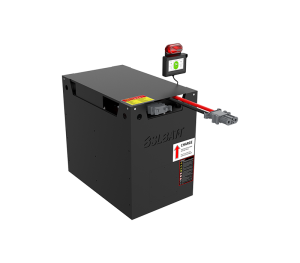
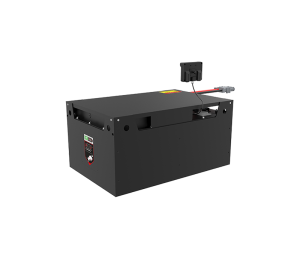
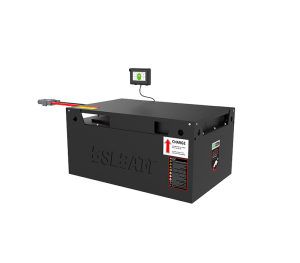
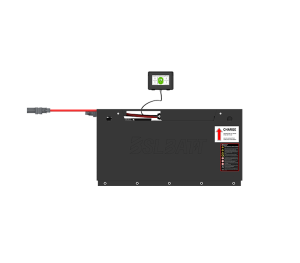
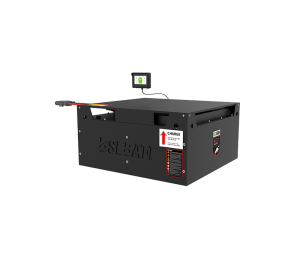
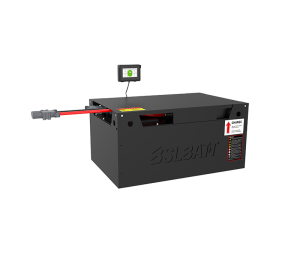
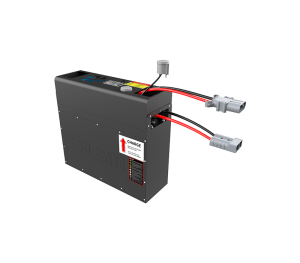
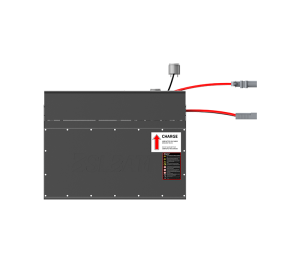
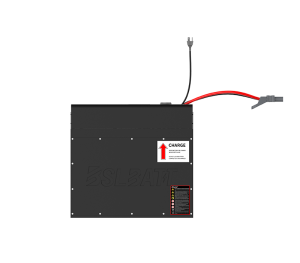
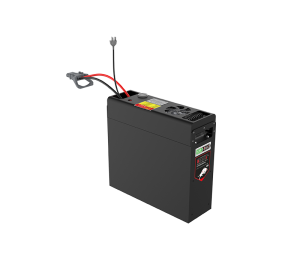
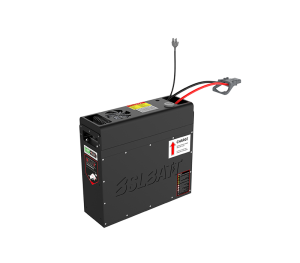
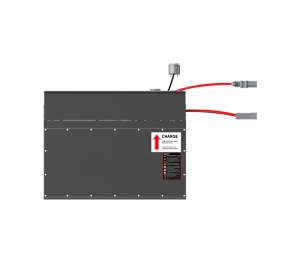
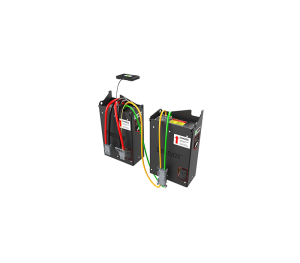
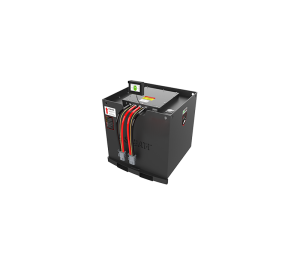
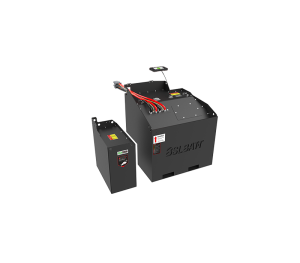
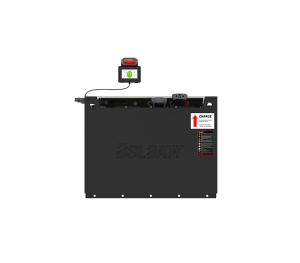
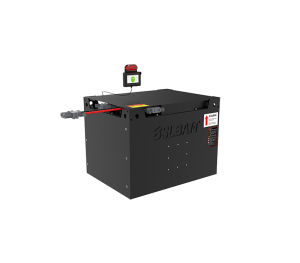
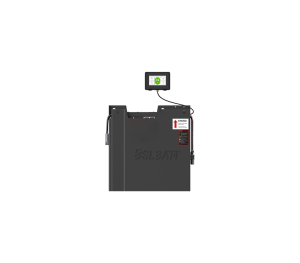
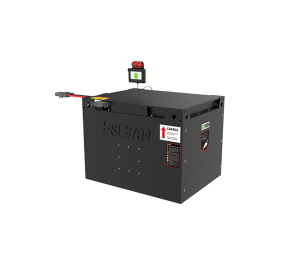
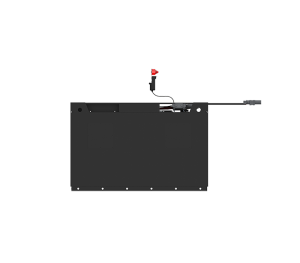
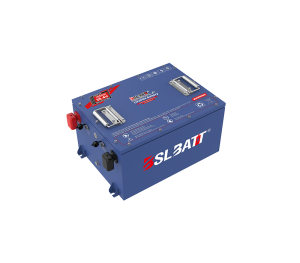
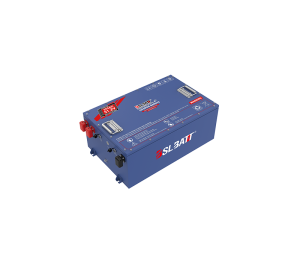
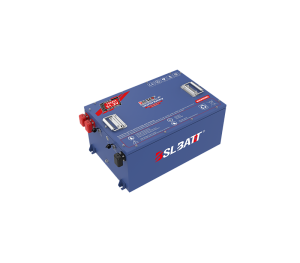
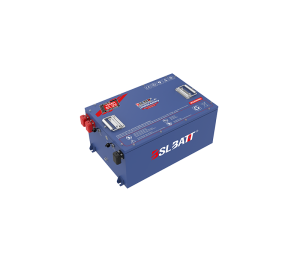
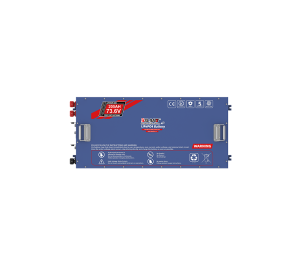
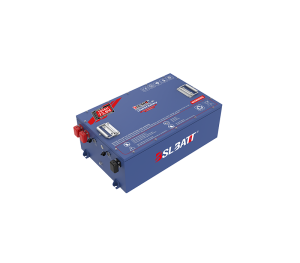
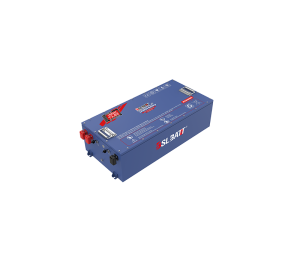
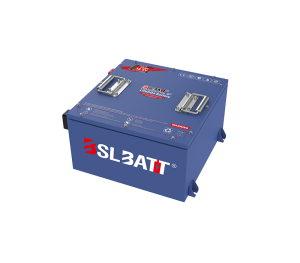
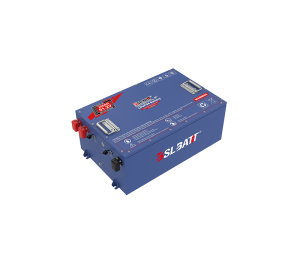
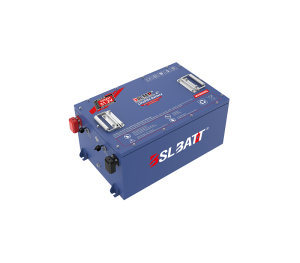
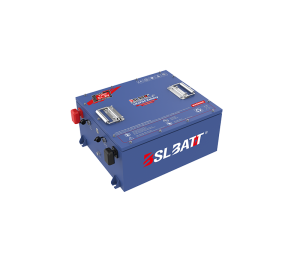
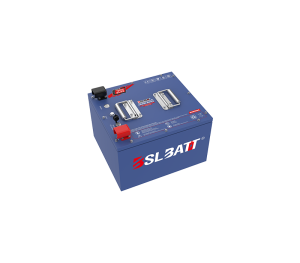
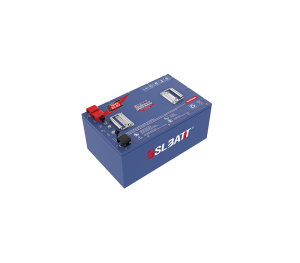
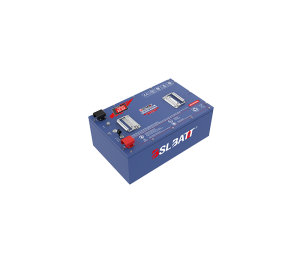
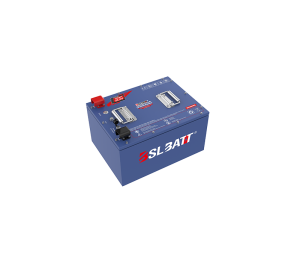
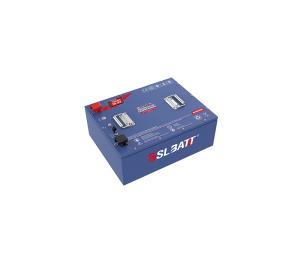
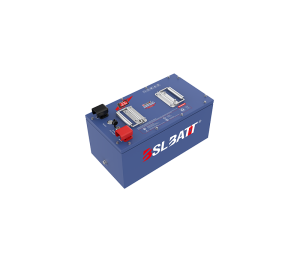
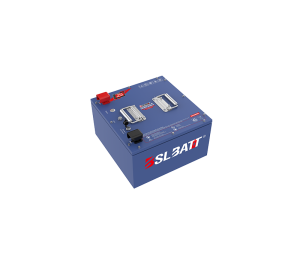
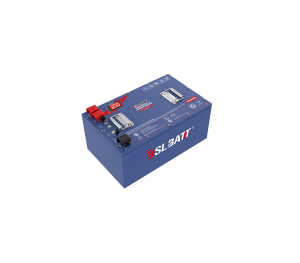
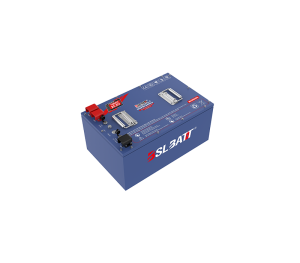
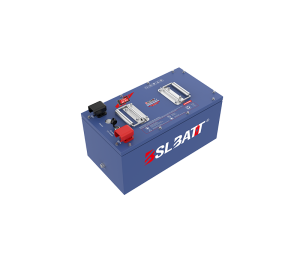
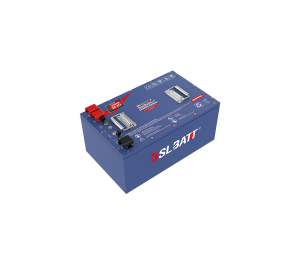
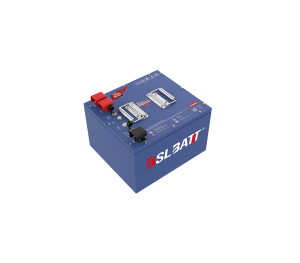
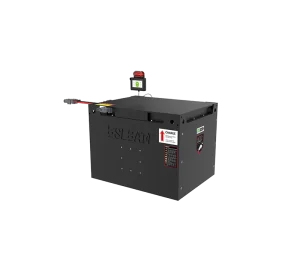
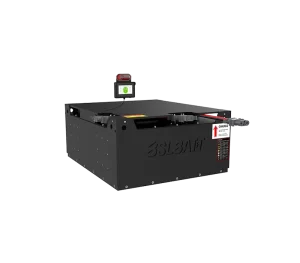
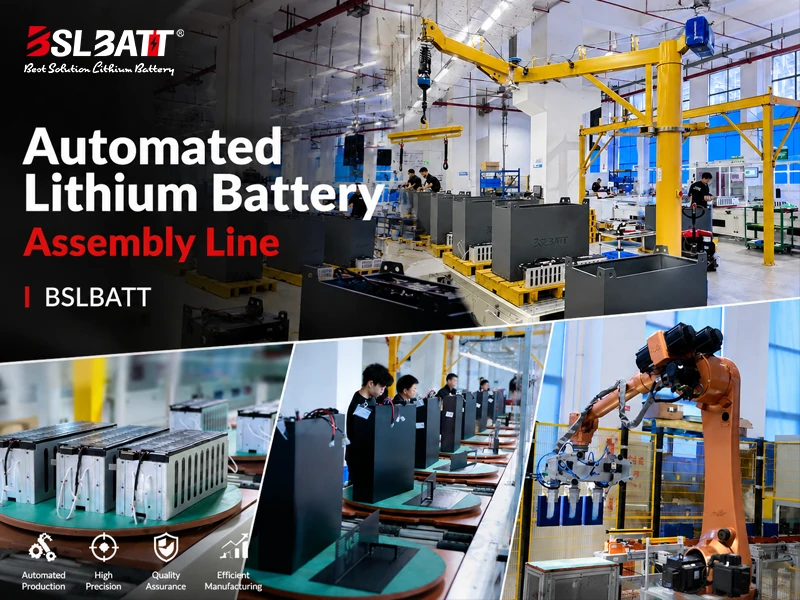
BSLBATT manufactures dedicated lithium battery packs for mining equipment, spanning 48V to 800V systems designed to integrate with LHD loaders, haul trucks, drilling rigs, personnel carriers, and mining locomotives. Its mining line uses LiFePO4 cells (sourced from cell makers including EVE Energy and REPT) paired with a purpose-built explosion-proof battery management system rated EX dbIMb, aimed at MSHA 30 CFR Part 18, IECEx, and ATEX compliance for classified underground environments. BSLBATT positions LFP as its default recommendation for most LHD, truck, and drill applications, reserving LTO chemistry for sites with high-power charging infrastructure where maximum uptime outweighs cost. Battery production runs through the company’s Huizhou, Guangdong and Maanshan, Anhui facilities, with mining packs backed by a 5-year/4,000-cycle warranty and remote BMS monitoring. Compared with the global OEMs and Tier 1 specialists earlier in this list, BSLBATT’s mining business is newer and more concentrated in retrofit and mid-tonnage applications rather than flagship 20-tonne-plus LHD platforms — a fit worth weighing against a mine’s specific equipment class and existing supplier relationships.
Battery Specialists vs. In-House OEM Programs
The ten companies above split into two distinct groups, and the difference matters when choosing a supplier.
Independent battery specialists (CATL, Saft, Scania Industrial Batteries, EnerSys, BorgWarner/AKASOL, BSLBATT) sell battery systems to multiple equipment manufacturers. This generally means more flexibility to retrofit existing fleets, potentially faster access to battery-chemistry advances since it’s their core business, and the ability to compare technical specifications across suppliers on a more level playing field.
OEMs with in-house battery programs (Sandvik/Artisan, Epiroc, Komatsu, Caterpillar) build the battery as part of a fully integrated machine. This typically means tighter integration between the battery, drivetrain, and fleet-management software, and a single point of accountability for the whole system — but it also means the battery technology, charging approach, and service model are tied to that one equipment brand.
Neither model is categorically better. A mine standardizing on one OEM’s LHD platform may prefer the integration of an in-house system; a mine running a mixed fleet, or retrofitting older diesel equipment, is more likely to need an independent specialist whose batteries aren’t tied to a single machine brand.
What Mining Operators Should Look for in a Battery Supplier
Beyond brand reputation, a few technical factors are worth evaluating directly:
- Safety certification and testing. Ask for arc-flash test data, thermal runaway containment design, and any Ex/IECEx certification relevant to the mine’s classification.
- Chemistry. LFP (lithium iron phosphate) is generally favored for its stability and cycle life; NMC offers higher energy density but requires more conservative thermal management. Several suppliers above, including Saft, publish their own comparative reasoning on this trade-off.
- Charging strategy fit. Fast-charging (Caterpillar’s approach) suits mines with strong grid access at the working face; swappable packs (HATL’s approach, and common in many Chinese and legacy underground designs) suit mines with limited charging infrastructure but available labor for swaps.
- BMS and communication compatibility. CAN bus compatibility with existing or planned fleet-management systems avoids building a second, disconnected monitoring layer.
- Environmental rating. Vibration resistance, IP-rated sealing against dust and moisture, and a validated operating temperature range matter more underground than in almost any other industrial application.
- Support footprint. Underground mining sites are frequently remote; a supplier’s regional service and parts network is a practical, not just theoretical, selection criterion.
Mining equipment also spans a wider range of vehicle classes than the flagship LHDs and haul trucks that dominate industry headlines — mining locomotives, personnel carriers, drill rigs, and mid-tonnage utility vehicles all need batteries matched to the same underground safety requirements. BSLBATT’s mining locomotive and mining equipment battery line covers this range with 48V–800V LiFePO4 packs and an EX dbIMb-rated explosion-proof BMS aimed at MSHA 30 CFR Part 18, IECEx, and ATEX compliance, alongside its broader construction and heavy-equipment lithium battery solutions for surface support vehicles like loaders and telehandlers. For operators comparing the underlying chemistry decisions covered above, BSLBATT’s own breakdown of LFP versus NMC and lead-acid battery characteristics and its BSLBATT Modular Technology platform — built around configurable modules rather than a single fixed pack size — are useful reference points when scoping a mining electrification project.


 Explore all product lines