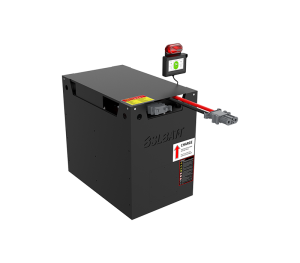
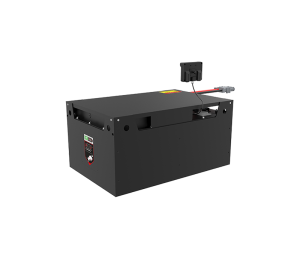
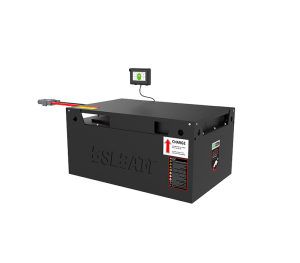
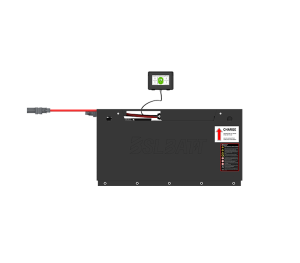
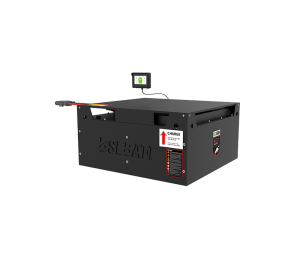
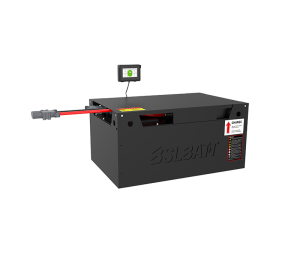
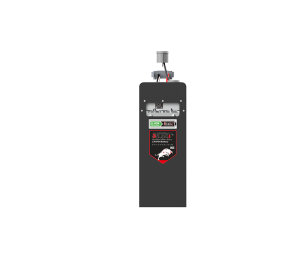
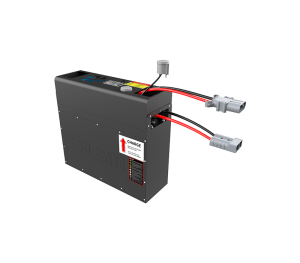
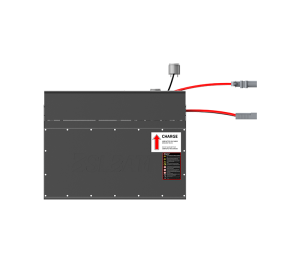
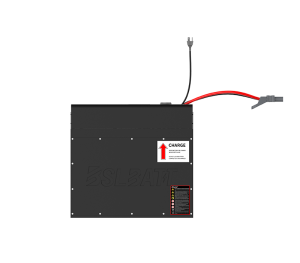
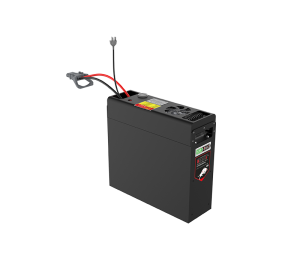
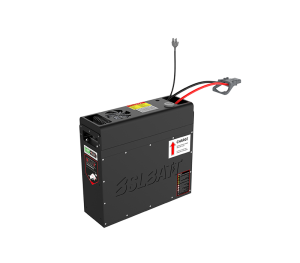
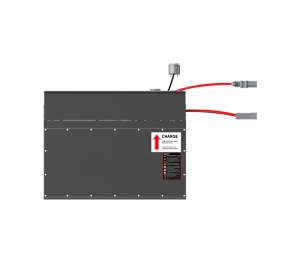
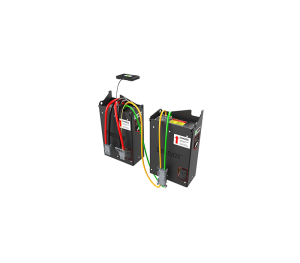
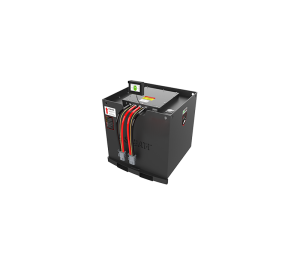
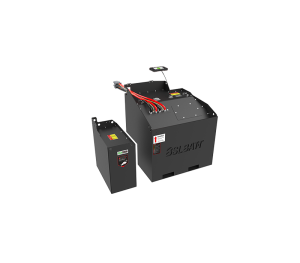
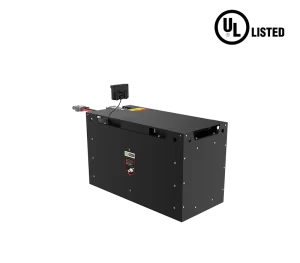
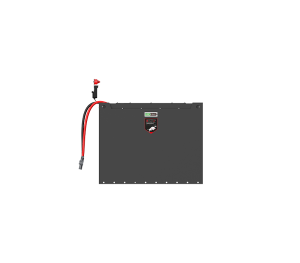
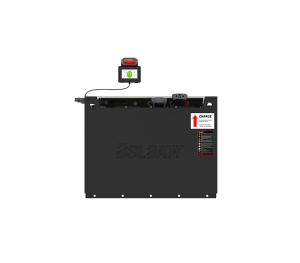
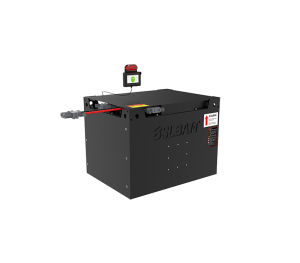
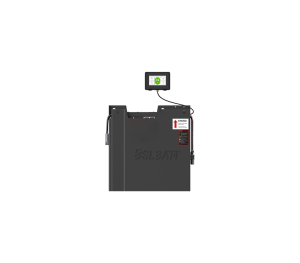
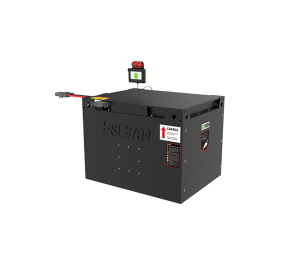
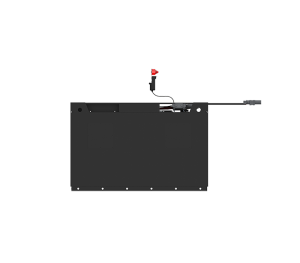
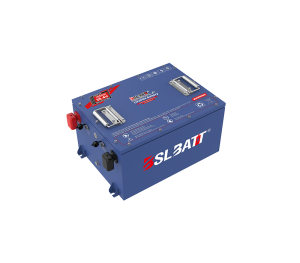
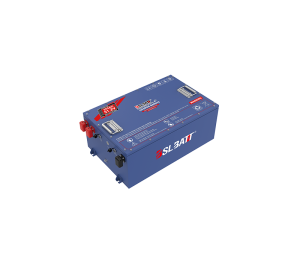
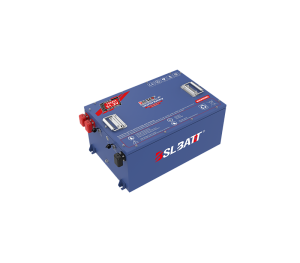
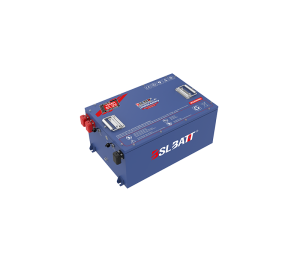
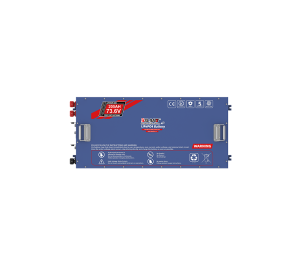
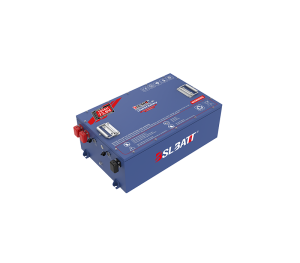
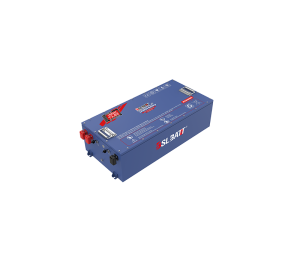
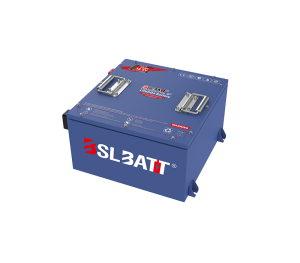
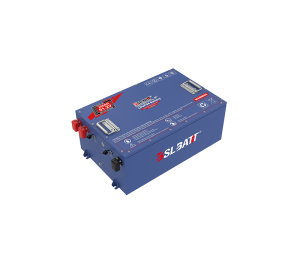
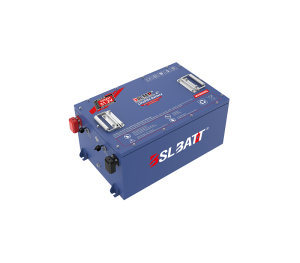
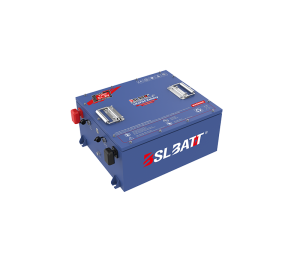
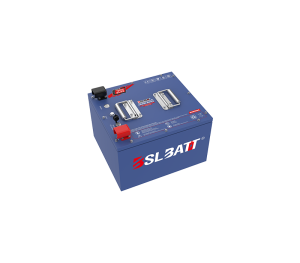
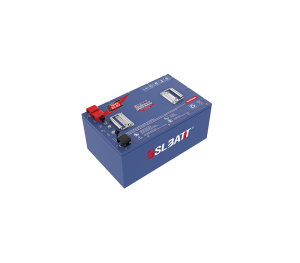
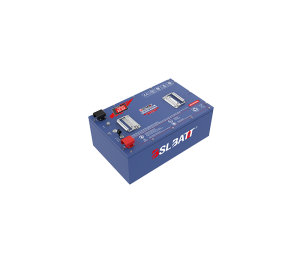
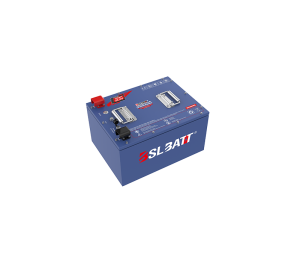
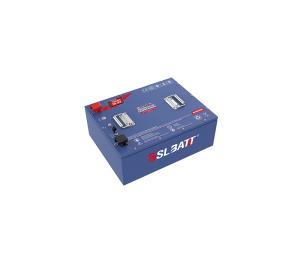
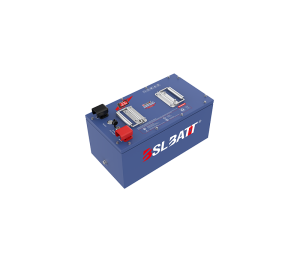
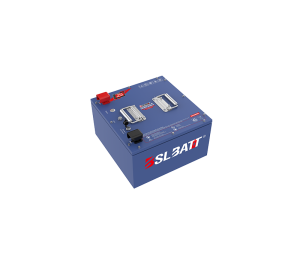
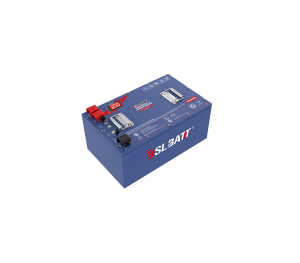
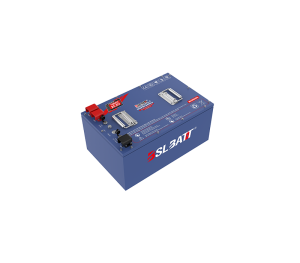
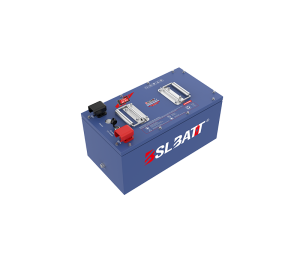
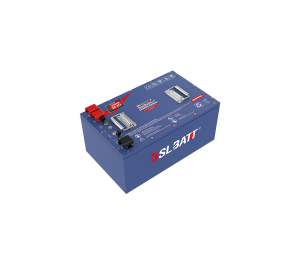
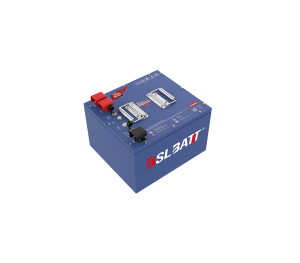
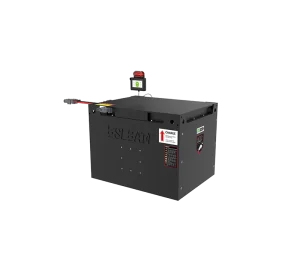
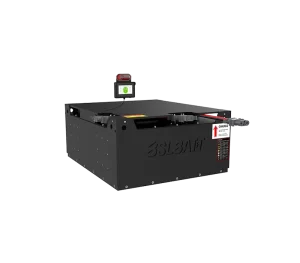
An apparel and textile manufacturing facility in Sri Lanka equipped a Toyota 8FB20 electric forklift with a BSLBATT lithium-ion battery rated at 51.2V and 560Ah, delivering 28.672 kWh of nominal energy. The battery uses LiFePO4 (LFP) cell chemistry and is rated for 3500+ cycles. This case study is based on the confirmed battery configuration supplied for the project — country, industry, forklift model, and battery specifications — rather than on measured customer operating results, which were not available for publication. It walks through the operating environment, the battery configuration, and the general considerations behind fitting a lithium-ion pack of this size to a Toyota 8FB20 in a textile production setting.
Case Snapshot
| Project Detail | Specification |
|---|
| Country | Sri Lanka |
| Industry | Apparel & Textile |
| Forklift Brand | Toyota |
| Forklift Model | 8FB20 |
| Battery Type | Lithium-ion / LiFePO4 |
| Voltage | 51.2V |
| Capacity | 560Ah |
| Energy | 28.672 kWh |
| Cycle Life | 3500+ cycles |
| Application | Factory material handling |
1. The Application: Material Handling in a Sri Lankan Apparel Factory
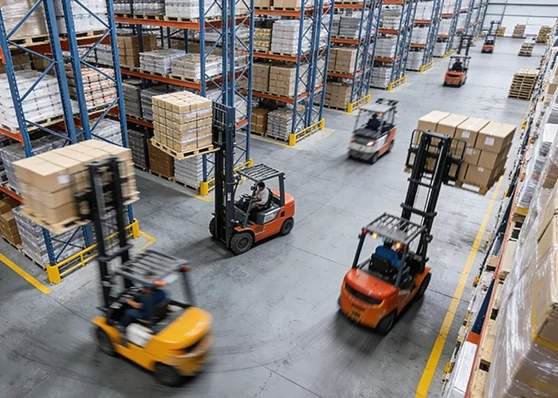
Apparel and textile plants run a fairly constant flow of internal logistics. Fabric rolls and raw material come in from receiving and need to move to cutting or sewing lines. Work-in-progress moves between departments. Finished goods get palletized, staged, and loaded out to meet shipping schedules that are often set by overseas buyers with fixed container-loading windows. None of this is especially heavy-duty compared to, say, a steel yard or a concrete plant, but it is frequent, repetitive, and tightly scheduled.
In this kind of environment, a forklift going down or a battery running out mid-shift is not just an inconvenience — it can back up an entire production line or delay a container loading appointment. Typical tasks in a factory like this include moving textile materials between storage and production areas, transporting finished goods to the warehouse or loading dock, handling raw-material pallets, and general warehouse-to-production transportation. These are described here as typical scenarios for this type of facility rather than a confirmed log of this specific customer’s operations, since a detailed duty-cycle breakdown was not provided.
What does matter for battery selection is that apparel manufacturing tends to run multi-shift operations with narrow gaps between shifts. That makes battery uptime and charging flexibility a real operational variable, not just a maintenance line item.
2. The Forklift: Toyota 8FB20
The Toyota 8FB20 is a 2-ton-class electric counterbalance forklift, part of Toyota’s established 8-series electric lineup built for indoor and semi-indoor warehouse and factory use. It’s a common choice in facilities that need a compact, maneuverable truck for aisle work, container loading, and general pallet handling — which lines up with the kind of movement described above.
When a facility like this considers switching from the OEM lead-acid battery to a lithium-ion pack, the forklift itself sets several hard constraints. The replacement battery has to fit inside the existing battery compartment, match the voltage the truck’s motor and controller expect, and deliver enough capacity to cover the operating shift pattern. Beyond that, the charging method needs to line up with how the facility actually uses the truck — whether that’s a single overnight charge, a swap-based routine, or shorter top-up charges during breaks. This project used the 8FB20’s published 2-ton-class configuration as the baseline for the battery build; the customer’s exact internal duty cycle (hours per shift, load frequency, travel distances) was not part of the data provided for this case study.
3. The Battery Configuration
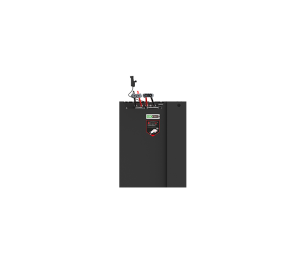
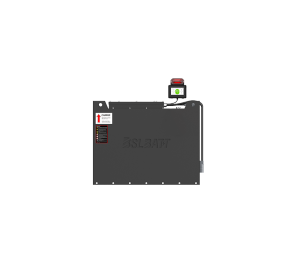
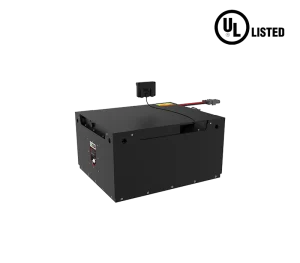
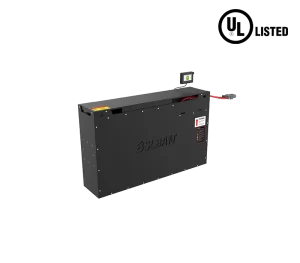
BSLBATT supplied a 51.2V, 560Ah lithium-ion battery built on LiFePO4 (LFP) cells for this application.
| Specification | Value |
|---|
| Nominal Voltage | 51.2V |
| Rated Capacity | 560Ah |
| Nominal Energy | 28.672 kWh |
| Cell Chemistry | LiFePO4 (LFP) |
| Cycle Life | 3500+ cycles |
The 28.672 kWh figure is simply the product of voltage and capacity — 51.2V × 560Ah — and represents the battery’s nominal, rated energy content. It is not the same as the energy actually available to the forklift during a shift. Usable energy is always somewhat lower than nominal energy once you account for the battery management system’s (BMS) charge and discharge cutoffs, the depth of discharge the operator or fleet policy allows, ambient and internal temperature, and overall system efficiency (inverter losses, motor efficiency, etc.). Any specific usable-energy figure for this installation would need to come from measured project data, which has not been confirmed for this case study.
4. Why Lithium for Textile and Apparel Material Handling?
Opportunity Charging
One of the operational advantages of a lithium-ion pack like this is that it can generally tolerate short “opportunity” charges — for example, during a lunch break or a shift changeover — without the sulfation and lifespan penalties that partial charging causes in flooded lead-acid batteries. Whether this particular facility actually charges opportunistically during the day, or sticks to a single full charge per shift, depends on the customer’s charging policy and infrastructure, which has not been confirmed as part of this project’s data.
No Routine Watering
Flooded lead-acid batteries need regular watering to keep the electrolyte at the correct level, along with periodic equalization charges. In a multi-truck fleet this becomes a recurring maintenance task that has to be scheduled and tracked. A sealed LiFePO4 pack removes that task entirely — there’s no watering schedule to manage and no acid handling for maintenance staff to worry about.
Consistent Voltage
Lead-acid batteries show a fairly steep voltage drop as they discharge, which can translate into gradually reduced lift and travel performance as a shift wears on. LiFePO4 chemistry tends to hold a flatter voltage curve across most of its discharge range, so the truck’s performance stays more consistent from the start of a charge cycle to the end of it, in general terms.
Space and Workflow
Where a facility’s operating model allows charging in place — rather than physically swapping batteries between shifts — a lithium-ion pack can simplify the workflow by removing the need for a dedicated battery-change area, spare batteries, and the handling equipment that goes with it. Whether this specific factory eliminated battery change-outs as part of this project is not confirmed; it is described here as a general operational benefit of the technology.
5. Installation and Integration
Moving a Toyota 8FB20 from lead-acid to a lithium-ion battery is not a plug-and-play swap in every case, and any facility evaluating the same move should check the same basic items:
- Battery dimensions — the new pack needs to physically fit the existing battery compartment, including tray and cable routing.
- Battery weight — counterbalance forklifts rely on battery weight for stability, so weight needs to be matched or accounted for.
- Connector compatibility — connectors need to match the truck’s charging and discharging interface, or be adapted.
- Voltage matching — the pack’s nominal voltage has to align with what the 8FB20’s motor and controller are designed for.
- Charger compatibility — a lithium-ion battery generally requires a charger designed for LiFePO4 charge profiles, not a legacy lead-acid charger.
- BMS communication — where the truck or charger supports it, BMS communication can allow better visibility into state of charge and battery health.
- Safety requirements — installation should follow standard electrical and mechanical safety procedures for industrial battery work.
- Charging infrastructure — available power supply and charging station placement need to support the facility’s shift pattern.
Specific details such as the connector type, communication protocol, or charger model used in this particular installation have not been provided and are not stated here as confirmed project facts.
Get a Lithium Battery Configuration for Your Forklift
If you operate a Toyota 8FB20 or a similar 2-ton-class forklift and are evaluating a lithium-ion upgrade, BSLBATT’s team can review your voltage, capacity, and shift pattern and recommend a matching configuration. Browse the full BSLBATT forklift lithium battery range, or contact BSLBATT directly for a battery configuration and TCO comparison for your fleet.


 Explore all product lines