Revolutionize the energy economy with advanced lithium-ion battery technology—lower costs, reduce heat, and accelerate sustainable development.
 Explore all product lines
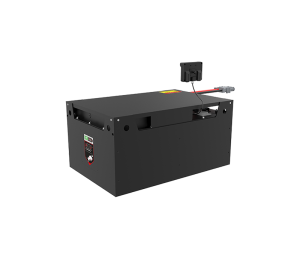
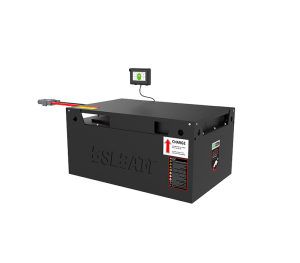
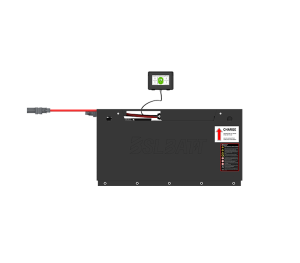
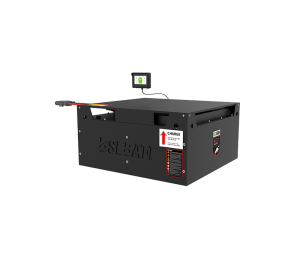
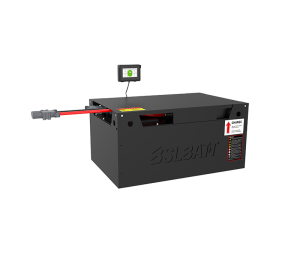
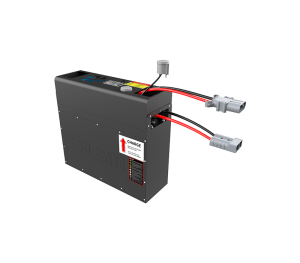
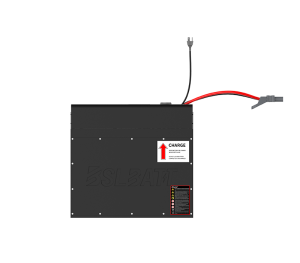
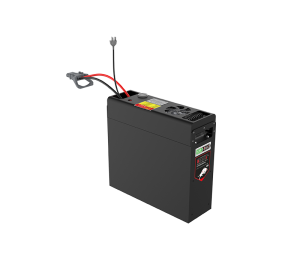
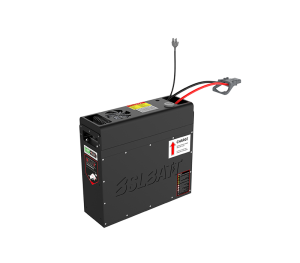
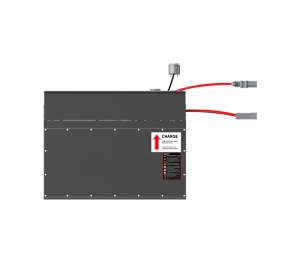
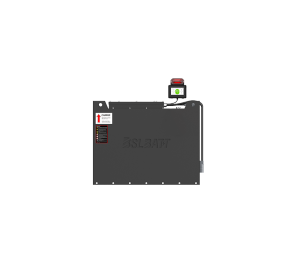
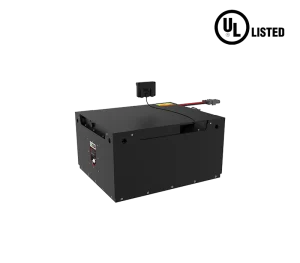
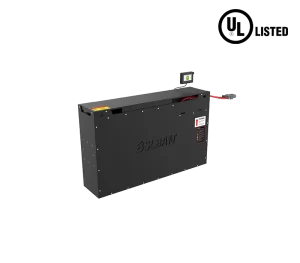
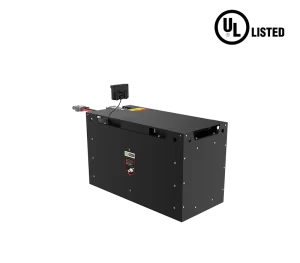
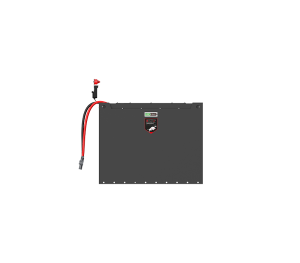
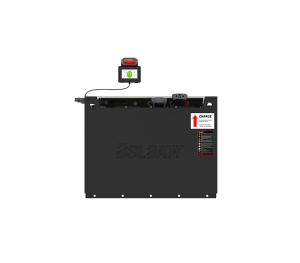
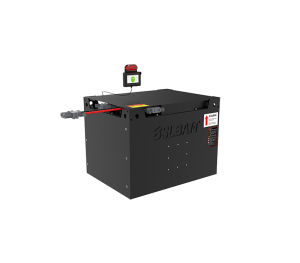
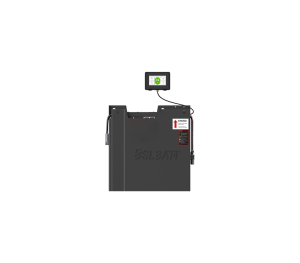
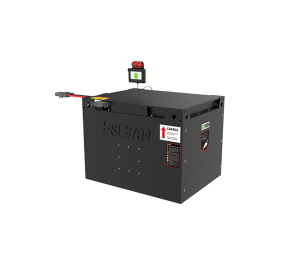
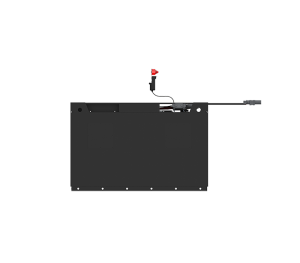
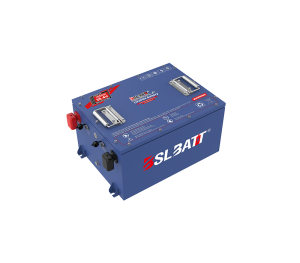
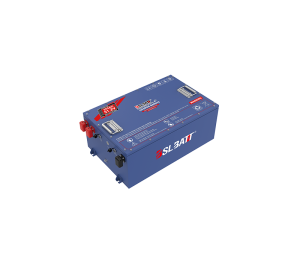
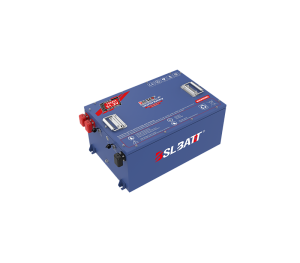
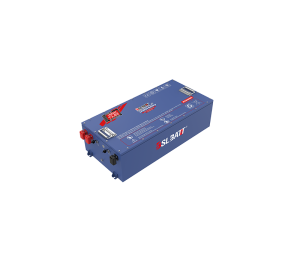
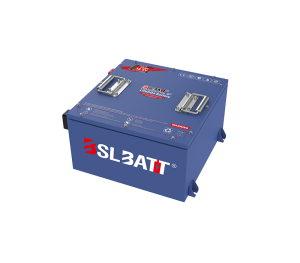
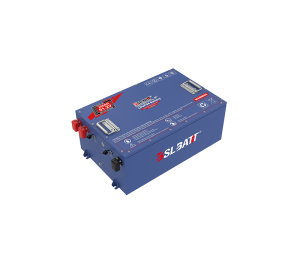
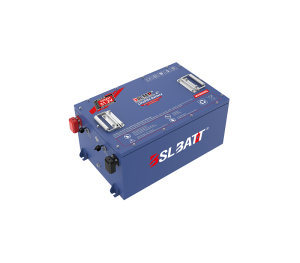
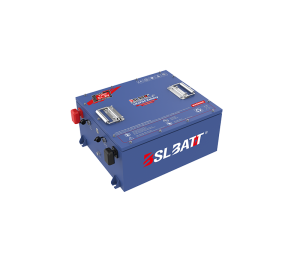
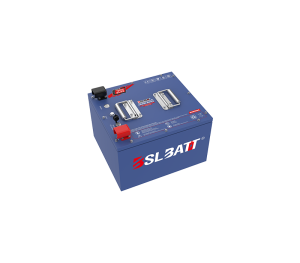
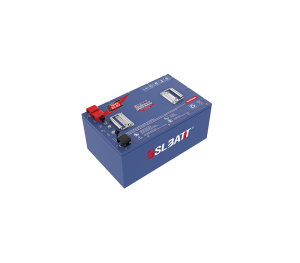
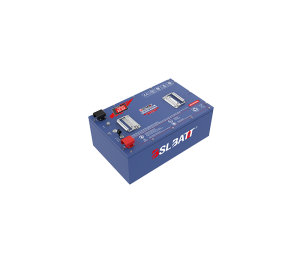
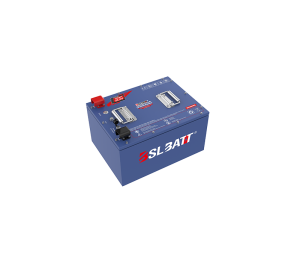
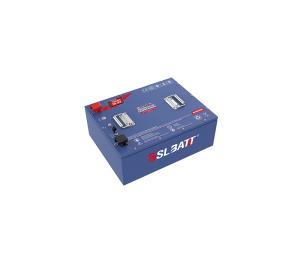
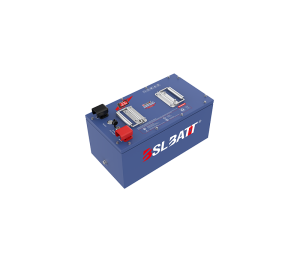
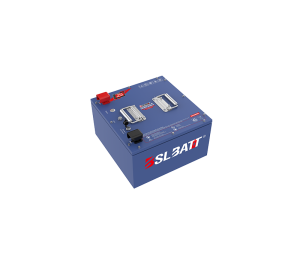
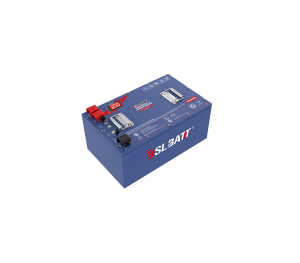
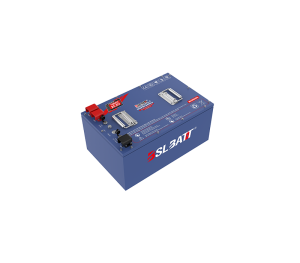
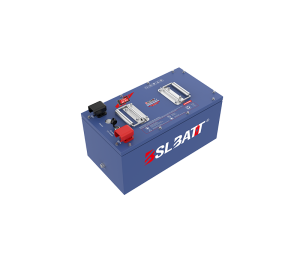
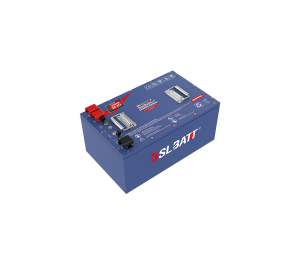









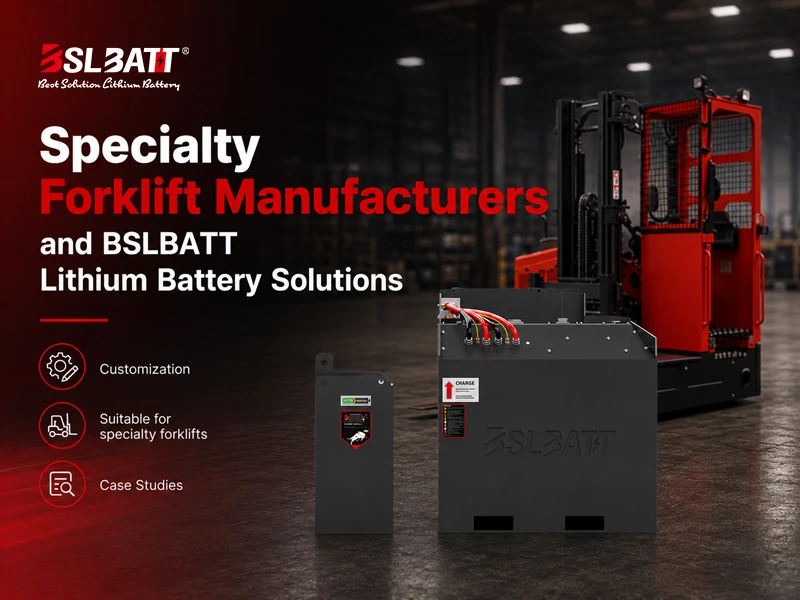
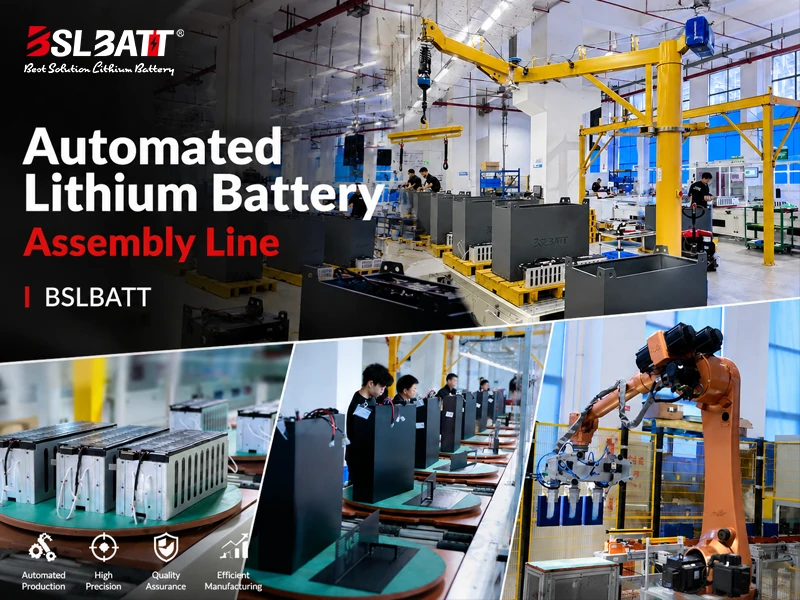
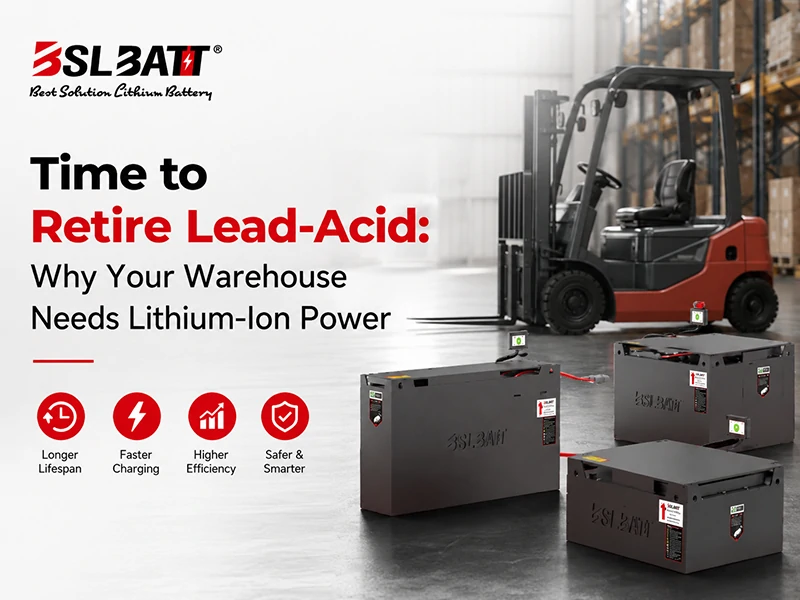
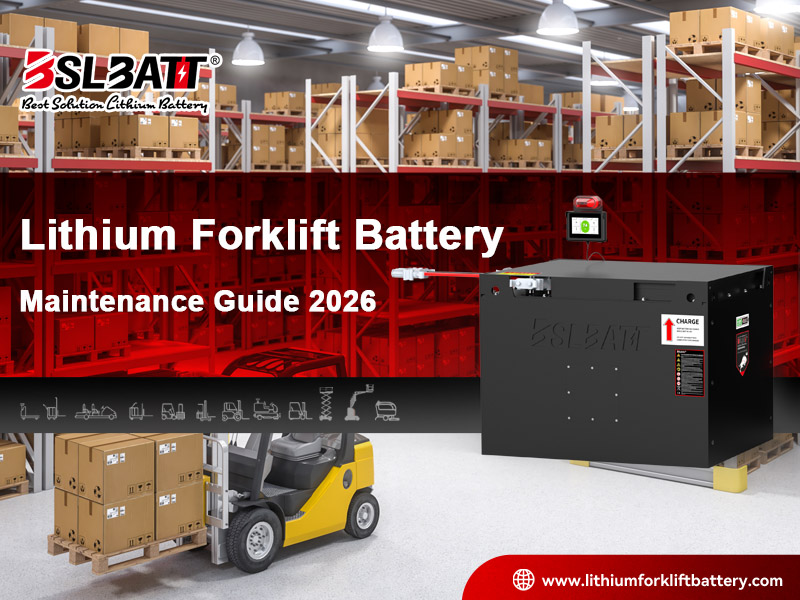
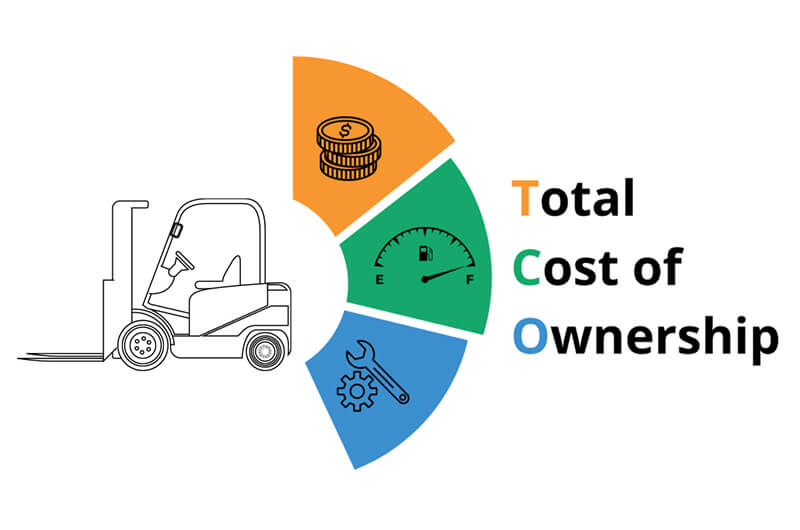
- Specialty Forklift Manufacturers and BSLBATT Lithium Battery Solutions
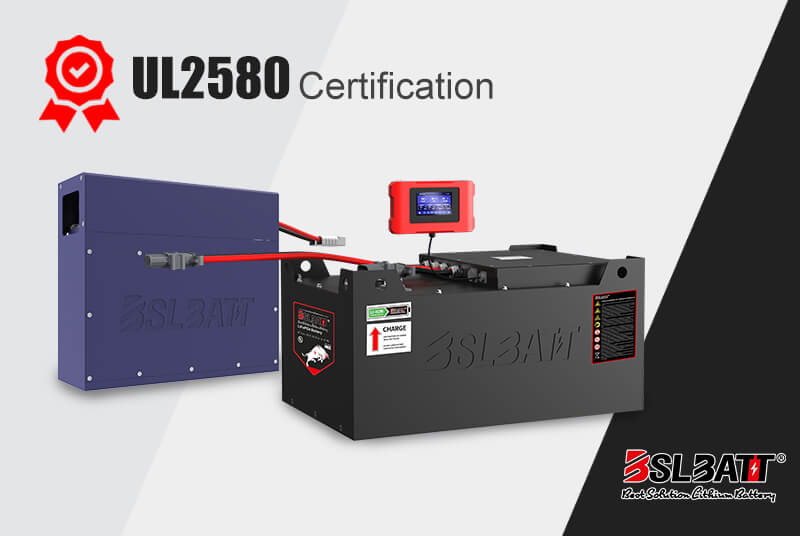
- The first lithium forklift battery that is UL 2580 certified and ISO9001 certified in the industry is BSLBATT® Battery – Industrial
- Automated Lithium Battery Assembly Line | BSLBATT Smart Factory
- Time to Retire Lead-Acid: Why Your Warehouse Needs Lithium-Ion Power
- Lithium Forklift Battery Maintenance Guide 2026
- Industrial Lithium Batteries: Initial Price vs. Long-Term Costs
Company News
HOW TO MAINTENANCE WAREHOUSE BATTERIES

In modern warehouse operations, forklift lithium batteries are gaining increasing popularity due to their numerous advantages over traditional lead-acid batteries. Understanding the proper maintenance of these lithium batteries is vital for maximizing their performance and lifespan, ensuring smooth and efficient warehouse activities.
Advantages of Forklift Lithium Batteries
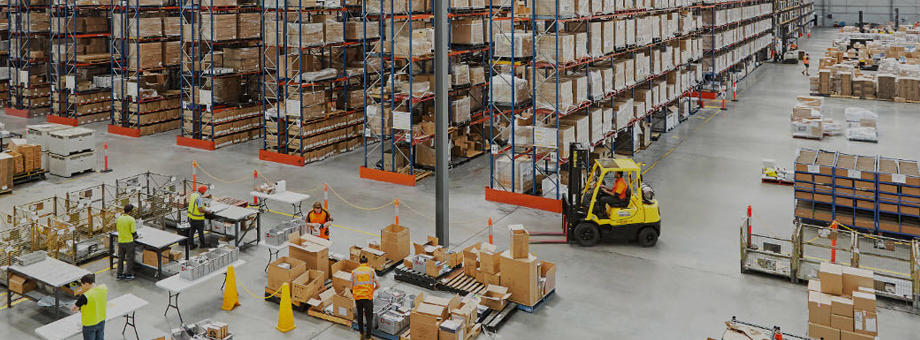
Lithium batteries offer several notable benefits compared to lead-acid counterparts. Firstly, they have a higher energy density, which means they can store more energy in a smaller and lighter package. This characteristic not only allows forklifts to operate for longer periods between charges but also reduces the overall weight of the forklift, enhancing its maneuverability and reducing wear and tear on tires and other components.
Secondly, lithium batteries have a much longer lifespan. With proper care, they can last several years, significantly outlasting lead-acid batteries that typically need replacement more frequently. This longevity translates into lower long-term costs for warehouse operators as they spend less on battery replacements.
Moreover, lithium batteries charge faster. In a busy warehouse where downtime needs to be minimized, the ability to quickly recharge a forklift battery can greatly improve productivity. They also have a more consistent discharge curve, providing stable power output throughout the discharge process, which helps forklifts maintain consistent performance.
Regular Inspection and Monitoring
Just like any other battery type, regular inspection is crucial for forklift lithium batteries. However, the inspection focuses on different aspects compared to lead-acid batteries.
One of the primary things to check is the battery management system (BMS). The BMS is an integral part of lithium batteries as it monitors and controls various parameters such as cell voltages, temperature, and charge and discharge currents. Regularly ensuring that the BMS is functioning properly is essential. Any error messages or abnormal readings on the BMS display should be investigated promptly.
Visual inspection of the battery pack is also necessary. Look for any signs of physical damage, such as dents, scratches, or swelling. Swelling of the battery case could indicate internal problems like overheating or cell failure and should be addressed immediately. Additionally, check the connections between the battery and the forklift to make sure they are secure and free from corrosion or loose wires.
Temperature monitoring is of particular importance for lithium batteries. These batteries are sensitive to temperature variations, and operating them outside their recommended temperature range can affect their performance and lifespan. Warehouse staff should keep an eye on the battery’s temperature during operation and charging, ensuring it stays within the manufacturer’s specified limits.
Charging Guidelines for Lithium Batteries
Proper charging is key to maintaining the health of forklift lithium batteries. Unlike lead-acid batteries, lithium batteries require specific charging protocols.
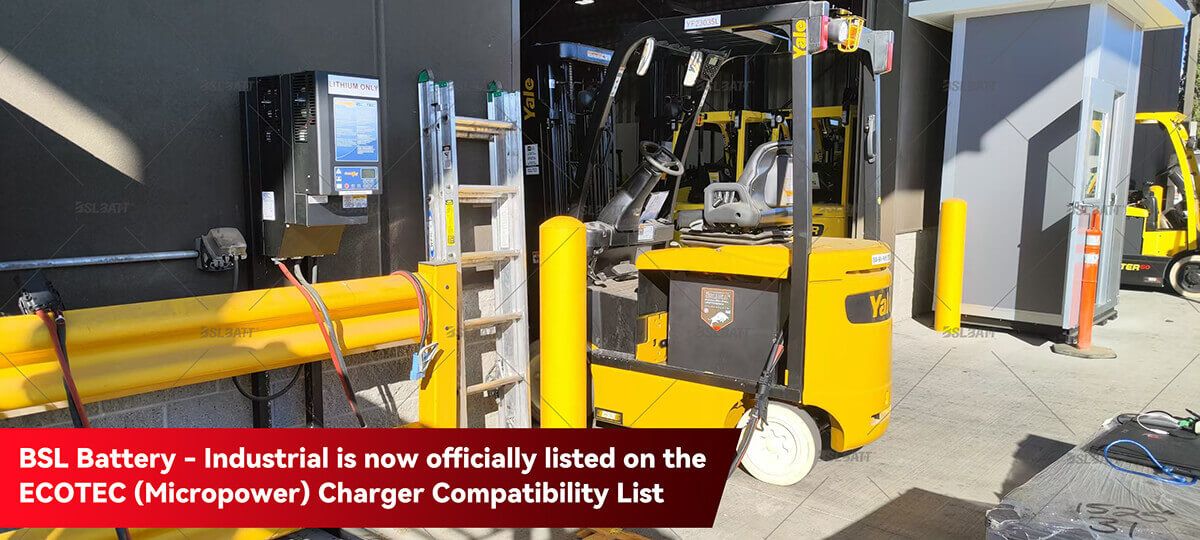
It’s essential to use chargers that are designed specifically for lithium forklift batteries. These chargers are equipped with advanced charging algorithms that match the unique charging characteristics of lithium batteries. Using an incorrect charger can lead to overcharging, undercharging, or even damage to the battery.
Avoid overcharging at all costs. Lithium batteries have built-in protection mechanisms to prevent overcharging, but relying solely on these can still put stress on the battery over time. Follow the manufacturer’s recommended charging times and voltage settings precisely. In general, most lithium forklift batteries are charged using a constant current followed by a constant voltage charging method.
Also, it’s advisable to charge lithium batteries when they are at a relatively low state of charge rather than waiting until they are completely depleted. This helps to maintain the battery’s health and prolong its lifespan. Regularly scheduled charging during breaks or at the end of shifts is a good practice to keep the batteries in optimal condition.
Storage and Handling
When forklift lithium batteries are not in use, proper storage and handling are necessary to preserve their quality.
Store the batteries in a cool, dry, and well-ventilated area. Extreme temperatures, whether too hot or too cold, can have adverse effects on lithium batteries. High temperatures can accelerate the degradation of the battery’s internal components, while cold temperatures can reduce its ability to hold a charge.
If the batteries are going to be stored for an extended period, it’s recommended to charge them to around 50% of their capacity before storage. This helps to prevent over-discharging and maintain the battery’s chemical stability during the storage period. Additionally, periodically check the battery’s state of charge during long storage and give it a maintenance charge if needed.
During handling, be careful not to drop or subject the batteries to excessive impact. Although lithium batteries are generally more robust than lead-acid batteries in some aspects, rough handling can still damage them internally, affecting their performance and safety.
Battery Safety Precautions
Lithium batteries come with their own set of safety considerations that warehouse operators must be aware of.
In case of a fire involving lithium batteries, it’s important to use appropriate fire extinguishing agents. Water is not suitable for extinguishing lithium battery fires as it can react with the chemicals inside the battery and exacerbate the situation. Instead, use fire extinguishers designed specifically for lithium-ion fires, such as those containing dry powder or CO2. Watch our built-in fire extinguisher video.
Training warehouse staff on battery safety is essential. They should know how to handle and store the batteries safely, as well as what to do in case of emergencies. This includes understanding the warning signs of battery malfunctions, such as unusual smells, excessive heat, or abnormal BMS readings.
In conclusion, forklift lithium batteries offer significant advantages in warehouse operations, but their proper maintenance, storage, and safety management are equally important. By adhering to the recommended practices, warehouse operators can fully leverage the benefits of these advanced batteries, ensuring efficient and reliable forklift operation for years to come.