Revolutionize the energy economy with advanced lithium-ion battery technology—lower costs, reduce heat, and accelerate sustainable development.
 Explore all product lines
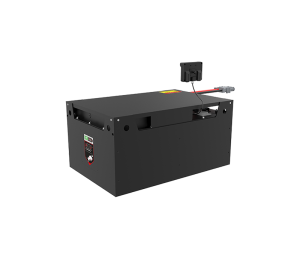
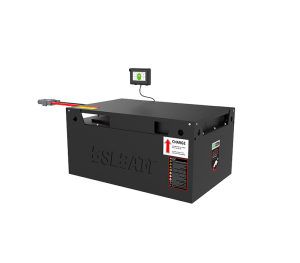
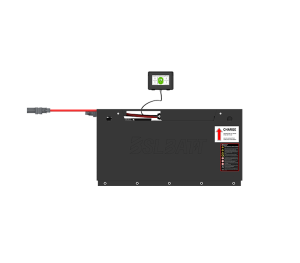
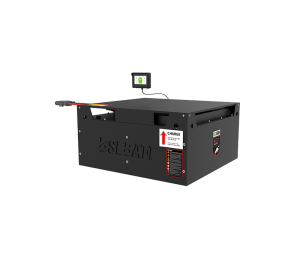
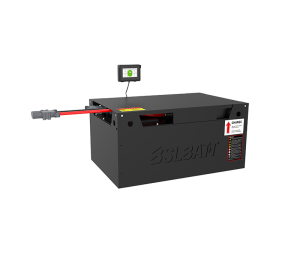
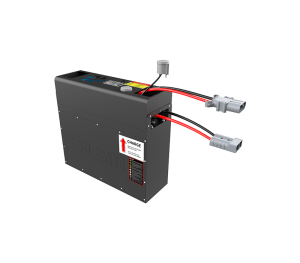
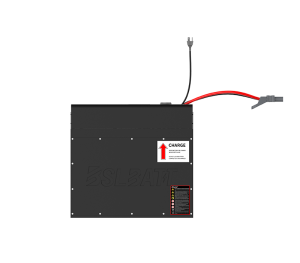
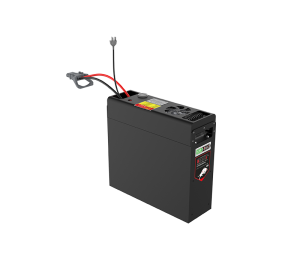
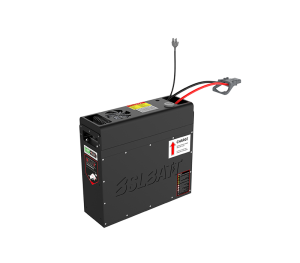
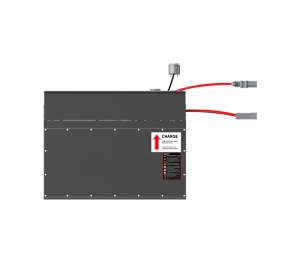
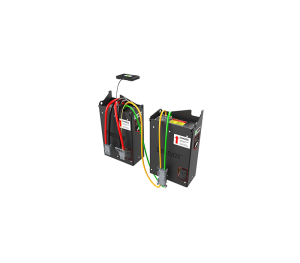
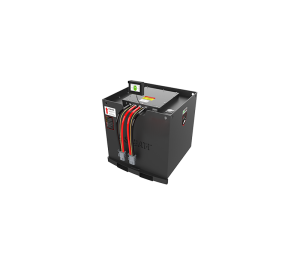
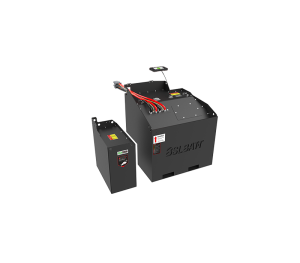
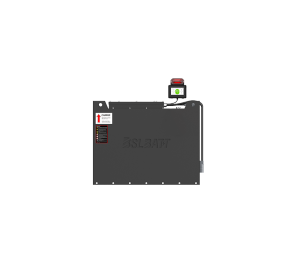
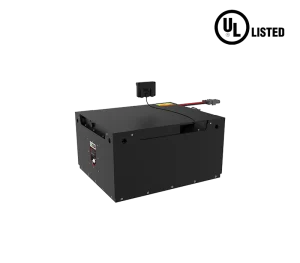
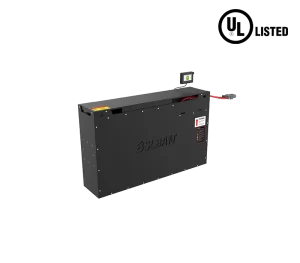
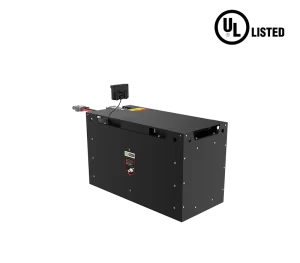
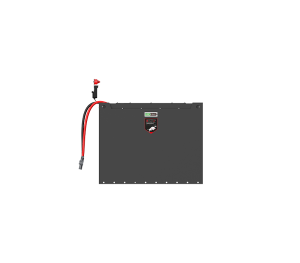
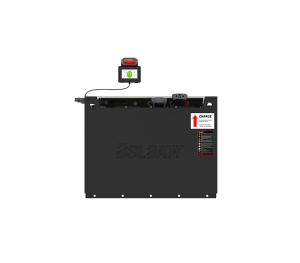
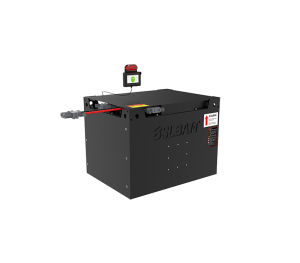
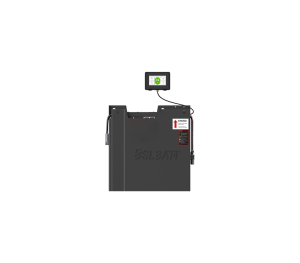
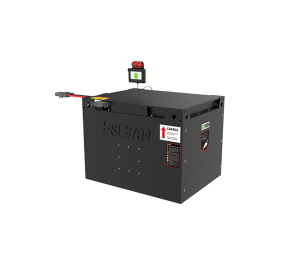
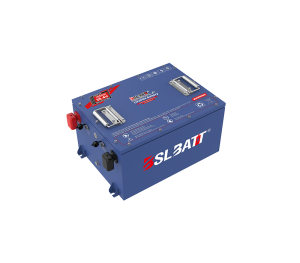
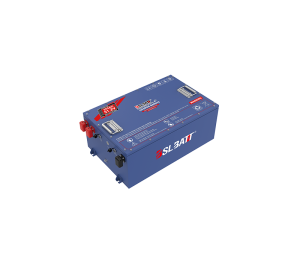
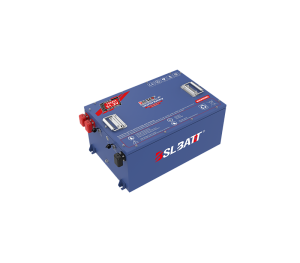
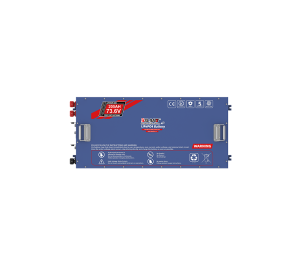
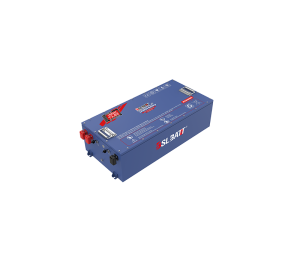
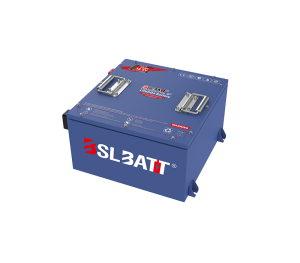
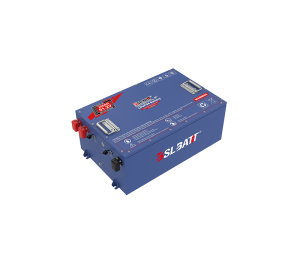
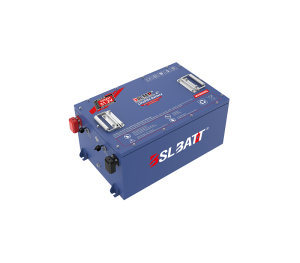
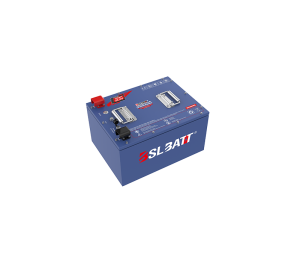
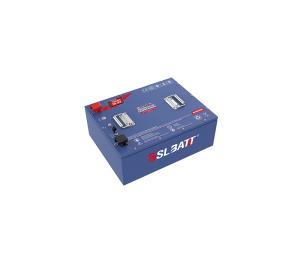
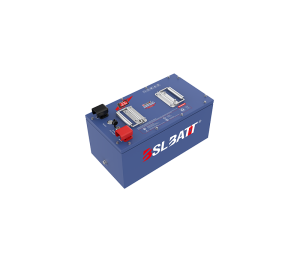
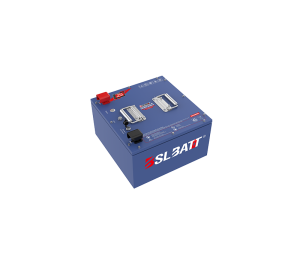
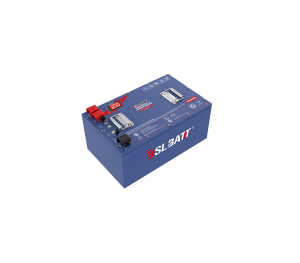
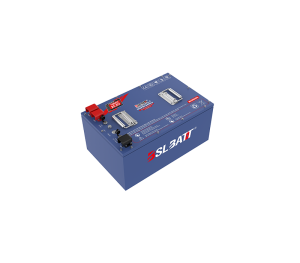
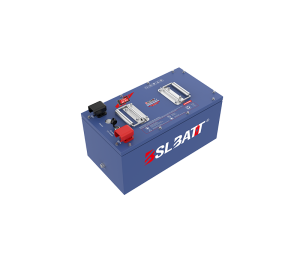
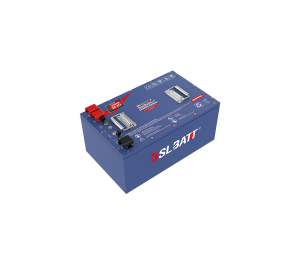
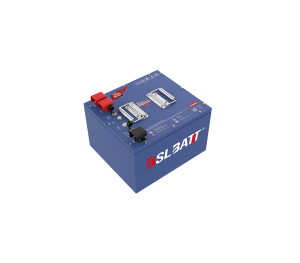
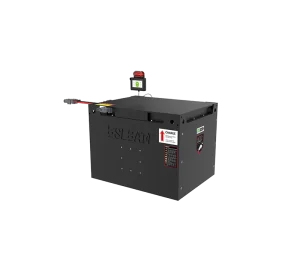
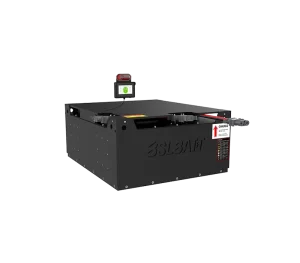


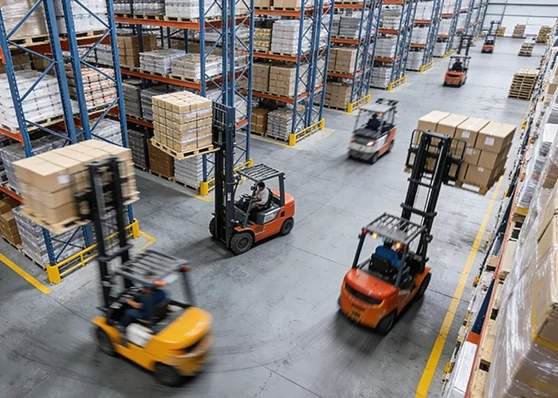







- Specialty Forklift Manufacturers and BSLBATT Lithium Battery Solutions
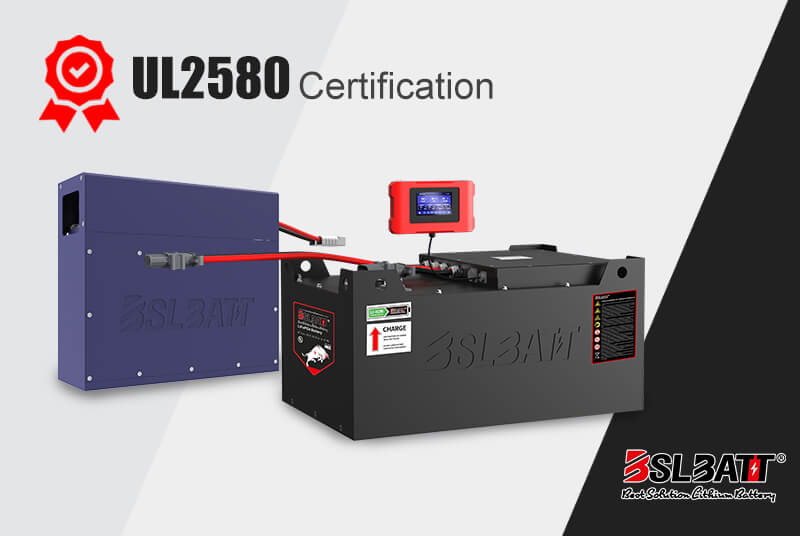
- The first lithium forklift battery that is UL 2580 certified and ISO9001 certified in the industry is BSLBATT® Battery – Industrial
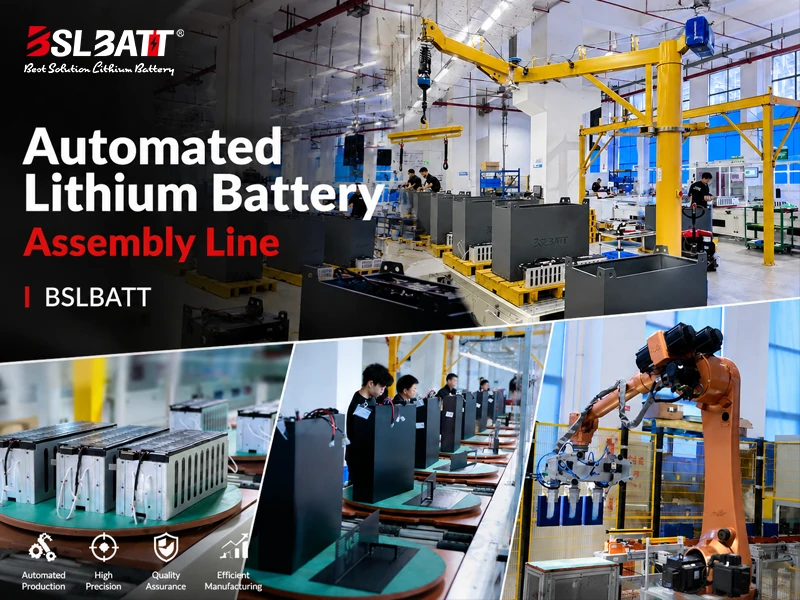
- Automated Lithium Battery Assembly Line | BSLBATT Smart Factory
- Time to Retire Lead-Acid: Why Your Warehouse Needs Lithium-Ion Power
- Lithium Forklift Battery Maintenance Guide 2026
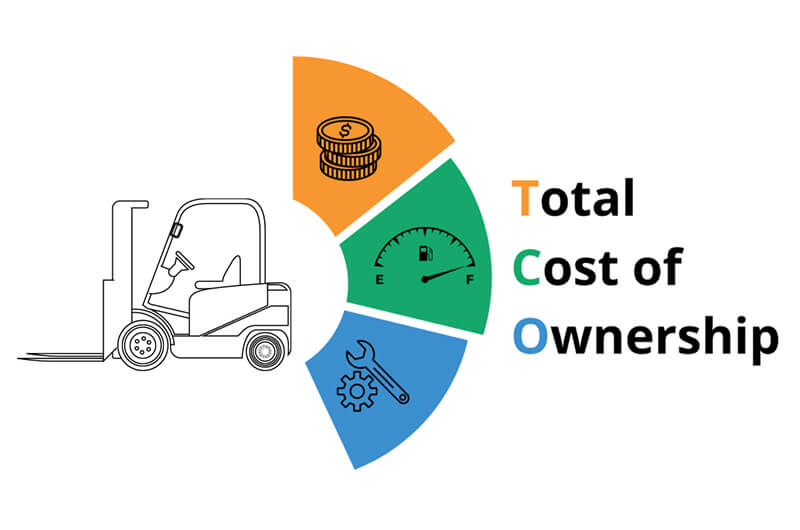
- Industrial Lithium Batteries: Initial Price vs. Long-Term Costs
Company News
mAh to Wh Conversion Calculator: An Easy-to-Understand Guide to Energy Unit Conversion
Table of contents

- Basic Concepts of Milliampere-Hour (mAh) and Watt-Hour (Wh)
- What is Milliampere-Hour (mAh)?
- What is Watt-Hour (Wh)?
- Core differences between mAh and Wh
- Limitations of milliampere-hour (mAh)
- Core Benefits of Watt-Hours (Wh)
- Here’s how the formula is derived:
- Key Indicators of Forklift Lithium Battery Purchase
- Energy Density Comparison (Wh/kg)
- Voltage Platform Selection Guide
- How to choose the most suitable lithium battery for forklift trucks
As a professional manufacturer of lithium batteries for forklift trucks, we often encounter customers asking, “What is the capacity of this battery? How long can it last?” However, simply comparing milliampere hours (mAh) can be misleading. In this article, we will analyze the difference between mAh and Wh in detail to help you make a more informed forklift lithium battery purchasing decision.
Basic Concepts of Milliampere-Hour (mAh) and Watt-Hour (Wh)
What is Milliampere-Hour (mAh)?
Milliampere-hour (mAh) is a unit that measures the charge capacity of a battery, indicating the amount of current a battery can provide over a specific period. Specifically:
– 1 milliampere (mA) = 1/1000 ampere (A)
– 1 milliampere-hour (mAh) means the battery can provide a constant current of 1 mA for one hour.
For example, a 3000mAh battery can theoretically:
– Discharge at 3000mA (3A) for 1 hour
– Discharge at 1500mA (1.5A) for 2 hours
– Discharge at 300mA for 10 hours
What is Watt-Hour (Wh)?
Watt-hour (Wh) is a unit that measures energy, representing the power consumed or produced by a device in one hour. It takes voltage into account, making it a more accurate reflection of the actual energy stored in a battery.
– 1 watt (W) = 1 volt (V) × 1 ampere (A)
– 1 watt-hour (Wh) = 1 watt of power sustained for 1 hour
Core differences between mAh and Wh
Limitations of milliampere-hour (mAh)
mAh only indicates the charge capacity and does not take into account the operating voltage:
– Common Misconception: It is believed that a 5000mAh battery must last longer than a 4000mAh battery
– Reality: A 5000mAh battery on a 48V system has 2.5 times the actual energy of a 4000mAh battery on a 24V system.
Core Benefits of Watt-Hours (Wh)
Wh is the unit of energy, reflecting the real working capacity:
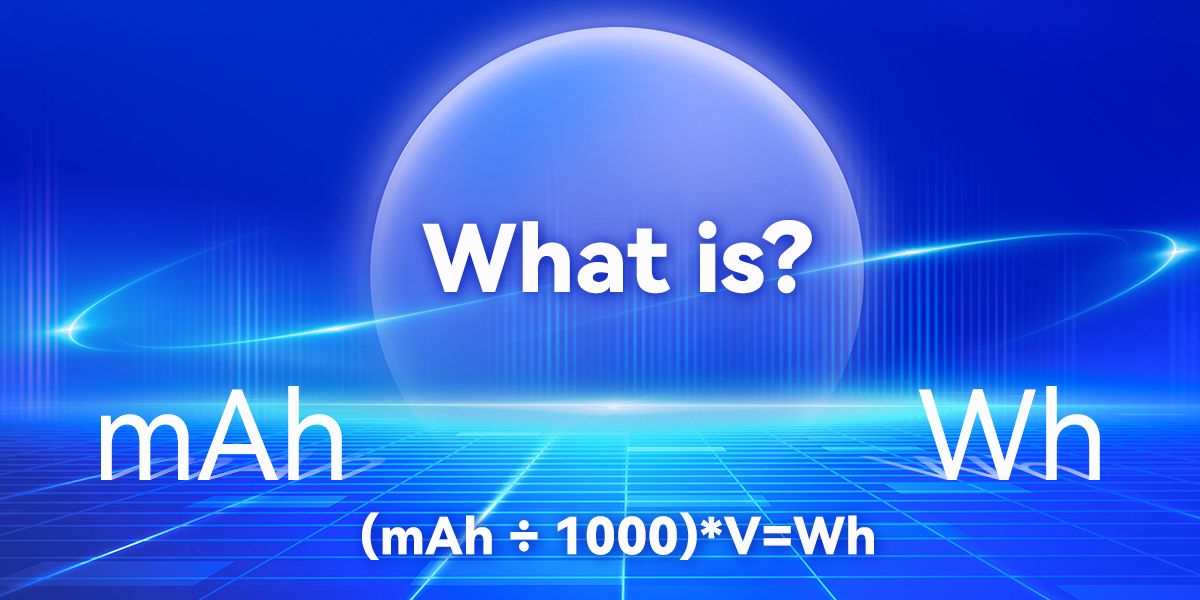
– Calculation formula: Wh = (mAh × V) / 1000
– Industry standard: Forklift batteries are commonly labeled with Wh (e.g. EU UN38.3 certification requirements).
Here’s how the formula is derived:
1. First, convert mAh to Ah: mAh ÷ 1000 = Ah
2. Then multiply by voltage (V) to get Wh: Ah × V = Wh
Practical Calculation Examples
Example: Take BSLBATT forklift lithium battery B-LFP48-560MH as an example
– Capacity: 560000mAh
– Voltage: 51.2V
– Calculation: (560000 × 51.2) / 1000 = 28672Wh
Key Indicators of Forklift Lithium Battery Purchase
Energy Density Comparison (Wh/kg)
| Battery Type | Energy Density | Forklift Applicability | Lead-acid battery | 30-50Wh/kg | Gradually phased out | Lithium Iron Phosphate | 90-120Wh/kg | Mainstream Choice | NMC Lithium Ternary | 150-200Wh/kg | High-end Model |
Voltage Platform Selection Guide
– 24V system: for <1.5 tons load electric pallet trucks
– 48V system: gold standard for 1.5-3 tons counterbalance forklifts
– 80V system: for heavy-duty forklift trucks over 3 tons
How to choose the most suitable lithium battery for forklift trucks
After calculating the actual energy requirements with the tools in this article, it is recommended that:
Light duty operation (<4 hours/day): choose 24V/100-150Ah system
Regular warehousing (8-hour shift system): 48V/200-300Ah standard program
High-intensity operation (multi-shift system): 80V/400Ah or more + fast charging configuration
For professional selection advice, welcome to use our intelligent configuration system: