Revolutionize the energy economy with advanced lithium-ion battery technology—lower costs, reduce heat, and accelerate sustainable development.
 Explore all product lines
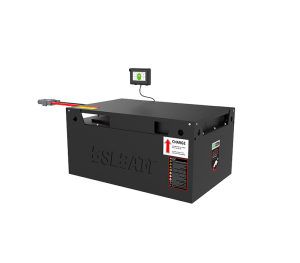
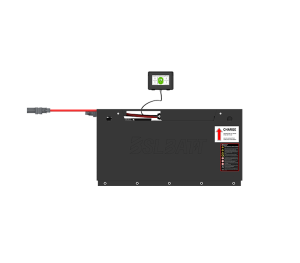
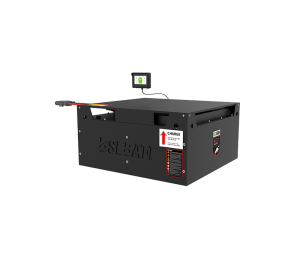
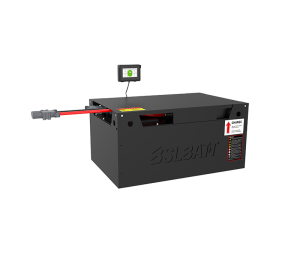
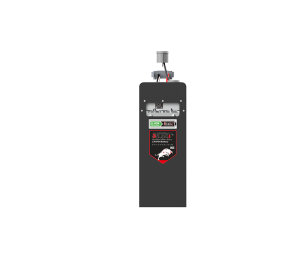
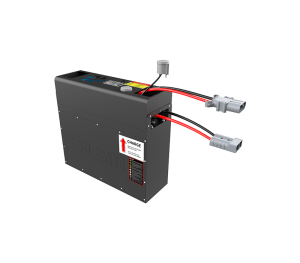
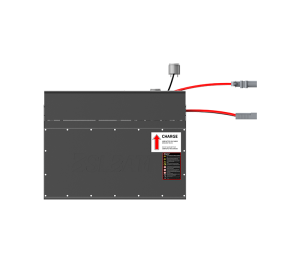
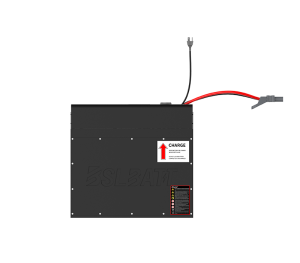
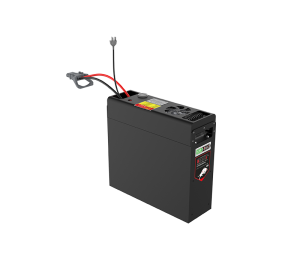
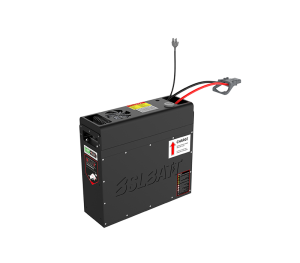
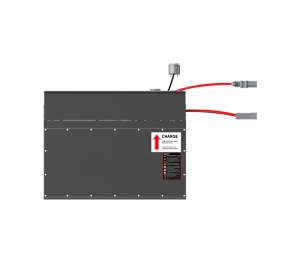
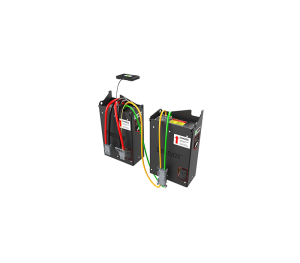
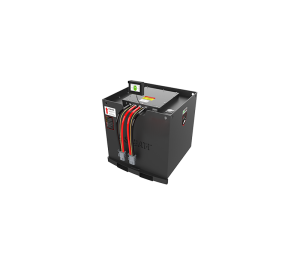
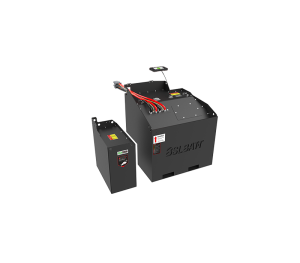

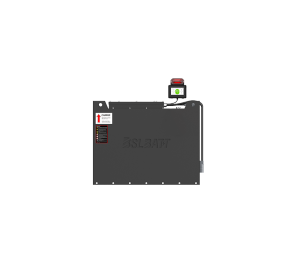
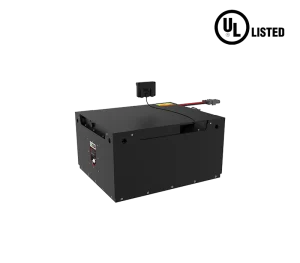
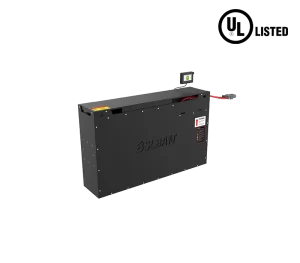
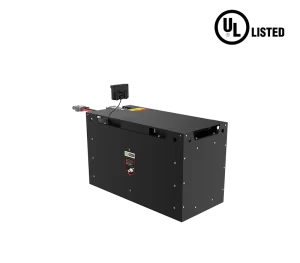
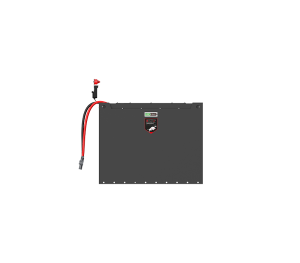
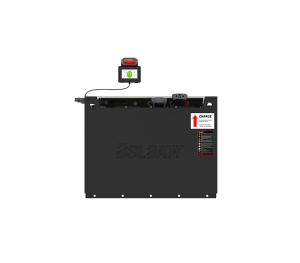
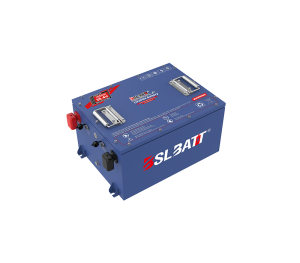
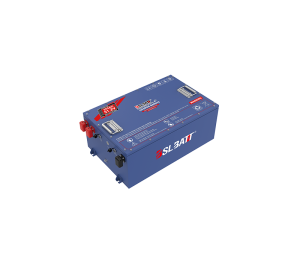
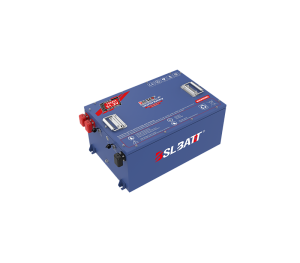
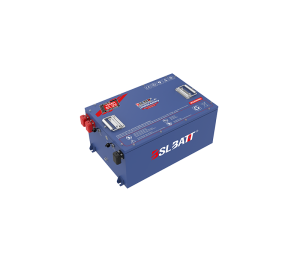
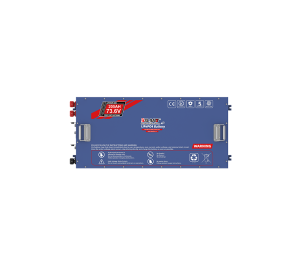
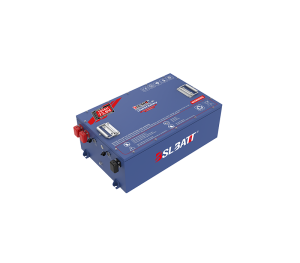
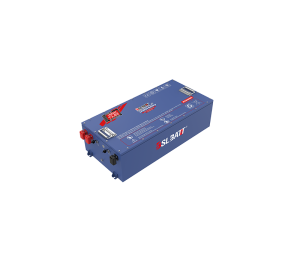
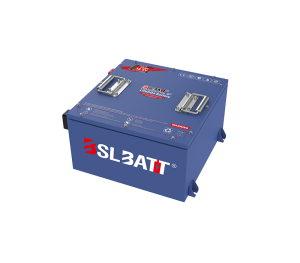
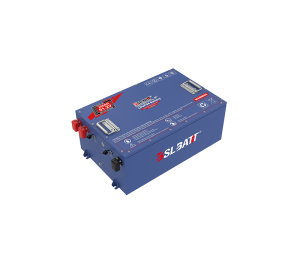
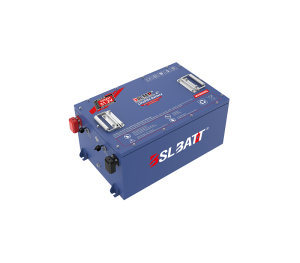
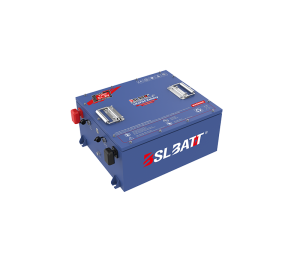
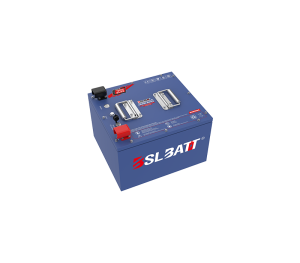
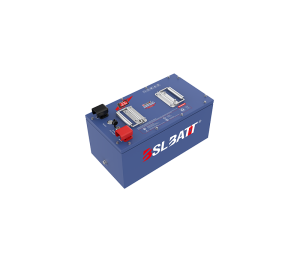
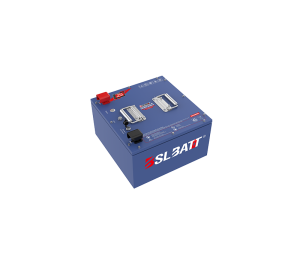
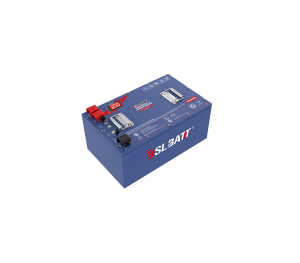
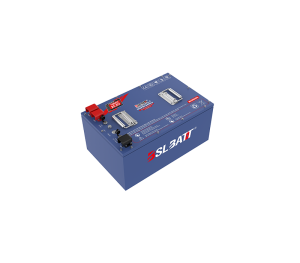
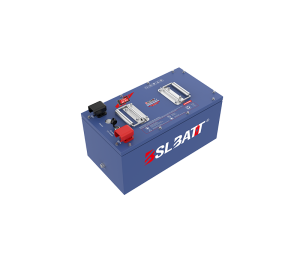
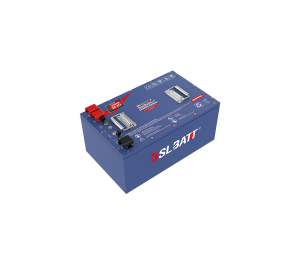
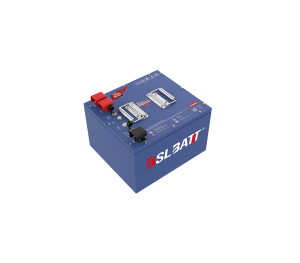
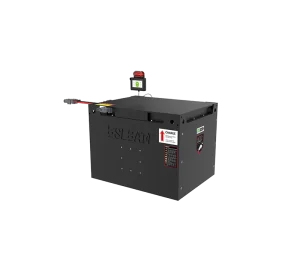






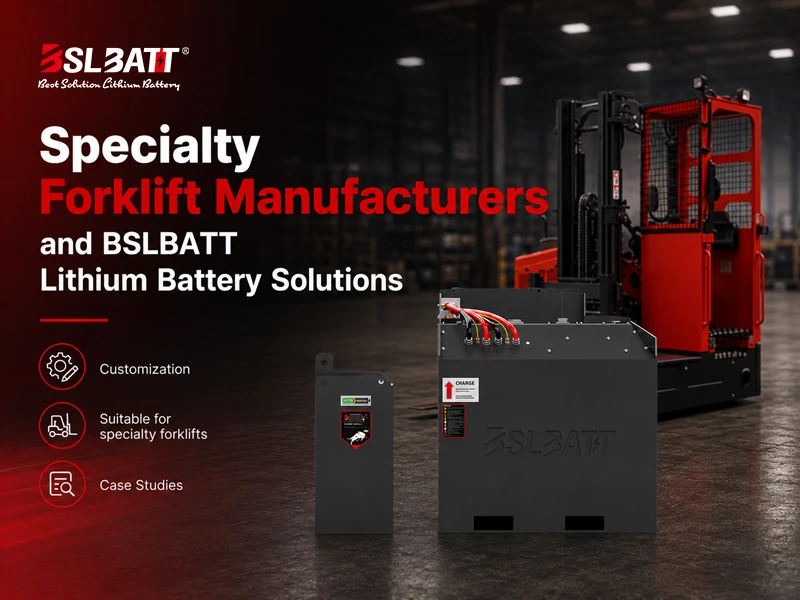
- Specialty Forklift Manufacturers and BSLBATT Lithium Battery Solutions
- The first lithium forklift battery that is UL 2580 certified and ISO9001 certified in the industry is BSLBATT® Battery – Industrial
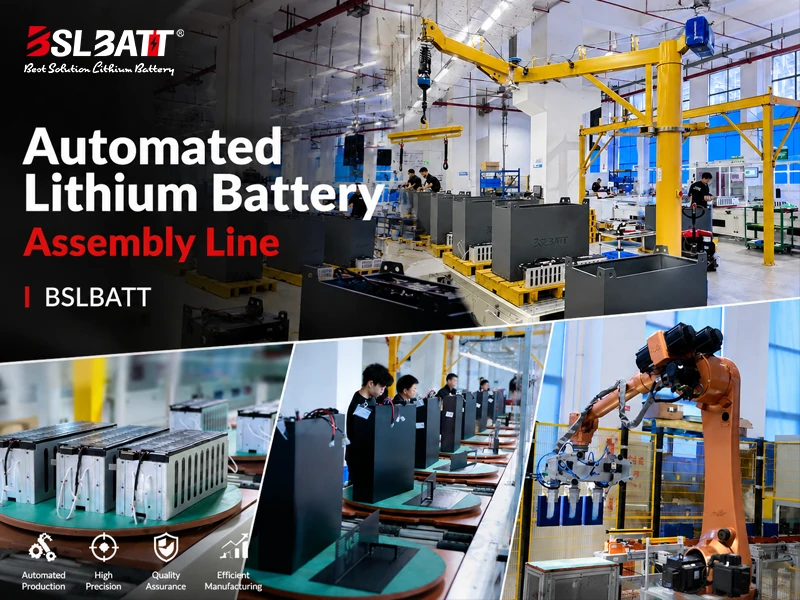
- Automated Lithium Battery Assembly Line | BSLBATT Smart Factory
- Time to Retire Lead-Acid: Why Your Warehouse Needs Lithium-Ion Power
- Lithium Forklift Battery Maintenance Guide 2026
- Industrial Lithium Batteries: Initial Price vs. Long-Term Costs
Featured
Lithium-Ion Batteries Technology Gaining Traction in Material Handling Industry
Table of contents

- Sustainable practices are gaining momentum. What's the future of battery technology? And Amazon's Prime Day is just around the corner. What does that mean for shippers?
- Why is lithium ion technology becoming a Material Handling Market Trend?
- Does that help at all in today's warehouse where we're trying to be more socially distanced? And are there are other benefits that help at this point?
- Anything else that's, that's new in terms of advancing this technology?
- Nearing the end of 2021, you know, still in the middle of a pandemic and lots of uncertainty?
- Well, how will that change affect shippers and retailers?
Sustainable practices are gaining momentum. What’s the future of battery technology? And Amazon’s Prime Day is just around the corner. What does that mean for shippers?
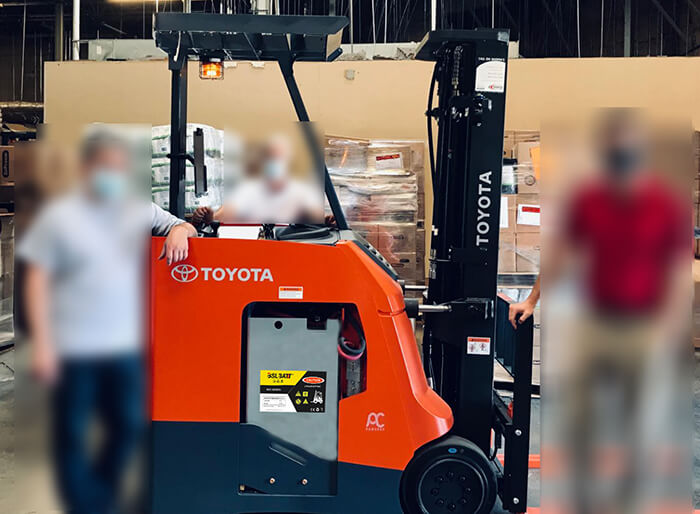
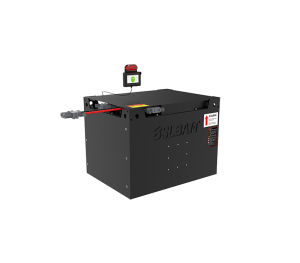
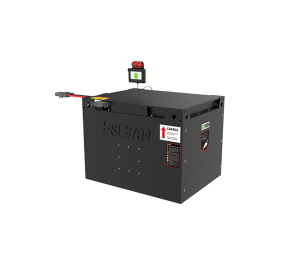
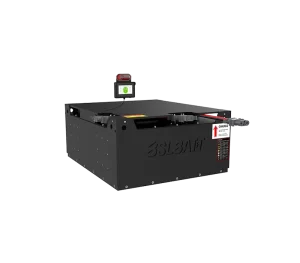
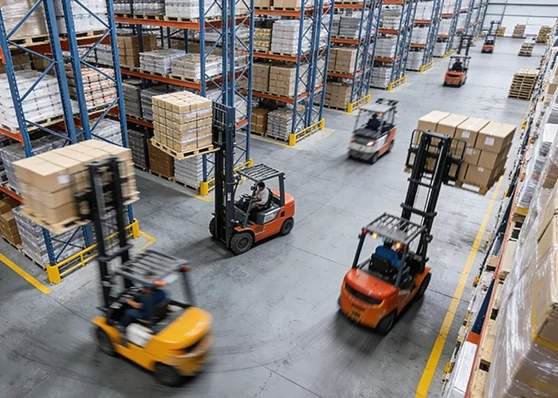
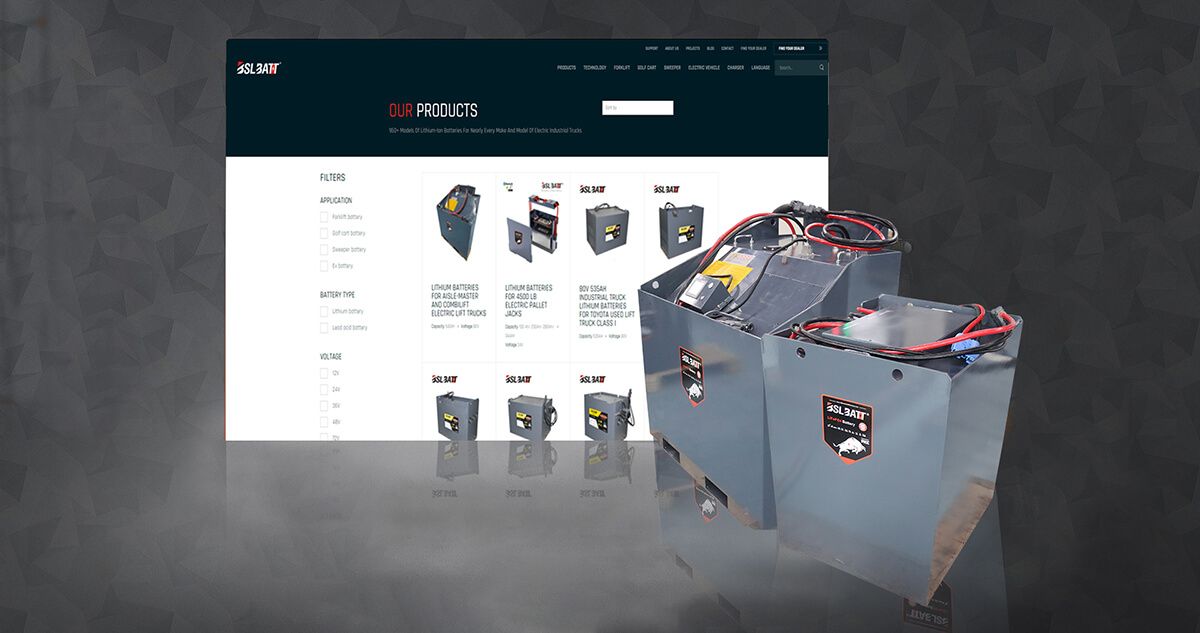
Lithium-ion technology is an emerging trend in the material handling market. Li-ion batteries are environmentally friendly and offer higher energy densities as compared to lead-acid or nickel-metal hydride batteries. They can store more electricity and is mostly preferred for electric vehicles that are used in material handling. Additionally, Lithium-ion batteries are lightweight, charge quickly, and do not require cool-down intervals. For instance, BSLBATT Battery Company., a manufacturer of Li-ion batteries launched the forklift Li-ion battery pack at MODEX 2021. The battery is specifically designed for offer over 950 models of lithium-Ion batteries for nearly every make and model of electric industrial trucks. The battery offers high capacity and also requires minimum maintenance.
Why is lithium ion technology becoming a Material Handling Market Trend?
One is the decreasing cost per kilowatt-hour for lithium, and reflecting the development of the battery cells, the the increases in volume, in particular, you know, you can just look at Tesla and see the volume increasing, and it is kind of a volume game. So the cost per kilowatt-hour is getting, has gotten down to the point now where it’s it’s—the economics are very attractive. And that cost per kilowatt-hour is going to continue to go down.
Secondly, in terms of the conditions being right at the time are, there has been a lot of press in developments and excitement in the market over the EV sector and electrification sector, and this is all part of that. Its time has come, as we see it. If you go to the trade shows, it’s just overflowing with a focus on lithium.
Does that help at all in today’s warehouse where we’re trying to be more socially distanced? And are there are other benefits that help at this point?
I think that’s true. There are some benefits. You know, I’d first say the pandemic is, had the impact of—not really affecting the movement of logistics that much around the country. Food, groceries, everything, it still has to move. For example, we’ve been going full-bore throughout this period.
At the same time, more to your point, the lithium has several advantages that all lend itself to less handling by people in the operation process. For example, lithium doesn’t require any watering, like lead acid does, so there’s there’s less people involved in doing that. Because that has to happen regularly, otherwise the battery doesn’t last very long.
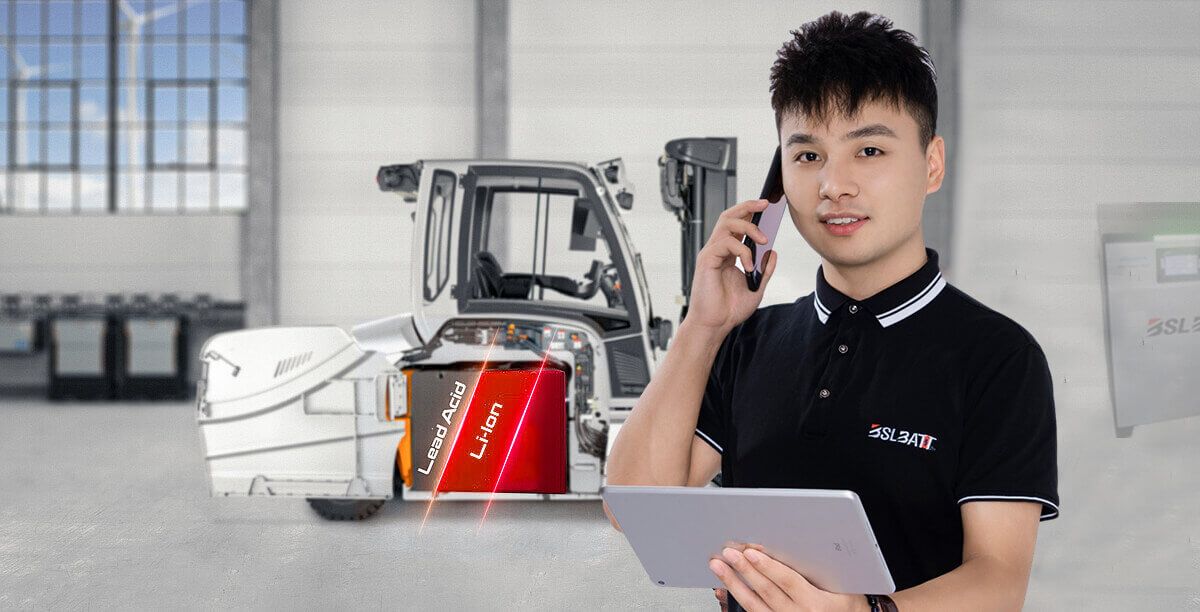
Secondly, I would think another driving factor is lithium has a longer life. The chemistry just allows a much longer life, so there’s less changeout, there’s less involvement in that whole process from a people standpoint. And finally, for these large fleets that have multiple shifts, we’ve demonstrated with some very large customers that they can use one lithium pack for the whole entire day, for all the all the shifts, and so that eliminates a lot of changing out of batteries each shift, let alone eliminating the need for a battery room. So you have some factors there that certainly help support, you know, [reducing] some of the adverse of forces from the pandemic.
Anything else that’s, that’s new in terms of advancing this technology?
There’s been a number of key things. One is just the quality of cells coming out from—most of the lithium cells are manufactured in China, there’s some in the U.S. and Europe and other places. But you know, over the last 10 years, the quality of these large-format cells—I’m not talking about the ones in your laptop or cell phone, but the large quality has really improved with the increase in volume, increased attention, increased demand. And that’s really important, because anybody operating their forklifts in a facility, they do not want any downtime, they hate downtime. So the quality of cells is a very important factor.
Another another driver is that some of us in the industry have gotten TUV, UN38.3 certifications on our packs, and that’s important because it makes sure you have a higher level of durability and safety for the packs. And, for example, for us that caused us to go off and make a few design changes and incorporate some aspects of the pack that reached a higher level, which really benefits the customer.
The last, the third thing and last thing I mention that comes to mind in your question, is that our lithium packs actually have a brain on it, as opposed to, you know, the current technology, or software, you know that directs activity, communication with a forklift, and also accommodates the telemetry, and customized telemetry. So our pack can communicate to our platform in the cloud and direct information to both us and the customers, which really provides a paradigm shift in the ability to manage, particularly these large fleets. So yes, we’re finding that a very key improvement in the landscape.
Nearing the end of 2021, you know, still in the middle of a pandemic and lots of uncertainty?
Well, you know, last year, we were looking at the third-party ITA [Industrial Truck Association] data, and their forecasts, and they were, they were outlining an outlook of 68% annual growth through 2024 in the material handling sector, which is no surprise. That kind of meets everybody’s expectations. The pandemic has, I think, affected that in some way. I’ve seen some recent forecasts that still continue to be in that range. But we all know that there’s been a dramatic increase of shipments to our front door—Amazon and others. And that requires more depots for those companies to move stuff all around the country, as opposed to just retail outlets. So more depots means more forklifts, so that should help. And then the last thing I’d say is, you know, that’s for the industry, and then lithium, we know is early stages of growth of its presence in this marketplace, but it is growing at high-double-digit rates, so we see that as a bright side to the single-digit growth rate in the industry.
Well, how will that change affect shippers and retailers?
Yeah, it’s a great question. According to DC Velocity that imports have been rising very fast at container ports, and also warehouse space is getting rare. So it’s looking like the major retailers might be in a good position to handle the combined Prime Day and winter peak surges.
However, it could be a different picture for small and medium retailers. Many of those had to close down their brick-and-mortar stores during pandemic closures, just because of the recession, reduction in spending, social distancing rules. But a company that’s called PingPong payments—and they provide payment services for cross-border e-commerce sellers—said that Prime Day this year could act as a barometer of economic recovery and consumer spending for those. PingPong’s CEO said that Amazon’s website has become the new virtual mall, which offers a lifeline to retailers that are trying to grow their businesses without being able to have a physical presence. So this late Prime Day could give those merchants a window of opportunity to gain revenue through what would be their first major sales event online after Covid.