Revolutionize the energy economy with advanced lithium-ion battery technology—lower costs, reduce heat, and accelerate sustainable development.
 Explore all product lines
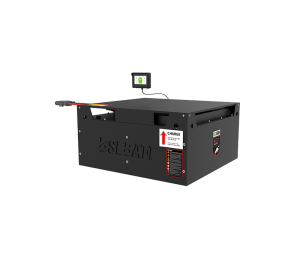
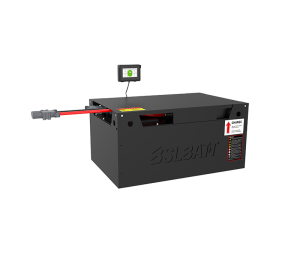
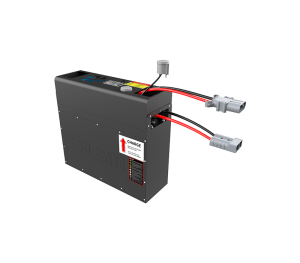
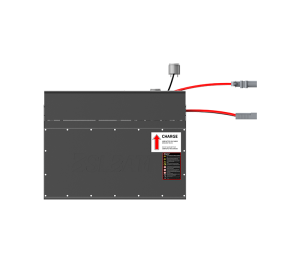
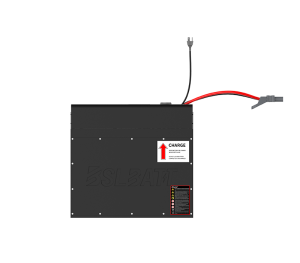
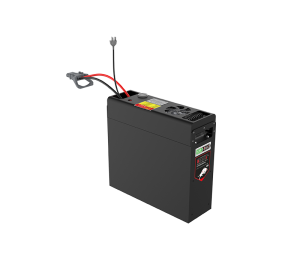
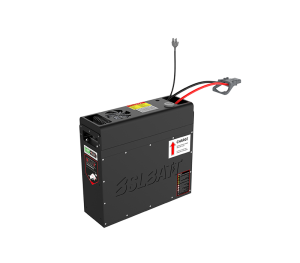
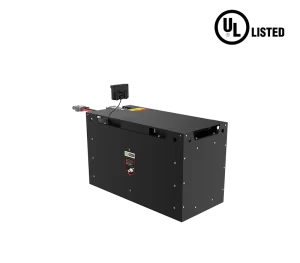
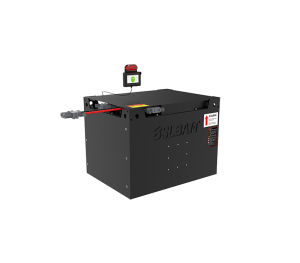
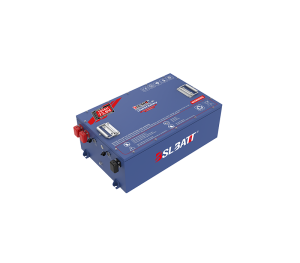
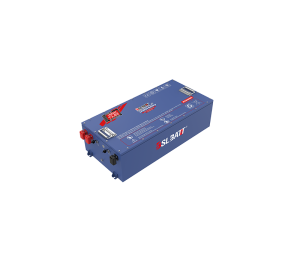
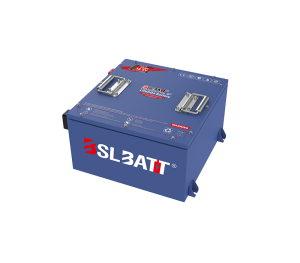
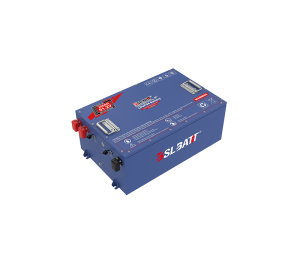
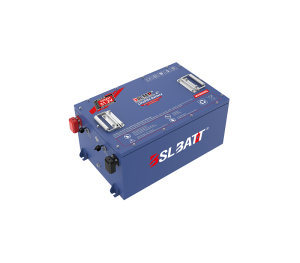
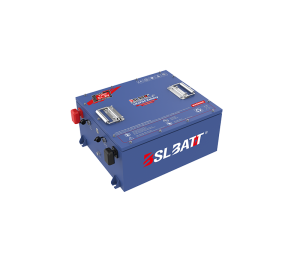
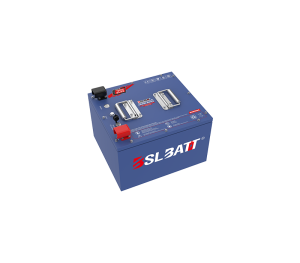
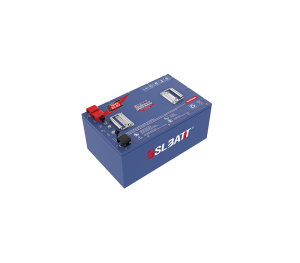
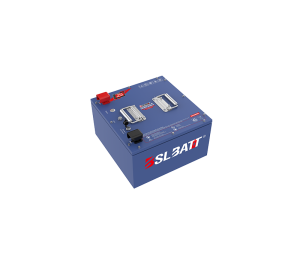
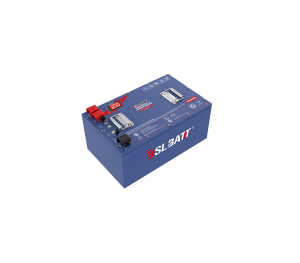
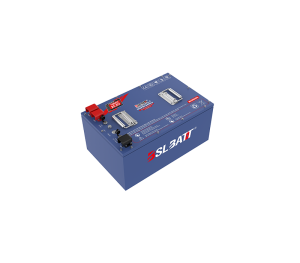
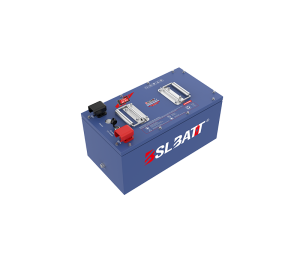
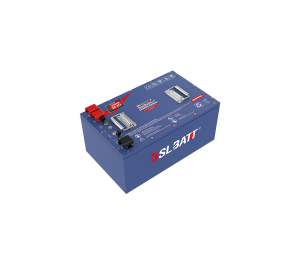
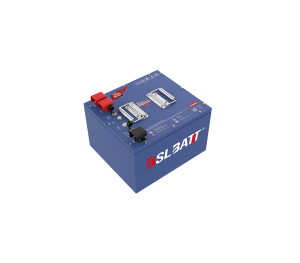
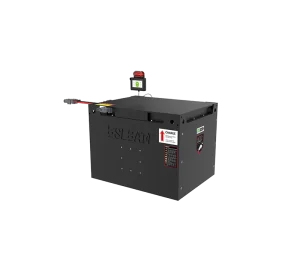
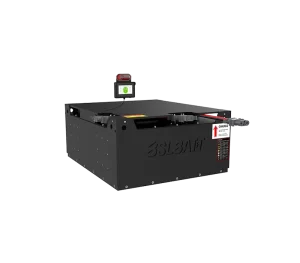









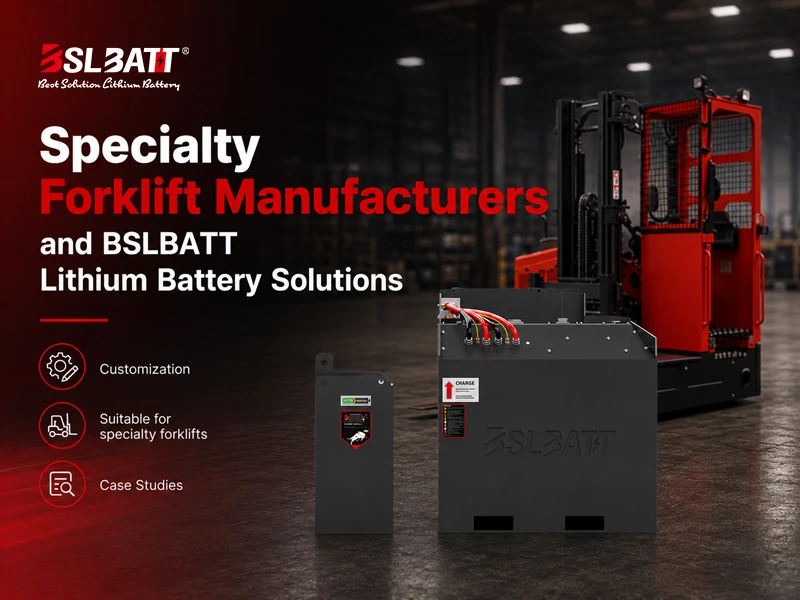
- Specialty Forklift Manufacturers and BSLBATT Lithium Battery Solutions
- The first lithium forklift battery that is UL 2580 certified and ISO9001 certified in the industry is BSLBATT® Battery – Industrial
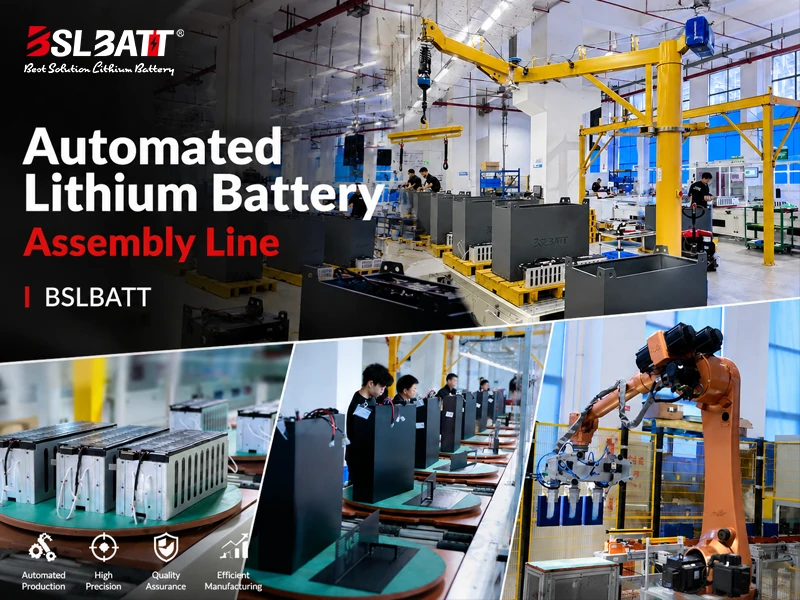
- Automated Lithium Battery Assembly Line | BSLBATT Smart Factory
- Time to Retire Lead-Acid: Why Your Warehouse Needs Lithium-Ion Power
- Lithium Forklift Battery Maintenance Guide 2026
- Industrial Lithium Batteries: Initial Price vs. Long-Term Costs
Company News
HOW TO CHOOSE THE MOST SUITABLE CHARGER FOR YOUR FORKLIFT LITHIUM BATTERY

Understanding the Specifications of Lithium Forklift Batteries
Voltage Requirements: Different models and brands of forklift lithium batteries often have specific voltage standards. For example, common forklift lithium batteries have different specifications such as 24V, 48V and 80V. According to China Forklift Network, in general, about 30% of forklifts use 24-volt lithium batteries in small warehouses and logistics, while in large manufacturing warehouses, 48-volt lithium batteries account for up to 60% of forklifts. You need to know exactly the rated voltage of the lithium batteries in your forklift, and then choose a charger that matches it. Using a charger that doesn’t match the voltage will either fail to charge the battery properly or may cause irreversible damage to the battery, seriously affecting its service life and performance, and even posing a potential safety hazard.
Capacity: The capacity of the battery determines how long the forklift can continue to operate after a single charge. Take a forklift lithium battery with a capacity of 300 Ah as an example, if the charging power of the charger is too low, the time required to be fully charged will be very long, which affects the operational efficiency of the forklift; while the charging power is too high, which may cause the battery to heat up excessively during the charging process, which is also unfavorable to the health of the battery. Generally speaking, the charging current should be set at about 10% of the battery capacity, such as 300Ah battery, the charging current can be set at about 30A. Therefore, the charger should be selected according to the capacity of the battery to ensure that the charging time is reasonable and the charging process is safe and stable.
Charging Speed Requirements
The trade-off between fast and slow charging: Fast chargers can replenish the forklift’s lithium battery with a large amount of power in a relatively short period of time, which is very helpful in scenarios where the operation tasks are compact and the forklift needs to be resumed quickly. For example, in some busy logistics and distribution centers where forklifts are frequently used, fast charging can greatly reduce downtime waiting for recharging, and according to a survey conducted by the Journal of Logistics Technology and Applications, the use of fast-charging chargers can improve forklift operational efficiency by about 20%-30%. However, fast charging is often accompanied by relatively high costs and a certain degree of wear and tear on the battery. Slow charging is gentler, protects the battery better, and extends the overall life of the battery, but takes longer to charge. You will need to decide whether you want a charger with fast or slow charging, depending on how often you use your forklift, your work schedule, and so on.
Multi-stage charging function: High-quality lithium-ion forklift battery chargers usually have multi-stage charging function, for example, it will first carry out constant-current charging stage to quickly inject power into the battery, and when the battery voltage reaches a certain value, it will switch to constant-voltage charging stage to slowly fill up the battery, this kind of fine charging process can help to improve the charging efficiency and protect the battery at the same time. Therefore, when choosing a charger, you can give priority to chargers with this intelligent multi-stage charging function.
Safety Considerations
Overcharge protection: This is a necessary safety feature of the charger. Once the battery is full, if the charger continues to charge, it may cause the battery to overheat, bulge, and even cause fire and explosion and other serious accidents. A good lithium-ion forklift battery charger will accurately monitor the charging status of the battery, when the battery reaches the full state, it will automatically stop charging, and the error can be controlled within 1% to avoid overcharging.
Short-circuit protection and over-current protection: During the charging process, short-circuit or abnormal current increase may occur due to wiring faults and other reasons. The charger with short circuit protection and over-current protection mechanism can cut off the circuit within 0.1 second, preventing the battery and the charger itself from being damaged, and guaranteeing the safety of the whole charging environment.
Temperature monitoring and control: When charging Li-ion batteries, their temperature changes need to be closely watched. A suitable charger will have a built-in temperature sensor to monitor the battery temperature in real time, when the temperature is out of the normal range (generally 0℃-45℃), it can adjust the charging current or pause the charging, and then continue the charging operation after the temperature is back to normal, to avoid harming the battery due to the high temperature.
After-sales service: Some problems will inevitably occur during the use of the charger, and good after-sales service is particularly important at this time. Choose the brand that can provide timely and professional after-sales maintenance service, adequate supply of spare parts and reasonable warranty period, when encountering faults, you can quickly solve the problem and reduce the impact on forklift operations.
Compatibility and Versatility
Choosing a charger with good compatibility that can adapt to many common brands and models of forklift lithium batteries will bring great convenience to your subsequent use and maintenance, avoiding the trouble and extra cost of replacing the charger because of battery replacement.
Match with the forklift’s interface: Make sure that the charger’s output interface and the charging interface of the forklift’s lithium battery can be perfectly adapted, otherwise, even if the charger’s other performances are good enough, it can’t be connected smoothly and can’t be used normally.
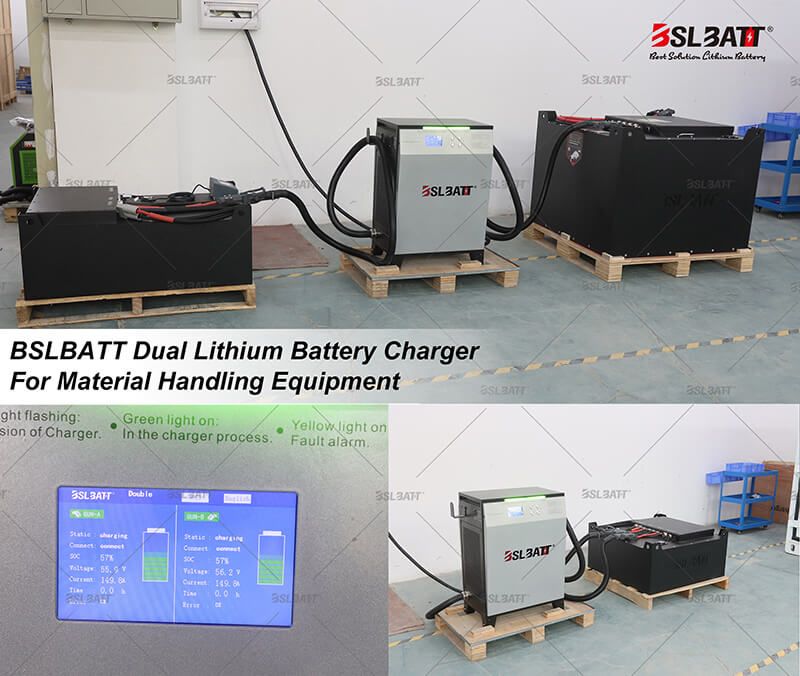
BSLBATT forklift lithium battery chargers are now compatible with SPE Charger, FRONIUS Charger, DELTA-Q Charger, ECOTEC (Micropower) Charger, etc. and different charging sockets can be selected.
Cost Factors
Purchase Cost: The price of chargers varies greatly, from the more basic models to those with high-end features, the price will have different degrees of upward fluctuation. Generally speaking, the price of an ordinary 24-volt, 100A lithium forklift battery charger ranges from $500 – $2,000, while some chargers with high-end features such as fast charging and intelligent control may cost from $3,000 – $10,000. You need to weigh according to the budget and the actual needs of the charger features, to avoid excessive pursuit of high-end features and waste of costs, of course, not just because the price is cheap and choose the quality of the product is not passable.
Cost of use: This includes the energy consumption of the charger and the maintenance cost in the long run. Some energy efficient chargers may be a little more expensive at the time of purchase, but in the long run, due to its lower energy consumption can save you a lot of money on electricity; and easy to malfunction, high maintenance costs of the charger may bring a greater economic burden in the subsequent use. For example, an energy-efficient charger can save about 20%-30% of your electricity bill for the same number of charges compared to an ordinary charger.
In conclusion, choosing the most suitable charger for forklift lithium batteries requires comprehensive consideration of many factors, only after a comprehensive weighing, can you pick out a high-quality charger that can guarantee the efficient and safe charging of forklift lithium batteries, and also meets your actual needs and budget, so as to make your forklift operation smoother and more efficient.