Revolutionize the energy economy with advanced lithium-ion battery technology—lower costs, reduce heat, and accelerate sustainable development.
 Explore all product lines
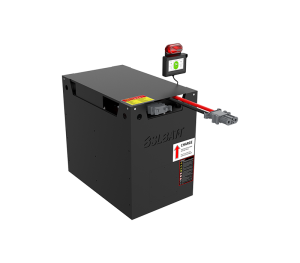
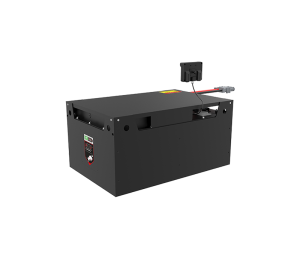
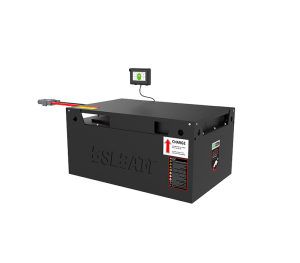
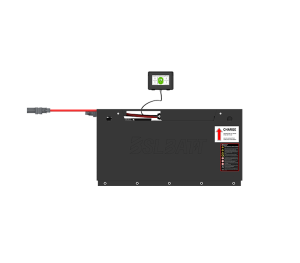
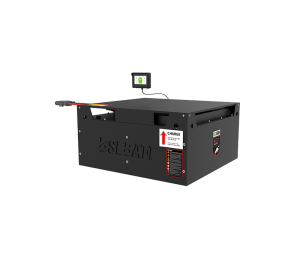
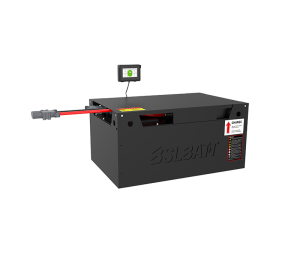
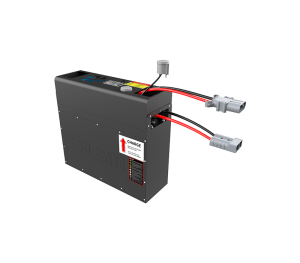
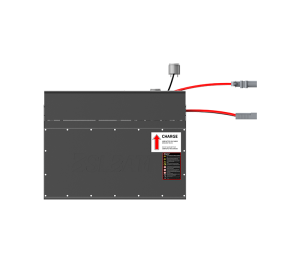
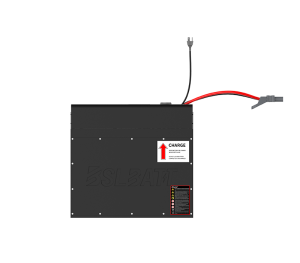
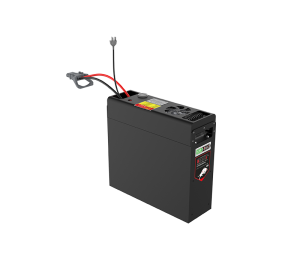
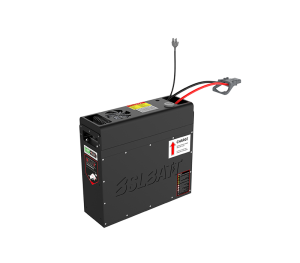
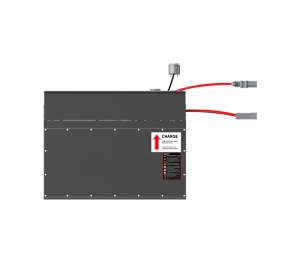
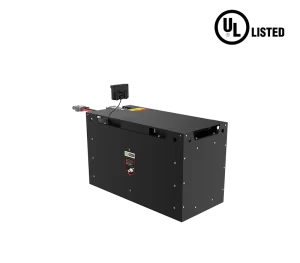
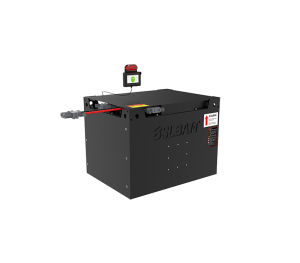
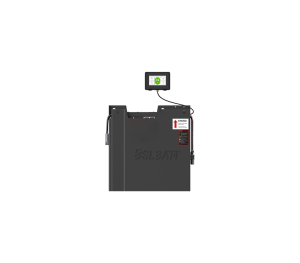
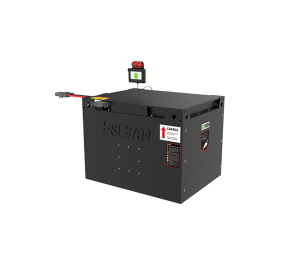
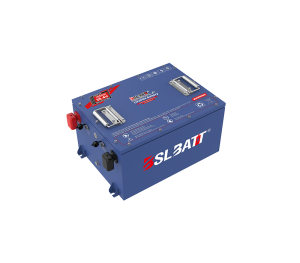
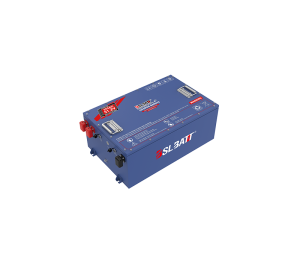
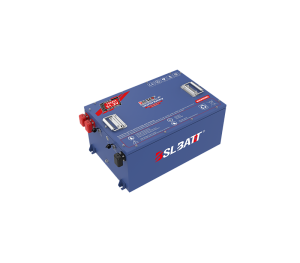
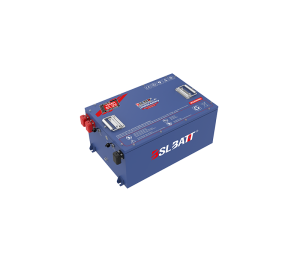
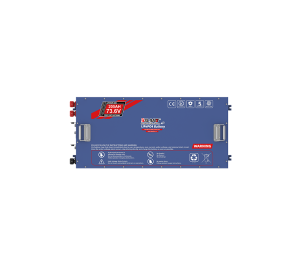
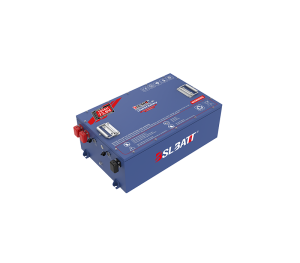
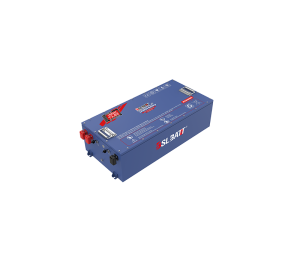
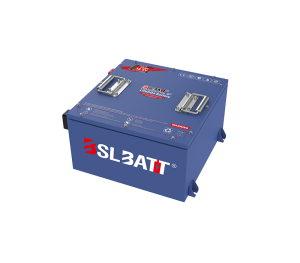
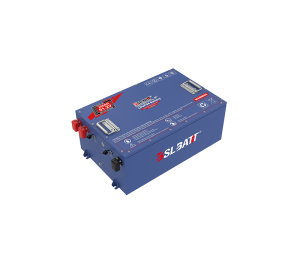
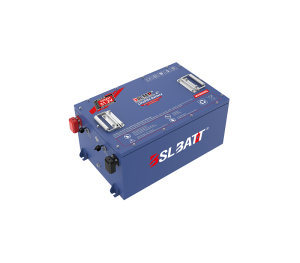
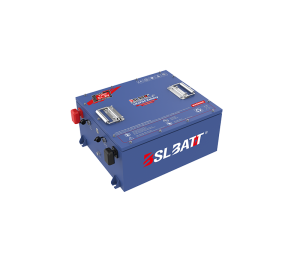
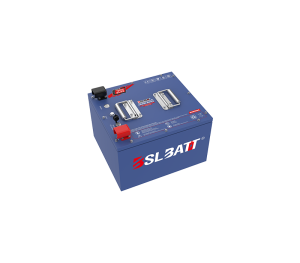
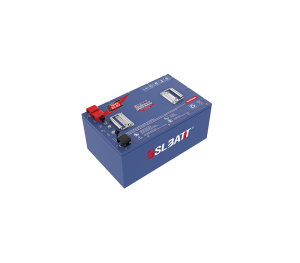
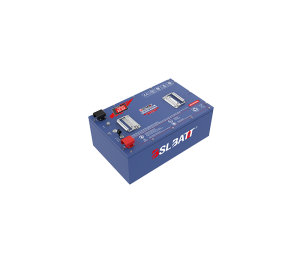
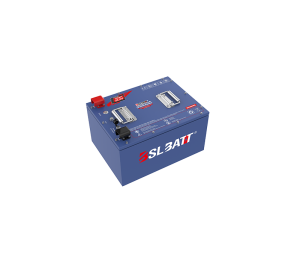
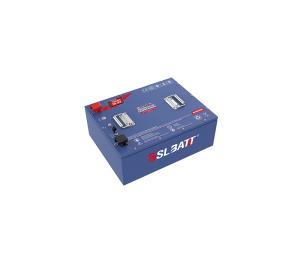
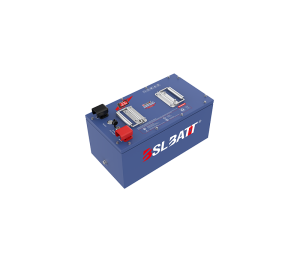
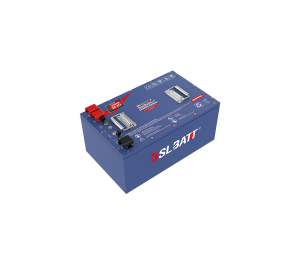
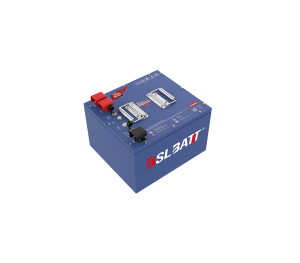
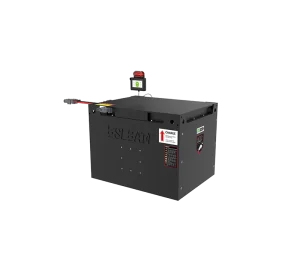
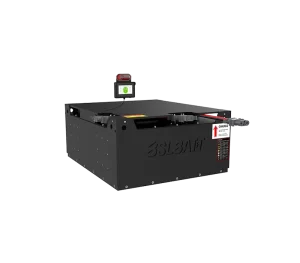







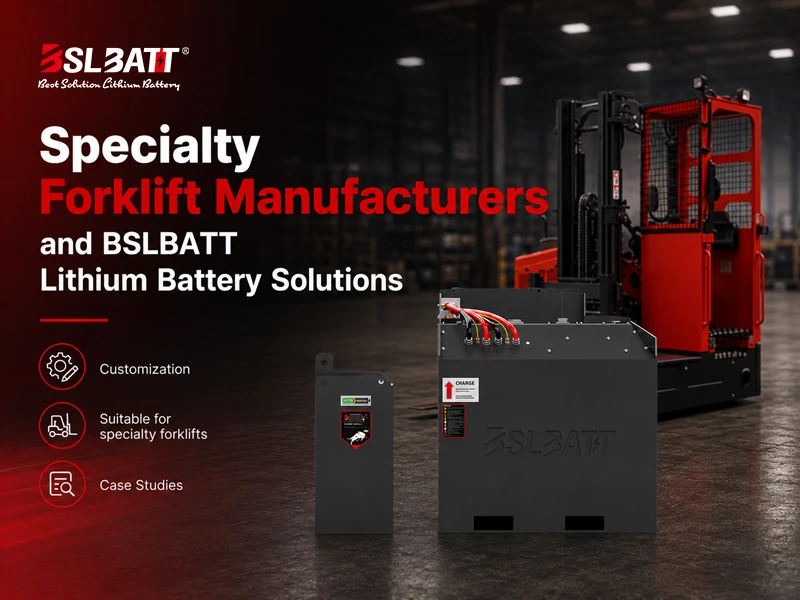
- Specialty Forklift Manufacturers and BSLBATT Lithium Battery Solutions
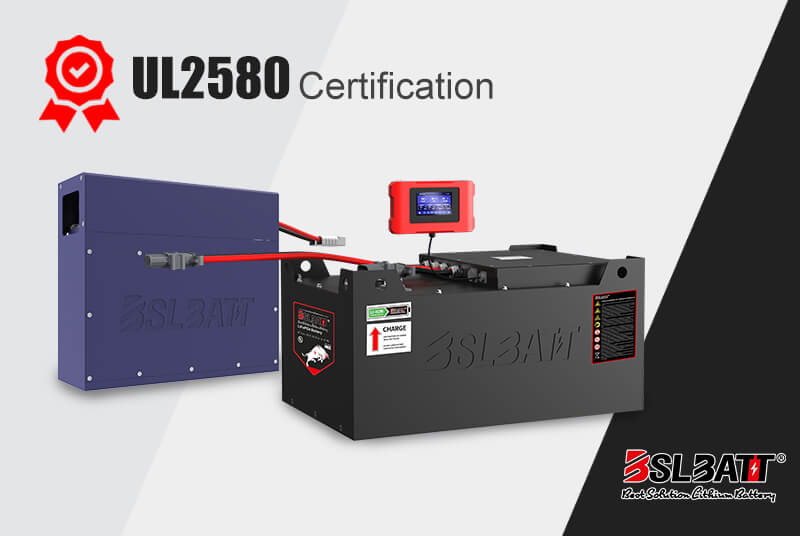
- The first lithium forklift battery that is UL 2580 certified and ISO9001 certified in the industry is BSLBATT® Battery – Industrial
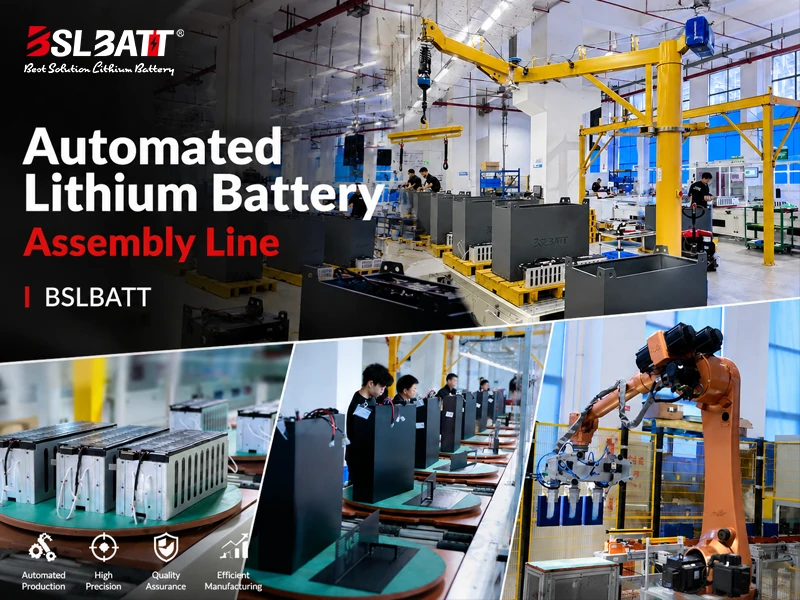
- Automated Lithium Battery Assembly Line | BSLBATT Smart Factory
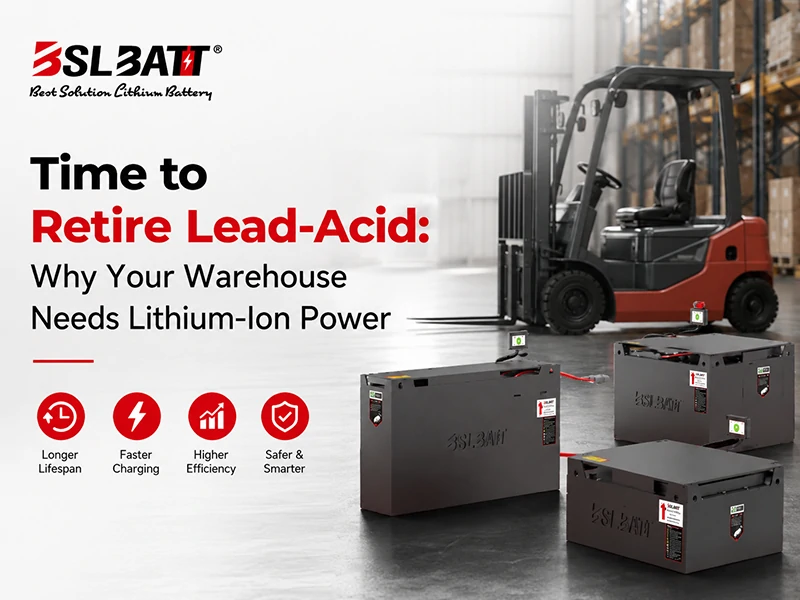
- Time to Retire Lead-Acid: Why Your Warehouse Needs Lithium-Ion Power
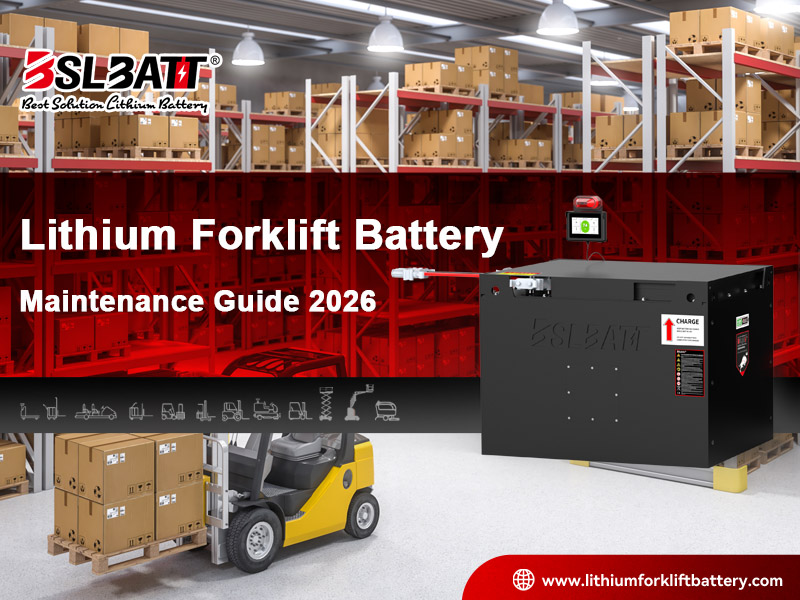
- Lithium Forklift Battery Maintenance Guide 2026
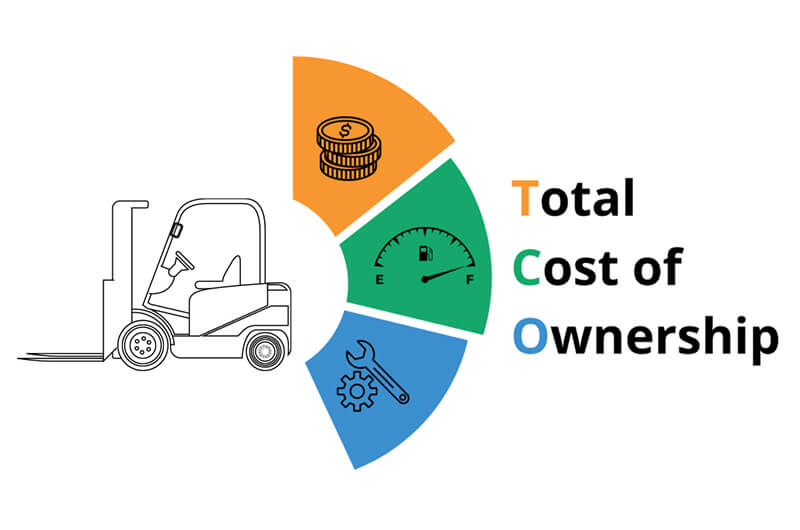
- Industrial Lithium Batteries: Initial Price vs. Long-Term Costs
Featured
Unlocking the potential of lithium-ion battery technology

The world of material handling operates under tight budgets and low profit margins, and even small improvements in operational efficiency can bring considerable bottom-line savings and significant competitive advantages. Industry veterans from facility managers to material handling are always looking for new tools and technologies that can give them an advantage. But they know they can’t afford the opportunity to use unproven technology-and they can’t afford to make large investments that don’t bring immediate value.
This is why lithium-ion (Li-ion) battery technology has attracted widespread attention and interest in the material handling industry. Lithium-ion batteries have been proven in a variety of applications from cars to mobile phones, and have great potential as new power sources for electric forklifts. Over time, they can immediately realize significant gains through higher uptime and productivity, as well as lower operating and reduced cost of ownership.
There are still many questions and misunderstandings about this rapidly evolving technology. However, as more and more material-handling fleets switch to lithium-ion technology, they are providing real proof of comparative advantage—and have developed a set of best practices to guide purchasing decisions to maximize the use of lithium-ion batteries Advantage.
Expanding the use of lithium-ion technology
Experts expect that lithium-ion technology will continue to grow rapidly. In the next five years, the global lithium ion market is expected to grow at a rate of more than 11% per year1, led by the following key industries:
Car manufacturers: Many of today’s most advanced hybrid vehicles use lithium-ion battery technology. Moreover, these lithium-ion powered vehicles continue to be popular among consumers who value eco-friendly advantages.
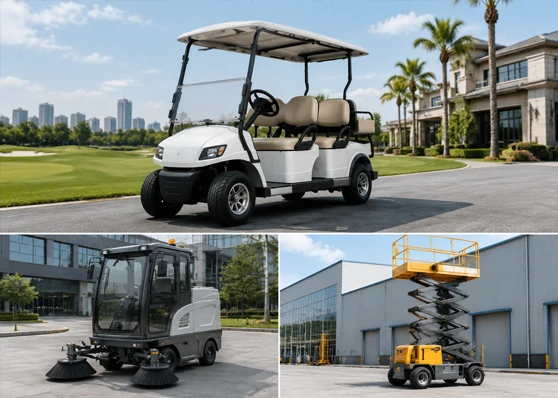
Golf carts and ATVs: Lithium-ion batteries are replacing lead-acid batteries in the golf cart and off-road vehicle markets. Commercial owners of these vehicles are increasingly recognizing that switching to lithium-ion batteries can reduce labor and maintenance costs while increasing vehicle uptime.
Public transportation: Municipalities have begun to convert their buses to lithium-ion power sources-reducing maintenance costs and reducing environmental impact.
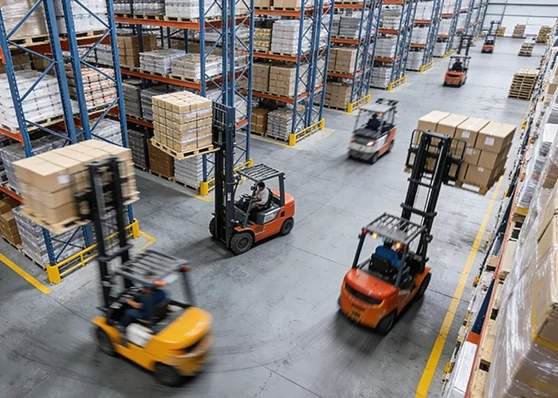
Material Handling: Industrial and commercial warehousing operations are increasingly using forklifts and jacks powered by lithium-ion technology. In fact, by 2021, one in five such material handling machines will use lithium-ion power.
Floor care: Several manufacturers of floor care machines now offer scrubbers and sweepers with lithium-ion technology.
Comparative advantages of lithium-ion technology
Lithium-ion technology is fundamentally different from the traditional battery technology (ie lead acid) used in electric forklift equipment, and is clearly a class of power source that is completely different from liquid fuels (propane, diesel or natural gas). However, for most fleet managers, an in-depth understanding of the technical details of how lithium-ion batteries work is less important than understanding how the unique qualities of lithium-ion battery technology bring specific advantages when used in electric forklift equipment:
Lithium-ion and liquid fuels (liquefied petroleum gas, diesel, natural gas)
Uptime: The extended run time of the lithium-ion battery allows for full class cleaning without the operator having to stop refilling or replacing the liquid fuel tank.
Cost: Lithium-ion batteries eliminate engine maintenance costs and fuel and fuel storage costs. Eliminates battery watering and reduces operator costs.
Safety: Lithium-ion powered machines operate at much lower dBA noise levels, giving operators a clearer understanding of the surrounding environment and no emissions, which improves indoor air quality. Eliminates the storage of flammable liquid fuels on site, bringing safety benefits to all users of the facility.
Sustainability: Switching to lithium-ion batteries can eliminate dependence on non-renewable natural resources while reducing carbon emissions.
Benefits of using lithium-ion batteries over lead acid
Here is a brief breakdown of why lithium-ion batteries are better than lead acid by category:
Fast charging: All lithium-ion batteries can be quickly charged. Fast charging brings a lot of energy into the battery until it reaches about 70%. The battery charge status monitor then slows down the input speed and safely charges the remaining 30% at a slightly slower rate. Li-ion batteries are able to do this because they are more advanced than ordinary lead-acid batteries. Lead-acid batteries are actually the opposite. They take longer to charge the last 30% than the first 70%, which keeps you waiting to get the job done.
Longer life: On average, the life of a lithium-ion battery is twice that of a lead-acid battery! This also does not take into account the so-called discharge level. Discharge level is related to how the battery is handled throughout its useful life. Batteries that run until they are nearly exhausted will have difficulty keeping charged and the number of cycles will be reduced. A battery that is frequently charged and is not allowed to drop below 20% of its capacity will last longer. That is the discharge level. Compared with lead-acid batteries, lithium-ion batteries are less likely to lose life cycle losses. Most importantly … Lithium-ion batteries are stronger than lead-acid batteries.
Higher continuous voltage: Forklifts require a lot of energy or voltage. Not all batteries can provide the same voltage, especially aged batteries. Lead-acid batteries are notorious for losing voltage or power throughout the day, even if they have plenty of power left in the day. This means your forklift will become slow and unresponsive, which can be frustrating. Lithium-ion batteries maintain their charge throughout the charging process, giving you the lasting power you need to get the job done.
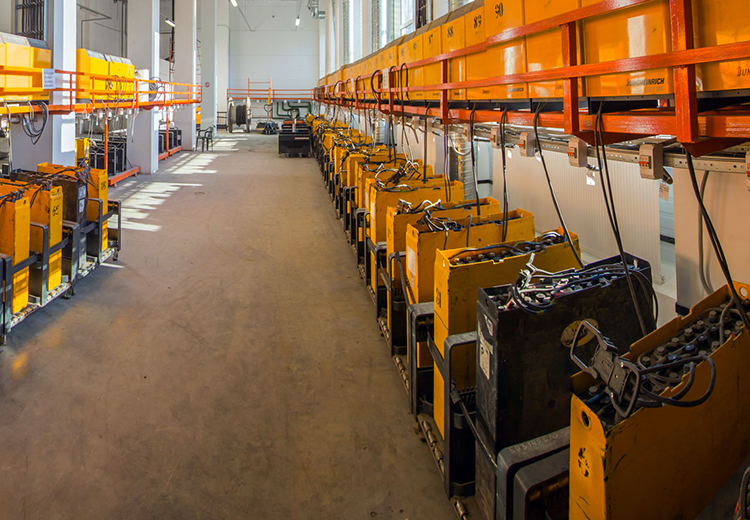
Safer: Unlike lead-acid batteries, lithium-ion batteries require no supervision when charging or in a dedicated room. Lead-acid batteries are prone to overheating and emit dangerous fumes while charging. That’s why they not only need a dedicated charging room, but they also need to be monitored in the event of an accident.
Maintenance-free: Lead-acid batteries need to be regularly “watered” to ensure long life. This means that lead-acid batteries must be serviced every few cycles in a way that lithium ions have never been before. If the watering process is not correct, the watering process can be dangerous and ineffective.
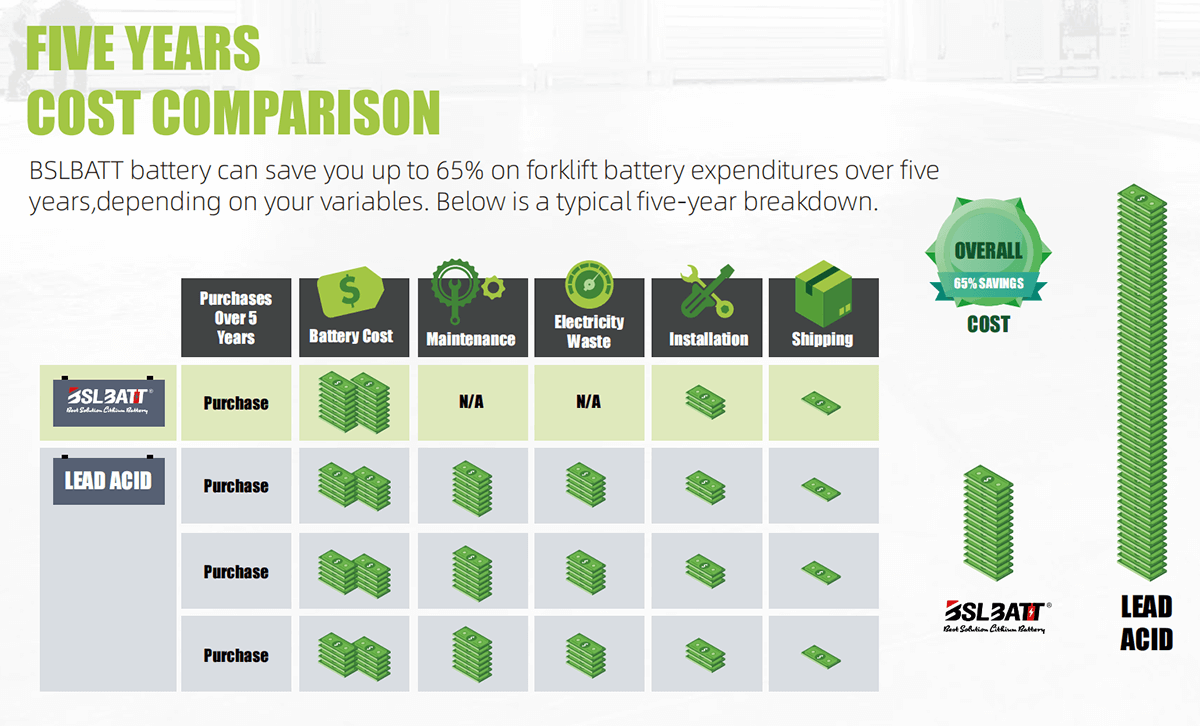
Long-term cost-effectiveness: Because lithium-ion batteries have a longer service life, work more efficiently, require no maintenance, and charge faster, they are more cost-effective than lead-acid varieties, which is not rocket science.
Going forward, companies using forklifts can choose to use obsolete lead-acid or more advanced lithium-ion batteries.
The advanced technology of lithium-ion batteries provides companies with opportunities to improve operational and employee efficiency and safety.
Not only does this reduce costs in the long run, you can see why more and more companies are switching from lead-acid batteries to using lithium-ion batteries to power their forklifts.
For more information or to determine if Li-ion technology is right for you, please contact us.