Revolutionize the energy economy with advanced lithium-ion battery technology—lower costs, reduce heat, and accelerate sustainable development.
 Explore all product lines
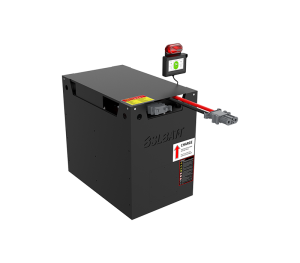
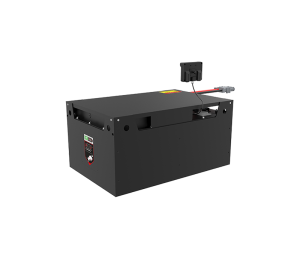
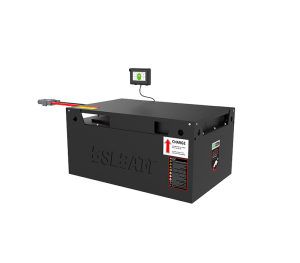
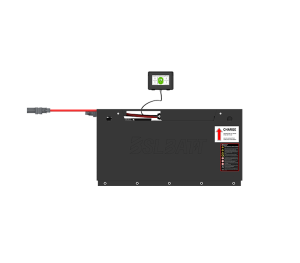
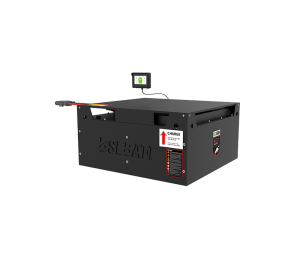
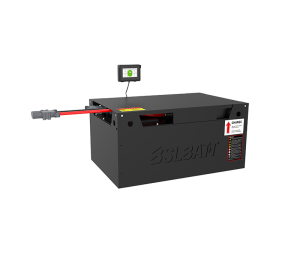
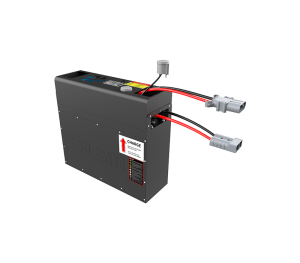
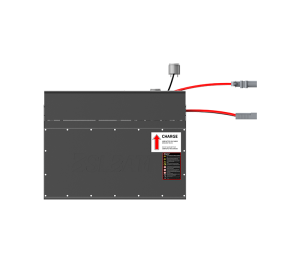
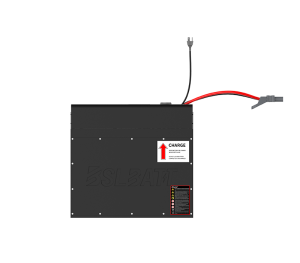
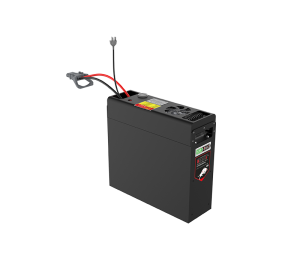
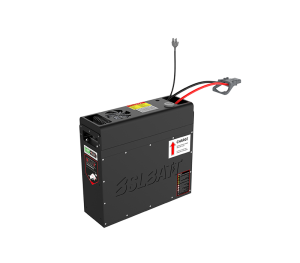
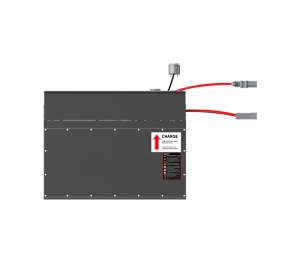
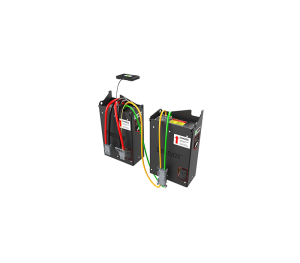
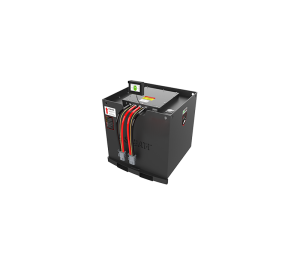
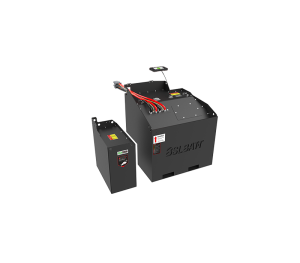
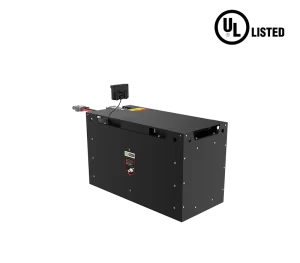
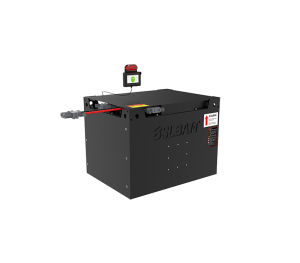
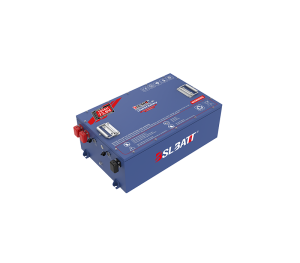
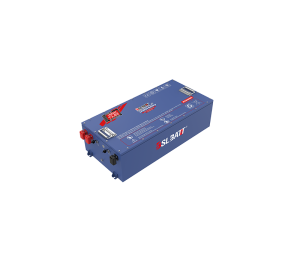
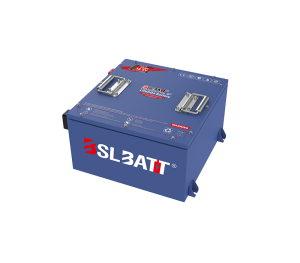
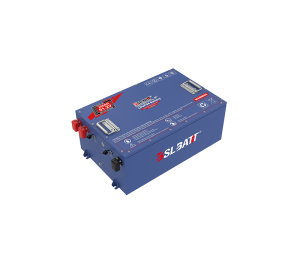
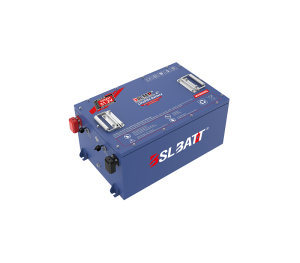
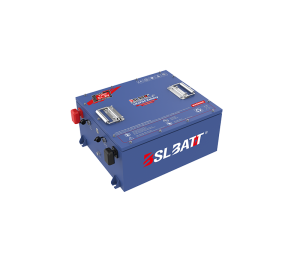
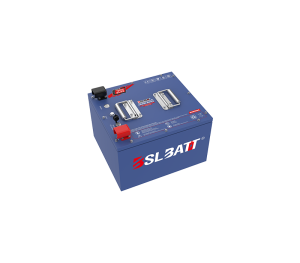
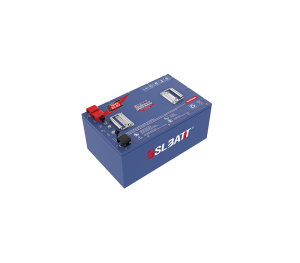
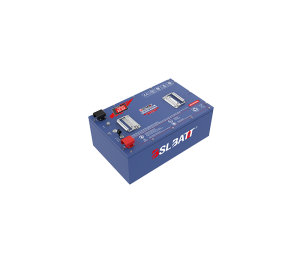
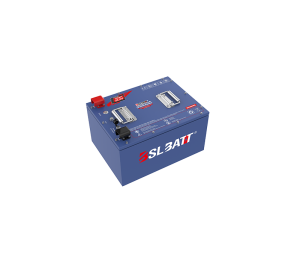
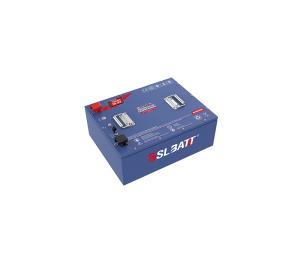
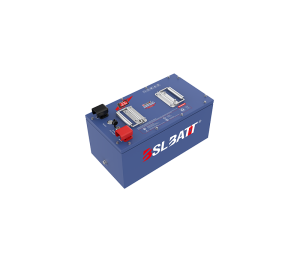
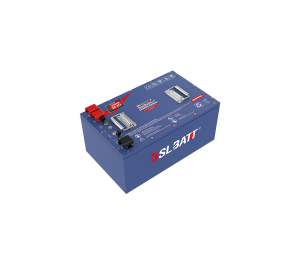
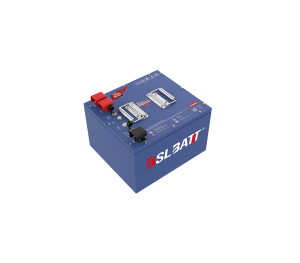
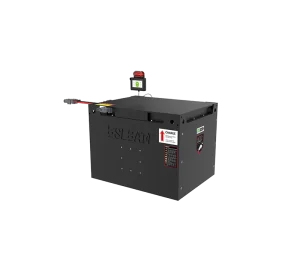
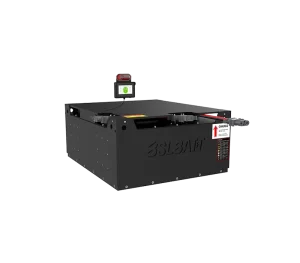








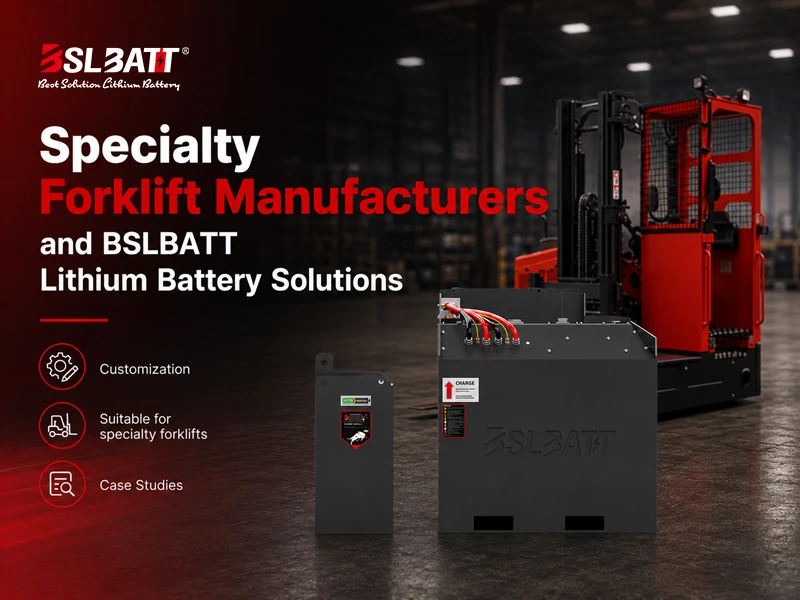
- Specialty Forklift Manufacturers and BSLBATT Lithium Battery Solutions
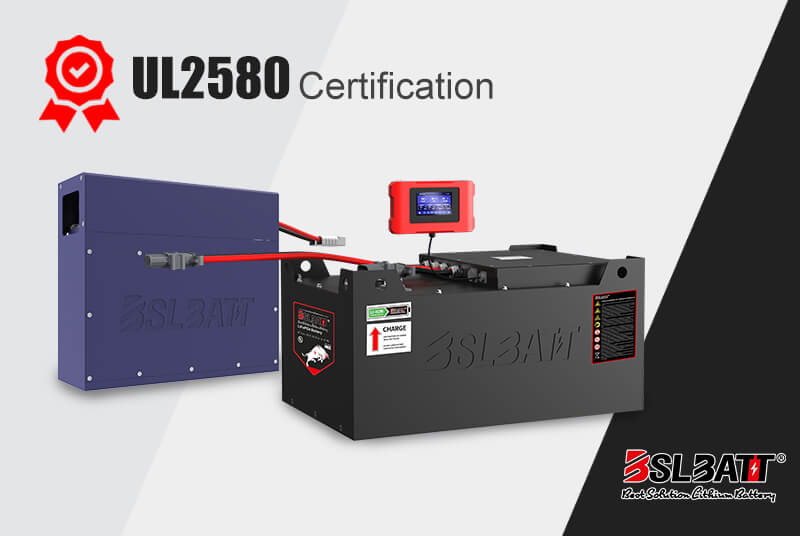
- The first lithium forklift battery that is UL 2580 certified and ISO9001 certified in the industry is BSLBATT® Battery – Industrial
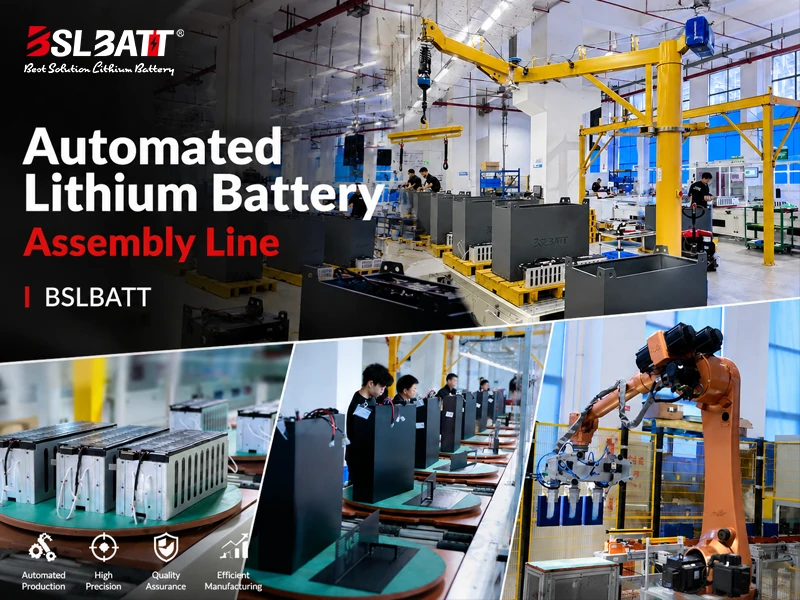
- Automated Lithium Battery Assembly Line | BSLBATT Smart Factory
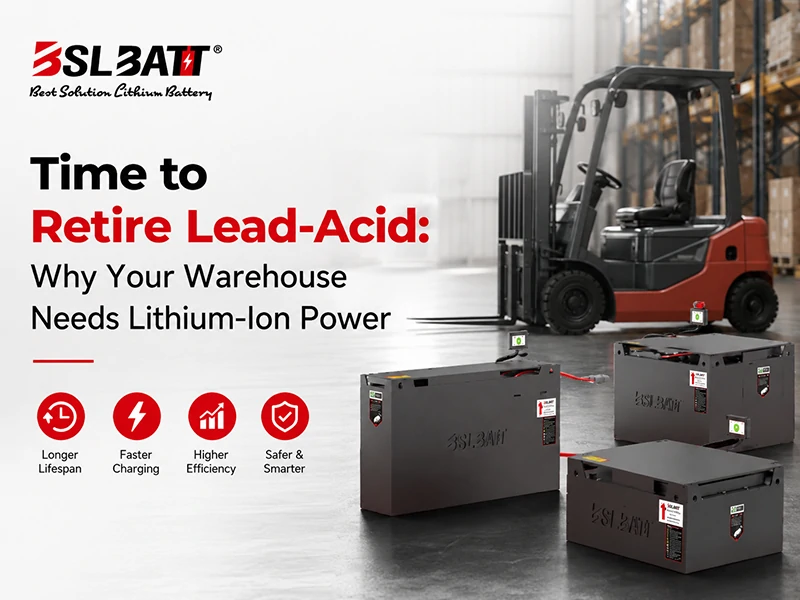
- Time to Retire Lead-Acid: Why Your Warehouse Needs Lithium-Ion Power
- Lithium Forklift Battery Maintenance Guide 2026
- Industrial Lithium Batteries: Initial Price vs. Long-Term Costs
Products
Is A Lead Acid forklift Battery Pack Right For Your Current And Future Needs?

As individuals, we are all too familiar with the environmental and health concerns surrounding diesel engines.
For businesses, however, it’s hard to walk away from them. After all, diesel-powered forklift trucks are powerful performers – capable of making light work of the task at hand. Over and over again.
This unwavering loyalty was well placed. Until 2019, that is. At the start of the year, Euro Stage V requirements came into effect, creating tough decisions for companies making and employing diesel lift trucks.
The need for both short-term and long-term productivity has never been greater for many companies that must either quickly expand their operations or conserve resources.
For businesses that utilize forklifts and other material handling equipment, lead-acid batteries have long been the standard battery choice. However, keeping productivity high and operations lean is arguably more important than ever right now, which begs the question: Is a lead-acid battery pack right for your current and future needs?
Lead-acid or lithium-ion: Which battery is better?
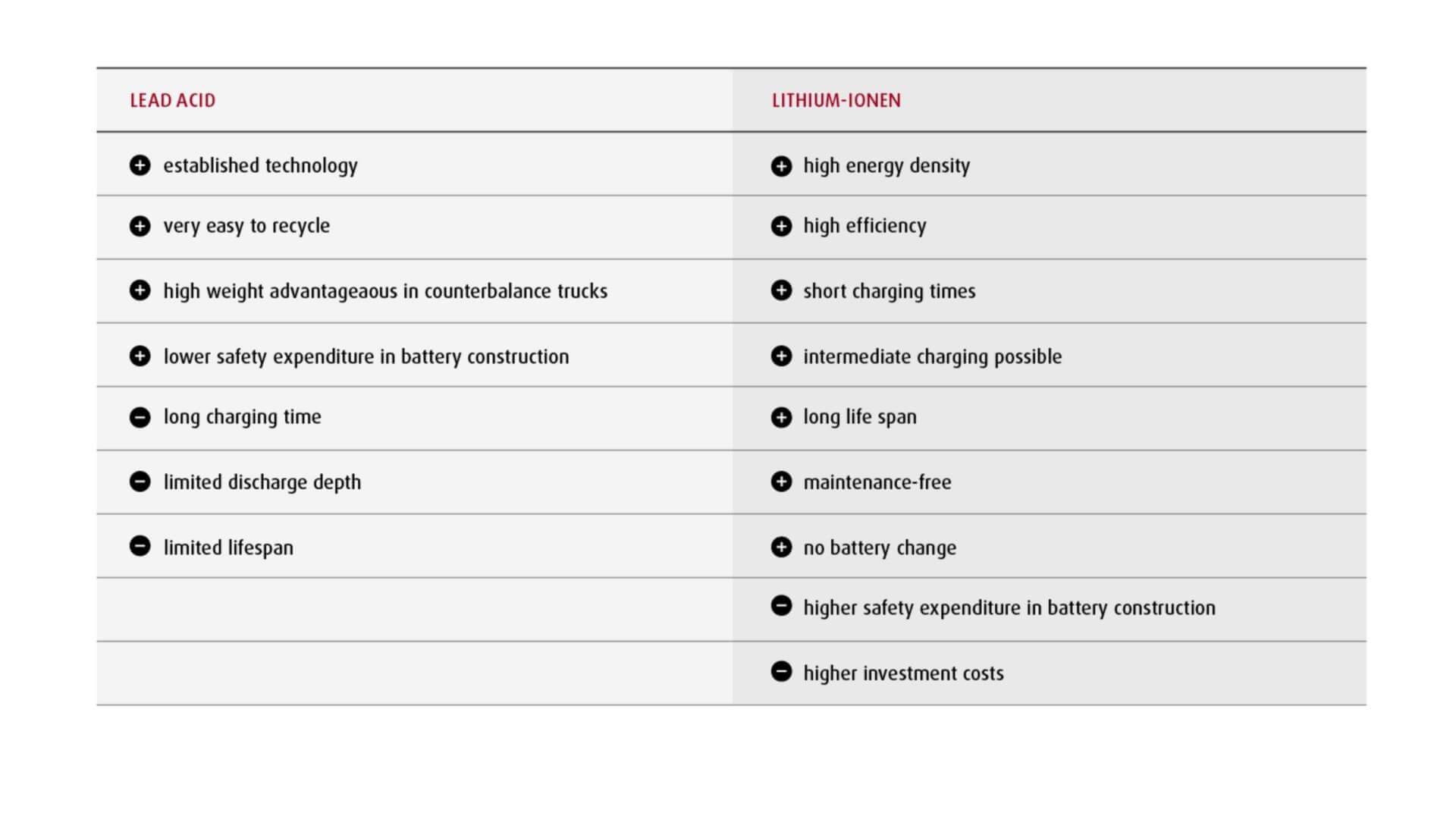
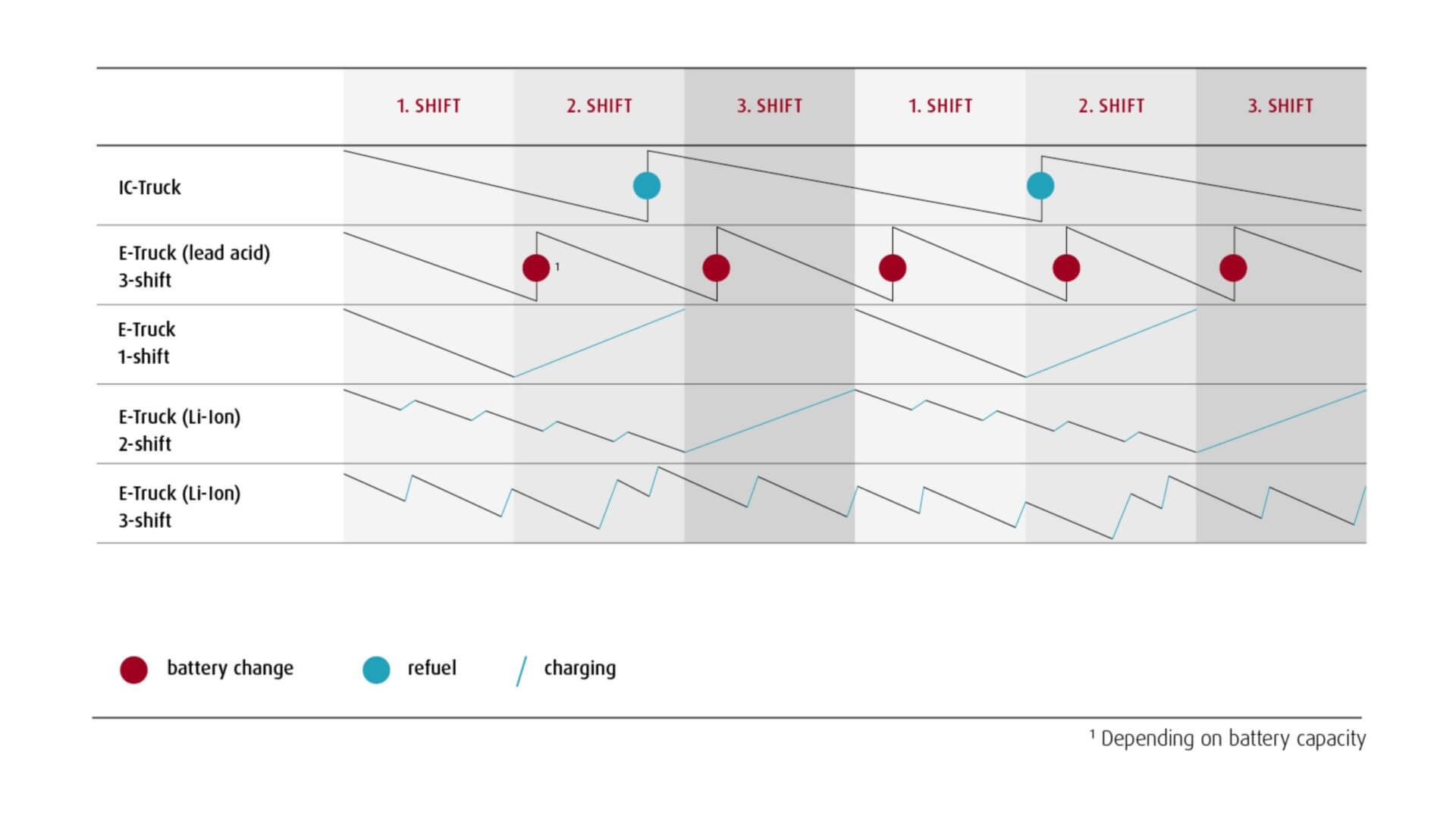
That depends on the task. Who uses his forklift in single-shift operation, has plenty of time to charge or change batteries, and is not afraid of regular maintenance, will still be able to work well with conventional lead-acid batteries for some time. Anyone who operates modern, highly synchronized, and partially automated intralogistics can no longer avoid lithium-ion technology.
Lithium-ion batteries: The superior system
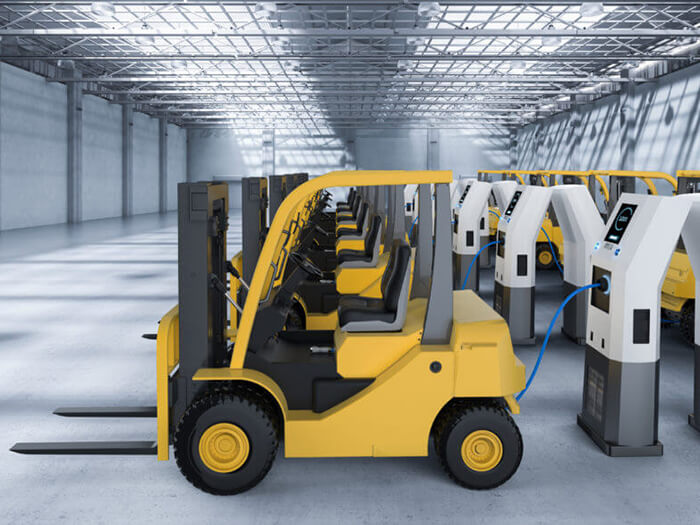
Lithium-ion batteries offer numerous system advantages. They have a higher energy density, a higher efficiency, and a longer life cycle. In addition, they require significantly less maintenance than lead-acid batteries. Above all, however, it is possible to charge lithium-ion batteries during short breaks during operation. This process-integrated charging is an essential step towards continuous two or even three-shift operation.
Lifespan
Lithium-ion batteries have twice the lifespan of lead-acid batteries when used according to manufacturer specifications. On average, lithium-ion batteries have a lifespan of between 2,000 and 3,000 cycles. Lead-acid batteries, on the other hand, have an average lifespan of between 1,000 and 1,500 cycles.
Batteries with a longer lifespan generally make them a more valuable investment, whereas batteries with shorter lifespans need to be replaced more often.
Sustained Voltage
Forklifts require a lot of energy during use. Not all batteries supply the same voltage as they discharge. Lithium-ion batteries maintain their power throughout the usage cycle, giving a forklift long-lasting and sustained power.
Lead-acid batteries, however, are notorious for suffering from voltage drop towards the end of a shift. This can produce sluggish and less responsive forklifts.
Opportunity Charging
For companies operating under multiple shifts, this is an important advantage for lithium-ion batteries. Lithium-ion batteries take just 1 to 2 hours to fully charge. They can also be opportunity charged for 15 or 30 minutes at a time without permanent damage to the cell’s capacity. This means forklift operators can charge lithium-ion batteries while on break or in between shifts, and the batteries are available to return back to service immediately.
In fact, opportunity charging can actually increase the lifetime amp-hour output of the battery. The battery pack does need periodic balancing and should be plugged in overnight or over the weekend once per week.
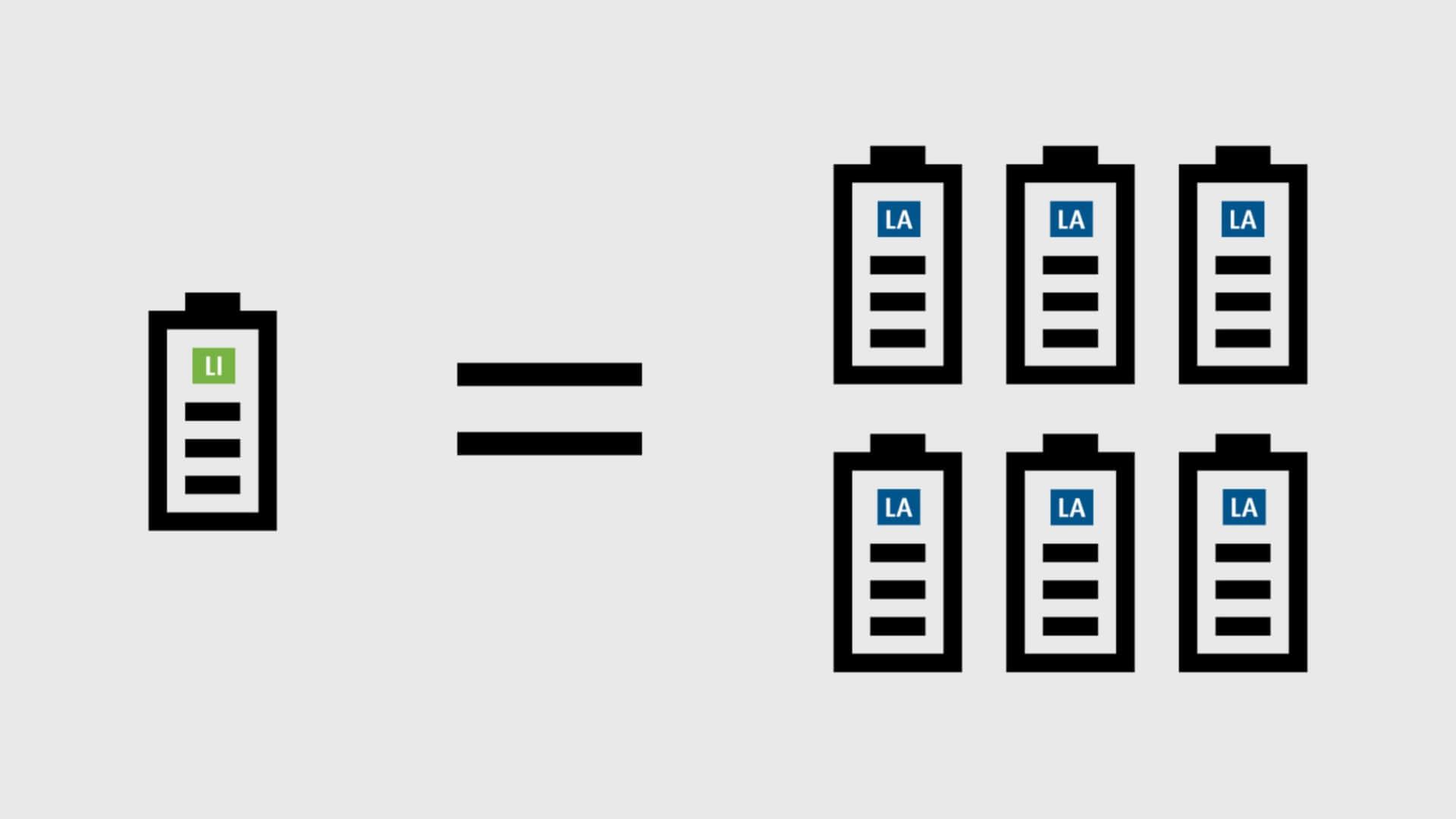
Lead-acid batteries, on the other hand, typically do not allow opportunity charging. Instead, lead-acid batteries require 8 hours to charge and an additional 8 hours to cool down after charging. In other words, after a lead-acid battery has been discharged, it is out of service for a total of 16 hours. If a company uses a forklift in a multi-shift capacity, multiple batteries will be required for each forklift.
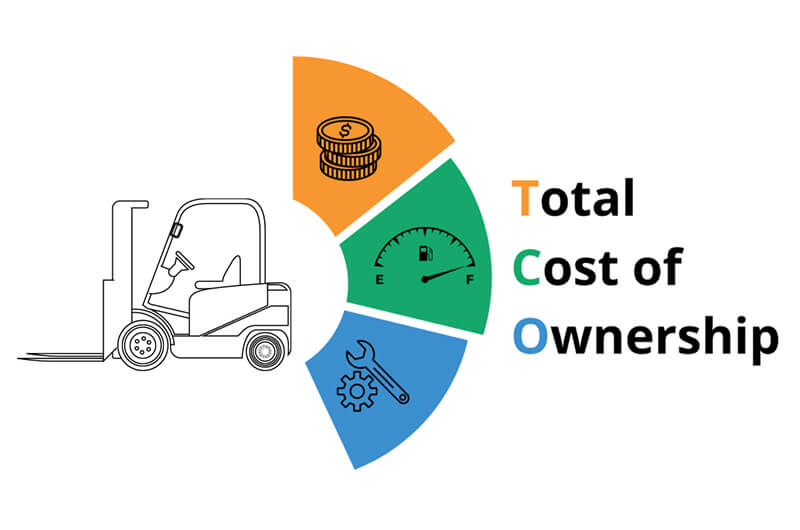
COMPARE THE COSTS
Before committing to a battery choice, always run a cost comparison over the life of the battery. While lead-acid batteries offer savings at the time of purchase, lithium-ion battery systems may be a more cost-efficient solution in the long term.
Remember to consider factors such as the reduced time and expense associated with charging and maintenance, as well the time and labor you’ll save by not doing battery changeovers.
Although named for its active elements, it’s important to bear in mind that not all lithium-ion batteries are created equally. Engineering a lithium-ion battery for the forklift sector requires two chemical components: Lithium Nickel Manganese Cobalt Oxide(NMC) and Lithium Iron Phosphate (LFP).
Tried and tested in industries, such as automotive, where weight and size are important factors, NMC offers high energy density in a compact size and weight. However, it does come with a risk of inflammation and explosion, as a result of puncture or overheating.
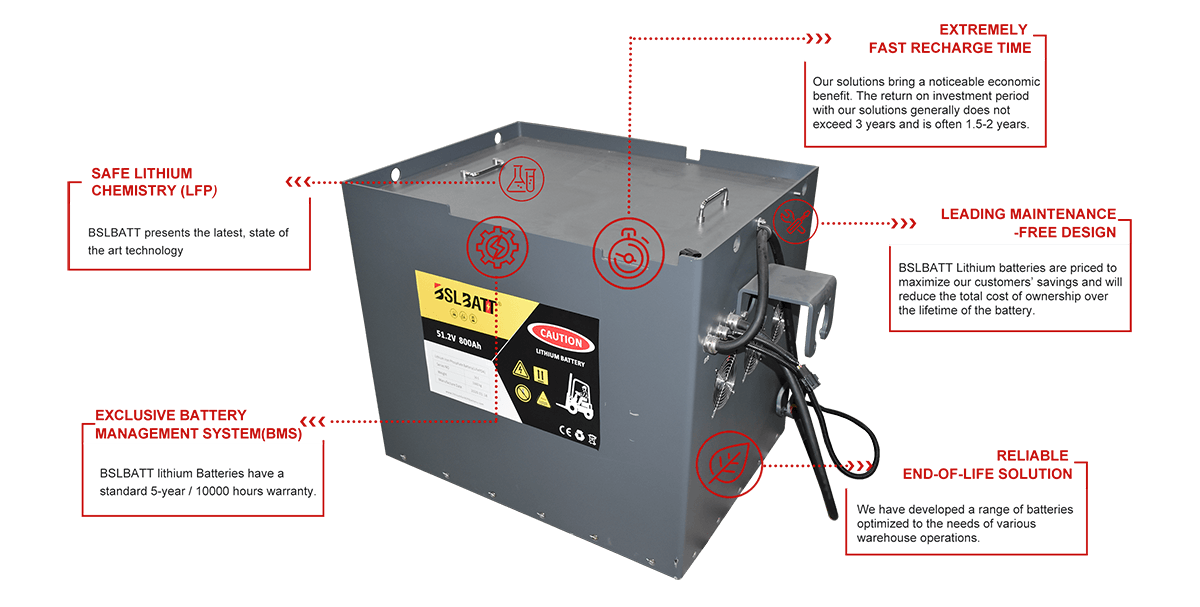
LFP technology offers an alternative that is being embraced by leading li-ion forklift manufacturers. LFP provides outstanding electrochemical performance while ensuring low resistance. Offering a high current rating and extensive cycle life, LFP technology also provides good thermal stability. For employers, this means enhanced safety for operators and their operating environment.
CHECK FOR QUALITY
At the heart of every battery is its cell. It’s important to choose a battery with the highest quality cells, to ensure safety, improve energy and power density, and extend service life.
Cells should be able to operate in a wide range of temperatures. Some manufacturer’s cells can even handle extreme weather conditions.
High-quality components prevent the risk of overheating as high current charges and discharges.
For best results, always look for a manufacturer who has been engineering customized battery solutions. This ensures that your forklift’s lithium battery components will be a perfect match for your requirements.
CHECK FOR BATTERY MANAGEMENT SYSTEMS
In recent years, safety concerns regarding lithium-based batteries have garnered a great deal of attention in media and legal circles.
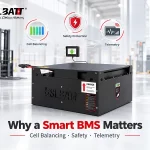
Battery management systems, also known as BMS, are key to protecting a battery from a range of issues, including short circuit, over/under voltage, and over current.
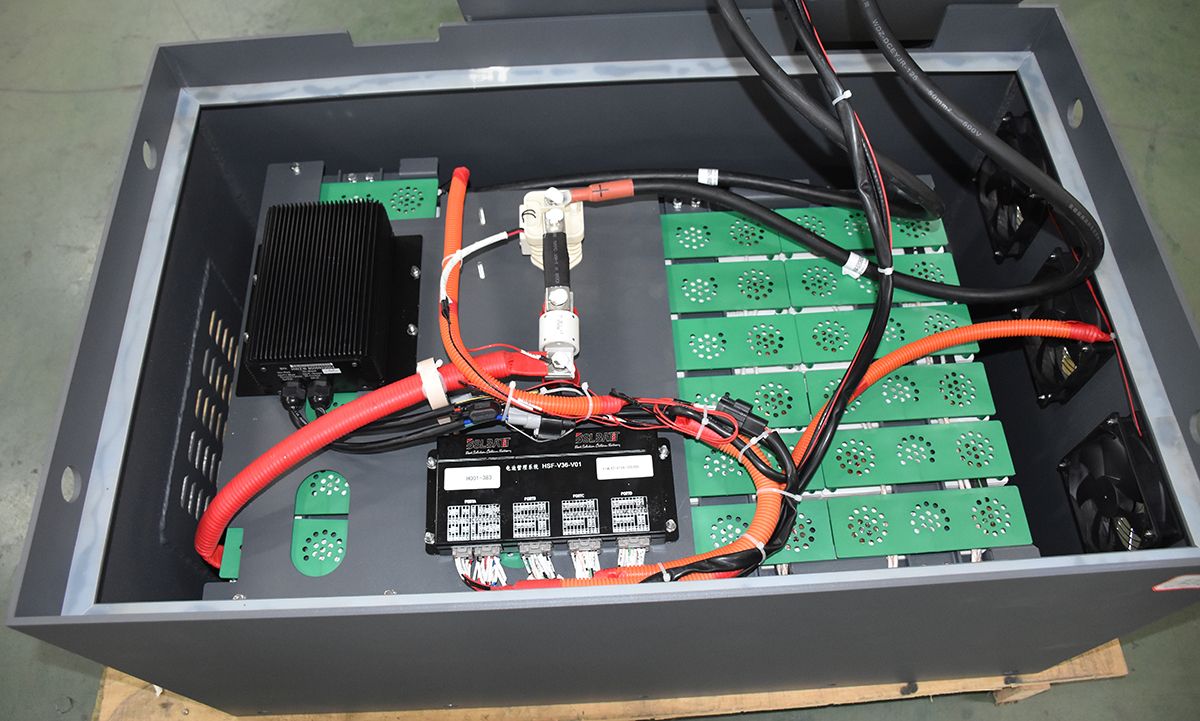
BMS is essential for ensuring your forklift is using the lithium-ion battery safely. Fully automated, it collects and calculates data and controls the system in response.
Its management of the charge and discharge processes for voltage, current, temperature, and state of charge ensures improved battery performance while extending battery life.
A good charger is not enough to overcome the significant risks associated with lithium-ion battery fires as a result of overheating. Instead, the BMS monitors the temperature and, should it fall outside of normal parameters, communicates with the battery, forklift, and charger.
The BMS also protects the battery from overheating during day-to-day use. But it does so much more: including optimizing charging and storing cycles in its memory.
STABLE CONTROLLER AREA NETWORK SYSTEM
The Controller Area Network, also known as the CAN bus, acts as a central networking hub that allows all parts of the battery to communicate. As well as communicating battery condition information, it automatically issues an alert to the BMS when damage occurs.
Together, BMS and CAN offer remote diagnostic capabilities – enabling for battery performance to be monitored. Advanced data monitoring and analysis functions ensure issues can be identified and responded to quickly.
How can lithium-ion batteries contribute to a cost-efficient warehouse operation?
● You will save money you would have spent on energy for charging batteries
● Less time and labour involved by workers swapping out lead-acid batteries
● Less time and labour spent maintaining and watering lead-acid batteries
● Reduced waste of energy (a lead-acid battery normally uses up to 50% of its energy through heat, while a lithium battery uses only up to 15%)
● Lithium-ion batteries massively helped the explosion of sales in the personal electronics industry, but haven’t had the same impact on industrial equipment as yet, so swapping to lithium-ion batteries now can be an investment in the future.
At complete Material Handling, we believe in products that simply work. No matter what the needs of your business, we can offer a wide range of forklift batteries, from occasional operation up to multi-shift applications, in high-frequency distribution centers.