

Revolutionize the energy economy with advanced lithium-ion battery technology—lower costs, reduce heat, and accelerate sustainable development.
 Explore all product lines
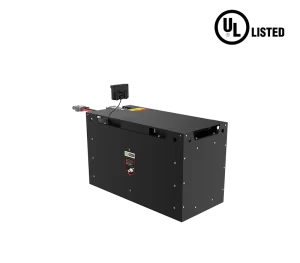
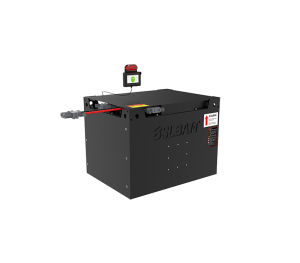











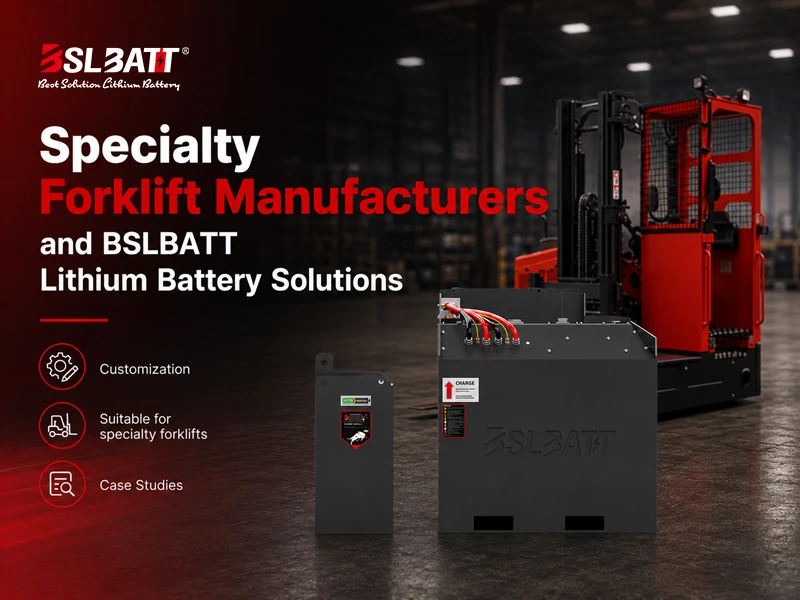
- Specialty Forklift Manufacturers and BSLBATT Lithium Battery Solutions
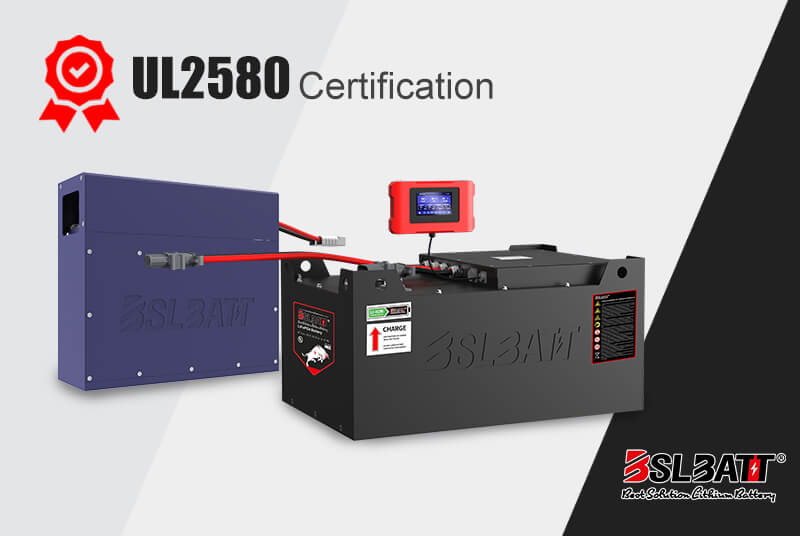
- The first lithium forklift battery that is UL 2580 certified and ISO9001 certified in the industry is BSLBATT® Battery – Industrial
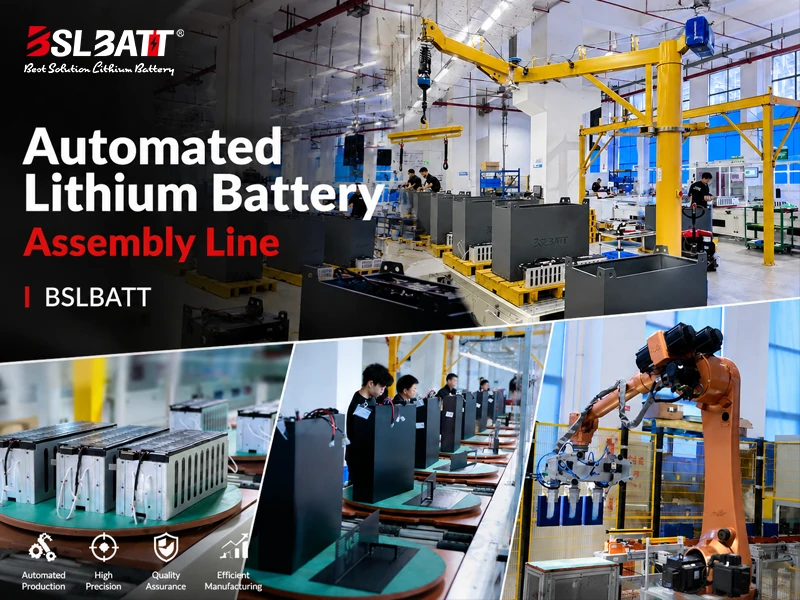
- Automated Lithium Battery Assembly Line | BSLBATT Smart Factory
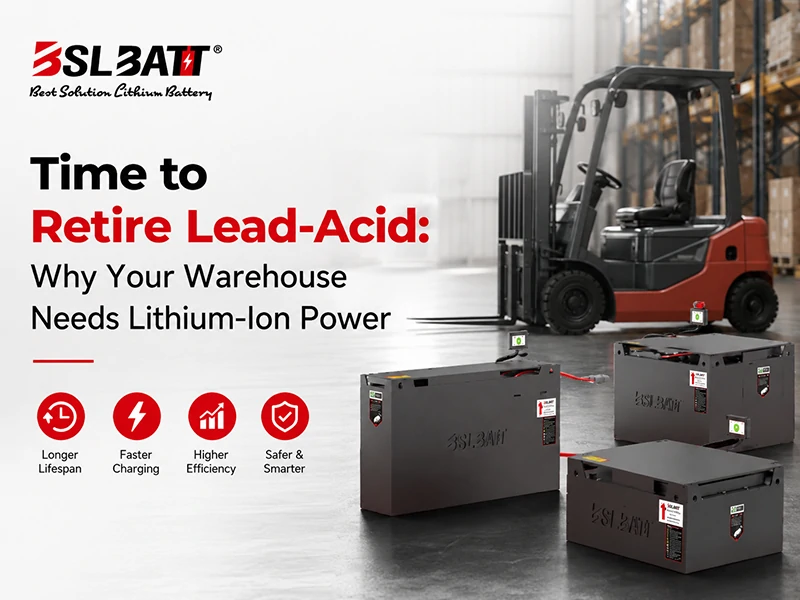
- Time to Retire Lead-Acid: Why Your Warehouse Needs Lithium-Ion Power
- Lithium Forklift Battery Maintenance Guide 2026
- Industrial Lithium Batteries: Initial Price vs. Long-Term Costs

Golf Carts
Golf Cart Lithium Battery vs. Lead-Acid: Which Is Better?
Table of contents
- Lithium vs. Lead-Acid Golf Cart Batteries at a Glance
- What Makes Lithium Different From Lead-Acid?
- Energy Density and Weight
- Usable Capacity
- Charging Efficiency
- How Battery Choice Affects Golf Cart Performance in Practice
- Maintenance and Service Life
- Is a Golf Cart Lithium Battery Worth the Higher Upfront Cost?
- Can You Replace Lead-Acid Batteries With Lithium?
- What Should Buyers Check Before Choosing a Golf Cart Lithium Battery?
- Where BSLBATT Fits Into the Golf Cart Lithium Battery Market
- Frequently Asked Questions
- Are lithium batteries better than lead-acid batteries for golf carts?
- How long does a golf cart lithium battery last?
- Can I replace my golf cart's lead-acid batteries with lithium?
- Do lithium golf cart batteries need a special charger?
- Is a golf cart lithium battery worth the extra cost?
- What voltage lithium battery does a golf cart need?
- How much maintenance does a lithium golf cart battery require?
- Can switching to lithium improve driving range?
- Conclusion
A golf cart driven twice a month around a neighborhood has almost nothing in common, battery-wise, with one running a resort shuttle route for ten hours a day. The first owner cares mostly about upfront cost. The second cares about downtime, charging windows, and how many years pass before the battery bank needs replacing. Any honest answer to “should I switch to a golf cart lithium battery” starts with which of those two situations describes you.
This article works through the practical differences between lithium and lead-acid golf cart batteries — usable capacity, charging behavior, maintenance, service life, and total cost of ownership — and what changes when a cart is converted from one chemistry to the other. It’s written for fleet managers, dealers, distributors, OEMs, and course operators making or recommending that decision, not casual owners weighing a single purchase.
Lithium vs. Lead-Acid Golf Cart Batteries at a Glance
| Factor | Lead-Acid (FLA/AGM) | Lithium (LiFePO4) |
|---|---|---|
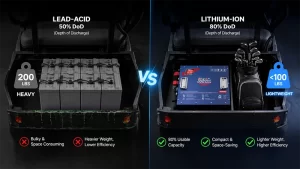
| Weight | Heavy — a full lead-acid bank for a standard cart often exceeds 200 lbs | Substantially lighter for equivalent usable energy, typically by more than half |
| Usable capacity | Roughly 50% of rated Ah is considered safely usable on a routine basis | Commonly usable to 80% depth of discharge or deeper without materially shortening life |
| Charging time | 8–10 hours for a full charge, due to the absorption stage | Typically 1–2 hours on a charger matched to the chemistry |
| Charging efficiency | Lower; more energy lost as heat during the final charge stages | Higher; less wasted energy, more suited to partial or opportunity charging |
| Maintenance | Watering, terminal cleaning, corrosion checks, periodic equalization | Sealed; no watering or terminal servicing under normal use |
| Cycle life | Roughly 500–1,000 cycles, heavily dependent on depth of discharge | Commonly rated well above 3,000 cycles at a stated depth of discharge |
| Voltage behavior under load | Voltage sags progressively as the battery discharges | Flatter voltage curve through most of the discharge |
| Space for equivalent energy | Bulkier | More compact |
| Upfront cost | Lower | Higher |
| Cost over the ownership period | Often higher once labor, watering, and replacement frequency are counted | Often lower, but depends heavily on usage intensity |
These are industry-typical ranges, not fixed numbers — actual performance depends on cell quality, BMS design, climate, and how deeply and often the battery is cycled. A lead-acid bank babied at shallow discharge can outlast a neglected one by years, and the reverse holds for lithium packs run hot or left fully depleted.
What Makes Lithium Different From Lead-Acid?
Energy Density and Weight
LiFePO4 cells store more energy per pound of battery mass than flooded or AGM lead-acid cells, which is the main reason a lithium pack delivering the same usable energy as a lead-acid bank weighs a fraction as much. Pulling that weight out of the chassis has knock-on effects: less mass for the motor to accelerate from a stop, less strain climbing, and more payload margin before the cart feels sluggish carrying passengers or gear. None of this raises top speed on its own — motor output, gearing, and controller tuning still set that ceiling — but a lighter battery bank reduces how much of the drivetrain’s effort goes toward moving its own power source rather than the cart and its load.
Usable Capacity
Rated amp-hour capacity tells you less than it looks like it does. A lead-acid battery’s Ah rating assumes a shallow discharge; run it much past 50% depth of discharge routinely and its working life shortens noticeably. Lithium cells, paired with a BMS designed for deeper cycling, typically tolerate 80% DOD or more without the same wear curve, so two batteries with similar nameplate Ah can deliver very different usable, day-to-day energy. Voltage stability compounds this: a lead-acid bank’s voltage drops steadily as it discharges, so a cart can feel noticeably weaker toward the back nine before the battery is technically empty, while lithium’s flatter discharge curve keeps output more consistent from full to near-empty.
Charging Efficiency
Saying lithium “charges faster” understates why that matters operationally. Lead-acid charging requires a multi-stage profile with a slow absorption phase near the top of the charge — a step that protects the plates and limits gassing, but stretches the full cycle to 8–10 hours even though most capacity is restored well before that. Lithium cells, managed by a BMS, accept charge current more consistently through the cycle and skip the prolonged top-off, so a compatible charger typically brings a pack from empty to full in roughly 1–2 hours. That difference supports opportunity charging — a top-up between rounds, rather than requiring an overnight window. For a fleet with limited overnight charging bays, it can directly determine how many carts are ready at 7 a.m.
How Battery Choice Affects Golf Cart Performance in Practice
The gap between the two chemistries shows up most clearly in how a cart is actually used, not in a spec sheet comparison.
An occasional recreational cart — driven a few times a month on flat ground — puts light demands on either chemistry, and upfront price tends to dominate that decision. A lead-acid bank charged overnight between uses can perform adequately for years in this setting.
A golf course fleet is a different animal: multiple rounds a day, real elevation change, and narrow windows to recharge between tee times. A lead-acid bank that sags under load loses noticeable power on hills, and a fleet that can’t fully recharge overnight accumulates a maintenance backlog that eats into staff time. Resort and hotel shuttles share some of this pattern, though the emphasis leans more toward reliability and low labor over long operating hours than raw hill performance.
Rental fleets and utility carts sit at the far end — high cycle counts, frequent partial charges rather than full overnight ones, and little tolerance for downtime. This is where lithium’s deeper usable capacity and faster opportunity charging tend to matter most, since these carts go back into service the moment they have partial charge rather than waiting for a complete cycle.
The pattern across all of these: the right battery depends on duty cycle, not on whether the vehicle is labeled a “golf cart” or a “utility cart.” A lightly used personal cart and a twelve-hour resort shuttle share a name and not much else in terms of what the battery actually needs to do.
Maintenance and Service Life
Lead-acid maintenance is well understood and not particularly complicated — but it adds up across a fleet. Watering flooded cells, cleaning terminal corrosion, ventilating hydrogen gas during charge, and periodically checking specific gravity to catch a weak cell before it drags down the bank are routine tasks that consume staff time on a schedule.
Lithium packs are sealed and built around an integrated BMS that continuously tracks voltage, current, and temperature across the cells, guarding against overcharge, over-discharge, overheating, and short circuits. There’s no watering and no terminal corrosion to manage, which is why most manufacturers describe these batteries as maintenance-free.
Expected lifespan is where buyers should be skeptical of round numbers offered without context. A cycle-life rating only means much alongside the depth of discharge it was tested at — a battery rated for several thousand cycles at 80% DOD won’t necessarily reach that figure if it’s routinely run to full depletion in high heat, while a pack kept at a shallower discharge and moderate temperature will often outperform its rated figure. Batteries left fully charged for long periods, or repeatedly discharged past the recommended floor, age faster than the spec sheet implies. Reading cycle life and depth of discharge together, rather than treating the cycle number alone as a promise, separates an informed comparison from a misleading one.
Is a Golf Cart Lithium Battery Worth the Higher Upfront Cost?
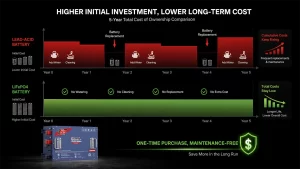
Lithium costs more to buy than a comparable lead-acid bank. Whether that premium is worth paying comes down to total cost of ownership, not the invoice price in isolation.
A full TCO comparison accounts for the purchase price, electricity consumed over the battery’s life (charging efficiency affects this), labor and materials for routine maintenance, the cost of a cart sitting idle during service or replacement, replacement frequency over the vehicle’s life, and how much of the rated capacity is actually usable per cycle.
A simplified way to think about it, with assumptions stated openly: a lead-acid bank in daily commercial use might need replacing every one to two years, requires ongoing watering labor, and delivers only about half its rated capacity as safely usable energy. A lithium pack costs more upfront, but if it’s rated for several thousand cycles at a moderate depth of discharge, it can stay in service well beyond that period without the watering labor. Over a five-year window under heavy daily use, an operator might replace the lead-acid bank two or three times and absorb the labor cost each time, while a well-specified lithium pack may still be within its rated life with essentially no routine servicing.
The economic case gets stronger the more a cart is used, the more deeply it’s discharged, and the more often it’s recharged — fleet and commercial use, in other words, rather than occasional personal use. For a cart driven a handful of times a month, the payback period on the lithium premium can stretch out for years, and a buyer in that position may reasonably decide lead-acid still makes sense. Lithium isn’t a universal upgrade; it fits some duty cycles better than others.
Can You Replace Lead-Acid Batteries With Lithium?
Yes, in most cases — but voltage is the starting point, not the finish line. A cart built around a 36V, 48V, or 72V lead-acid system generally accepts a lithium pack at the same nominal voltage, and that’s usually the first thing a buyer checks. It shouldn’t be the last.
Capacity should be sized to the cart’s actual duty cycle and range needs rather than matched one-for-one against the old lead-acid Ah rating, since usable energy differs meaningfully between the two chemistries. Physical fit matters just as much: two packs at the same nominal voltage can still differ in dimensions, weight, and terminal layout, so tray dimensions and mounting method need confirming before ordering, not after the battery arrives.
Charger compatibility is where DIY conversions often go wrong. A lead-acid charger’s multi-stage profile isn’t appropriate for lithium cells — at best it undercharges the pack, and depending on its design, it may not communicate with the battery’s BMS at all. The cart’s existing controller and wiring also need to tolerate the current the lithium pack and its BMS expect, which matters more on OEM platforms with tightly integrated electronics than on older, simpler carts.
A battery that fits electrically can still fail as a replacement if the charger or controller isn’t compatible with it — which is why a conversion is best treated as a system-level decision covering voltage, usable capacity, dimensions, terminal layout, weight, charger, controller, wiring, and peak and continuous current together, rather than a single-spec swap. This matters most for OEMs and distributors specifying batteries across several cart models, where a mismatch on any one point can become a support problem later.
What Should Buyers Check Before Choosing a Golf Cart Lithium Battery?
Electrical compatibility — nominal voltage matched to the cart’s existing system, capacity sized to actual duty cycle rather than the old Ah rating, sufficient continuous and peak current for the motor and controller, and a charger designed for lithium chemistry.
Physical fit — dimensions and weight checked against the existing tray, with terminal layout and mounting method confirmed before ordering.
Battery quality — cell quality and BMS design, cycle-life stated alongside its tested depth of discharge, an appropriate charge and discharge temperature range, and an IP rating suited to rain, wash-downs, or coastal humidity where relevant.
Supplier considerations — warranty length and coverage, recognized safety certifications, technical support for fitment questions, and customization options for non-standard requirements.
Matching Ah ratings one-for-one between lead-acid and lithium is a common mistake, since usable energy differs even at the same nameplate capacity — sizing to actual range and load is more reliable than sizing to the old label.
Where BSLBATT Fits Into the Golf Cart Lithium Battery Market
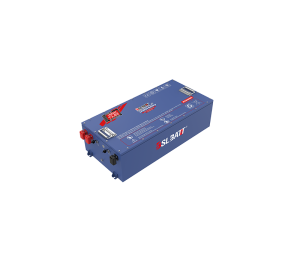
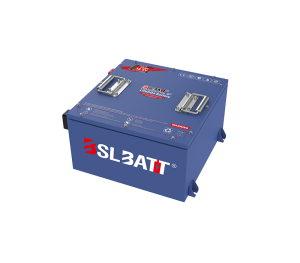
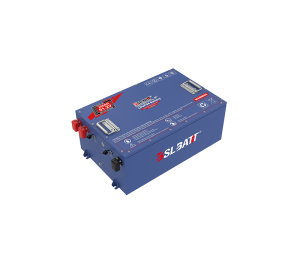
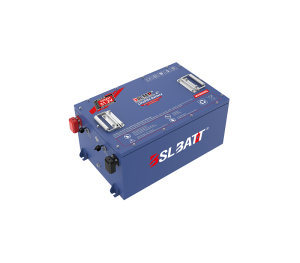
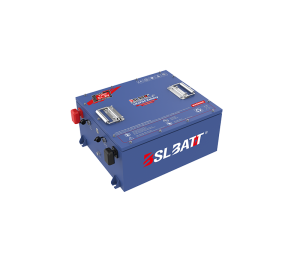
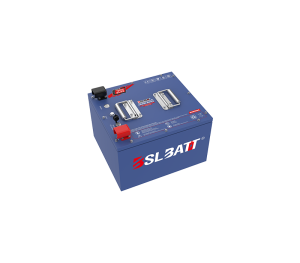
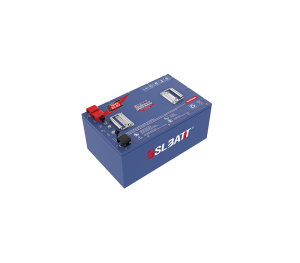
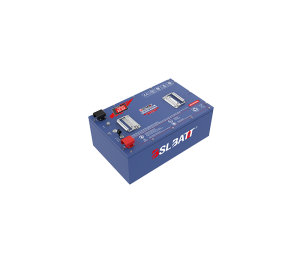
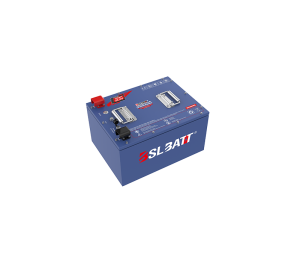
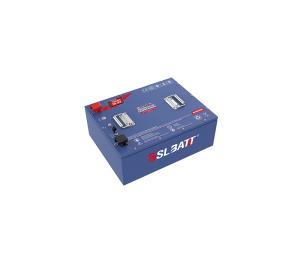
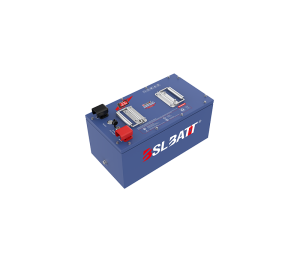
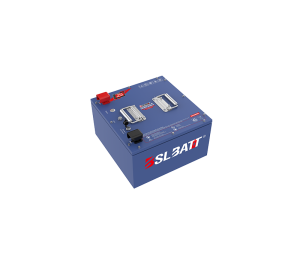
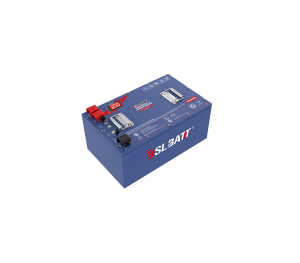
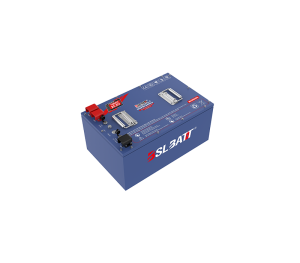
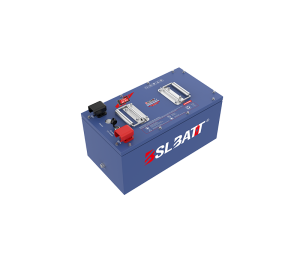
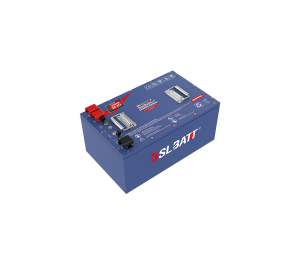
BSLBATT manufactures LiFePO4 golf cart battery packs across 36V, 48V, and 72V platforms, built around an integrated BMS that monitors voltage, current, and temperature to guard against overcharge, over-discharge, and overheating. The golf cart lineup is rated for cycling at 80% depth of discharge, carries an IP65–67 ingress protection rating, and is backed by a stated 10-year warranty on core products, with certification to standards including UL, CE, IEC, UN38.3, ISO 9001, and ISO 14001.
The packs are marketed as drop-in replacements for standard lead-acid trays and support Bluetooth monitoring of state of charge and cell health, with CAN bus communication available for OEM and fleet integration, plus customization of voltage, capacity, and tray dimensions for distributors working across multiple cart platforms.
Buyers evaluating BSLBATT or any other golf cart lithium battery manufacturer should confirm current cycle-life, warranty, and certification details against the specific product and application, since specifications vary by model and are periodically updated.
Looking for a lithium battery solution for a specific golf cart or fleet application? BSLBATT’s 36V,48V, and 72V golf cart battery lines cover the most common voltage platforms, and BSLBATT’s team can help confirm voltage, capacity, dimensions, and charging requirements for a given cart model.

Frequently Asked Questions
Are lithium batteries better than lead-acid batteries for golf carts?
For most high-use applications — fleets, resorts, multi-shift operations — lithium offers real advantages in usable capacity, charging time, weight, and maintenance. For occasional recreational use, lead-acid can still make economic sense, since the lithium premium takes longer to pay back at low cycle counts.
How long does a golf cart lithium battery last?
Golf cart lithium batteries are commonly rated in the low thousands of cycles at a stated depth of discharge, translating to roughly a decade or more depending on use. That rated cycle count only means much alongside the depth of discharge it was tested at — a battery run harder than that assumption won’t necessarily reach it.
Can I replace my golf cart’s lead-acid batteries with lithium?
In most cases, yes, but matching voltage alone isn’t sufficient. Capacity, dimensions, terminal layout, charger type, and the cart’s controller and wiring all need checking before the swap can be confirmed as a clean fit.
Do lithium golf cart batteries need a special charger?
Yes. Lithium cells use a different charge profile than lead-acid, and a charger designed for the chemistry — ideally one that communicates with the pack’s BMS — is generally required.
Is a golf cart lithium battery worth the extra cost?
For carts used frequently, discharged deeply, or run as part of a fleet, longer service life and reduced maintenance labor tend to offset the higher purchase price over a multi-year period. For light, occasional use, the payback stretches out.
What voltage lithium battery does a golf cart need?
Most golf carts run 36V, 48V, or 72V systems. The correct voltage should match the cart’s existing motor and controller architecture rather than being chosen independently.
How much maintenance does a lithium golf cart battery require?
Sealed lithium packs generally need no watering, terminal cleaning, or equalization charging — following the recommended charging routine and avoiding long-term storage at full depletion is typically sufficient.
Can switching to lithium improve driving range?
Range gains come from deeper usable capacity and a flatter voltage curve, not from raising top speed. A lithium pack delivering more of its rated capacity as usable energy can extend range compared with a similarly rated lead-acid pack — though actual range still depends on terrain, load, and driving style.
Conclusion
Choosing between a golf cart lithium battery and a lead-acid bank isn’t really a chemistry question — it’s a duty-cycle question. Lithium tends to win on usable capacity, charging speed, weight, and maintenance labor, and the case for it gets stronger the harder and more frequently a cart is used. Lead-acid remains a reasonable choice for light, occasional use where upfront cost is the deciding factor. For anyone converting an existing cart, the decision comes down to a system-level compatibility check — voltage, capacity, dimensions, charger, controller, and BMS together — rather than a simple voltage match, and that check is worth doing carefully regardless of which manufacturer’s battery ends up in the tray.





Related Product Recommendations
-
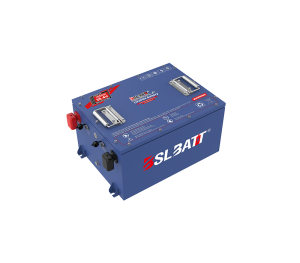
38.4V 105AH
36V Lithium Golf Cart Battery 105Ah >4500 Cycles pack | BSLBATT
Learn More -
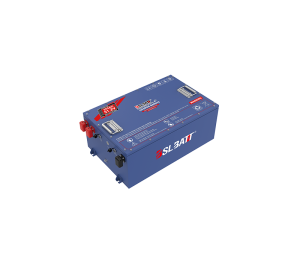
51.2V 205AH
48 Volt Lithium Golf Cart Batteries 205Ah | BSLBATT
Learn More -
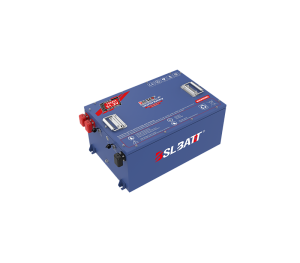
51.2V 168AH
48V Golf Cart Batteries 168Ah 10 Years Warranty | BSLBATT
Learn More -
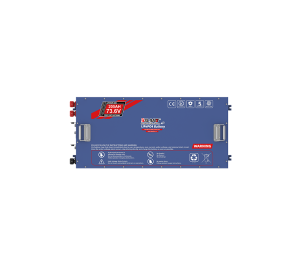
73.6V 205AH
72 Volt Golf Cart Battery 205Ah Lithium Pack | BSLBATT
Learn More -
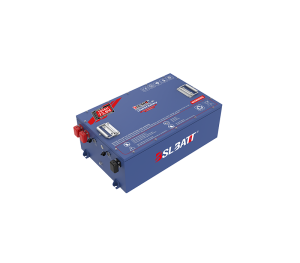
73.6V 105AH
72 Volt Lithium Golf Cart Battery 105Ah 4500 Cycles | BSLBATT
Learn More