Revolutionize the energy economy with advanced lithium-ion battery technology—lower costs, reduce heat, and accelerate sustainable development.
 Explore all product lines
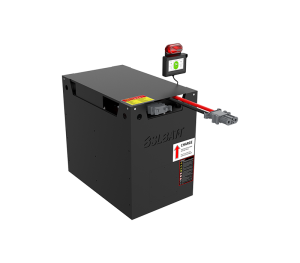
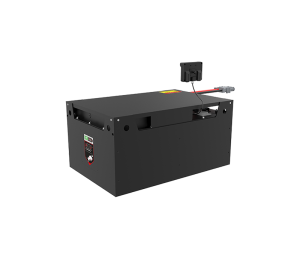
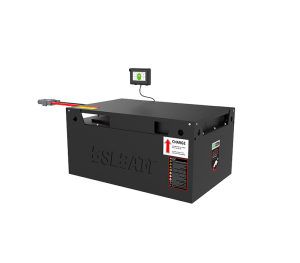
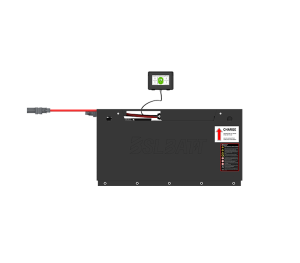
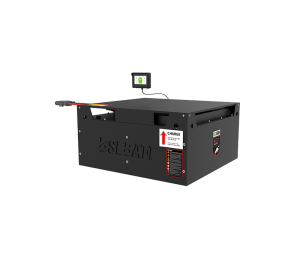
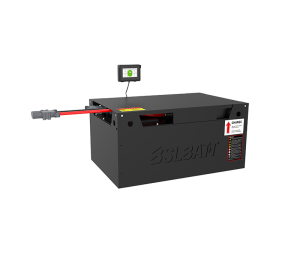
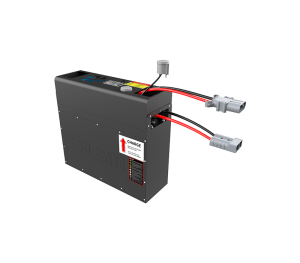
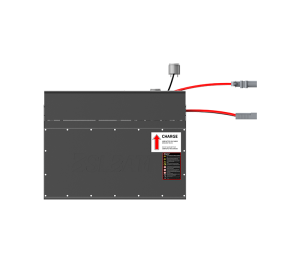
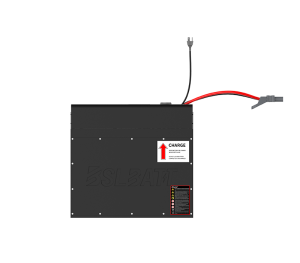
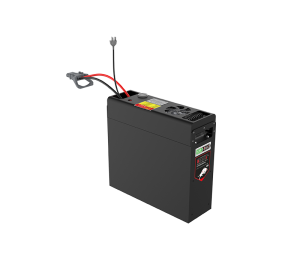
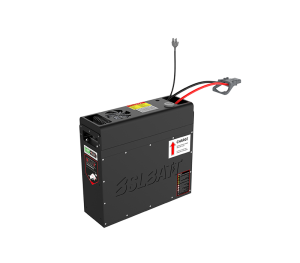
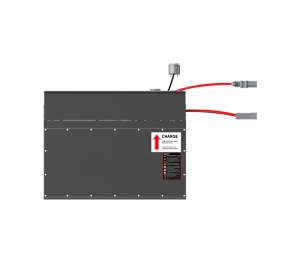
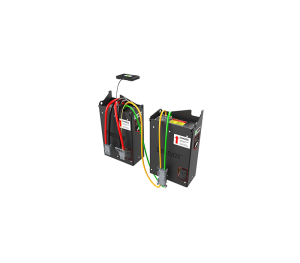
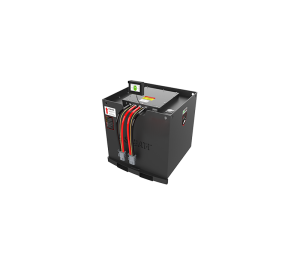
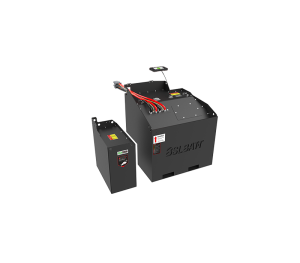
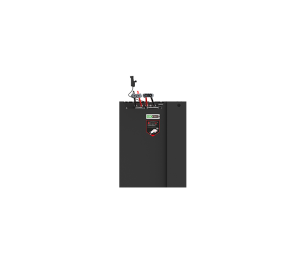
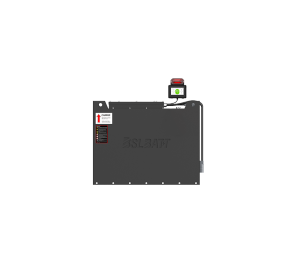
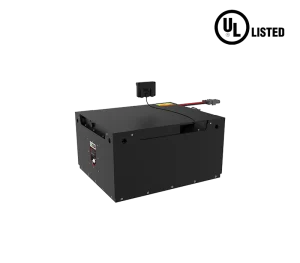
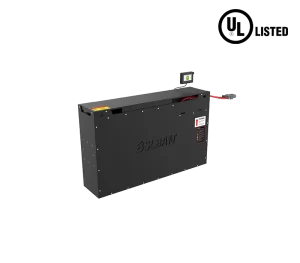
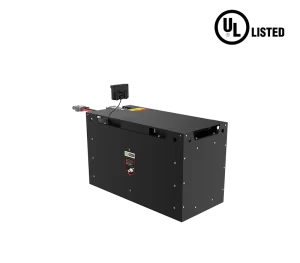
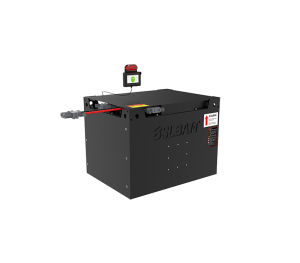
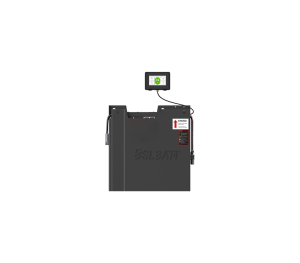
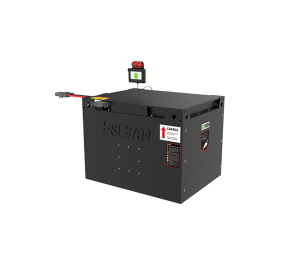
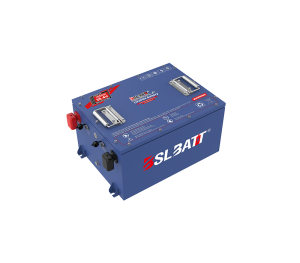
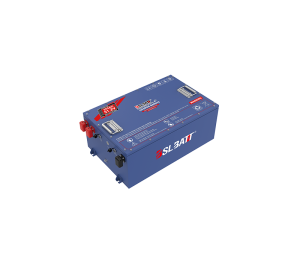
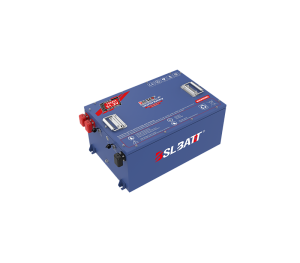
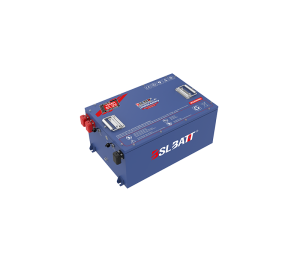
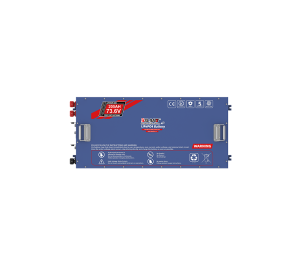
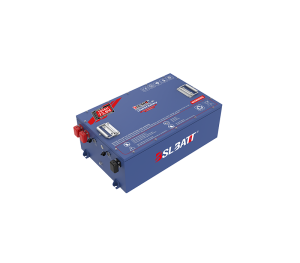
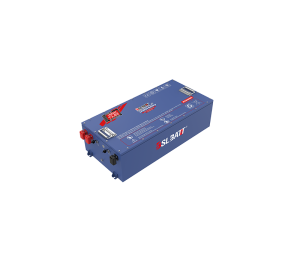
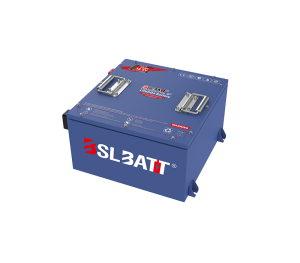
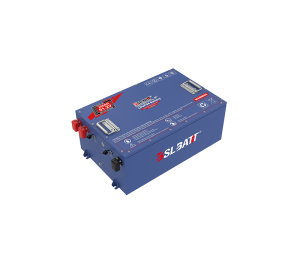
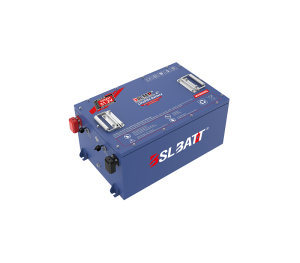
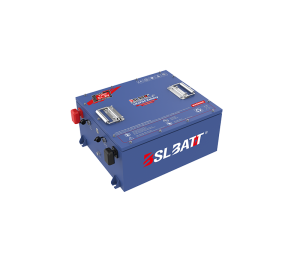
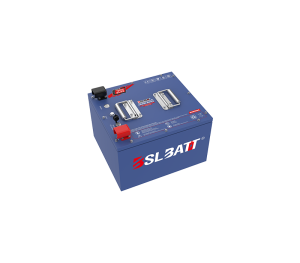
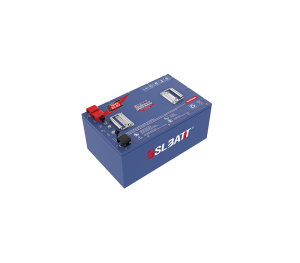
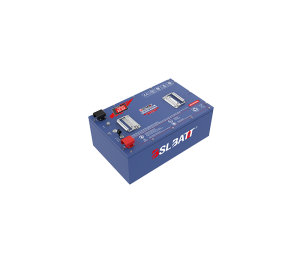
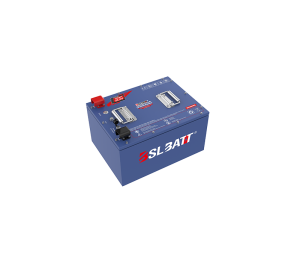
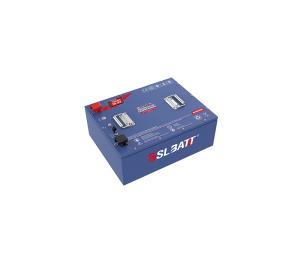
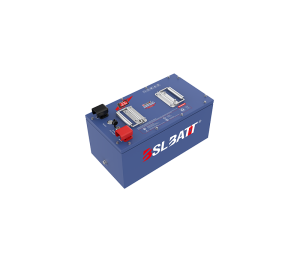
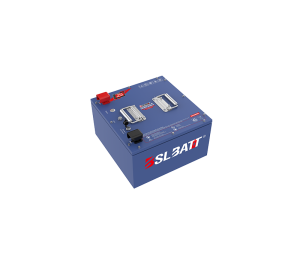
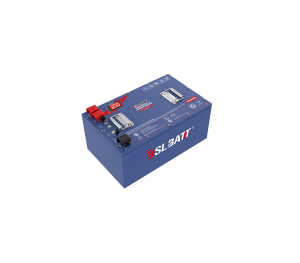
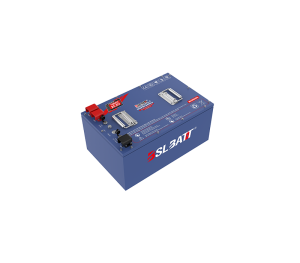
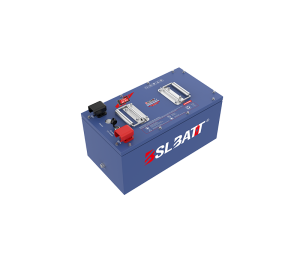
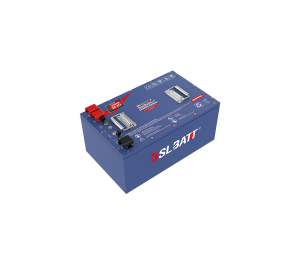
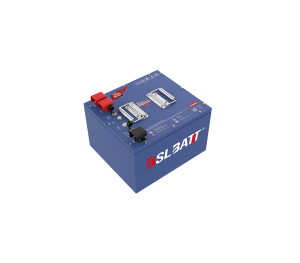
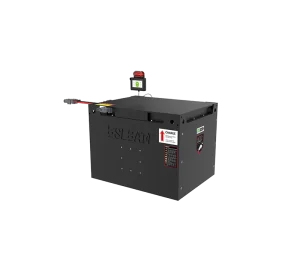
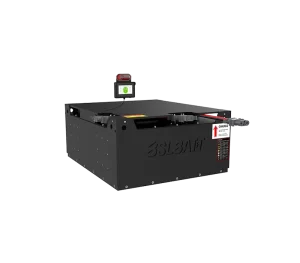


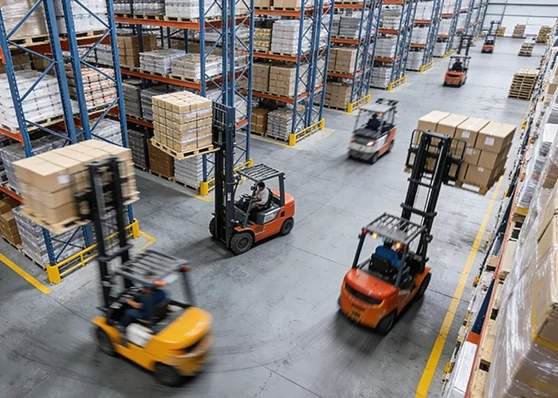
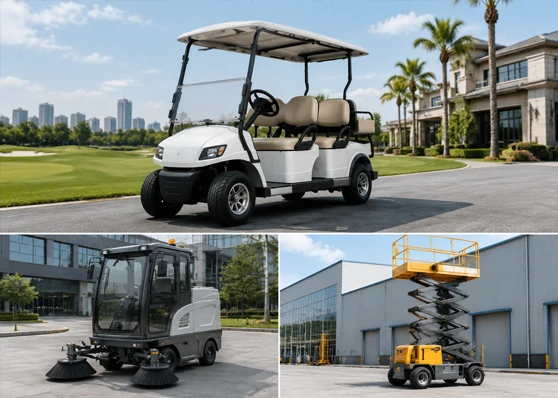
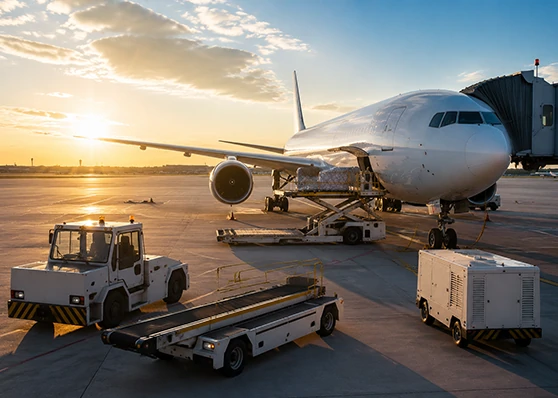
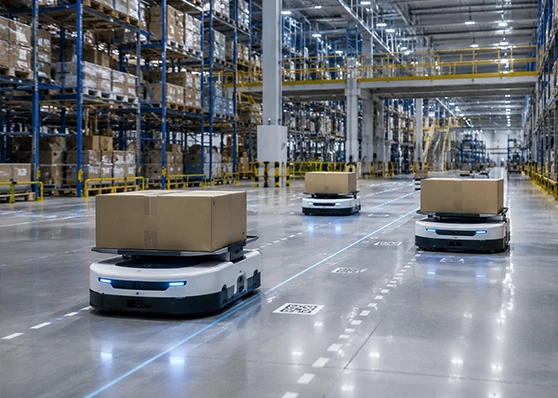




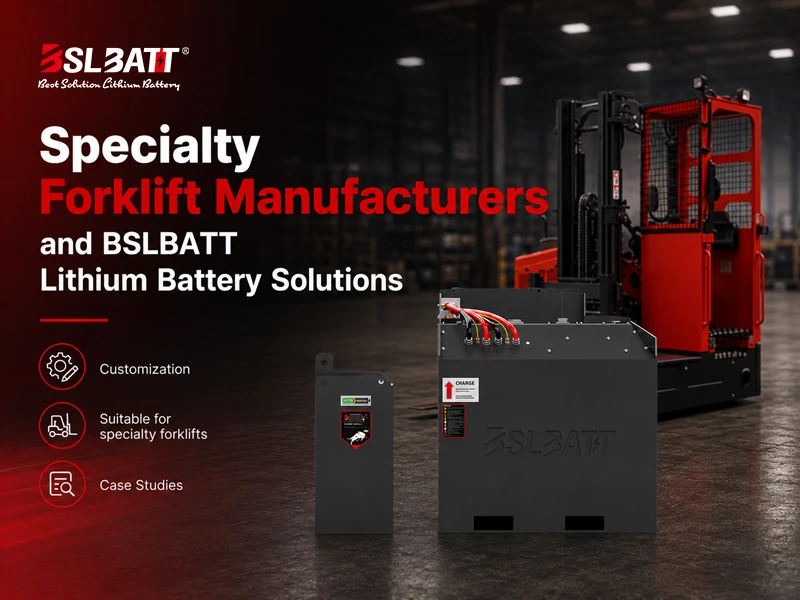
- Specialty Forklift Manufacturers and BSLBATT Lithium Battery Solutions
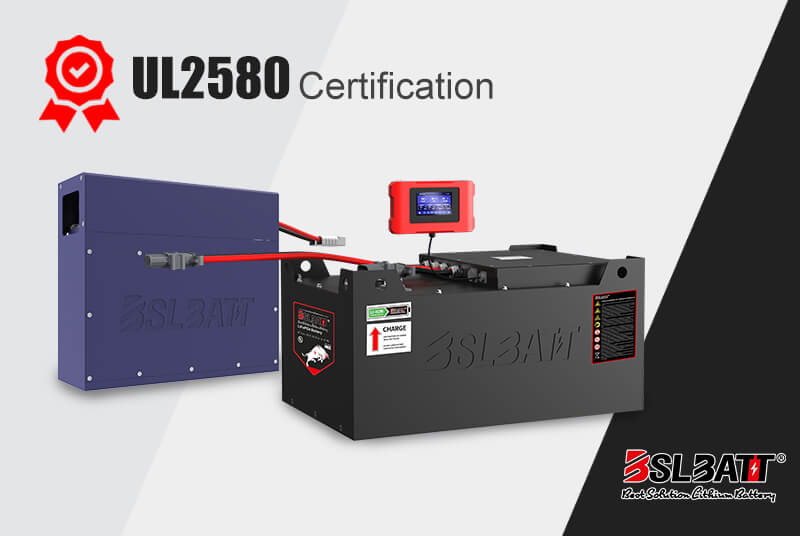
- The first lithium forklift battery that is UL 2580 certified and ISO9001 certified in the industry is BSLBATT® Battery – Industrial
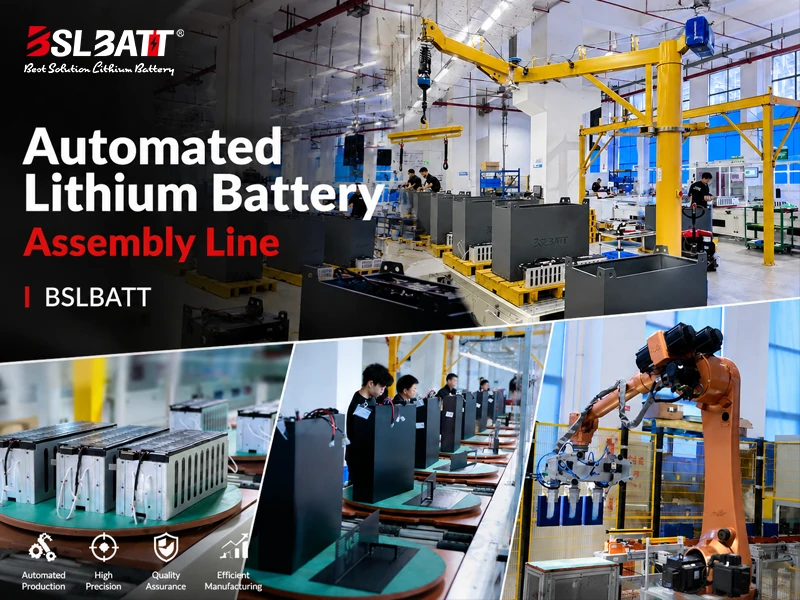
- Automated Lithium Battery Assembly Line | BSLBATT Smart Factory
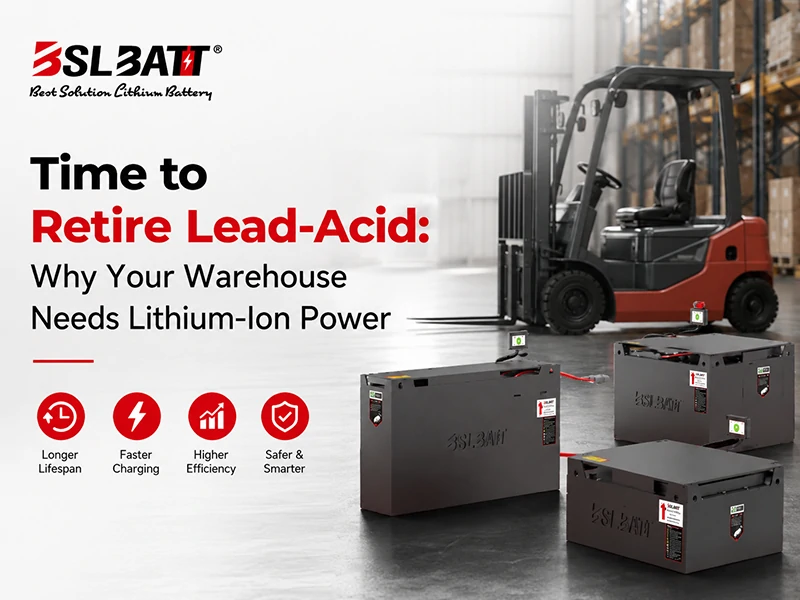
- Time to Retire Lead-Acid: Why Your Warehouse Needs Lithium-Ion Power
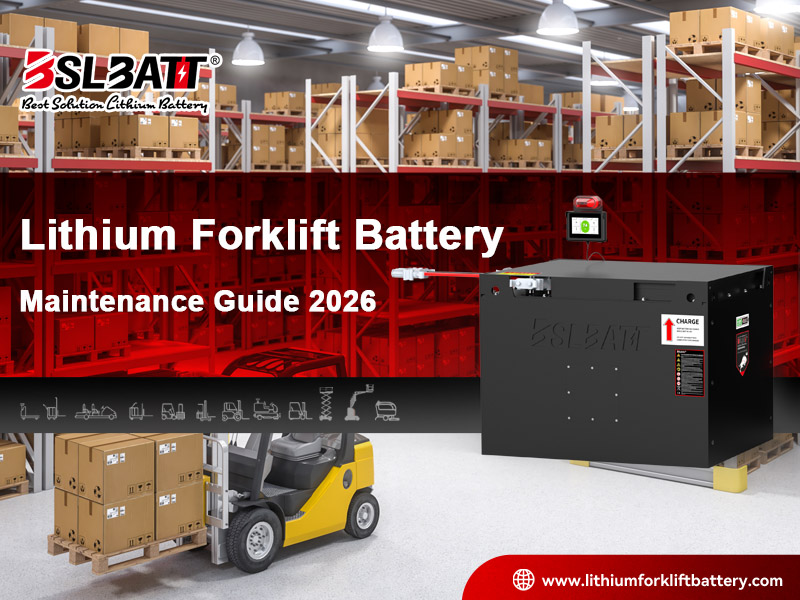
- Lithium Forklift Battery Maintenance Guide 2026
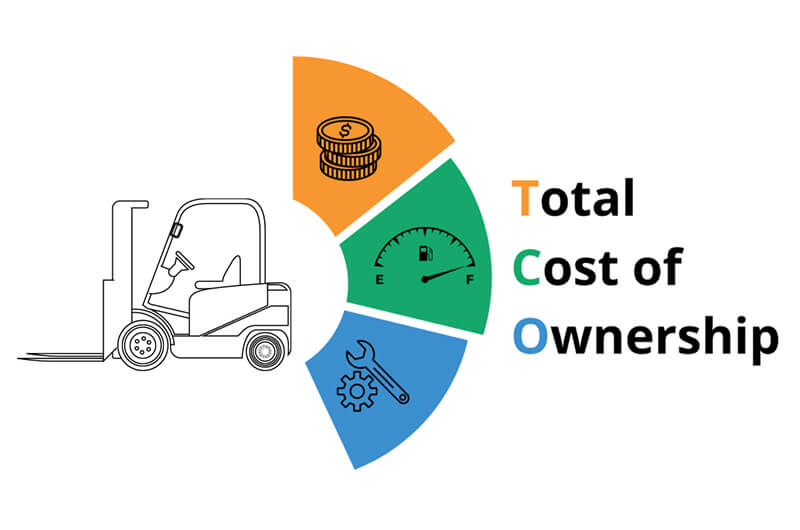
- Industrial Lithium Batteries: Initial Price vs. Long-Term Costs
Products
5 REASONS TO GIVE LITHIUM FORKLIFT BATTERIES A SECOND LOOK

Equipment downtime is your operation’s worst enemy. a bit like a car or house, a forklift requires maintenance and repairs after you buy it. Taking a reactive approach to maintain your forklifts are often amid uncertainty and unexpected periods where forklifts are out of service. this will interrupt workflows that require to run smoothly for your business to succeed.
This is why many companies that use forklifts choose a routine maintenance plan. the 2 most ordinarily used maintenance plans within the material handling business are planned maintenance agreements and full maintenance agreements (also mentioned as guaranteed maintenance). Both plans are designed to take care of equipment uptime, be proactive on potential repairs before the breakdown, and ultimately prevent money within the long-run. But is that the difference between a planned maintenance agreement and a full maintenance agreement? We break that down right here for you.
Proactive with Planned Maintenance
Detailed inspections. Recommended repairs. Flexible billing. Tailor-made schedule. These were expectations that accompany a planned maintenance agreement. Many service providers have an in-depth point inspection checklist the technician uses to examine repair needs, potential safety risks, wearable items, and routine replacement parts. As technicians run through the checklist, he or she documents recommended repairs and provides service quotes to you for those repairs. After browsing the inspection process and performing any necessary repairs, many dealers will then bill you and schedule within the next appointment supported both hour usage and date cadence.
Free Time with Full Maintenance
Signing up your forklift on a full maintenance agreement is like receiving the royal treatment. At the dealership I came from, you not only received everything included within the planned maintenance agreement, but you furthermore may have a plethora of other benefits, including:
● Maintenance records, tracking, and regular reports.
● Pre-paid scheduled and breakdown repairs with the exception of repairs thanks to misuse, abuse, and wearable items.
● Replacement rental equipment for the covered repairs, free of charge.
● Flat monthly payment with the exception of repairs thanks to misuse, abuse, and wearable items.
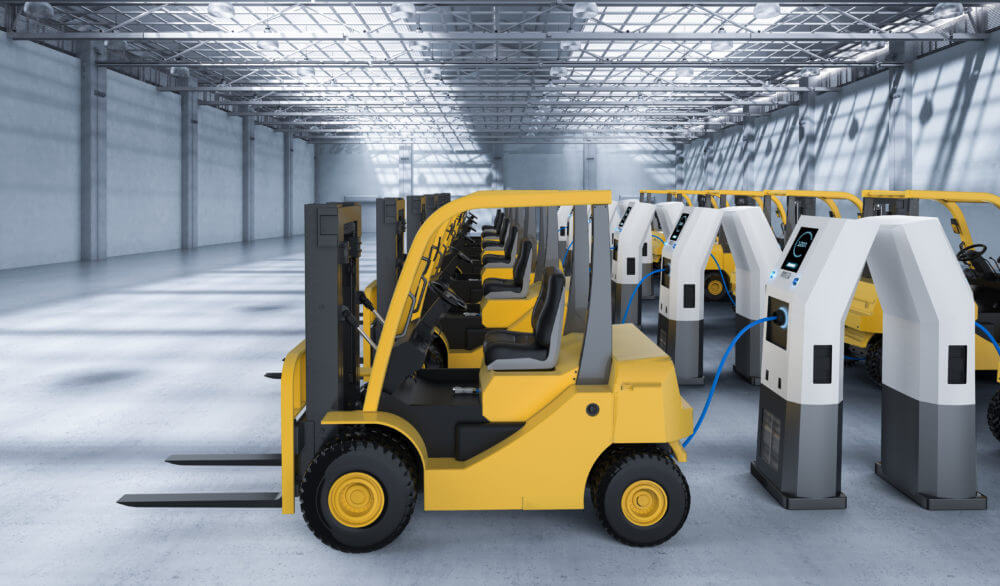
Lithium forklift batteries are quickly making inroads with forklift manufacturers and buyers alike. While lead-acid batteries have long been the industry standard for electric forklifts, the lithium-ion battery is rising in popularity thanks to the various benefits of those batteries. This doesn’t mean that lead-acid batteries are obsolete. Smaller operations with minimum forklift needs are still happier with a lead-acid forklift. But if you’re a bigger operation that needs daily use of forklifts, you’ll want to think about a next-generation lithium battery electric forklift.
5 Benefits Of Lithium Forklift Batteries
● Cost-savings. initially glance, lithium forklift batteries are costlier than lead-acid batteries, but that’s only a part of the story. Lithium batteries last 2-3 times longer than lead-acid Research show that they typically last up to 10 years. This leads to long-term cost savings and lower total lifetime costs. additionally, lithium has minimal maintenance, only requiring servicing at the most once a year.
● Time-Savings. Lithium batteries not only charge faster than lead-acid batteries, but they also store about 3x the maximum amount of energy. Forklift operators save time and money through these reduced charging demands also as less frequent battery change-outs and lead-acid maintenance demands like watering, cleaning, and equalizing.
● Reliability. Lithium forklift batteries work differently than lead-acid batteries. they supply consistent voltage outputs, whilst they run down responsible. meaning your forklift won’t hamper whilst the battery approaches full discharge. Speaking of full discharge, lithium batteries can recharge in about an hour compared to the 8 hours needed to recharge a lead-acid battery.
● Improved Safety. The hydrogen fumes and acid splash are a serious health and safety concern when maintaining lead-acid batteries. Since lithium batteries don’t require this same sort of maintenance or contain lead or acid, the health and safety hazards related to forklift batteries are reduced.
● Warranty Benefits. Lithium batteries are practically maintenance-free and are covered by for much longer warranties than lead-acid batteries. Even when a lead-acid battery has warranty coverage, the battery must be maintained in strict compliance with the manufacturer specs so as to secure warranty protections.
As a pioneer in the field of Li-ion technology, we have been working intensively on the development of sustainable lithium-ion Motive for almost 10 years. With success: In 2012 we presented the first “all-water system” BSL series lithium-ion forklift batteries – for maximum efficiency, safety, and comfort at minimum consumption and cost. We are continuously perfecting this small revolution on the market for electric industrial trucks for our clients.