Revolutionize the energy economy with advanced lithium-ion battery technology—lower costs, reduce heat, and accelerate sustainable development.
 Explore all product lines
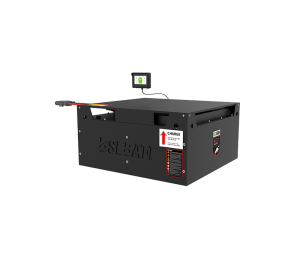
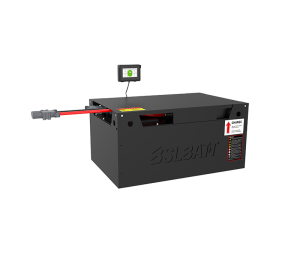
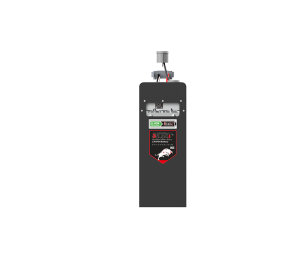
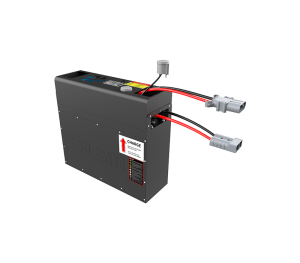
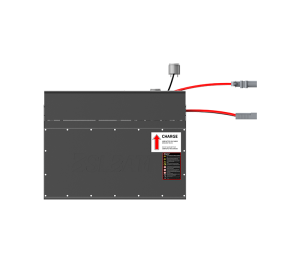
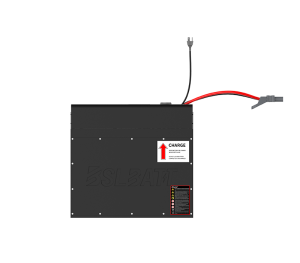
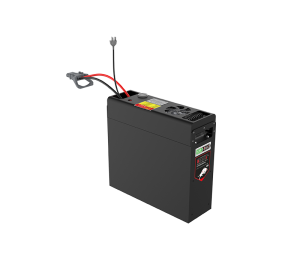
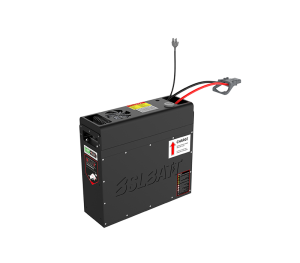
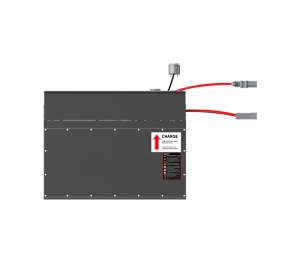
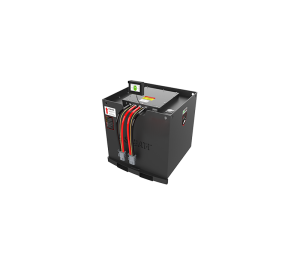
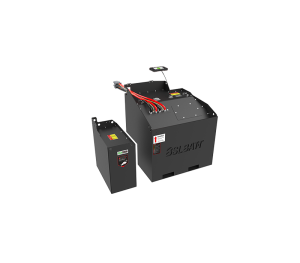
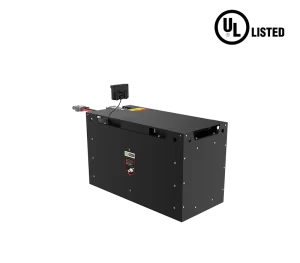
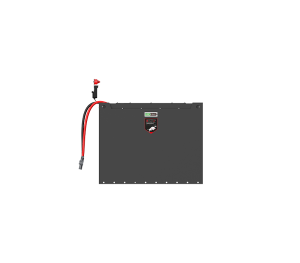
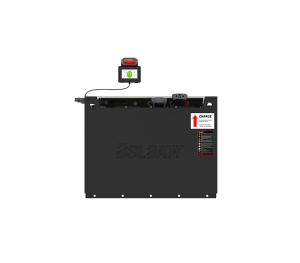
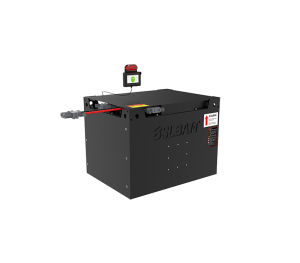
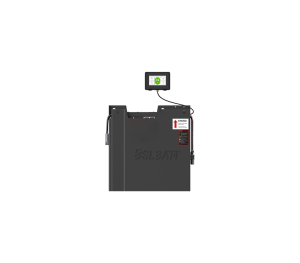
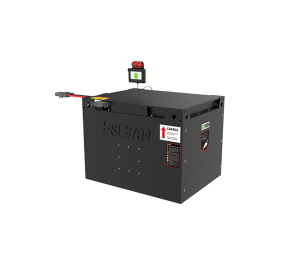
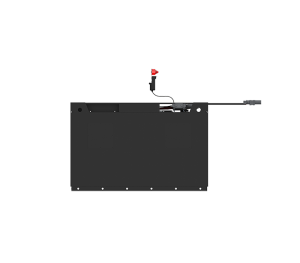
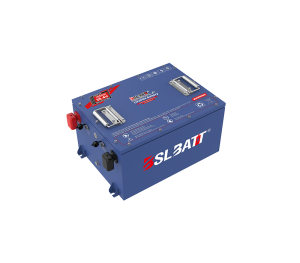
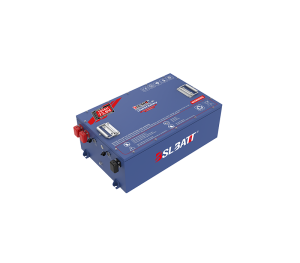
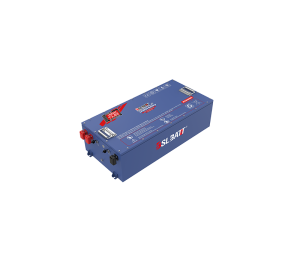
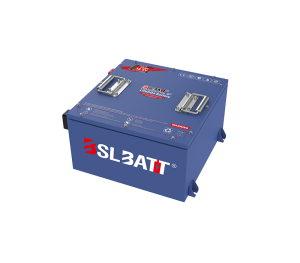
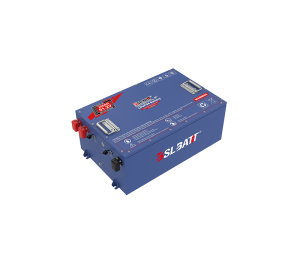
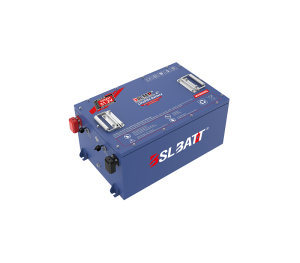
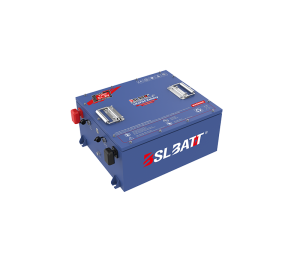
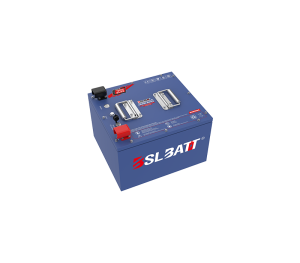
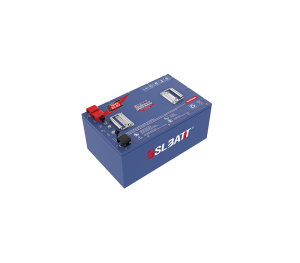
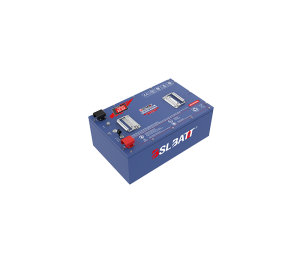
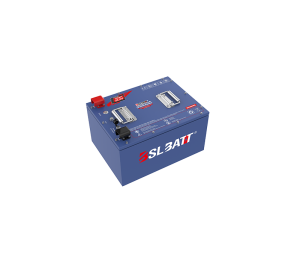
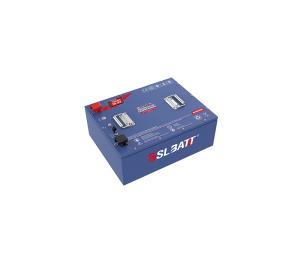
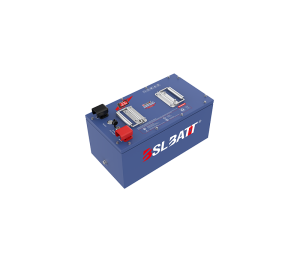
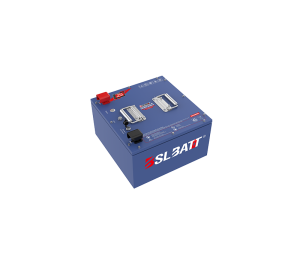
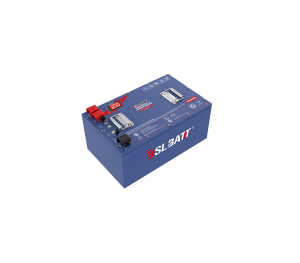
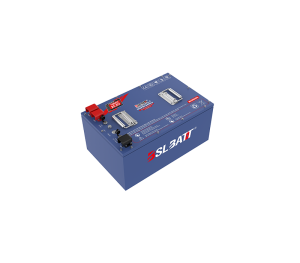
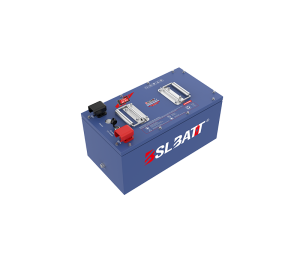
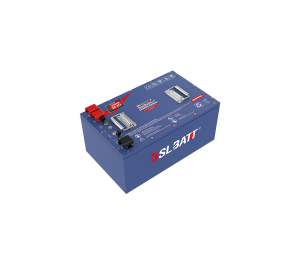
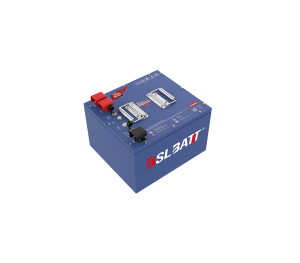
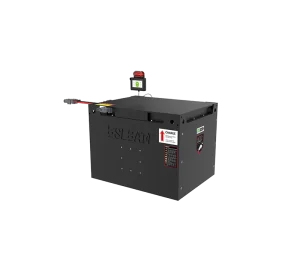
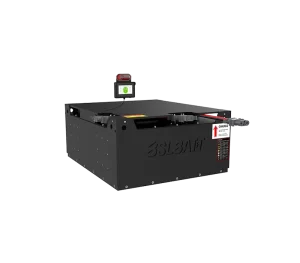


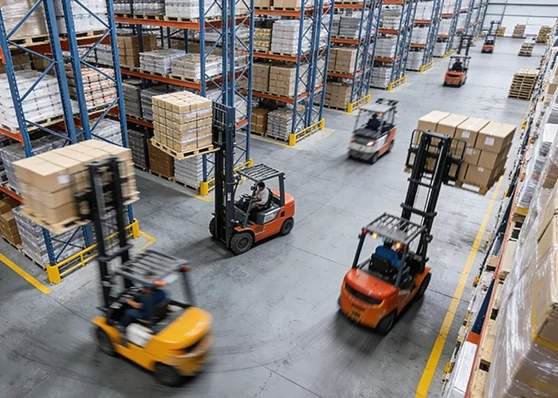




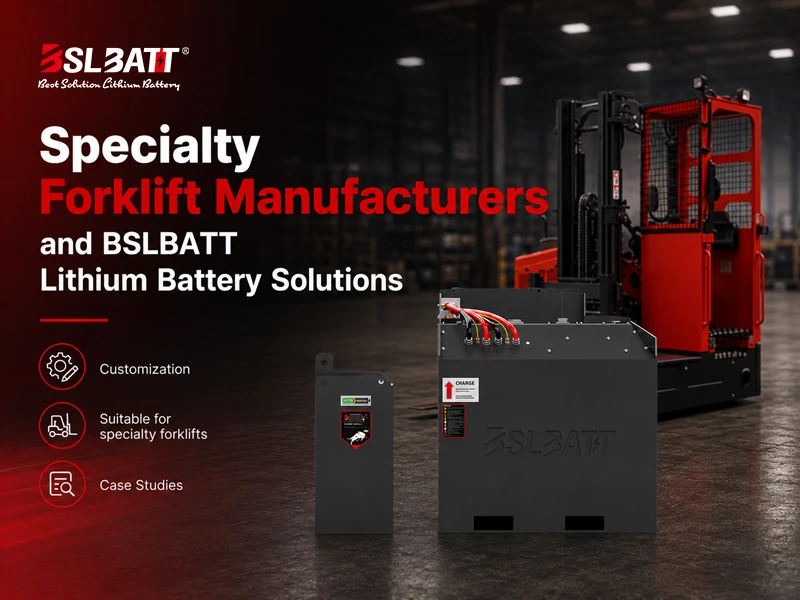
- Specialty Forklift Manufacturers and BSLBATT Lithium Battery Solutions
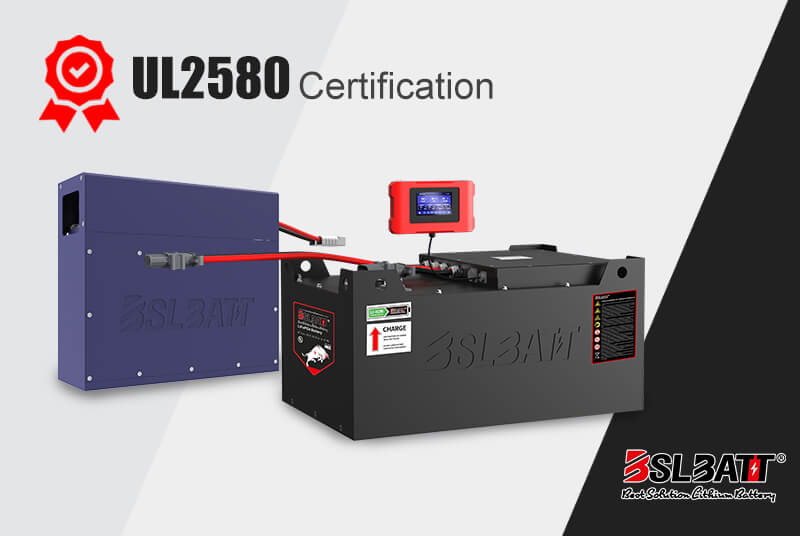
- The first lithium forklift battery that is UL 2580 certified and ISO9001 certified in the industry is BSLBATT® Battery – Industrial
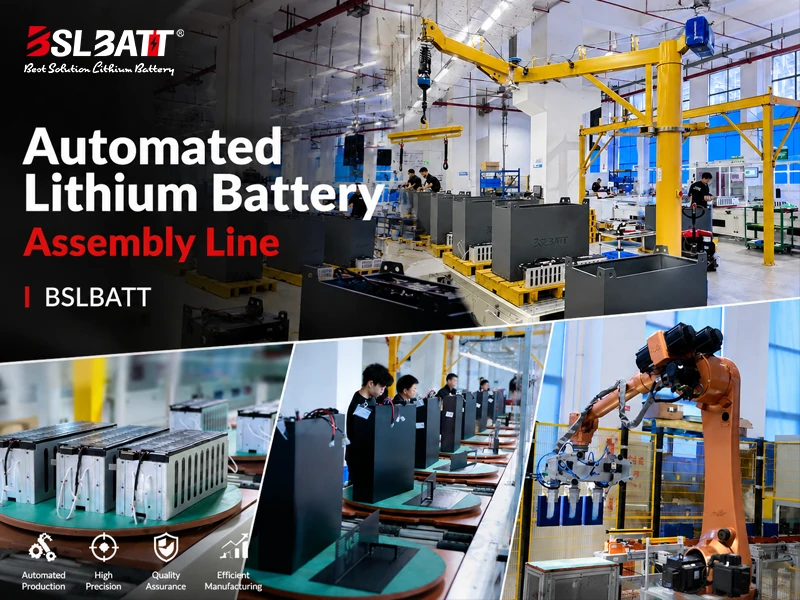
- Automated Lithium Battery Assembly Line | BSLBATT Smart Factory
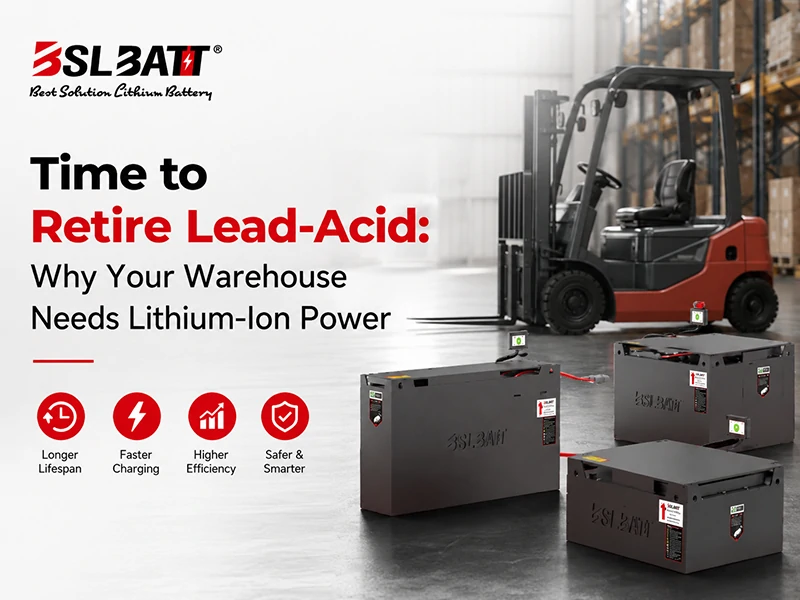
- Time to Retire Lead-Acid: Why Your Warehouse Needs Lithium-Ion Power
- Lithium Forklift Battery Maintenance Guide 2026
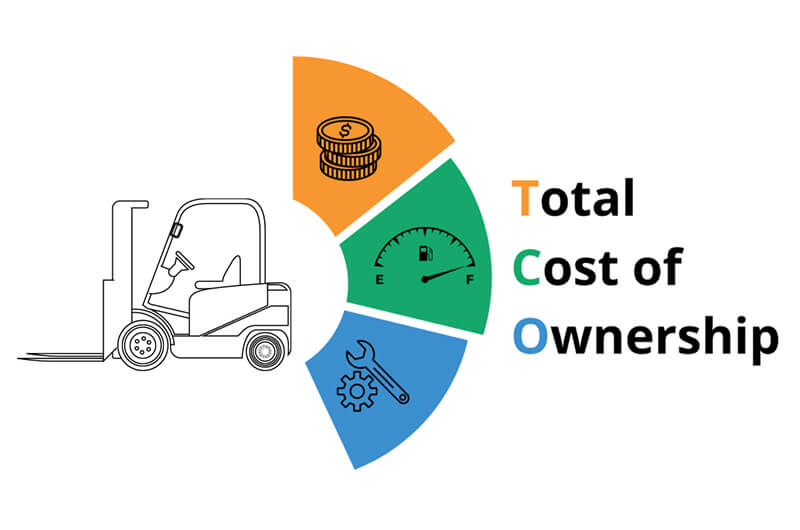
- Industrial Lithium Batteries: Initial Price vs. Long-Term Costs
Products
Lead-Acid or Lithium-Ion: What’s Powering Your Warehouse?

With a broad range of batteries on the market and conflicting information on each, it can be difficult knowing which battery type is best suited to your business. Is lithium-ion the battery of the future, or are better options available?
Electrification is set to transform the way businesses run their material handling operations ahead of the 2035 ban on petrol and diesel engines. Meanwhile, the drive to modernize today’s warehouse equipment is gaining momentum.
To help you find the most efficient and cost-effective battery choice for your requirements, here are the top two batteries currently on the market and why you might choose them:
Lead-acid: contributing towards a lower TCO
As the most economical commercially available option, lead-acid is likely to remain a popular choice for powering electric counterbalance forklifts and reach trucks for years to come.
Lead-acid (also known as wet-cell) batteries are up to four times less expensive than lithium-ion, and they are also recyclable. If your business is working to reduce its fleet management costs, lead-acid battery technology provides a good alternative to lithium-ion.
However, in terms of charging, lead-acid batteries have significantly lower battery life in comparison to their lithium-ion counterparts, with an average lifespan of 1,500 cycles. For this reason, if your operation requires maximum availability — with minimum time for charging breaks — it is worth considering other solutions.
It is also important to note that wet-cell batteries such as lead-acid can degrade by as much as 32% during the course of their lifetime. Therefore scheduling in regular maintenance must be factored into your operation. Having said this, water topping can easily be done manually, and the batteries are easy to replace. They are also particularly well suited to working in extreme cold weather conditions.
If your business is committed to opting for the most economical option, then we would recommend adapting your existing shift patterns to facilitate more frequent battery charging.
Lithium-ion: shaping the future for 24/7 operations
Based on their steep price point (lithium-ion is four times more expensive than lead-acid), it will be a while before lithium-ion batteries become a viable option in material handling. However, for businesses interested in future-proofing their operations, it is worth familiarizing yourself with the benefits of lithium-ion batteries now.
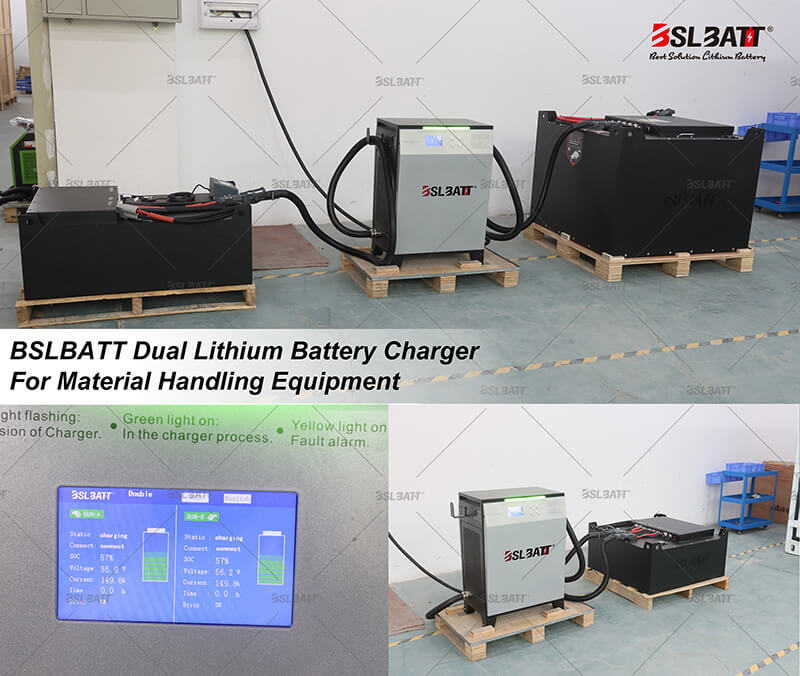
Although they have a considerably lower capacity than lead-acid batteries, lithium-ion greatly surpasses lead-acid in terms of battery life, delivering 10,000+ cycles during its lifespan. Lithium-ion batteries can also be ‘opportunity charged’, maximizing productivity. This makes them ideal for businesses running 24/7 operations that can’t afford extended downtime.
Since lithium-ion batteries recharge much faster than the alternative commercial options available, it is likely you will only ever need one battery per forklift (in comparison to two to three lead-acid batteries). Despite the higher acquisition cost, lithium-ion batteries quickly pay for themselves in reduced running and labor costs, as they require no maintenance.
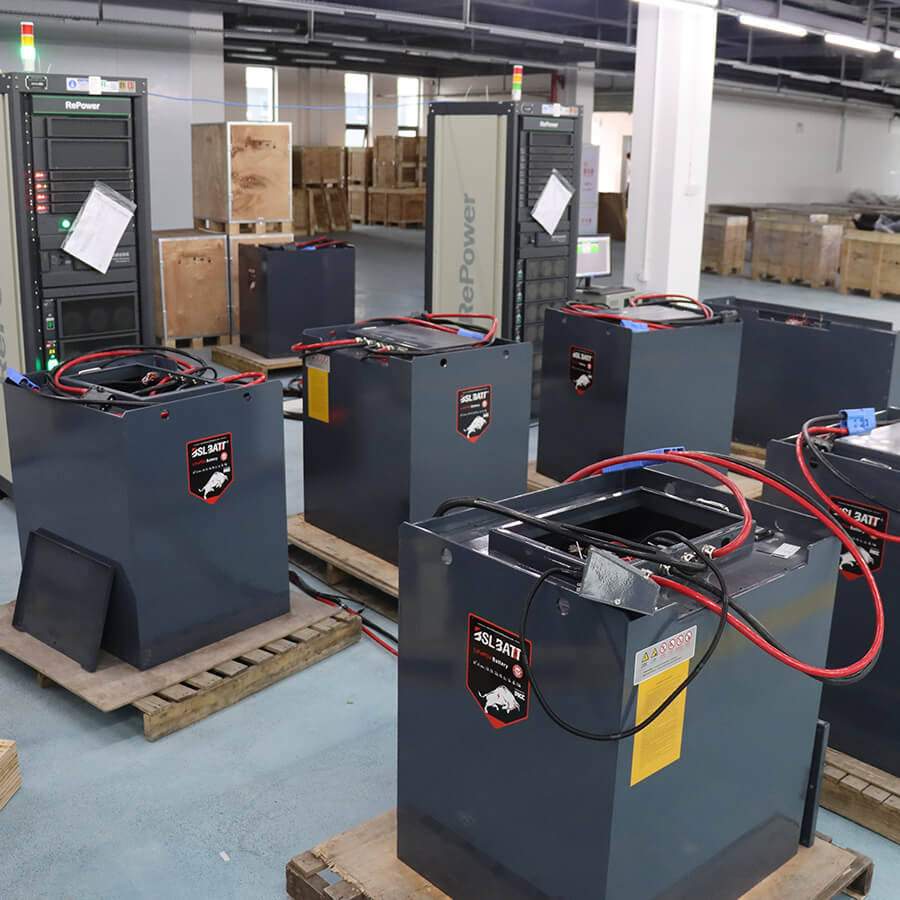
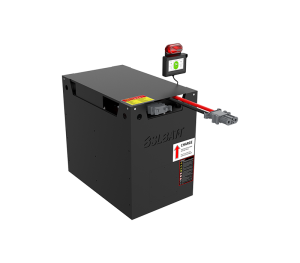
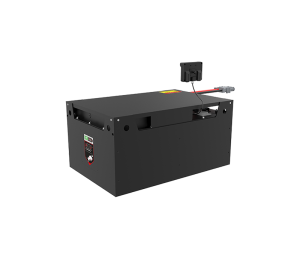
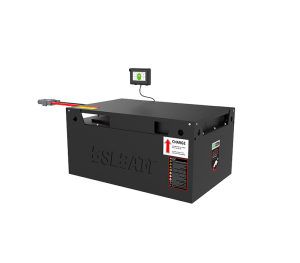
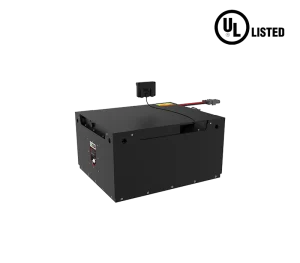
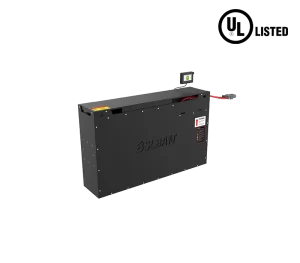
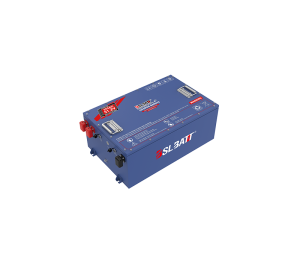
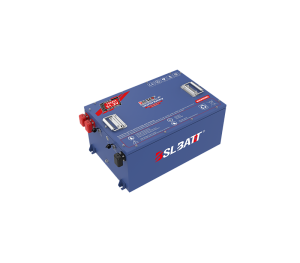
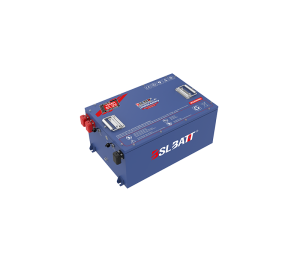
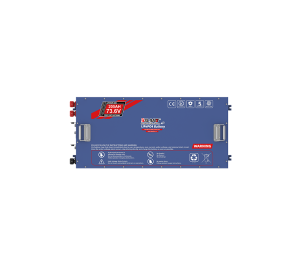
Running a safe and efficient operation is crucial to your business’ success, helping you to maintain consistent output and keep costs low. BSLBATT’s “all-water system” industrial lithium forklift batteries are the ideal energy-efficient solution to help you achieve this.
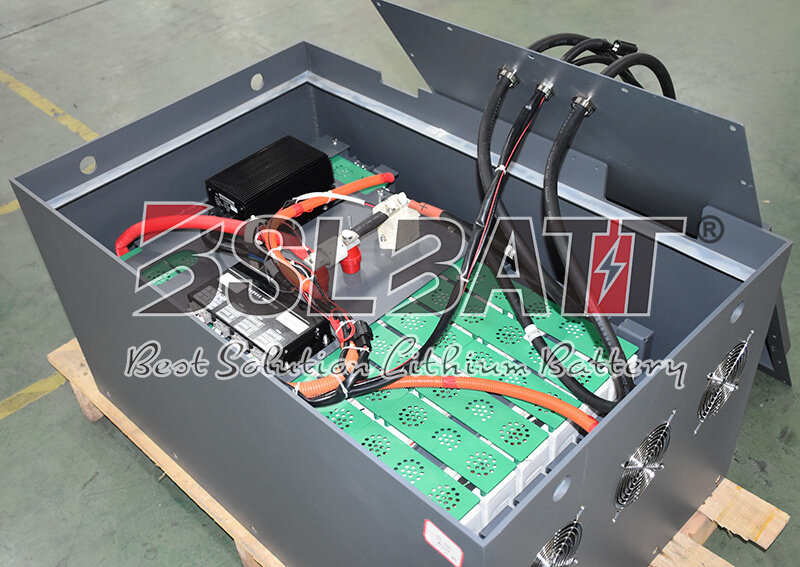
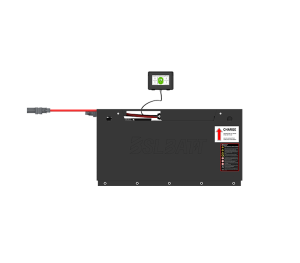
A recent addition to BSLBATT’s growing product portfolio, the industrial lithium forklift battery has been designed with an “all-water system” lithium-ion battery technology at the forefront of its innovative design.
Ensuring optimum safety and confidence when in control, the BSLBATT’s “all-water system” industrial lithium forklift batteries have a maximum voltage of 90V, BSLBATT’s new through the cloud system on the batteries, GPRS, GPS function, users are able to see key parameters such as battery location, status, BMS information, discharge current, charge current, and charge status in real-time. Simple, traffic-light-style reports enable energy consumption and productivity to be optimized. The software also notifies users immediately of any issues in the fleet using state-of-health information, allowing corrective action to be taken before uptime is affected. Preventative maintenance can also be scheduled automatically. Read on to find out more.
Related Read: Why Battery Management Systems Are Becoming More Critical In Lithium Iron Forklift Battery?
Organizations actively seeking ways to reduce their carbon footprint are also likely to find lithium-ion batteries a good match as they don’t pollute the atmosphere.
If productivity is your business’ number one priority and you are prepared to invest at the outset, lithium-ion batteries could be a competitive way to power your warehouse in the future.
What’s powering your warehouse?
The ideal battery choice for your operation will ultimately depend on whether you are running a 24/7 operation or can accommodate frequent charging breaks.
Whether you opt for the productivity-boosting technology of lithium-ion or the cost-cutting powers of lead-acid, assessing your organization’s operation and business goals should inform your final decision.
To discover how the BSLBATT’s “all-water system” industrial lithium forklift batteries could make your operation safer and more energy-efficient, click the button below to speak to your local dealer today.