Revolutionize the energy economy with advanced lithium-ion battery technology—lower costs, reduce heat, and accelerate sustainable development.
 Explore all product lines
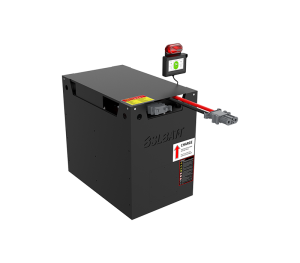
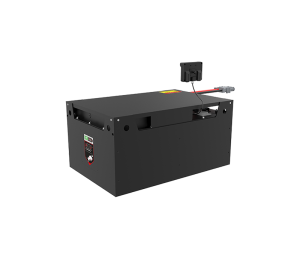
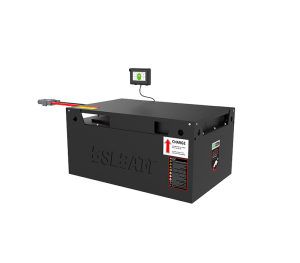
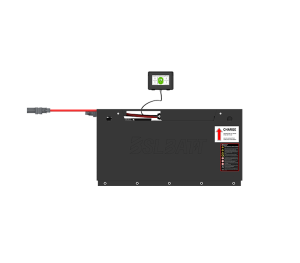
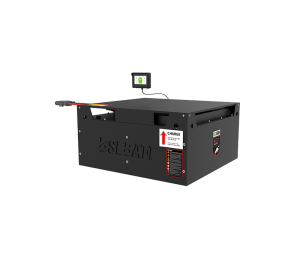
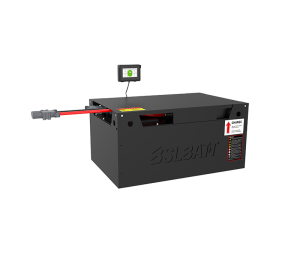
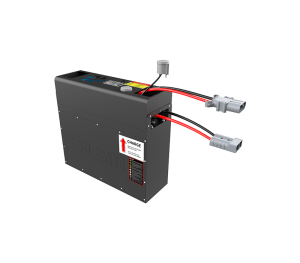
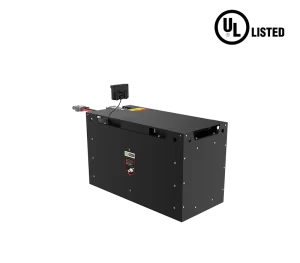
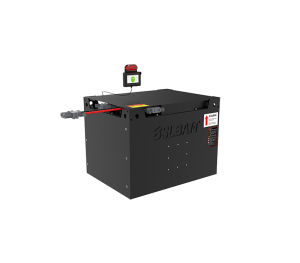
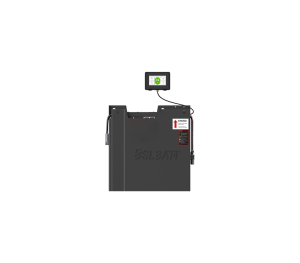
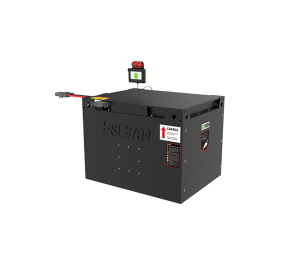
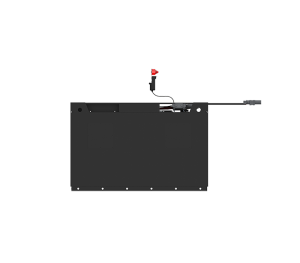
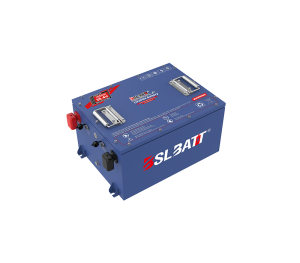
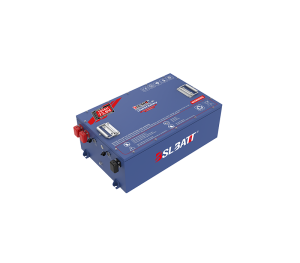
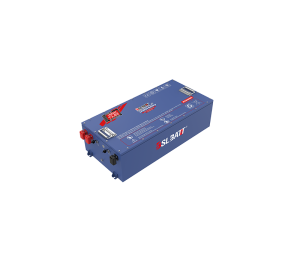
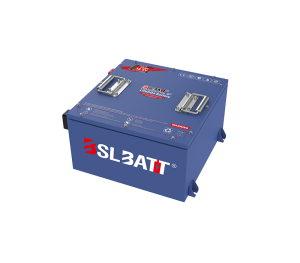
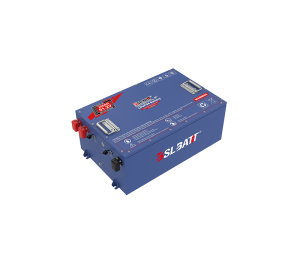
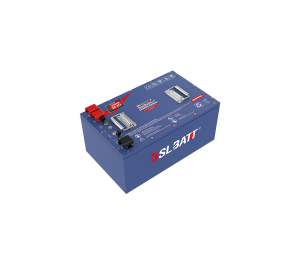
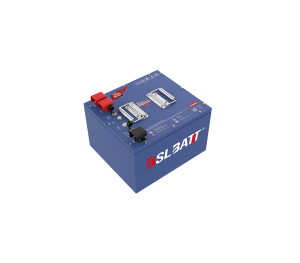
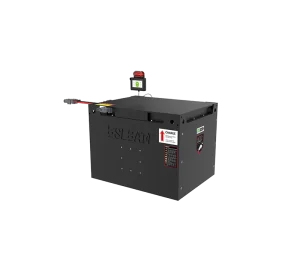
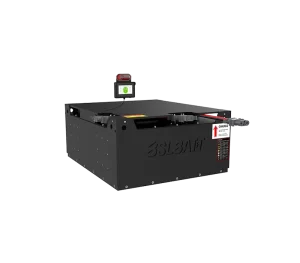


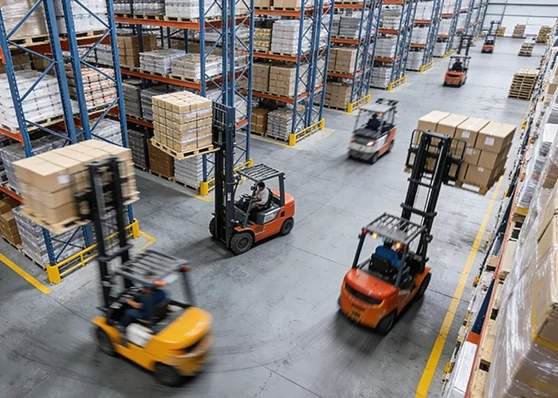

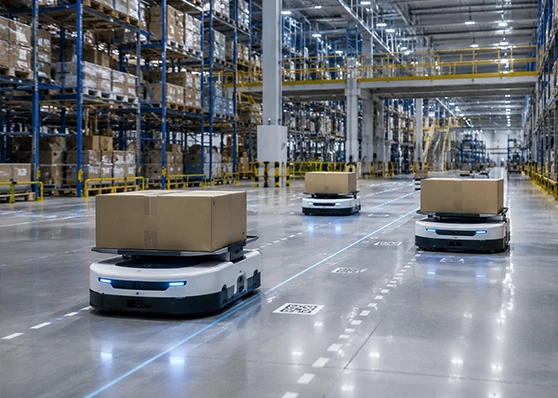





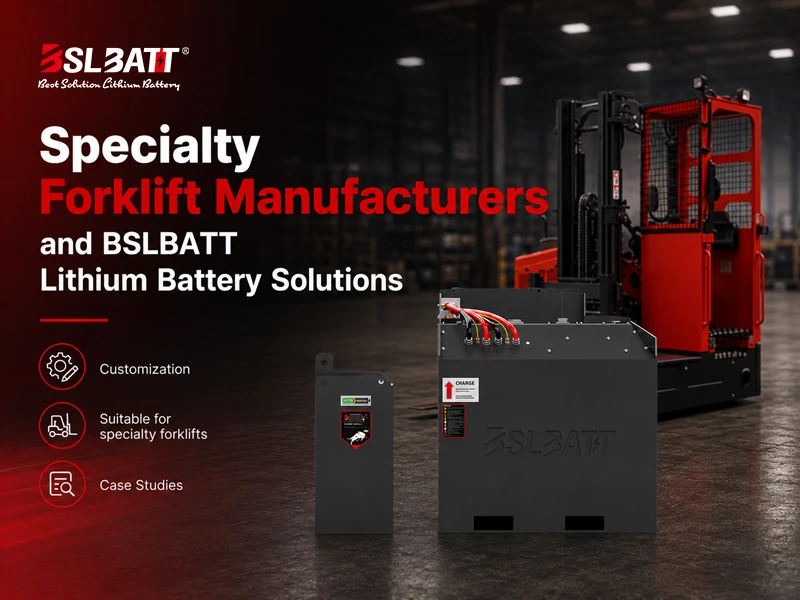
- Specialty Forklift Manufacturers and BSLBATT Lithium Battery Solutions
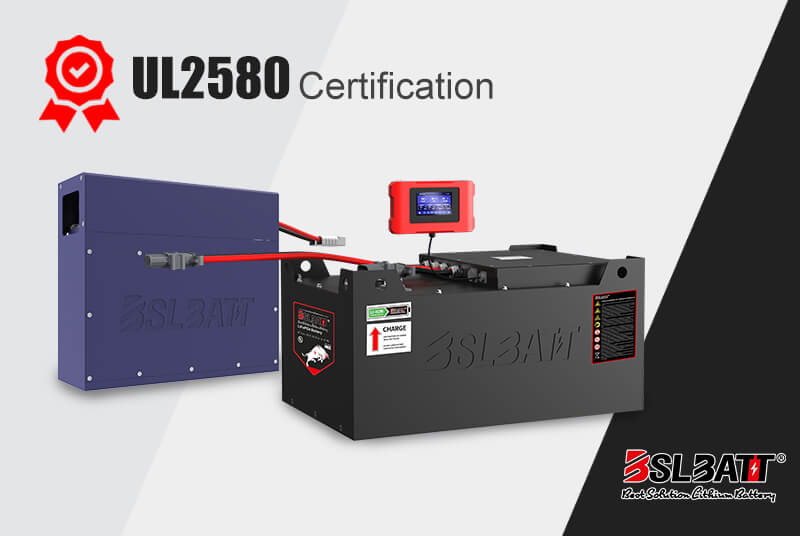
- The first lithium forklift battery that is UL 2580 certified and ISO9001 certified in the industry is BSLBATT® Battery – Industrial
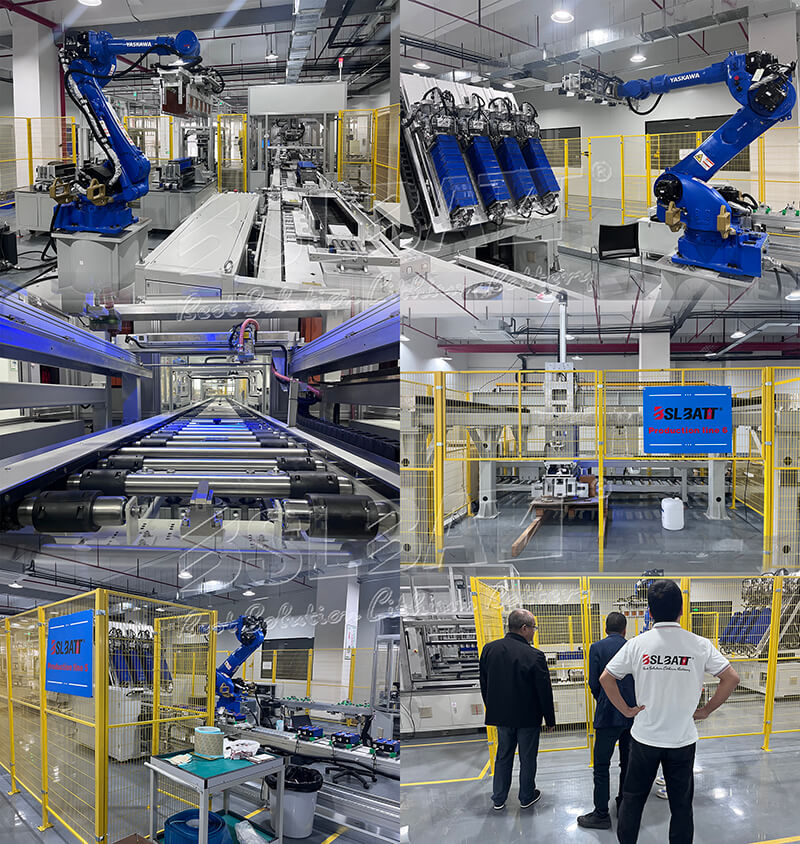
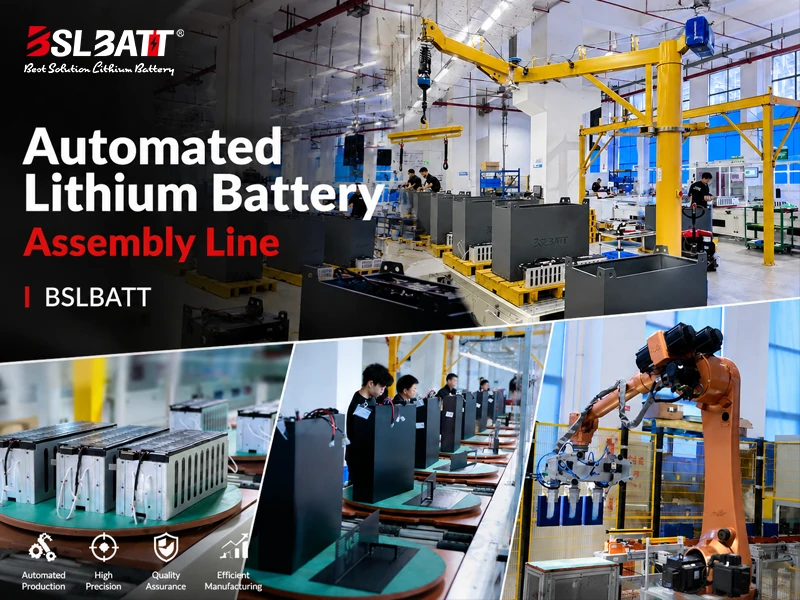
- Automated Lithium Battery Assembly Line | BSLBATT Smart Factory
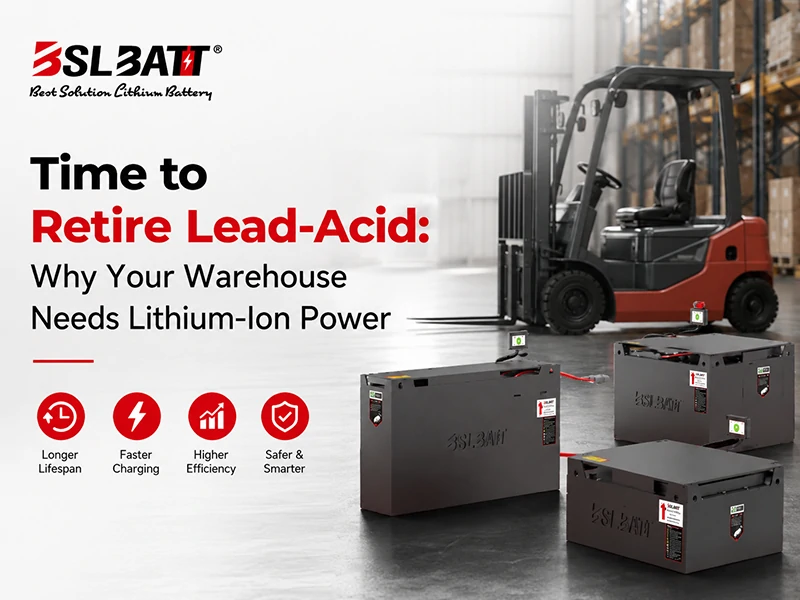
- Time to Retire Lead-Acid: Why Your Warehouse Needs Lithium-Ion Power
- Lithium Forklift Battery Maintenance Guide 2026
- Industrial Lithium Batteries: Initial Price vs. Long-Term Costs
Company News
Can Lithium Replace Lead-Acid Batteries in Forklifts? A Comprehensive Comparison
Table of contents
- Lead-Acid vs. Lithium Batteries: Technical Comparison
- Performance in Forklift Applications
- 1. Productivity Comparison
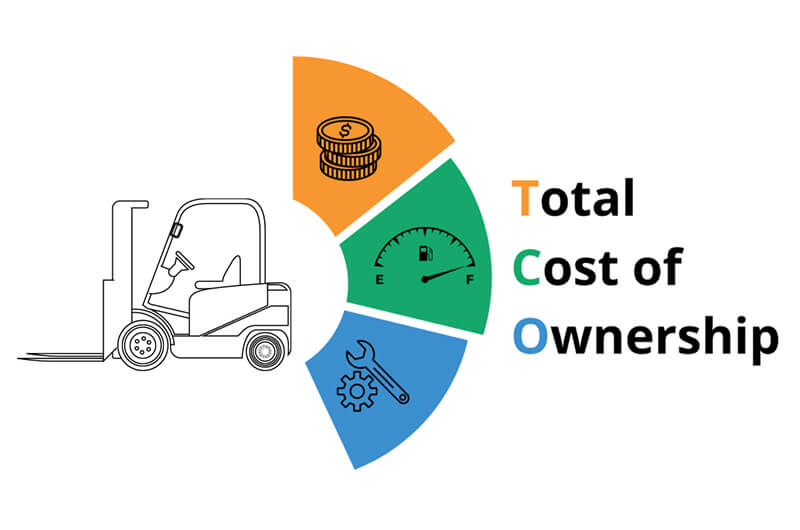
- 2. Total Cost of Ownership (TCO) Analysis
- 3. Environmental Adaptability
- Industry Trends & Challenges
- Growing Adoption of Lithium Forklift Batteries
- Remaining Challenges
- Buyer’s Guide: Lithium vs. Lead-Acid
- Choose Lithium If:
- Stick with Lead-Acid If:
- Future Outlook
With the rapid advancement of industrial electrification, forklifts—the core equipment in logistics and warehousing—are seeing a major shift in power source options. Traditional lead-acid batteries are now facing strong competition from lithium-ion batteries. This article explores whether lithium can truly replace lead-acid as the new standard for forklift power.
Lead-Acid vs. Lithium Batteries: Technical Comparison
Lead-acid batteries, the traditional choice for decades, have key limitations:
● Low energy density (30-50 Wh/kg)
● Slow charging (8-10 hours for full charge)
● Memory effect issues
● Require regular maintenance (watering, equalization charging)
● Shorter lifespan (~1,500 cycles)
In contrast, lithium-ion batteries (especially LiFePO4) offer significant advantages:
● High energy density (100-265 Wh/kg)
● Fast charging (1-2 hours for full charge)
● No memory effect
● Maintenance-free design
● Longer lifespan (3,000-5,000 cycles)
● Higher efficiency (95%+ charge/discharge efficiency)
Performance in Forklift Applications
1. Productivity Comparison
● Lithium forklift batteries support opportunity charging, allowing quick top-ups during breaks for near 24/7 operation.
● Lead-acid forklifts require dedicated charging time and must avoid deep discharges (only 80% DoD recommended).
2. Total Cost of Ownership (TCO) Analysis
● Initial cost: Lithium is 2-3x more expensive
● Long-term savings: Longer lifespan (10+ years vs. 3-5 years for lead-acid) / 30%+ lower energy costs / Zero maintenance costs / Higher resale value.
● ROI: Lithium TCO becomes competitive within 3-5 years.
3. Environmental Adaptability
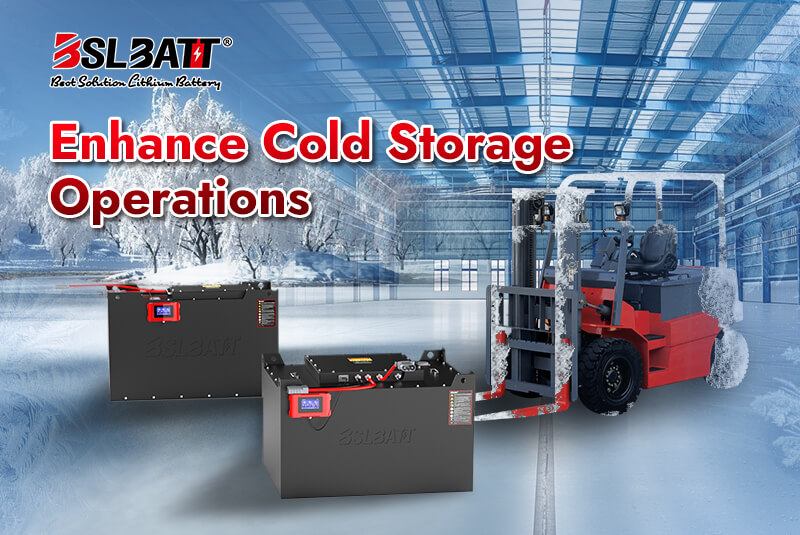
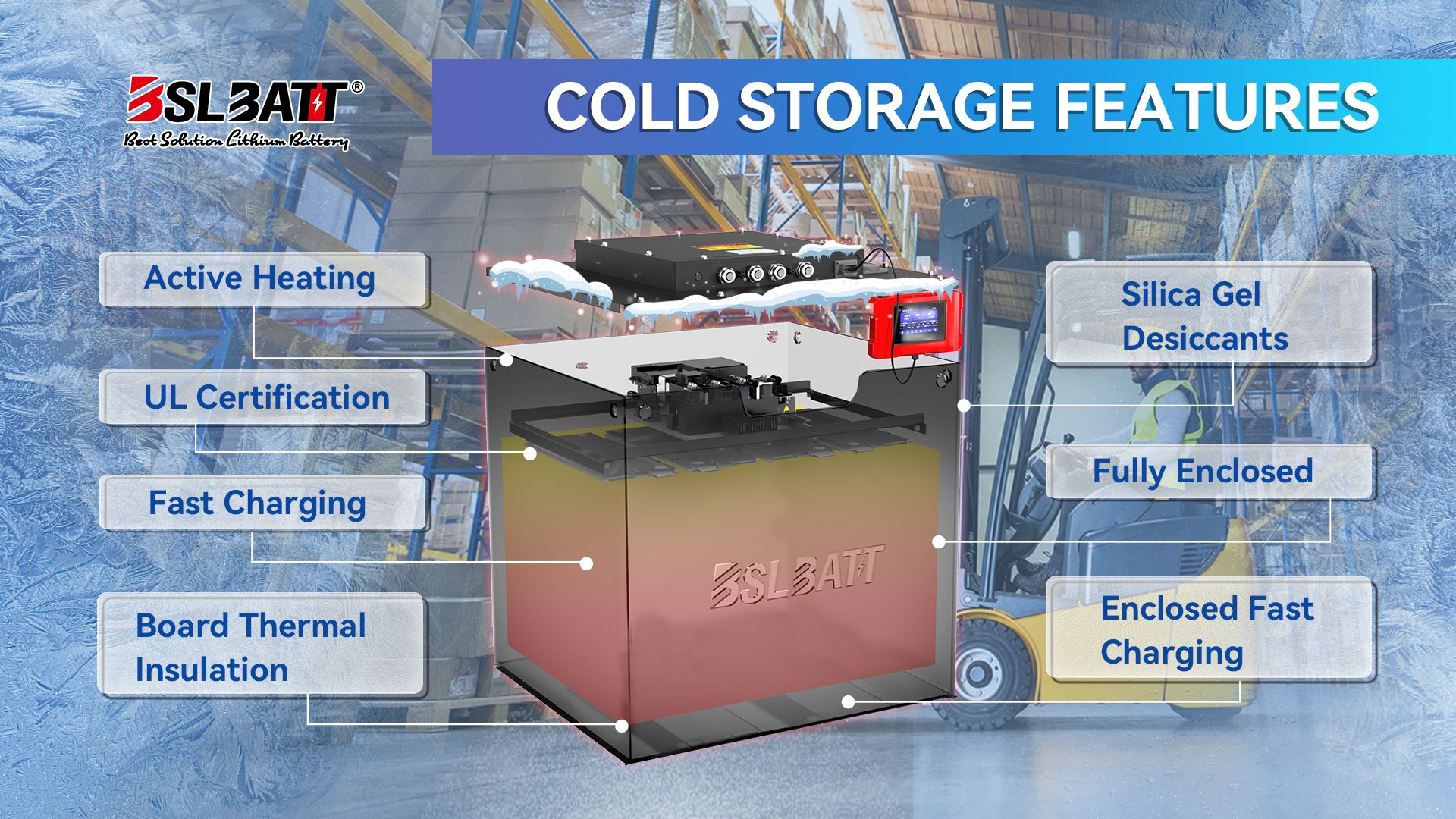
● Lithium batteries perform well in extreme temperatures (-20°C to 60°C).
● Lead-acid batteries suffer capacity loss in cold weather (only 60% capacity at -10°C).
● Ideal for cold storage logistics and harsh environments.
Industry Trends & Challenges
Growing Adoption of Lithium Forklift Batteries
● 2022: 35% of electric forklifts globally use lithium (45% in China).
● Major companies like Amazon & Walmart are switching to lithium fleets.
● Leading brands (Toyota, Hangcha, Heli) now offer lithium-powered forklifts.
Remaining Challenges
● Higher upfront investment
● Charging infrastructure upgrades
● New maintenance & repair requirements
● Slow adoption by small businesses
Buyer’s Guide: Lithium vs. Lead-Acid
Choose Lithium If:
✓ Multi-shift operations
✓ Cold storage or high-temperature environments
✓ Space/weight constraints (e.g., high-reach forklifts)
✓ Automation (AGV forklifts require lithium)
Stick with Lead-Acid If:
✓ Single-shift, low-intensity use
✓ Tight initial budget
✓ Existing lead-acid maintenance setup
✓ Low usage (<4 hours/day)
Future Outlook
With:
● Falling lithium battery costs (8-12% annual price drop)
● Faster charging tech (15-minute 80% charge)
● Improved recycling programs
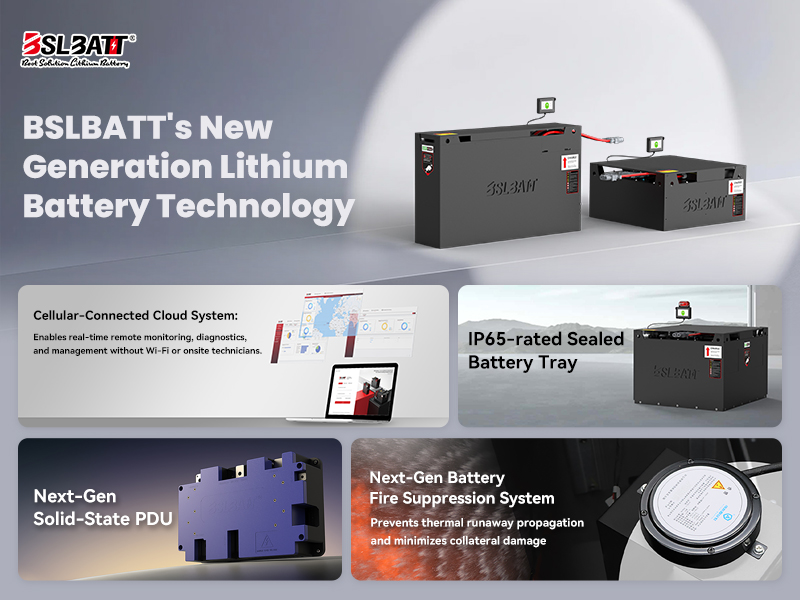
● Smart BMS integration
By 2027, lithium forklifts could dominate 70%+ of new sales, making lead-acid obsolete in most cases. Businesses should prioritize lithium unless facing budget or operational constraints.
Final Verdict: Lithium batteries are not just a viable replacement for lead-acid—they offer superior efficiency, cost savings, and sustainability. The shift to lithium-powered forklifts is inevitable, and companies should plan their transition to stay competitive.
View our forklift lithium battery factory