Revolutionize the energy economy with advanced lithium-ion battery technology—lower costs, reduce heat, and accelerate sustainable development.
 Explore all product lines
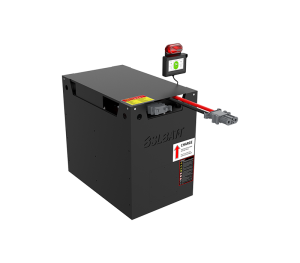
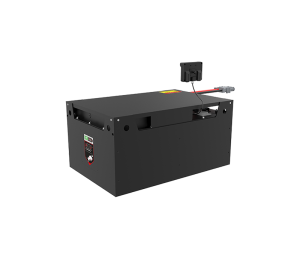
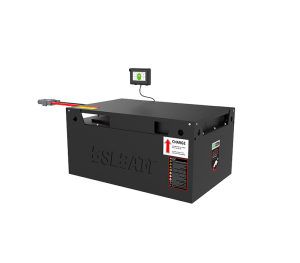
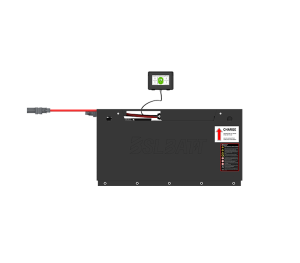
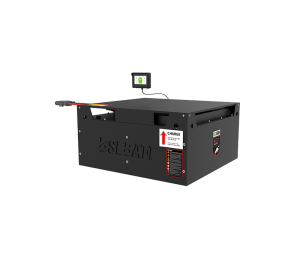
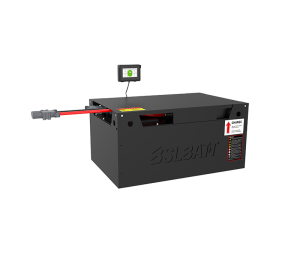
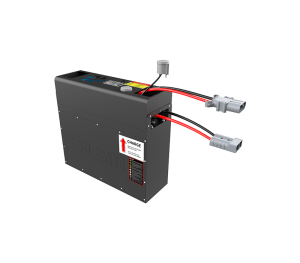
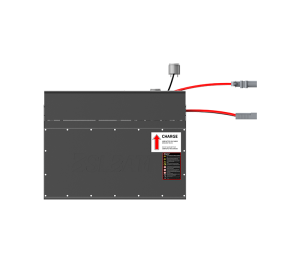
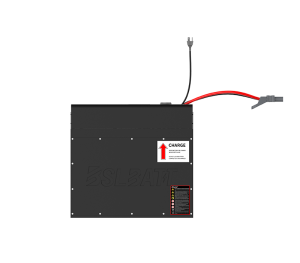
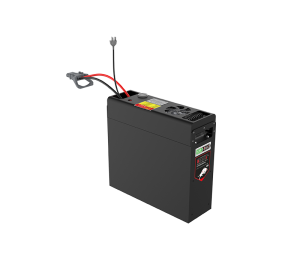
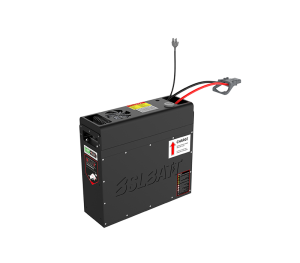
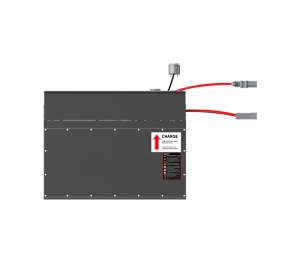
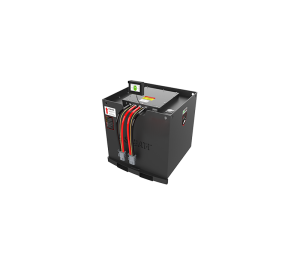
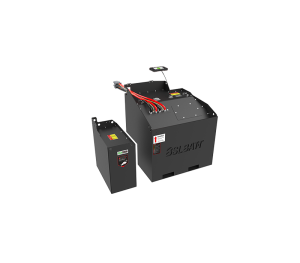
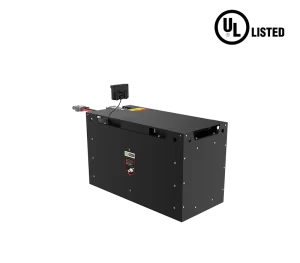
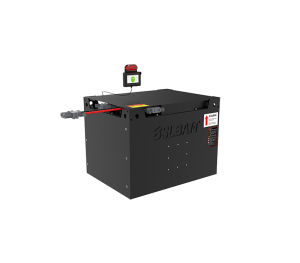
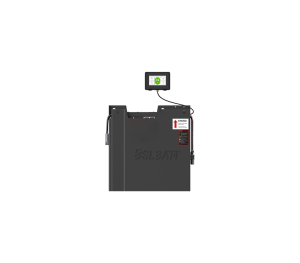
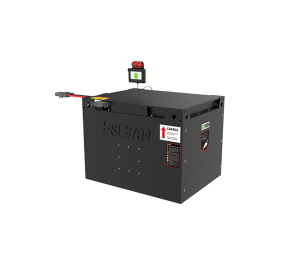
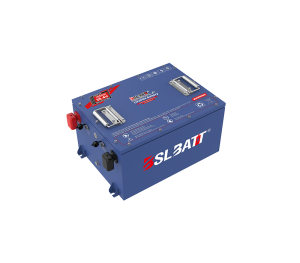
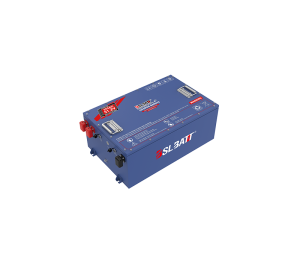
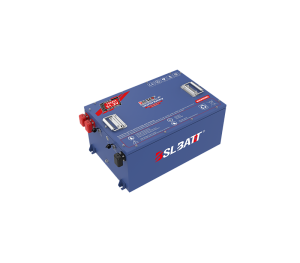
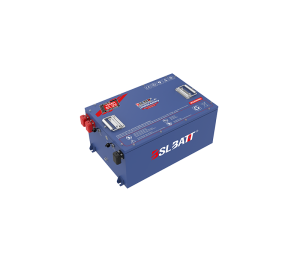
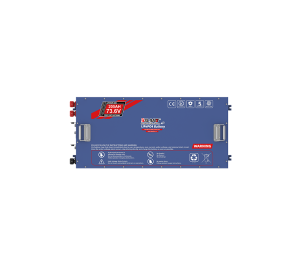
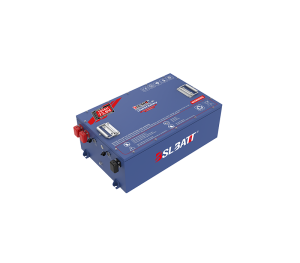
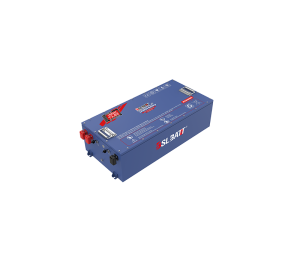
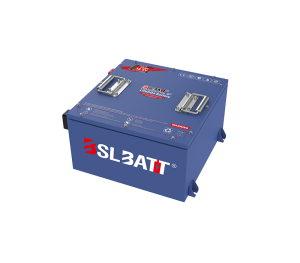
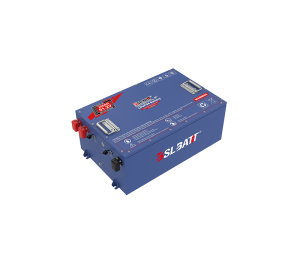
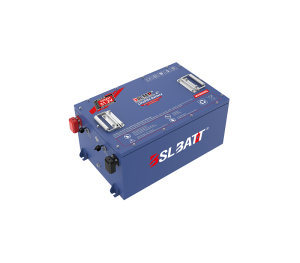
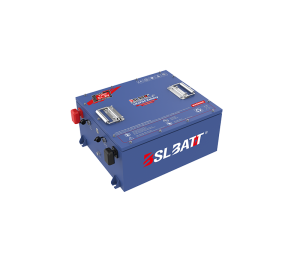
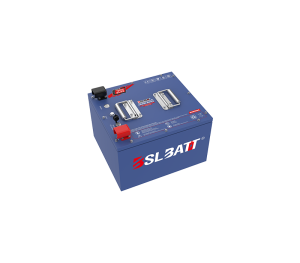
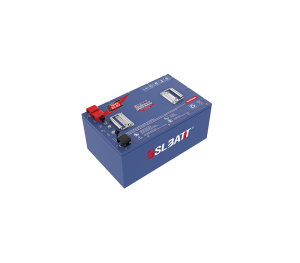
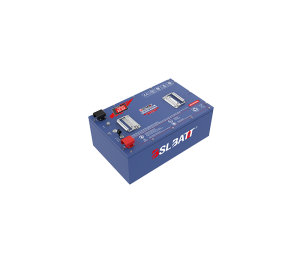
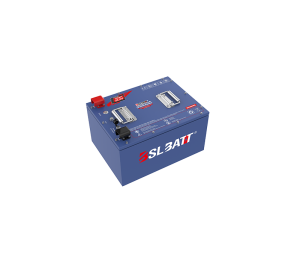
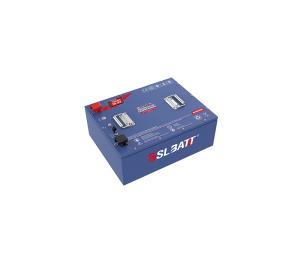
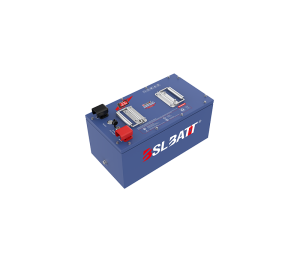
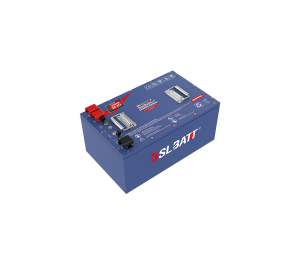
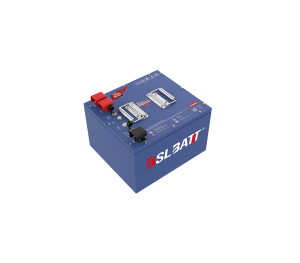
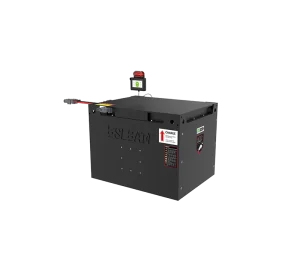
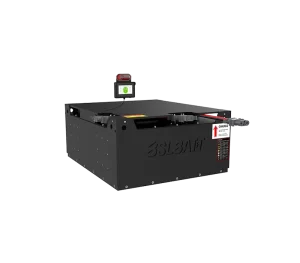


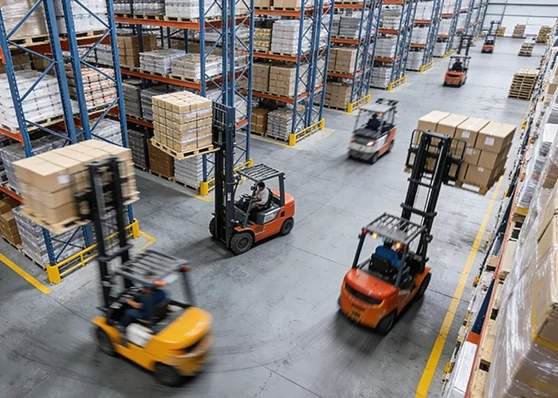
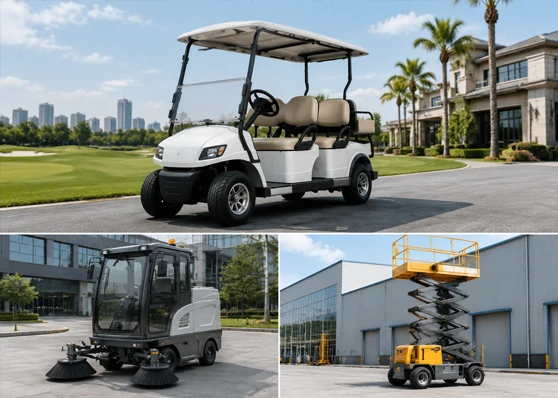

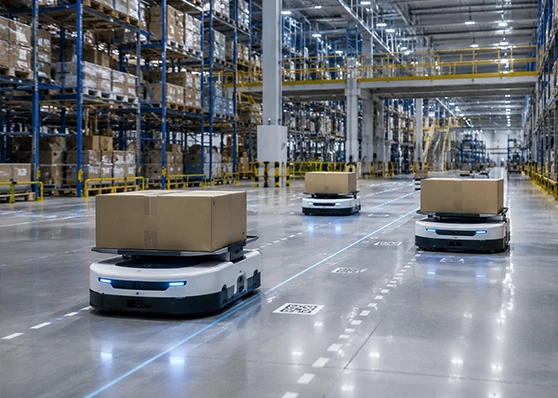
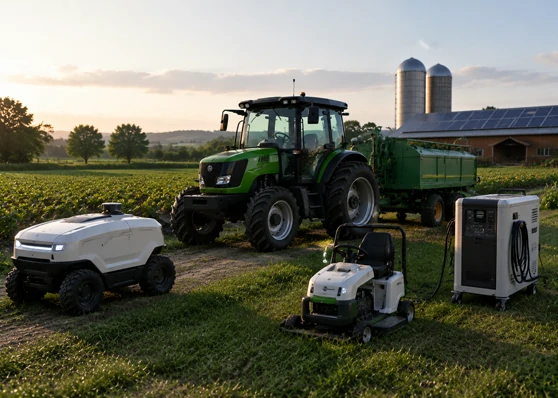





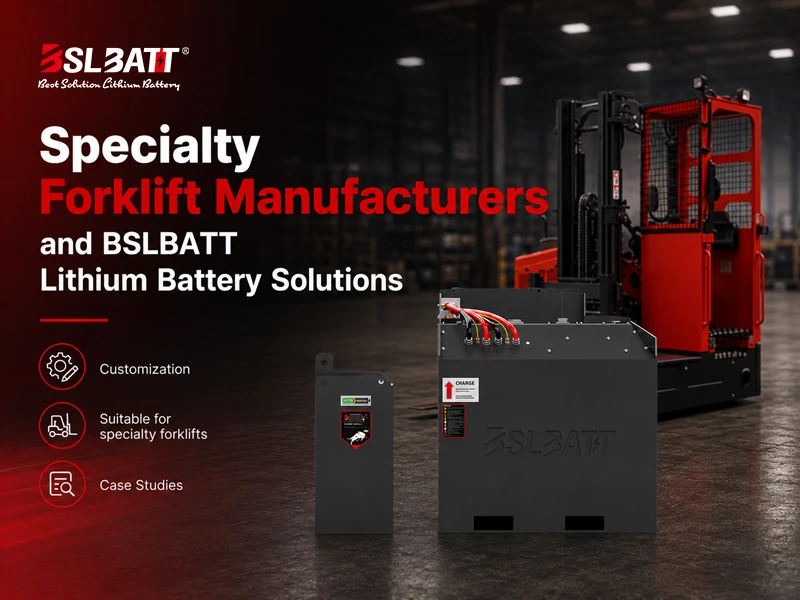
- Specialty Forklift Manufacturers and BSLBATT Lithium Battery Solutions
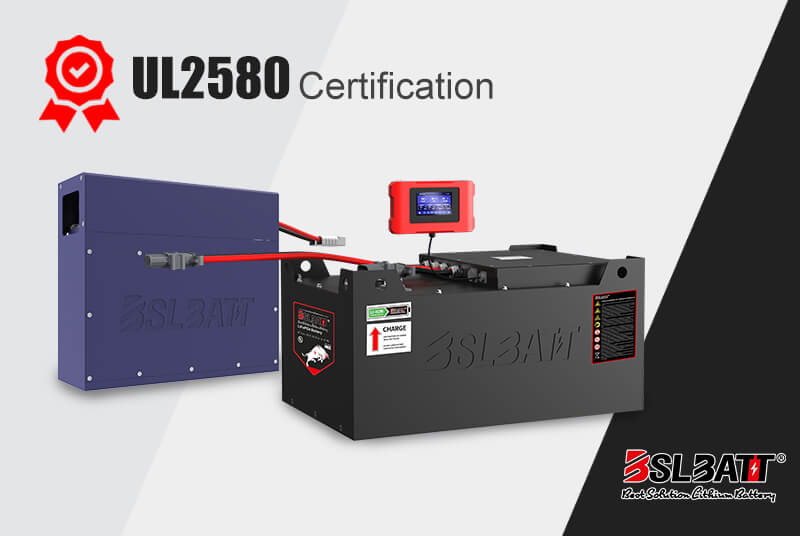
- The first lithium forklift battery that is UL 2580 certified and ISO9001 certified in the industry is BSLBATT® Battery – Industrial
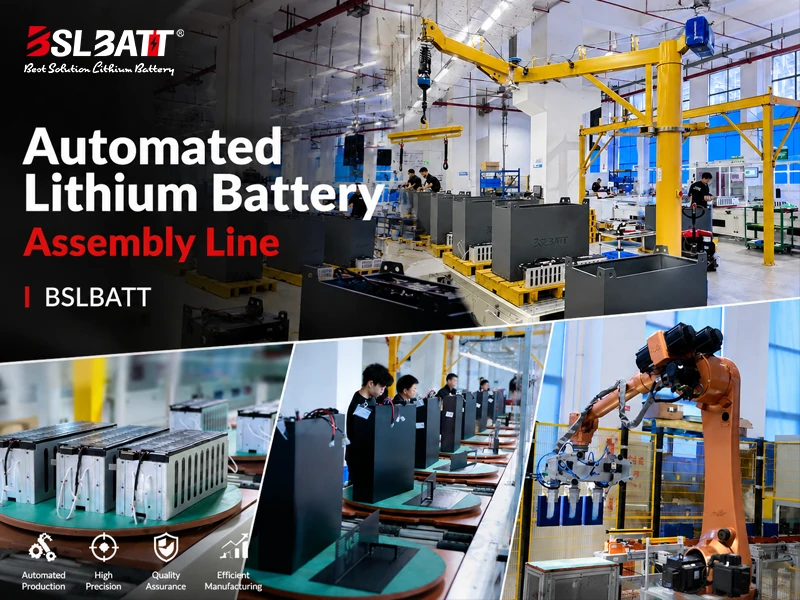
- Automated Lithium Battery Assembly Line | BSLBATT Smart Factory
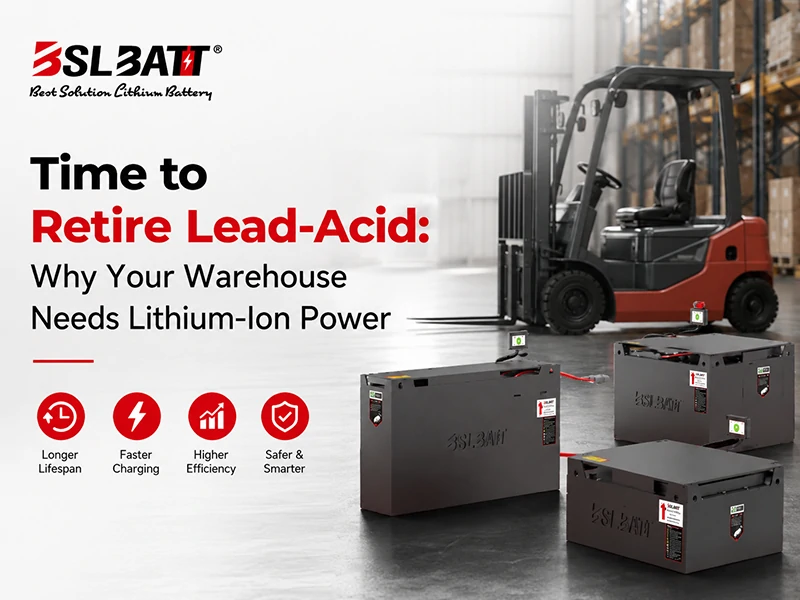
- Time to Retire Lead-Acid: Why Your Warehouse Needs Lithium-Ion Power
- Lithium Forklift Battery Maintenance Guide 2026
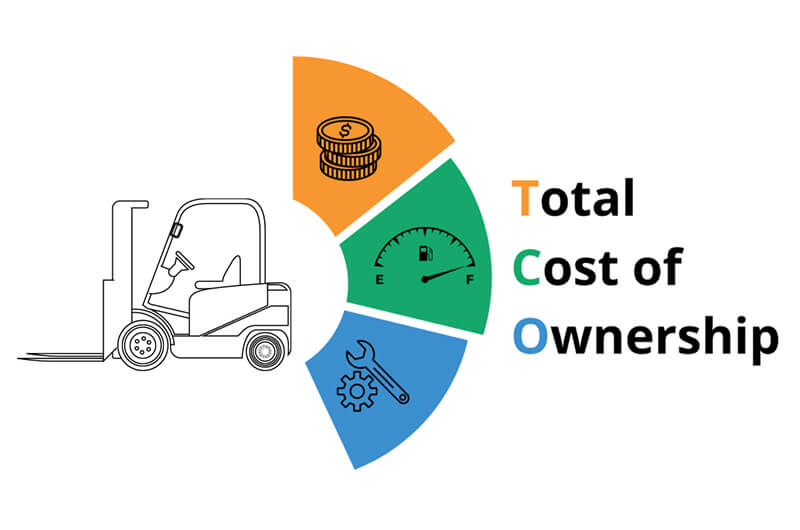
- Industrial Lithium Batteries: Initial Price vs. Long-Term Costs
Company News
FORKLIFT BATTERY TYPES: A COMPREHENSIVE GUIDE FOR BUSINESSES

Choosing the right battery type is a critical decision when selecting a power source for your forklift fleet. The type of battery you choose will not only affect the performance of your forklift, but also your operational efficiency and long-term costs. The two main types of batteries used in forklifts are lead-acid batteries and lithium-ion batteries. This article will explore the key features of each battery to help you make an informed choice for your business.
1. Lead-acid Batteries
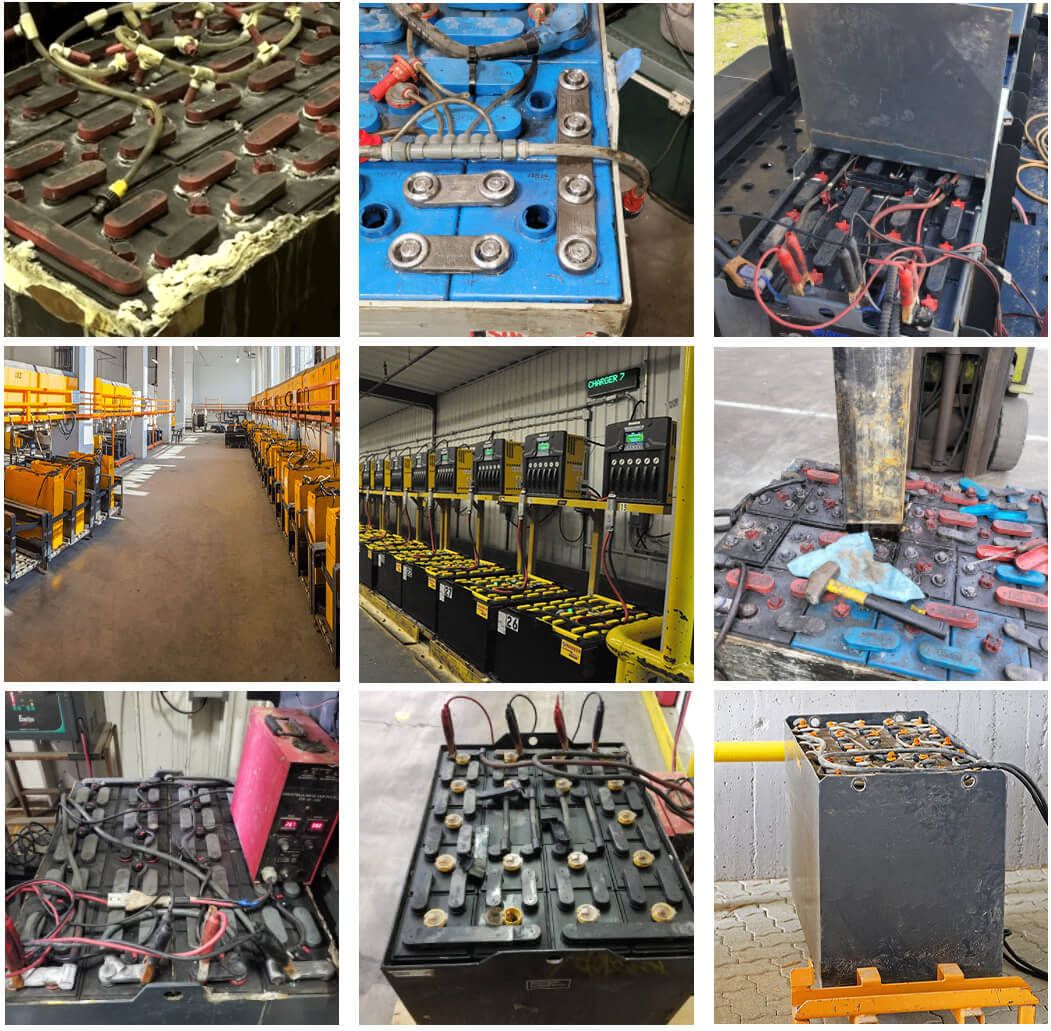
Lead-acid batteries have been the standard power source for forklifts for decades. They consist of lead plates submerged in a sulfuric acid solution, creating an electrochemical reaction that generates power.
Advantages
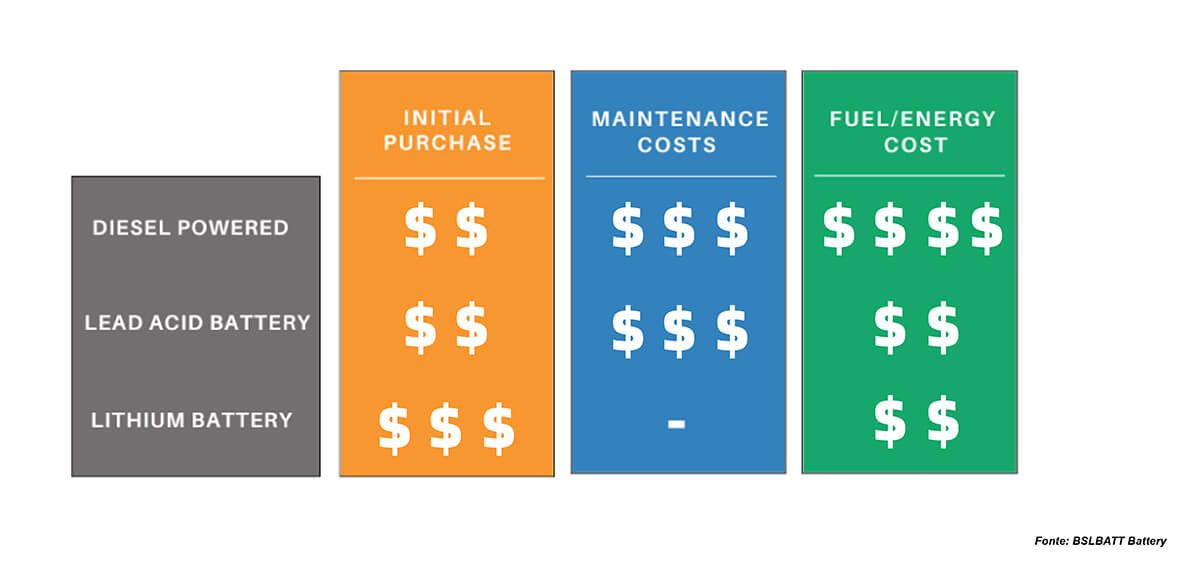
– Lower upfront costs: Lead-acid batteries are typically less expensive initially, making them a budget-friendly choice for companies with tighter budgets.
– Widely available: Due to their long history, lead-acid batteries are easy to find and purchase from a variety of suppliers.
– Recyclable: Lead-acid batteries are highly recyclable, with many programs available for disposing of them in an environmentally friendly way.
Drawbacks:
– Long charging times: Lead-acid batteries take about 8 hours to charge and require additional cooldown time, meaning forklifts may be out of operation for up to 16 hours.
– Maintenance required: These batteries need regular water topping and equalizing charges to prevent capacity loss.
– Lower energy efficiency: Lead-acid batteries lose energy during charging and discharging processes, making them less efficient over time.
2. Lithium-Ion Batteries
Lithium-ion batteries are relatively new to the forklift industry but have quickly gained popularity due to their numerous operational advantages. They are based on lithium-ion technology commonly used in electric vehicles and consumer electronics.
Advantages:
– Fast charging: Lithium-ion batteries can be charged in just 1 to 2 hours and can even handle opportunity charging during breaks, ensuring the forklift stays in operation longer.
– Maintenance-free: Unlike lead-acid batteries, lithium-ion batteries do not require water refills or regular maintenance.
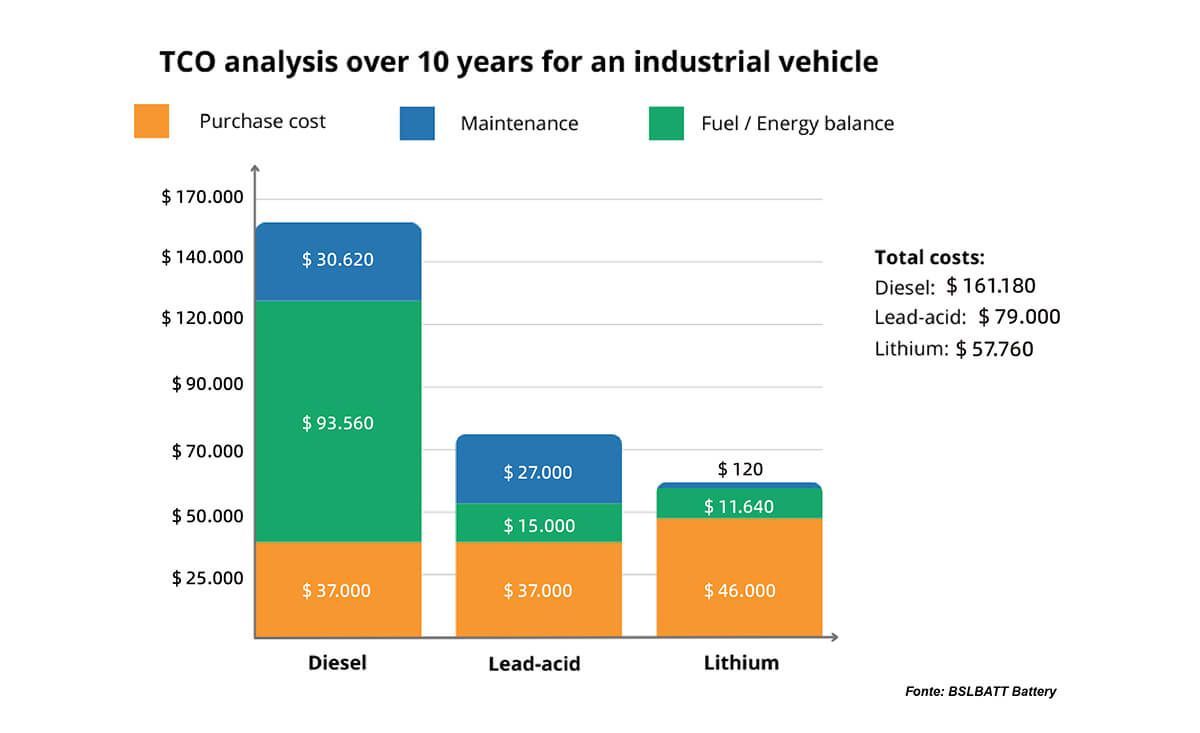
– Longer lifespan: These batteries can last 2 to 3 times longer than lead-acid options, reducing replacement frequency and total cost of ownership.
– Better energy efficiency: Lithium-ion technology retains more energy during charging and discharging, providing consistent power and performance.
Drawbacks:
– Higher upfront cost: The initial investment for lithium-ion batteries is higher compared to lead-acid, which may be a concern for some companies.
– Specialized disposal: While lithium-ion batteries are recyclable, they require specialized processes due to the materials involved.
3. Which One Should You Choose?
As industries move toward sustainability and energy efficiency, lithium-ion batteries are increasingly becoming the preferred choice for material handling operations. Their fast-charging capabilities, low maintenance, and long life align with modern warehousing needs, where productivity and cost-effectiveness are paramount. Furthermore, with advancements in lithium-ion technology, the upfront cost gap between the two battery types is narrowing, making it a more accessible option for businesses of all sizes.
When choosing a forklift battery, it’s essential to weigh both short-term and long-term costs, as well as operational efficiency. Lead-acid batteries remain a viable option for those on a budget, but the trend is moving toward lithium-ion batteries for their numerous advantages, especially in high-demand environments.
The decision between lead-acid and lithium-ion batteries depends on various factors such as budget, operational demands, and long-term goals. If your company prioritizes lower upfront costs and is prepared to handle regular maintenance, lead-acid batteries may be suitable. However, if you’re aiming for efficiency, minimal downtime, and long-term savings, lithium-ion batteries are an excellent investment despite the higher initial cost.