Revolutionize the energy economy with advanced lithium-ion battery technology—lower costs, reduce heat, and accelerate sustainable development.
 Explore all product lines
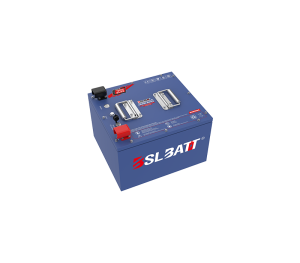
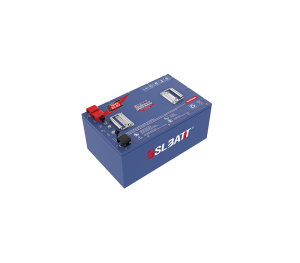
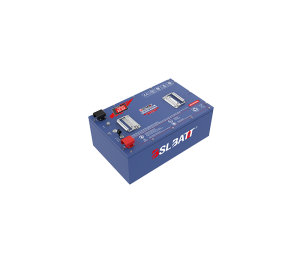
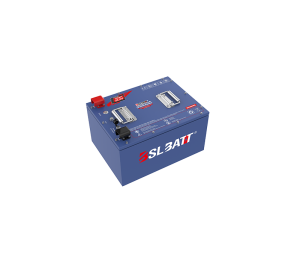









- Specialty Forklift Manufacturers and BSLBATT Lithium Battery Solutions
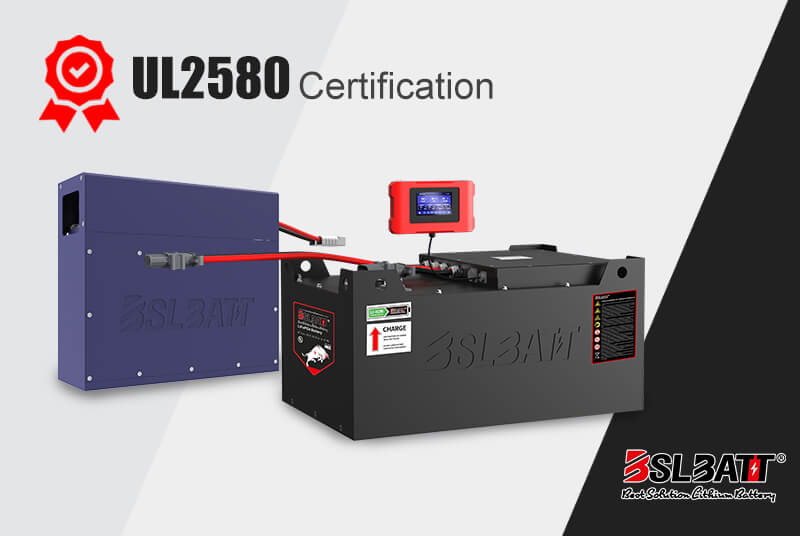
- The first lithium forklift battery that is UL 2580 certified and ISO9001 certified in the industry is BSLBATT® Battery – Industrial
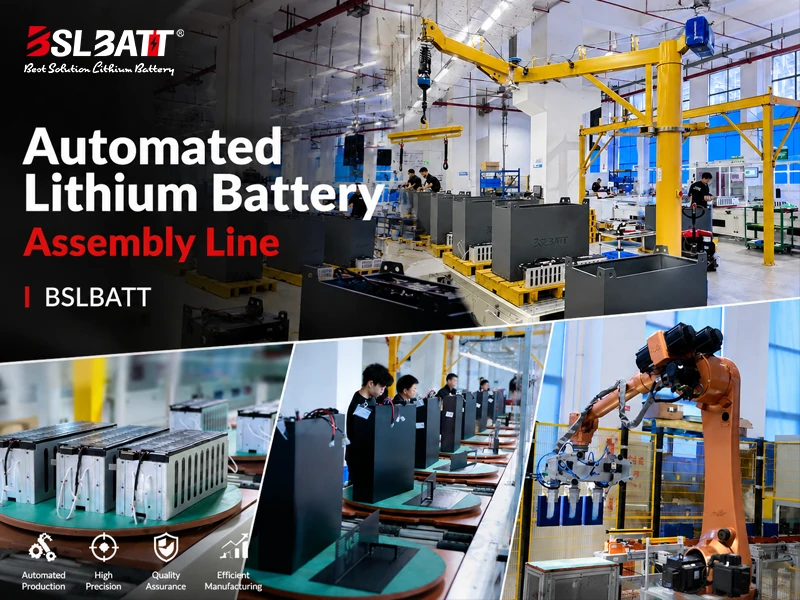
- Automated Lithium Battery Assembly Line | BSLBATT Smart Factory
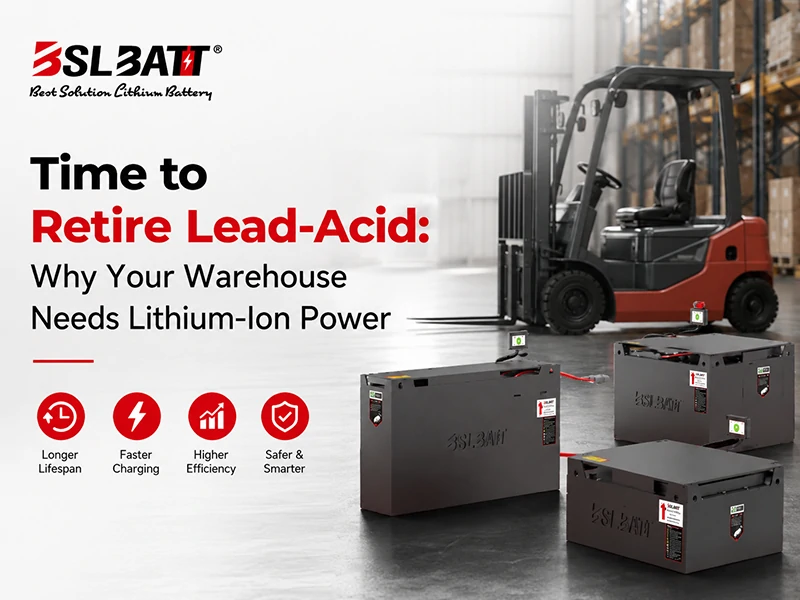
- Time to Retire Lead-Acid: Why Your Warehouse Needs Lithium-Ion Power
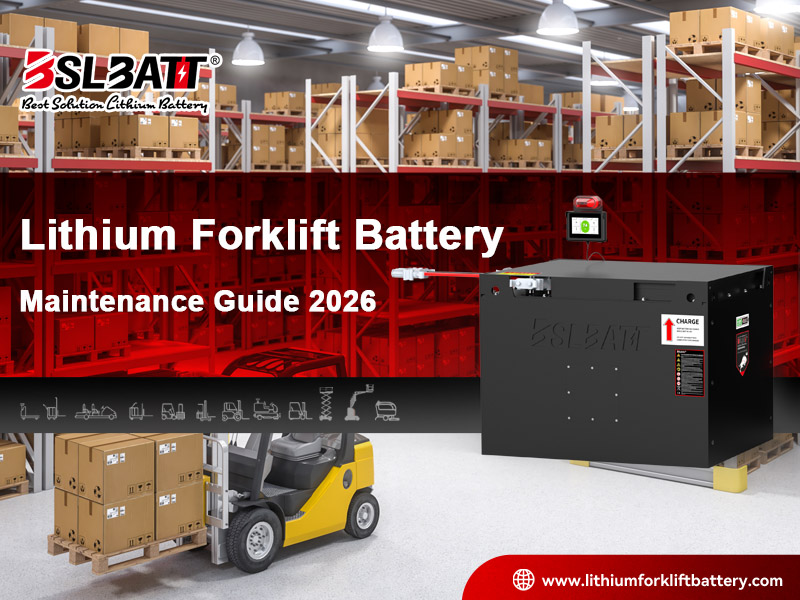
- Lithium Forklift Battery Maintenance Guide 2026
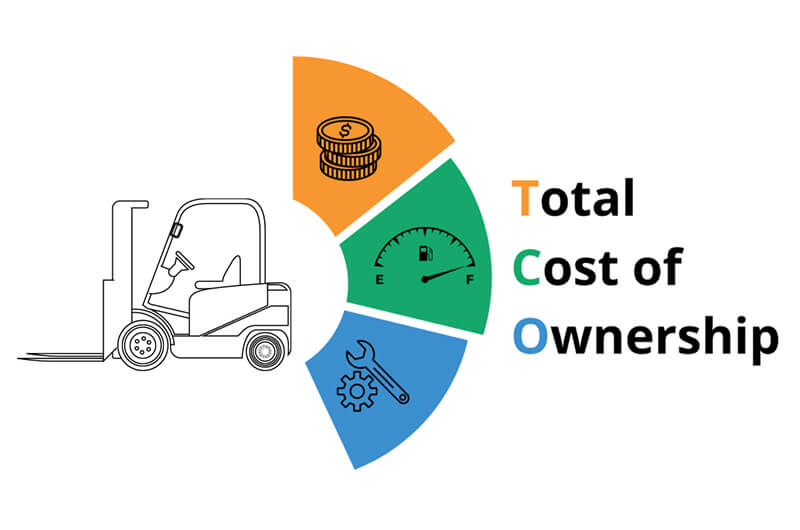
- Industrial Lithium Batteries: Initial Price vs. Long-Term Costs
Company News
ELECTRIFICATION OF GROUND SUPPORT EQUIPMENT: POWERING THE FUTURE WITH BSLBATT

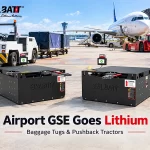
The aviation industry is embarking on a critical journey towards decarbonization, and the electrification of airport ground support equipment (GSE) is one of the most important steps in this evolution. Airports are experiencing a major renaissance in the green energy transition as the environment shifts and the country becomes extremely supportive of green energy: investments are growing and so are the number of electrification applications. From GPUs to tractor-trailers, trolleys, belt loaders, PRM platforms and boarding staircases, many airport Ground Support Equipment (GSEs) are actively preparing for the green energy transition, with significant reductions in emissions expected by 2030.
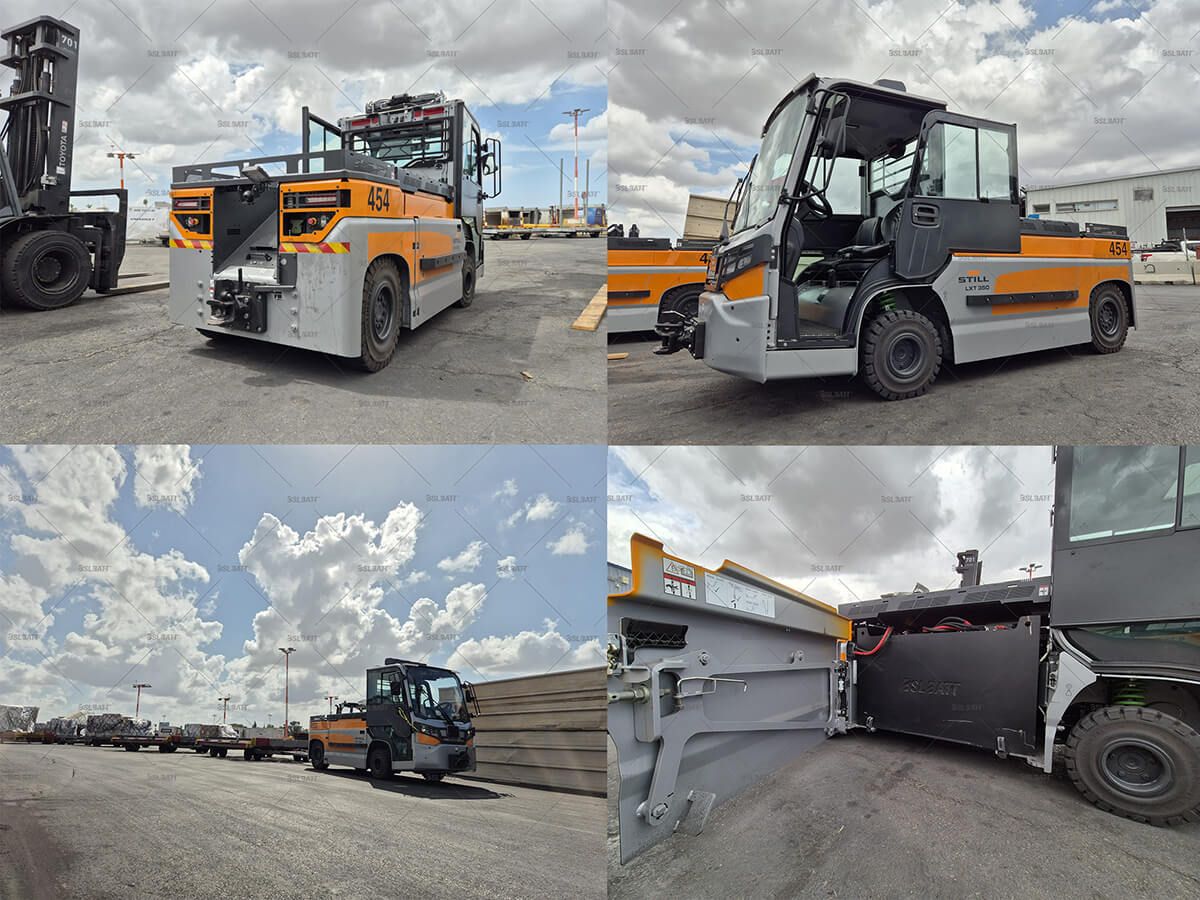
THE AIRPORT VEHICLE SECTOR IS UNDERGOING A TRANSFORMATION, AND “LITHIUM BATTERIES” ARE AT THE CENTER OF IT.
We have to recognize the fact that electrification is becoming an inevitable part of the future of airports. However, this transition will not happen overnight, but rather in a step-by-step process. Some original equipment manufacturers (OEMs) are already leading the electrification charge, having decided early on to invest in electrification technology, from early lead-acid batteries to current lithium batteries. At the same time, those who were initially dismissive of electrification because they thought the initial investment costs would be too high have begun to shift their attitudes and become interested in electrification as they recognize the economic benefits and strategic value that electrification brings in the long run.
So we are at a crossroads, facing two parallel electrification challenges:
On the one hand, we are pursuing innovation and are committed to producing new all-electric field equipment equipped with lithium batteries.
On the other hand, we are faced with the task of upgrading and transforming our existing fleet of lead-acid battery-powered electric vehicles that need to be gradually replaced with more advanced lithium-ion systems.
WHY LITHIUM BATTERIES ARE LEADING THE WAY IN AIRPORT ELECTRIFICATION
The aviation industry is on the verge of a radical transformation, and lithium batteries are playing a central role in the development of airport electrification, thanks to their unique advantages in terms of performance, economics and sustainability.
Lithium-ion batteries are the obvious choice for high-load use scenarios at airports with an electrical efficiency of up to 98%, compared to only 80% for lead-acid batteries. Traditional lead-acid battery technology has remained largely unchanged for nearly 200 years but is being phased out by modern advances in lithium-ion batteries. BSL BATT’s lithium-ion batteries have excellent cycle life and charging characteristics, allowing a single battery to be paired with each device to improve operational efficiency. “Airlines and airports worldwide are committed to reducing carbon emissions and improving sustainability,” said Haley Ning, marketing director of BSL Battery – Industrial. “Converting GSE to electricity, especially with lithium-ion batteries, is a direct and effective step in that direction.”
Compared to traditional lead-acid batteries, lithium batteries have an advantage in a number of key performance indicators: their energy conversion efficiency of more than 96%, the ability to achieve rapid charging within 2 hours, provide a long life of more than 4,000 charge/discharge cycles, as well as lower maintenance requirements and the ability to support flexible charging, which ensures that the equipment will be able to have a longer working time. Therefore, lithium batteries are definitely the smart choice for improving efficiency and performance.
Although lithium batteries have a relatively high initial acquisition cost, a TCO analysis reveals that they have significant advantages in reducing maintenance expenses and energy consumption, resulting in substantial cost savings in long-term operations.
Airport ground support equipment utilizing lithium batteries not only improves economy and efficiency, but also significantly enhances environmental sustainability, reduces greenhouse gas emissions and improves air quality. In addition, electric equipment reduces noise pollution and improves the comfort of the operating environment.
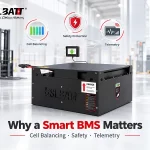
Lithium batteries also improve safety, with a reduced risk of fire as there is no risk of fuel leakage. In particular, lithium batteries using LFP (lithium iron phosphate) chemistry further enhance safety due to their high stability and pyrolysis characteristics, as well as slow heat release. Combined with an intelligent battery management system, LFP lithium batteries ensure high safety standards in a wide range of applications.
BSLBATT’S CUSTOMIZED LITHIUM BATTERY SOLUTIONS
Relying on our more than 12 years of industry experience and tailored service approach, BSLBATT has established relationships with many of the top international ground handling service providers and OEMs to customize lithium batteries for their equipment to meet their unique power needs.
For airports, it is particularly important to consider the outdoor application of equipment in different climates around the world, so selecting a supplier with extensive experience in temperature control technology is a key factor in the decision-making process. Individualization is our top priority!
BSL Battery – Industrial’s lithium-ion batteries use a special chemistry, LFP (lithium iron phosphate), which offers significant advantages over traditional lead-acid batteries and even other lithium-ion batteries, with higher safety and cycle life. “LFP chemistry is safer, more environmentally friendly, and has a longer cycle life,” said Mr. Zhang, product director of BSL Battery – Industrial. “In addition, we are implementing design features specifically targeted to GSE needs that are the result of our years of experience in the industry.”
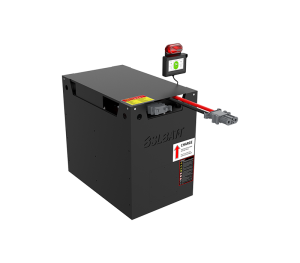
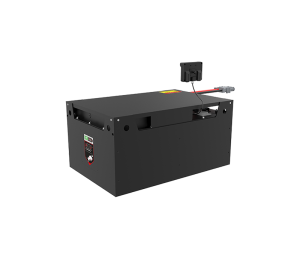
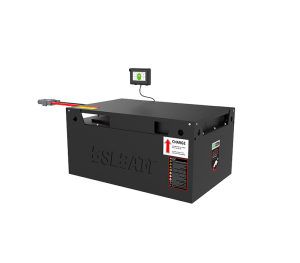
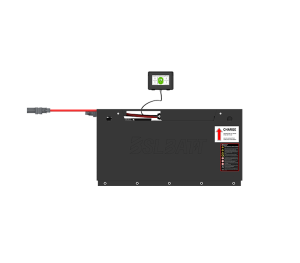
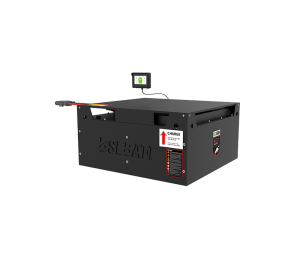
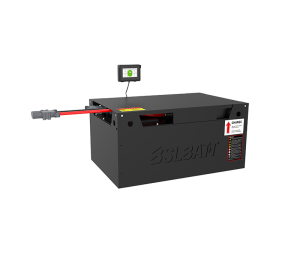
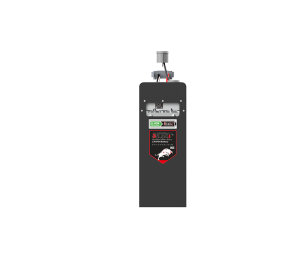
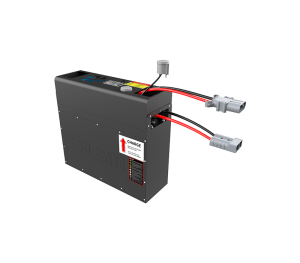
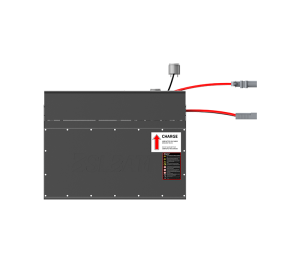
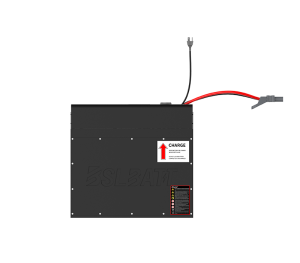
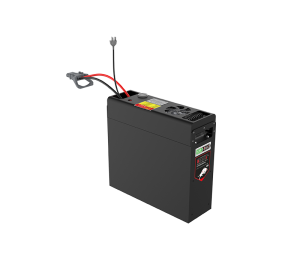
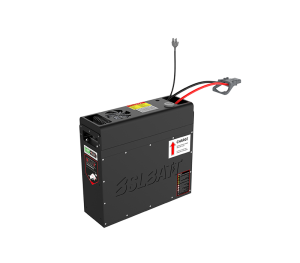
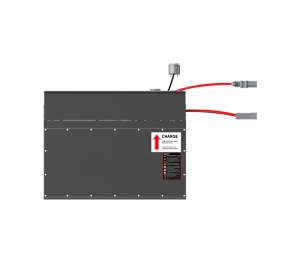
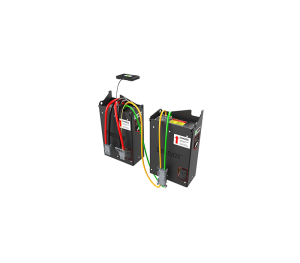
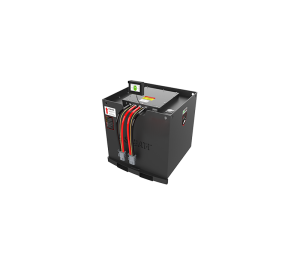
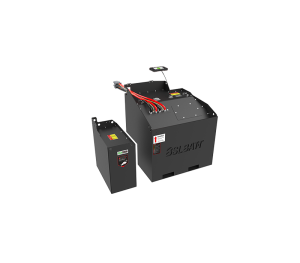
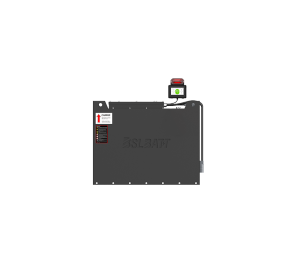
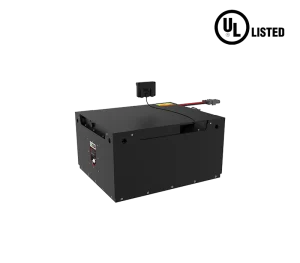
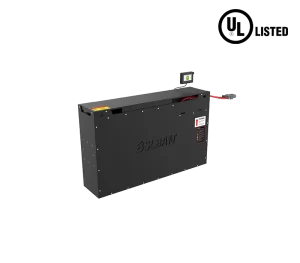
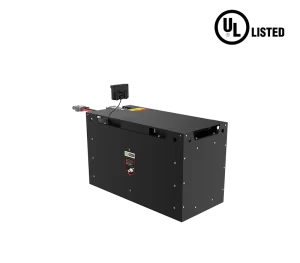
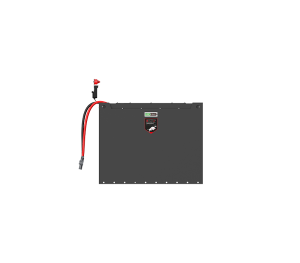
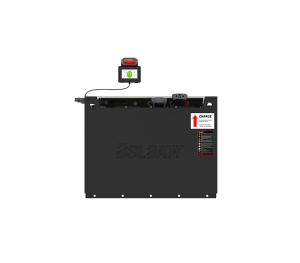
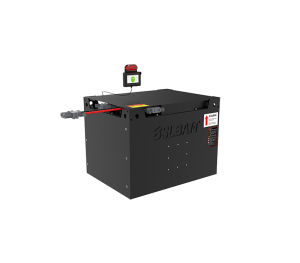
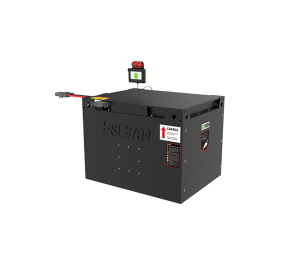
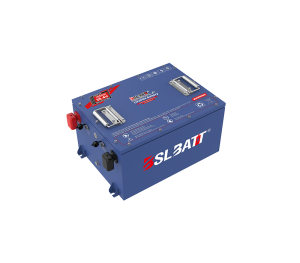
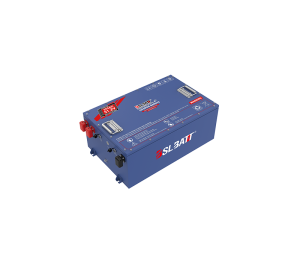
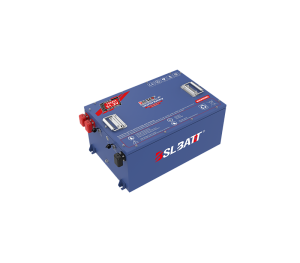
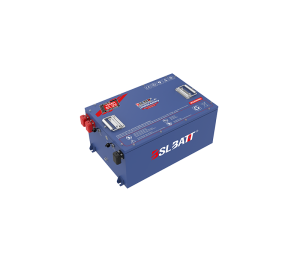
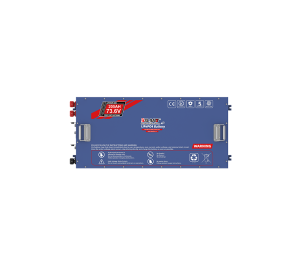
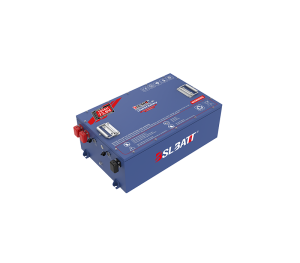
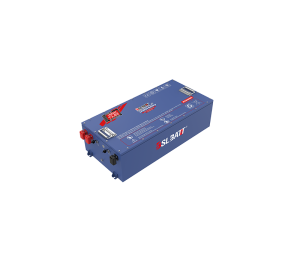
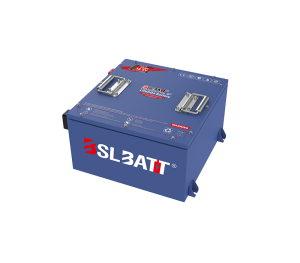
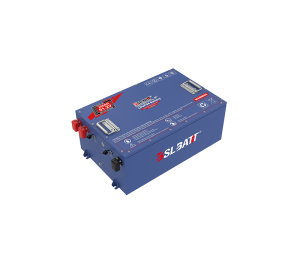
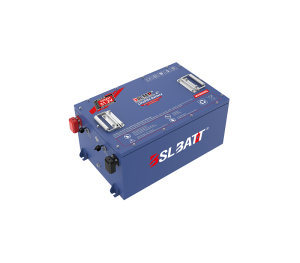
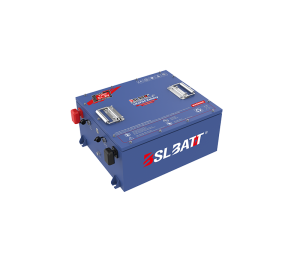
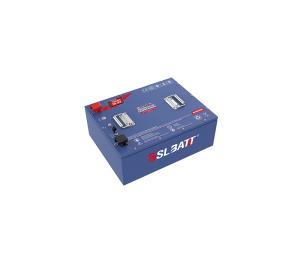
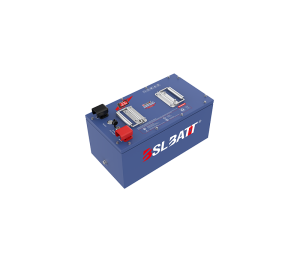
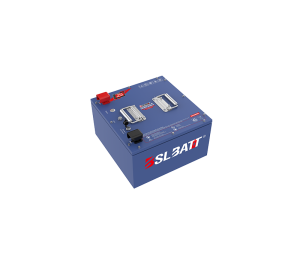
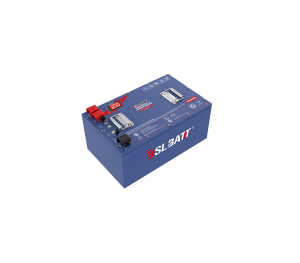
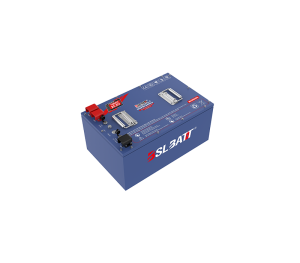
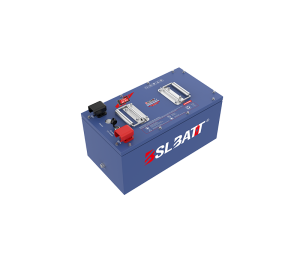
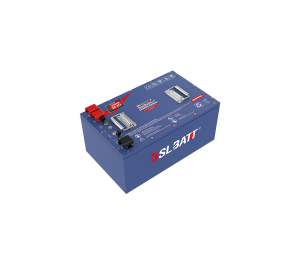
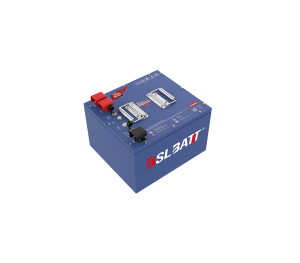
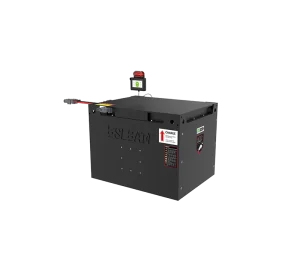
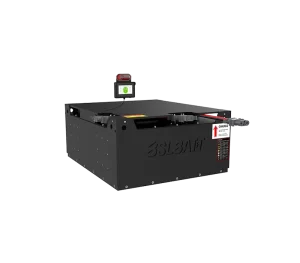
The BSLBATT 80V, 280Ah – 22.4kWh Lithium Ion Battery is a customized power solution for GSE vehicles. Designed to meet the demanding requirements of the airport environment, this battery delivers exceptional performance, reliability and durability. Its key features:
Fast Charging: Lithium batteries charge significantly faster than lead acid batteries. BSLBATT batteries can be fully charged in just a few hours, allowing GSE vehicles to return to work with minimal downtime.
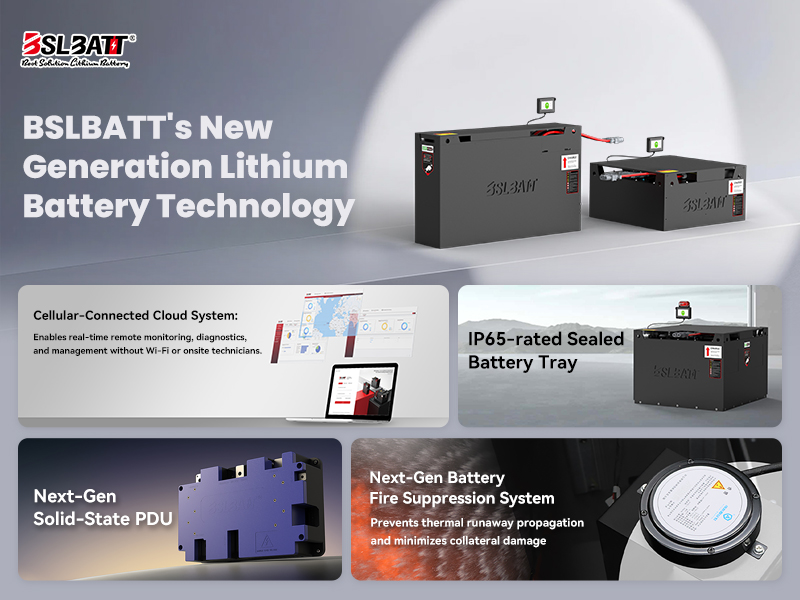
High IP Protection (IP54-65): With its advanced IP protection, the battery is highly resistant to water and dust, ensuring reliable operation even in harsh weather conditions.
Built-in Triple Cold Heater: This feature ensures that the battery performs optimally in cold climates. The heaters keep the battery running smoothly even at sub-zero temperatures, making it ideal for airports in cold regions.
Innovative PCB Design and UL2580 Certification: The battery’s advanced PCB (Printed Circuit Board) design ensures enhanced safety and reliability. UL2580 certification further ensures that the battery meets the highest industry safety standards.
GPRS Remote Diagnostic System: Allows real-time monitoring of battery performance. The system ensures predictive maintenance, helping to prevent potential failures and minimize vehicle downtime.
WHAT’S THE WAY FORWARD?
The transition to lithium battery-powered GSE is just the beginning. As technology continues to evolve, we can expect more innovative solutions to enhance airport operations, increase automation and improve the overall sustainability of the aviation industry.
Ready to electrify? Request a free initial evaluation to learn how BSLBATT 80V, 280Ah lithium batteries can improve the performance and sustainability of your fleet. Contact the BSLBATT sales team today:
Email: inquiry@bsl-battery.com
Phone: +86-752-2819-469
Move towards a greener, more efficient future with BSLBATT.