Revolutionize the energy economy with advanced lithium-ion battery technology—lower costs, reduce heat, and accelerate sustainable development.
 Explore all product lines
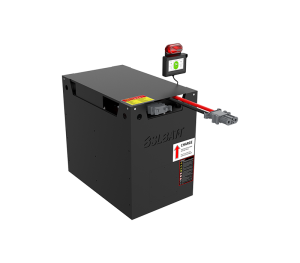
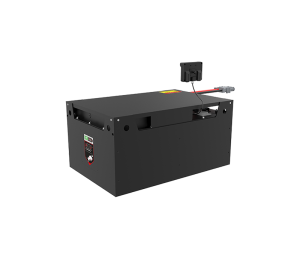
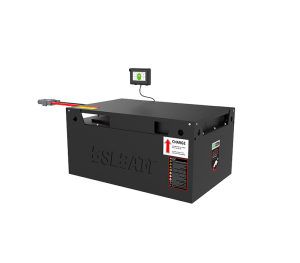
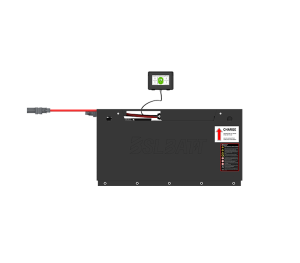
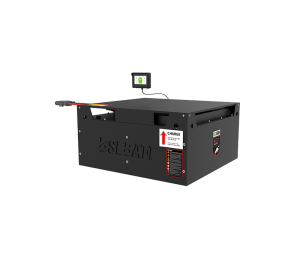
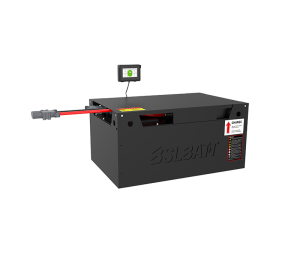
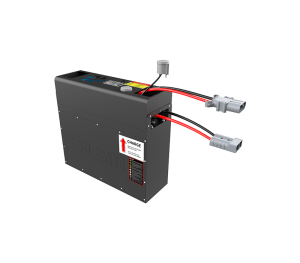
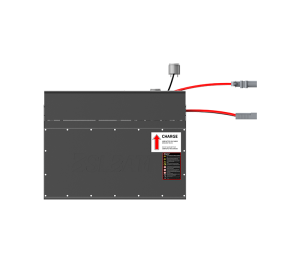
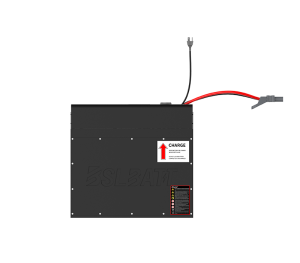
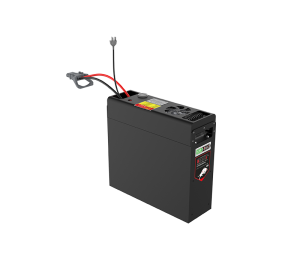
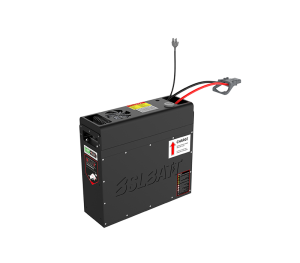
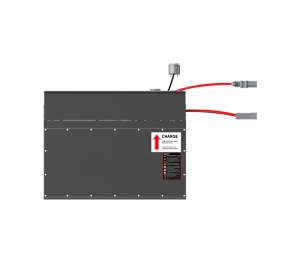
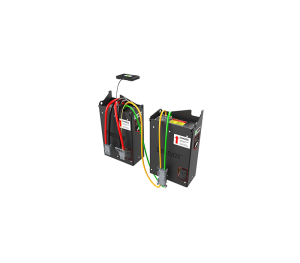
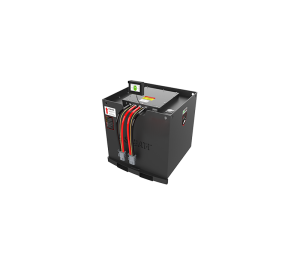
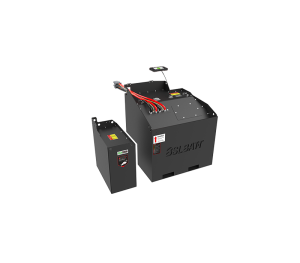
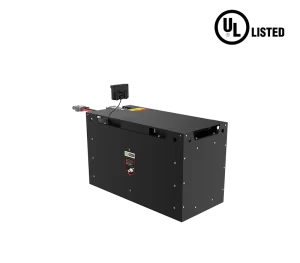
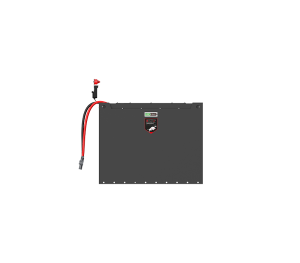
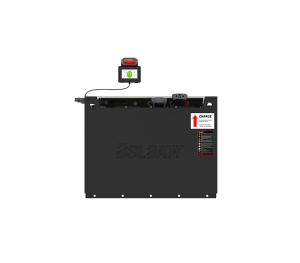
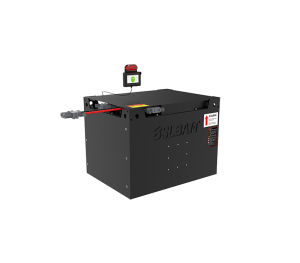
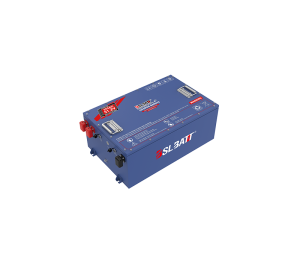
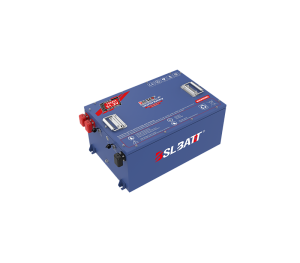
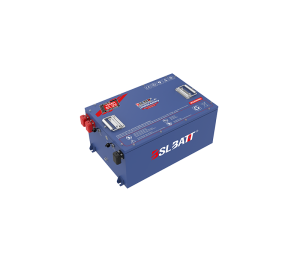
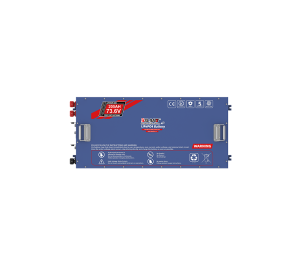
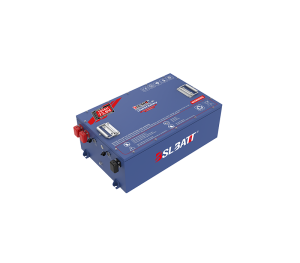
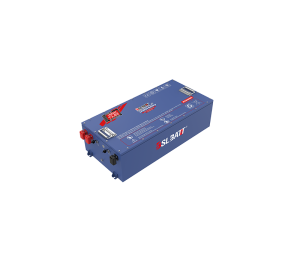
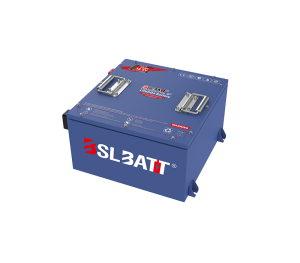
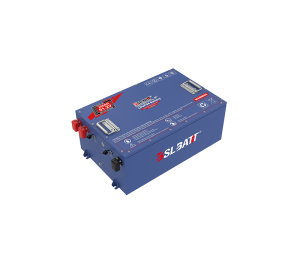
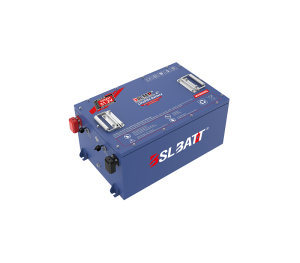
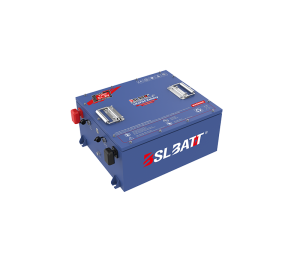
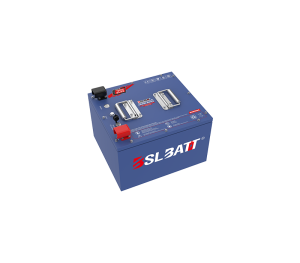
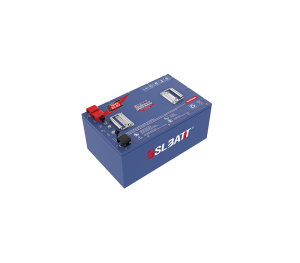
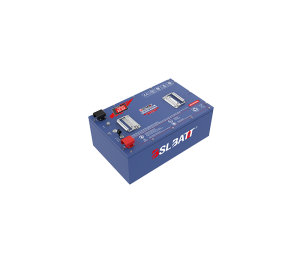
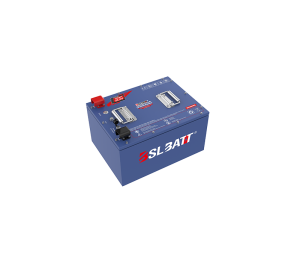
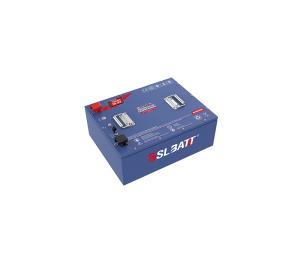
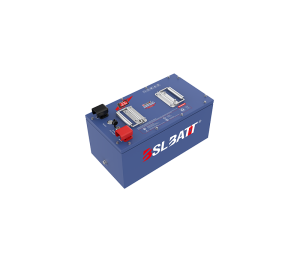
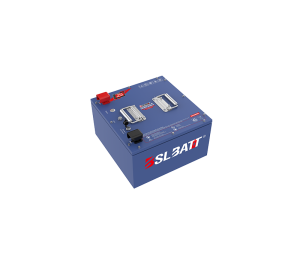
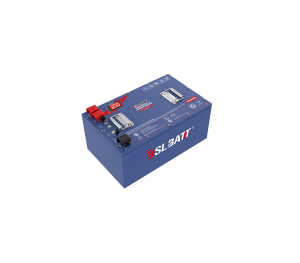
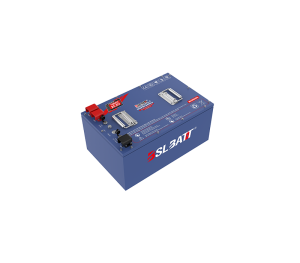
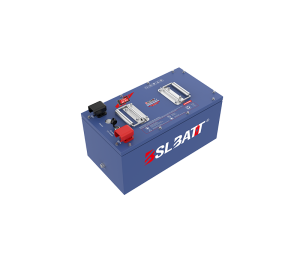
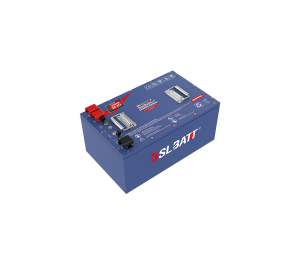
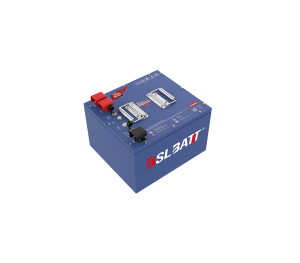
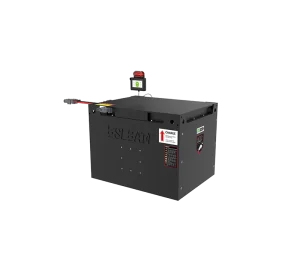
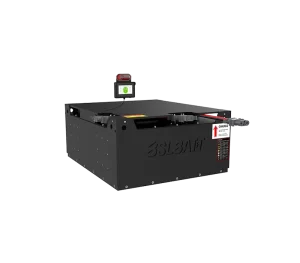


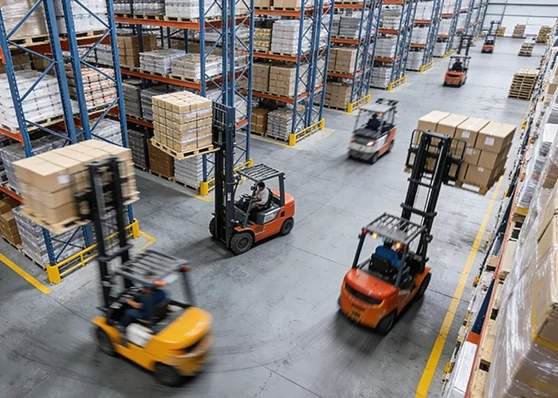
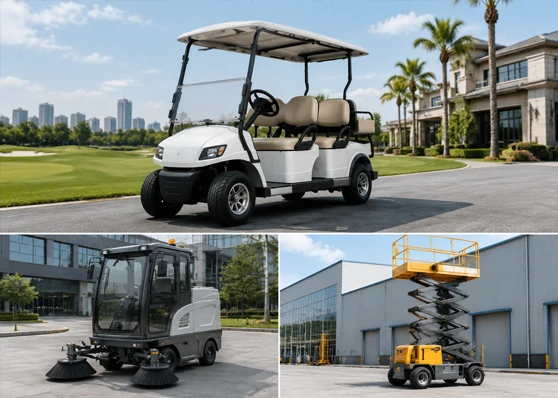

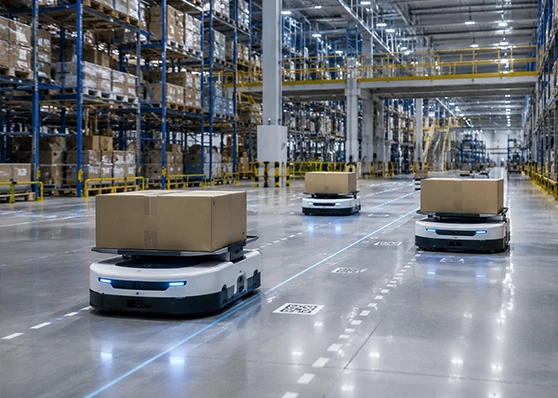
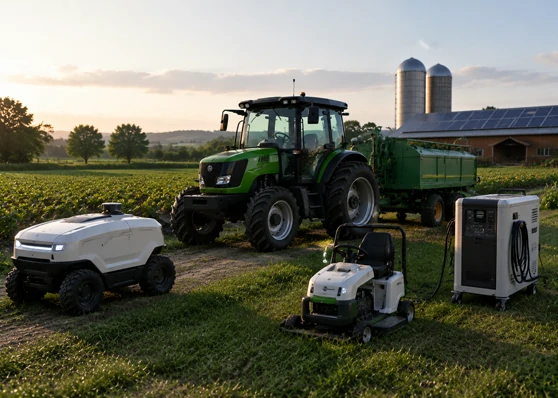





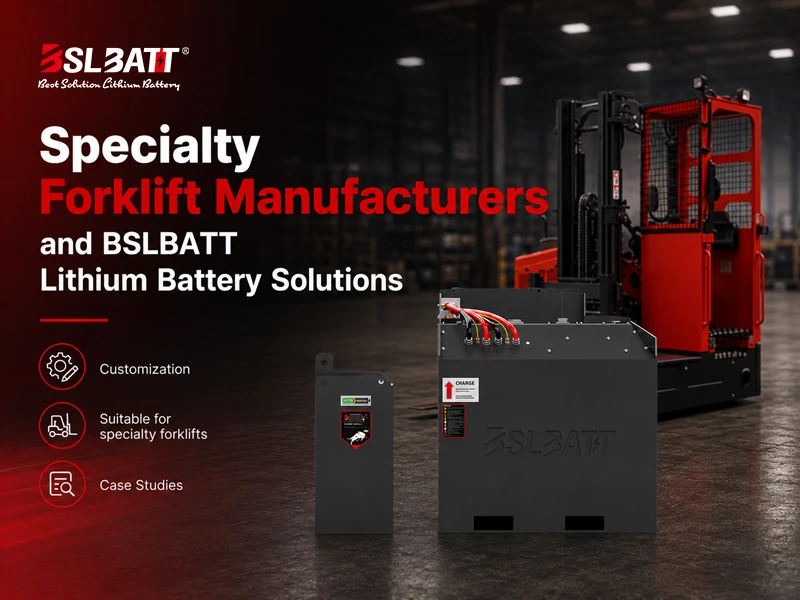
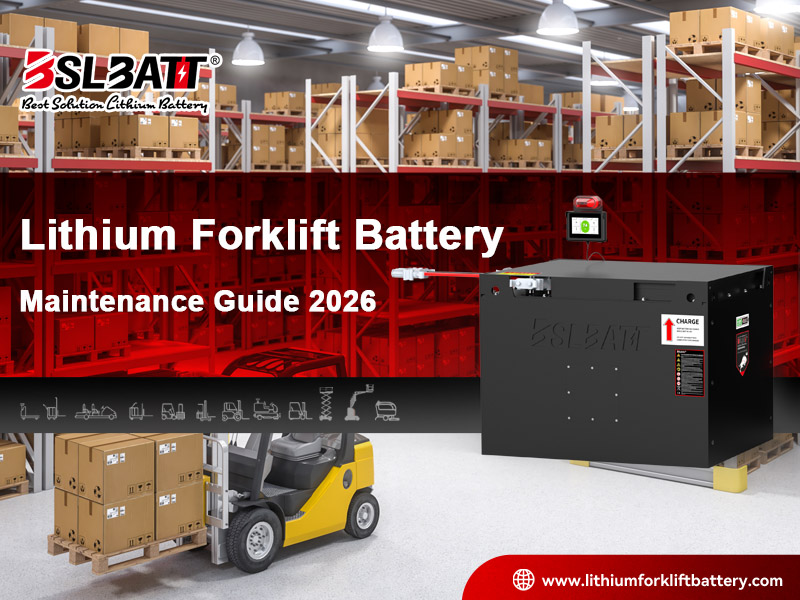
- Specialty Forklift Manufacturers and BSLBATT Lithium Battery Solutions
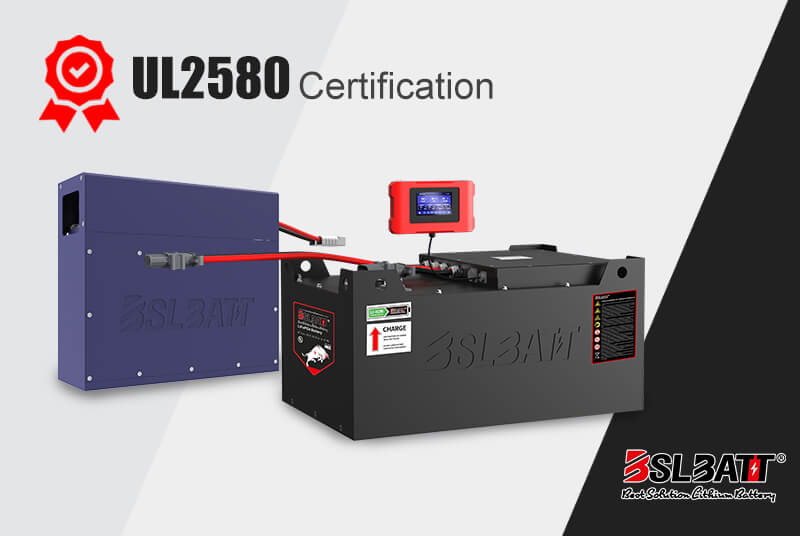
- The first lithium forklift battery that is UL 2580 certified and ISO9001 certified in the industry is BSLBATT® Battery – Industrial
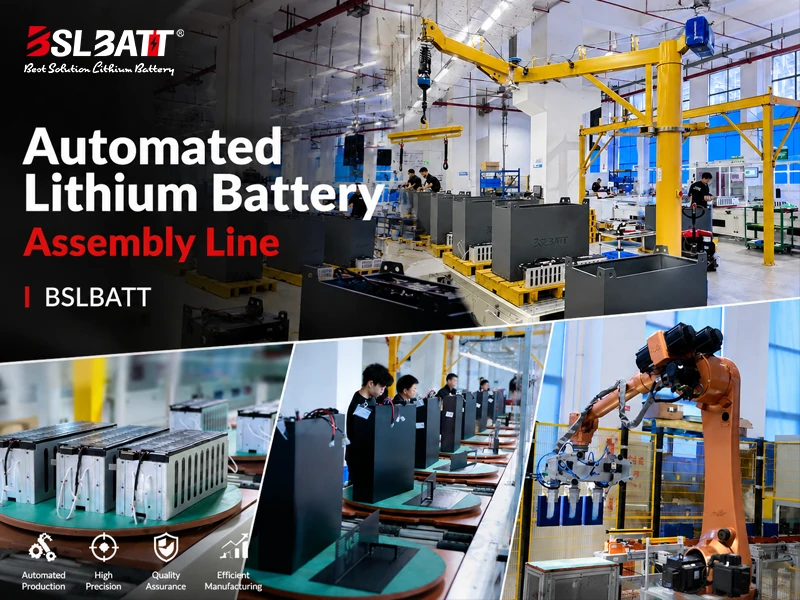
- Automated Lithium Battery Assembly Line | BSLBATT Smart Factory
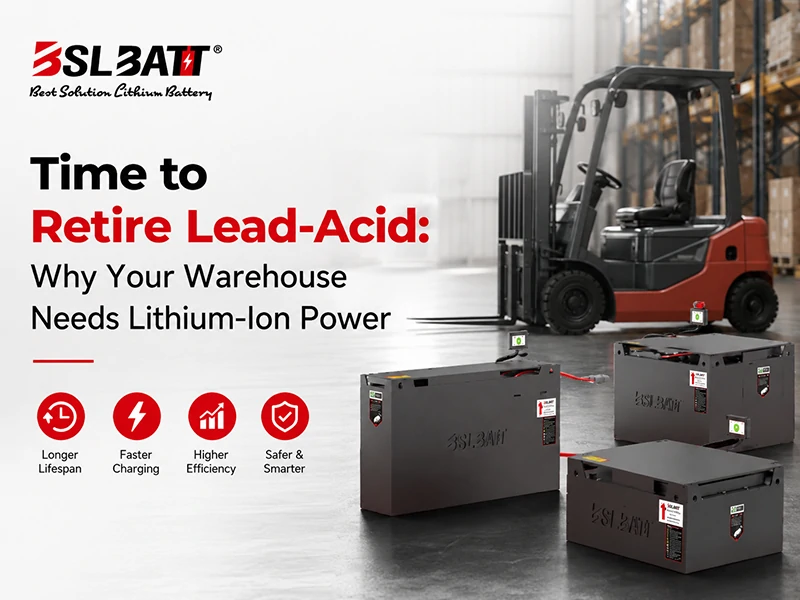
- Time to Retire Lead-Acid: Why Your Warehouse Needs Lithium-Ion Power
- Lithium Forklift Battery Maintenance Guide 2026
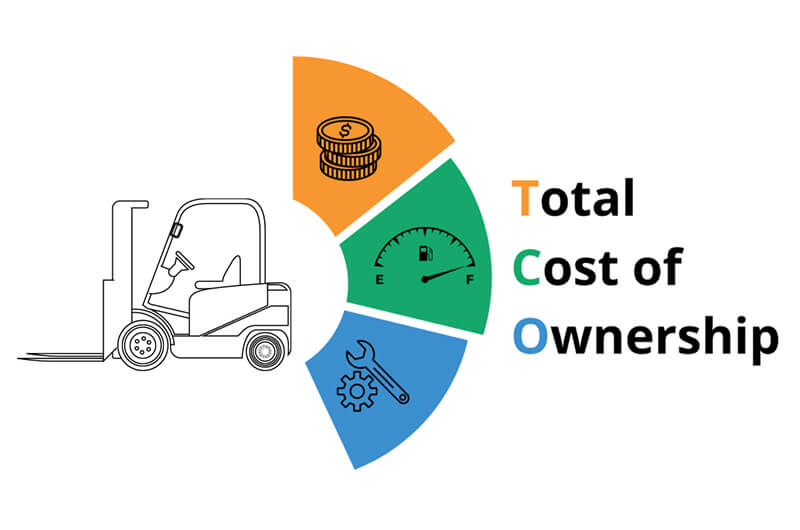
- Industrial Lithium Batteries: Initial Price vs. Long-Term Costs
Company News
EVOLUTION AND ADVANTAGES OF LITHIUM-ION FORKLIFT BATTERY TECHNOLOGY
Table of contents
- First of all, we have to think about one question: is it worth buying a lithium-ion forklift battery?
- Advances in Lithium Ion Forklift Battery Technology
- 1. Intelligent Battery Management Systems (BMS)
- 2. Increased Energy Density
- 3. Integration with Warehouse Management Systems
- 4. The ideal solution for every application
- Solution Benefits of BSLBATT Lithium-Ion Battery Technology
- 1. Cost
- 2. Stabilization
- 3. Safety
- No Harmful Gases
- Safety
- Certification Testing
- Conclusion
In recent years, companies have come under increasing cost pressures, tight delivery times and unpredictable order peaks: Various industries are changing their requirements for warehouse and forklift equipment. But above all, they must be long-lasting and flexibly configurable. At the same time, safety and cost-effectiveness are important factors. This means that energy systems also have to be put to the test.
Currently, it is not only the automotive sector that has been shifting to electricity, but also in the material handling industry where lithium-ion battery technology has become a force for change. Forklifts, which are at the heart of warehouse and logistics operations, are now being powered by advanced lithium-ion batteries, which are gradually improving the operational efficiency of companies. This is where Li-ION technology comes into play.
Curious about lithium ion forklift battery technology? This article contains everything you need to know about it!
First of all, we have to think about one question: is it worth buying a lithium-ion forklift battery?
Our answer is: if you are operating multiple shifts, lithium-ion forklift batteries will be a very good choice.
For many years, lead-acid batteries have dominated the forklift battery market due to their lower price and widespread use. However, it has a number of drawbacks, such as the need for frequent maintenance, slow charging speeds and significant power loss. It is undoubtedly a nuisance for companies operating multiple shifts, which not only increases labor costs, but also reduces the efficiency of the work. Although lithium-ion batteries have a higher initial cost, in the long run, due to their own characteristics, fast charging, no maintenance and no memory effect, multi-shift operations tend to benefit the most from switching to lithium-ion forklift batteries.
The return on investment for lithium-ion forklift batteries can also typically be realized within 36 months.
Overall, lithium-ion forklift batteries are 40% more energy efficient than lead-acid batteries. And they are 88 percent more efficient than diesel fuel.
The adoption of lithium-ion technology is accelerating in a variety of industries as the demand for cleaner, more reliable energy grows.
Advances in Lithium Ion Forklift Battery Technology
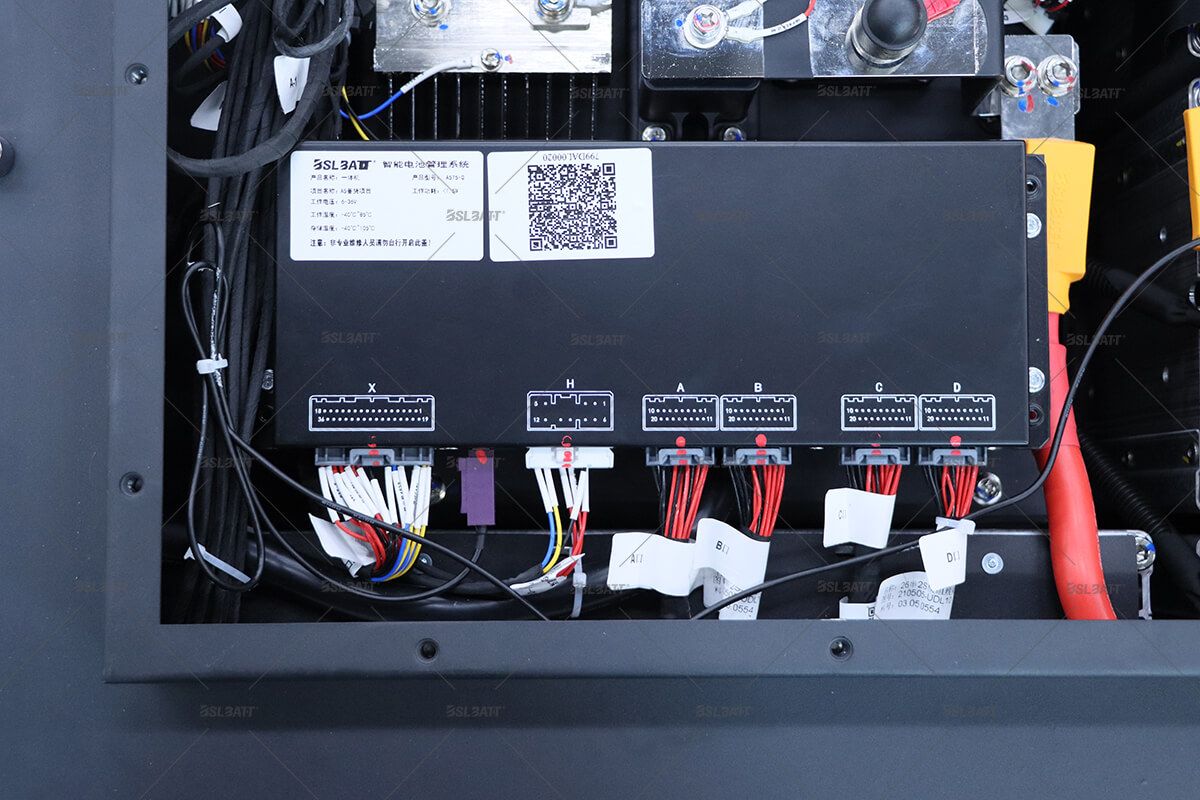
1. Intelligent Battery Management Systems (BMS)
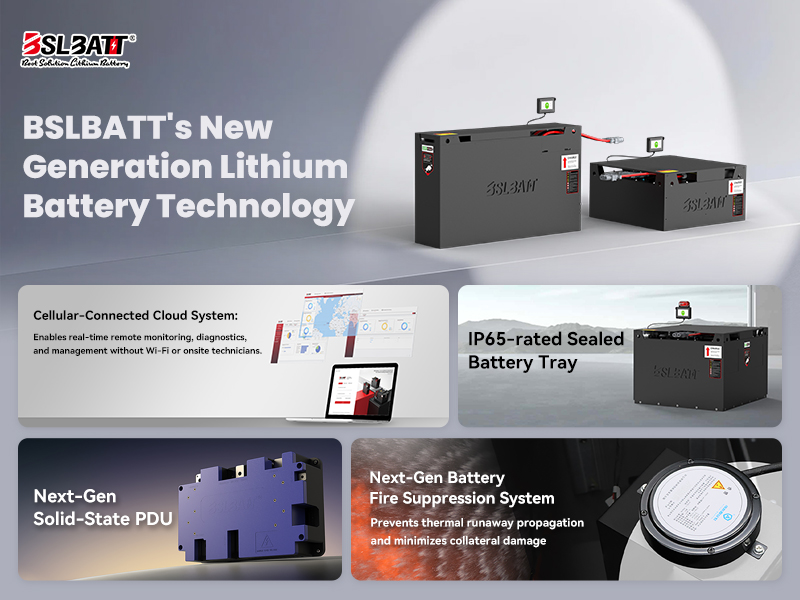
Almost all modern Li-ion forklift truck batteries are equipped with an intelligent Battery Management System (BMS) that ensures optimal performance and safety. the BMS monitors key parameters of the battery such as voltage, temperature, and current, and can prevent dangerous conditions such as overheating or overcharging. the BMS also communicates with the forklift operator or fleet manager to provide real-time information on the health of the battery, and can make recommendations for maintenance when it is needed. . This active battery management improves overall safety and extends battery life.
2. Increased Energy Density
In recent years, lithium-ion battery technology has made significant advances in energy density, meaning that more energy can be stored in the same volume or weight of battery. This advancement allows forklifts to run longer between charges, while reducing the weight of the battery and increasing the flexibility of the forklift in a warehouse environment. Smaller, lighter battery packs also optimize the use of space inside the forklift, making more space available for cargo or reducing the overall weight of the vehicle.
3. Integration with Warehouse Management Systems
Lithium-ion batteries are increasingly being integrated with warehouse management systems (WMS) and fleet management systems (FMS). These integrations make it possible to monitor battery status, charge levels and energy consumption in real time. Operators can receive alerts that batteries need charging, schedule maintenance in advance, and optimize fleet energy use. This intelligent connectivity helps streamline operational processes and reduce the risk of unplanned downtime.
4. The ideal solution for every application
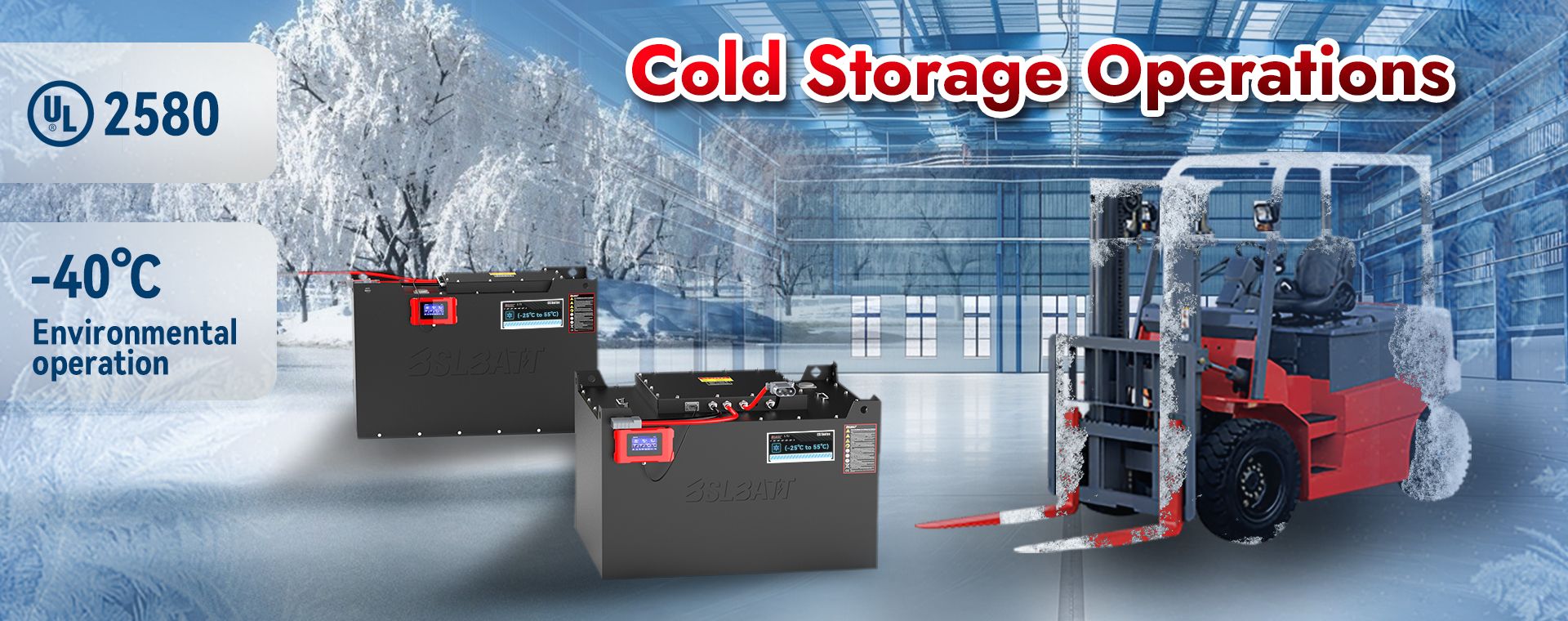
The use of lithium-ion batteries is suitable for all applications, they perform better in extreme temperatures and they perform well in intensive applications such as multi-shift operations and refrigerated storage. Many lithium-ion forklift batteries are designed with integrated temperature control systems, making them ideal for warehouses that handle frozen commodities, or those environments with frequent temperature changes.
Due to the use of lithium-ion materials, there are no toxic emissions and possible impurities that can be released like with lead-acid batteries, so they are also particularly suitable for areas that require a high degree of sensitivity, such as the pharmaceutical or food industries. Lithium-ion batteries are an environmentally friendly option for companies looking for alternatives to internal combustion forklift fleets.
Click to view BSLBATT Cold Application Examples
Solution Benefits of BSLBATT Lithium-Ion Battery Technology
BSLBATT lithium-ion forklift battery technology for forklifts and warehouse equipment improves the efficiency of warehouse operations. They increase truck availability and make operations more economical, safer and sustainable. Many users appreciate the practicality they demonstrate in their daily work.
1. Cost
Although the initial cost of lithium-ion forklift batteries is two to three times higher than lead-acid batteries, their long-term benefits make them a more cost-effective solution.
Lower maintenance Costs: Lithium-ion batteries do not incur as much maintenance and disposal costs as traditional lead-acid batteries, which dramatically reduces labor costs and downtime, allowing operators to focus on more important tasks.
High efficiency: Lithium-ion batteries have a rapid recharge capability. Compared to lead-acid batteries, which can take up to 12 hours to fully recharge, lithium-ion batteries can be fully charged in just one to two hours. This fast-charging feature dramatically reduces downtime and ensures that forklifts stay up and running for longer periods of time, increasing productivity.
Opportunity charging: Even charging during short work breaks will not affect battery life. This flexibility allows the warehouse to maximize productivity and ensure continuous operation.
Longer life: Fewer battery replacements mean lower long-term capital expenditures. This includes the cost of adding or replacing a second battery.
2. Stabilization
Lead-acid batteries experience a gradual drop in voltage during discharge, causing power and performance to diminish at the end of a work shift, thus reducing productivity. Lithium-ion batteries, on the other hand, maintain a stable voltage output throughout the discharge cycle, ensuring that the forklift can always run at full power until it is completely depleted. This stability is especially useful in scenarios that require intensive operation, ensuring a reliable power supply.
3. Safety
BSLBATT lithium ion forklift battery technology is also reassuring in terms of safety, and has been subjected to heavy special testing in its development.
No Harmful Gases
Lead-acid batteries contain hazardous substances, such as lead and sulfuric acid, which pose a risk to health and the environment if not handled properly. In contrast, lithium-ion batteries contain no toxic substances and are safer for workers and the environment. In addition, lithium-ion technology is more energy efficient, reducing energy consumption during charging and operation. Many lithium-ion batteries can also be recycled, helping to further enhance environmental sustainability.
Safety
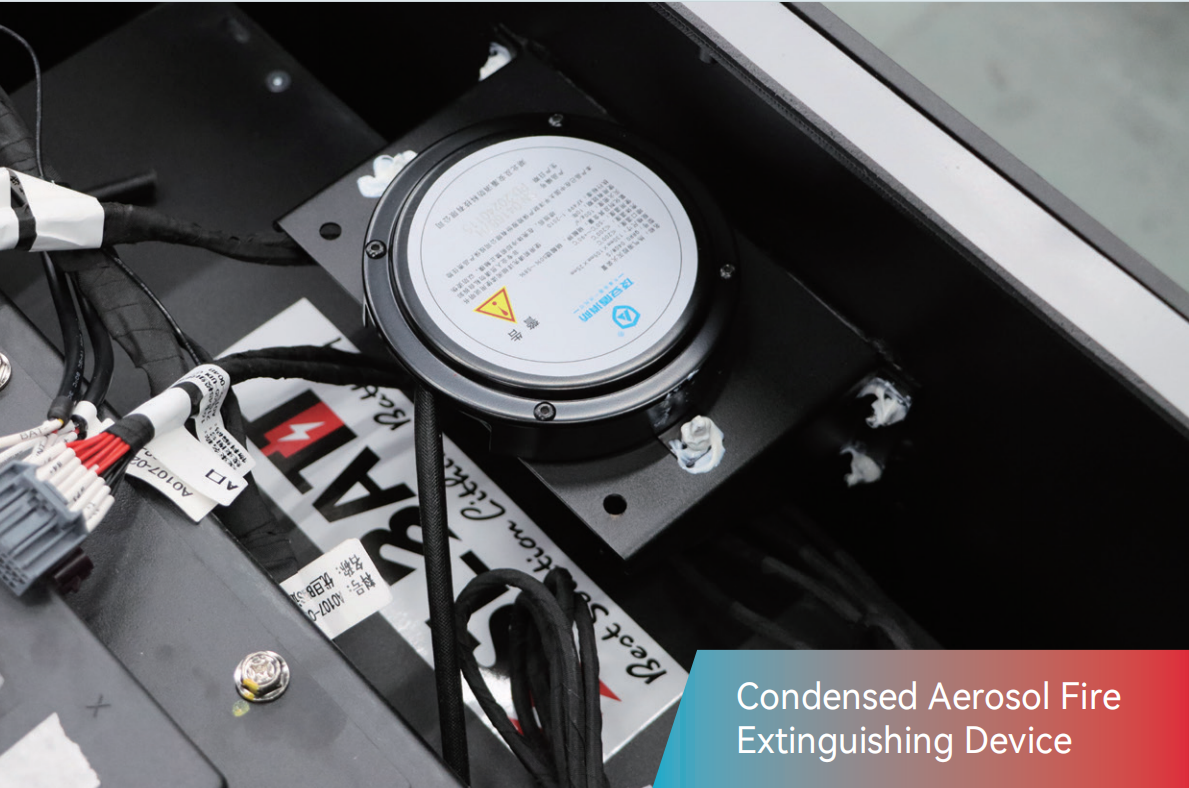
BSLBATT lithium-ion forklift battery technology is available in cell, module and battery levels. In addition, the batteries have internal smoke detection and fire suppression devices. During forklift operation, the battery may overheat for various reasons and other abnormalities. The fire extinguishing device is able to respond quickly to a fire in its early stages, thus avoiding damage caused by the fire as well as the destruction of neighboring goods and equipment, and reducing economic losses.
At the same time, the fire extinguishing device provides a higher level of safety for the operator and the workplace, which helps the enterprise to comply with safety standards and norms, and to avoid the legal risks and adverse effects brought by safety accidents.
Certification Testing
In addition, our lithium-ion forklift batteries have undergone a series of certifications to comply with CE standards and have also passed UL2580 certification testing. Click here to view the certification video.
Conclusion
Lithium-ion forklift battery technology represents a major advancement in the material handling industry. With faster charging times, longer service life, minimal maintenance requirements and environmental benefits, lithium-ion batteries are ideal for improving efficiency and reducing operating costs. As the technology continues to evolve, its potential will be further unlocked, ensuring that lithium-ion batteries are at the heart of future forklift power solutions. For organizations looking to remain competitive and move towards environmental protection, there has never been a better time to adopt lithium ion forklift battery technology.