Revolutionize the energy economy with advanced lithium-ion battery technology—lower costs, reduce heat, and accelerate sustainable development.
 Explore all product lines
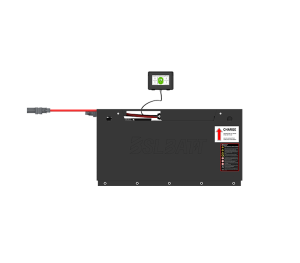
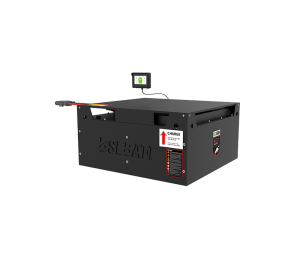
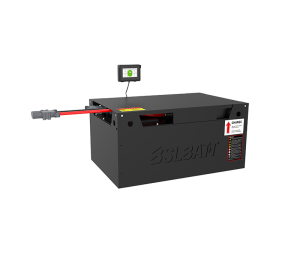
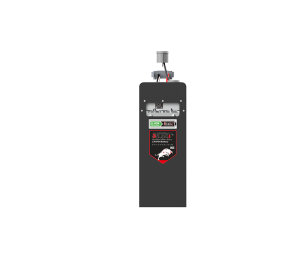
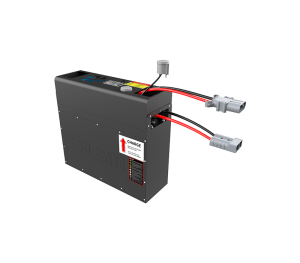
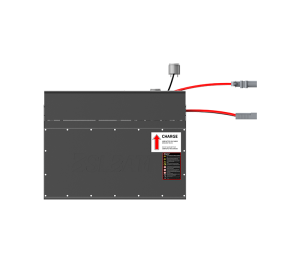
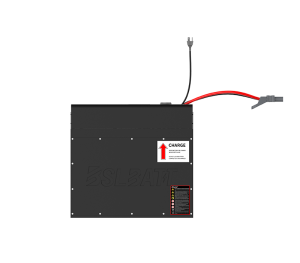
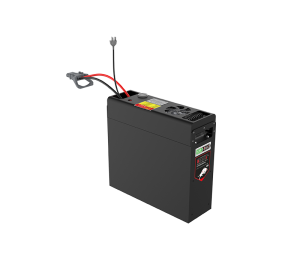
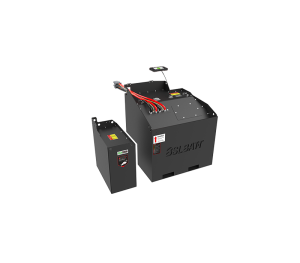
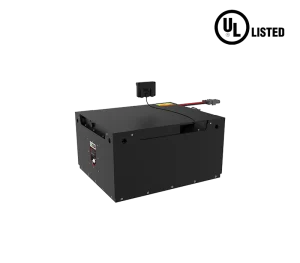
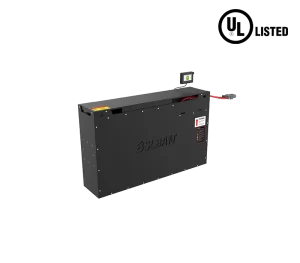
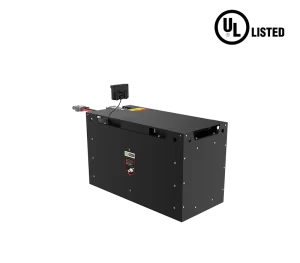
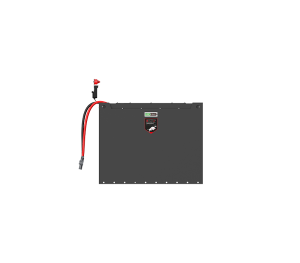
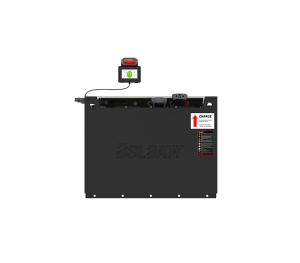
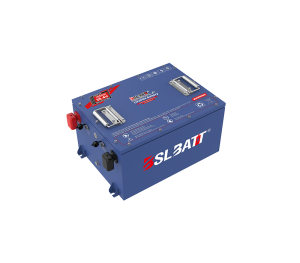
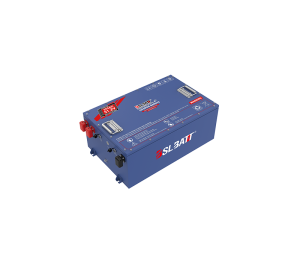
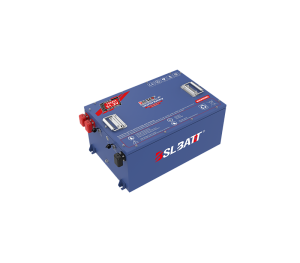
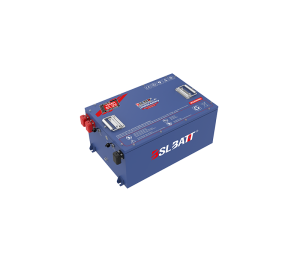
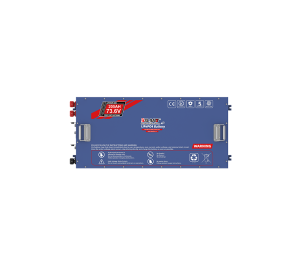
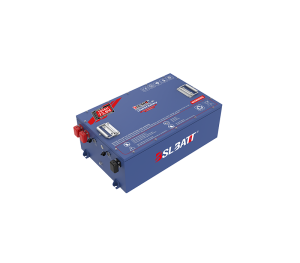
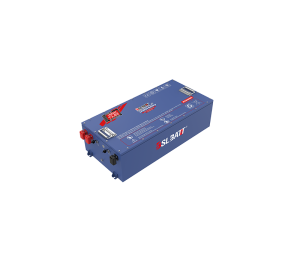
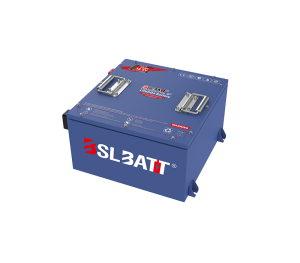
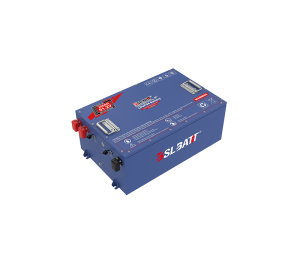
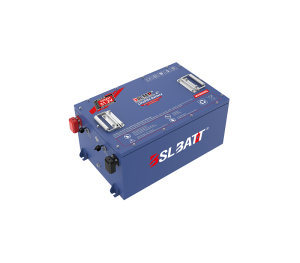
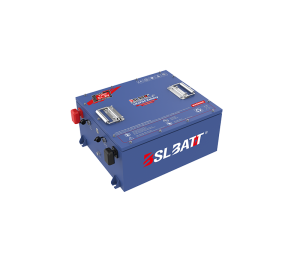
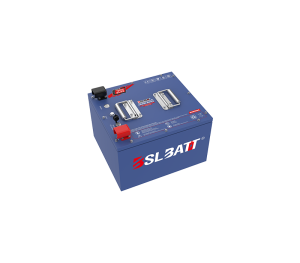
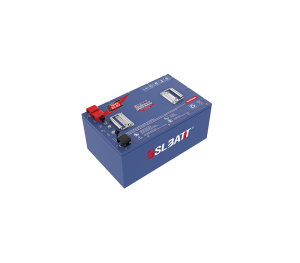
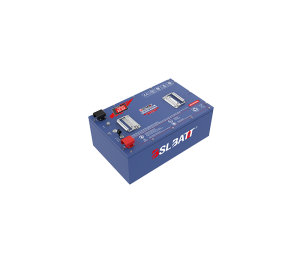
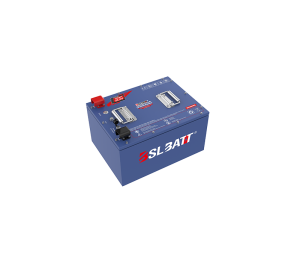
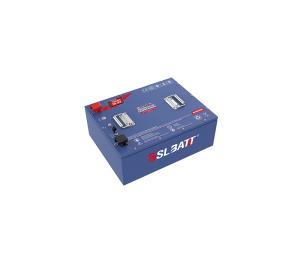











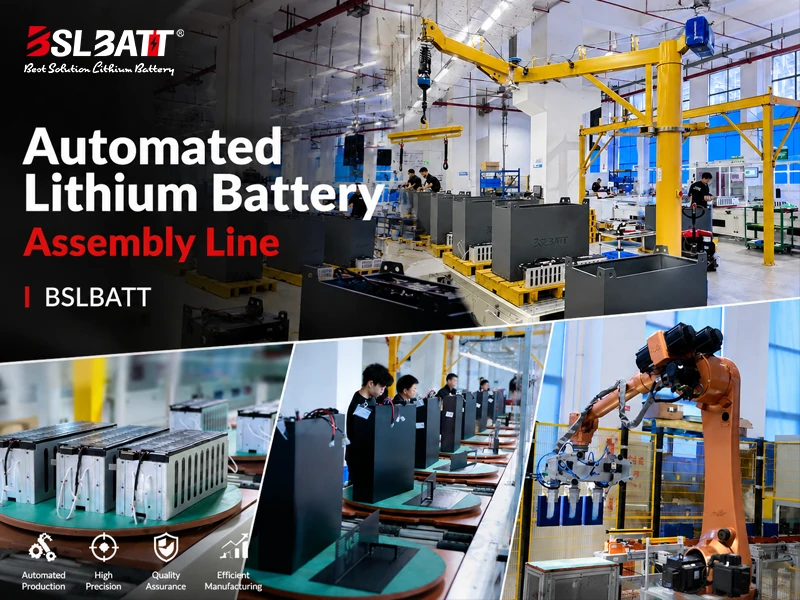
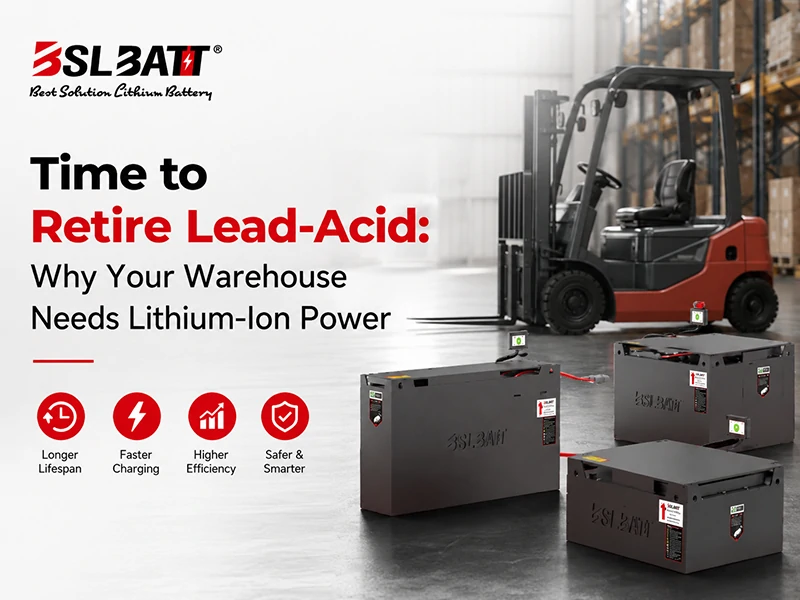
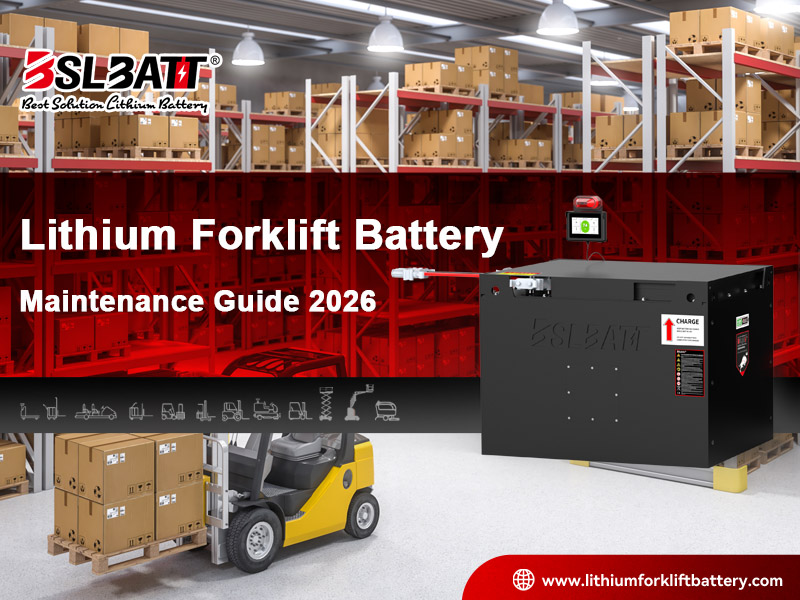
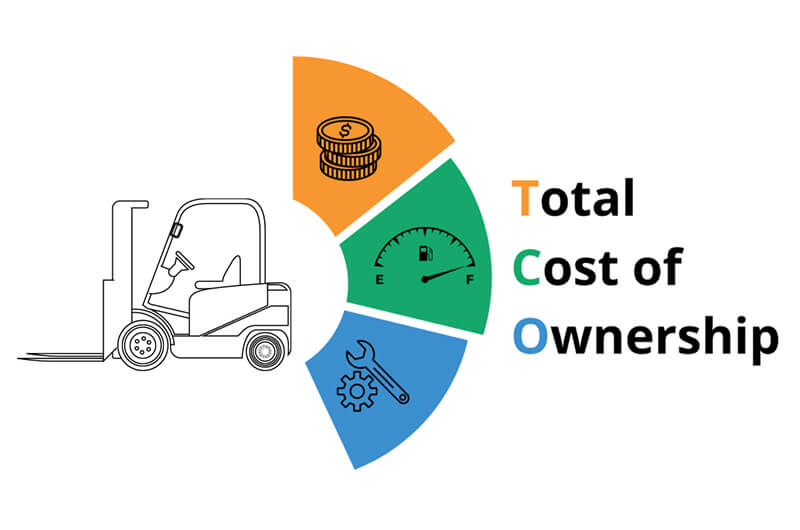
- Specialty Forklift Manufacturers and BSLBATT Lithium Battery Solutions
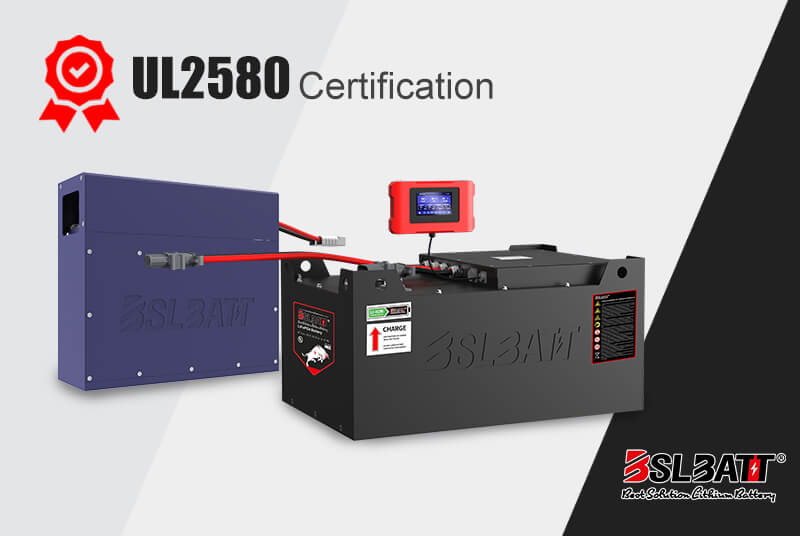
- The first lithium forklift battery that is UL 2580 certified and ISO9001 certified in the industry is BSLBATT® Battery – Industrial
- Automated Lithium Battery Assembly Line | BSLBATT Smart Factory
- Time to Retire Lead-Acid: Why Your Warehouse Needs Lithium-Ion Power
- Lithium Forklift Battery Maintenance Guide 2026
- Industrial Lithium Batteries: Initial Price vs. Long-Term Costs
Company News
A beginner’s guide to lithium batteries: 5 factors to consider when upgrading your forklift lithium batteries
Table of contents
In the world of material handling, efficiency is of the essence. Imagine a battery customized specifically for the job, even better if it’s a lithium battery. There are many significant benefits to using lithium-ion (Li-ion) batteries in forklifts. One of the most significant advantages is its longer cycle life, which minimizes the frequency of battery replacement. Not only does this save the company money in the long run, but it also reduces the environmental impact of constantly handling and replacing batteries. If you’re considering upgrading to lithium batteries, there are a few key factors to remember. Here are the top 5 factors to consider when considering upgrading to lithium batteries:
1. What is the battery chemistry?
2. What is the capacity and voltage compatibility?
3. What are the charging and discharging requirements?
4. What is the cost and value of the batteries you need?
5. Can it be used in low and extreme ambient temperatures?
1. Battery Chemistry
When upgrading to lithium batteries, it’s important to understand that not all lithium batteries are created equal. The most common type for consumer applications is lithium iron phosphate (LiFePO4 or LFP). This chemical is known for its safety, long cycle life, and stability. It differs from the lithium-ion batteries found in phones and laptops, which primarily use lithium-cobalt-based chemistries that are optimized for high energy density but can be less stable for larger applications. For example, lithium cobalt-based batteries are prone to thermal runaway and fire at a thermal runaway temperature of 150°C (302°F), while non-lithium cobalt-based batteries (such as LiFePo4 with a thermal runaway temperature of 270°C (518°F)) are not. This is because LiFePo4 batteries use chemistry with strong covalent bonds.
Why it’s important: Lithium iron phosphate (LiFePo4) is a subset of lithium-ion batteries and is the safest chemistry available, and its long cycle life means it can last the entire life of a forklift. While higher-energy lithium-ion chemistries are available, LiFePo4 is the safest and has the longest cycle life due to its stable chemical composition. In addition to their long lifespan, LFP batteries offer fast charging capabilities. This is a game-changing move for businesses that need to keep their forklifts running throughout the workday. In addition, the fast charging function also enables opportunistic charging. This means that forklift operators do not have to wait for the battery to be fully discharged before recharging, but can instead charge the battery during breaks in their work shift. Not only does this save time, it also enables a more flexible and adaptable charging schedule, improving overall efficiency. LiFePo4 batteries are currently the safest, most advanced, and environmentally friendly lithium battery chemistry.
2. Capacity and voltage compatibility
The capacity and voltage characteristics of lithium batteries are generally very different from lead-acid batteries. When upgrading, it is important to ensure that the lithium battery’s capacity (measured in amp hours) and voltage are compatible with your existing system. For example, many systems designed for 48V lead-acid batteries can transition seamlessly to 51.2V lithium batteries, but you’ll want to check your system’s requirements to avoid any issues.
Importance: Capacity or voltage mismatches can result in poor device performance or even damage. Selecting a lithium battery that meets or exceeds current power requirements ensures a smooth upgrade. Before proceeding with the upgrade, be sure to contact a lithium battery expert.
3. Charging and discharging requirements
Lithium batteries are charged differently compared to lead-acid batteries. Therefore, many traditional chargers are designed for lead-acid batteries and may not work well with lithium batteries. Upgrading to lithium batteries may require a new charger or battery management system (BMS) to ensure that the lithium battery is charged correctly and safely, preventing overcharging or over-discharging. All BSLBATT batteries have built-in BMS to manage and protect them from under voltage, over current, high temperature, or external short circuits. Its proprietary BMS will shut down the battery to protect it from unsafe operating conditions.
Another important factor to remember when it comes to charging requirements is that lead-acid batteries generally cannot be discharged beyond 50% of their rated capacity or the battery will be damaged. So if you buy a lead-acid battery rated at 24 kWh or nameplate capacity, many times you won’t be able to use more than 12 kWh. Unlike lead-acid batteries, most lithium batteries can be discharged deeper, often up to 100% of the battery’s rated capacity.
IMPORTANT: Using the wrong charger can shorten the life of your lithium battery or cause damage. Make sure your charging system is compatible with lithium batteries to get the most out of their performance and lifespan. Ad
because lithium batteries discharge much deeper than lead-acid batteries, you don’t have to buy as many lithium batteries, which not only saves space but also gives you more usable energy relative to the battery’s weight and physical footprint.
4. Cost and value
Lithium batteries have a higher upfront cost compared to lead-acid batteries. However, because lithium batteries last longer (typically 5 to 10 times longer than lead-acid batteries) and are more efficient, their long-term value is higher. While the initial cost may be higher, lithium batteries can save you money by reducing the need for frequent replacement and maintenance.
Why it matters: Understanding lithium’s long-term benefits can help justify the higher upfront costs. If you’re looking for a battery that costs less to maintain and lasts longer, lithium batteries will increase in value over time.
Calculating the Return: Lithium Batteries vs. Lead-Acid Batteries – A Real-Life ROI Breakdown
1. Initial investment and long-term savings Switching to lithium batteries requires an initial investment, but can save a lot of money in the long run. Let’s break it down:
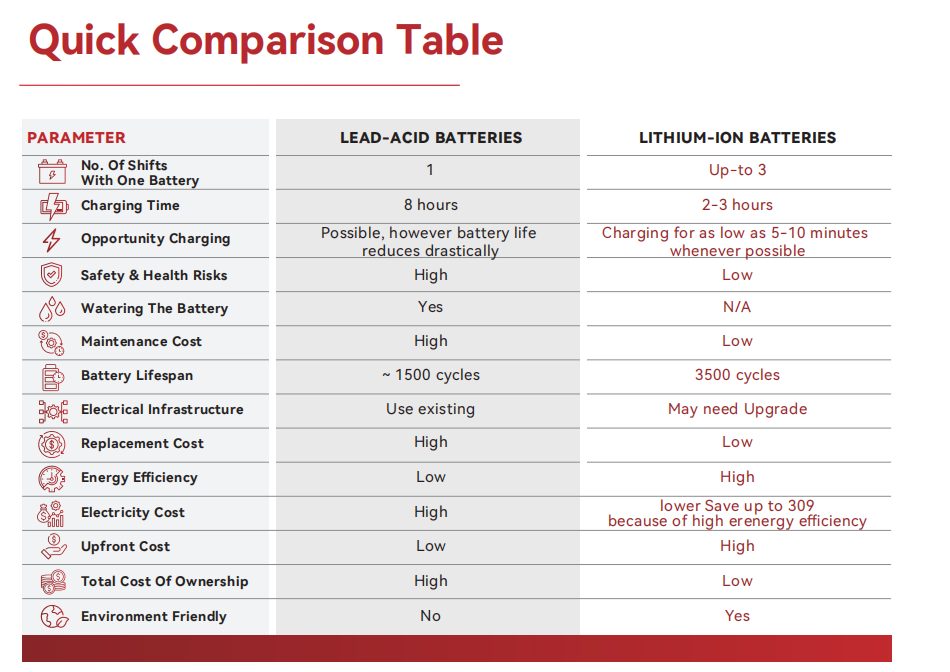
Choose lithium batteries, which may have a higher initial cost ($8,000) but offer extended service life (10 years), reduced replacement frequency (0.5 replacements per year), higher capacity (200 Ah), and deeper discharge depth (80%) provide significant long-term savings and operational advantages.
5. Coping with extreme ambient temperatures
Low-temperature cycle life is greatly improved and the total cost of ownership is lower. In today’s volatile supply chains, temperature-controlled supply chains are more important than ever. Online ordering of prepared foods, beverage clubs, and pharmaceutical delivery are all increasing demand for cold chain technology. Electric material handling equipment is better suited for indoor environments, but traditional lead-acid batteries pose significant challenges, especially in extremely cold temperatures. Extremely cold temperatures can cause the battery electrolyte to freeze, reducing the battery’s usable capacity, typically using information provided by lead-acid battery manufacturers. Additionally, lead-acid batteries can become permanently damaged, significantly shortening the battery’s cycle life. Unlike lead-acid batteries, lithium-ion battery packs offer a complete solution that integrates smart communications, charging, and heaters to keep the battery at optimal temperature. When the battery temperature drops, the intelligent control system activates the heater to prevent the battery temperature from being too low to charge and prevent battery damage. The charging system (or cable) can be brought into the refrigerated area, eliminating the need for temperature equalization and the risk of dangerous condensation. Full charging takes just one hour and can be recharged at any time. The same equipment can be used for multiple shifts without downtime, so fewer vehicles are required and operating costs are lowered.
Why it matters: BSLBATT lithium batteries can be upgraded as thermostats, heaters, and insulators to withstand cold or freezing environments. The battery’s internal components are protected from water and condensation at temperatures as low as -25°C.
There are many benefits to upgrading to lithium batteries, but it is important to consider factors such as battery chemistry, compatibility with existing systems, charging and discharging requirements, handling extreme ambient temperatures, and more. By understanding these key aspects, you can make informed decisions to maximize the benefits of lithium technology to deliver longer-lasting, more efficient, and more reliable power for your specific needs. If you have any questions about upgrading to lithium batteries, please contact the technical experts at BSLBATT.