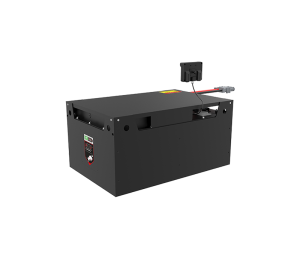
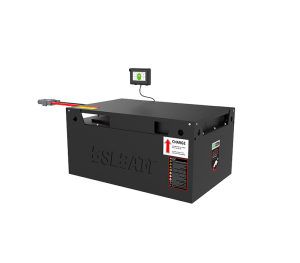
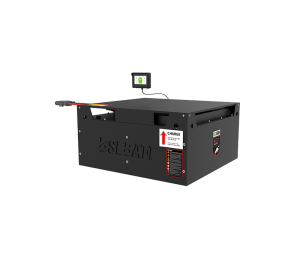
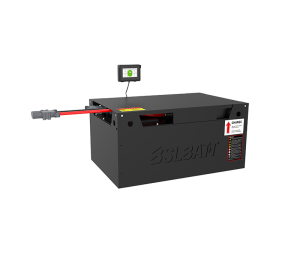
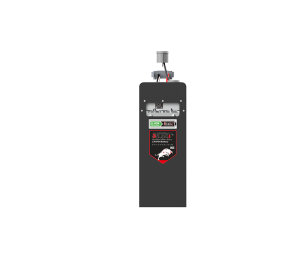
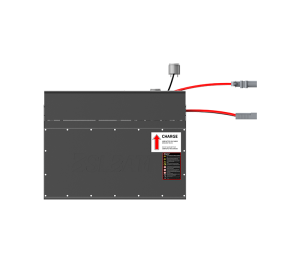
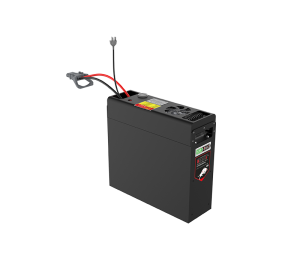
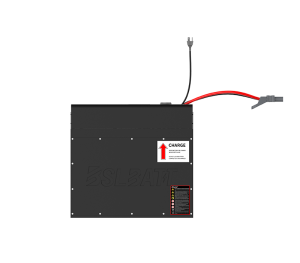
In most cases, yes — but “retrofit” here means replacing the battery, not modifying the truck. Most lead-acid-to-lithium conversions are a battery swap into an existing compartment, not a mechanical rebuild of the forklift. Whether it works for a specific truck comes down to a handful of physical and electrical checks, not a blanket yes-or-no answer for “forklifts” as a category.
This article walks through what actually determines fit, the steps involved in a conversion, and the situations where a straight swap isn’t the right call.
Quick Answer
Most electric forklifts running on lead-acid can accept a lithium battery built to the same voltage and compartment dimensions, since many lithium forklift batteries are manufactured specifically to standard lead-acid compartment sizes for this reason. The retrofit is generally straightforward when voltage matches, the compartment fits (with attention to weight and any counterbalance requirements), and a compatible charger is used. It becomes more complicated — or isn’t advisable — when the forklift’s counterweight depends on battery weight for stability, when the truck’s charging system can’t be matched to a lithium-compatible charger, or when the compartment dimensions don’t leave room for a properly sized pack. Confirming fit against the specific forklift model’s specifications, rather than assuming compatibility, is the deciding factor.
What “Retrofit” Actually Means Here
A lithium retrofit is not the same as re-engineering the truck. In the large majority of cases, it means:
- Removing the lead-acid battery and its tray or cables
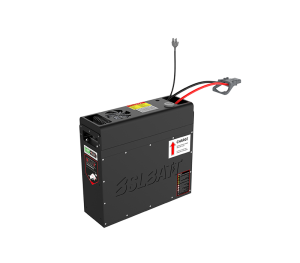
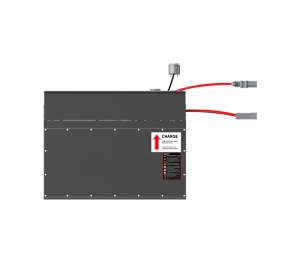
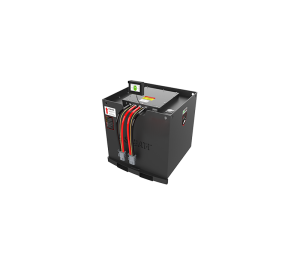
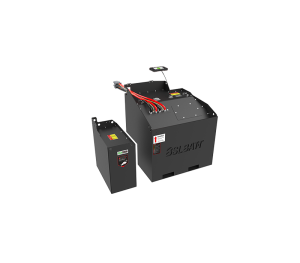
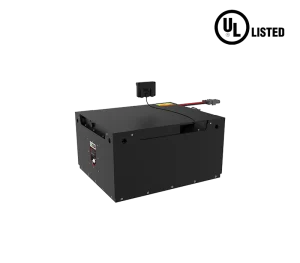
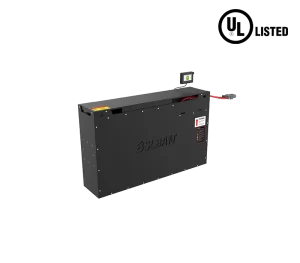
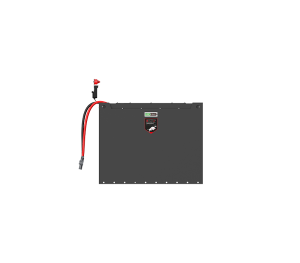
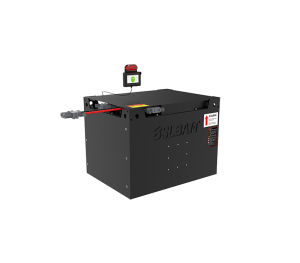
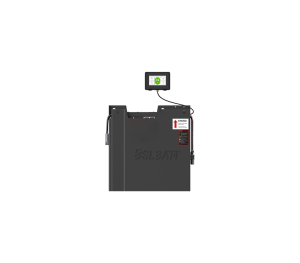
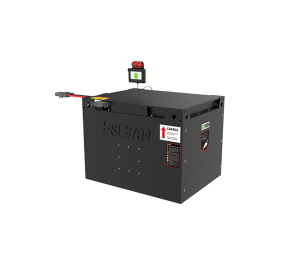
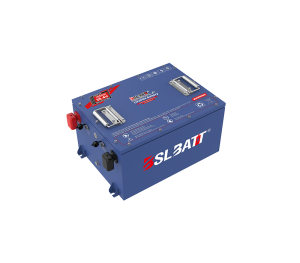
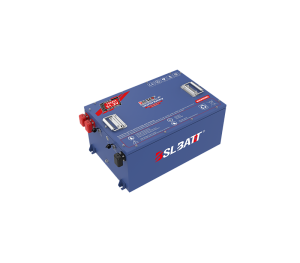
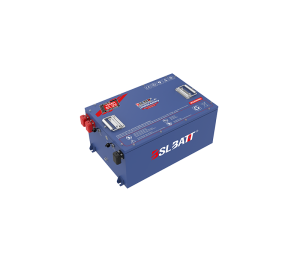
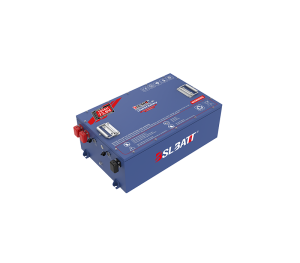
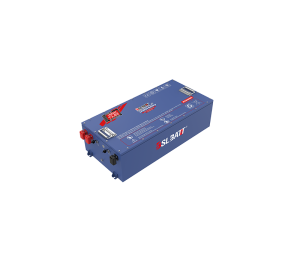
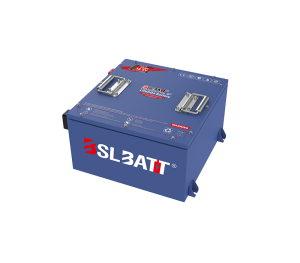
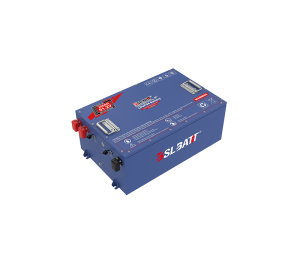
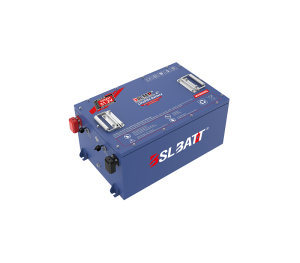
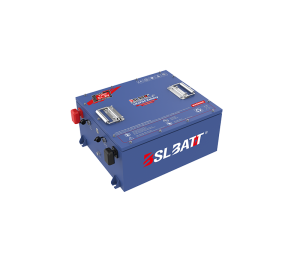
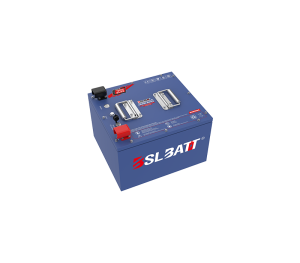
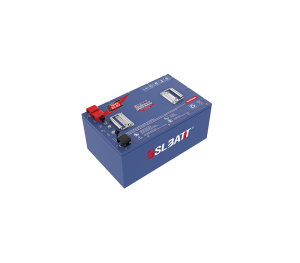
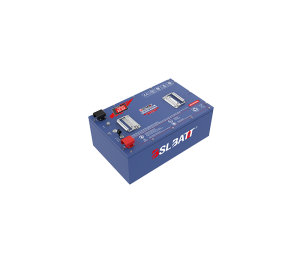
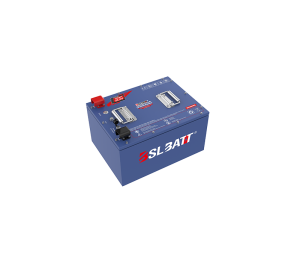
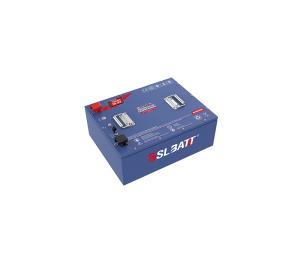
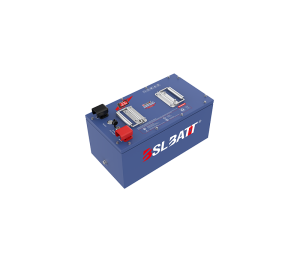
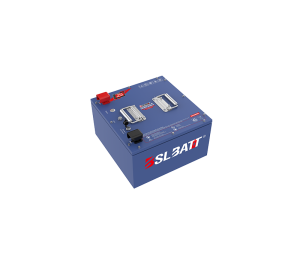
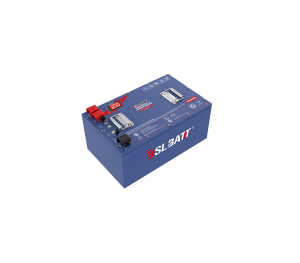
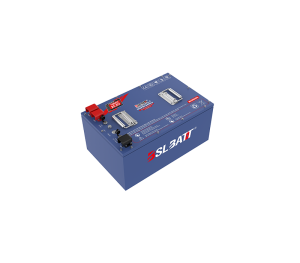
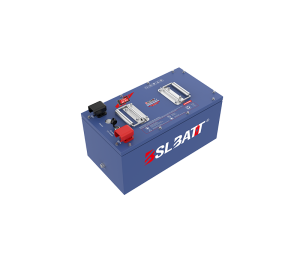
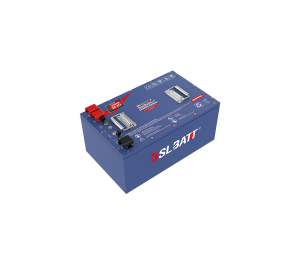
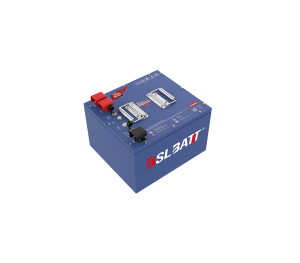
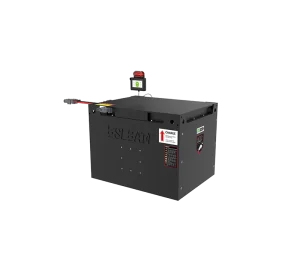
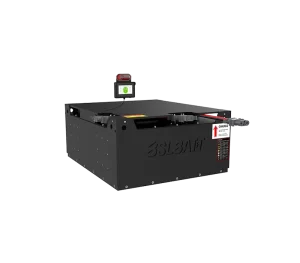
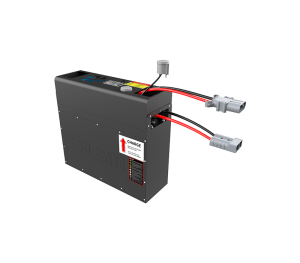
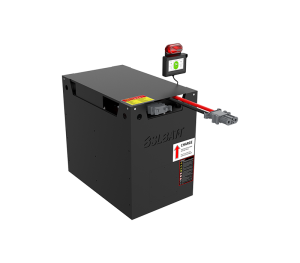
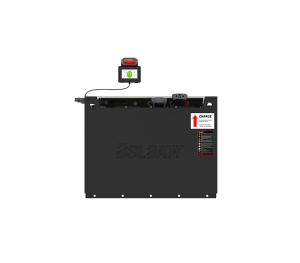
- Installing a lithium battery built to the same voltage and, ideally, the same or a compatible compartment footprint
- Replacing or reprogramming the charger to match the lithium battery’s charging profile
- In some cases, adjusting counterweight to compensate for a lighter battery
The forklift’s mast, hydraulics, drive motor, and controller typically don’t need to change for a battery-only conversion. Where things get more involved is usually the charging system and, on some trucks, the counterbalance — not the forklift itself.
Compatibility Checklist
Voltage
The lithium battery’s voltage needs to match the forklift’s electrical system — commonly 24V, 36V, or 48V for Class I and II trucks, with some Class III equipment running lower voltages. This is a hard requirement, not a flexible spec; a mismatched voltage isn’t a “close enough” situation.
Compartment Dimensions
Battery compartments are sized for a specific footprint. Many lithium forklift batteries are built to standard lead-acid tray dimensions specifically to support drop-in replacement, but this needs to be verified against the compartment measurements for the specific forklift model rather than assumed from voltage and capacity class alone.
Weight and Counterbalance
Lithium batteries are commonly lighter than a lead-acid battery of comparable usable capacity. On many forklifts, the battery contributes meaningfully to the truck’s counterweight, and a lighter battery can affect rated lift capacity and stability if that’s not accounted for. This is one of the more overlooked steps in a retrofit — it should be confirmed with the forklift OEM or a qualified technician, and addressed with additional ballast if needed, rather than discovered after installation.
Charger Compatibility
Lead-acid chargers are built around a lead-acid charging profile and are generally not suitable for charging a lithium battery correctly. A retrofit typically requires either a new charger matched to the lithium battery’s BMS, or confirmation from the battery manufacturer that an existing charger is compatible. BSLBATT’s forklift battery chargers are matched to the batteries they’re sold with; using a charger not validated for a specific lithium pack is a common source of retrofit problems.
BMS Communication (where applicable)
Some forklifts, particularly newer models with onboard telematics or battery-status displays, communicate with the battery via a data protocol (such as CAN bus). Where this exists, the lithium battery’s BMS needs to support the same communication protocol for the truck’s dashboard indicators to display correctly — though the forklift will typically still operate without this if the electrical connection itself is compatible.
Steps to Retrofit a Forklift from Lead-Acid to Lithium
- Confirm forklift voltage and compartment dimensions. Check the forklift’s nameplate for system voltage, and measure the battery compartment (length, width, height) rather than relying on the forklift model number alone, since trays can vary by configuration year.
- Select a lithium battery matched to voltage, capacity, and compartment size. Compare candidate batteries against BSLBATT’s forklift battery range or consult with a supplier to confirm a model fits the measured compartment and delivers the needed usable capacity for the shift pattern.
- Verify weight and counterbalance requirements with the forklift OEM. Confirm whether the lighter lithium battery affects the truck’s rated capacity, and determine whether additional ballast is required to maintain stability and lift rating.
- Confirm or replace the charger. Use a charger validated for the specific lithium battery model, matched to its BMS and charging profile. Do not attempt to charge a lithium battery on an unmodified lead-acid charger.
- Remove the lead-acid battery and prepare the compartment. Disconnect and remove the existing battery and tray using appropriate lifting equipment, following the forklift manufacturer’s battery-handling procedures.
- Install the lithium battery and connect the BMS. Secure the battery in the compartment, connect the power and, where applicable, communication cabling, and confirm the BMS is reporting status correctly before returning the truck to service.
- Test under normal operating conditions before full deployment. Run the forklift through its typical duty cycle — including a full charge cycle — and confirm lift performance, runtime, and charger behavior match expectations before relying on it for production work.
- Establish a maintenance and monitoring routine. Lithium batteries don’t require watering, but periodic checks of BMS state-of-health data and terminal condition should still be part of a standard maintenance schedule. See BSLBATT’s forklift battery maintenance guide for specifics.
When a Straight Retrofit Isn’t the Right Call
A drop-in conversion isn’t always the most practical path. It’s worth pausing on retrofit and evaluating a full truck replacement or a custom battery configuration when:
- The forklift’s counterweight is tightly engineered around lead-acid battery weight and can’t be reasonably compensated with added ballast
- The compartment is small enough that no lithium battery on the market delivers the needed usable capacity in that footprint
- The truck’s charging and monitoring systems are proprietary in a way that can’t be matched to a third-party BMS
- The forklift is old enough, or has enough other maintenance needs, that the retrofit cost is better spent toward a newer electric truck
None of these are common, but they’re the situations where a conversion quote should come with a clear compatibility assessment rather than an assumption that “lithium fits everything.”
Cost Considerations
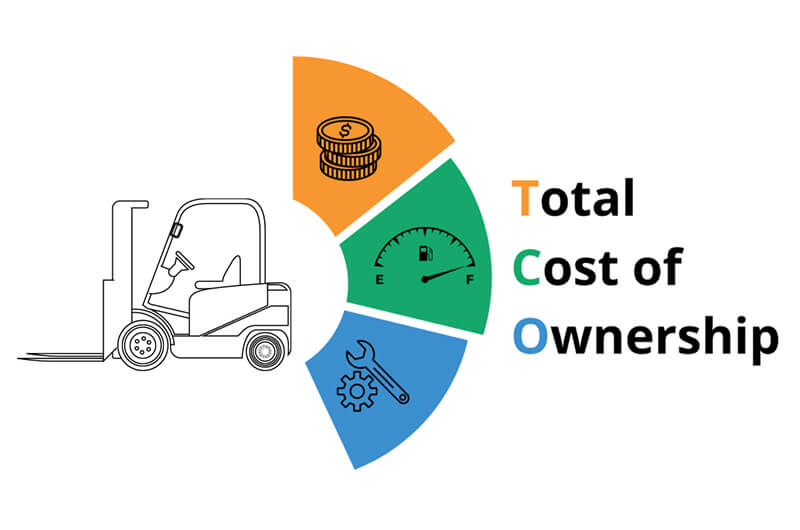
A retrofit’s cost includes the battery itself, a compatible charger if the existing one can’t be reused, and any counterweight adjustment. Because a lithium battery commonly costs more upfront than an equivalent lead-acid battery, the retrofit decision is usually a total-cost-of-ownership question rather than a pure purchase-price comparison — see BSLBATT’s lithium vs lead-acid forklift battery comparison for how that comparison is typically framed, or run a specific truck’s numbers through BSLBATT’s battery calculator.
Frequently Asked Questions
Can any lead-acid forklift be converted to lithium?
Most can, provided the lithium battery matches the truck’s voltage and fits the compartment, and the charging system is addressed. Some trucks require additional ballast to compensate for the lighter battery, and a small number of proprietary or unusually configured trucks may not be straightforward candidates.
Do I need a new charger to retrofit to lithium?
In most cases, yes. Lead-acid chargers are built for a lead-acid charging profile and aren’t suitable for charging a lithium battery correctly. A charger validated for the specific lithium battery model should be used, either purchased new or confirmed compatible by the manufacturer.
Does a lithium battery affect forklift counterweight?
It can. Lithium batteries are commonly lighter than a lead-acid battery of similar usable capacity, and on trucks where the battery contributes to counterbalance, this can affect rated lift capacity. This should be checked with the forklift OEM and addressed with added ballast if needed.
How long does a lithium forklift retrofit take?
The physical battery swap itself is typically a same-day task once the correct battery and charger are on hand. Lead time for sourcing a compatible battery and charger, and any ballast fabrication if required, usually takes longer than the installation itself.


 Explore all product lines