

Revolutionize the energy economy with advanced lithium-ion battery technology—lower costs, reduce heat, and accelerate sustainable development.
 Explore all product lines
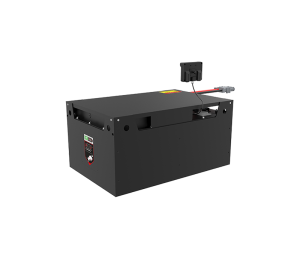
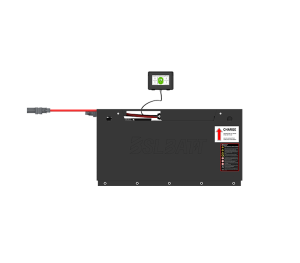
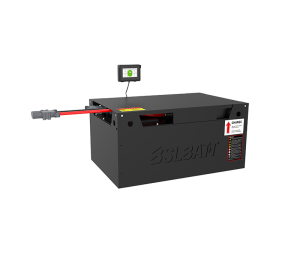
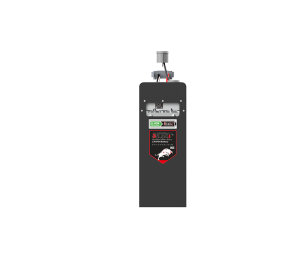
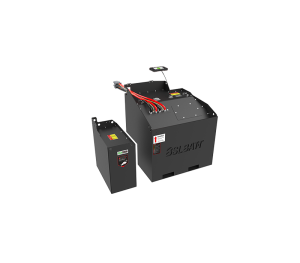
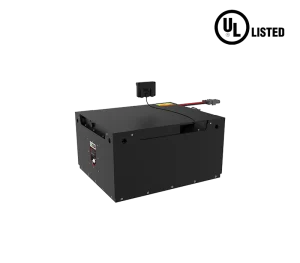
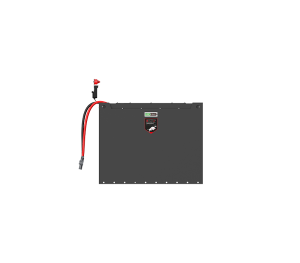
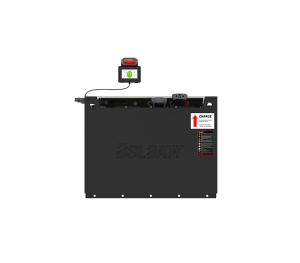
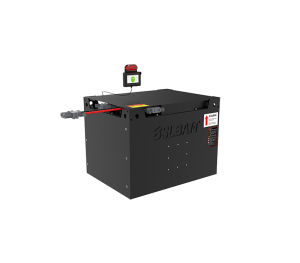
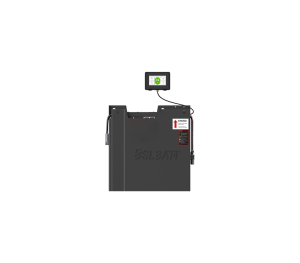
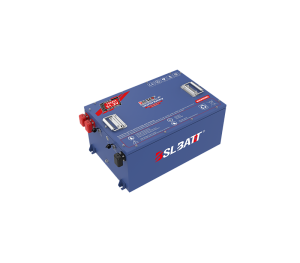
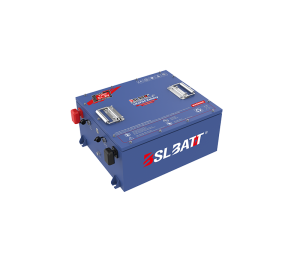
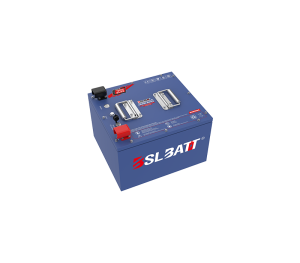
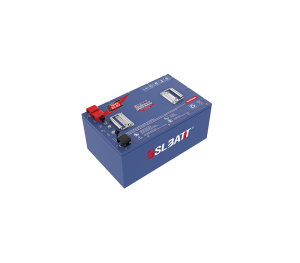
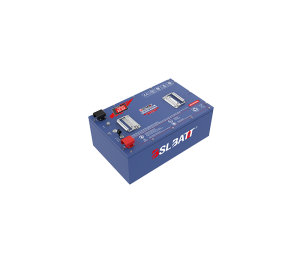









- Specialty Forklift Manufacturers and BSLBATT Lithium Battery Solutions
- The first lithium forklift battery that is UL 2580 certified and ISO9001 certified in the industry is BSLBATT® Battery – Industrial
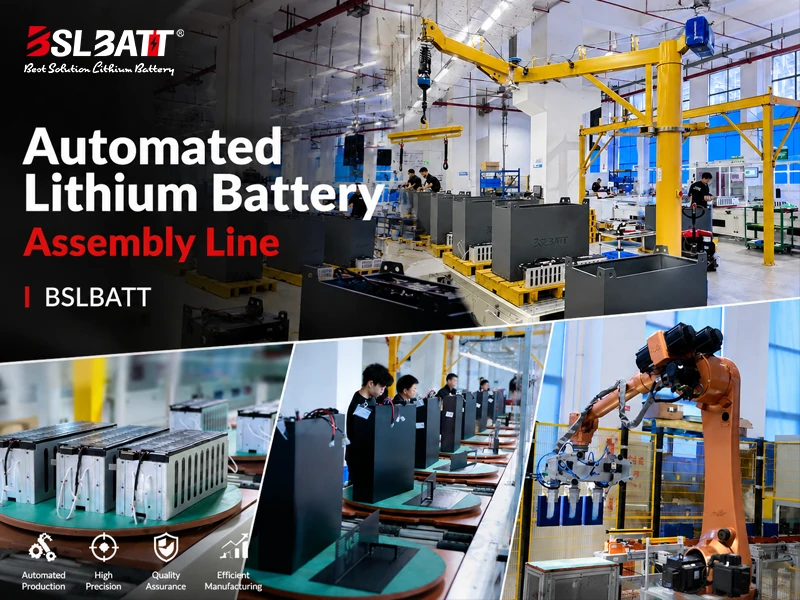
- Automated Lithium Battery Assembly Line | BSLBATT Smart Factory
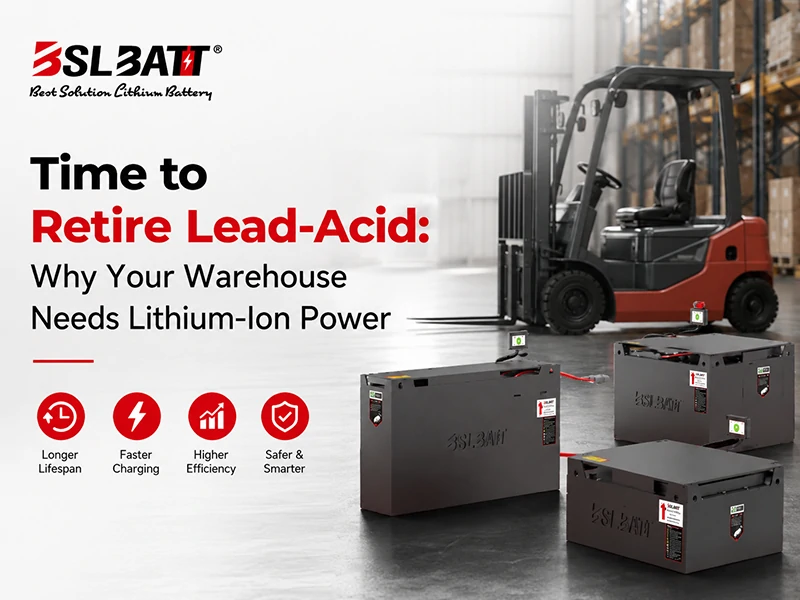
- Time to Retire Lead-Acid: Why Your Warehouse Needs Lithium-Ion Power
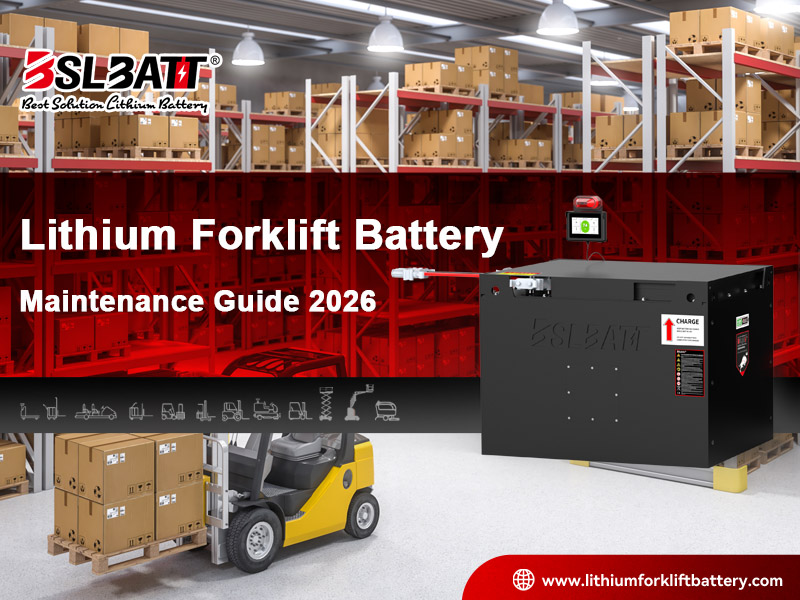
- Lithium Forklift Battery Maintenance Guide 2026
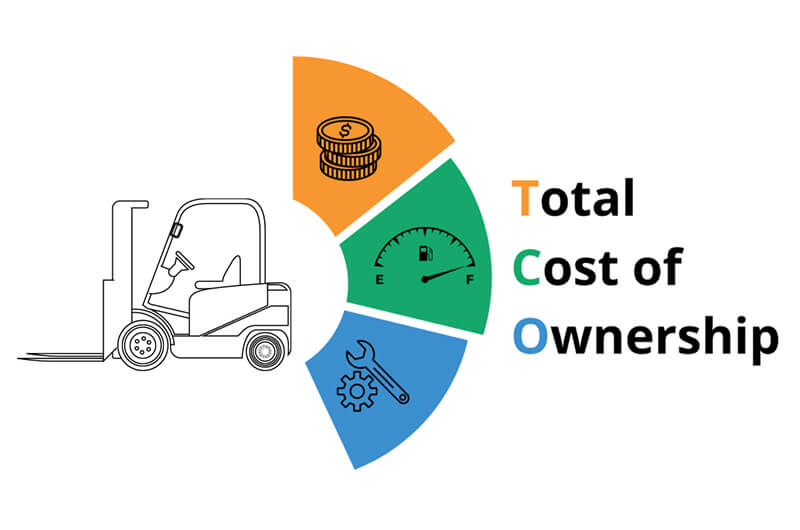
- Industrial Lithium Batteries: Initial Price vs. Long-Term Costs
Forklifts
How Long Do Lithium Forklift Batteries Last?
Table of contents
- Quick Answer
- Cycle Life vs. Calendar Life — Not the Same Thing
- What Actually Shortens Lithium Battery Life
- Realistic Lifespan by Duty Cycle
- Signs a Lithium Forklift Battery Is Nearing End of Life
- How to Get Full Rated Life Out of a Lithium Forklift Battery
- Cycle Life Compared to Lead-Acid
- Frequently Asked Questions
A lithium forklift battery’s rated cycle life and its actual years of service are two different numbers, and mixing them up is one of the most common mistakes buyers make when comparing quotes. A battery rated for 3,500 cycles doesn’t automatically mean “ten years” — it means ten years if the truck cycles the battery roughly once a day, five to six days a week. Run it twice a day and the same battery reaches that cycle count in about half the time.
This article separates the two concepts, walks through what actually shortens or extends a lithium forklift battery’s life, and gives realistic ranges instead of a single marketing number.
Quick Answer
Lithium (LiFePO4) forklift batteries are commonly rated for cycle lives ranging from roughly 3,000 cycles to several thousand, depending on the manufacturer, cell design, and the depth of discharge and temperature used in that manufacturer’s test conditions. Translated into calendar time under typical single-cycle-per-day industrial use, that often works out to somewhere in the range of 6–10+ years, though duty cycle, charging habits, and operating temperature all shift this figure meaningfully in either direction. There is no single number that applies to every battery or every fleet — the manufacturer’s datasheet for the specific model, read alongside the fleet’s actual duty cycle, is the only reliable source for a real answer.
Cycle Life vs. Calendar Life — Not the Same Thing
Cycle life is the number of full charge-discharge cycles a battery can deliver before its capacity falls to a defined threshold, commonly 80% of original rated capacity. It’s a lab-tested number, measured under specific conditions the manufacturer defines — usually a specific depth of discharge (DoD), a specific charge/discharge rate, and a controlled temperature.
Calendar life is how many actual years a battery lasts in service, which depends on cycle life and how often the battery is actually cycled, plus how it ages when sitting idle or in storage.
Two forklifts with identical batteries can reach the end of useful life at very different points in time:
- A single-shift truck cycling once a day, 250 days a year, uses roughly 250 cycles annually.
- A three-shift truck using opportunity charging might complete the equivalent of 1.5–2 full cycles a day, closer to 400–500 equivalent full cycles a year.
Against a battery rated for, say, 3,000 cycles, the first truck could theoretically run for over a decade before reaching that cycle count; the second could reach it in six to seven years. Neither number is “the” lifespan of that battery model — both are correct for their respective duty cycles.
What Actually Shortens Lithium Battery Life
Four variables do most of the work in determining where a specific battery lands within its rated range.
Depth of discharge (DoD). Cycling a battery from 100% to 20% state of charge is a shallower cycle than 100% to 0%, and shallower cycles are generally associated with a longer usable cycle count. Manufacturers typically publish their cycle-life rating against a specific DoD (often 80% or 100%), so a battery run at a consistently shallower DoD in real operation may outperform its rated figure, and one run consistently deeper may underperform it.
Charging habits. LiFePO4 cells are generally tolerant of partial charging and opportunity charging without the sulfation-related life penalty that affects flooded lead-acid. That said, consistently charging to 100% and letting the battery sit fully charged for extended periods, or repeatedly fast-charging at the highest rate the charger supports, are commonly cited as factors that can accelerate degradation relative to more moderate charging patterns — though the magnitude varies by cell chemistry and BMS design.
Temperature. Lithium-ion cells generally degrade faster at sustained high temperatures, and charging below freezing without a heating function can cause lithium plating and permanent capacity loss. A battery operating within its manufacturer-specified temperature range for both charging and discharging will generally track closer to its rated cycle life than one regularly pushed outside that range.
BMS and cell-balancing quality. The battery management system governs how evenly the individual cells within the pack are charged and discharged. A pack with weaker cell balancing can develop capacity mismatches between cells over time, which shows up as reduced usable capacity even if the “average” cell health looks fine. This is a build-quality variable that differs by manufacturer and isn’t visible on a spec sheet the way voltage or Ah rating is.
Realistic Lifespan by Duty Cycle
The table below illustrates how the same cycle-life rating translates into different calendar outcomes — it is not a promise of a specific number of years for any individual battery.
| Duty Cycle | Approx. Cycles/Year | Years to Reach ~3,000 Cycles (illustrative) |
|---|---|---|
| 1 shift/day, 5 days/week | ~250 | ~12 years |
| 1 shift/day, 6 days/week | ~300 | ~10 years |
| 2 shifts/day, with opportunity charging | ~400–450 | ~7 years |
| 3 shifts/day, high utilization | ~500–600 | ~5–6 years |
Illustrative only, based on a 3,000-cycle rating as an example. Substitute the actual rated cycle life for the specific battery model being evaluated, and confirm the DoD and temperature conditions that rating was tested under before applying this framework to a purchasing decision.
Signs a Lithium Forklift Battery Is Nearing End of Life
Unlike a lead-acid battery, which tends to fail more abruptly once sulfation sets in, lithium capacity loss is typically gradual and can be tracked over time:
- Noticeably shorter runtime per charge compared to when the battery was new
- The BMS reporting reduced usable capacity relative to nameplate rating
- Increased charging frequency required to complete the same shift
- Voltage sag under load that wasn’t present earlier in the battery’s life
Most fleets track this through the BMS’s reported state-of-health data rather than waiting for a truck to run out mid-shift, which is one of the operational advantages of a battery with built-in monitoring.
How to Get Full Rated Life Out of a Lithium Forklift Battery
- Keep the battery within its specified operating temperature range for both charging and discharging
- Avoid routinely running the battery down to very low states of charge if the application allows for opportunity charging instead
- Use the charger specified or approved for that battery model — mismatched chargers can affect both performance and warranty coverage
- Avoid leaving the battery at a full state of charge in storage for extended periods without use
- Review BMS state-of-health data periodically rather than relying on runtime alone to judge battery condition
BSLBATT’s forklift battery maintenance guide covers these practices in more detail, including inspection intervals and storage recommendations.
Cycle Life Compared to Lead-Acid
Lead-acid forklift batteries are commonly rated in the range of roughly 1,000–1,500 cycles under typical industrial duty — meaningfully lower than the cycle-life ratings commonly published for LiFePO4 batteries. For a full breakdown of how that difference plays out across cost, maintenance, and operating scenarios, see BSLBATT’s lithium vs lead-acid forklift battery comparison.
Frequently Asked Questions
How long does a lithium forklift battery last in years?
It depends on the rated cycle life and how often the battery is actually cycled. Under typical single-shift use, that commonly works out to somewhere in the range of 8–12 years; under continuous multi-shift use, often closer to 5–7 years. The manufacturer’s datasheet for the specific model is the only reliable source for an exact figure.
What is cycle life for a lithium forklift battery?
Cycle life is the number of full charge-discharge cycles a battery can complete before its capacity drops to a defined threshold, commonly 80% of original capacity. Manufacturer ratings vary by cell design, depth of discharge, and test temperature, so figures should be compared against the same test conditions.
Does depth of discharge affect lithium battery lifespan?
Yes. Cycling a battery through a shallower discharge range is generally associated with a longer usable cycle count than consistently discharging deeply. Manufacturers typically publish cycle-life ratings against a specific depth of discharge, which should be checked when comparing products.
Does opportunity charging shorten lithium battery life?
Generally no. LiFePO4 cells are designed to tolerate partial and repeated charging without the life penalty associated with partial-charging lead-acid batteries. Consistently charging to 100% and leaving the battery fully charged in storage is more commonly cited as a factor that can affect long-term degradation.
Does cold weather affect lithium forklift battery life?
Yes. Charging a standard lithium battery below freezing without a heating function can cause permanent capacity loss through lithium plating. Batteries used in cold storage should be rated specifically for that environment, with manufacturer-confirmed charging temperature limits.
How do I know when my lithium forklift battery needs to be replaced?
Common indicators include shorter runtime per charge, reduced state-of-health reported by the BMS, needing to charge more frequently to complete a shift, and voltage sag under load. Reviewing BMS data periodically is more reliable than waiting for a runtime problem to appear.
Do all lithium forklift batteries have the same lifespan?
No. Rated cycle life varies by manufacturer, cell chemistry, BMS design, and the conditions used to generate the rating. A specific model’s datasheet, not a general industry figure, should be used when evaluating expected lifespan for a purchasing decision.

Related Product Recommendations
-
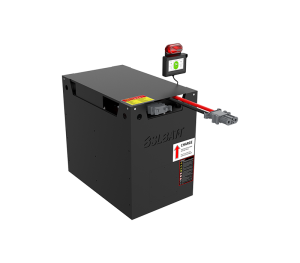
38.4V 690AH
36 Volt Forklift Battery 690Ah Lithium-ion Solution for Reach Trucks & Class I Fleets | BSLBATT
Learn More -
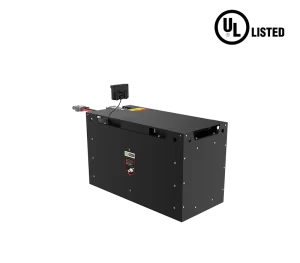
38.4V 820AH Lithium Forklift Battery
36V Lithium-ion Forklift Battery UL Certified 820Ah Power | BSLBATT
Learn More -
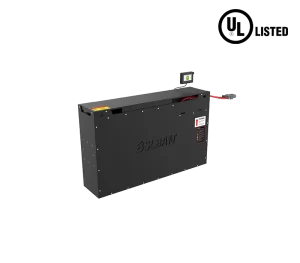
51.2V 460AH Lithium Forklift Battery
48V Forklift Battery for Sale UL Certified IP65 460Ah Lithium | BSLBATT
Learn More -
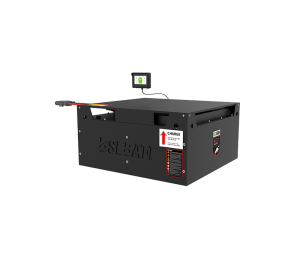
51.2V 690AH
48V Forklift Battery Price High-Endurance 690Ah Lithium Pack | BSLBATT
Learn More -
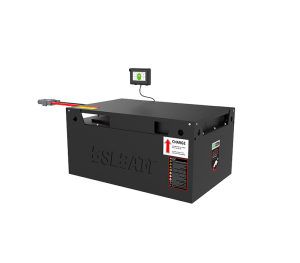
51.2V 504AH
48V Industrial Forklift Batteries Massive 504Ah Lithium Powerhouse | BSLBATT
Learn More