Revolutionize the energy economy with advanced lithium-ion battery technology—lower costs, reduce heat, and accelerate sustainable development.
 Explore all product lines
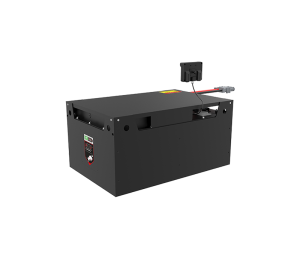
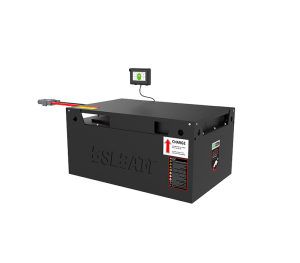
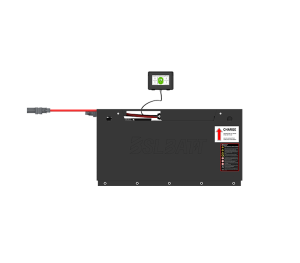
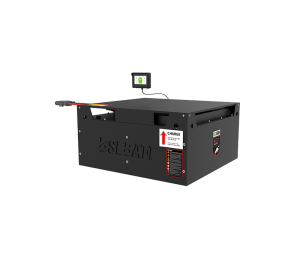
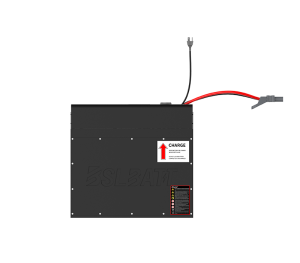
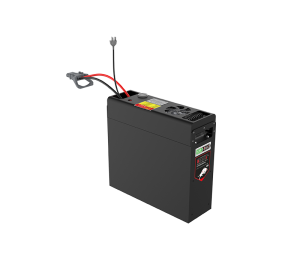
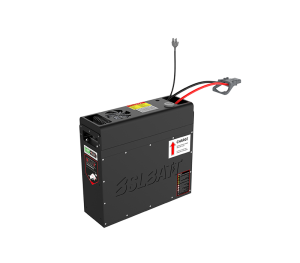
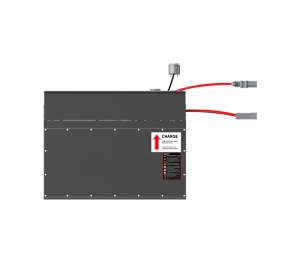
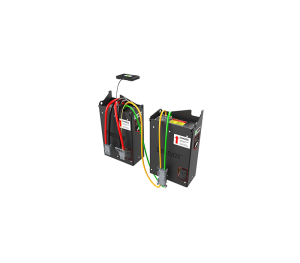
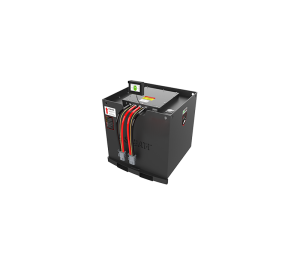
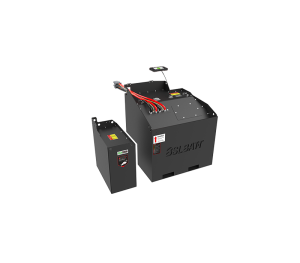
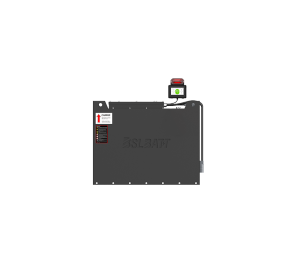
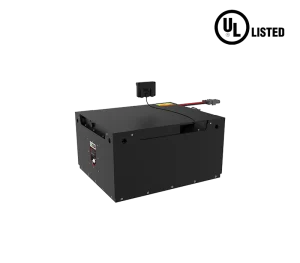
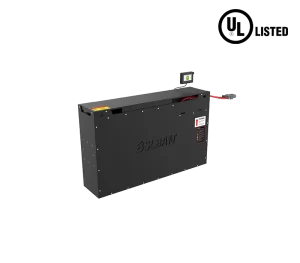
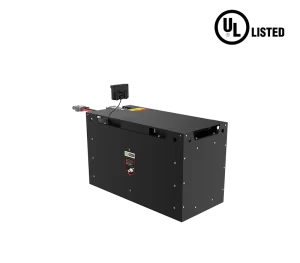
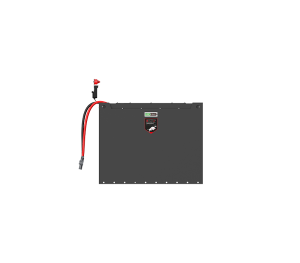
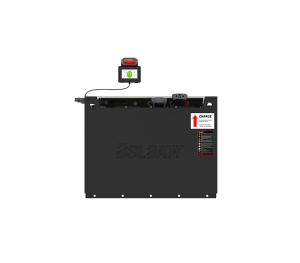
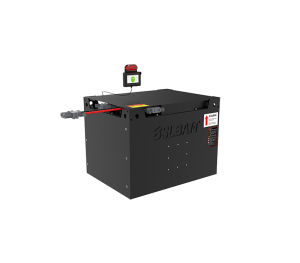
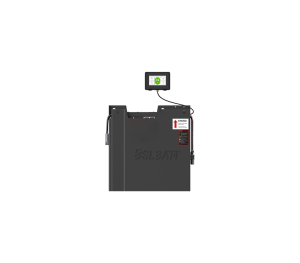
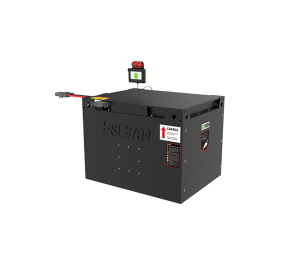
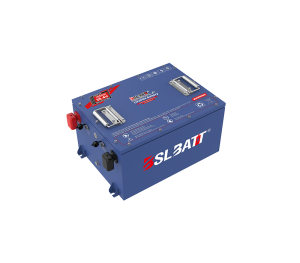
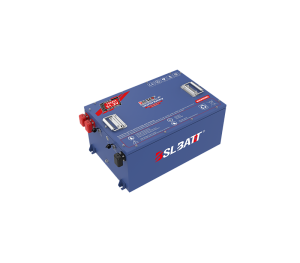
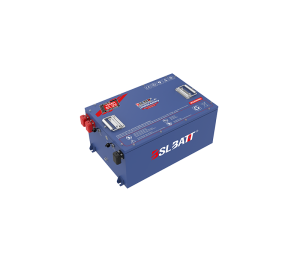
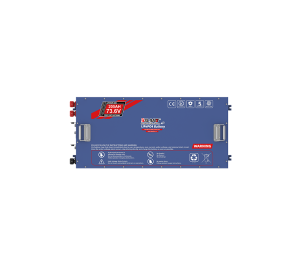
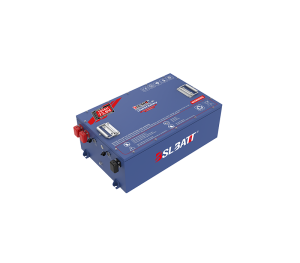
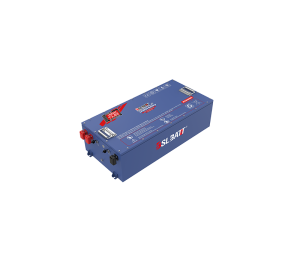
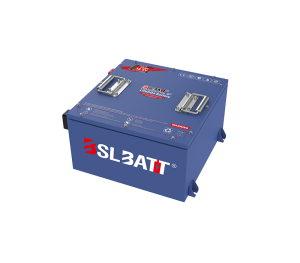
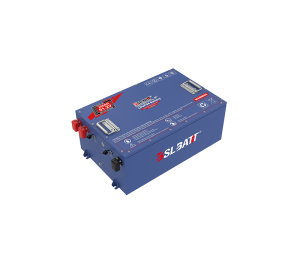
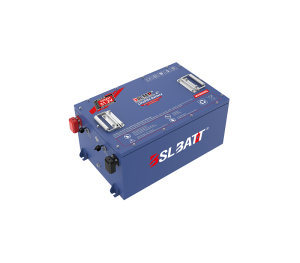
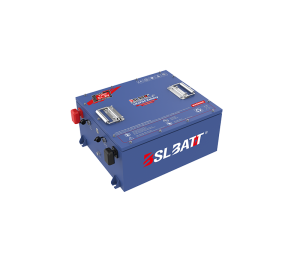
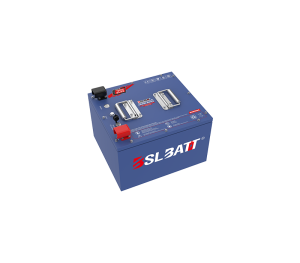
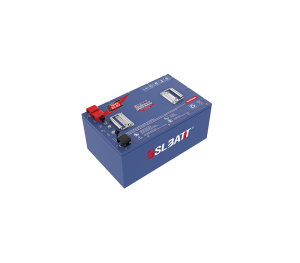
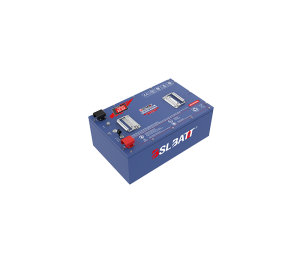
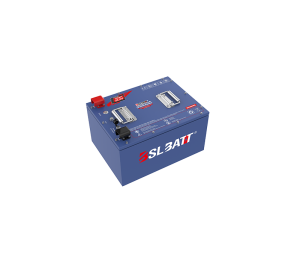
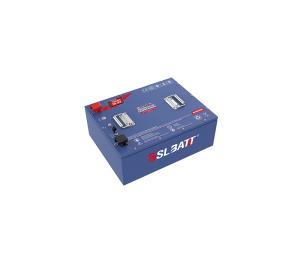
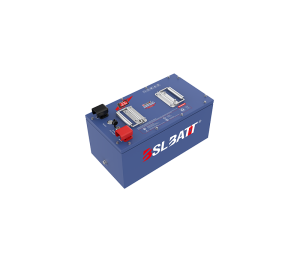
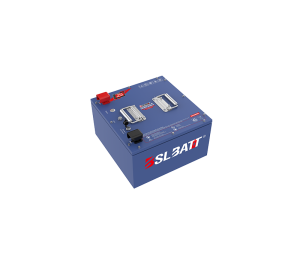
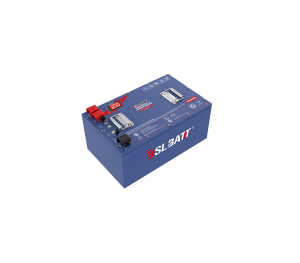
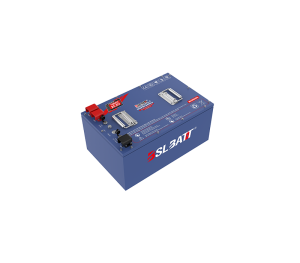
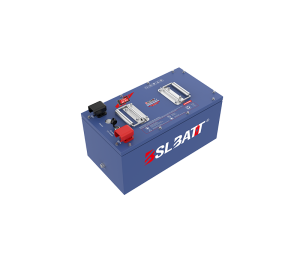
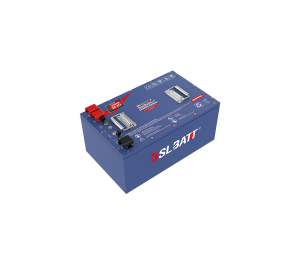
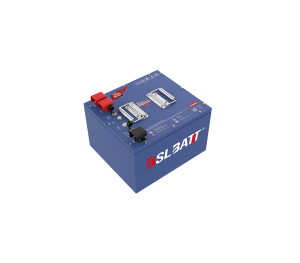
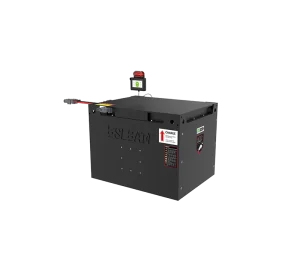
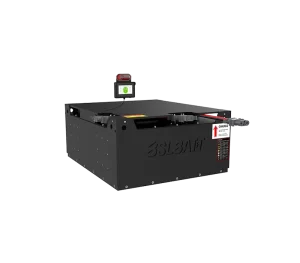


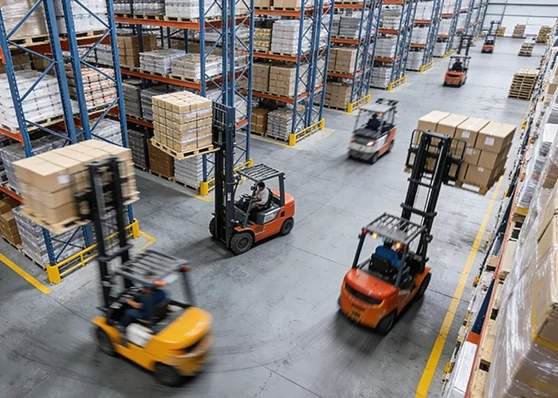







- Specialty Forklift Manufacturers and BSLBATT Lithium Battery Solutions
- The first lithium forklift battery that is UL 2580 certified and ISO9001 certified in the industry is BSLBATT® Battery – Industrial
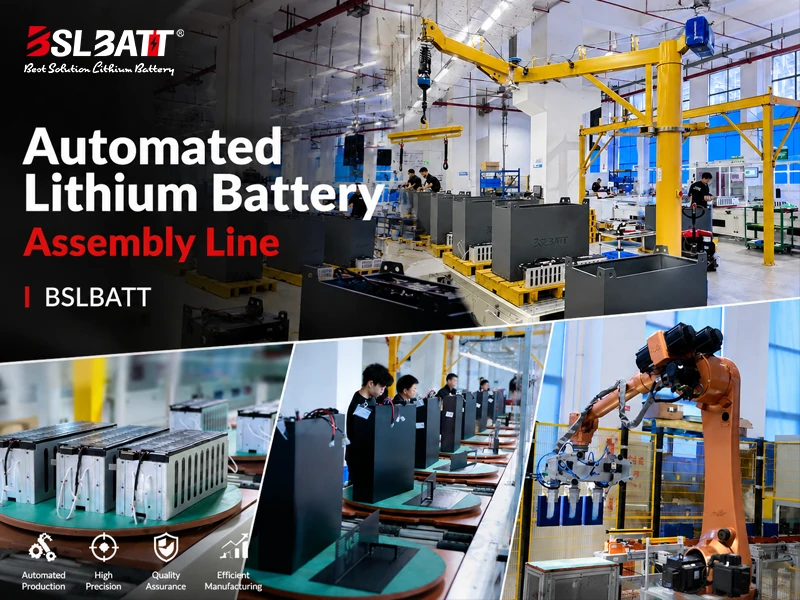
- Automated Lithium Battery Assembly Line | BSLBATT Smart Factory
- Time to Retire Lead-Acid: Why Your Warehouse Needs Lithium-Ion Power
- Lithium Forklift Battery Maintenance Guide 2026
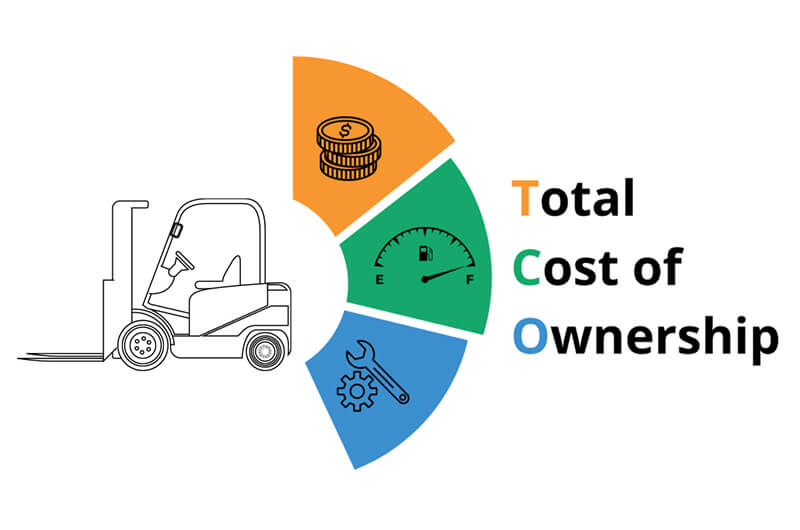
- Industrial Lithium Batteries: Initial Price vs. Long-Term Costs
Featured
Lithium-Ion Battery Materials: Why Internal Chemistry Matters
Table of contents
- Your Guide to Lithium-Ion Battery Chemistry
- Lithium-ion Battery Main Features
- Cobalt in Batteries: The Cost of Energy
- Lithium Cobalt Oxide (LCO)
- Lithium Nickel Manganese Cobalt Oxide (NMC)
- Lithium Nickel Cobalt Aluminum Oxide (NCA)
- Other Types of Lithium-Ion Batteries: When Safety is a Priority
- Lithium Titanate (LTO)
- Lithium Manganese Oxide (LMO)
- Lithium Iron Phosphate (LFP)
- Strength of BSLBATT Lithium-ion Batteries
Your Guide to Lithium-Ion Battery Chemistry
What’s Lithium-ion Battery?
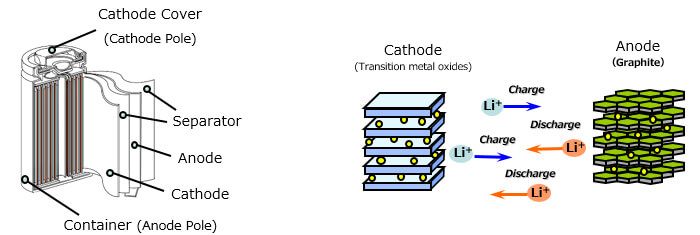
Lithium-ion batteries generate DC power by utilizing chemical reactions. When batteries are discharged and charged, lithium ions move back and forth between the electrodes (cathode and anode) inside of the batteries. In general, the cathode material is composed of Cobalt-base, Nickel-base, or Manganese-base transition metal oxides, and the anode material is composed of graphite.
Both cathode and anode are manufactured using a layered structure and the lithium ions are located in between layers. During charge, the lithium ions move from the cathode to the anode. During discharge, the lithium ions move from the anode to the cathode.
Lithium-ion batteries are commonly talked about as one single group, but they are highly varied with different internal chemistries, often suited for specific applications.
The lithium-ion batteries used in personal electronics are not the same as the lithium-ion batteries that are used to power industrial lift trucks, and it is important to understand the differences.
In this blog, we will go over the main differentiators between the many types of lithium-ion batteries and help in understanding lithium-ion battery chemistry – without having to pull out your periodic table.
Lithium-ion Battery Main Features
There are several key aspects to a lithium-ion battery that may vary based on its internal chemistry:
● Voltage
● Energy Density
● Charge Rate
● Temperature Range
● Lifespan
● Safety / Stability
● Cost
Cobalt in Batteries: The Cost of Energy
Cobalt-blended batteries are some of the most popular types of lithium-ion batteries in production today.
Many applications of lithium-ion batteries involve the use of cobalt in the cathode of the battery – cell phones, computers, electric cars, and more.
Its high energy density enables cobalt batteries to be highly powerful making it a great option for small electronics.
However, cobalt is expensive due to its scarcity, and it is linked to a long history of unethical mining practices. Additionally, the metal is highly toxic and is associated with high environmental costs in areas with cobalt mining activity.
| Battery Type | Voltage | Energy Density | Charge Rate | Thermal Runaway | Lifespan | Safety | Cost |
| Lithium Cobalt Oxide | 3.60V | 150-200 Wh/kg | 0.7-1C, charges to 4.20V | 302° F | 500-1000 cycles | ★★ | $$ |
| Lithium Nickel Manganese Cobalt Oxide | 3.60V | 150-220 Wh/kg | 0.7-1C, charges to 4.20V | 410° F | 1000-2000 cycles | ★★★ | $$$ |
| Lithium Nickle Cobalt Aluminum Oxide | 3.60V | 200-260 Wh/kg | 0.7C, charges to 4.20V | 302° F | 500 cycles | ★★ | $$ |
Lithium Cobalt Oxide (LCO)
Lithium cobalt oxide has high energy, so it is best used in phones, laptops, and digital cameras. Because this battery’s shorter lifespan, and its high cobalt usage, we do not see this type of chemistry being used in EV applications.
Lithium Nickel Manganese Cobalt Oxide (NMC)
Lithium nickel manganese cobalt oxide is used for power tools, e-bikes, and electric vehicles. Nickel is used because of its high energy density, and lower cost – making this chemistry one of the favorites for many electronic batteries we see today.
Lithium Nickel Cobalt Aluminum Oxide (NCA)
Lithium nickel cobalt aluminum oxide is used for electric vehicles, medical devices, and industrial applications. The aluminum helps stabilize the chemistry while giving it high energy densities. This chemistry is most widely know for being used by Tesla and Panasonic as it has great growth potential for the EV sector.
Other Types of Lithium-Ion Batteries: When Safety is a Priority
Lithium-ion batteries grabbed the spotlight in 2016, after a series of exploding Samsung phones led to a massive recall of the devices over concerns for being unsafe and unstable.
The frequency of failures due to manufacturing defects is very low. Most failures occur due to misuse.
The batteries used in consumer products are nearly always cobalt-based lithium-ion batteries due to their extremely high energy density, and thermal runaway is always a possibility with so much energy packed into such a tiny package.
For this reason, lithium-ion batteries used in industrial equipment typically contain other components besides cobalt – prioritizing safety and a long lifespan over a higher capacity.
| Battery Type | Voltage | Energy Density | Charge Rate | Thermal Runaway | Lifespan | Safety | Cost |
| Lithium Titanate | 2.40V | 50-80 Wh/kg | 1C, charges to 2.85V | 302° F | 3,000-7,000 cycles | ★★★★ | $$$ |
| Lithium Manganese Oxide | 3.70V | 100-150 Wh/kg | 0.7-1C, charges to 4.20V | 482° F | 1000-2000 cycles | ★★★ | $ |
| Lithium Iron Phosphate | 3.20V | 90-120 Wh/kg | 1C, charges to 3.65V | 518° F | 2000 or more cycles | ★★★★★ | $ |
Lithium Titanate (LTO)
One of the safest lithium-ion batteries – LTO batteries can operate in a wide temperature range. Because of their long life, they are used in electric vehicles and solar-powered street lighting. Lithium titanate is one of the most expensive battery types because of a couple of reasons:
● It has no SEI film formation
● It has no lithium plating when fast charging & charging at low temperatures
● It has better thermal stability in high temperatures than other chemistries
● It has a long cycle of life
Lithium Manganese Oxide (LMO)
Manganese-oxide components are inexpensive, non-toxic, and abundant on earth. Due to their high power, they are used in power tools, medical devices, and electric vehicles.
Lithium Iron Phosphate (LFP)
The use of phosphate in the cathode material offers good performance with low resistance, making the battery have:
● High current rating
● Long cycle life
● Good stability and tolerance of abuse
● These characteristics make LFP an excellent choice for use with material handling equipment.
Strength of BSLBATT Lithium-ion Batteries
High Capacity and High Safety are the strength of BSLBATT batteries, especially High Capacity (or High Energy Density) batteries. As the capacity (or energy density) increases, it becomes more important to ensure the safety of batteries. As a result, BSLBATT continues to develop better battery materials and manufacturing processes while also working to develop better battery control technology that will allow BSLBATT batteries to be used safely, especially when layering up from cell to pack, module, and system. These activities help BSLBATT’s batteries to maintain very high reliability.
Stanley Whittingham, one of the three scientists who won the Nobel Prize in 2019 for developing the lithium-ion battery, says that battery recycling, the earth’s supply of raw materials, and optimizing energy density are some of the key areas of improvement for lithium-ion battery technology – but he is hopeful for the future.
For forklift fleet managers planning to invest in lithium-ion technology, it is important to understand that lithium-ion refers to many different chemistries. Some chemistries are better suited than others for particular applications. When looking for batteries to power material handling equipment, lithium iron phosphate will be the best option for balancing safety and performance.
By making the most of BSLBATT batteries’ strength, BSLBATT can provide the best suitable battery solution for a wide variety of applications.