Revolutionize the energy economy with advanced lithium-ion battery technology—lower costs, reduce heat, and accelerate sustainable development.
 Explore all product lines
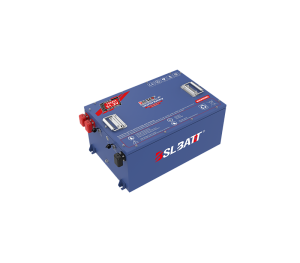
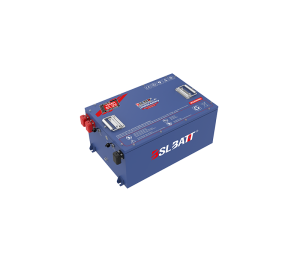
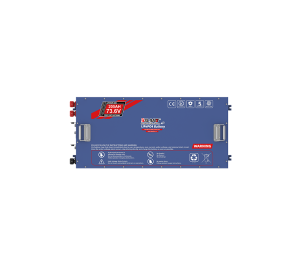
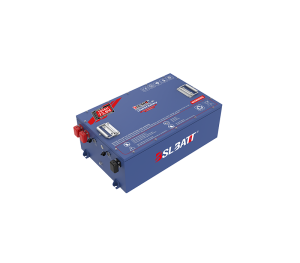
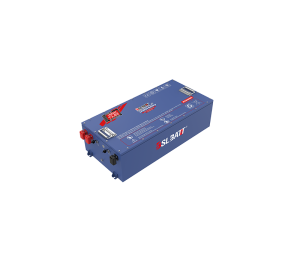
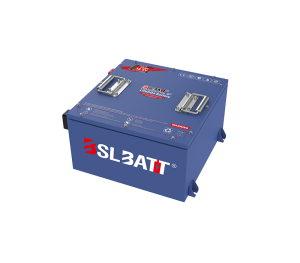
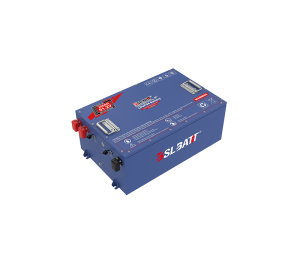
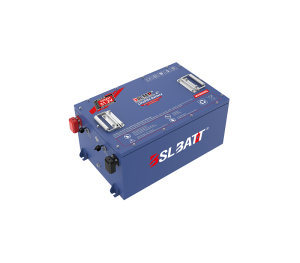
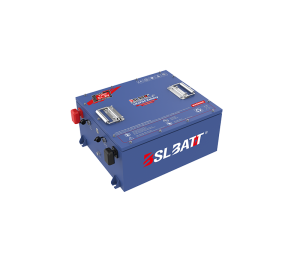
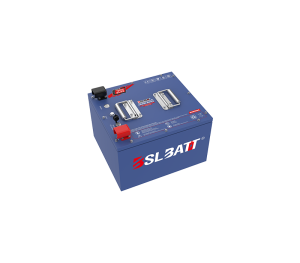
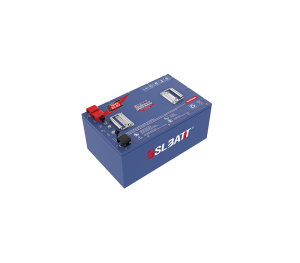
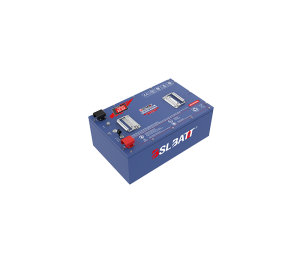
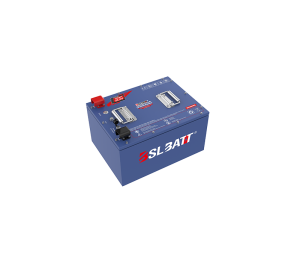
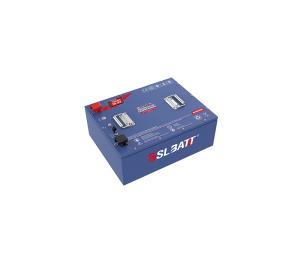
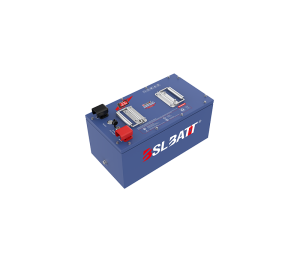
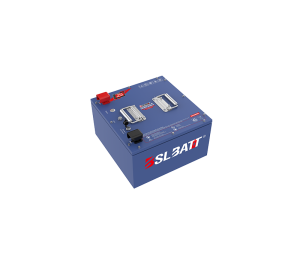
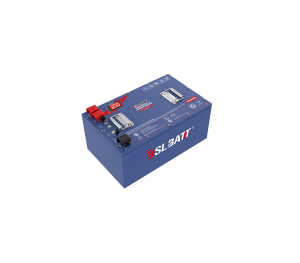
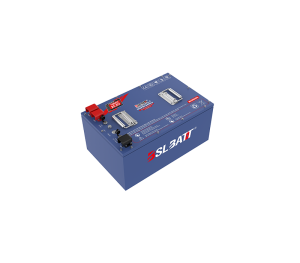
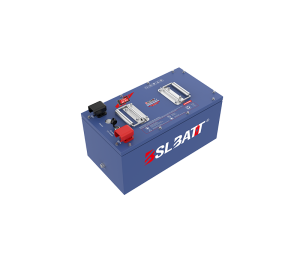
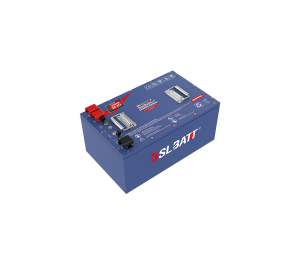










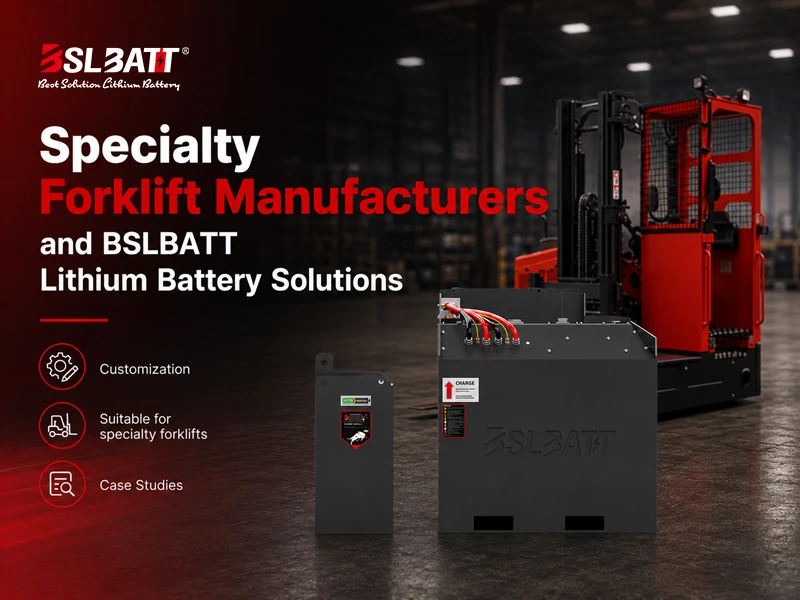
- Specialty Forklift Manufacturers and BSLBATT Lithium Battery Solutions
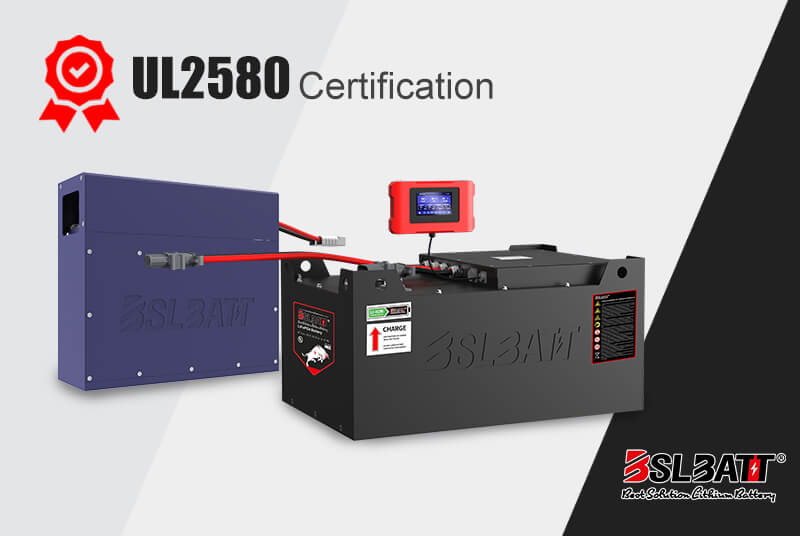
- The first lithium forklift battery that is UL 2580 certified and ISO9001 certified in the industry is BSLBATT® Battery – Industrial
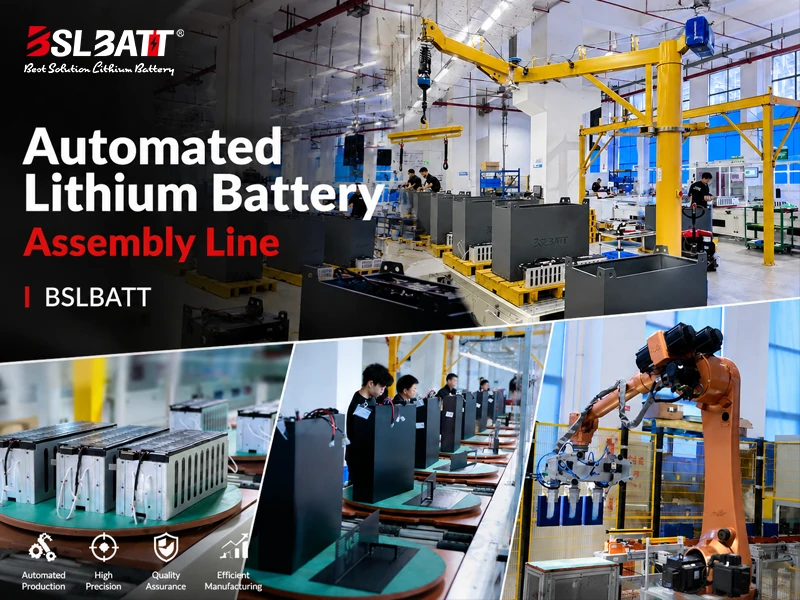
- Automated Lithium Battery Assembly Line | BSLBATT Smart Factory
- Time to Retire Lead-Acid: Why Your Warehouse Needs Lithium-Ion Power
- Lithium Forklift Battery Maintenance Guide 2026
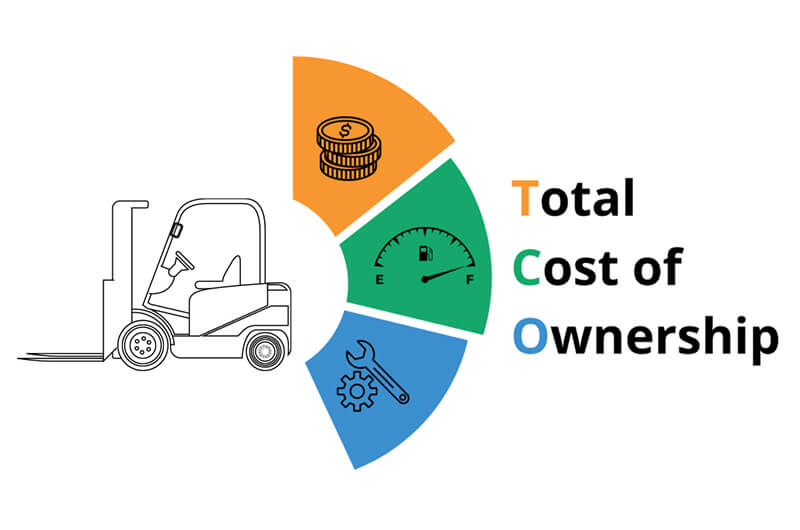
- Industrial Lithium Batteries: Initial Price vs. Long-Term Costs
Featured
The Drawbacks Of Lead Acid Forklift Battery Charging

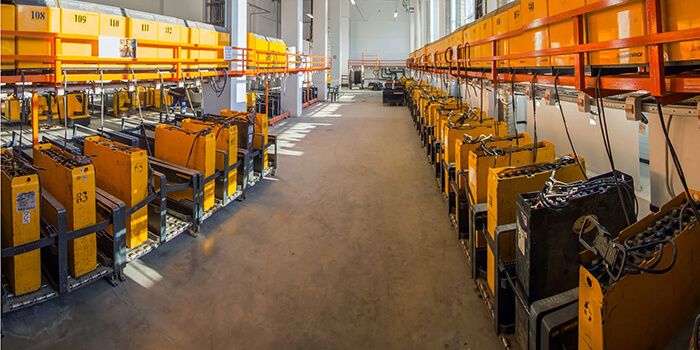
For years, lead-acid batteries have been the “go-to” source of power for electronics, vehicles, and equipment. However, thanks to several features that promote efficiency and safety, lithium-ion batteries are becoming a popular choice across several industries.
One of the most important characteristics for a company that uses batteries in its forklift fleet is the life of the battery. How long the battery lasts while in use plays a critical role in a company’s operations. When it comes to a business’s bottom line, efficiency matters. lithium-ion-vs-lead-acid-battery-life
When weighing whether lithium-ion or lead-acid battery life is a better fit for a fleet, here are some of the main differences between the two.
What is Lead Acid Battery?
Introduction:
• A battery is a storage device that stores power.
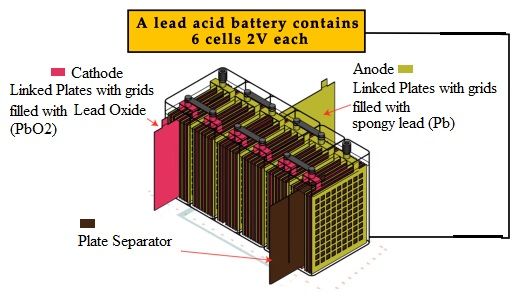
• As shown in figure-1, it contains six cells with each having 2V values.
• Materials used are led peroxide (PbO2), sponge led (Pb) and dilute sulfuric acid (H2SO4)
• The positive plate of lead-acid battery is made of PbO2 which is dark brown hard and brittle substance.
• The negative plate of a lead-acid battery is made of pure led in soft sponge condition (Pb).
• Here H2SO4 uses water to acid ratio of 3:1
What is Lithium Battery?
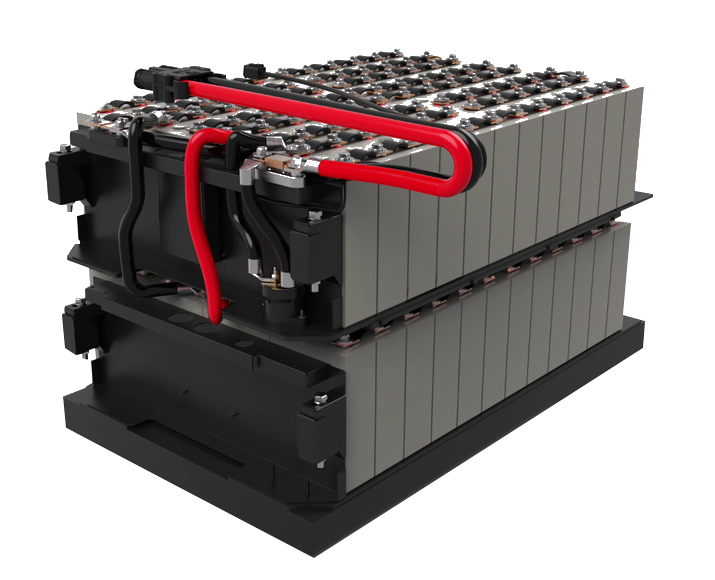
A lithium-ion (Li-ion) battery is an advanced battery technology that uses lithium ions as a key component of its electrochemistry. During a discharge cycle, lithium atoms in the anode are ionized and separated from their electrons. The lithium ions move from the anode and pass through the electrolyte until they reach the cathode, where they recombine with their electrons and electrically neutralize. The lithium ions are small enough to be able to move through a micro-permeable separator between the anode and cathode. In part because of lithium’s small size (third only to hydrogen and helium), Li-ion batteries are capable of having a very high voltage and charge storage per unit mass and unit volume.
What is the difference between a lead-acid battery and a lithium battery charge?
lead-acid battery changing how long a battery takes to charge can have a significant impact on how day-to-day operations are scheduled and managed.
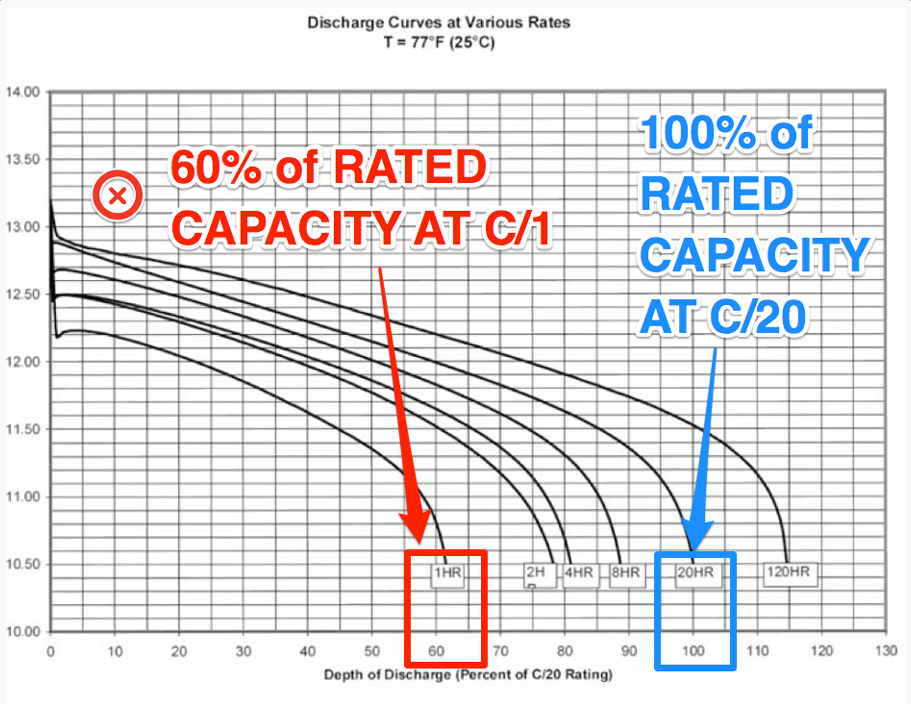
Lead-acid batteries generally have a run time of between 5 and 6 hours. When they need to be recharged, that process takes approximately 8 hours. Although the charging process completes in 8 hours, another 8 hours of cooling downtime are typically required. This means that the true amount of time necessary for a lead-acid battery to go back into service is closer to 16 hours.
Lithium-ion batteries, on the other hand, generally have a run time of between 7 and 8 hours. When they need charging, it only takes approximately 1 to 2 hours, offering the option for crews to “opportunity charge” the batteries during breaks or in between shifts. Lithium-ion batteries also do not require a cooldown period, which means that they can immediately go back into service after being charged.
Charging Process
The charging process is much more complex for a lead-acid battery. Here’s what it looks like:
• When a battery needs charging, a forklift operator must drive the forklift to a designated room for the charging of their batteries.
• Using lifting equipment, because of the battery’s weight, trained personnel must then remove the battery and place it on a storage rack where the charging will be done.
• As outlined above, the charging process for a lead-acid battery takes approximately 8 hours.
• Once the charging process is completed, the cooling down stage begins. This lasts an additional 8 hours.
• The battery will either remain where it was charged or personnel may transport it to a designated cooling area if space is needed in the battery room to charge other batteries.
• After the battery cools and is ready to go back into service, a worker may check the electrolyte levels and refill the battery with distilled or deionized water. Skipping this final step can cause the chemical process to degrade, and the battery will suffer an early failure.
• The bottom line is that the charging process for lead-acid batteries is time-consuming and labor-intensive.
The charging process for a lithium-ion battery is much less complicated. That’s because a lithium-ion battery can remain in the forklift or other material handling equipment during charging and is simply connected to a battery charger.
Lithium-ion batteries do not require a separate charging and/or cooling space, and they do not require watering. This saves valuable space and labor time.
Charging Dangers
lead-acid battery charging the lead-acid charging process brings with it a host of dangers.
Lead-acid batteries are made from toxic lead and sulfuric acid. If a battery is overcharged, this electrolyte solution can overheat, which then causes hydrogen and oxygen gas to form. This increases the pressure inside the battery.
While the battery is designed to relieve pressure build-up, it can cause the water to boil out of the battery, potentially destroying the charge plates or the entire battery. Even worse, if the battery overheats and the vent caps don’t function properly, there may not be a way for the gas pressure to relieve itself other than an instant explosion. This can cause severe damage to your facility and possible harm to your employees.
The cells of a lithium-ion battery, on the other hand, are completely sealed, so there is no risk for spills to occur. Best of all, the battery management system (BMS) for a lithium-ion battery monitors cell temperatures to ensure they remain in safe operating ranges.
You can read more about safety issues associated with lead-acid batteries used as a power supply for material handling equipment in our article, The Top 8 Ways A Lithium-ion Battery Makes Your Forklift Safer.
Charging Costs
Each of the above charging drawbacks can add up to significant costs for a business, especially for a company that utilizes multi-shift operations.
Because a lead-acid battery takes nearly two shifts to charge and cool down, a company that has around-the-clock operation must have three batteries available per forklift or piece of equipment.
Companies that invest in lithium-ion batteries only require one battery per piece of equipment since lithium-ion can be an opportunity charged.
The downtime associated with charging lead-acid batteries versus lithium-ion batteries also comes at a substantial cost for companies. In fact, one major equipment manufacturer realized it could save over $1 million a year by switching to lithium-ion batteries.
One major cost associated with charging lead-acid batteries that is often overlooked is the allocation of warehouse space for a battery room to safely charge and store batteries while cooling. With the use of lithium-ion batteries, this space can often be recaptured for more productive use.
Our article, Why A Forklift Battery Price Isn’t Its True Cost, explains hidden factors that impact a battery’s true price.
Traditional Is Not Always Best
Lead-acid batteries have long been the traditional choice for companies that utilize forklifts or other pieces of material handling equipment as part of their operations.
However, there are several drawbacks associated with the time it takes to charge a lead-acid battery, the process by which this type of battery is charged, the host of dangers this presents for workers and what these mean for a battery’s true cost.
These concerns are leading operations managers to question whether their lead-acid batteries are the best option, and more companies are making the switch to the newer, safer and less costly over time technology that lithium-ion offers.